Gyeongju Tomb Mounds and Night Walk Guide

At 18:30 in autumn, the daytime crowds on Hwangnidangil vanish into heated restaurants, and the ancient capital goes quiet. The giant grassy tumuli of Daereungwon rise into the dark like silent green hills, lit from below by warm ground floodlights that throw the silhouettes of twisted pine branches across the turf. Walking past royal tombs built sixteen centuries ago under a clear night sky is one of my favorite things to do anywhere in Korea.
This gyeongju tomb mounds and night walk guide covers the complete evening walking circuit through central Gyeongju. We will look at illumination schedules, gate closing times, route planning between Daereungwon and Woljeonggyo bridge, night photography angles, and where to wander through the quiet back alleys of Hwangnam-dong once the tour buses have driven away.
Gyeongju Tomb Mounds and Night Walk Guide: The Route
A proper evening stroll through Gyeongju does not require taxis or tour buses. The historic core is flat, compact, and connected by unpaved stone paths and paved pedestrian boardwalks. If you follow this gyeongju tomb mounds and night walk guide, you can walk the entire historical belt in roughly three to four hours at an easy pace. The total distance is about 4.5 kilometers, starting at the western gate of Daereungwon and finishing across the stream at Woljeonggyo.
I recommend beginning just before sunset around 17:45. Start inside Daereungwon while there is still faint ambient light to silhouette the towering mounds of Hwangnamdaechong against the purple sky. From Daereungwon, exit through the east gate and cross the crosswalk toward Cheomseongdae, the seventh-century astronomical observatory. Its cut granite blocks glow soft amber against open grassy fields. The path continues south across the open meadows of Wolseong, where the old Silla royal fortress walls once stood, winding through quiet groves of zelkova trees.
From Wolseong, take the fork toward Donggung Palace and Wolji Pond for the most famous water reflection in North Gyeongsang province. After circling the pond, backtrack westward along the stream bank of Namcheon to Woljeonggyo, the reconstructed covered bridge whose massive twin pavilions reflect across the weir. If you are structuring a broader visit around our Gyeongju 2 day itinerary, this evening loop is the anchor of your first night in town. Wear sturdy flat shoes. Gravel paths dominate the route.
The rhythm here is slow. You will share the paths with local couples, stray cats, and elderly residents walking their dogs. Night air settles fast over the basin once dusk fades.
Tip: Walking Surface Note
Most paths around Daereungwon and Wolseong use packed crushed stone and timber boardwalks. Leave boots with hard heels at your guesthouse and wear cushioned walking shoes.
Daereungwon Illumination and the Ancient Tumuli
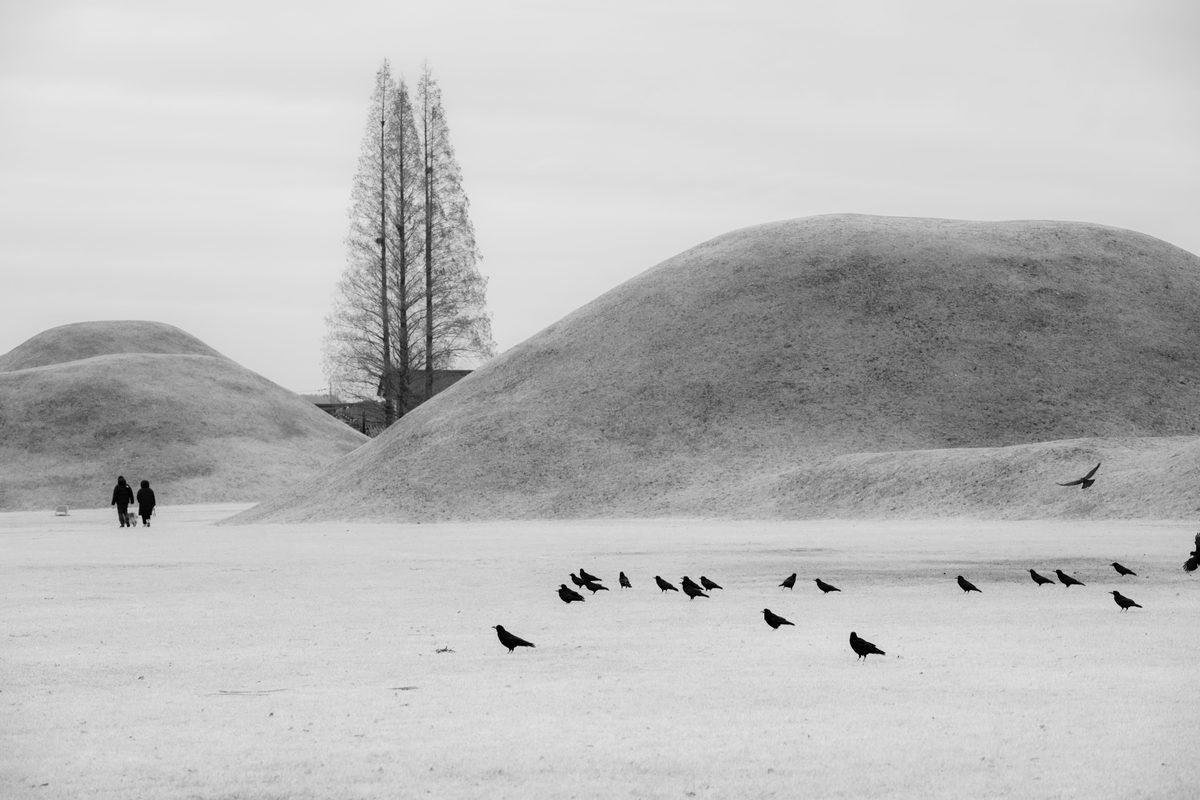
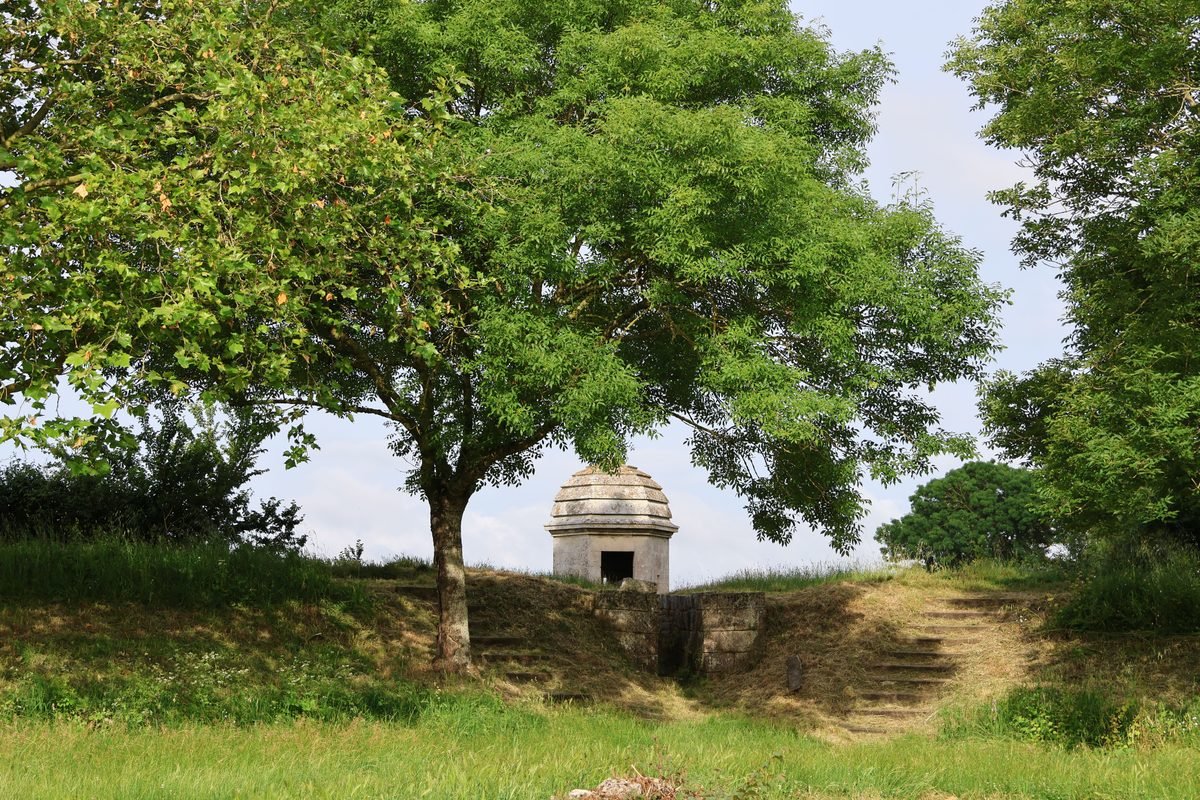
Daereungwon Tumuli Park holds twenty-three royal tombs from the Silla Dynasty. Entering after dusk feels completely different from visiting at midday when selfie sticks line up at the famous magnolia photo tree. Daereungwon is free to enter, though the Cheonmachong tomb interior charges ₩3,000 (about $2.20) if you wish to see the excavated gold crown replica and burial chamber before it shuts at 21:30. The main park gates stay open until 22:00, with final entry permitted until 21:30.
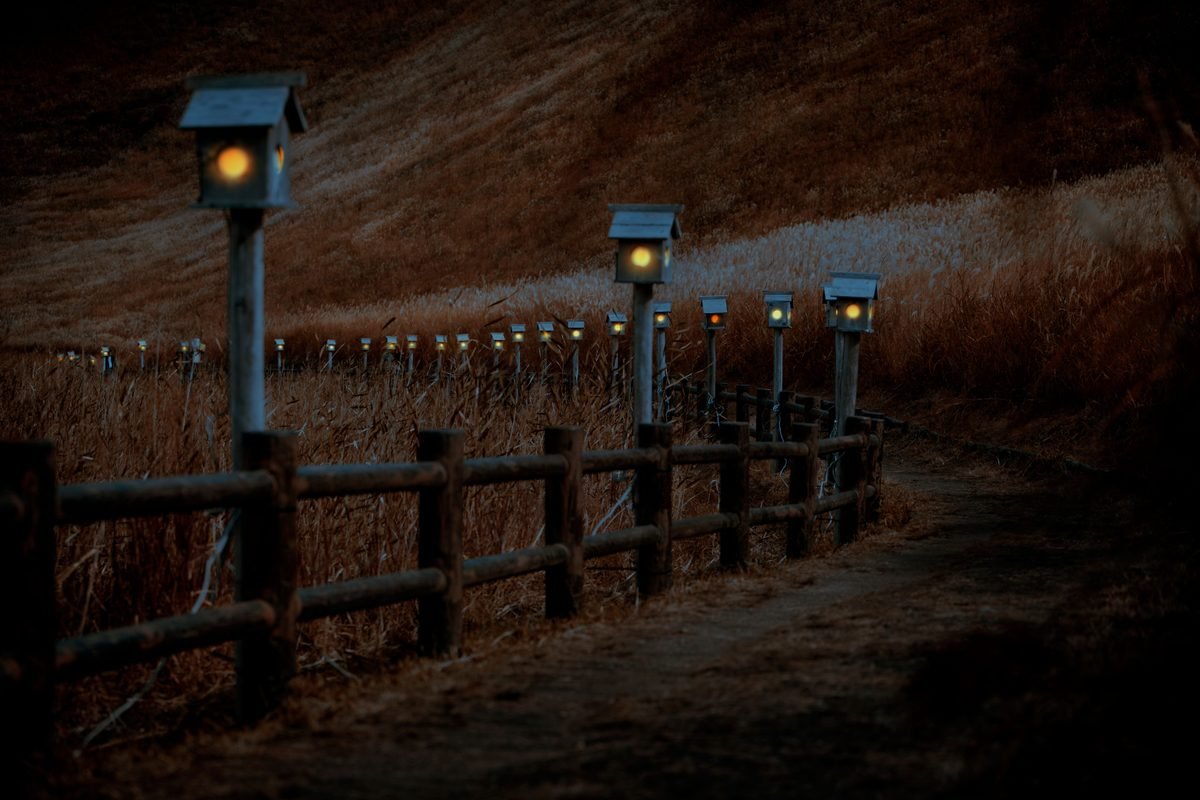
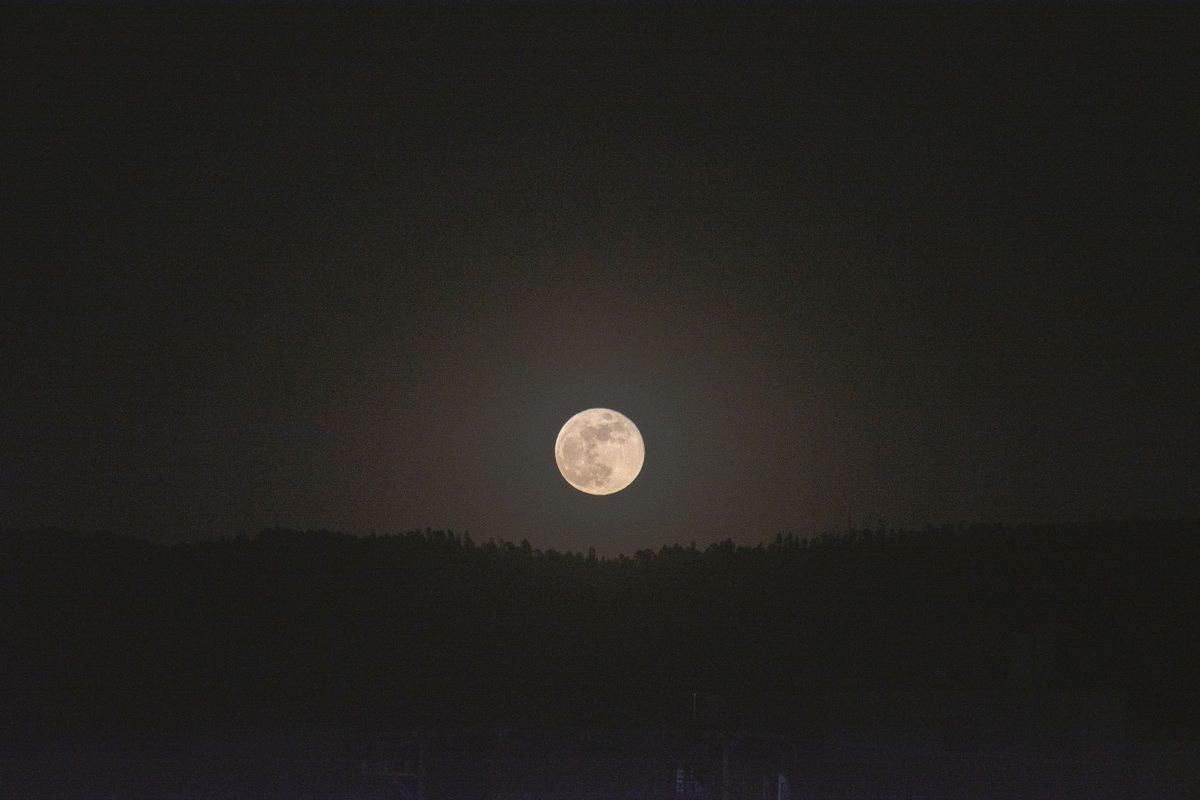
Ground illumination throughout the park clicks on automatically around dusk, generally between 18:00 and 18:30 depending on the month. Uplights placed discreetly in the grass illuminate the gentle curves of King Michu’s tomb and the colossal twin mounds of Hwangnamdaechong. The lighting is deliberate and warm. There are no garish neon colors here. Low-wattage amber LEDs graze the grass and bark, creating long shadows and deep pockets of quiet darkness between the trails.
Take the wide stone trail past the bamboo grove on the park’s western rim. The wind rustling through the bamboo leaves creates a soothing hush. Benches sit along the perimeter where you can sit quietly and look out at mounds that rise up to twenty-three meters high. Because walking on the mounds is strictly illegal, staying on the marked timber paths is mandatory. Guards patrol the park on foot until closing. Keep your voice down; sound travels sharply off the earthen curves.
Exiting through the east gate drops you directly opposite the tomb cluster of Nodong-dong and Noseo-dong, where Bonghwangdae stands outside the ticketed perimeter with its ancient trees growing out of the summit.
From a local: Bypassing the Photo Queue
The photogenic lone magnolia tree between the twin mounds draws hour-long queues during afternoon daylight. Visit after 20:00 instead, when the queue evaporates and the lit mounds behind the bare branches look far more atmospheric.
Cheomseongdae to Woljeonggyo: Walking the Starlit Paths
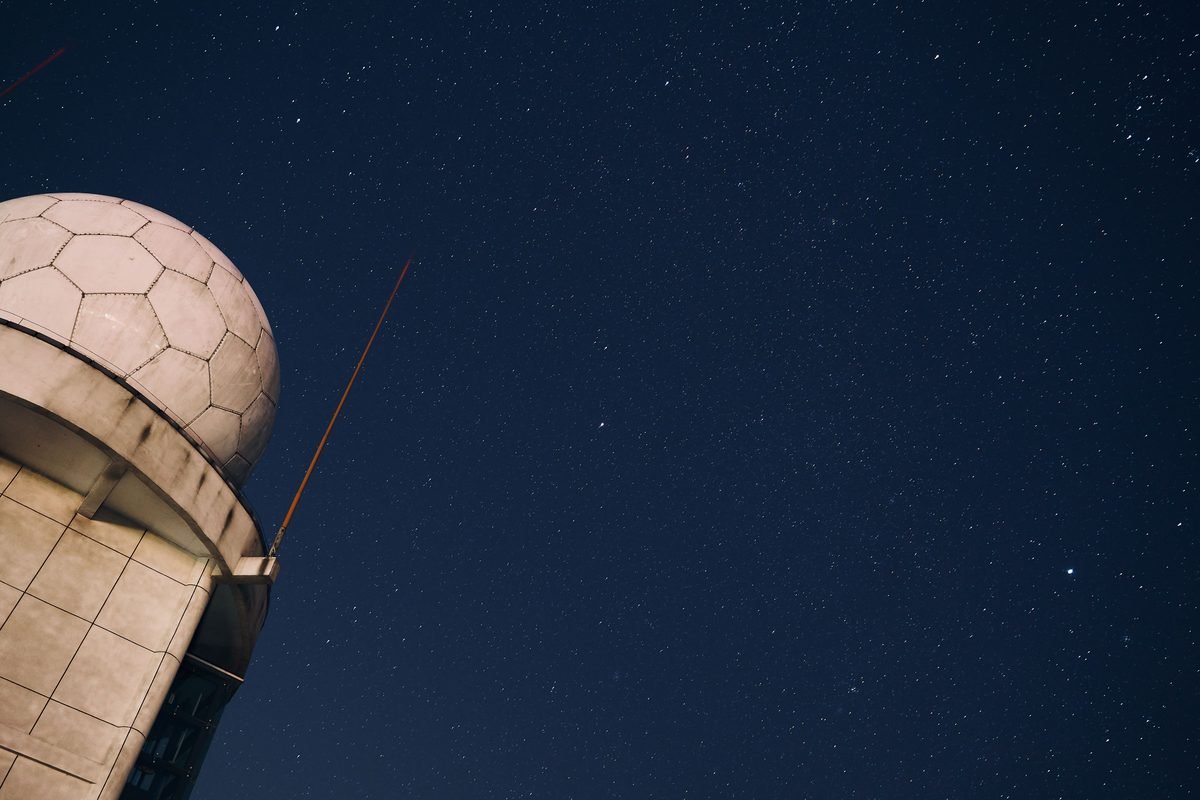
Cross the road from Daereungwon’s eastern gate into the open parkland surrounding Cheomseongdae. Built during the reign of Queen Seondeok in the early 600s, this bottle-shaped stone tower is the oldest surviving astronomical observatory in East Asia. Admission is completely free, and the grounds remain open twenty-four hours a day. Floodlights cast a clean, bone-white glow over its 362 dressed granite blocks. In autumn, cosmos flowers and pink muhly grass fringe the nearby fields, though after dark the focus shifts squarely to the monument.
From Cheomseongdae, avoid the paved road and follow the dirt trail south into Wolseong. Wolseong translates to “Moon Castle,” named for the half-moon contour of the earthen rampart. This section of the walk is noticeably darker. Streetlamps are spaced widely apart to preserve the natural nocturnal feel, so turn on your phone flashlight if your night vision needs a moment to adjust. Archaeological excavations continue here, but the elevated dirt ridge offers quiet vantage points looking back toward the lit mounds of Daereungwon.
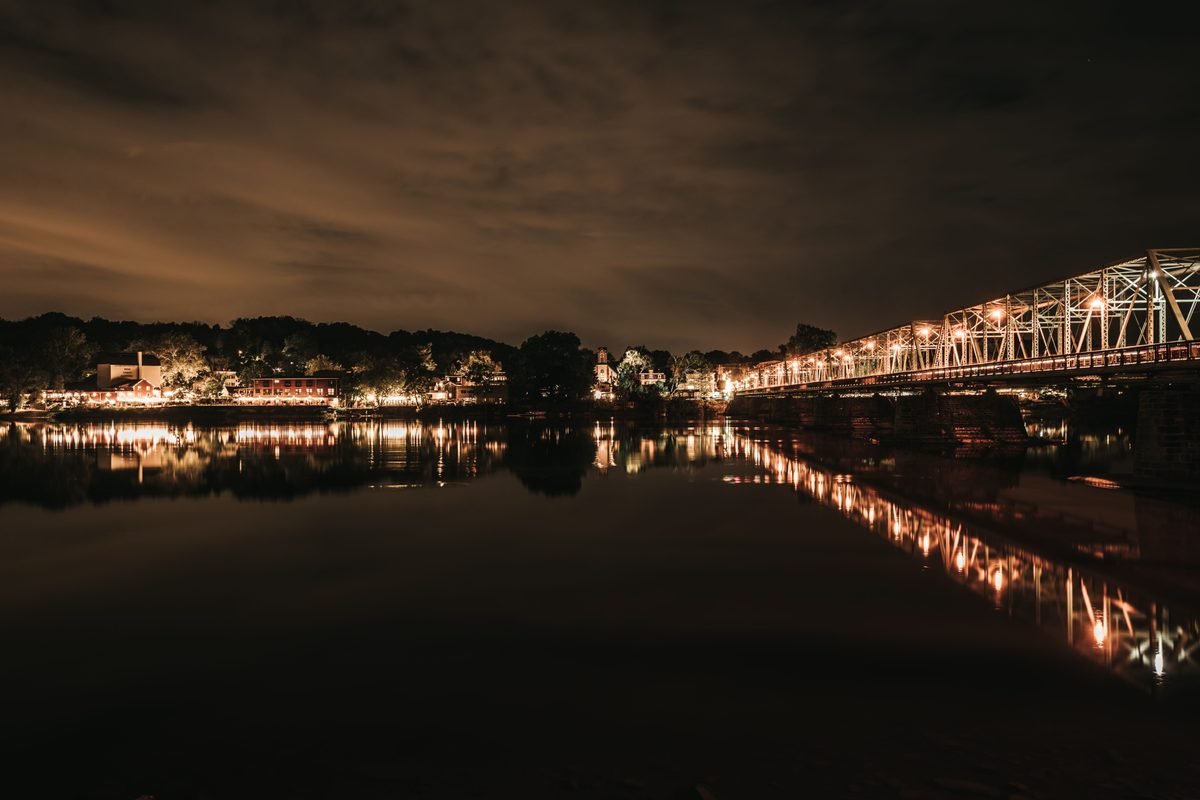
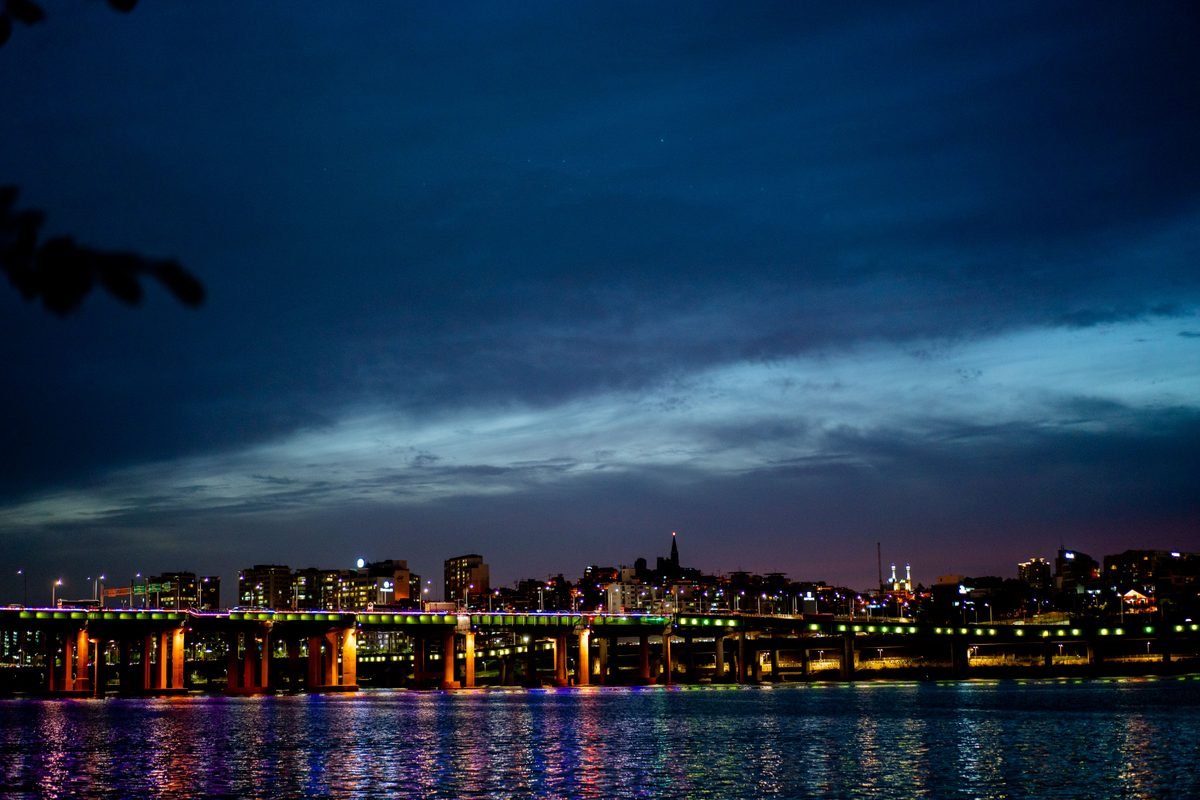
Continue down the western slope of Wolseong toward the Namcheon stream. Suddenly, the darkness gives way to the grand red-and-green timber colonnades of Woljeonggyo. Reconstructed in 2018 based on historical records, the bridge spans the river on stone piers with two two-story gate pavilions anchoring each bank. Entry is free. You can walk across the upper wooden hall until 22:00, admiring the intricate painted rafters. Step down onto the stepping-stone weir upstream for the classic photograph of the illuminated bridge reflected in the slow-moving river.
Heads up: Stepping Stone Caution
The stone weir across Namcheon gives you the best reflection shots of Woljeonggyo, but the stones can be damp and lack railings. Use both hands for balance and do not look into your viewfinder while stepping.
Donggung Palace and Wolji Pond Evening Reflections
If Woljeonggyo represents architectural balance, Donggung Palace and Wolji Pond is pure spectacle. Formerly known as Anapji, this was the pleasure pond and banquet compound of the Silla crown prince, constructed in 674 CE. Admission is ₩3,000 (about $2.20) for adults. Ticket booths operate until 21:30, and the gates close strictly at 22:00. At 22:00 sharp, the floodlights click off, plunging the entire compound into blackness, so aim to arrive no later than 20:30.
What makes Wolji Pond famous is its intentional landscaping. Silla engineers designed the shore with irregular bends and peninsulas so that viewers standing at any single point cannot see the entire shoreline, giving a compact artificial pond the feeling of an endless inland sea. Three restored palace pavilions sit on the western edge, glowing with gold and vermilion uplighting. On calm autumn evenings without wind, the black pond acts as a clean mirror. The reflection of the pavilions is so crisp that distinguishing the real roofline from the watery reflection can trick your eyes.
The walking circuit around the pond takes about twenty-five minutes. Follow the clockwise path along the gravel rim. The northern and eastern shores wind through stands of bamboo, pine, and maples. These darker sections afford the best views back toward the illuminated pavilions across the open water. Tripods are generally permitted as long as you do not block the narrow boardwalks. Weekends bring heavy domestic crowds from Busan and Daegu, but visiting on a Tuesday or Wednesday evening lets you stroll with only the quiet murmur of pond ripples around you.
Quiet Alleys and Late Bites in Hwangnam-dong
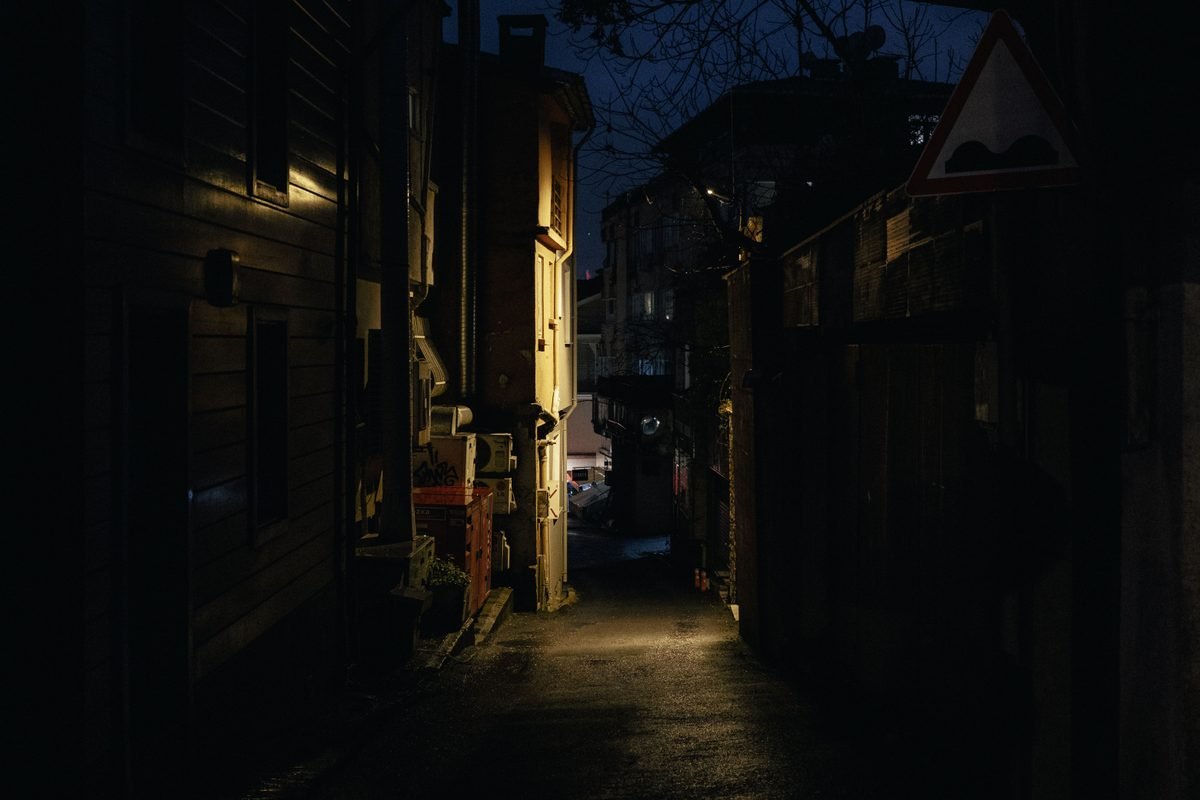
After finishing the monument circuit, head back northwest into Hwangnam-dong, the neighborhood flanking the western edge of Daereungwon. Known commercially as Hwangnidangil, the main spine on Poseok-ro is packed during daytime with tourists carrying coin-shaped cheese breads and egg waffles. But turn ninety degrees into the narrow side alleys—known as golmok—and the atmosphere changes instantly. Traditional tiled hanok roofs slope overhead, and warm light spills from low windows onto quiet flagstones.
Most retail boutiques close by 20:00, but hanok pubs, small craft beer taprooms, and cozy traditional teahouses stay open until 23:00 or midnight. It is the perfect place to warm up after two hours outdoors. Look for a low-lit makgeolli bar tucked away near Cheomseong-ro. Ordering a kettle of Gyeongju Beopju rice wine alongside a hot, crispy seafood pancake (haemul pajeon) costs around ₩22,000 (about $16.00) and feeds two comfortably. The rich, nutty warmth of fresh local brew is just right on a brisk night.
For independent travelers navigating these residential alleys, download an offline map beforehand. As outlined in our comparison of Naver Map vs Kakao Map for tourists, standard international mapping apps lack walking directions in South Korea. Naver Map pins small craft bars and hanok courtyards with pinpoint accuracy. Hwangnam-dong is remarkably safe. Wandering down dimly lit residential paths where century-old brick walls meet clay roof tiles is peaceful. Respect the locals who live here; speak softly and avoid lingering directly outside bedroom windows.
Tip: Cashless Convenience
Nearly every pub, tearoom, and cafe in Hwangnam-dong takes foreign credit cards with zero hassle. Keep a crisp ₩10,000 note in your pocket just in case you stop at an elderly street vendor selling roasted chestnuts.
Evening Weather, Photography Spots, and Practical Tips
Timing your walk around seasonal temperatures makes a huge difference. Gyeongju sits in an inland river basin, which means daily temperature swings can exceed fifteen degrees Celsius. In spring and autumn—the absolute best seasons for night walking—afternoon highs of 22°C plunge to 7°C within two hours of sundown. Crisp evenings are common. You will definitely want a windbreaker, a packable down vest, or a wool scarf between October and April. Checking our seasonal guide on Korea autumn foliage guide will help you align your trip with peak leaf color in late October.
For photographers, blue hour—the twenty-minute window directly following sunset—is far superior to pitch darkness. During blue hour, the sky registers as deep cobalt rather than empty black, providing clear separation for the silhouette of the tumuli mounds. Here are three spots you should not miss:
- The North Ridge of Wolseong: Look northwest to frame the warm dome of Hwangnamdaechong against the dim silhouette of Mount Namsan.
- The Weir at Namcheon: Stand centered on the stepping stones for a symmetrical reflection of Woljeonggyo’s lit timber beams.
- Wolji Pond Eastern Path: Shoot across the water toward Pavilion Number 1 through the bare pine boughs.
Public transport within the historic zone is straightforward. Gyeongju city buses run a flat fare of ₩1,500 cash or ₩1,450 with a transit card (about $1.05). If your feet give out after several miles on gravel, hail a local taxi along Poseok-ro; the base fare is ₩4,000 (about $2.90), and rides anywhere in town rarely top ₩7,000 (about $5.10).
What it costs in Gyeongju
| Item | Local price | USD |
|---|---|---|
| Daereungwon Tumuli Park Entry | Free | $0.00 |
| Cheonmachong Tomb Interior Admission | ₩3,000 | $2.20 |
| Cheomseongdae Observatory Access | Free | $0.00 |
| Donggung Palace & Wolji Pond Admission | ₩3,000 | $2.20 |
| Woljeonggyo Covered Bridge Walkway | Free | $0.00 |
| Hanok pub dinner (Haemul pajeon + local brew) | ₩22,000 | $16.00 |
| City bus or short taxi fare back to base | ₩4,000 | $2.90 |
| Total evening spend (per person) | ₩32,000 | $23.30 |
Prices checked October 2026. Always confirm with the provider before you book.
Where to stay in Gyeongju
Budget
Noseo-dong, for quiet guesthouses near the express bus terminal
This district sits five minutes on foot from the western entrance of Daereungwon and the intercity terminals. It is ideal for solo travelers wanting affordable private rooms or dorm beds within easy walking distance of the night trail, averaging ₩45,000 to ₩70,000 ($33-$51) per night.
Mid-range
Hwangnam-dong, for restored hanok stays with courtyards
Staying inside the historic alleys puts you right in the middle of late-night cafes and craft beer bars without needing transit. You can step out directly onto the dark flagstones of the tomb complex for around ₩110,000 to ₩180,000 ($80-$130) per night.
Splurge
Bomun Lake Resort area, for full-service lakeside hotels
Located a fifteen-minute taxi ride east of downtown, this area suits travelers looking for upscale lakefront resorts, western breakfast buffets, and hot spring facilities. Expect nightly rates between ₩220,000 and ₩380,000 ($160-$275).
Mistakes to avoid
- Arriving at Wolji Pond after 21:30. The ticket booth stops selling admissions thirty minutes before closing, and security sweeps the grounds firmly at 21:55.
- Relying on Google Maps for foot navigation. It fails completely for walking paths through the burial mounds and alleyways; install Naver Map or KakaoMap before setting out.
- Underestimating the evening temperature drop. Inland Gyeongju gets cold quickly after sunset; a warm mid-layer is essential from autumn through spring.
- Attempting to cycle inside Daereungwon. Rental bikes are widely available in Gyeongju, but bicycles, scooters, and kickboards are strictly prohibited inside the tomb park grounds.
FAQ
When is the best time to walk the Gyeongju tomb mounds at night?
Start thirty minutes before sunset so you catch the twilight transition over Daereungwon before the floodlights take over. This gives you roughly two to three hours of comfortable walking before monuments begin closing at 22:00.
Do you need advance tickets for Daereungwon or Wolji Pond?
No advance reservations are required. Daereungwon park grounds are completely free, while tickets for Cheonmachong (₩3,000) and Wolji Pond (₩3,000) can be bought instantly at the automated kiosks or ticket booths using a foreign credit card.
Is Gyeongju safe to walk around alone at night?
Gyeongju is exceptionally safe, with virtually zero violent street crime. The paths around the tumuli, Wolseong, and Hwangnam-dong are well-traveled by locals, families, and solo walkers well into the late evening.