A Practical Paris First Time Itinerary and Guide

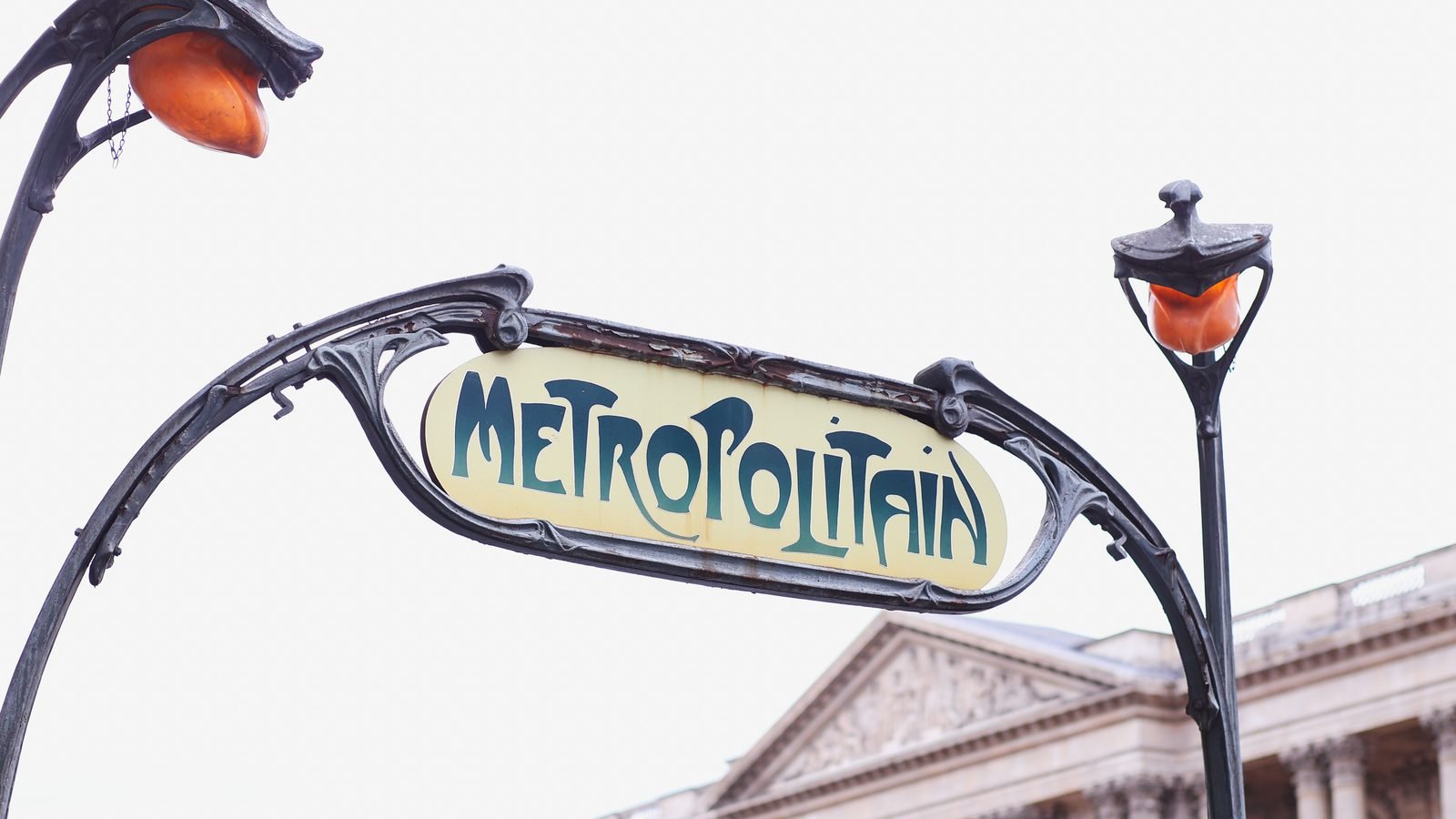
A single ticket for the RER B train from Charles de Gaulle Airport into central Paris costs €11.80 (about $13). As you step onto the platform, the air often smells slightly of damp stone and ozone, a scent that defines the underground world of the city. Navigating this capital for the first time can feel like solving a complex puzzle where the pieces are shaped like croissants and limestone monuments. It is a place where small rules of etiquette matter as much as knowing which train line to board. If you do not say hello when entering a shop, the service might feel cold, but a simple greeting changes everything.
This guide is for independent travelers planning a Paris first time itinerary of five to seven days. I have put together the essential math for the museum pass, the logic of the city layout, and the daily rituals that make a trip feel grounded rather than rushed. We will cover how to use the metro without stress, how to order your morning bread like a local, and which common scams to ignore while you walk the riverbanks. Everything here focuses on practical details and realistic costs to help you budget for September 2026.
Navigating the Paris Metro and RER
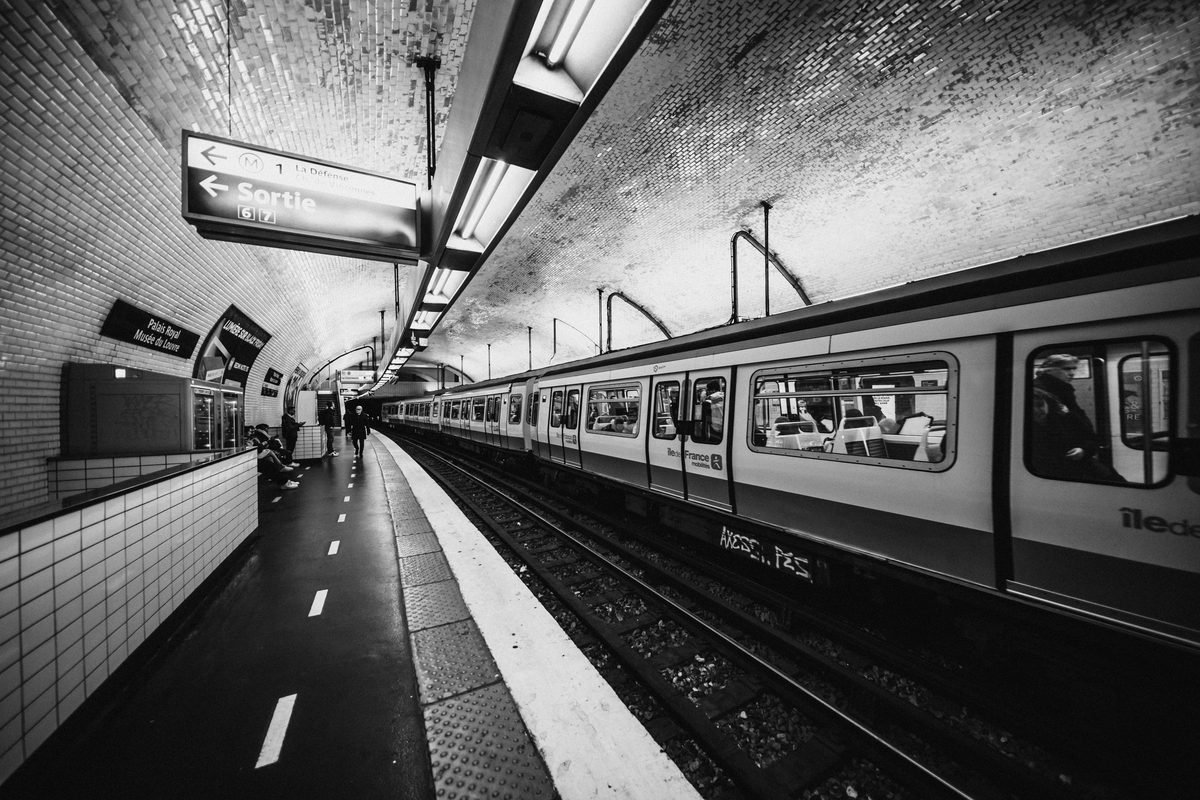
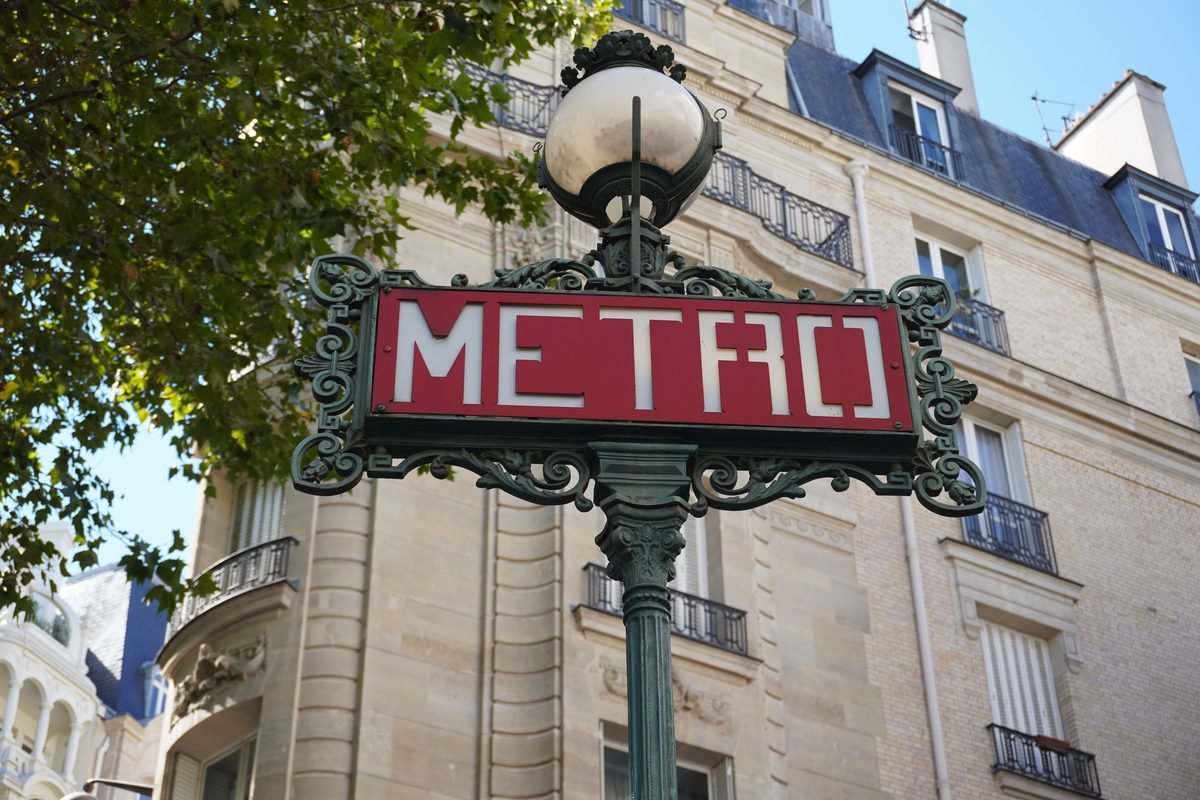
The metro is fast. It is also the most efficient way to move between the twenty districts of the city. For a Paris first time itinerary, you will likely rely on the metro lines numbered 1 through 14 and the RER commuter trains labeled A through E. A single journey ticket, known as a Ticket t+, costs €2.15 (about $2.40). However, most travelers should opt for a Navigo Easy card. This is a plastic card that costs €2 (about $2.20) and can be topped up with packs of ten journeys for €17.35 (about $19.20). You can buy these at any station kiosk or through the official transit apps.
When you arrive at the airport, look for the blue signs for the RER B. This train takes about 40 minutes to reach Gare du Nord or Châtelet-les-Halles. It is important to keep your ticket until you exit the station, as you must scan it to pass through the exit gates. Within the city center, the metro stations are very close together. In many cases, it is faster to walk between stations in the 1st or 4th arrondissements than it is to go underground. Download a map for offline use, but also pay attention to the direction of the lines, which are named after their final destination station.
Be aware that many older stations do not have elevators or escalators. You will encounter many stairs. If you have heavy luggage, the RER stations are generally better equipped, but the standard metro can be a struggle. Trains run from roughly 05:30 until about 01:15 on weekdays, with later service on Friday and Saturday nights. If you find yourself out later, look for the Noctilien night buses which operate when the trains sleep. Always validate your ticket; inspectors in green uniforms frequently check passengers, and the fines are steep if your ticket is not correctly scanned.
Tip: The Navigo Easy Card
Buy a Navigo Easy card at the airport or any station to avoid fumbling with small cardboard tickets that often demagnetize near your phone.
Understanding the Arrondissement Layout
Paris is divided into twenty districts called arrondissements. They are arranged in a clockwise spiral starting from the center of the city at the Louvre. This shape is often compared to a snail shell, or l’escargot. The lower the number, the more central the location. The 1st through 4th arrondissements make up the historic core, where you will find the biggest museums and the islands in the Seine. When you are looking at addresses, the last two digits of the postal code tell you exactly which district you are in. For example, a code ending in 75005 means the property is in the 5th arrondissement.
Walk to the river to find your bearings. The Seine divides the city into the Right Bank (Rive Droite) to the north and the Left Bank (Rive Gauche) to the south. Historically, the Right Bank was known for commerce and grand boulevards, while the Left Bank was the intellectual and bohemian heart, home to the Sorbonne and famous writers’ cafes. Today, these distinctions are blurred, but the geography remains a vital navigation tool. Most of your Paris first time itinerary will likely oscillate between these two banks as you cross the many historic bridges.
Each district has a distinct personality. The 3rd and 4th, known as Le Marais, are famous for narrow medieval streets and boutiques. The 7th is home to the Eiffel Tower and wide, stately avenues. The 18th, dominated by the hill of Montmartre, offers a village-like feel but is much steeper than the rest of the city. Understanding this spiral helps you group your activities. Do not try to visit the Eiffel Tower and the Père Lachaise Cemetery on the same morning; they are on opposite sides of the spiral. Grouping your sights by neighborhood will save you hours of transit time and physical exhaustion.
Doing the Museum Pass Math
The Paris Museum Pass is a popular tool for first-timers, but it only saves money if you plan your days carefully. As of late 2024, the pass costs €62 (about $69) for 2 days, €77 (about $85) for 4 days, and €92 (about $102) for 6 days. It covers entry to over fifty monuments and museums, including the Louvre, Musée d’Orsay, and the Arc de Triomphe. To see if it is worth it, compare the pass price to individual tickets: the Louvre is €22 (about $24), the Orsay is €16 (about $18), and the Sainte-Chapelle is €13 (about $14). If you visit more than two major sites per day, the pass usually pays for itself.
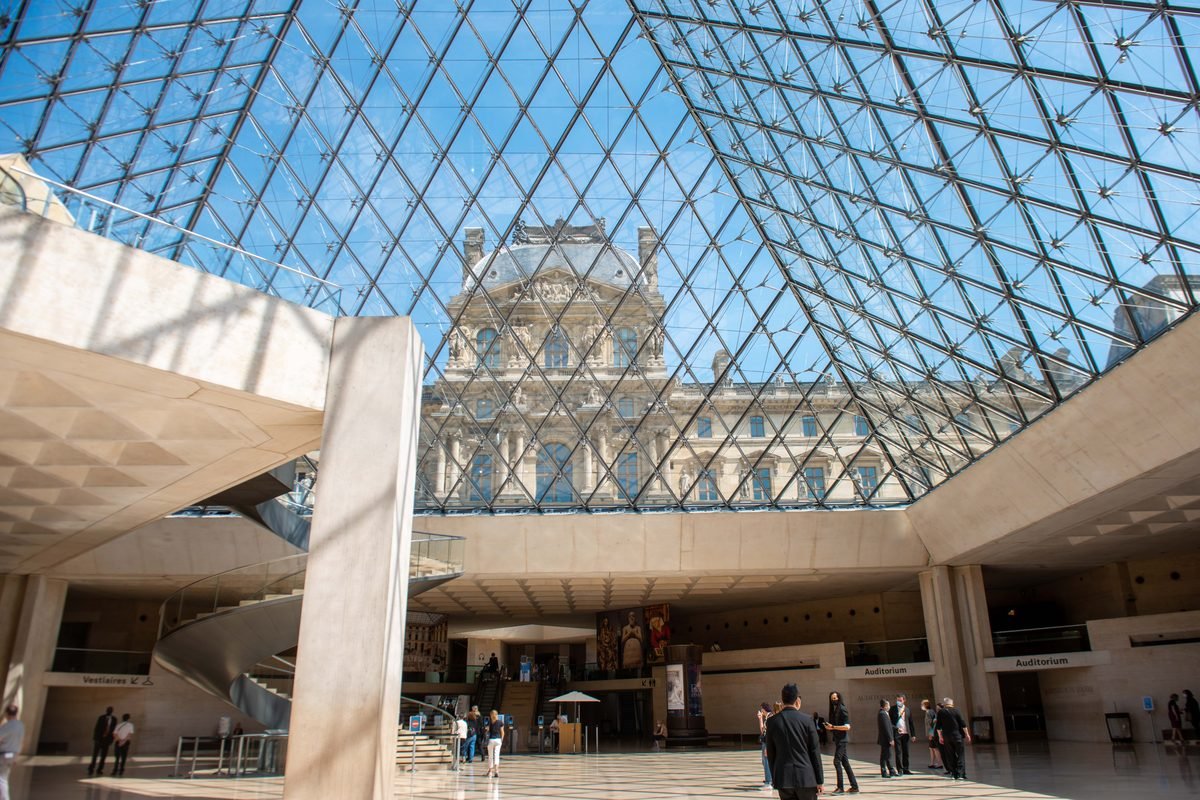
Crucially, having a pass does not mean you can just walk in. Since the post-pandemic shift toward capacity management, almost every major site requires a timed entry reservation. Even with a Museum Pass, you must go to the official website of the Louvre or the Château de Versailles to book your specific time slot. These slots can fill up weeks in advance, especially in the peak summer months or during holiday periods. I would book these as soon as your travel dates are confirmed. If you show up at the Louvre without a reservation, you will likely be turned away, regardless of whether you have a pass.
The pass is activated the first time you use it at a participating site. It works on a consecutive hour basis. A 2-day pass is valid for 48 hours from the moment of the first scan. This means if you start at 2:00 PM on Tuesday, it remains valid until 2:00 PM on Thursday. Use this to your advantage by visiting a smaller museum on your final morning. Note that the pass does not include the Eiffel Tower, which is a separate ticket entirely, nor does it cover temporary exhibitions within the museums. It is strictly for the permanent collections and the monuments themselves.

Book ahead: Book the Louvre Early
Reservations for the Louvre open about three months in advance. Secure your time slot even if you are using a Museum Pass to avoid being locked out.
A Sample Paris First Time Itinerary
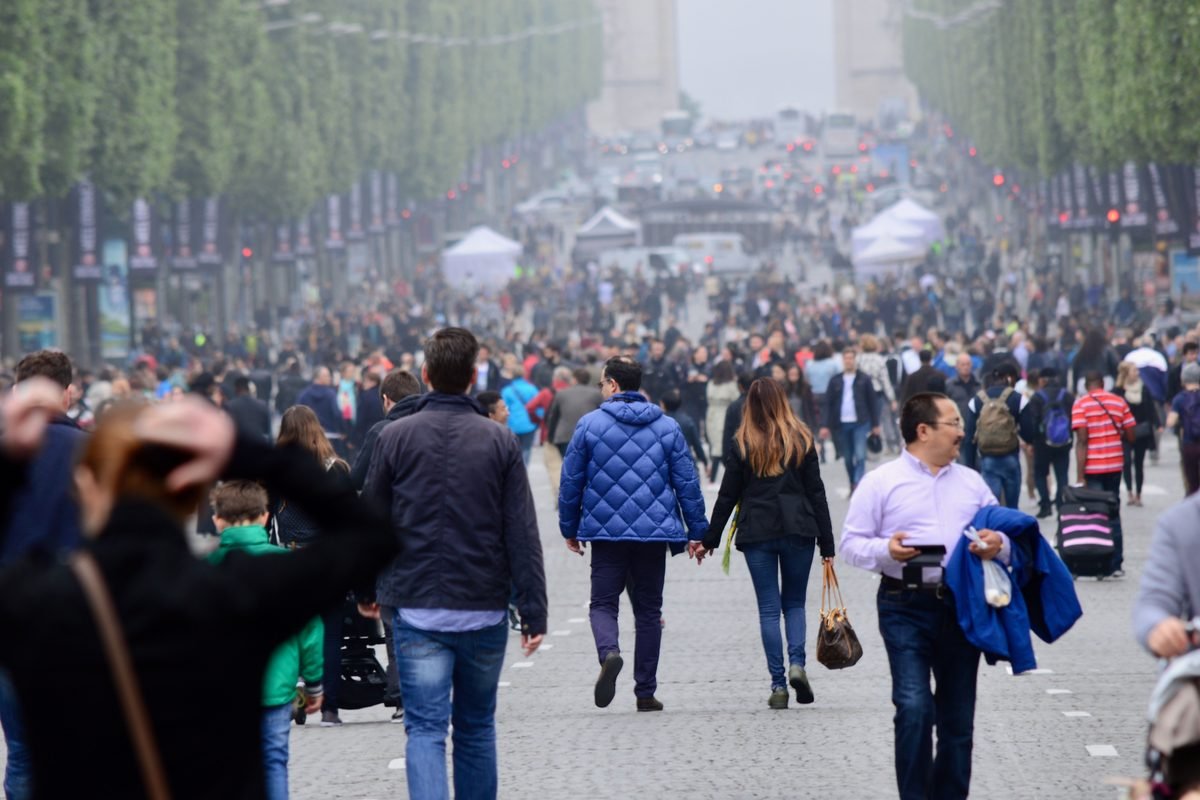
A balanced Paris first time itinerary should mix iconic landmarks with quiet neighborhood walks. On your first day, start at the Île de la Cité. View the exterior of Notre Dame, which is undergoing restoration, and visit the nearby Sainte-Chapelle to see the 13th-century stained glass. Spend the afternoon walking through the Marais, stopping for a falafel in the Jewish quarter on Rue des Rosiers. End the day with a sunset view from the top of the Arc de Triomphe, which offers a straight line of sight down the Champs-Élysées.
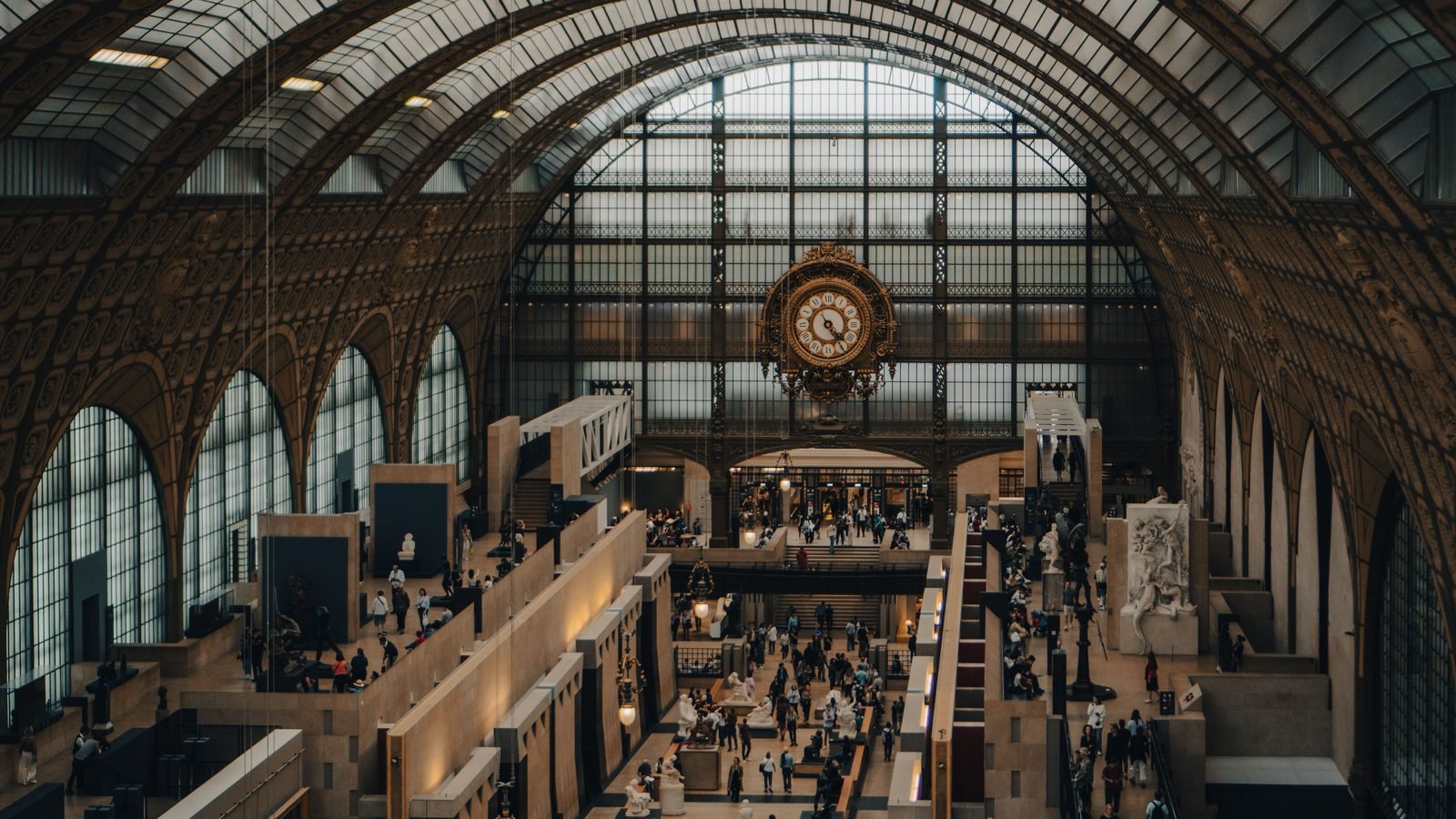
Dedicate your second day to the heavy hitters of art. Spend the morning at the Louvre, focusing on a few specific wings rather than trying to see everything. Cross the river for lunch in the 7th arrondissement and spend the afternoon at the Musée d’Orsay, housed in a converted railway station. In the evening, head to the Trocadéro for the classic view of the Eiffel Tower as the lights begin to sparkle. If you want to go up the tower, tickets should be booked at least two months ahead on the official website. A standard ticket to the summit costs about €35 (about $39).
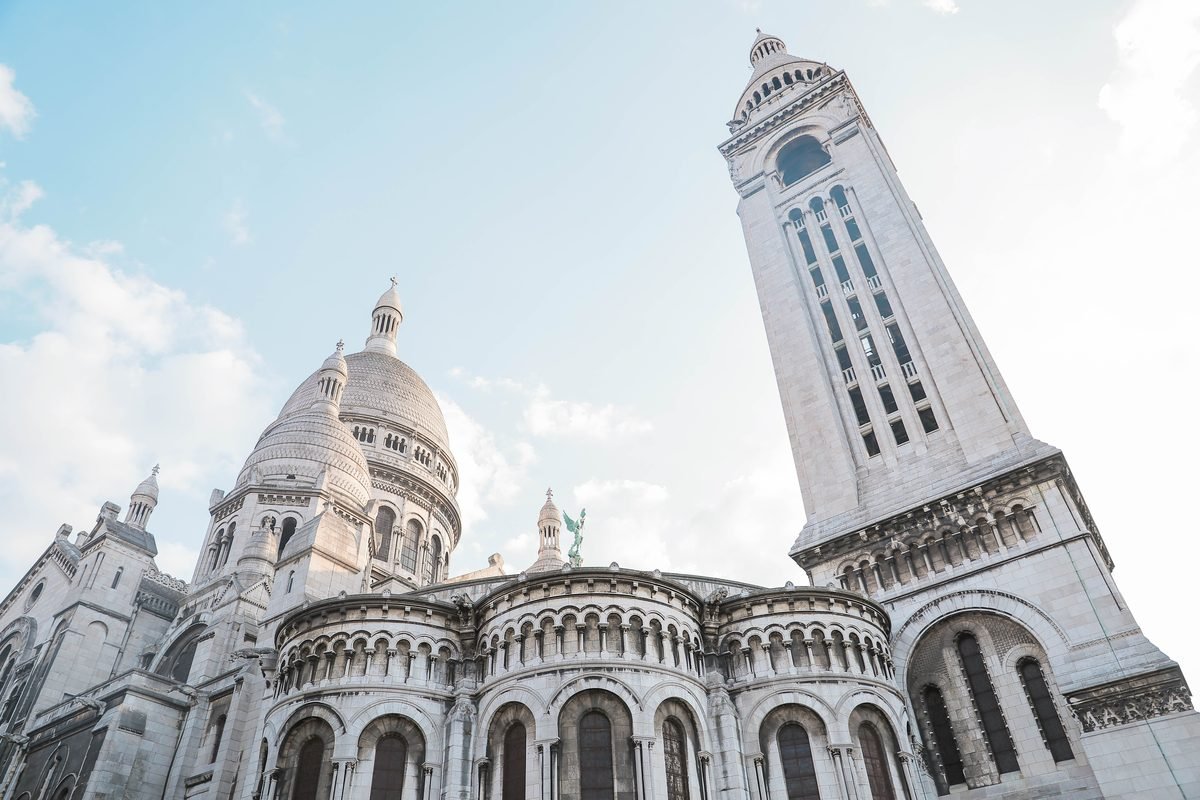
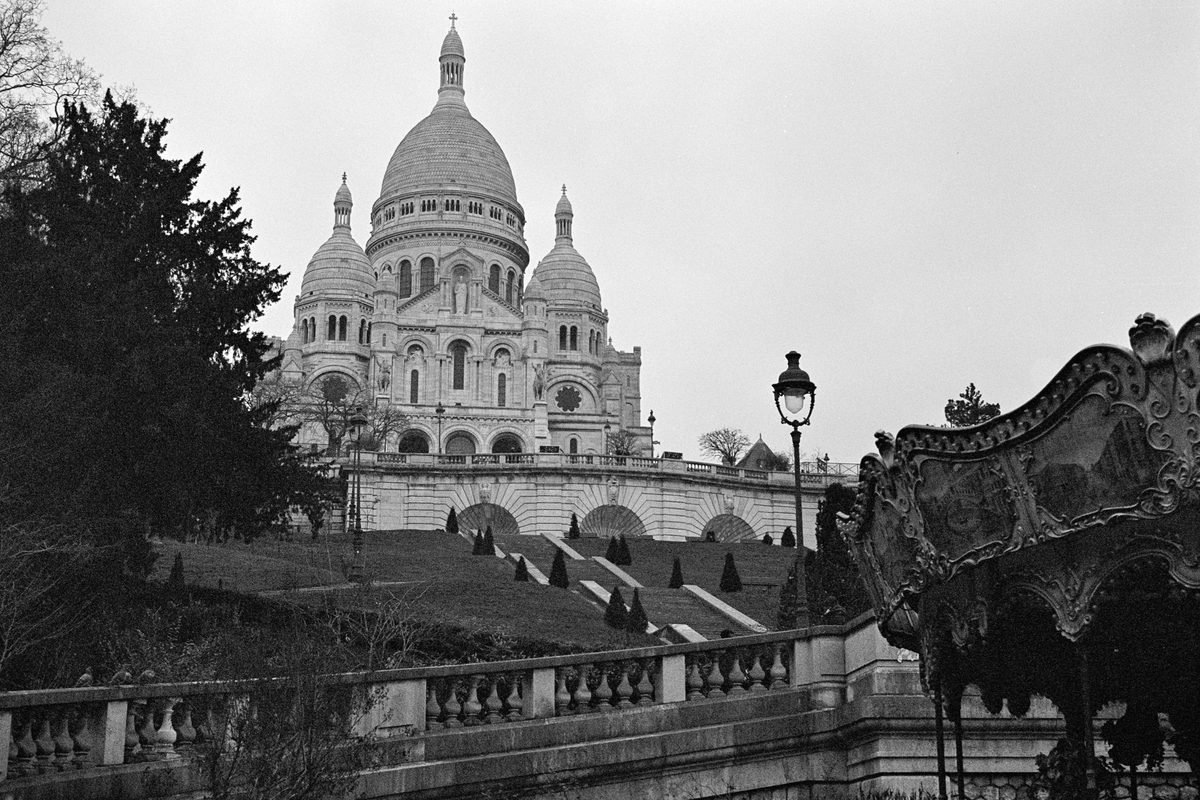
On day three, head north to Montmartre. Start early to avoid the heaviest crowds at the Basilique du Sacré-Cœur. Wander the backstreets behind the Place du Tertre to find the last remaining vineyards in the city and the iconic pink house, Maison Rose. In the afternoon, take the metro back toward the center to visit the Palais Garnier opera house or browse the historic covered passages (passages couverts) like Passage des Panoramas. These glass-roofed arcades are perfect for a rainy day and offer unique shops and old-world bistros. This pace allows for long lunches and plenty of time to sit in a park like the Jardin du Luxembourg.

The Daily Bakery Ritual
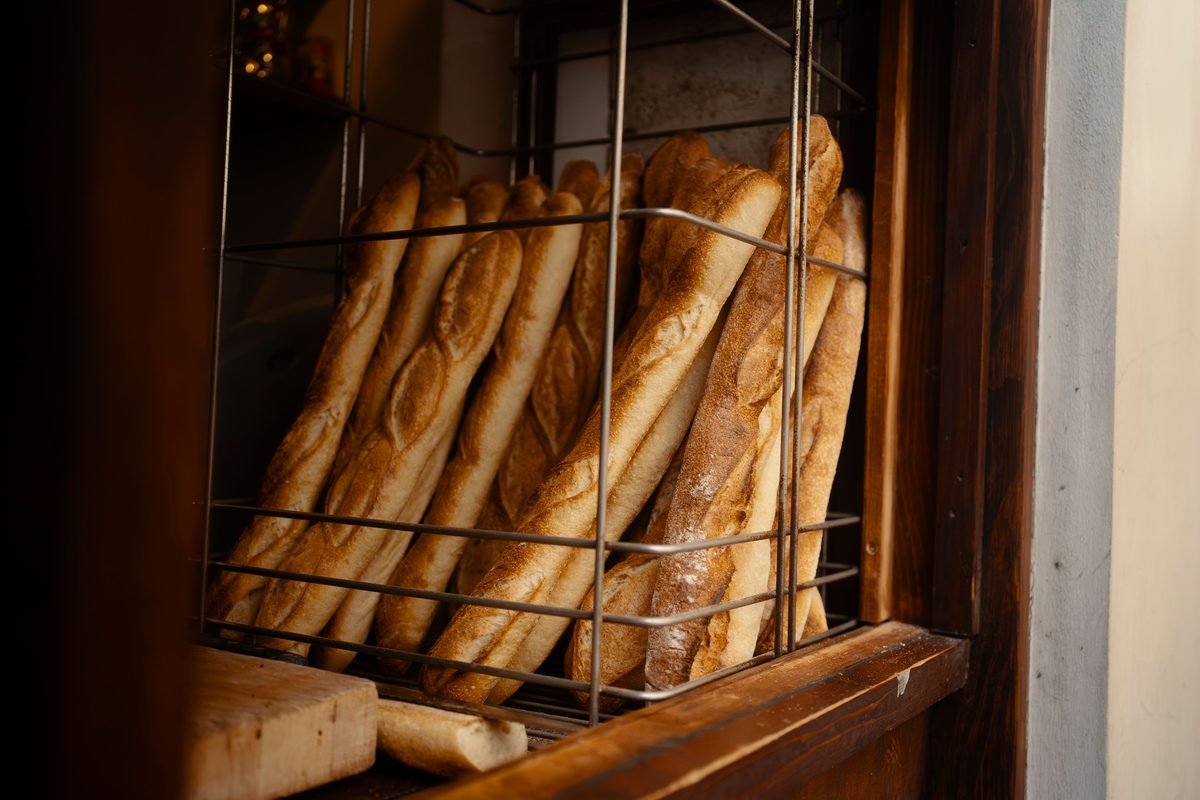
Buy the bread. In Paris, the boulangerie is the center of daily life. A standard baguette usually costs around €1.20 (about $1.35). When you enter, look for the sign that says “Boulangerie,” which is a legally protected term in France; it means the bread is kneaded and baked on the premises. If you want the highest quality, ask for a “tradition” (baguette de tradition). These are made with only four ingredients—flour, water, salt, and yeast—and have a much better crust and flavor than a standard industrial baguette.
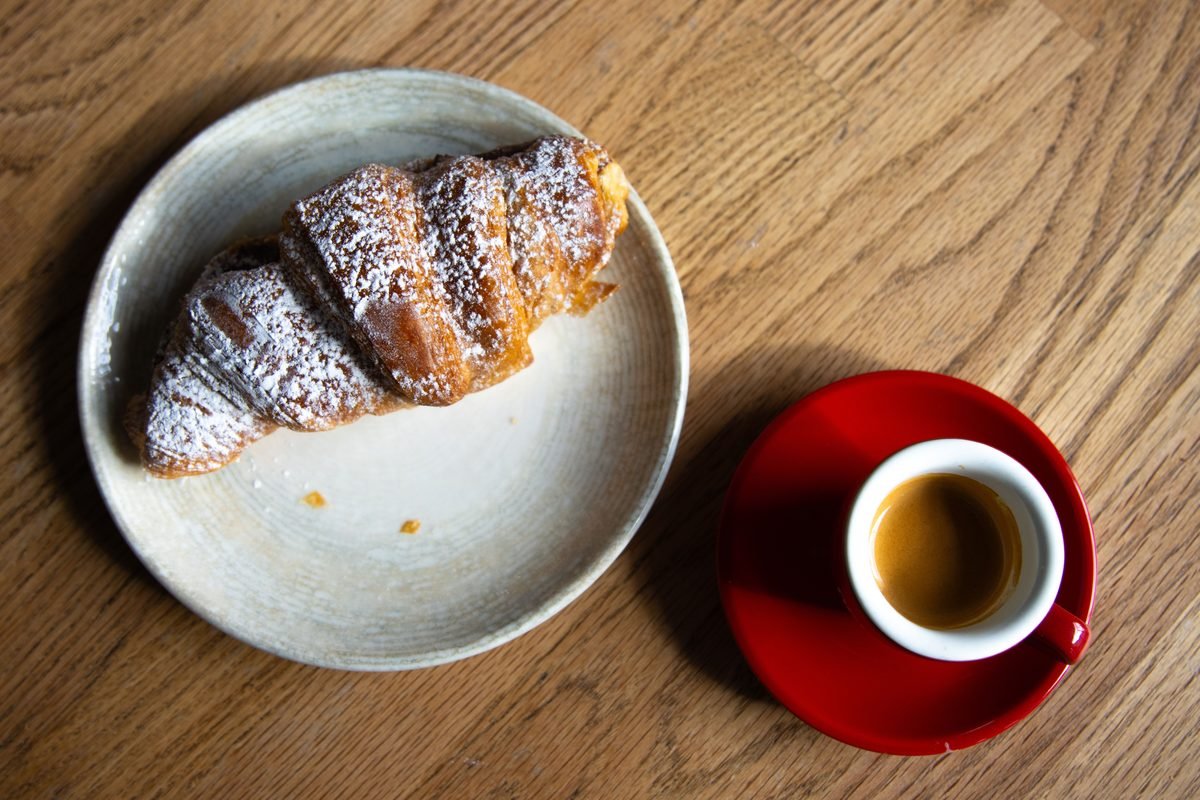
The ritual starts with a greeting. Always say “Bonjour, Madame” or “Bonjour, Monsieur” before placing your order. This is not optional in French culture; it is the baseline for being treated with respect. If you are buying a croissant or a pain au chocolat for breakfast, expect to pay between €1.20 and €1.80 (about $1.35 to $2). Most bakeries open early, around 07:00, and are the perfect place to grab a quick, affordable breakfast before you start your sightseeing. Many locals will tear off the end of the warm baguette—the quignon—to eat on the walk home.
For lunch, many bakeries offer a “formule,” which is a meal deal. This typically includes a sandwich (like a jambon-beurre), a drink, and a pastry for about €8 to €12 (about $9 to $13). It is the most cost-effective way to eat while exploring. Be aware that bakeries often have a closing day during the week, so check the sign on the door of your neighborhood spot. If you see a long line of locals outside a shop at 5:00 PM, join it. That is usually when the freshest batch of evening bread is coming out of the oven.
From a local: The Tradition Rule
Always ask for a “tradition” instead of a plain baguette. It is legally required to be made without additives and has a vastly superior flavor for just a few cents more.
Avoiding Scams and Staying Safe
Paris is generally safe, but like any major tourist hub, it has its share of persistent street scams. One of the most common is the “string man” or friendship bracelet scam, frequently found on the stairs leading up to the Sacré-Cœur in Montmartre. Men will try to grab your hand to tie a string around your finger, then demand money for the “gift.” Keep your hands in your pockets or simply say a firm “Non, merci” and keep walking. Do not stop to engage, as they rely on social awkwardness to trap you.
Another classic is the “gold ring” scam. Someone will pretend to find a ring on the ground in front of you and ask if you dropped it. When you say no, they will try to give it to you as a sign of good luck, then ask for money for their “trouble.” Just ignore them and continue on your way. You may also encounter “petition girls” near the Eiffel Tower or the Louvre who ask if you speak English and want you to sign a paper for a charity. This is often a distraction for a pickpocket or a way to pressure you into a donation. A polite but firm refusal is the best defense.
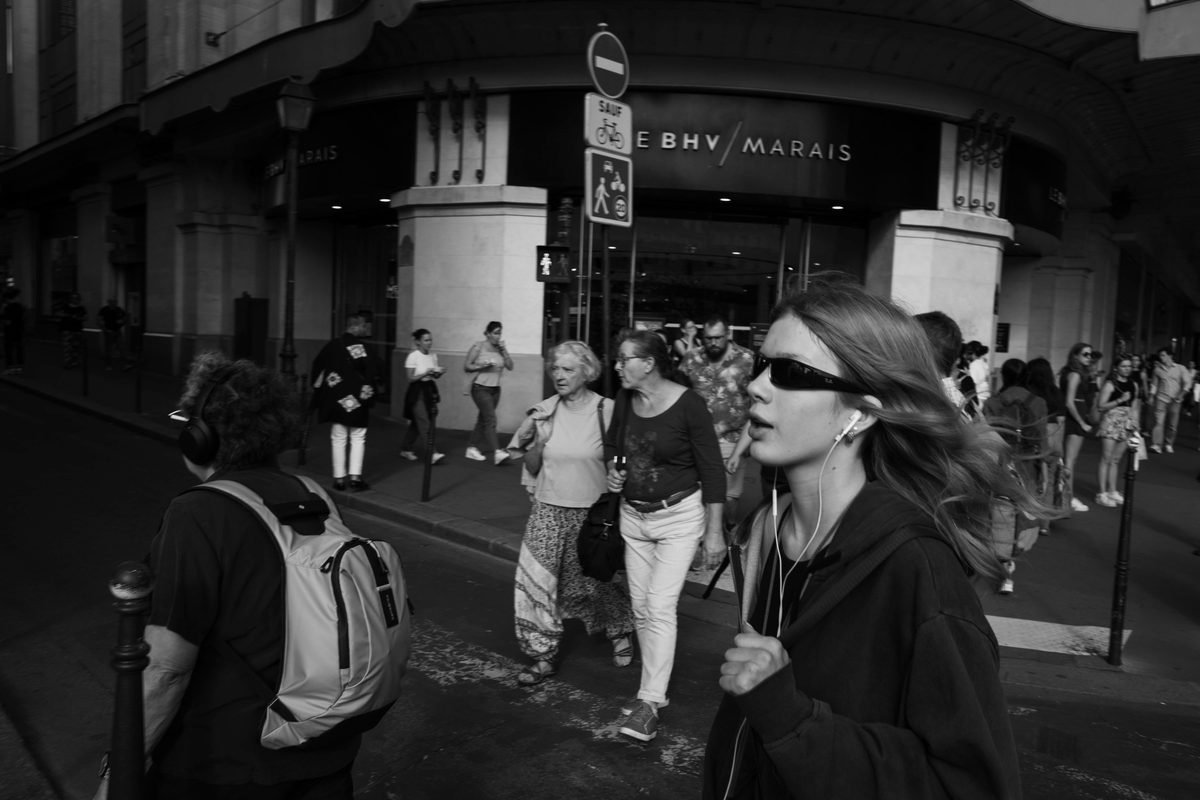
Pickpocketing is the most common crime affecting travelers. It happens most often on crowded metro lines (especially Line 1) and near major monuments. Keep your bag in front of you, zipped shut, and never put your phone or wallet in your back pocket. Be especially careful when the metro doors are closing, as thieves sometimes grab phones from passengers standing near the doors and jump out just before they shut. If you are aware of your surroundings and keep your belongings secure, you are unlikely to have any issues. The city is very walkable at night, and the main tourist areas remain lively and well-lit.
Heads up: Metro Pickpockets
Be alert on Metro Line 1 and RER B. Keep your phone out of sight near the doors, as “grab and run” thefts are common during the chime before doors close.
Eating Well Without Overspending
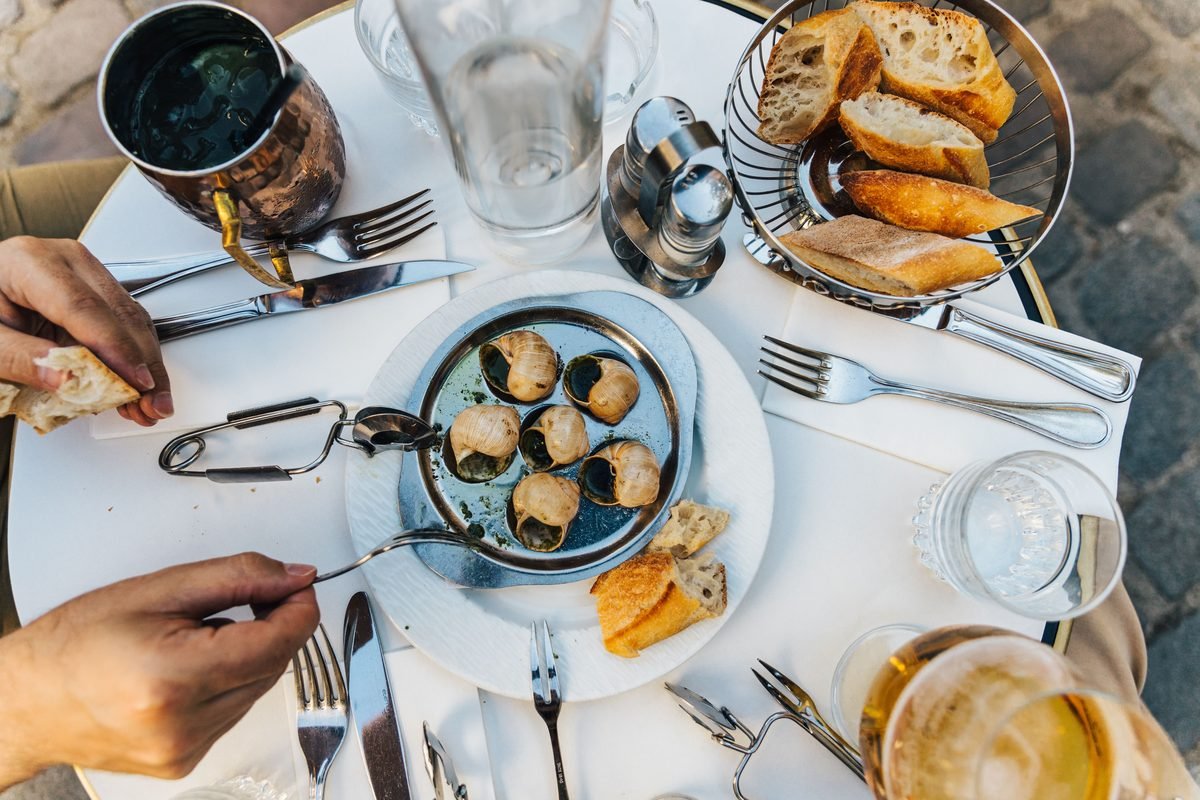
Dining out is a highlight of any Paris first time itinerary, but prices can climb quickly. To save money, look for the “formule” or “menu fixe” at lunch. Many bistros offer a two-course or three-course meal for a set price, often between €18 and €25 (about $20 to $28). This is usually the exact same quality of food served at dinner for a much lower price. Water is free; simply ask for “une carafe d’eau” to get a pitcher of tap water rather than paying for expensive bottled water. It is perfectly safe and standard to drink tap water in France.
Tipping is not expected in the same way it is in the US or UK. Service is included in the price (service compris). While it is common to leave a few small coins or round up the bill by a euro or two for good service, you do not need to add 20%. If you are at a cafe, the price of your coffee or wine might change depending on where you sit. Standing at the bar (au comptoir) is the cheapest, while sitting at a table on the terrace is usually more expensive. Expect to pay about €2.50 (about $2.80) for an espresso at the bar and up to €5 (about $5.50) at a table.
Dinner usually starts later than in many other countries, with most locals heading out around 8:00 PM. If you want to eat at a specific popular bistro, making a reservation a day or two in advance is highly recommended. Many places now allow you to book online. For a casual evening, consider a “pique-nique” along the Seine. You can buy a bottle of wine, some cheese from a fromagerie, and a baguette for under €15 (about $17) and join the hundreds of locals sitting by the water. It is one of the most authentic and affordable ways to experience the city’s atmosphere.
What it costs in Paris
| Item | Local price | USD |
|---|---|---|
| RER B Airport Train | €11.80 | ($13) |
| Metro Single Ticket | €2.15 | ($2.40) |
| Paris Museum Pass (2-day) | €62.00 | ($69) |
| Baguette de Tradition | €1.30 | ($1.45) |
| Bistro Lunch Formule | €22.00 | ($24) |
| Eiffel Tower Summit Ticket | €35.00 | ($39) |
| Mid-range Hotel (per night) | €180.00 | ($200) |
| Total Estimated Daily Spend | €260.00 | ($288) |
Prices checked September 2026. Always confirm with the provider before you book.
Where to stay in Paris
Budget
11th Arrondissement, near Bastille or Voltaire
This area offers a more local feel with plenty of affordable bars and bakeries. You can find hostels and small hotels for roughly €80-€120 ($90-$135) per night while staying within walking distance of the Marais.
Mid-range
5th Arrondissement, the Latin Quarter
Centrally located and full of history, this area is perfect for first-timers who want to walk to the Seine. Expect to pay between €160-€240 ($180-$265) for a comfortable boutique hotel room.
Splurge
1st Arrondissement, near the Tuileries Garden
This is the absolute heart of the city, putting the Louvre and high-end shopping at your doorstep. Luxury hotels here typically range from €450 to over €1,000 ($500-$1,100) per night.
Mistakes to avoid
- Forgetting to say ‘Bonjour’ when entering a shop or restaurant, which is considered very rude.
- Buying ‘white’ industrial baguettes instead of the superior ‘Tradition’ version.
- Assuming the Museum Pass allows you to skip the need for timed entry reservations at major sites.
FAQ
How many days for a Paris first time itinerary?
I recommend five to seven days for a first trip. This allows you to see the major landmarks like the Louvre and Eiffel Tower while still having time for neighborhood walks and a day trip to Versailles.
Is the Paris Museum Pass worth it?
It is worth it if you plan to visit at least two major museums or monuments per day. However, you must still book timed entry slots for popular places like the Louvre and Orsay in advance.
Do I need to speak French to visit Paris?
You do not need to be fluent, but learning basic greetings is essential. Always start every interaction with ‘Bonjour’ to ensure better service and a friendlier response from locals.
Is Paris safe for solo travelers?
Yes, Paris is generally very safe for solo travelers. The main concerns are pickpockets in crowded areas and common street scams, which can be avoided by staying alert and keeping your belongings secure.
How do I get from CDG airport to central Paris?
The most efficient way is the RER B train, which costs €11.80 (about $13) and takes about 40 minutes. Alternatively, a flat-rate taxi to the Right Bank costs about €56 or €65 to the Left Bank.