How to Choose the Best DMZ Tour from Seoul

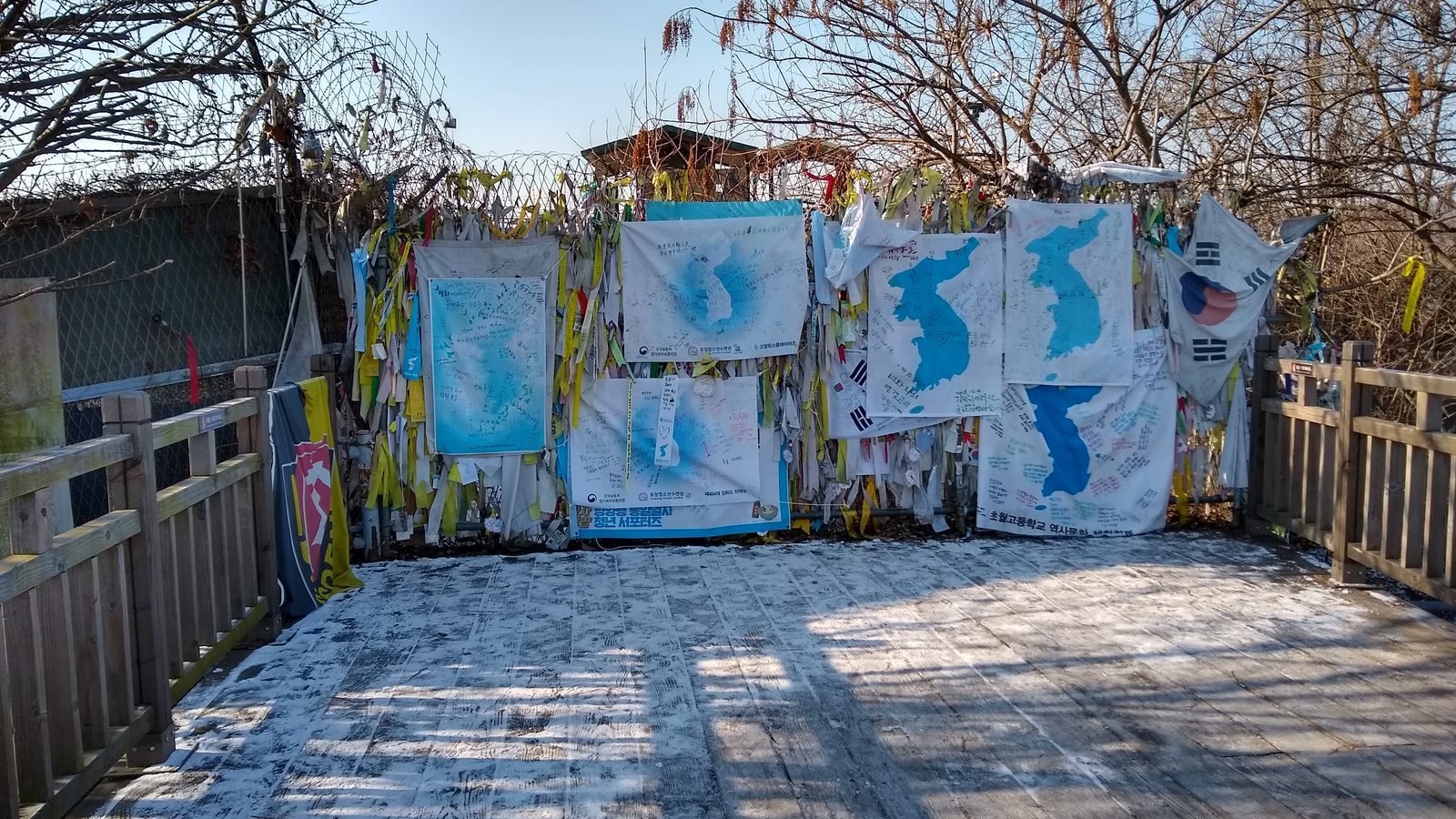
The morning bus to the border smells of cheap coffee and nervous anticipation. Just fifty kilometers north of my apartment in Seoul lies the most heavily fortified border on earth, a strip of land frozen in 1953. Booking a DMZ tour from Seoul is the only way to see it, but the rules change constantly, and choosing the wrong itinerary can leave you staring at a gift shop instead of North Korea.
This guide is for independent travelers who want an honest, BS-free breakdown of what actually happens on these trips. I will cover the differences between the Joint Security Area (JSA) and Imjingak Park, strict dress codes, essential passport rules, and how to manage your expectations when visiting a live military zone.
How to choose a DMZ tour from Seoul: JSA vs Imjingak
When planning a DMZ tour from Seoul, the first decision is choosing between a standard DMZ tour and a Joint Security Area (JSA) tour. The JSA is the iconic spot with the blue UN buildings where North and South Korean soldiers stand face-to-face. However, you must know the current reality. As of September 2026, civilian JSA tours have been suspended since 2023 and have not returned to any dependable schedule, and even on the rare days access is granted, visitors no longer step inside the blue conference buildings. If a tour operator promises a JSA visit, read the fine print carefully. Most bookings will automatically default to a standard DMZ tour if the JSA is closed on your travel date.
A standard DMZ tour focuses on the civilian control zone. These tours do not go to the blue conference rooms but instead visit the Third Infiltration Tunnel, Dora Observatory, and Imjingak Park. This is still a fascinating trip that gets you incredibly close to the border. Do not feel disappointed if the JSA is unavailable. The standard tour offers a deeper historical context and a more reliable schedule.
If you are determined to try for the JSA, you must book months in advance through one of the few government-approved agencies. These tours are significantly more expensive, often costing over ₩150,000 (about $112) compared to roughly ₩70,000 (about $52) for a standard half-day tour. For most independent travelers, the standard tour is the most practical and rewarding option. It covers the essential historical sites without the constant risk of last-minute military cancellations.
The drive from central Seoul to the border takes about an hour depending on traffic. Most tours depart early, around 7:00 AM, from major hubs like Myeongdong or Hongdae. This means you will be back in Seoul by early afternoon, making it a highly efficient day trip.
From a local: Check JSA status weekly
Military authorities can close the JSA with zero warning. Always check your tour operator’s policy on partial refunds or itinerary changes before you pay.
Booking windows and passport rules for the DMZ
Rules are strict. This is a live military zone, not an amusement park. The single most important rule is that you must bring your physical passport on the day of the tour. No photocopies. No smartphone photos. No digital IDs. If you forget your physical passport, the military police will turn you away at the civilian checkpoint. There are no exceptions to this rule, and your tour operator will not refund your ticket. Bring your physical passport.
You should book your DMZ tour from Seoul at least two to three weeks in advance, especially during the peak spring and autumn travel seasons. September is incredibly popular due to the clear skies and mild weather. Standard tours are easier to secure, but they still sell out because bus capacities are limited by military permits. If you are trying to book a rare JSA tour, you will need to monitor booking windows up to three months ahead.
When booking, you will need to provide your full name, passport number, and nationality exactly as they appear on your document. The tour operators submit this list to the United Nations Command for security clearance. If there is a typo in your submission, you will be denied entry at the border. Double-check every character before hitting submit.
Also, be aware of your country’s entry requirements for Korea. While many travelers are exempt from the arrival card if they hold an approved K-ETA, you still need to ensure your travel documents are fully up to date before booking high-security excursions.
Keep in mind that citizens of certain countries require extra security screening which can take up to four weeks to process. Check with your tour operator if your passport is from a non-visa-waiver nation. The extra paperwork is worth the effort to experience this unique border firsthand.
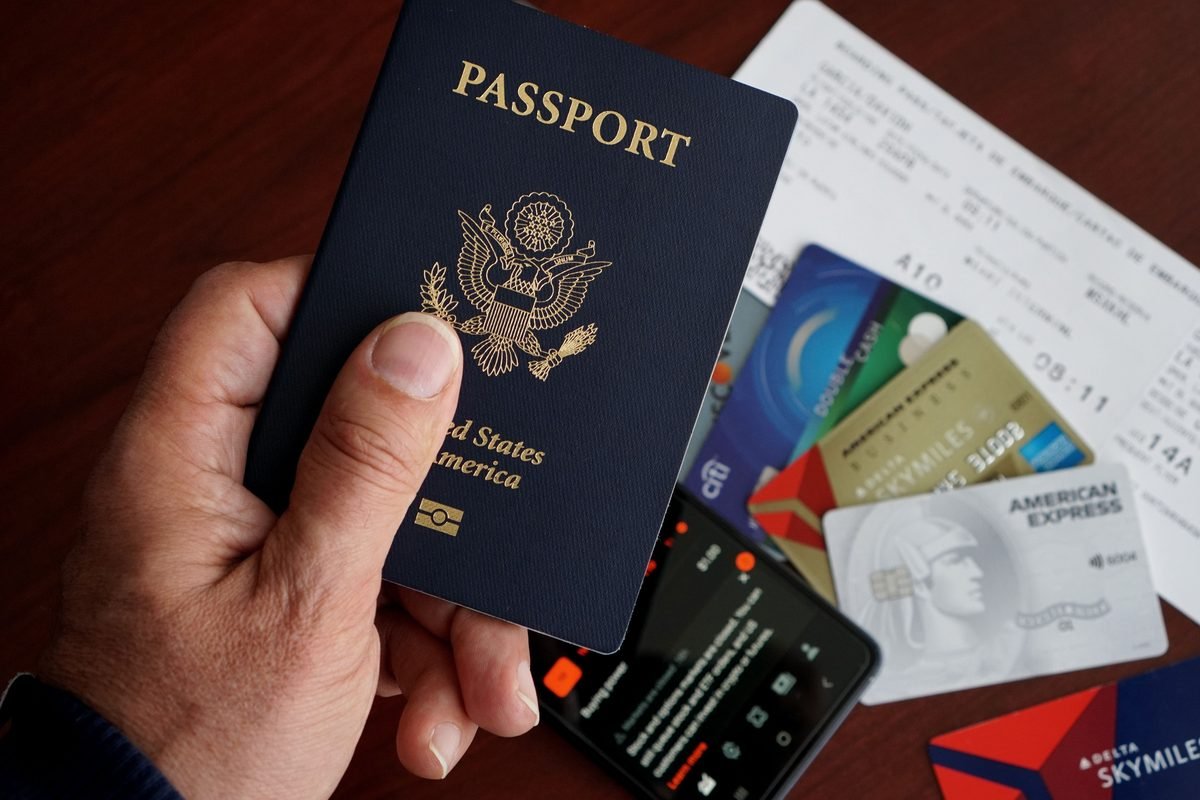
Heads up: No physical passport, no entry
Digital copies on your phone will not be accepted by the South Korean military police. You will be left behind at the final checkpoint if you do not have the physical booklet.
What to expect on a standard DMZ itinerary
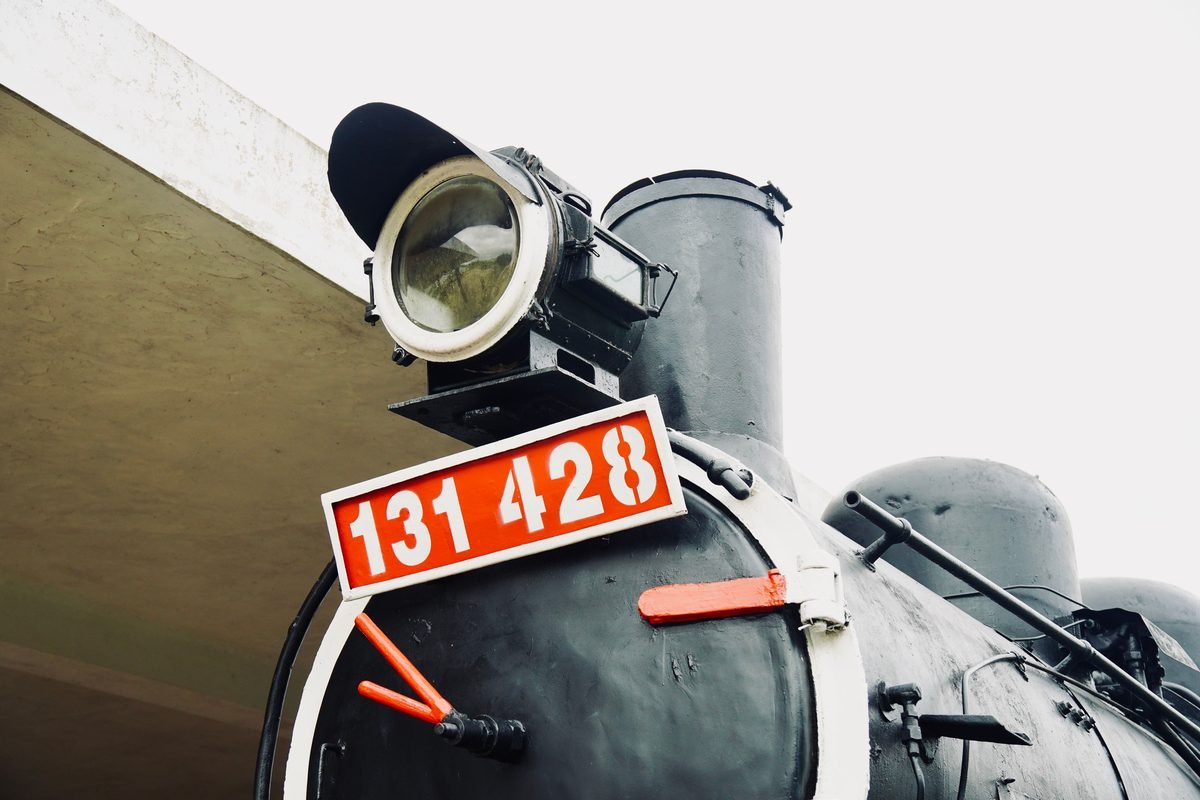
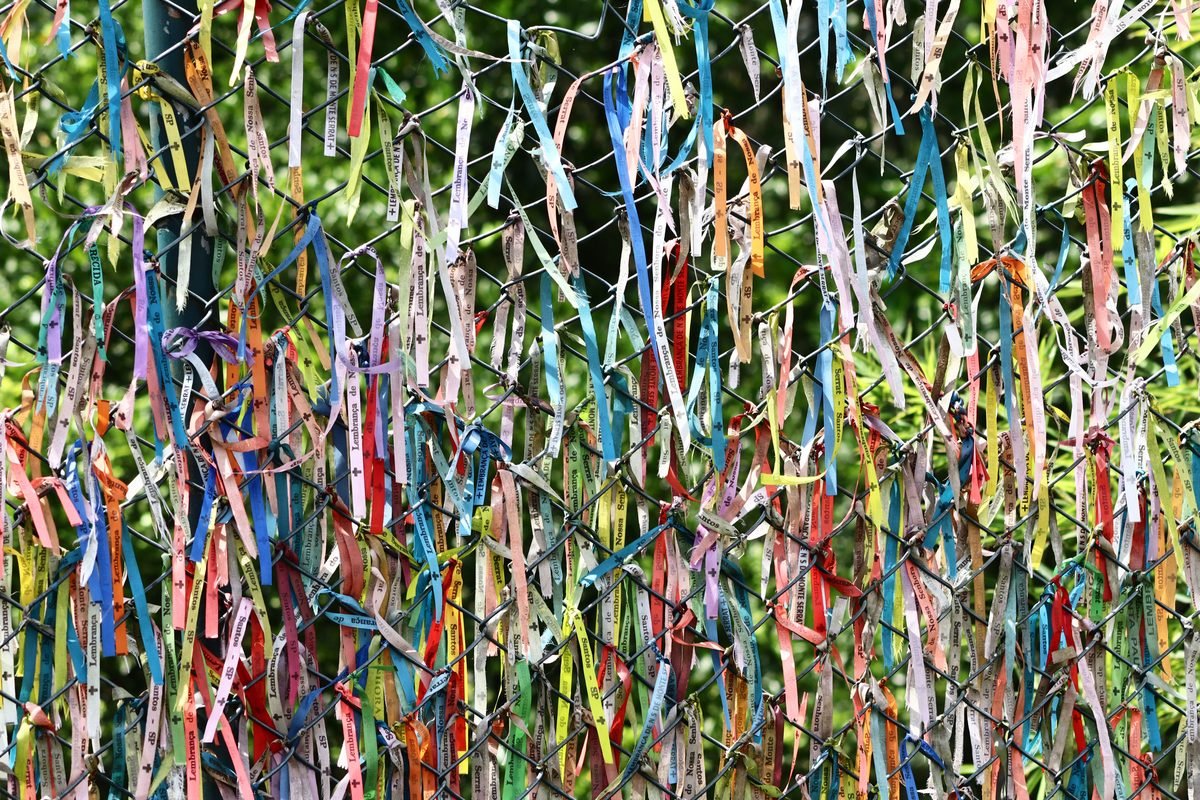
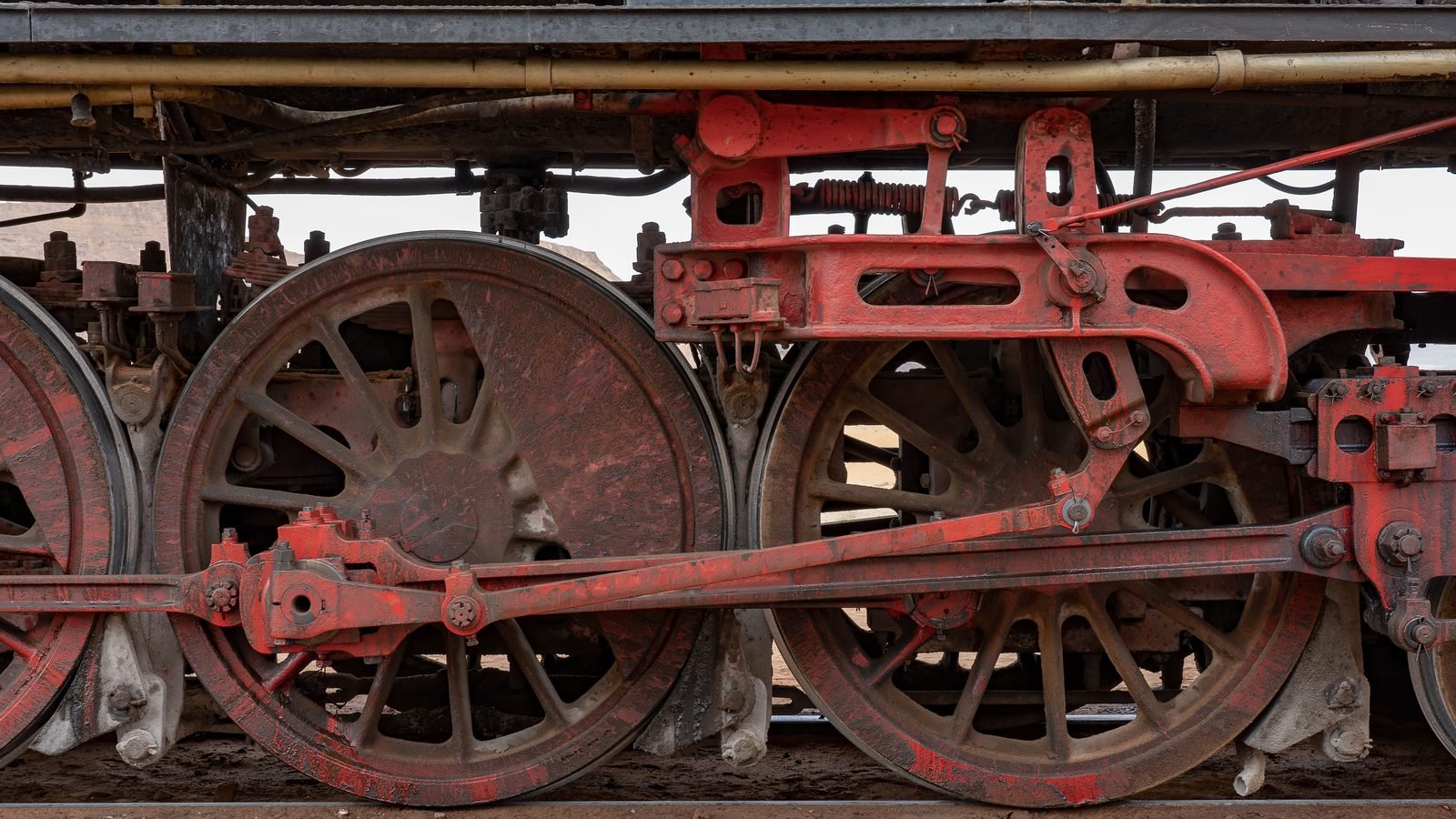
A standard half-day DMZ tour from Seoul typically lasts around six hours. Your first stop is usually Imjingak Resort, located about 7 kilometers from the military demarcation line. This area is open to the public without security checks. Here, you will see the Freedom Bridge, where prisoners of war were exchanged, and a steam locomotive scarred by bullets during the Korean War. It feels a bit like a historic park mixed with a solemn memorial.
Next, your bus will cross the Unification Bridge, where military police will board the vehicle to check everyone’s physical passports. Once inside the civilian control zone, you will head to the Third Infiltration Tunnel. Discovered in 1978, this tunnel was dug by North Koreans and is wide enough to move an entire division of soldiers in an hour. The tunnel is steep. You must wear a hard hat and walk down a long, damp incline. It is physically demanding, especially on the walk back up. If you have knee issues or claustrophobia, skip the walk and wait at the exhibition hall.
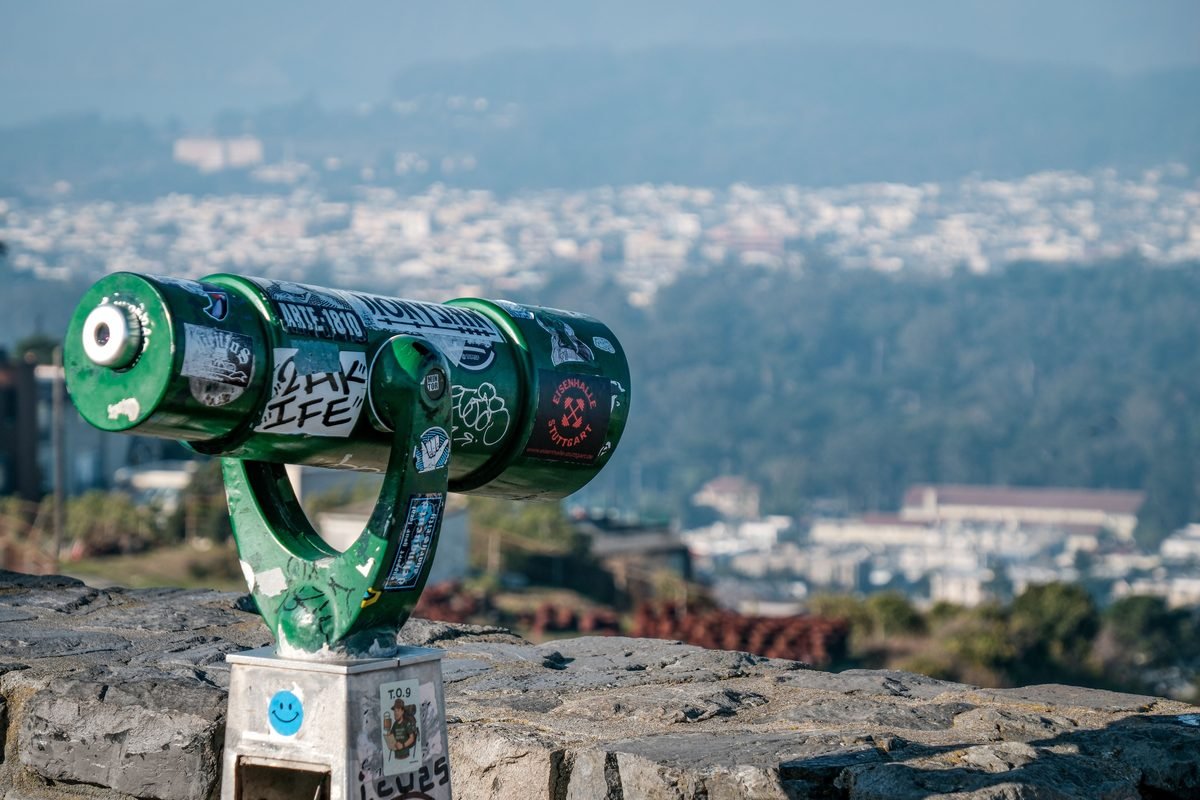
The highlight for many is the Dora Observatory. Here, you can look through high-powered binoculars across the demilitarized zone. On a clear day, you can see Kijong-dong, the North Korean propaganda village, which features a massive flagpole. You can also spot the industrial city of Kaesong. It is a surreal experience to peer into one of the most closed-off nations on earth from a quiet observation deck.
The contrast between the peaceful green hills of the buffer zone and the heavy military presence is striking. Wildlife actually thrives in this untouched strip of land, which has become an accidental nature reserve over the last seven decades. You might even spot rare birds soaring over the barbed wire fences.
Tip: Prepare for a steep climb
The walk down into the Third Infiltration Tunnel is a 350-meter steep slope. The return walk up is equivalent to climbing a 15-story building in a humid, low-ceiling space.
Strict rules on photography and behavior at the border
Behavior and photography rules are strictly enforced at the DMZ. Do not point. Do not wave. Do not make any sudden gestures toward the northern side. These actions can be interpreted as provocations or used in propaganda. You must follow your military escort’s instructions immediately and without question.
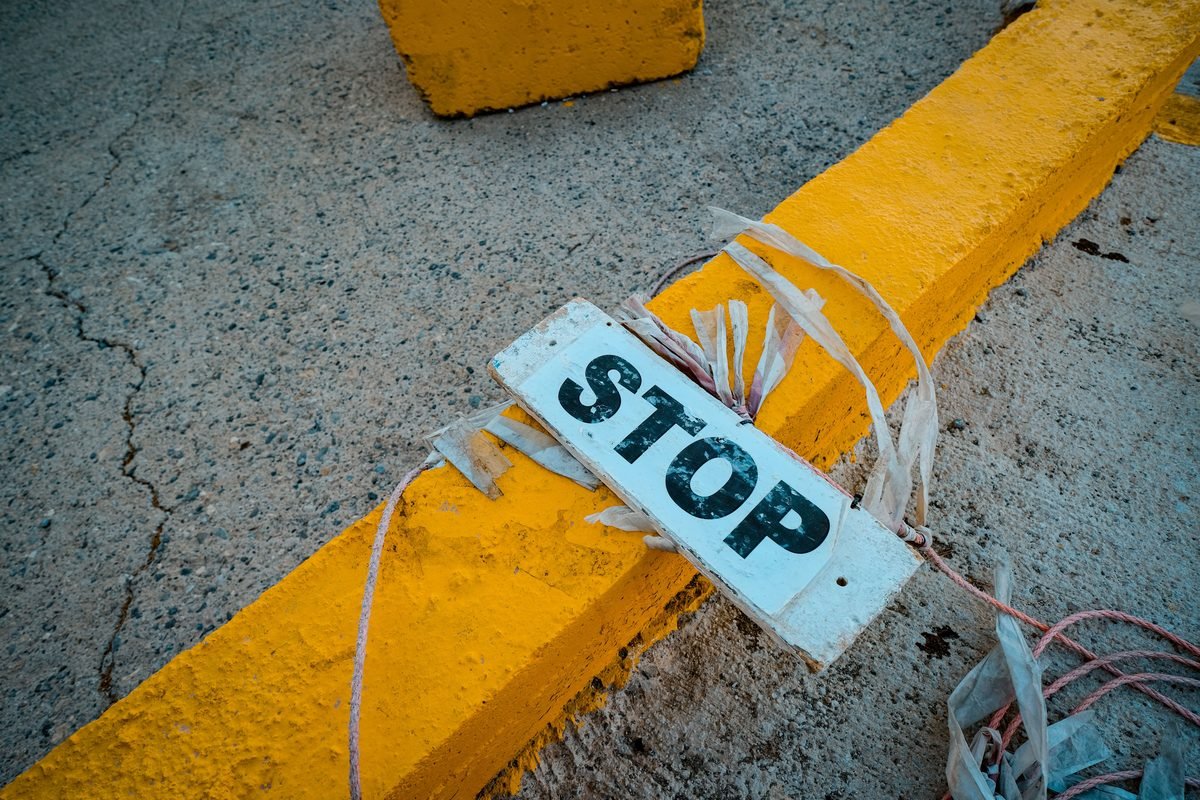
Photography is highly restricted. At Dora Observatory, there is a clear yellow line painted on the ground. You are only allowed to take photos from behind this line. Do not try to sneak a photo closer to the glass windows. The military personnel watching will confiscate your camera or delete your photos on the spot. At other locations, like the Third Infiltration Tunnel, photography is completely banned. You must lock all cameras, phones, and bags in lockers before entering the tunnel entrance. It is that simple.
There is also a strict dress code for DMZ tours, particularly if you are on a JSA itinerary. You cannot wear ripped jeans, camouflage clothing, sports jerseys, leather vests, short skirts, or sleeveless shirts. Avoid sandals and flip-flops. The military command wants to ensure that visitors do not look provocative or disrespectful. If your attire does not meet the standards, you will not be allowed on the bus.
These rules might feel intimidating, but they exist for your safety and diplomatic decorum. As long as you listen to your guide, stay behind the designated lines, and dress conservatively, you will have a smooth and educational visit. It is a small price to pay for a front-row seat to modern history.
Even on standard tours, the dress code is occasionally checked by guides before departure. It is best to stick to smart-casual clothing and sturdy closed-toe shoes. This ensures you are comfortable during the walk and compliant with any sudden military inspections at the checkpoints.
Where to eat during your border excursion
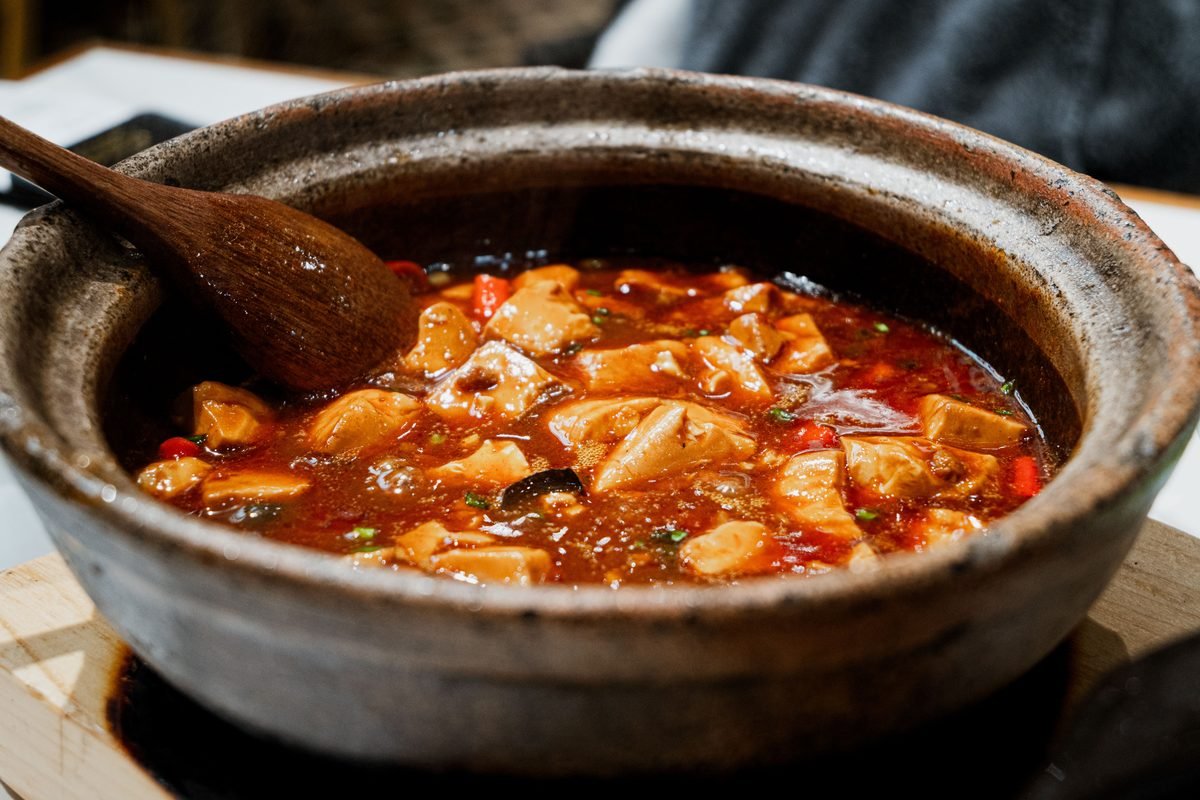
Most half-day tours do not include a formal lunch, but full-day tours will stop at a local restaurant in Paju or near Imjingak. The region of Paju is famous for its Jangdan soybeans, which are grown in the clean, untainted soil near the DMZ. If your tour stops for food, look for a restaurant serving Jangdan tofu stew (dubu-jeongol) or local soybean paste soup. The flavor is incredibly rich and earthy, far different from the mass-produced tofu you find in city supermarkets.
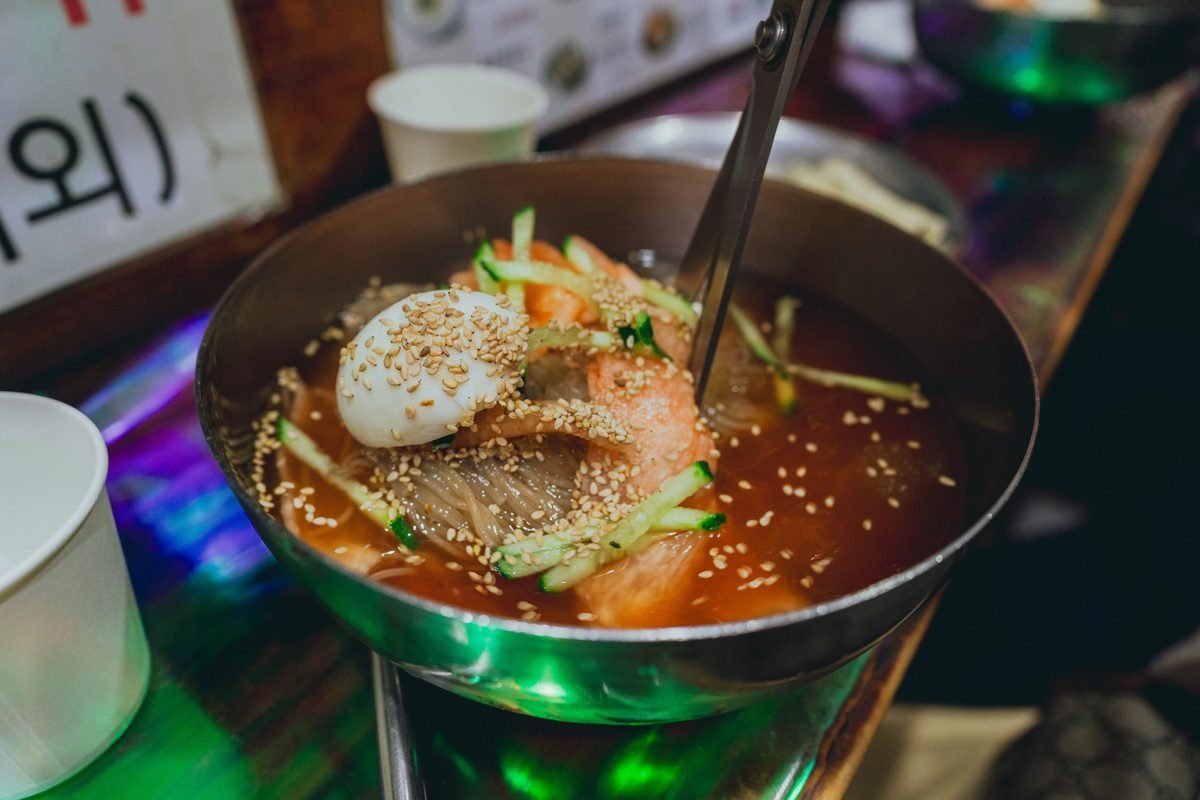
Another popular option in this northern region is cold buckwheat noodles, known as naengmyeon. This dish has deep roots in the northern provinces, and the style served near the border often features a clean, delicate beef broth with chewy noodles. It is a refreshing meal, especially after the sweaty climb back up from the Third Infiltration Tunnel.
If you are on a half-day tour, you will likely return to Seoul by 1:30 PM or 2:00 PM. I recommend waiting until you get back to the city to have a proper meal. You can use a local transit app like Naver Map to find excellent dining options near your drop-off point in Myeongdong or Hongdae. Avoid eating the overpriced, generic snacks at the Imjingak tourist convenience stores unless you just need a quick bite to tide you over.
If you do find yourself with twenty minutes of free time at Imjingak, look for the small stalls selling hotteok (sweet griddled pancakes filled with brown sugar and nuts). It is a comforting, warm snack that is perfect for the autumn breeze in September.
Book ahead: Secure your lunch spot
If your tour does not include lunch, book a tour that returns to Seoul by 1:30 PM so you can enjoy high-quality dining in the city rather than tourist-trap food at the border.
Practical tips for surviving the long day trip
To make the most of your DMZ tour from Seoul, a little physical preparation goes a long way. The tour involves a lot of boarding and exiting the bus, standing in lines, and walking on uneven surfaces. Wear comfortable walking shoes. Do not wear brand-new shoes that might give you blisters during the steep tunnel walk.
Bring a small bottle of water and a few light snacks like nuts or energy bars. While there are convenience stores at Imjingak, the schedule is tightly managed by your guide, and you may not have time to wait in long retail lines. Staying hydrated is key, especially since the air inside the Third Infiltration Tunnel can feel warm and humid despite the autumn weather outside.
The emotional weight of the DMZ can be surprising. This is not a theme park, even if some areas near Imjingak have a slightly commercial feel. It is a monument to an ongoing tragedy that has divided families for generations. Keep your conversations respectful, avoid loud joking, and take time to read the translations on the monuments. It makes the experience far more meaningful.
Finally, make sure your phone and camera batteries are fully charged before you leave your hotel. You will be taking a lot of photos at the approved spots, and you do not want your device to die right as you reach the Dora Observatory. A portable power bank is a smart addition to your daypack.
If you suffer from motion sickness, take a preventative pill before boarding the morning bus. The route includes some winding roads as you approach the border checkpoints, and the stop-and-start nature of military security checks can be jarring for sensitive stomachs.
What it costs in Seoul
| Item | Local price | USD |
|---|---|---|
| Standard DMZ Half-Day Tour | ₩75,000 | about $56 |
| JSA Full-Day Tour (when available) | ₩160,000 | about $120 |
| Paju Jangdan Tofu Lunch | ₩14,000 | about $10 |
| Coffee and Snack at Imjingak | ₩7,000 | about $5 |
| Locker Rental at Tunnel Entrance | ₩1,000 | about $0.75 |
| Daily Total (Standard Tour + Lunch) | ₩97,000 | about $72.75 |
Prices checked September 2026. Always confirm with the provider before you book.
Mistakes to avoid
- Bringing a digital copy or photo of your passport instead of the physical passport booklet.
- Wearing ripped jeans, sandals, or athletic wear that violates the strict military dress code.
- Expecting to walk freely around the border or take photos of military personnel and checkpoints without permission.
FAQ
Can I do a DMZ tour from Seoul without a guide?
No, you cannot visit the DMZ or cross the civilian control line independently. You must book an authorized DMZ tour from Seoul that includes a licensed guide and military-approved transit.
Is the DMZ safe to visit for tourists?
Yes, it is highly secure and heavily monitored by both South Korean and UN military forces. While tensions can occasionally cause sudden tour cancellations, millions of tourists visit safely every year without incident.
What happens if my DMZ tour is cancelled?
If military drills or political situations cause a sudden closure, reputable operators will offer a full refund or an alternative itinerary. Always read the cancellation policy carefully before booking your slot.
Can children join the DMZ tour?
Yes, children are allowed on standard DMZ tours, though the long bus rides and steep tunnel walks may be tiring for toddlers. Note that some JSA tours have age restrictions, often requiring children to be at least ten years old.
What should I wear on a DMZ tour?
You should wear modest, respectful clothing such as long pants and closed-toe walking shoes. Avoid ripped jeans, camouflage patterns, short skirts, sleeveless tops, and athletic jerseys, as these violate the military dress code.