Jeonju Hanok Village Guide: KTX Tips and Makgeolli Rules

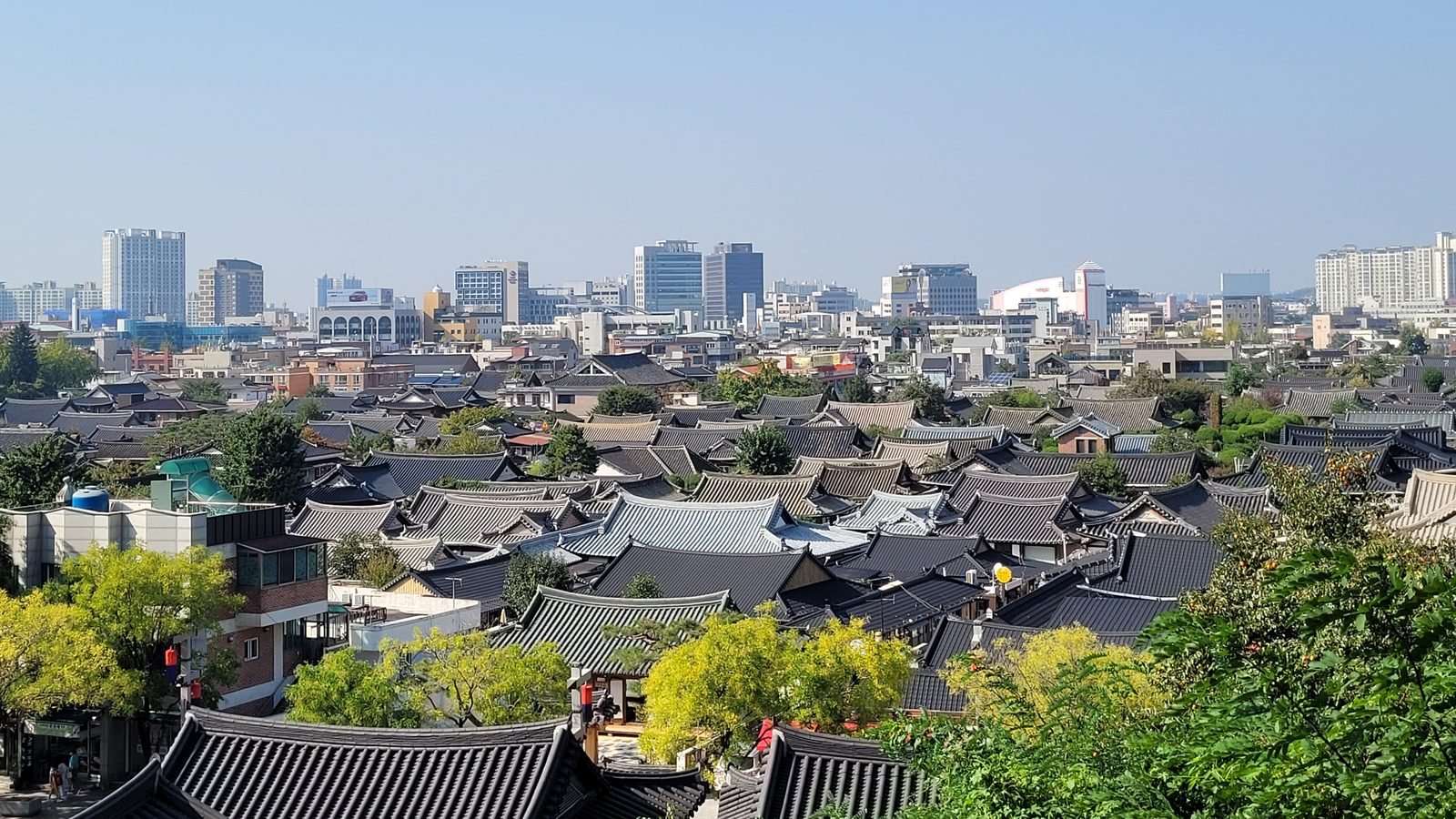
The smell of charcoal-grilled short rib patties and the sight of over eight hundred grey-tiled roofs define Jeonju. While Seoul moves at a frantic pace, this city in North Jeolla province feels like it is taking a long, deliberate breath. I often come here when I need to escape the skyscraper canyons of the capital, usually heading straight for the cluster of traditional houses that makes Jeonju the country’s undisputed food capital. It is a place where history is not just in a museum but in the heated floors of the guest houses and the communal kettles of rice wine served in the southern neighborhoods.
This Jeonju Hanok Village guide is for independent travelers who want to see more of Korea than just the major hubs. I will cover how to get here from Seoul using the KTX or express buses, whether an overnight stay in a traditional house is worth it, and how to navigate the specific social rules of the famous Makgeolli Alley. We will also look at the timing for the Nambu Market night market so you do not show up to empty stalls.
How to get to Jeonju from Seoul
Getting to Jeonju is straightforward, but your choice of transport depends on whether you value time or your budget. The KTX is very fast. High-speed trains depart from Yongsan Station in Seoul and reach Jeonju Station in about one hour and 40 minutes. A standard seat costs ₩34,400 (about $26). I recommend booking these tickets at least a week in advance through the Korail website or app, especially if you plan to travel on a Friday afternoon or Saturday morning. The trains sell out quickly because Jeonju is a favorite weekend getaway for Seoul residents.
If you miss the KTX or want to save money, the express bus is a reliable alternative. Buses depart from the Seoul Central City Bus Terminal (Express Bus Terminal Station on Lines 3, 7, and 9) roughly every ten to twenty minutes. The journey takes about two hours and 40 minutes, though heavy traffic on weekends can stretch this to nearly four hours. A premium bus seat costs around ₩22,000 (about $17) and offers massive reclining chairs that are more comfortable than the train. There is no train station inside the Hanok Village itself. From Jeonju Station, you will need to take a taxi for about 15 minutes to reach the historic center, which usually costs around ₩6,000 (about $4.50).
Arriving by Bus vs Train
The Jeonju Express Bus Terminal is slightly closer to the Hanok Village than the train station, but the difference is negligible if you are taking a taxi. If you arrive at the train station, take a moment to look at the station building itself. It is built in the style of a traditional hanok and is one of the most photographed stations in the country. Taxis are lined up right outside the exit. Most drivers know the Hanok Village entrance well, so just say “Hanok Maeul” and they will get you there.
Choosing a Hanok stay vs a day trip
Many people visit Jeonju as a day trip from Seoul, but I think that is a mistake. The village changes entirely after 6:00 PM when the tour buses depart and the day-trippers head back to the station. This is when the quiet returns to the narrow stone-walled alleys. Staying overnight in a traditional hanok is an essential part of the experience, even if it means sleeping on the floor. Most hanok stays provide a thick padded quilt called a yo. It is surprisingly comfortable once you get used to it. Expect to pay between ₩60,000 (about $45) and ₩150,000 (about $115) per night depending on the age of the building and whether you want a private bathroom.
One thing to consider is the ondol system. This is the traditional Korean underfloor heating. In the cooler months, the floor can get quite warm. It is a cozy feeling that you won’t find in a standard western hotel. However, these traditional buildings often have thin walls. If you are a light sleeper, you might hear your neighbors in the next room. I always suggest booking a room that faces an inner courtyard rather than the main street to avoid the noise of early morning walkers. Bring your own toothbrush. Many smaller guesthouses do not provide disposable ones to reduce waste.
What to expect from a traditional room
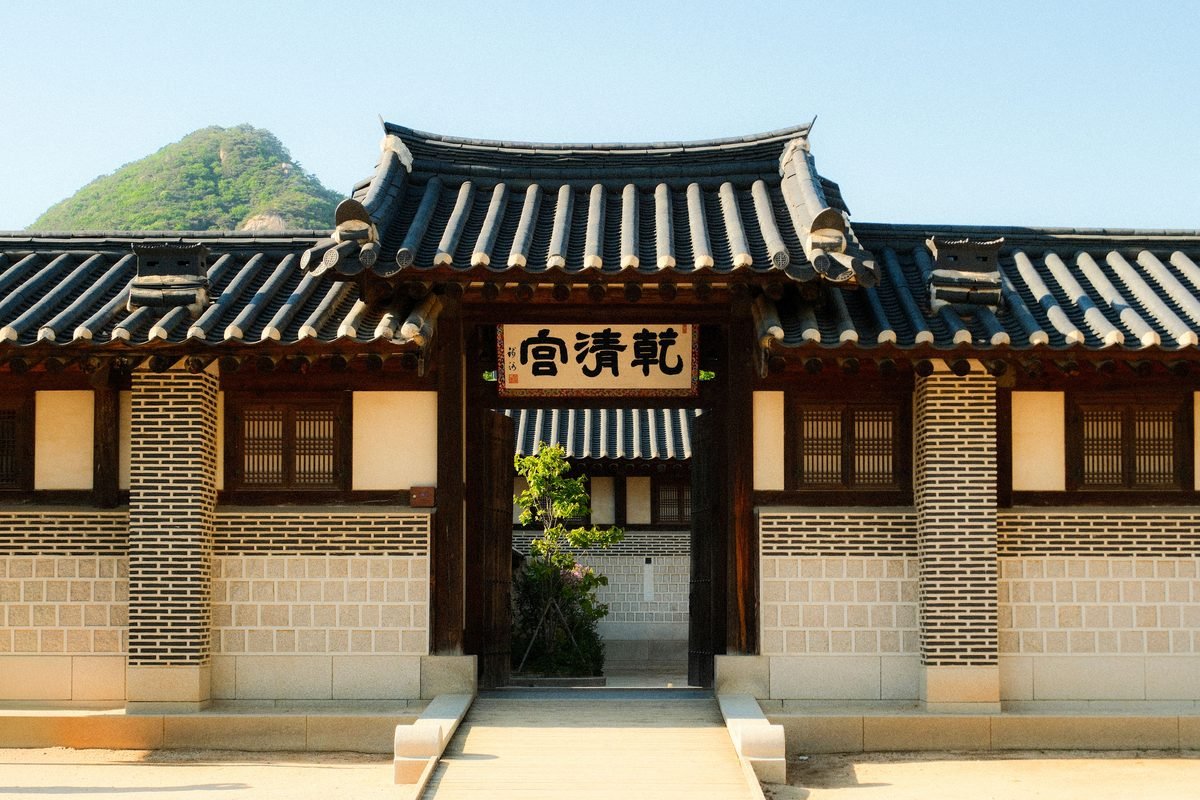
Do not expect a mattress. You will be sleeping on the floor. The rooms are usually small and minimalist, often featuring paper-covered sliding doors. Most owners are incredibly hospitable and will offer you tea or a map of their favorite quiet spots in the village. If you prefer a standard bed, there are modern hotels just outside the perimeter of the village, but you will miss the morning light hitting the tiled roofs from your window. The Hanok Village is small enough that you are never more than a ten-minute walk from the action.
Navigating the Jeonju Hanok Village guide
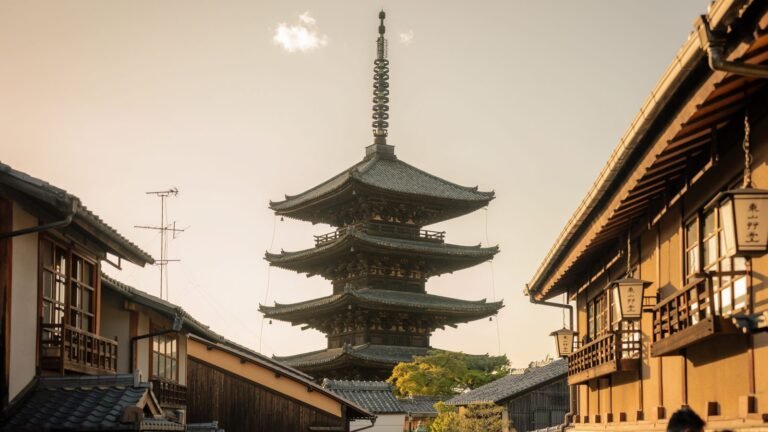
The core of this Jeonju Hanok Village guide is knowing where to walk and what to skip. The main thoroughfare is Taejo-ro. This street is often crowded and lined with shops selling street food like grilled cheese skewers and oversized Choco Pies. While the energy is fun, the real magic is in the side streets to the south and east. Walk toward the river for peace. These smaller alleys are where people actually live and where you will find the most authentic architecture. The village is home to over 800 houses, making it the largest concentrated collection of hanoks in Korea.
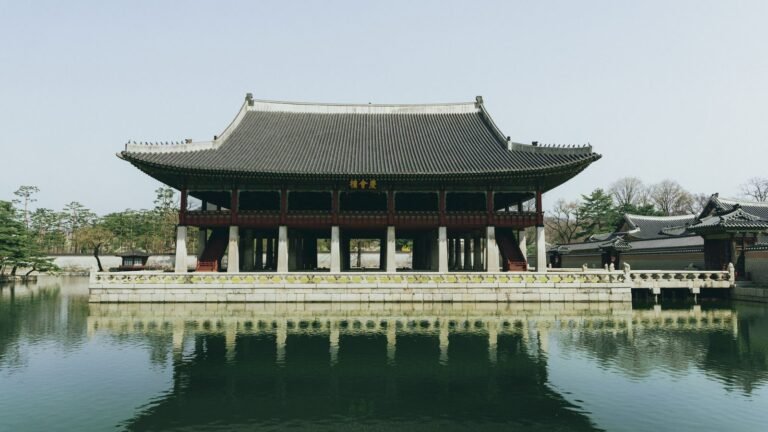
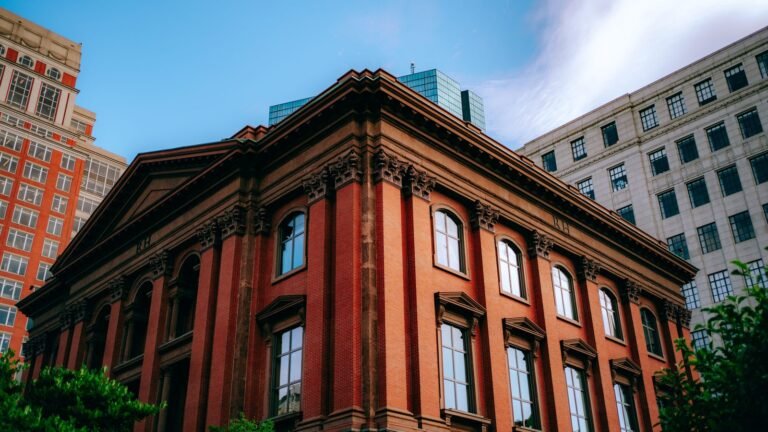
Gyeonggijeon Hall is an essential stop. It was built in 1410 to hold the portrait of King Taejo, the founder of the Joseon Dynasty. Entry is ₩3,000 (about $2.30). The grounds are spacious and offer a great escape from the crowds on the street. Directly across from the entrance is the Jeondong Cathedral. It was built in 1914 by French missionaries on the site where many Korean Catholics were martyred. The red brick Romanesque architecture stands in sharp contrast to the surrounding wooden houses. Most shops open at ten. By noon, the streets are full of visitors wearing rented hanbok, which creates a very specific, colorful atmosphere for photos.
Finding the best viewpoints
For the best view of the roofs, head to Omokdae. It is a small hill on the edge of the village. A wooden boardwalk leads you up to a pavilion where King Taejo celebrated a victory. From the stairs leading up to the pavilion, you can look down over the entire sea of black-tiled roofs. It is particularly beautiful at sunset when the lights of the village begin to flicker on. Another great spot is the second floor of any of the traditional tea houses along the perimeter. Order a cup of ginger tea or omija (five-flavor berry) tea and watch the crowds pass by below. This is the best way to spend an hour in the afternoon.
Where to eat: Bibimbap and Makgeolli Alley
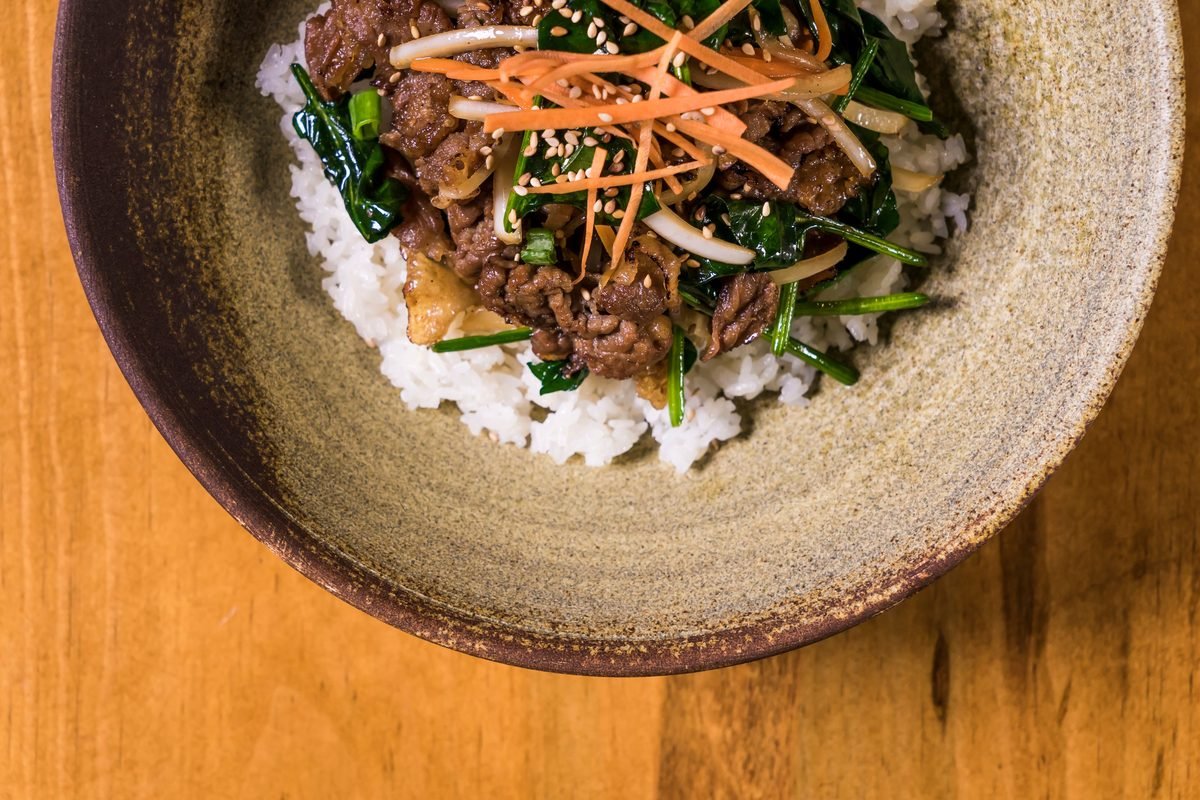
Jeonju is the birthplace of bibimbap. While you can find this dish anywhere in Korea, the Jeonju version is famous for using high-quality rice cooked in beef broth and topped with up to thirty different ingredients. A bowl at a reputable place like Gajok Hoegwan or Gogung will cost about ₩15,000 (about $11.50). The food comes out fast. Do not be surprised by the number of side dishes (banchan) that arrive before your main bowl; Jeonju is known for its generosity with these small plates.
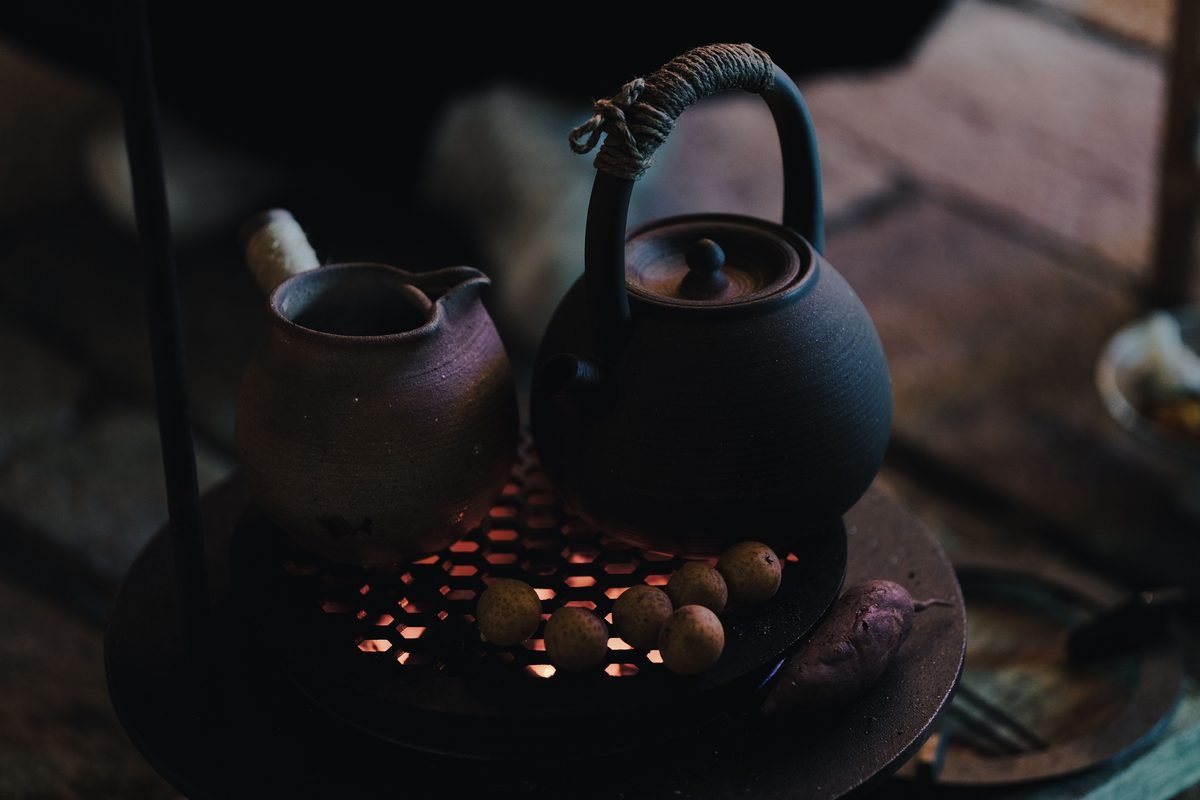
The real evening highlight is Makgeolli Alley in the Samcheon-dong district. The rules here are unique. You do not order individual food items. Instead, you order a “kettle” of makgeolli (cloudy rice wine). The first kettle costs roughly ₩25,000 to ₩35,000 (about $19-$27). When you order it, the table is suddenly covered in ten to fifteen different dishes, ranging from savory pancakes to steamed tofu and kimchi. The kettle arrives first. If you order a second kettle, the price is lower, but the quality of the free food increases. You might get raw oysters, soy-marinated crab (ganjang gejang), or grilled fish with the second or third round. It is a social, loud, and very local way to eat.
Take a taxi from the station or the village to get there, as it is a bit far to walk. Tell the driver “Samcheon-dong Makgeolli Golmok.” Most places open around 4:00 PM and stay busy until late at night. If you are a solo traveler, this can be a difficult place to eat because the portions are designed for groups of three or four. If you are alone, I recommend sticking to the bibimbap restaurants or the street food stalls in the Hanok Village, which offer smaller portions of Jeonju specialties.
From a local: The Kettle Rule
In Makgeolli Alley, the food is free but the drinks are not. Each subsequent kettle of wine brings better, more expensive side dishes, so it pays to stay for more than one round.
Nambu Market and night market timing
Nambu Market is located just across the main road from the Hanok Village. During the day, it is a traditional market where locals buy produce, dried fish, and household goods. It has been operating since the early 1900s. I suggest visiting the second floor, known as the Youth Mall (Cheongnyeon-moll). It is a collection of quirky shops, small bars, and galleries run by young entrepreneurs. It has a much different vibe than the traditional market below, with colorful murals and creative souvenirs that you won’t find in the more touristy areas.
The Nambu Night Market is the main draw for visitors. It only happens on Friday and Saturday nights. The timing is important: it usually starts around 6:00 PM and runs until 11:00 PM. The narrow aisles of the market fill up with food carts selling everything from blood sausage soup (sundae gukbap) to bacon-wrapped vegetables and Vietnamese pho. It is very crowded, so be prepared to shuffle along with the mass of people. Prices for most snacks are between ₩5,000 and ₩10,000 (about $4-$8). It is a great place to sample many different things without committing to a full meal.
Try the local blood sausage
Jeonju is famous for its blood sausage soup, or sundae gukbap. There are several famous shops inside Nambu Market that have been serving this for decades. The broth is rich and spicy, and it is the ultimate comfort food for locals. If you are not a fan of blood sausage, look for the carts selling pan-fried dumplings or the famous Jeonju grilled cheese. The market is also a good place to buy local snacks like mother-in-law’s ginger cookies to take home as gifts.
Heads up: Weekend Only
The Nambu Night Market only operates on Friday and Saturday evenings. If you visit on a weekday, the market will be mostly closed by 7:00 PM.
Essential local tips for Jeonju
Navigating Jeonju requires a few local tools. As with the rest of South Korea, Google Maps will not give you accurate walking or transit directions. You must download Naver Map or KakaoMap before you arrive. These apps are essential for finding specific guesthouses tucked away in the hanok alleys. Most of the Hanok Village is a pedestrian zone, so you will be doing a lot of walking. Wear slip-on shoes for hanoks. You will be taking your shoes off and putting them back on every time you enter your room, a restaurant, or a tea house, so laces are a hassle.
If you want to escape the crowds entirely, cross the Namcheon Bridge at the southern end of the village. This leads to the Seohak-dong Art Village. It is a quiet neighborhood where artists have taken over old houses. There are several small galleries and very quiet cafes here that feel worlds away from the busy streets of the Hanok Village. It is my favorite place to go when the main village feels too touristy. For those staying multiple days, a trip to the nearby Deokjin Park is worth the short taxi ride to see the massive lotus pond, which is in full bloom during the summer months.
Money and Logistics
While most restaurants and shops in Jeonju accept international credit cards, some of the smaller stalls in the Nambu Night Market prefer cash or local bank transfers. I recommend keeping about ₩30,000 in cash on you for market snacks and small souvenirs. Public restrooms are plentiful and generally very clean throughout the Hanok Village. If you need a break from the heat or cold, the Jeonju Fan Culture Center or the various museums within the village are usually air-conditioned and offer a quiet place to sit for a few minutes.


Tip: Free Luggage Storage
The Tourist Information Center at the entrance of the Hanok Village often has lockers or a storage area if you arrive before your hanok check-in time.
What it costs in Jeonju
| Item | Local price | USD |
|---|---|---|
| KTX Train (Seoul to Jeonju, one way) | ₩34,400 | $26 |
| Express Bus (Seoul to Jeonju, one way) | ₩22,000 | $17 |
| Hanok Stay (per night, mid-range) | ₩100,000 | $76 |
| Gyeonggijeon Hall Entry | ₩3,000 | $2.30 |
| Jeonju Bibimbap Meal | ₩15,000 | $11.50 |
| Makgeolli Kettle (with food) | ₩30,000 | $23 |
| Taxi within the city | ₩6,000 | $4.50 |
| Total for 2 days (excluding transport to Jeonju) | ₩220,000 | $168 |
Prices checked September 2026. Always confirm with the provider before you book.
Where to stay in Jeonju
Budget
Pungnam-dong, for small guesthouse rooms
This area is the heart of the Hanok Village and has many family-run homes with basic rooms starting around ₩50,000. You will be within steps of the main food streets and the cathedral.
Mid-range
Gyo-dong, for quiet traditional courtyards
Located on the eastern edge of the village, these hanoks are often more spacious and better maintained. It is a five-minute walk to Omokdae and costs between ₩90,000 and ₩130,000 per night.
Splurge
Near the Jeonju Stream, for luxury hanok boutiques
The southern edge of the village features larger, high-end hanoks with modern amenities and beautiful garden views. Expect to pay ₩180,000 or more for premium service and larger rooms.
Mistakes to avoid
- Visiting Nambu Market for the night market on a Tuesday or Wednesday when the food carts are not operating.
- Trying to use Google Maps for walking directions, which often leads to dead ends in the hanok alleys.
- Only sticking to the main Taejo-ro street and missing the quieter, more authentic residential hanok sections.
FAQ
Is a day trip enough for this Jeonju Hanok Village guide?
While you can see the main sights in 4-5 hours, staying overnight allows you to experience the village after the crowds leave and enjoy the Makgeolli Alley properly. I recommend at least one night to get the full experience.
How do I get from the train station to the Hanok Village?
The easiest way is by taxi, which takes about 15 minutes and costs roughly ₩6,000 (about $4.50). You can also take city buses, but they are often crowded and difficult to navigate with luggage.
What is the best time of year to visit Jeonju?
Spring (April-May) and Autumn (October-November) are best for mild weather and beautiful foliage. September is also pleasant, though it can still be slightly humid.
Do I need to book a hanok stay in advance?
Yes, especially for weekends and public holidays. The best-rated traditional houses often fill up several weeks in advance.
Is Jeonju bibimbap different from the regular kind?
Yes, it typically uses rice cooked in beef bone broth and includes a wider variety of local vegetables and a specific type of jelly made from mung beans.