The Best Prague 2 Day Itinerary: An Honest, Timed Guide

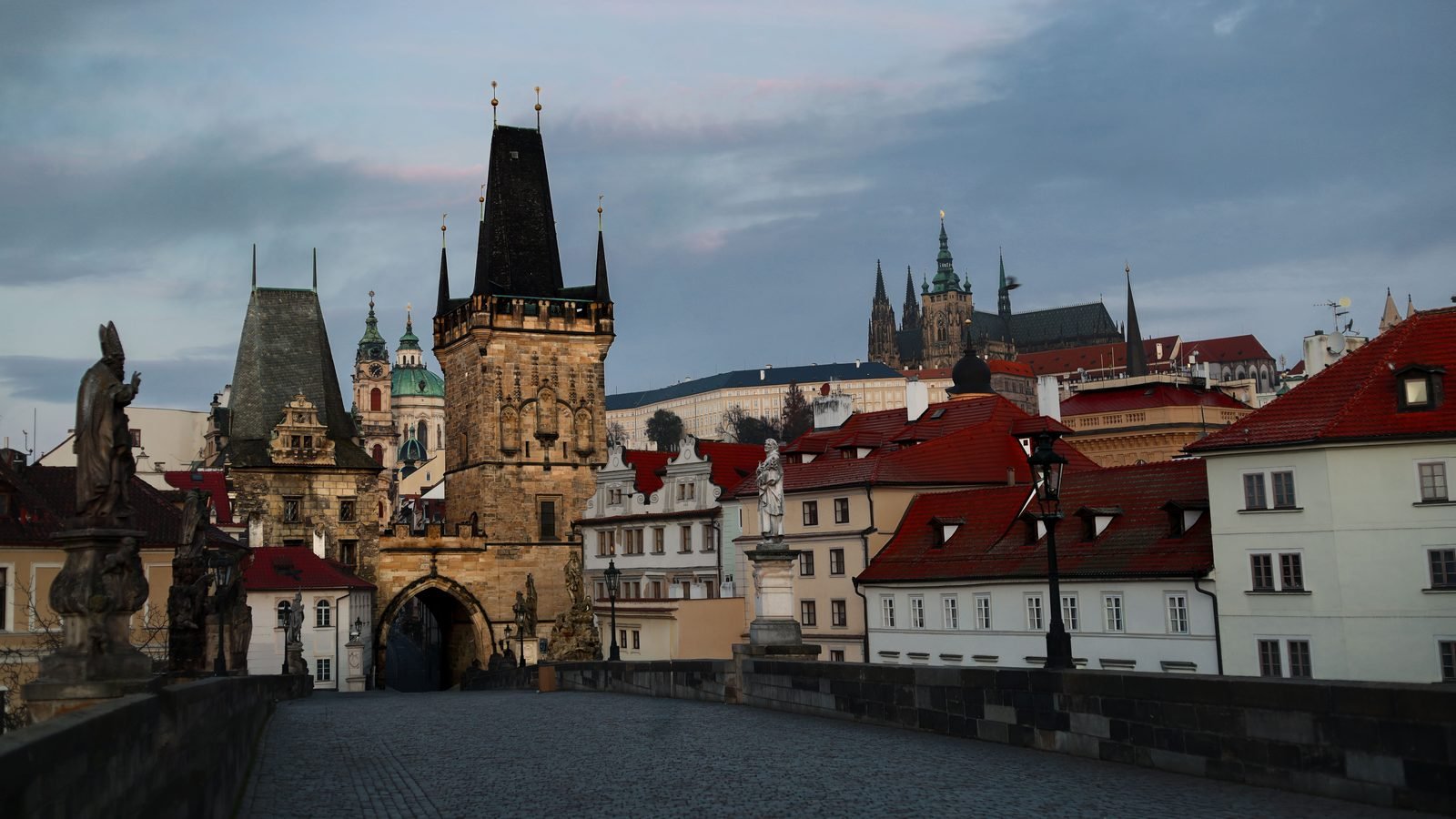
At 5:45 AM, the cobblestones of the Charles Bridge are slick with dew and entirely empty. A single streetlamp casts a yellow glow on the stone saints, and the Vltava River flows silently below. Most travelers only see this bridge when it is packed shoulder-to-shoulder, but waking up early reveals the quiet, gothic soul of the Czech capital.
Prague rewards travelers who know where the tourist traps end and the places locals actually drink begin. This realistic Prague 2 day itinerary is designed for independent travelers who want to balance iconic sights like the Prague Castle with quiet neighborhood parks, historic trams, and affordable Bohemian beer halls. Let’s make the most of your forty-eight hours.
How to plan your Prague 2 day itinerary and get around
Getting to Prague is straightforward, whether you arrive by air at Václav Havel Airport (PRG) or by train at the grand Praha Hlavní Nádraží station. If you fly in, avoid the predatory taxi drivers waiting at the terminal. Instead, take the Trolleybus 59 to Nádraží Veleslavín metro station, which connects directly to metro Line A. The entire journey takes about fifty minutes. Alternatively, the Airport Express bus runs directly to the main railway station for 100 Kč (about $4.30).
Once you are in the city, the public transport network is incredibly efficient, clean, and cheap. Prague is divided into zones, but as a visitor, you will only need the standard city tickets. A 30-minute ticket costs 39 Kč (about $1.65) on paper, or 36 Kč (about $1.55) in the PID Lítačka app. A 90-minute ticket is 50 Kč (about $2.15) on paper. If you plan to ride transit frequently, a 24-hour pass is 150 Kč (about $6.40), or 140 Kč (about $6) in the app. You can buy these tickets using a contactless credit card directly on any tram or at yellow vending machines inside metro stations. Buy your ticket first. Then, you must validate paper tickets in the yellow machines upon boarding. Validate it immediately. Plainclothes inspectors frequently patrol the lines, and they will fine you 1,000 Kč (about $43) on the spot if your ticket is not stamped. The metro shuts down around midnight, but a network of night trams keeps the city accessible twenty-four hours a day.
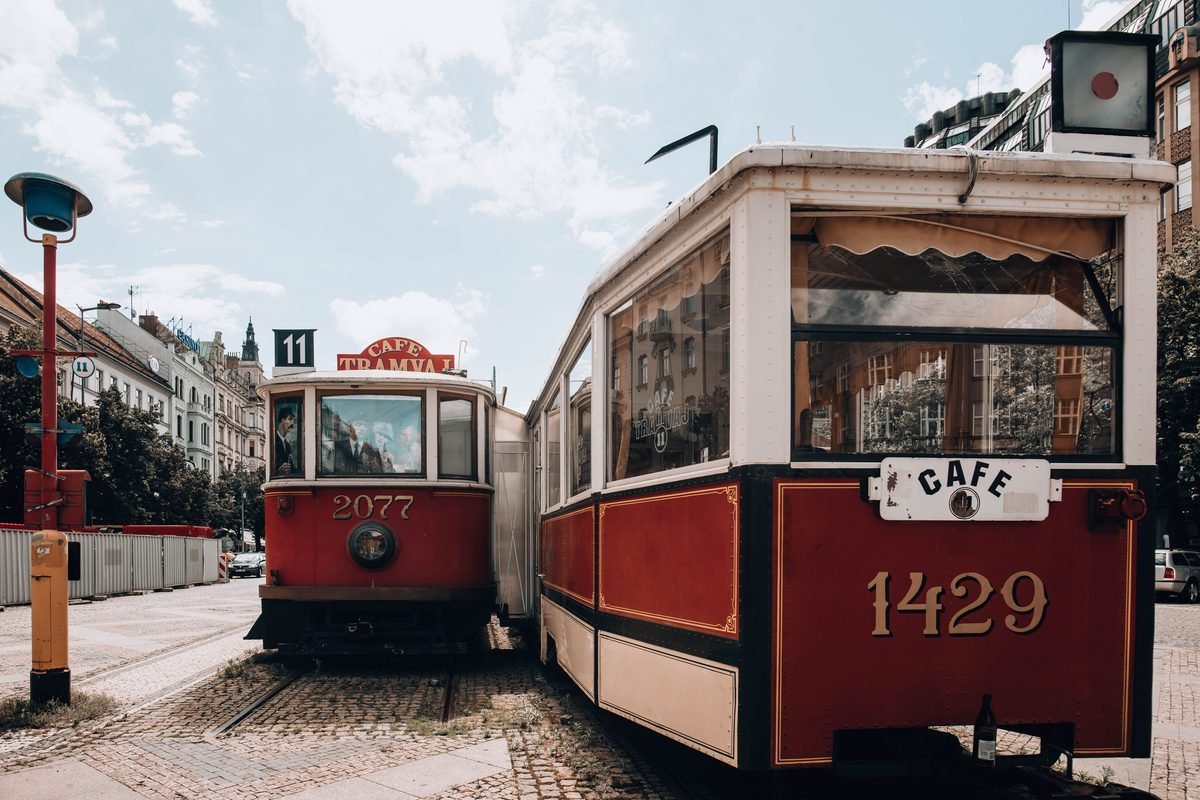
Tip: Tap to Pay on Trams
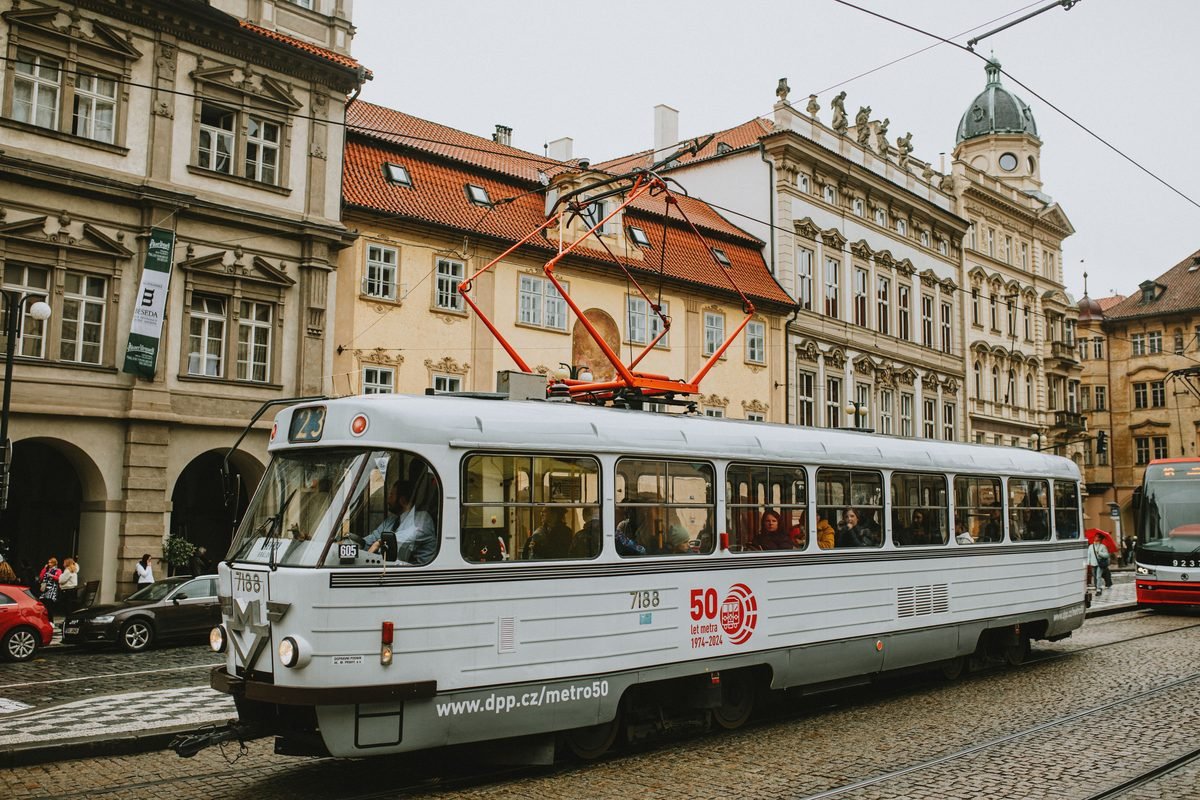
Every tram in Prague now has an orange terminal in the middle of the carriage where you can tap your contactless card or phone to buy a ticket. No paper stamping is required for these digital tickets.
The best time of year to visit Prague
Timing is everything when planning your trip. Because Prague is one of Europe’s most popular destinations, summer can feel overwhelming. During July and August, the narrow alleys of the Old Town clog with tour groups, and temperatures frequently climb above 30C (86F). The heat makes walking the steep hills exhausting, and the crowds strip away much of the city’s gothic mystery.
Instead, aim for the shoulder seasons. Late September and October are particularly magical. The golden autumn foliage in Letná and Petřín parks is incredibly peaceful, reminding me of the crisp mornings on a Seoul autumn trip back home. Temperatures hover around a comfortable 15C (59F), and the summer crowds have mostly departed. Spring, specifically late April and May, is another fantastic window when cherry blossoms bloom across the city’s hillsides.
Winter has its own distinct charm, especially in December. The city hosts some of Europe’s most beautiful Christmas markets in the Old Town Square and Wenceslas Square. You can sip warm Svařák (mulled wine) for 90 Kč (about $3.90) while watching the snow fall on gothic spires. However, daylight is very short in winter, with the sun setting before 4:30 PM. To maximize your daytime sightseeing, autumn remains the absolute sweet spot for a short visit. If you do visit in summer, wake up early to do your heavy sightseeing before 9:00 AM, rest during the hot afternoon hours, and head back out in the late evening when the stone streets finally cool down.
Day 1: Charles Bridge, Prague Castle, and Letná views
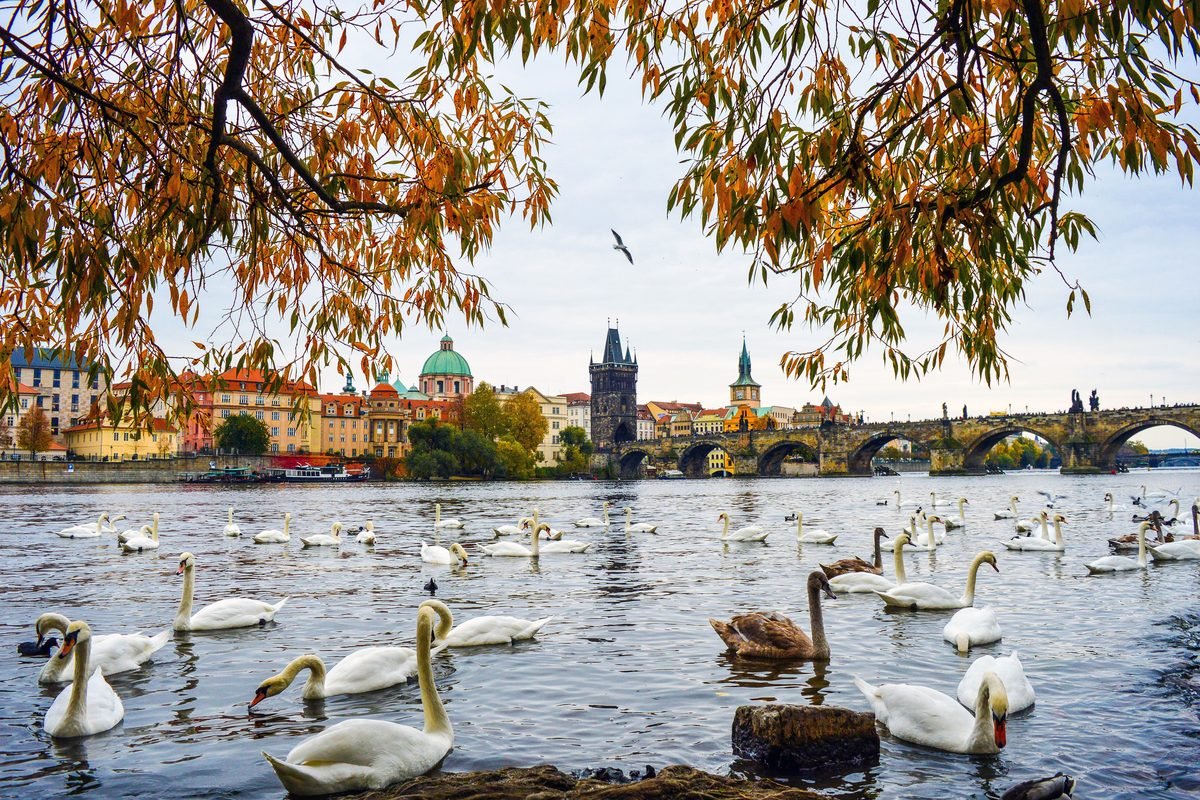
Your first day starts early to beat the crowds at Prague’s most famous landmark. Set your alarm for 6:00 AM and head straight to the Charles Bridge. At this hour, you will share the gothic bridge only with a few photographers and street sweepers. The morning mist rising off the Vltava River creates an incredible atmosphere that disappears completely by 9:00 AM.
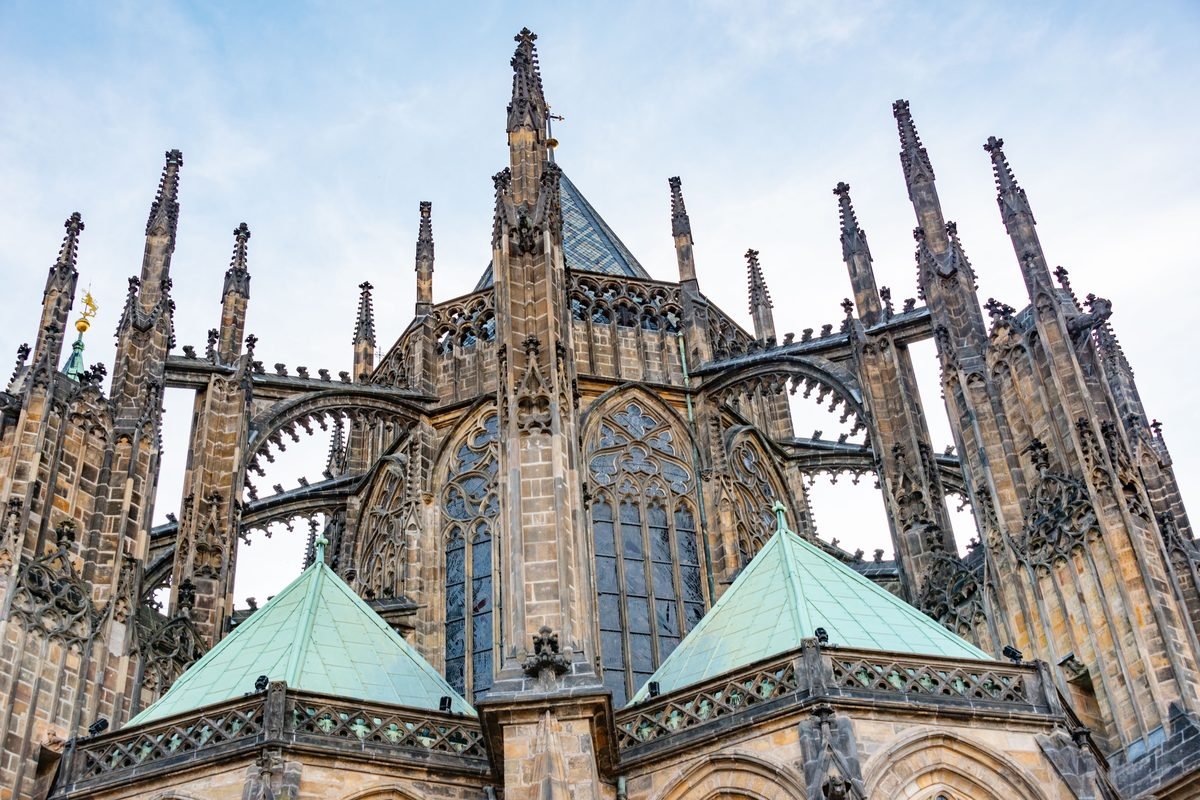
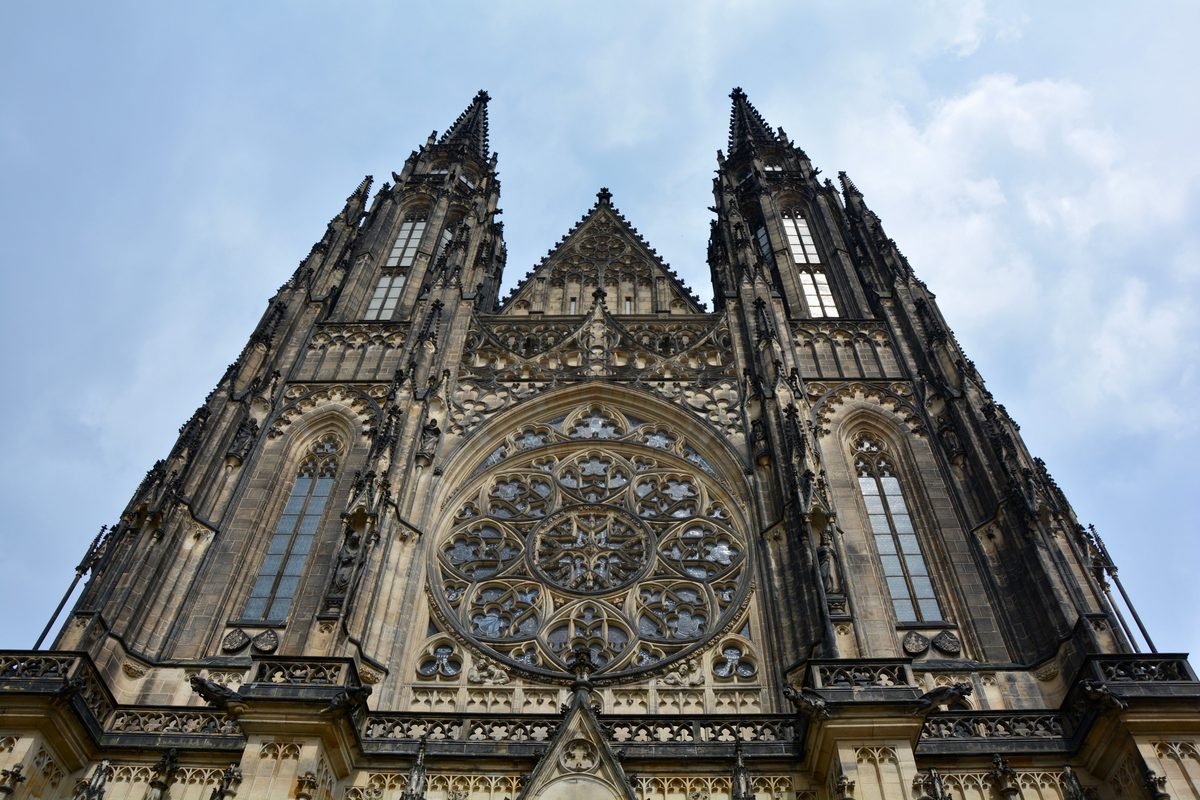
Once you have crossed the bridge into the Malá Strana district, grab a quick pastry and coffee at a local bakery for about 120 Kč (about $5.10). From there, begin the steep walk up to Prague Castle. The castle gates open at 6:00 AM, but the historic buildings inside open at 9:00 AM. Purchase the Main Circuit ticket for 450 Kč (about $19), which includes entry to the towering St. Vitus Cathedral, the Old Royal Palace, St. George’s Basilica, and the tiny colorful houses of Golden Lane. Give yourself at least three hours to explore the massive complex.
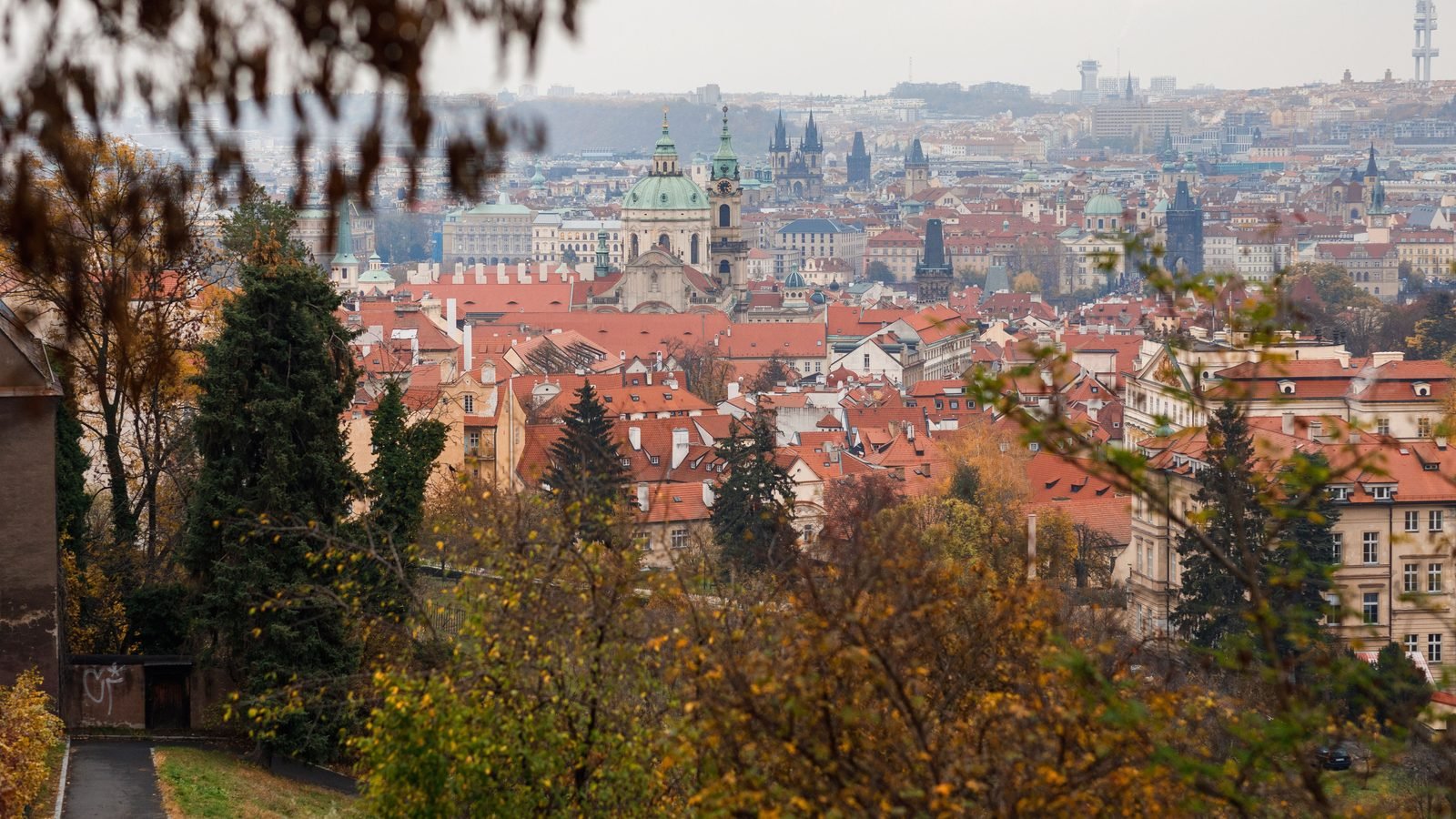
In the afternoon, descend the castle steps and wander through the quiet, winding streets of Malá Strana. Avoid the overpriced restaurants near the main square and look for a quiet tavern down a side alley. After lunch, walk north along the river bank towards Letná Park. Climb the stone steps to the Letná Beer Garden. Here, you can buy a cold Pilsner Urquell for 65 Kč (about $2.80) and sit at a wooden picnic table under the chestnut trees. The views are worth it. The panoramic view of Prague’s bridges arching across the Vltava River at sunset is the perfect way to end your first day.
Book ahead: Skip the Castle Ticket Lines
Buy your Prague Castle tickets online via the official website ahead of time to bypass the long queues at the main courtyard ticket offices, especially if you arrive after 10:00 AM.
Day 2: Old Town squares, historic tram 22, and Vinohrady
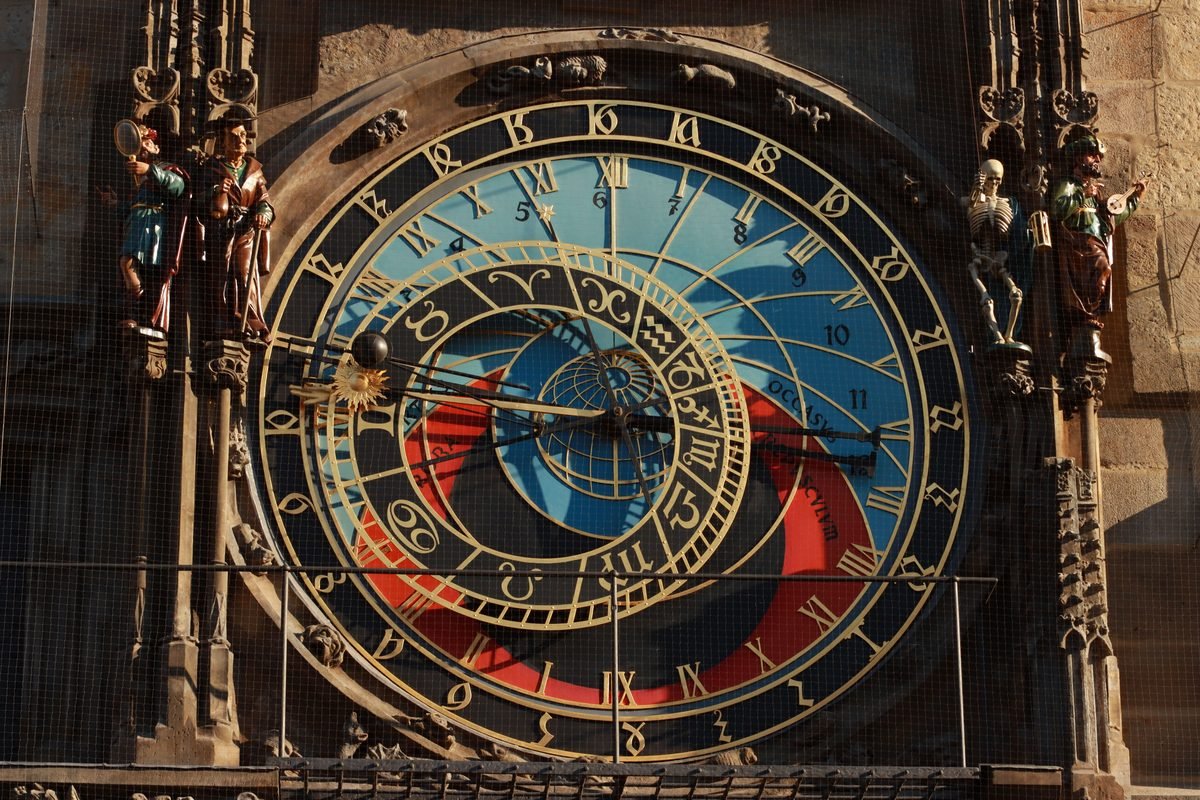
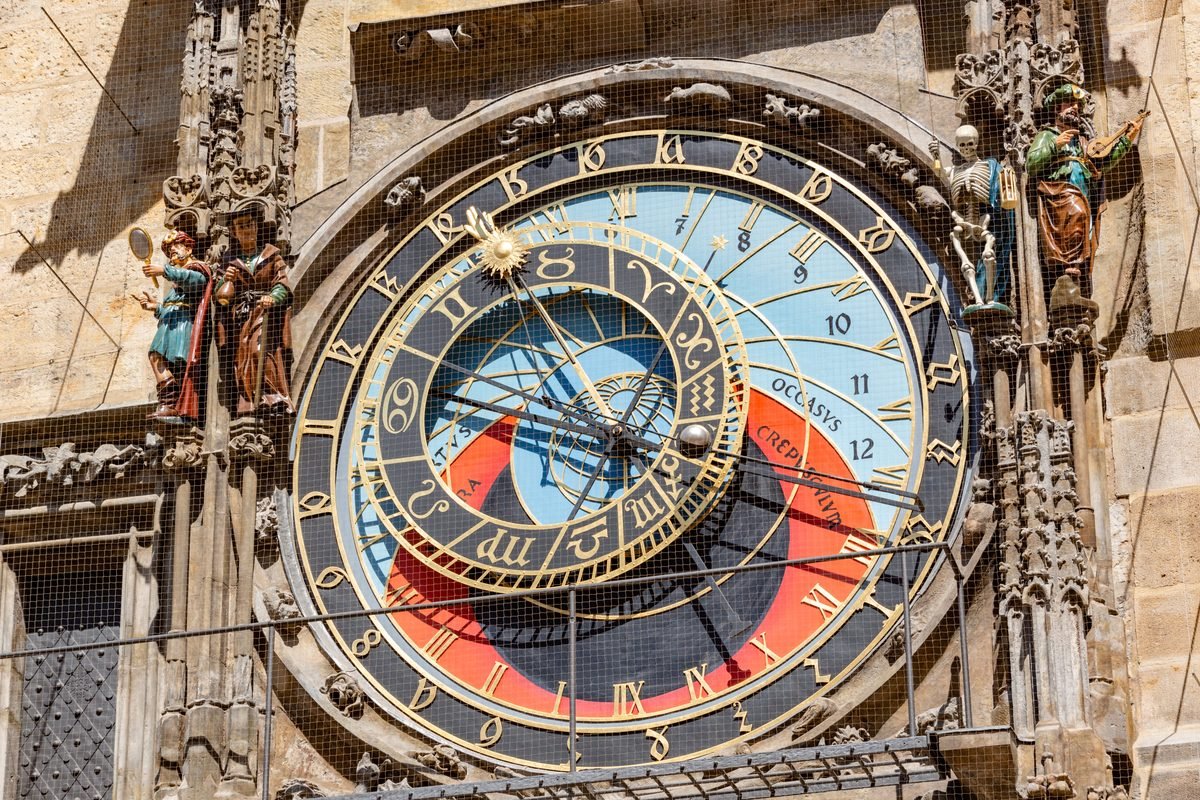
Start your second day in the historic heart of the city: Old Town Square. Stand in front of the Astronomical Clock to watch the hourly show of the Twelve Apostles, though keep your expectations modest as the show is quite brief. Afterward, wander into the Jewish Quarter (Josefov) to see the striking Spanish Synagogue and the historic Old Jewish Cemetery. A combined ticket to the Jewish Museum sites costs 500 Kč (about $21) and offers a profound look into the city’s complex history.
To experience Prague like a local, walk to the nearest stop and board Tram 22. This is not a tour bus, but a regular public transit line that climbs from the river up through the castle district and down into the residential neighborhoods. It offers a wonderful, cheap tour of the city’s diverse architecture. Ride the tram east toward Vinohrady, a leafy, upscale neighborhood known for its Art Nouveau buildings, quiet parks, and excellent food scene.
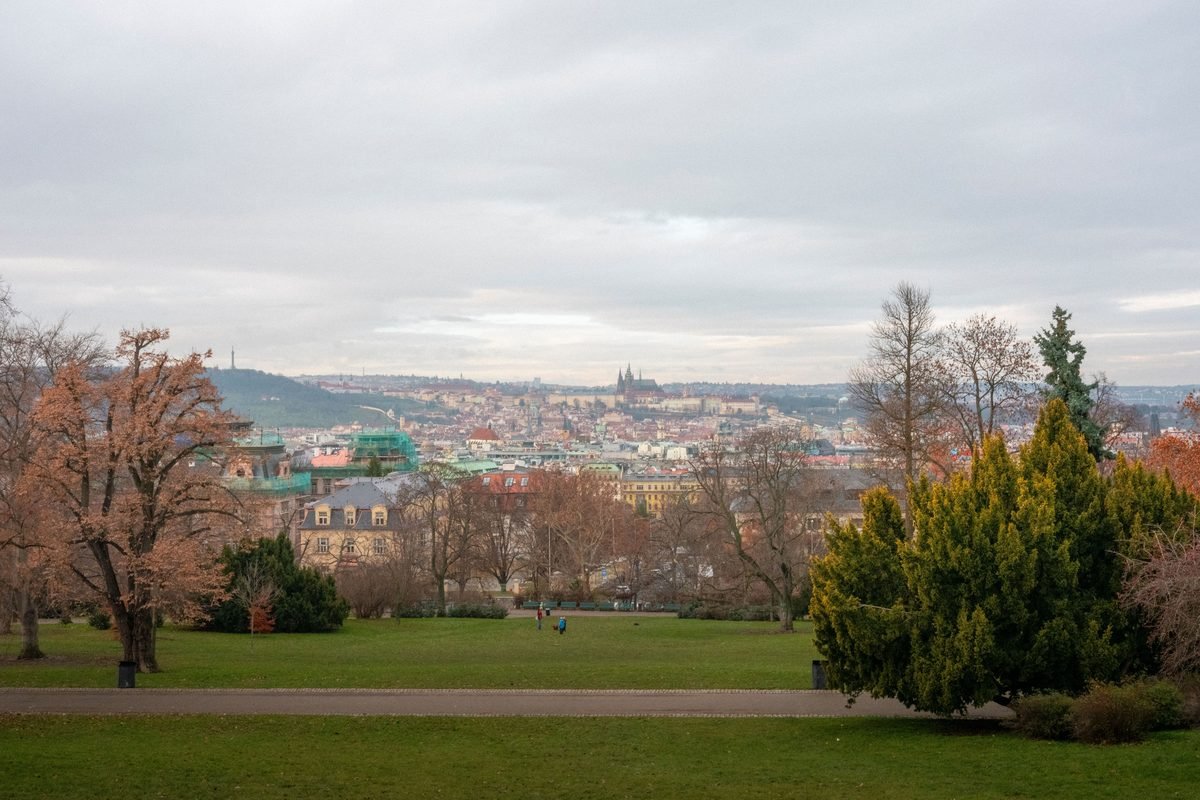
Spend your afternoon exploring Vinohrady. Walk through the peaceful Riegrovy Sady park, where locals gather on the grassy slopes to drink beer and watch the sun set behind Prague Castle in the distance. Unlike the crowded viewpoints in the Old Town, this park feels entirely local. For dinner, explore the side streets around Náměstí Míru, which are packed with independent cafes, modern bistros, and traditional pubs serving excellent food at a fraction of the prices found near the Astronomical Clock. It is that simple. You get better food, lower prices, and a much friendlier atmosphere just a few metro stops away from the tourist center.
From a local: Riegrovy Sady Sunset Spot
The best sunset view in Riegrovy Sady is not from the official beer garden, but from the open grassy hill on the park’s western slope. Bring a picnic blanket and a couple of bottles of local cider.
Where to eat and drink in Prague
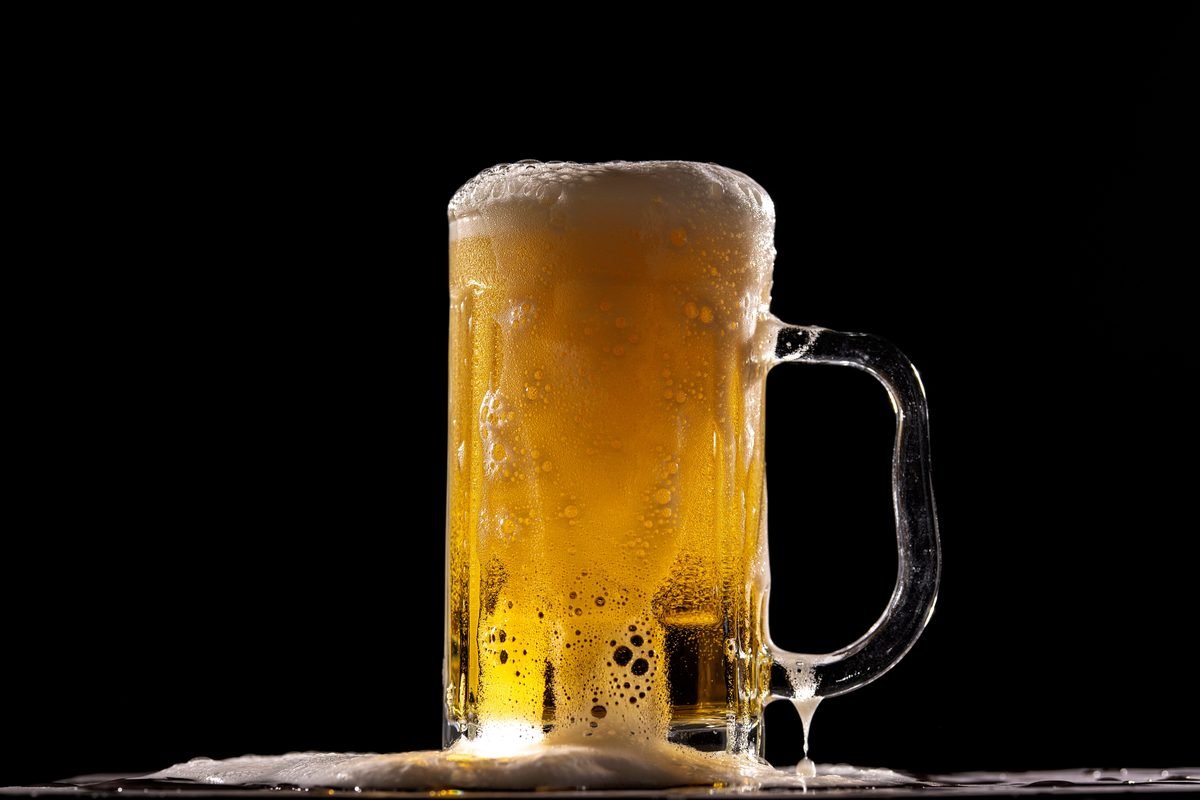
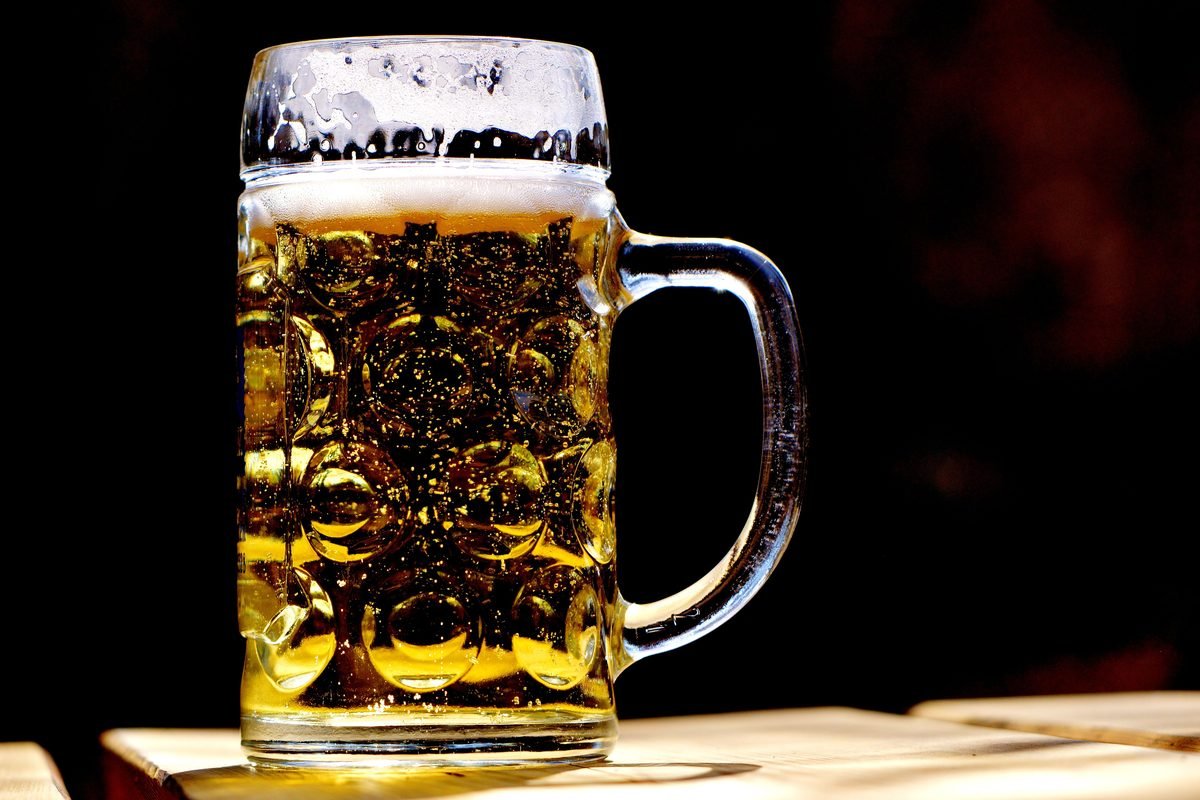
Czech cuisine is hearty, rich, and designed to accompany excellent beer. To experience the best of traditional dining without the tourist markup, head to one of the Lokál pubs scattered across the city. These modern beer halls serve exceptionally fresh Pilsner Urquell poured directly from massive stainless-steel tanks, a style known as tankové pivo. A half-liter of tank beer costs roughly 65 Kč (about $2.80).
When ordering food, try the classic svíčková na smetaně, which consists of tender beef tenderloin in a rich, creamy vegetable sauce, served with bread dumplings and a dollop of cranberry compote. A generous portion costs about 280 Kč (about $12). Another staple is guláš (goulash), a thick beef stew that pairs perfectly with a dark lager. Order the dark lager. It has a slightly sweet, malty flavor that balances the savory spice of the stew.
For a more modern culinary experience, Prague has a thriving specialty coffee and brunch scene, particularly in neighborhoods like Karlín and Vinohrady. Cafes like EMA Espresso Bar or Kavárna Místo serve world-class flat whites for about 85 Kč (about $3.60) alongside creative breakfast dishes. If you want to try the famous trdelník—the cinnamon-sugar spit cake sold on every corner in the Old Town—be aware that it is actually a modern import, not a traditional Czech pastry. Skip it and buy a traditional větrník, a giant Czech caramel choux pastry, at a local cukrárna (sweet shop) instead.
Practical tips to avoid local Prague scams
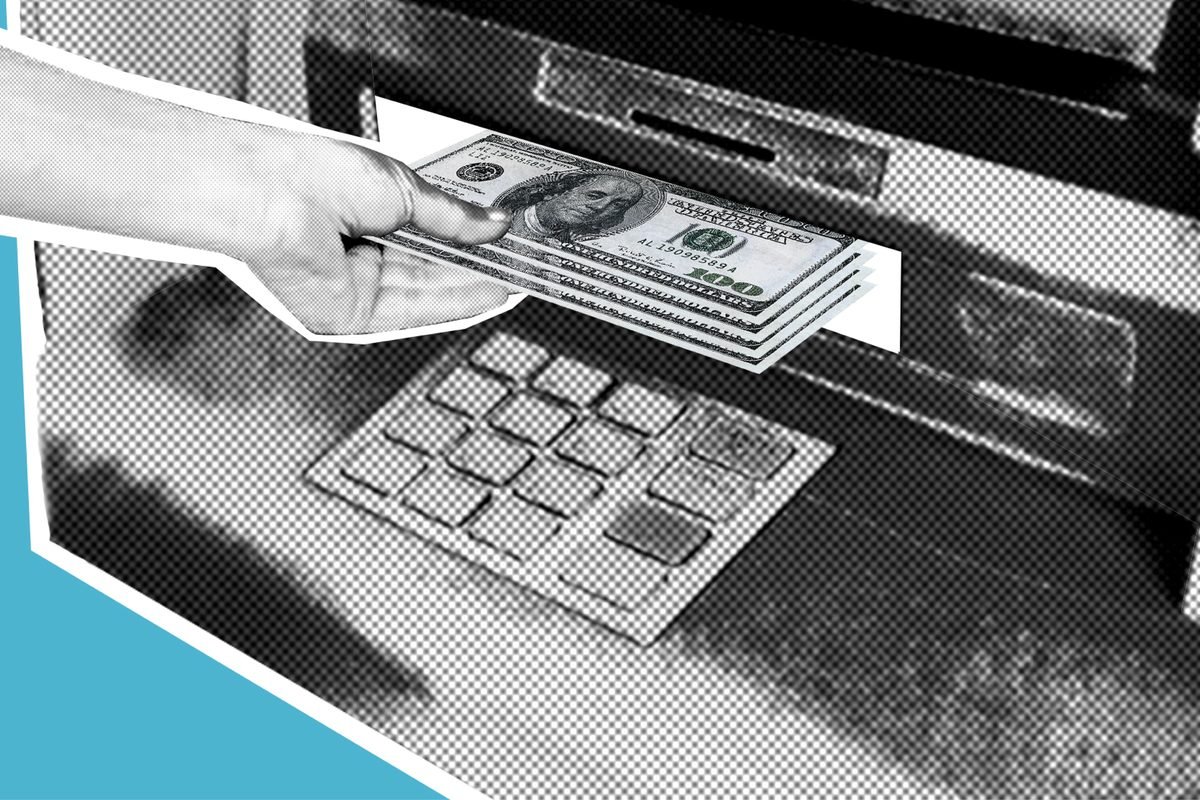
Prague is generally an incredibly safe city with low rates of violent crime, but it is notorious for petty theft and financial scams targeting tourists. The most common pitfall is the predatory currency exchange office. Many kiosks in the Old Town advertise “0% commission” but hide terrible exchange rates in the fine print, sometimes charging up to 30% in hidden fees. Do not skip this. Always use a bank ATM affiliated with a major Czech bank like Česká spořitelna or Komerční banka. Avoid the standalone Euronet ATMs, which charge exorbitant fees and use dynamic currency conversion to inflate the cost of your withdrawal.
Another common issue is taxi scams. Drivers waiting near the main train station or Old Town Square frequently rip off tourists by using rigged meters or charging flat rates that are triple the legal limit. To avoid this, use ride-hailing apps like Bolt or Uber, which are fully integrated and legal in Prague. The prices are locked in before you board, saving you from stressful negotiations.
When dining out, check your bill carefully. While tipping is customary in Prague, it is not as aggressive as in the United States. A standard tip is about 10% for good service, or you can simply round up the bill to the nearest hundred Kč. Some tourist-heavy restaurants will print “service not included” in bold letters on the bill or manually write in a 15% gratuity to trick foreigners. If the service was mediocre, you are under no obligation to leave a large tip. Finally, keep a close eye on your belongings in crowded areas, especially on Tram 22 and around the Astronomical Clock during the hourly show.
Heads up: The Honest Exchange Trick
If you absolutely must exchange physical cash, use Exchange on Kaprova street near the Old Town Square. They are famous for offering honest, fair market rates without hidden fees.
What it costs in Prague
| Item | Local price | USD |
|---|---|---|
| Public transport 30-minute ticket (paper) | 39 Kč | about $1.65 |
| Prague Castle Main Circuit ticket | 450 Kč | about $19.00 |
| Pilsner Urquell tank beer (0.5L) at Lokál | 65 Kč | about $2.80 |
| Traditional svíčková dinner | 280 Kč | about $12.00 |
| Specialty coffee (flat white) | 85 Kč | about $3.60 |
| Mid-range hotel night (per room) | 2,500 Kč | about $107.00 |
| Realistic daily budget per person | 1,800 Kč | about $77.00 |
Prices checked September 2026. Always confirm with the provider before you book.
Where to stay in Prague
Budget
A modern hostel in Žižkov
Perfect for solo travelers wanting cheap beer and a lively local neighborhood, with dorms and private rooms from 600 Kč (about $26) per night.
Mid-range
A boutique apartment in Vinohrady
Ideal for couples seeking leafy streets, local cafes, and easy tram access to the center, costing around 2,300 Kč (about $98) per night.
Splurge
A historic hotel in Malá Strana
Best for those who want to wake up steps from the Charles Bridge in a quiet gothic building, ranging from 5,000 Kč (about $214) per night.
Mistakes to avoid
- Exchanging money at street kiosks advertising zero percent commission.
- Paying inflated prices for trdelník cakes thinking they are traditional Czech pastries.
- Taking unmarked taxis waiting in front of the main railway station instead of using ride-hailing apps.
FAQ
Is 2 days in Prague enough?
Yes, two days is the perfect amount of time to see the city’s historic core, climb to the castle, and experience the local pub culture. This Prague 2 day itinerary covers the major sights while leaving room for quiet neighborhood exploration.
What is the best way to get around Prague?
The public tram and metro system is incredibly efficient, clean, and inexpensive. You can easily buy tickets using a contactless credit card on any tram or at station kiosks.
Can I use Euros in Prague?
While some tourist shops and hotels accept Euros, the official currency is the Czech Koruna (Kč). You will get much better rates by paying in Koruna or using a contactless card.
Is tap water safe to drink in Prague?
Yes, tap water throughout Prague and the rest of the Czech Republic is completely safe and clean. You can easily refill your water bottle at your hotel or any restaurant.
Do I need to book Prague Castle tickets in advance?
While you can buy tickets at the castle courtyards, booking online in advance is highly recommended to skip the long ticket queue. The grounds are free to enter, but you need a ticket for the historic interiors.