The Local Hongdae and Yeonnam-dong Guide

At 11:30 PM on a Friday night, the concrete steps near Hongik University Station exit 9 are packed with locals holding convenience store beers. The air smells of fried chicken, sweet tteokbokki, and cheap cologne. You are standing at the absolute epicenter of Seoul’s youth culture. This neighborhood moves at a frantic, sleepless pace, but just across the main street lies a completely different world of quiet cafes and leafy walking paths.
This local Hongdae and Yeonnam-dong guide is for independent travelers who want to bypass the tourist traps and experience the real energy of these sister districts. We will cover transit connections, vintage shopping lanes, student bars, and late-night eats that I actually visit as a local. Let’s dive in.
How to use this Hongdae and Yeonnam-dong guide for transit
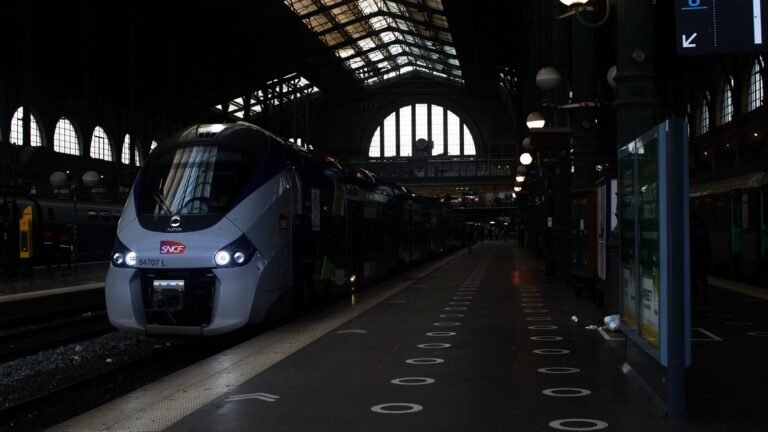
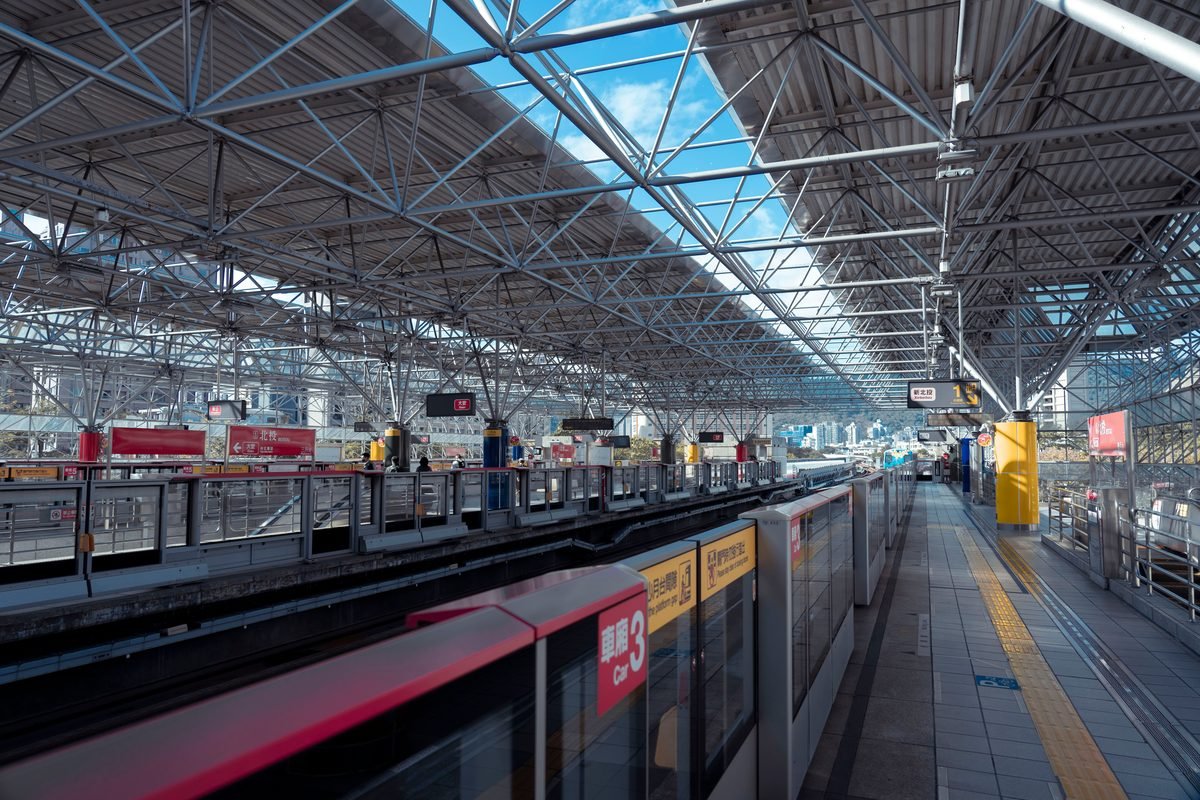
Getting to this part of Seoul is remarkably straightforward, making it an ideal first stop on your Korean adventure. The Airport Railroad Express (AREX) All-Stop train runs directly from both Terminal 1 and Terminal 2 of Incheon International Airport to Hongik University Station. This is the primary transit hub for both neighborhoods. The journey from Terminal 1 takes roughly 45 minutes and costs about ₩4,500 (about $3.40). If you land at Terminal 2, expect the ride to take about 51 minutes and cost around ₩5,100 (about $3.80).
You do not need to book tickets for the All-Stop train in advance. Simply purchase a T-money transit card at a convenience store inside the airport terminal for about ₩4,000 (about $3.00), load it with cash at a nearby ticket machine, and tap through the gates. It is incredibly easy.
Once you arrive at Hongik University Station, your exit choice determines your immediate environment. Exit 9 leads directly into the chaotic heart of Hongdae, famous for its shopping streets and nightlife. Exit 3 opens up into the grassy lawns of Yeonnam-dong, where the vibe is significantly more relaxed. If you are arriving from elsewhere in Seoul, subway Line 2 (the green circular line) and the Gyeongui-Jungang Line also stop here. This makes day trips to other districts incredibly easy. You can cross the Han River to reach southern districts like Gangnam or Jamsil in about 35 minutes via Line 2.
From a local: The Exit 3 Shortcut
If you are carrying heavy luggage, use Exit 3’s escalator to reach the surface. Exit 9 is notoriously crowded and often requires climbing a steep flight of stairs in a human traffic jam.
When to go for the best park vibes and busking hours
Timing your visit to these neighborhoods is crucial if you want to experience them at their liveliest. Hongdae is a late-starting district. Most shops do not open their doors until 11:00 AM or even noon, and the streets can feel eerily quiet during the morning hours. Do not go too early. Instead, plan to arrive in the mid-afternoon when the cafes in Yeonnam-dong are buzzing and the vintage shops are fully open.
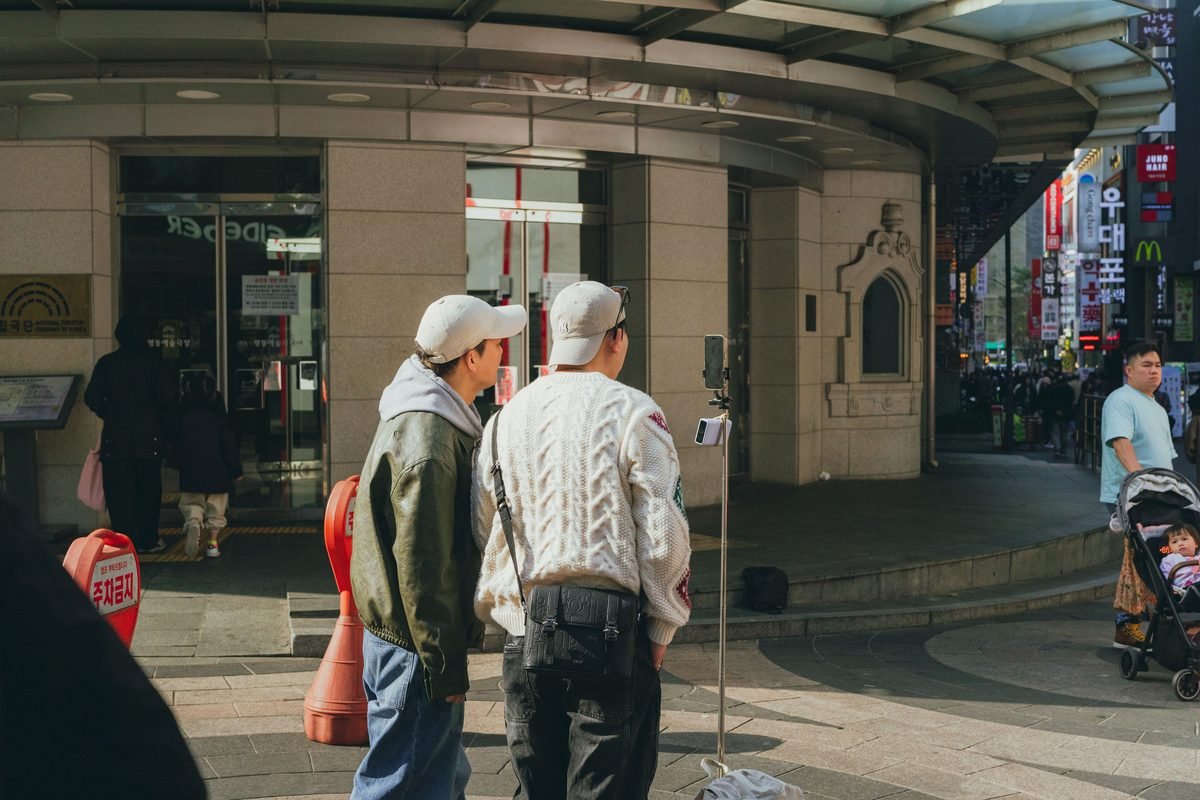
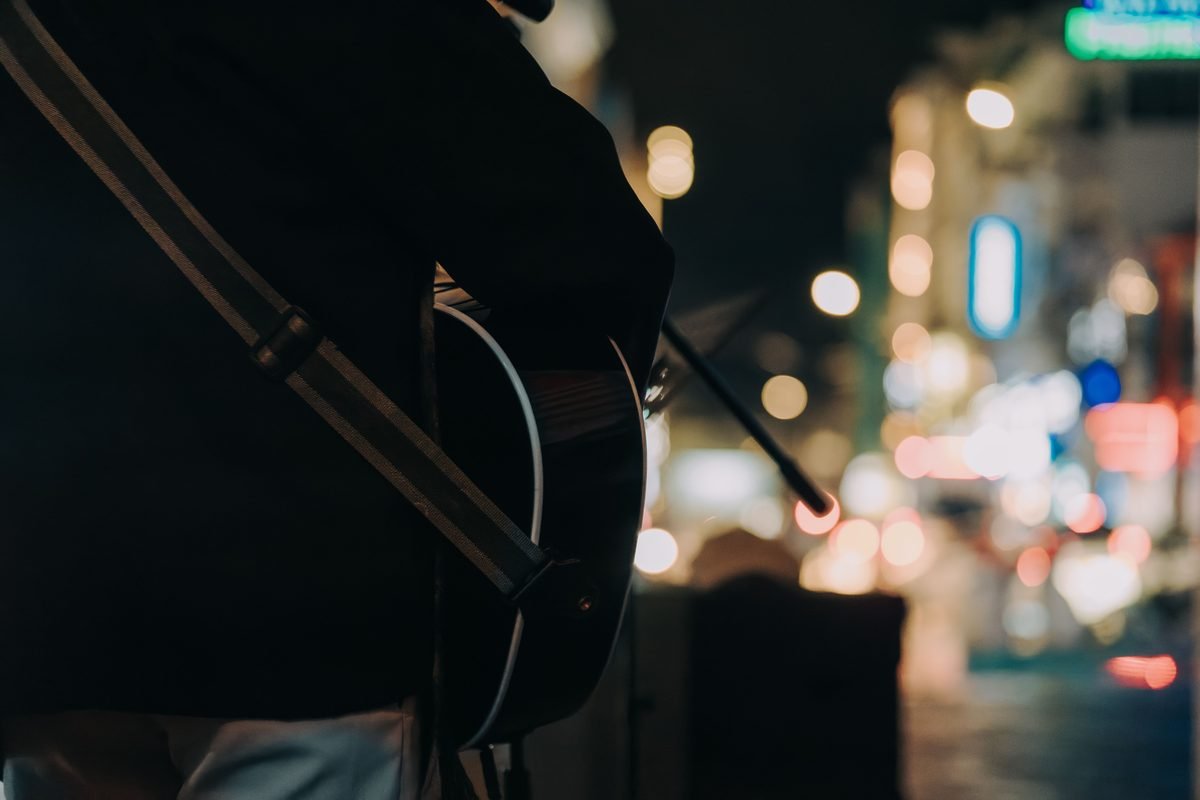
The real magic of Hongdae begins after the sun goes down. The dedicated busking zones along Eoulmadang-ro, a pedestrian-only street, come alive with street performers. Local university students and independent artists set up portable speakers to showcase K-pop dance routines, indie rock, and acoustic ballads. Official busking hours run from 6:00 PM to 10:00 PM daily, but the peak energy occurs on Friday and Saturday nights. Large, enthusiastic crowds gather in circles around the most talented performers, creating an electric atmosphere that costs absolutely nothing to enjoy.
In contrast, Yeonnam-dong’s Gyeongui Line Forest Park is best enjoyed during the late afternoon. Locally nicknamed “Yeontral Park,” this narrow strip of green space is built over old railway tracks. On warm spring and autumn afternoons, locals grab craft beers and snacks from nearby convenience stores and sit on the grass. It is the perfect spot for people-watching before heading out for a heavy dinner. If you visit during the winter, the park is quieter, but the cozy indoor cafes and wood-fired restaurants in the surrounding brick alleys remain packed with couples and small groups of friends.
Tip: Respect the Busking Zones
The performers are strictly regulated by the local district office. Please stay behind the yellow lines painted on the pavement to keep the walking paths clear for pedestrians.
What to do: vintage shops and Gyeongui Line Forest Park
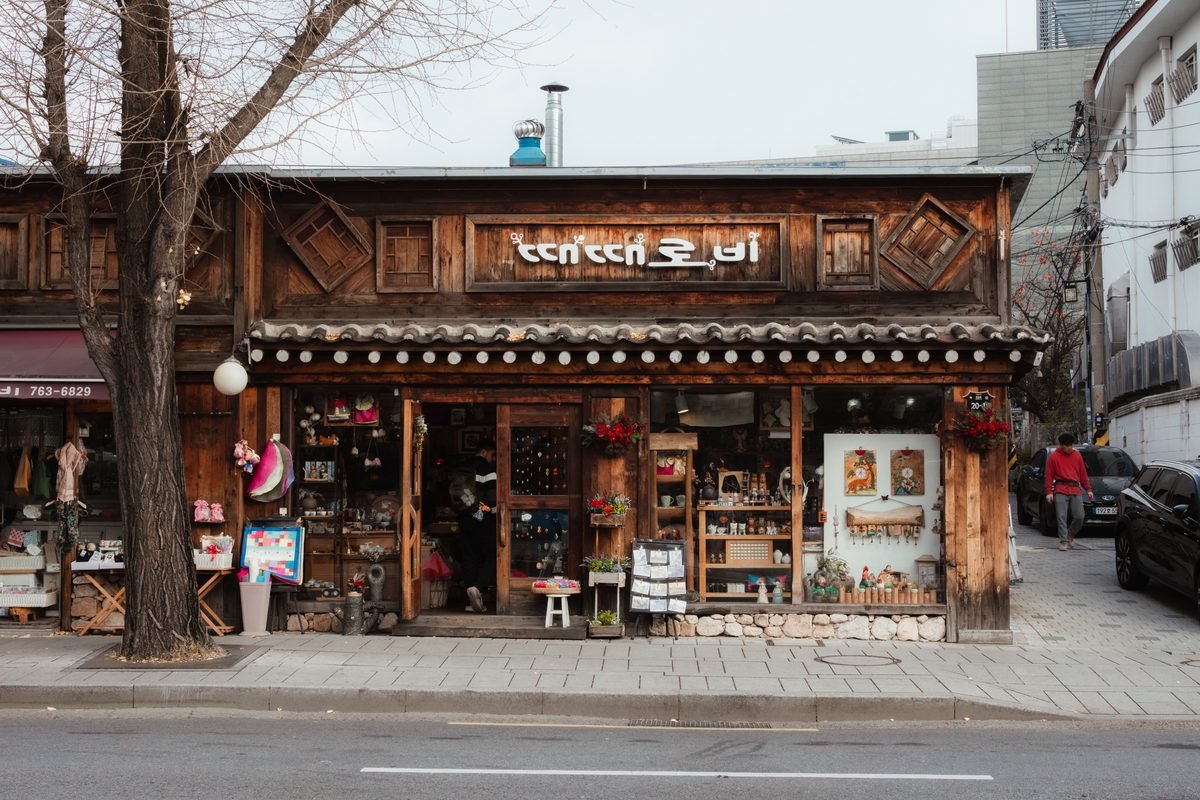
Shopping and strolling are the twin pillars of any visit here. Start your afternoon by exploring the labyrinth of vintage shops that lie between Hongik University and the Sanulrim Theater. Unlike the mass-market clothing chains on the main drag, these basement boutiques and second-floor select shops curate unique pieces imported from Japan, Europe, and the US. You can find everything from retro varsity jackets to rare designer denim. Prices vary wildly here. A vintage graphic tee might cost ₩15,000 (about $11.00), while a rare vintage leather jacket can easily run over ₩200,000 (about $150.00).
After browsing the shops, make your way over to the Gyeongui Line Forest Park. This park is a triumph of urban design, stretching for several kilometers through the heart of the city. As you walk along the paved pathways, you will pass trickling streams, manicured gardens, and preserved sections of the old railroad tracks. It is a peaceful escape.
If you follow the park further north, you will enter the quieter residential sections of Yeonnam-dong. Here, the main streets give way to narrow residential alleys lined with low-rise brick villas. Many of these buildings have been converted into independent bookstores, ceramic workshops, and tiny perfume ateliers. It is a fantastic area to get lost in for an hour or two. You will find that the commercial noise of Hongdae fades away completely, replaced by the quiet clatter of coffee cups and the low hum of neighborhood life.
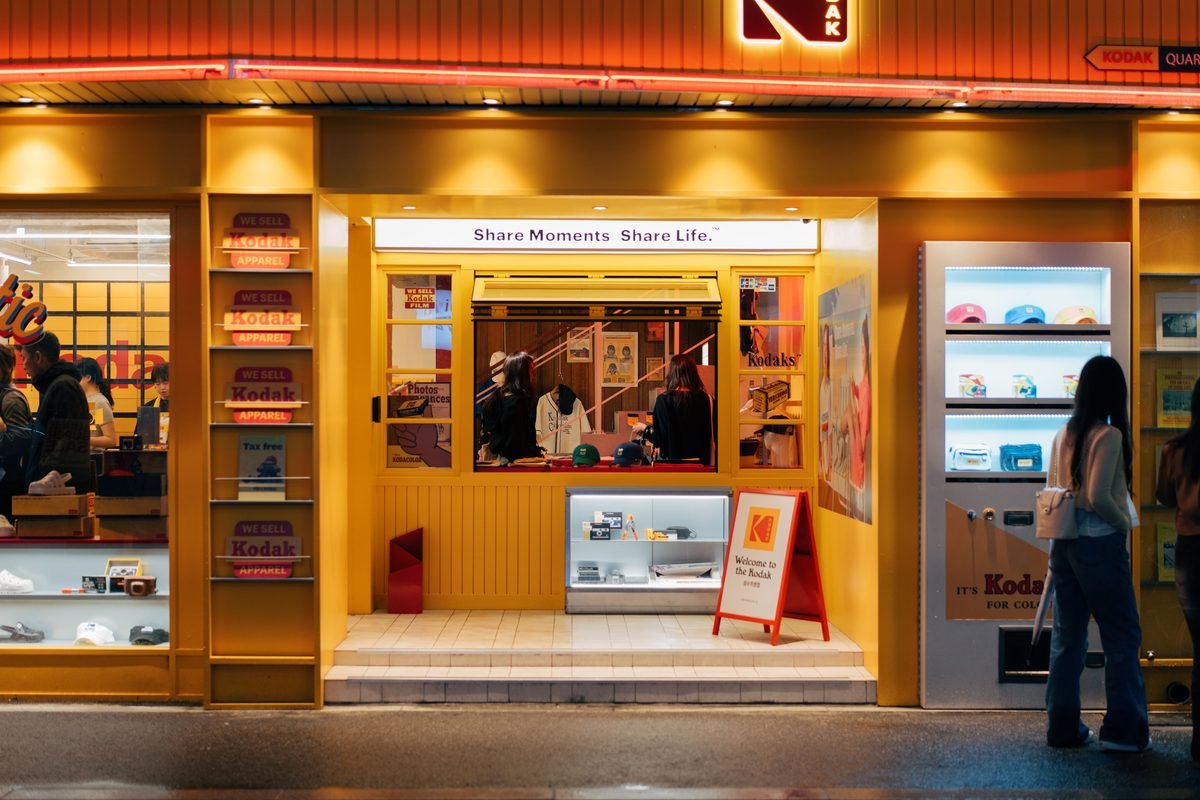
Where the students actually drink in Hongdae
While tourists often flock to the multi-story commercial clubs near the Hongdae Playground, local university students prefer a different scene. To drink like a local, you need to head to the traditional Korean pubs known as “hofs” or search out the cozy “suljip” (drinking houses) tucked away in the alleys of Wausan-ro. These spots are loud, casual, and incredibly social. Students usually order large shared plates of food alongside their drinks, as drinking without eating is rarely done in Korea.
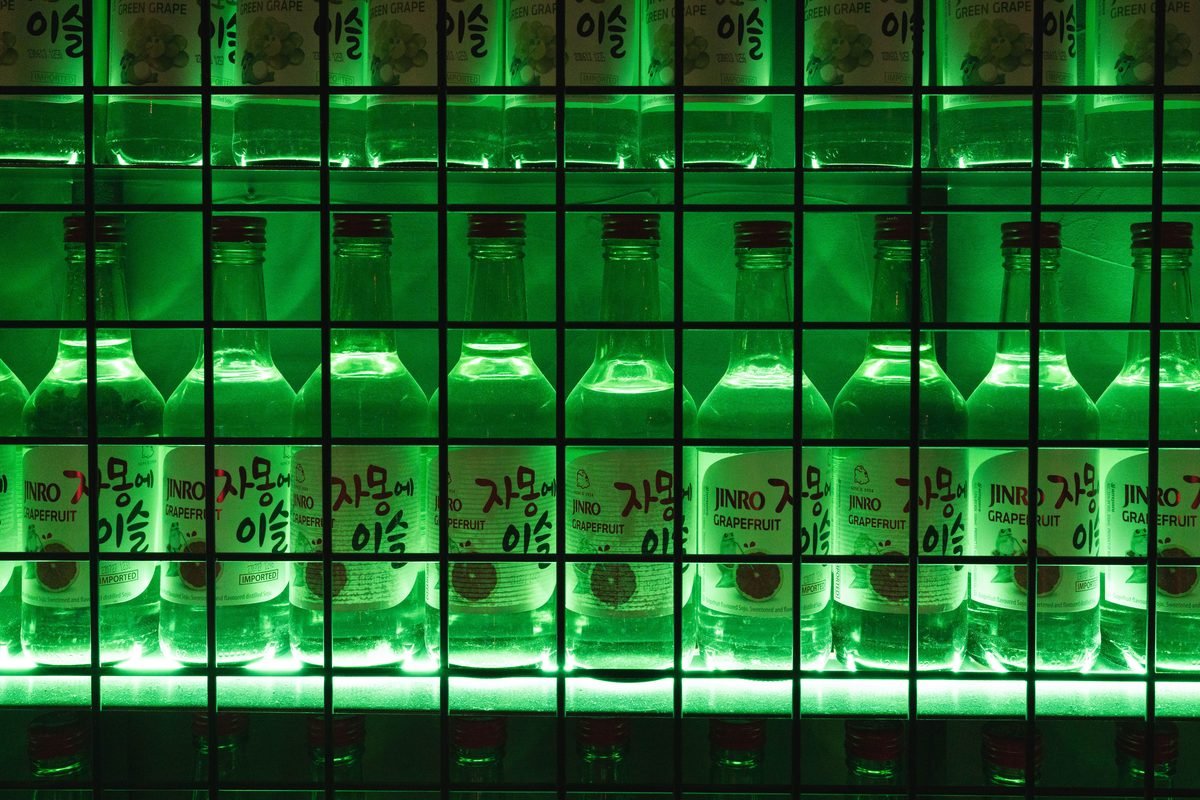
One of the most popular local styles of drinking involves “somaek,” a simple cocktail made by mixing Korean lager with soju. A bottle of domestic beer like Cass or Terra costs about ₩5,000 (about $3.80), and a bottle of Chamisul soju is roughly ₩5,000 (about $3.80). The drinks flow quickly. For a more traditional experience, seek out a makgeolli bar. Makgeolli is a milky, slightly sparkling rice wine that is traditionally served in shallow brass bowls. Many student-friendly bars serve house-infused fruit makgeolli, with flavors like peach, strawberry, and chestnut. A large pitcher typically costs around ₩12,000 (about $9.00) and pairs perfectly with a crispy seafood green onion pancake.
If you prefer craft beer, Yeonnam-dong has several excellent microbreweries and taprooms. These spots offer a quieter environment where you can chat without shouting over K-pop music. Expect to pay about ₩8,000 (about $6.00) for a pint of locally brewed IPA or stout.
Where to eat: late-night eats and local favorites
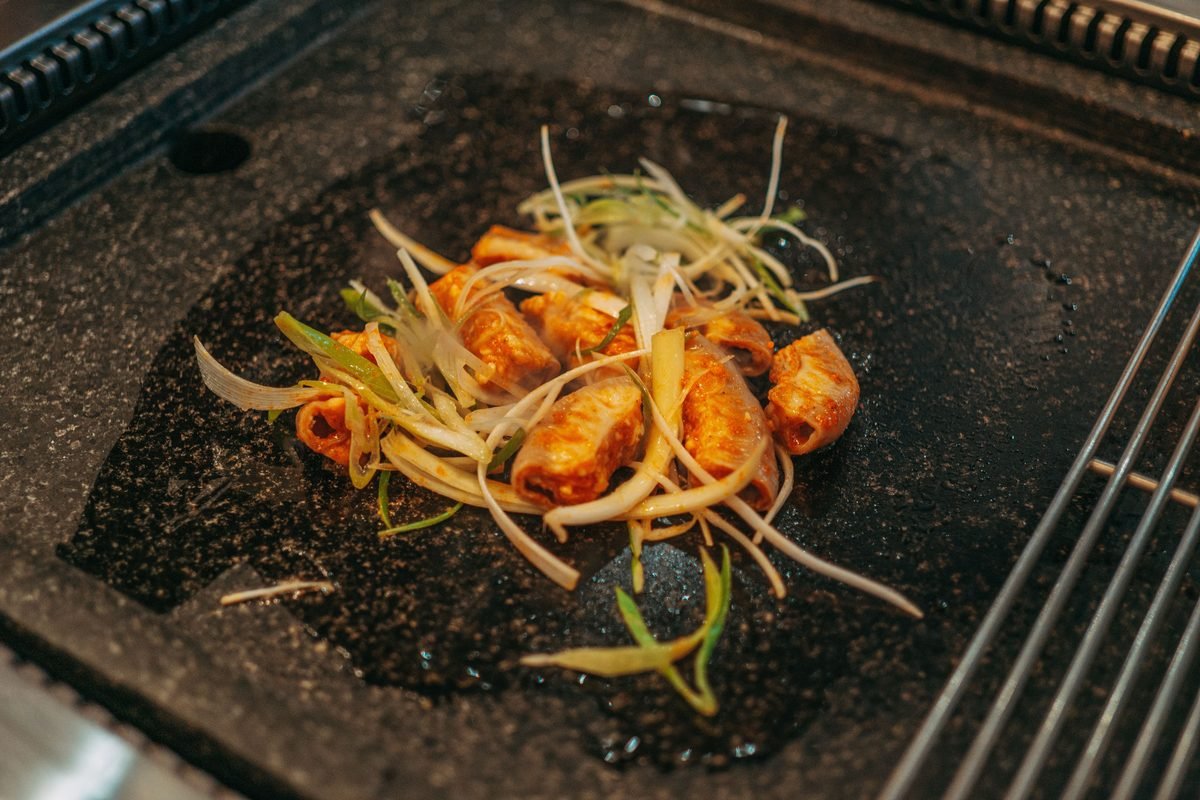
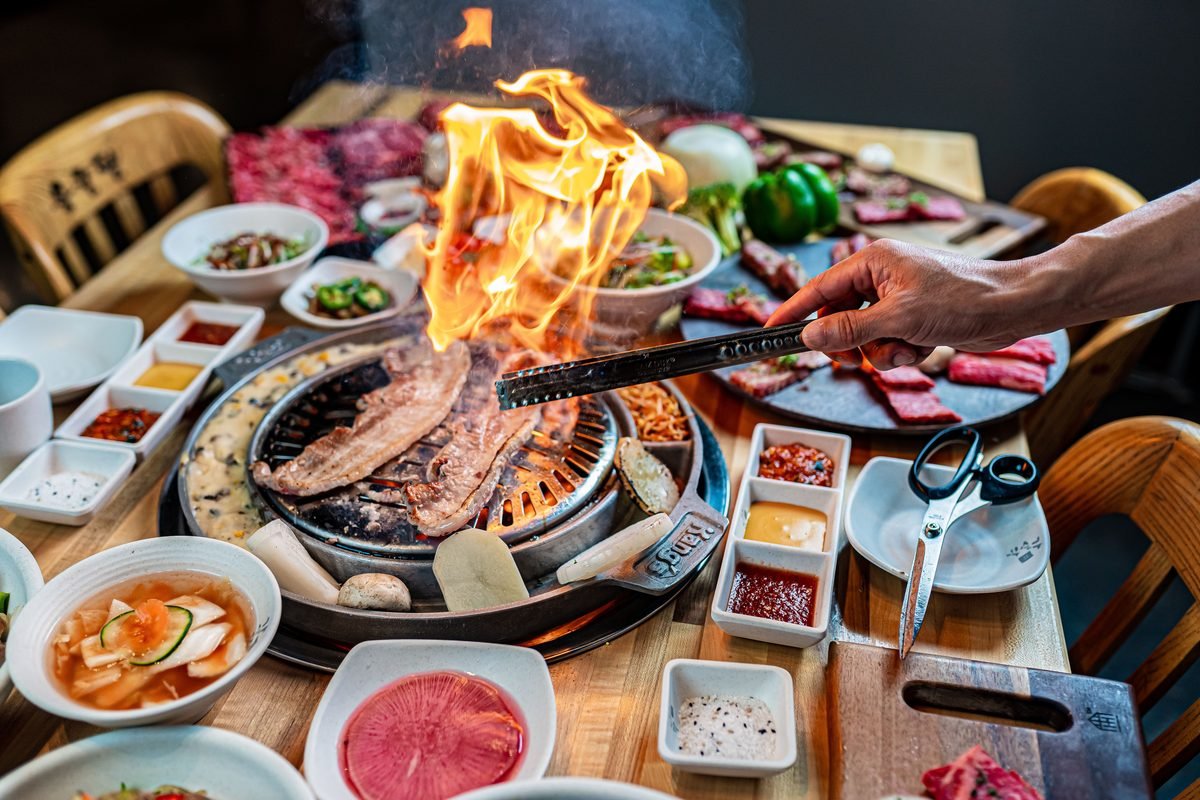
Food in this part of Seoul is designed to fuel long nights of walking and drinking. If you want a classic local experience, look for a meat house serving high-quality pork belly (samgyeopsal). These restaurants feature round metal tables with built-in charcoal grills and exhaust pipes hanging from the ceiling. A standard portion of pork belly costs about ₩15,000 (about $11.20) per person. It is traditionally wrapped in perilla leaves with garlic, ssamjang paste, and grilled kimchi.
For late-night cravings after midnight, skip the western fast-food chains and head to a 24-hour hangover soup restaurant. These humble establishments serve boiling-hot stone bowls of rich, spicy broth loaded with tender pork spine meat, cabbage leaves, and green onions. A bowl of hangover soup costs about ₩10,000 (about $7.50) and is guaranteed to cure any impending hangover. It is served with a bowl of purple rice and unlimited side dishes of radish kimchi.
If you prefer street food, the alleyways near Hongik University Station are lined with stalls that stay open until 3:00 AM. Here, you can grab a cup of spicy tteokbokki for ₩4,500 (about $3.40), deep-fried seaweed rolls for ₩1,200 (about $0.90) each, or a hot, sweet brown sugar pancake for ₩2,000 (about $1.50). It is cheap, fast.
Heads up: Watch the Minimum Order
Almost all Korean barbecue restaurants require you to order at least two portions of meat for the table, even if you are dining alone. Bring a friend or prepare to eat a double portion.
Practical tips for exploring the neighborhood
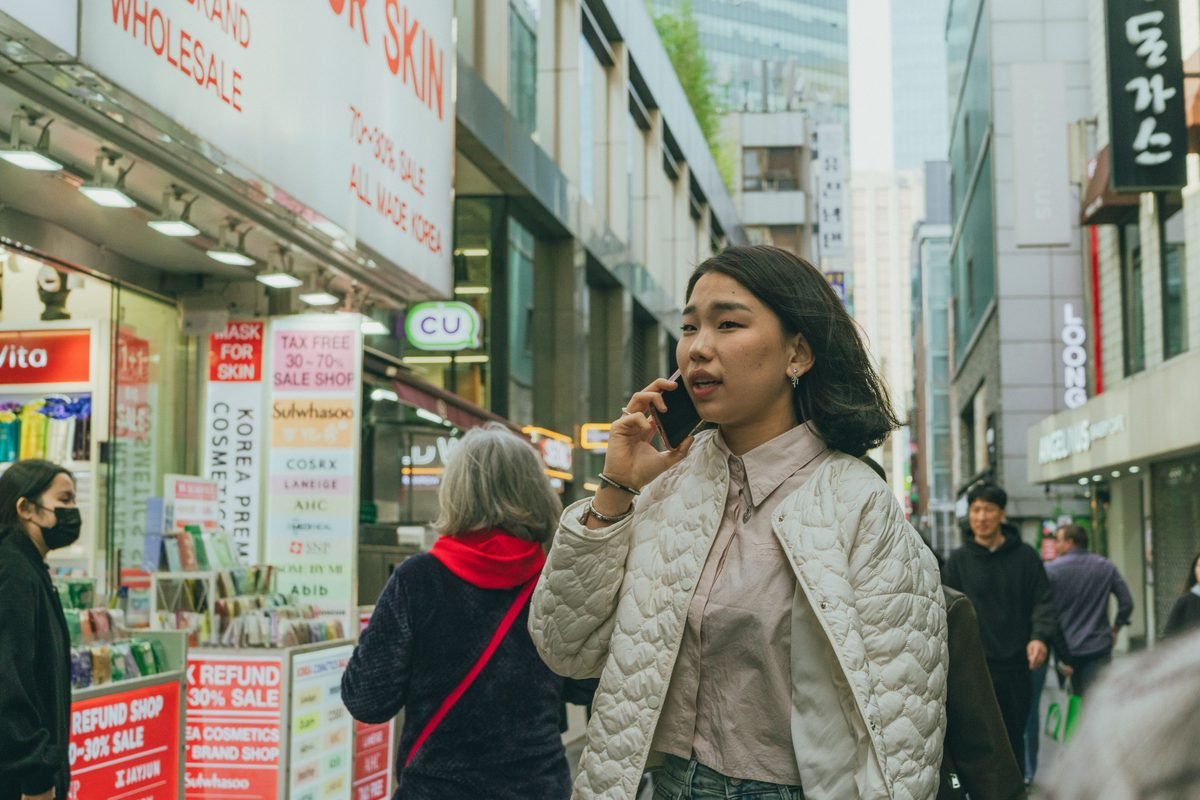
Navigating Seoul requires a few specific digital tools that differ from the rest of the world. First, download Naver Map or KakaoMap before you arrive. Google Maps does not provide accurate walking or transit directions in South Korea due to government data restrictions. Naver Map is highly detailed, offering real-time bus arrivals, subway transfer paths, and accurate walking routes through the narrowest alleys of Yeonnam-dong.
Make sure to keep your T-money card topped up with cash. While almost every shop and restaurant in Seoul accepts international credit cards, subway ticket machines and convenience store card-loading terminals only accept physical Korean Won cash. The base fare for the Seoul subway is ₩1,550 (about $1.15), and the base fare for city buses is ₩1,500 (about $1.10). You must tap your card both when entering and exiting the subway or bus to ensure you receive the free transfer discount within 40 minutes.
Seoul is incredibly safe. You will often see students walking alone through dark alleys at 4:00 AM without a second thought. However, keep in mind that the subway system shuts down around midnight or 1:00 AM depending on the line. If you miss the last train, you will need to use a taxi. Download the Kakao T app to hail a licensed taxi easily. The base fare for a standard taxi in Seoul is ₩4,800 (about $3.60), with a late-night surcharge automatically applied between 11:00 PM and 4:00 AM.
What it costs in Seoul
| Item | Local price | USD |
|---|---|---|
| AREX All-Stop train ticket (one-way) | ₩4,500 | $3.40 |
| Blank T-money transit card | ₩4,000 | $3.00 |
| Portion of grilled pork belly (samgyeopsal) | ₩15,000 | $11.20 |
| Bottle of domestic beer (Cass/Terra) | ₩5,000 | $3.80 |
| Bowl of hangover soup (haejangguk) | ₩10,000 | $7.50 |
| Plate of street-style tteokbokki | ₩4,500 | $3.40 |
| One night in a mid-range guesthouse | ₩85,000 | $64.00 |
| Realistic daily budget (excluding lodging) | ₩65,000 | $49.00 |
Prices checked September 2026. Always confirm with the provider before you book.
Where to stay in Seoul
Budget
A modern guesthouse in Yeonnam-dong
Ideal for solo travelers looking for a quiet, clean bunk bed close to the park for about ₩35,000 to ₩50,000 ($26 to $38) per night.
Mid-range
A business hotel near Hongik University Station
Perfect for couples who want comfortable rooms and direct access to the airport railroad for about ₩90,000 to ₩150,000 ($68 to $113) per night.
Splurge
A designer boutique hotel in western Hongdae
Suits travelers wanting luxury amenities, city skyline views, and high-end interiors for about ₩200,000 to ₩350,000 ($150 to $263) per night.
Mistakes to avoid
- Trying to use Google Maps for walking directions, which often leads to dead ends or inaccurate routes.
- Arriving before 11:00 AM expecting shops and cafes to be open, as the neighborhood starts very late.
- Forgetting to carry physical Korean Won cash for reloading transit cards at subway stations.
FAQ
Where can I find a complete Hongdae and Yeonnam-dong guide for nightlife?
The best nightlife starts along the main pedestrian streets near Hongik University Station exit 9 and extends into the club streets near the Hongdae Playground. For a quieter evening, cross over to the craft beer pubs and wine bars in the alleys of Yeonnam-dong near exit 3.
How late do the trains run from Hongik University Station?
Subway Line 2 and the AREX All-Stop train run until approximately midnight or 12:30 AM on weekdays, with slightly earlier cut-offs on weekends. If you stay out later, you will need to hail a taxi using the Kakao T app.
Is Yeonnam-dong cheaper than Hongdae?
Yeonnam-dong tends to be slightly more expensive for dining and coffee due to its trendy boutique cafes and artisanal restaurants. Hongdae offers cheaper street food and budget-friendly student hofs catering to university budgets.
Do I need a K-ETA to visit Seoul in 2026?
A temporary exemption for 22 countries runs through December 31, 2026, meaning travelers from places like the US, UK, and Canada may not need it. Check the official k-eta.go.kr portal before departure to confirm the current list of exempt nations.
Can I use my credit card at the street food stalls?
Most permanent street food stalls in Hongdae accept domestic credit cards, but smaller mobile carts only accept cash or bank transfers. It is always wise to keep a few ₩1,000 and ₩5,000 paper notes in your pocket for quick snacks.