Korean Drinking Culture Guide: Soju, Etiquette, and Anju

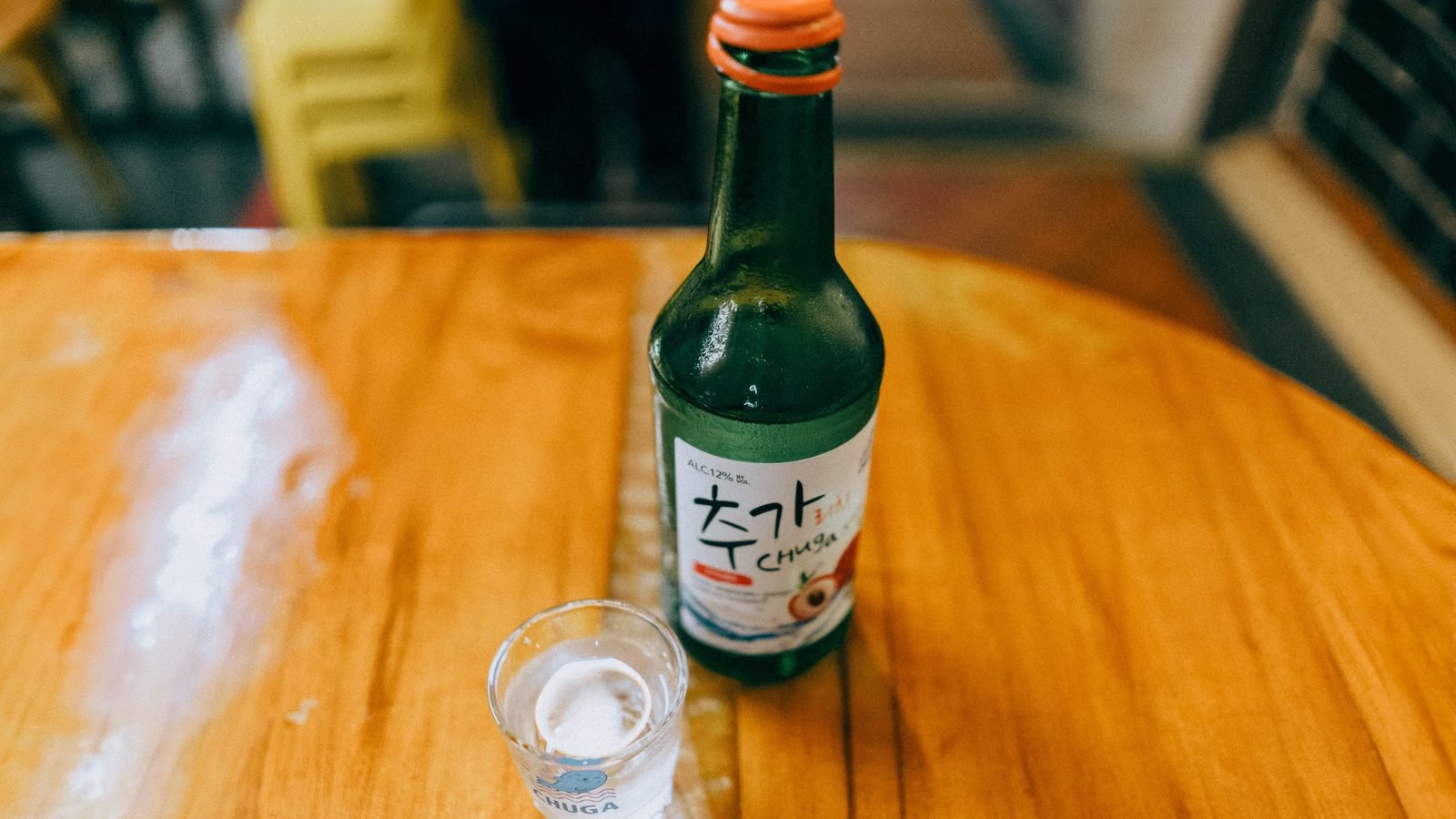
A thin layer of condensation coats the green glass bottle as it thuds onto the stainless steel table. Around you, the air is thick with the scent of grilled pork and the rhythmic clinking of small glasses. In Seoul, drinking is rarely just about the alcohol; it is a structured social ritual that defines friendships and professional hierarchies. If you find yourself invited to a table, you are participating in a tradition that values communal sharing over individual consumption.
This Korean drinking culture guide is for independent travelers who want to navigate a night out in Seoul without causing a social stir. I live here, and I have seen many visitors feel overwhelmed by the unwritten rules of the table. We will cover how to order correctly, the specific ways to pour and receive drinks, the different types of venues you will encounter, and the essential food pairings that keep the night moving. By the time you finish reading, you will know exactly how to handle a bottle of soju and how to recover the next morning.
How to start your Korean drinking culture guide journey
Press the small red button on the edge of your table to begin. In most Korean drinking establishments, you do not need to catch a server’s eye or wave your hands. The ‘bell’ notifies the staff, and they will arrive quickly. The first thing you will likely order is a bottle of soju, which usually costs about ₩5,000 (about $3.70) in a standard restaurant. The green bottle is iconic. It is a clear, distilled spirit that usually sits between 13% and 17% alcohol. While it looks like vodka, it is much smoother and slightly sweeter.
If you prefer something lighter, ask for ‘maekju’ (beer). Most places serve local lagers like Cass or Terra. A 500ml draft beer is roughly ₩6,000 (about $4.45). A very common way to start the night is by making ‘so-maek,’ a cocktail of soju and beer. The ratio is usually one part soju to three parts beer. You pour the soju into the beer glass first, then top it with beer. To mix it, some locals will thwack a spoon into the bottom of the glass to create a sudden burst of bubbles that blends the liquids perfectly.
When the drinks arrive, they will often come with ‘service.’ These are small, free side dishes like sweetened popcorn, pickled radishes, or a simple corn salad. Do not be surprised if the staff brings these without you asking. They are meant to keep your palate busy while you wait for your main food order. In Korea, drinking without eating is considered quite strange and even a bit unhealthy. You should always have a plan for what you are going to eat alongside your drinks.
The etiquette of pouring and receiving
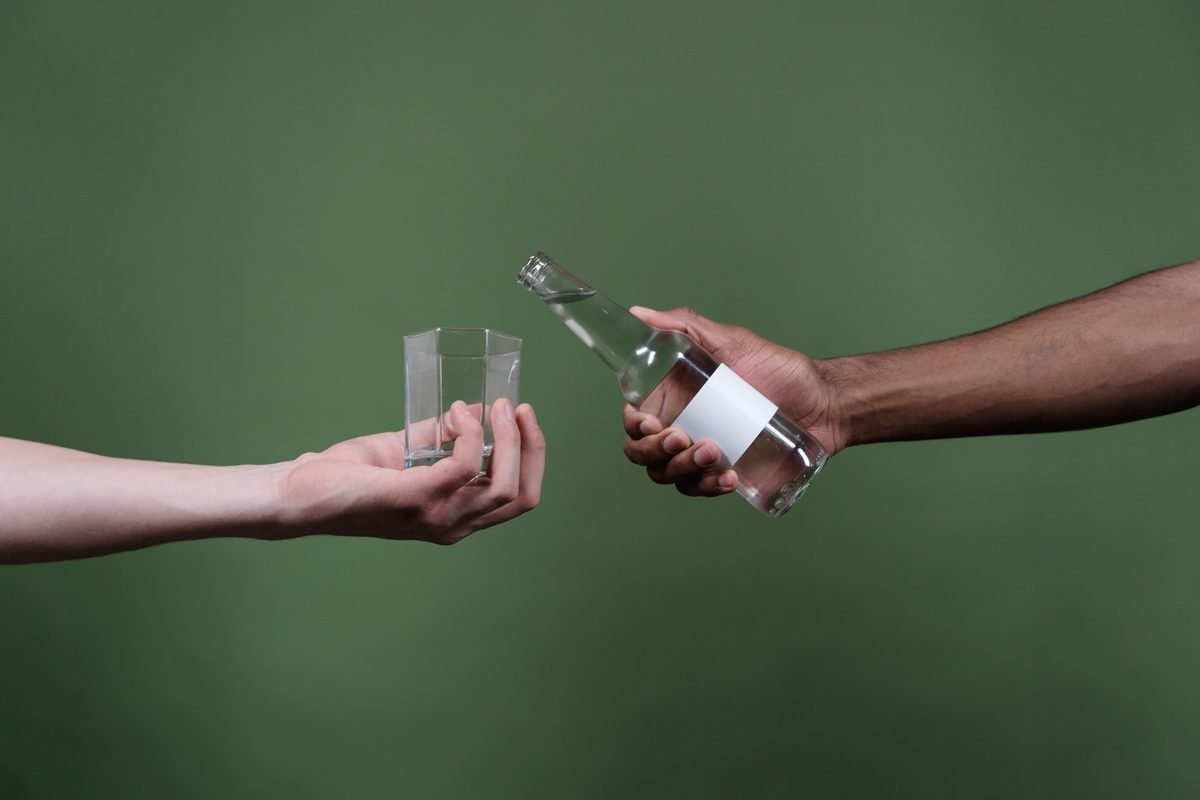
Hold the bottle with two hands when you pour for someone older than you. This is the golden rule of Korean drinking etiquette. You place your right hand around the bottle and rest your left hand lightly on your right forearm or chest. This gesture shows respect and is rooted in deep-seated social hierarchies. If you are the one receiving the drink, hold your glass with two hands as well. A slight bow of the head as the liquid is poured is a polite touch that locals will appreciate.
Wait for the toast. It is considered impolite to take a sip before the eldest person or the host of the table has raised their glass. Usually, someone will shout ‘Geonbae!’ which literally means ’empty glass.’ While the word suggests you should finish the drink in one go, you do not actually have to do that every time. However, for the very first round, it is common practice to ‘one-shot’ the soju. If you are drinking with someone significantly older or higher in social rank, it is traditional to turn your head slightly away from them when you take your sip. This hides the act of drinking, which is seen as a sign of modesty.
Never pour your own drink. This is a common mistake for visitors. In Korea, you look out for others’ glasses. If you see your friend’s glass is empty, you offer to fill it. They will then return the favor. If your own glass is empty, wait patiently. Someone will eventually notice. If they don’t, you can pour a drink for someone else, which usually prompts them to realize your glass is empty and fill it for you. It keeps the social flow moving and ensures no one is left out of the rhythm of the table.
From a local: The Half-Full Rule
In Korea, you only refill a glass once it is completely empty. Adding more liquid to a half-full glass is a faux pas that disrupts the pace of the round.
Navigating Hofs, Pocha, and Makgeolli Houses
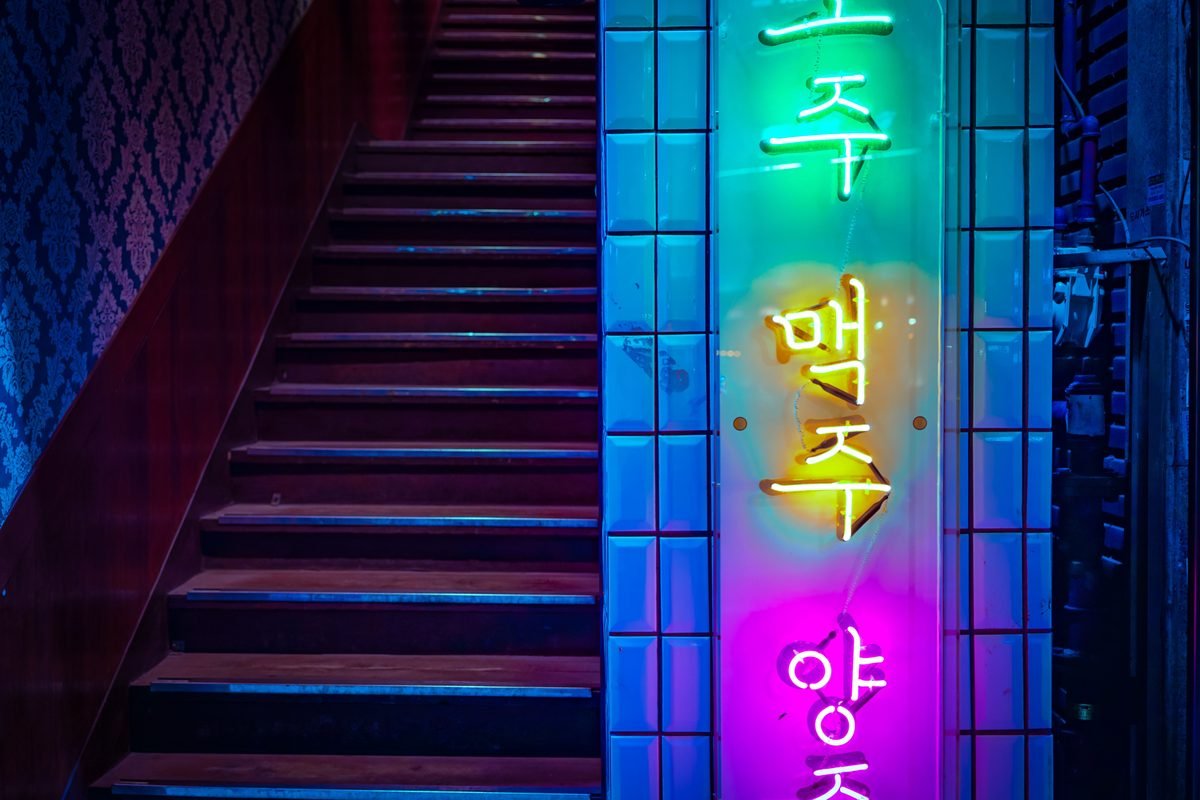
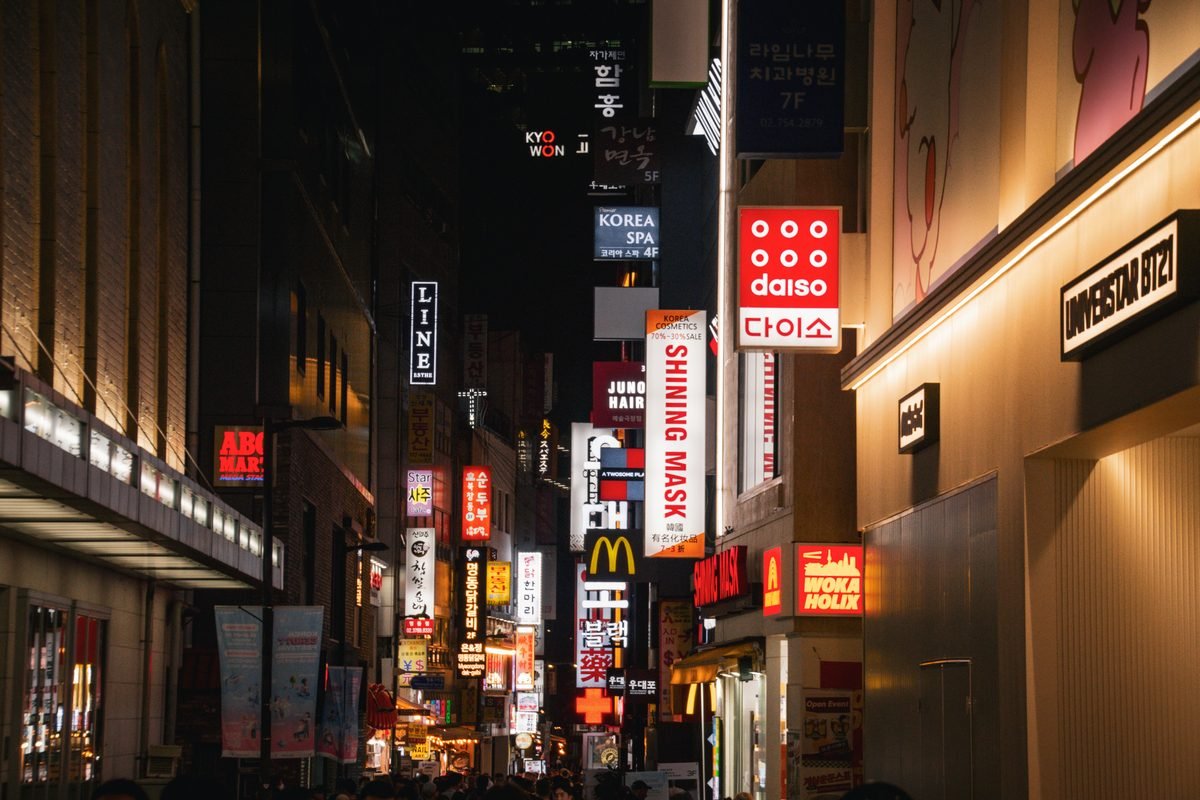
Look for the word ‘Hof’ in neon letters above a doorway. A Hof (pronounced ‘ho-peu’) is a Korean-style beer hall. These are the most common places for a second round of drinks. They specialize in draft beer and large platters of food. The atmosphere is usually loud and energetic, with groups of friends or coworkers unwinding after a long day. You will find these in every neighborhood, especially near subway stations. They are reliable, casual, and perfect for a long night of conversation.
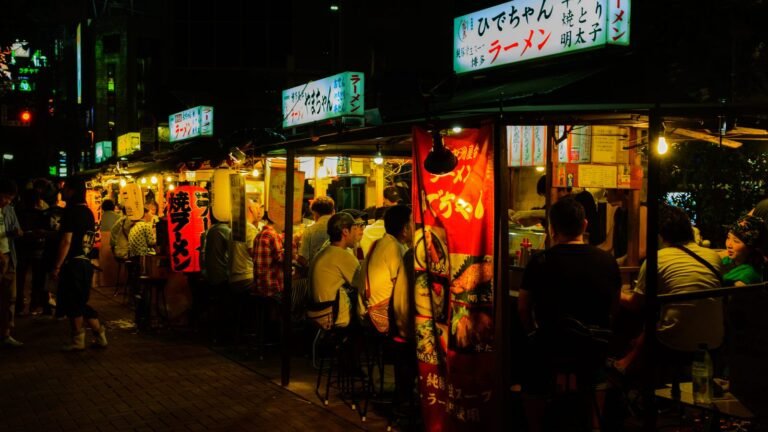
Pojangmacha, or ‘Pocha’ for short, are the orange tent bars you might have seen in movies. While they are becoming harder to find in modern areas, you can still find clusters of them in Jongno 3-ga or near Mapo Station. These tents offer a more grit-and-glory experience. You sit on plastic stools, often close to other patrons, and order from a menu of stir-fried dishes, seafood, and soups. It is usually quite loud. The prices here can be slightly higher than a standard restaurant because you are paying for the atmosphere and the late-night convenience. Expect to pay about ₩15,000 (about $11.10) for a plate of spicy pork.
For a different vibe, seek out a Makgeolli-jip (rice wine house). These places often have a more traditional, rustic feel with wooden tables and dim lighting. They serve makgeolli, a milky, fermented rice wine that is served in a brass kettle and poured into shallow bowls. It is slightly sweet, tangy, and very filling. These houses are particularly popular on rainy days, as there is a long-standing tradition of eating savory pancakes and drinking rice wine when it pours outside. It is a slower, more relaxed way to enjoy the evening compared to the high-energy Hofs.
Tip: Finding the Best Pocha
Head to the streets behind Jongno 3-ga Station (Exit 3 or 6) after 8:00 PM to find one of the city’s largest remaining concentrations of outdoor tent bars.
Essential food pairings: The world of Anju
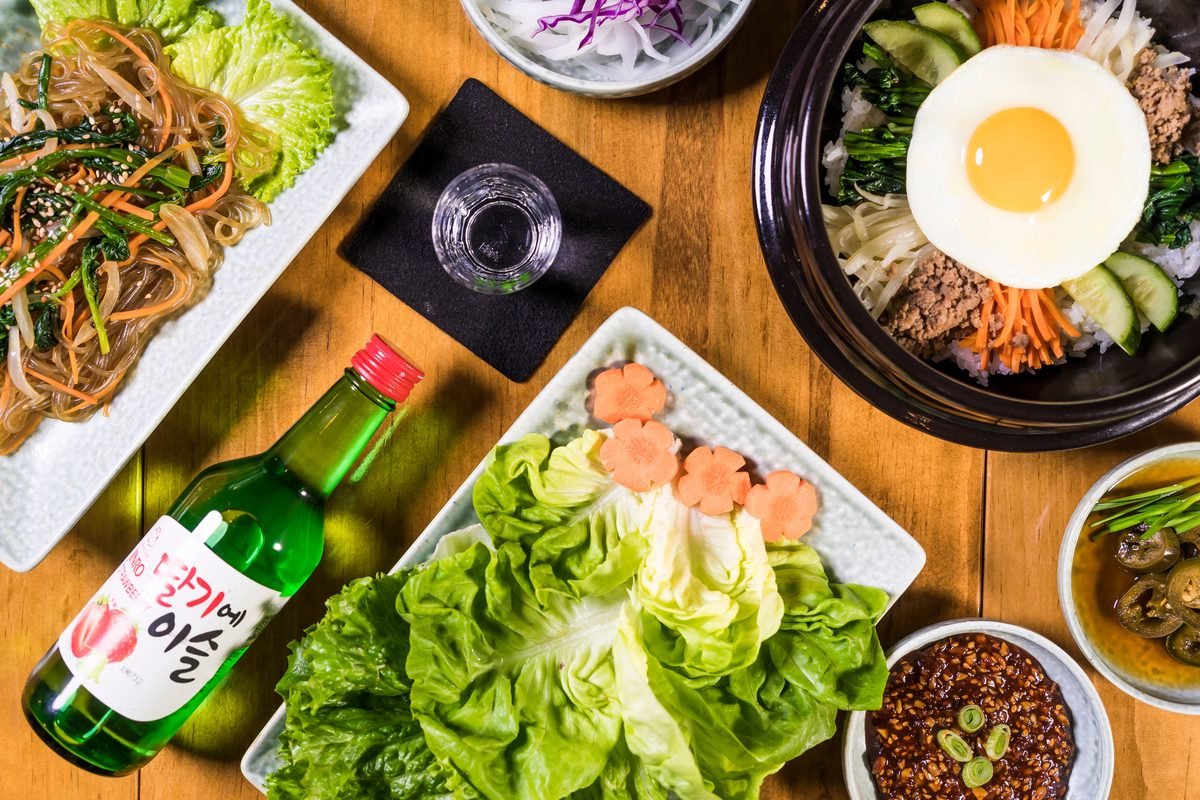
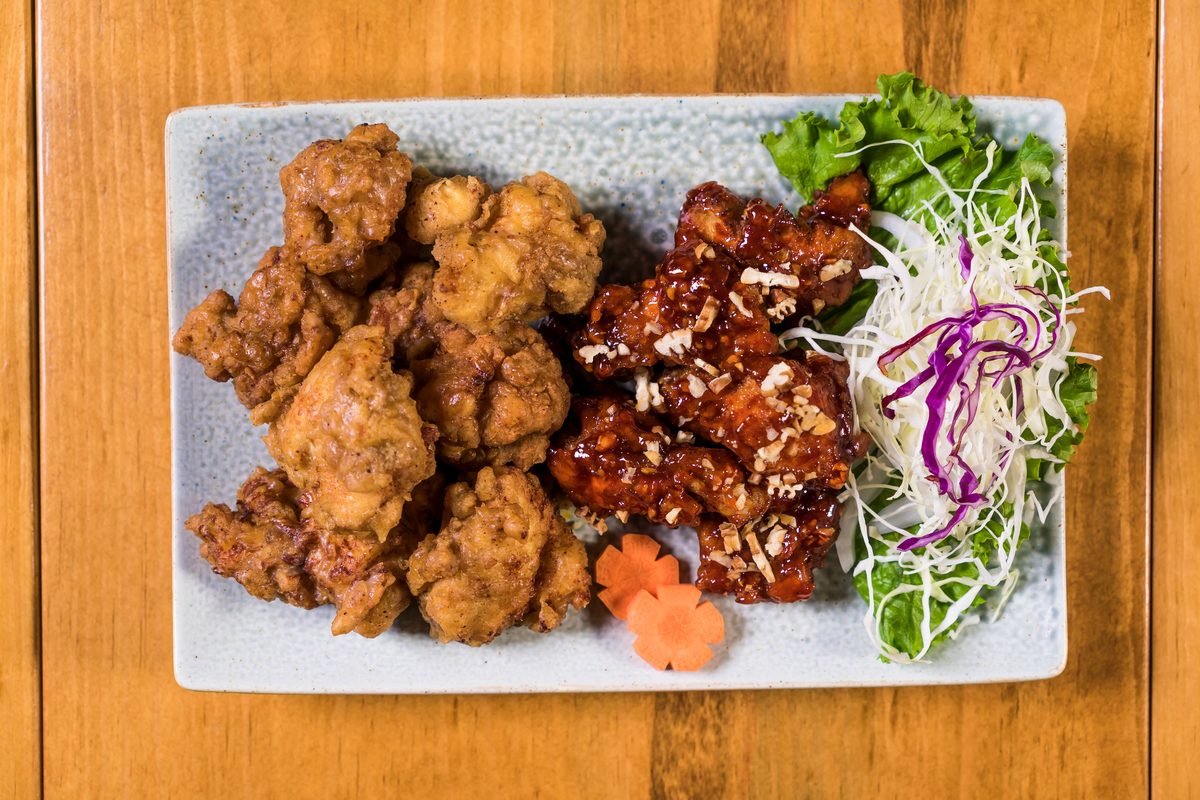
Order the fried chicken even if you are not hungry yet. In Korea, the food you eat while drinking is called ‘anju.’ It is not just a snack; it is a fundamental part of the experience. The most famous pairing is ‘chimaek,’ a portmanteau of chicken and maekju (beer). Korean fried chicken is double-fried for an extra-crispy skin and often glazed in soy-garlic or spicy gochujang sauce. A large platter for the table will cost roughly ₩22,000 (about $16.30). It is the ultimate social food.
If you are drinking soju, you might want something spicy or soupy to cut through the alcohol. ‘Golbaengi-muchim’ (sea snails with spicy noodles) is a classic choice. It sounds adventurous, but the snails have a chewy texture similar to clams and are tossed in a bright, fiery sauce with scallions and cucumbers. Another popular soju companion is ‘Budae-jjigae’ or army stew. This is a thick, savory soup filled with spam, sausages, ramen noodles, and kimchi. It is usually served on a portable stove at your table so it stays bubbling throughout the night.
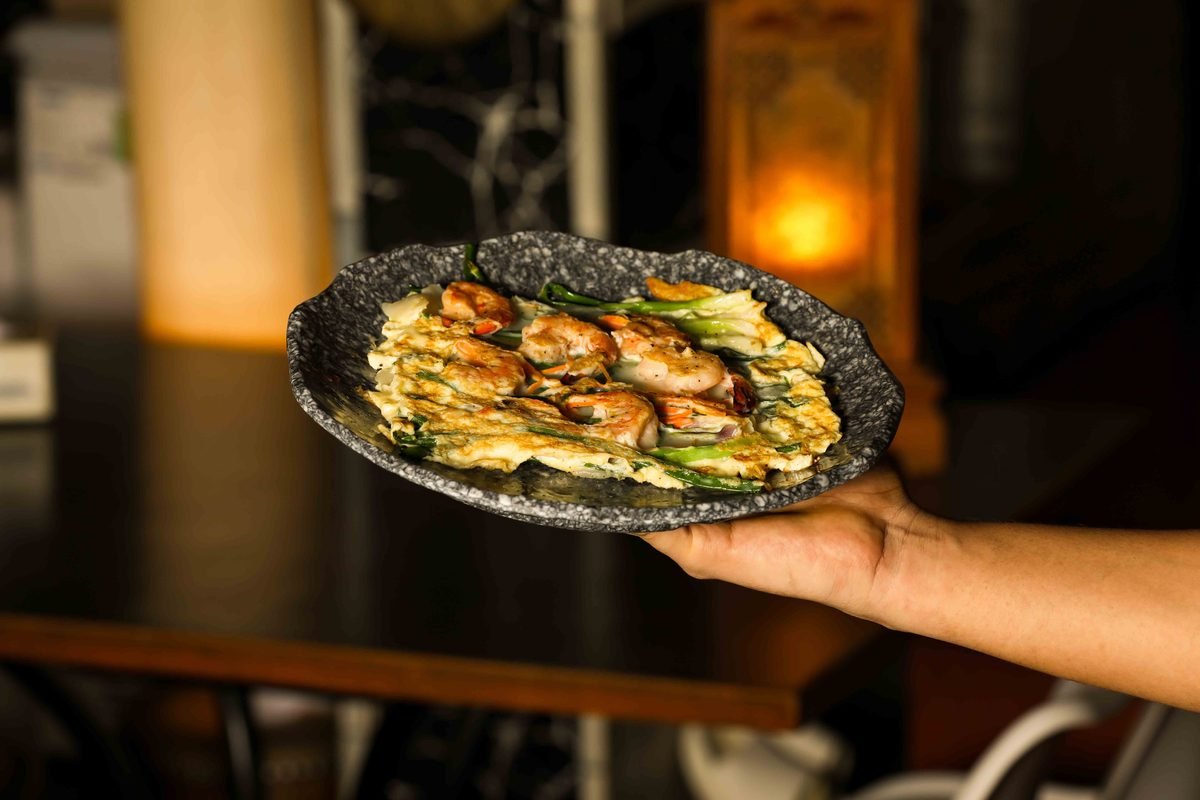
When you are at a makgeolli house, the mandatory anju is ‘jeon’ (savory pancakes). The most common is ‘pajeon,’ which is loaded with green onions. You might also see ‘haemul-pajeon,’ which includes squid and shrimp. These pancakes are greasy in the best way possible, providing a heavy base that balances the thick, carbonated nature of the rice wine. You dip pieces of the pancake into a soy-vinegar sauce with sliced onions and peppers. Food comes first here. You will rarely see a table with only bottles and no plates.
How to bow out and handle the morning after
Walk into any 24-hour convenience store at 3:00 AM and you will see the recovery in action. Korean nights often go through several rounds, known as ‘n-cha.’ Round one might be dinner, round two a Hof, and round three a karaoke room (noraebang). If you need to leave early, the best way to bow out is to wait for a natural lull between rounds. Simply stating you have an early start the next day is a perfectly acceptable excuse. They will not judge. It is better to leave early than to overstay and lose your composure.
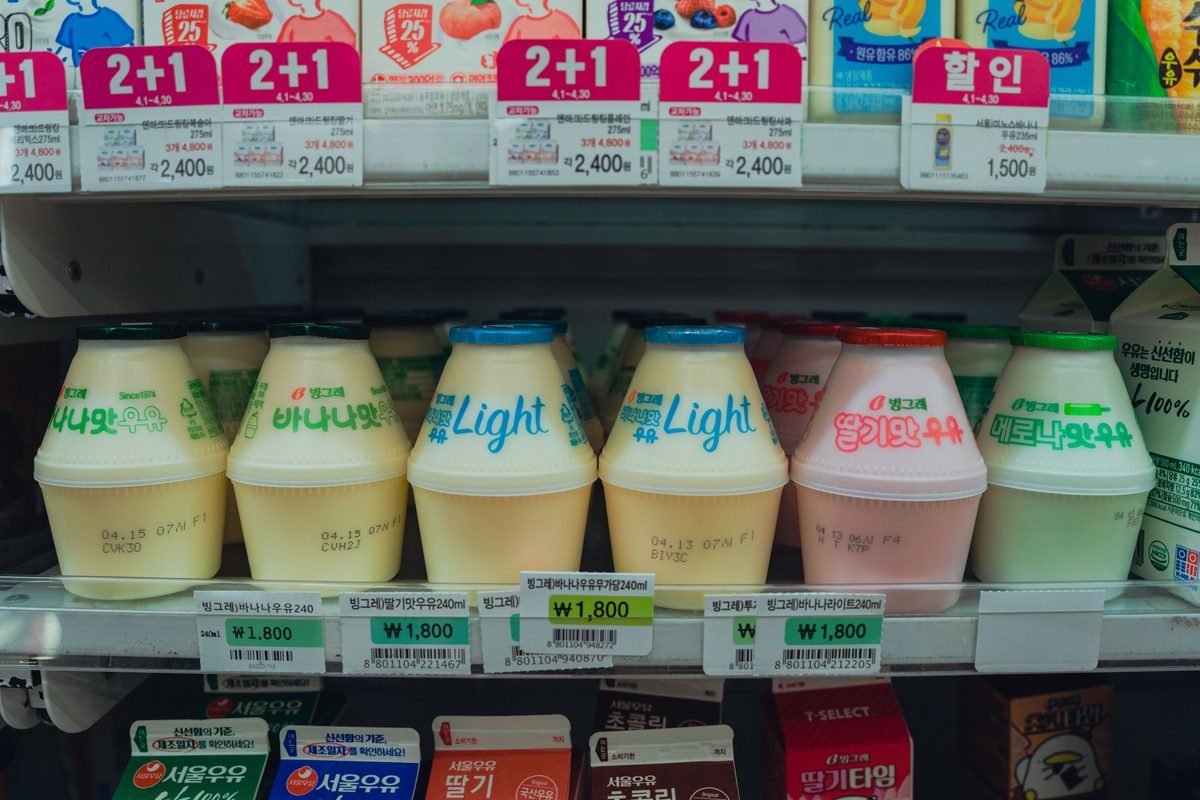
Before you go to sleep, stop at a 7-Eleven or GS25. Look for small glass bottles in the refrigerated section labeled ‘Condition’ or ‘Dawn 808.’ These are anti-hangover drinks packed with herbs like oriental raisin tree fruit. They cost about ₩5,000 (about $3.70) and are remarkably effective. Many Koreans drink one before they start the night and another before they go to bed. It is a multi-million dollar industry here for a reason. You might also want to pick up a chocolate milk, which is a popular local secret for settling the stomach.
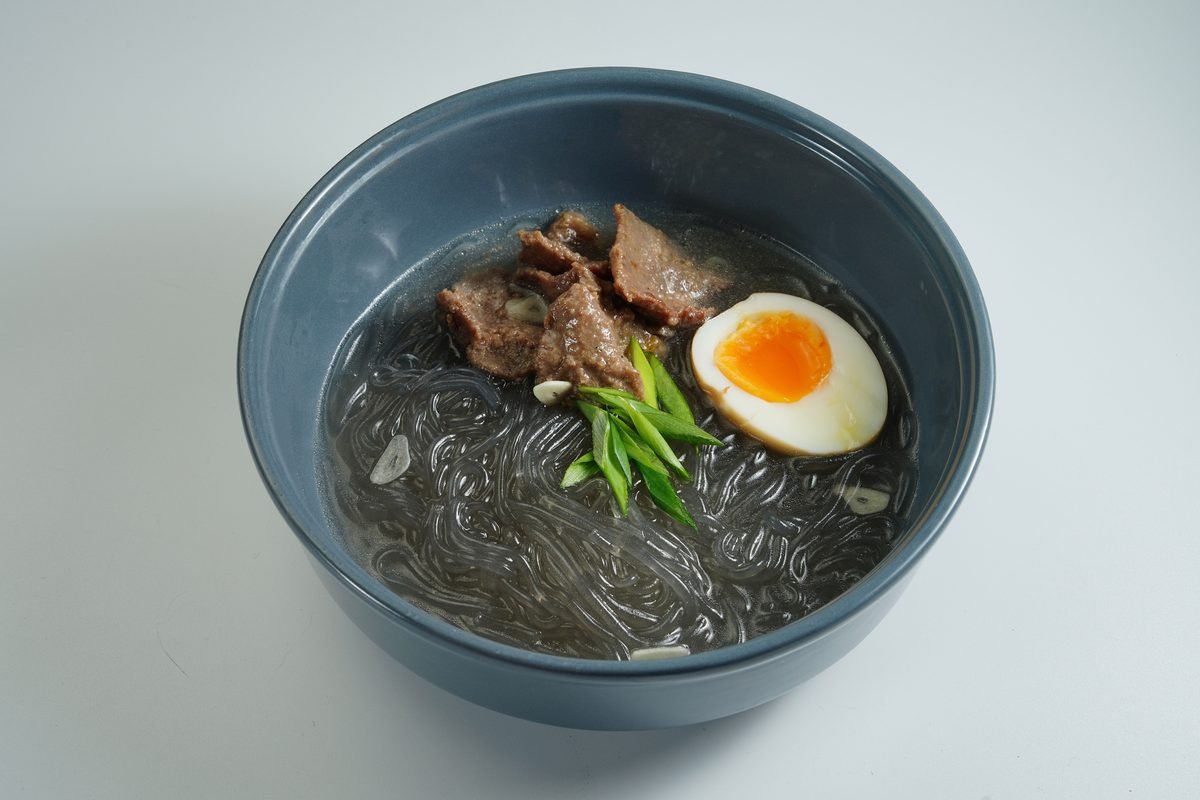
The next morning, seek out ‘Haejang-guk,’ which translates literally to ‘hangover soup.’ There are many varieties, but the most common is made with a rich pork bone broth, dried cabbage, and sometimes congealed ox blood (don’t knock it until you try it). If you prefer something lighter, ‘Buk-eo-guk’ (dried pollack soup) is a clear, delicate broth that is very gentle on the system. A bowl of hangover soup usually costs around ₩11,000 (about $8.15). Soup saves the day.
Heads up: Last Trains
The Seoul subway usually stops running around midnight or 1:00 AM. If you miss the last train, use the Kakao T app to call a taxi, as flagging one on the street during peak drinking hours can be very difficult.
Traditional spirits beyond the green bottle
Rainy days in Seoul belong to the milky, slightly fizzy rice wine called makgeolli. While the mass-produced versions in plastic bottles are fine, there has been a massive resurgence in craft makgeolli. These premium versions are often undiluted, thicker, and have complex flavor profiles ranging from creamy yogurt to tart green apple. You can find specialized bars in areas like Sinsa-dong or Yeonnam-dong that offer tasting flights. A bottle of premium craft makgeolli might cost ₩15,000 to ₩25,000 (about $11 to $18.50).
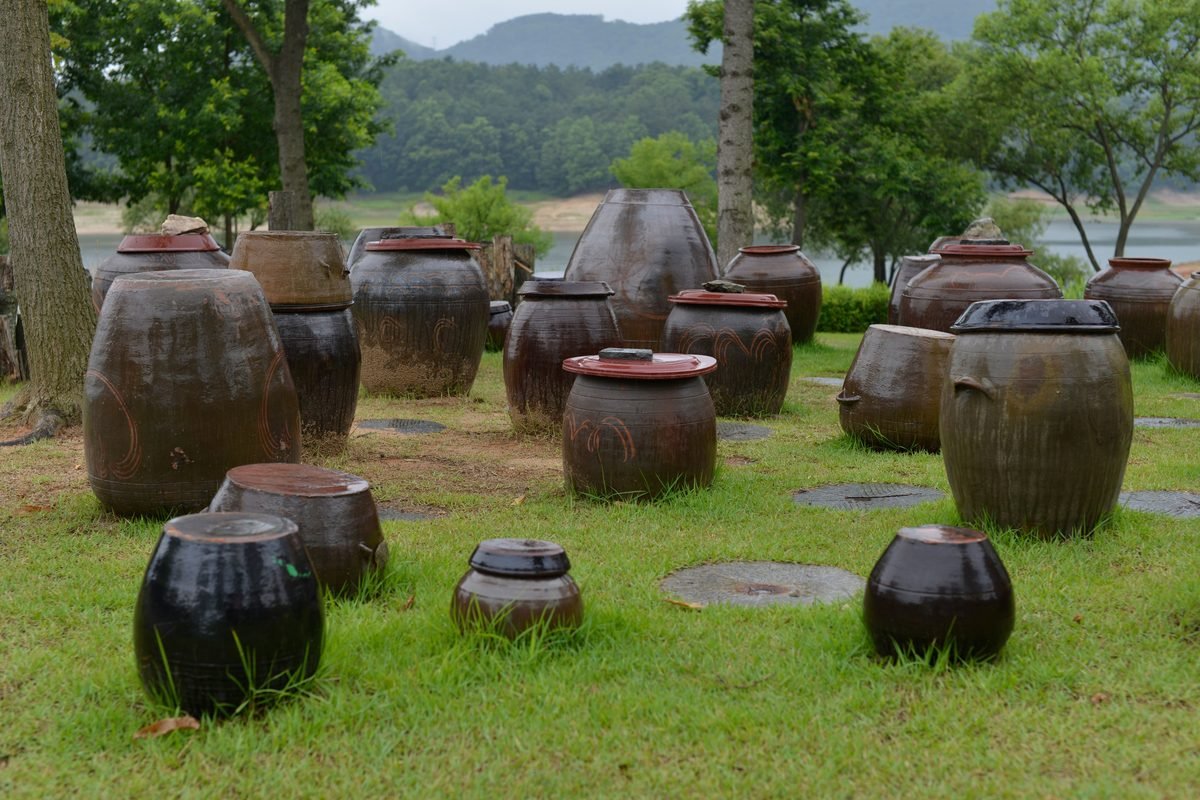
Another spirit to look for is ‘Cheongju,’ which is a clear rice wine similar to Japanese sake but with a distinct Korean profile. It is often used in traditional ceremonies but is also served in high-end traditional bars. It is refined, elegant, and usually served chilled. If you want something stronger, look for premium distilled soju like Hwayo or Won Soju. Unlike the standard green bottles, these are distilled using traditional methods and often aged in earthenware crocks. They have a much cleaner finish and are meant to be sipped rather than shot.
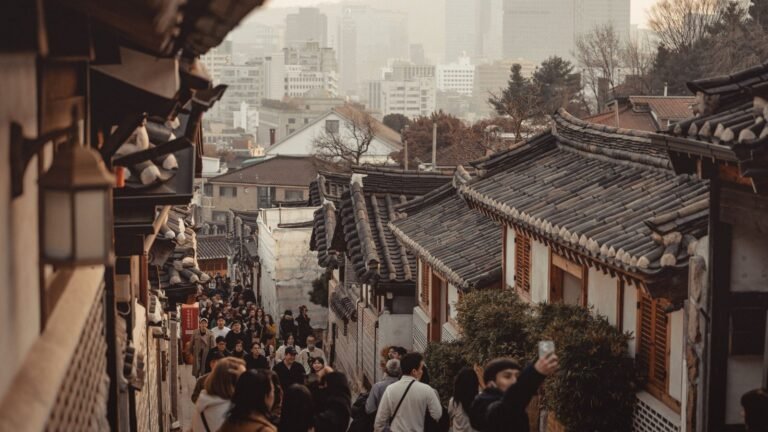
Exploring these traditional drinks gives you a deeper look into the history of Korean fermentation. Many of these recipes were nearly lost during the mid-20th century but have been revived by young brewers. If you are interested in the process, you can even find small workshops in Bukchon Hanok Village that teach you how to brew your own batch. It takes about a week to ferment, so it is a great activity if you are staying in the city for a while.
Book ahead: Makgeolli Tasting
For popular craft makgeolli bars in Yeonnam-dong, book a table at least two days in advance for Friday or Saturday nights, as they fill up with local enthusiasts quickly.
What it costs in Seoul
| Item | Local price | USD |
|---|---|---|
| Soju bottle (restaurant) | ₩5,000 | $3.70 |
| Draft beer (500ml) | ₩6,000 | $4.45 |
| Fried chicken (Anju) | ₩22,000 | $16.30 |
| Hangover drink (Condition) | ₩5,000 | $3.70 |
| Haejang-guk (Hangover soup) | ₩11,000 | $8.15 |
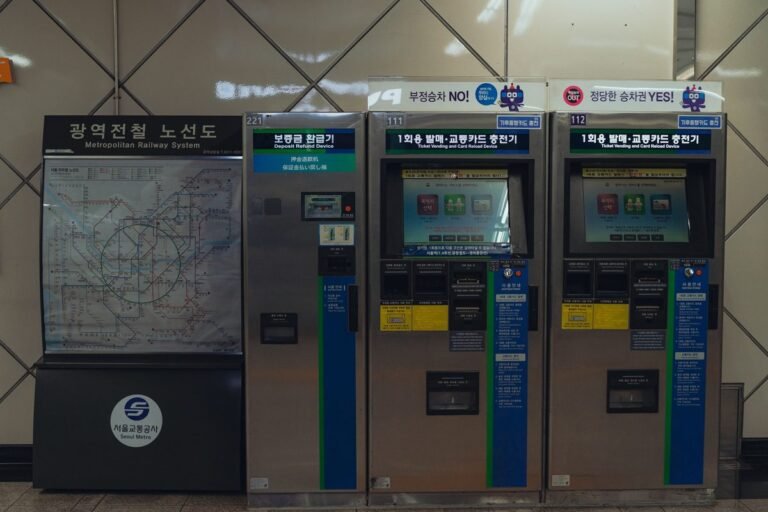
| T-money card (blank) | ₩4,000 | $3.00 |
| Total estimated night out | ₩53,000 | $39.30 |
Prices checked September 2026. Always confirm with the provider before you book.
Where to stay in Seoul
Budget
Hongdae, for hostels and guesthouses
This is the heart of Seoul's youth culture and nightlife, meaning you are within walking distance of hundreds of bars. Nightly rates for a clean dorm or small private room range from ₩25,000 to ₩60,000.
Mid-range
Euljiro, for boutique hotels near 'Hip-jiro'
Euljiro is famous for its 'Manseon Hof' street where thousands of people drink outside in the evenings. Expect to pay between ₩120,000 and ₩180,000 for a modern hotel room in this central location.
Splurge
Hannam-dong, for luxury stays
This neighborhood is home to upscale jazz bars and high-end cocktail lounges frequented by celebrities. Luxury hotel rooms here start around ₩350,000 and put you near the city's most refined drinking spots.
Mistakes to avoid
- Pouring your own glass instead of waiting for someone else to do it.
- Filling a glass that is still half-full, which disrupts the social rhythm.
- Using only one hand to pour or receive a drink when sitting with older people.
FAQ
What is the most important rule in a Korean drinking culture guide?
The most vital rule is using two hands when pouring or receiving a drink to show respect. This simple gesture is the cornerstone of social etiquette at any Korean table.
Do I have to order food when I drink in Korea?
Yes, most drinking establishments (Hofs and Pocha) require you to order at least one ‘anju’ or food platter. Drinking alcohol without food is culturally uncommon in South Korea.
Can I drink soju straight or should I mix it?
You can do both. Soju is traditionally served straight in small shot glasses, but mixing it with beer (so-maek) is extremely popular for a longer, more casual session.
What do I do if I don't want to drink anymore?
The best way is to keep your glass full. If your glass is full, no one can pour you more. You can also politely decline by citing health reasons or an early morning.
Is tipping expected at bars in Seoul?
No, tipping is not expected and can sometimes be confusing for staff. The price on the menu is exactly what you pay, including tax.