Sapa Trekking Guide: Trails, Trains, and Homestays

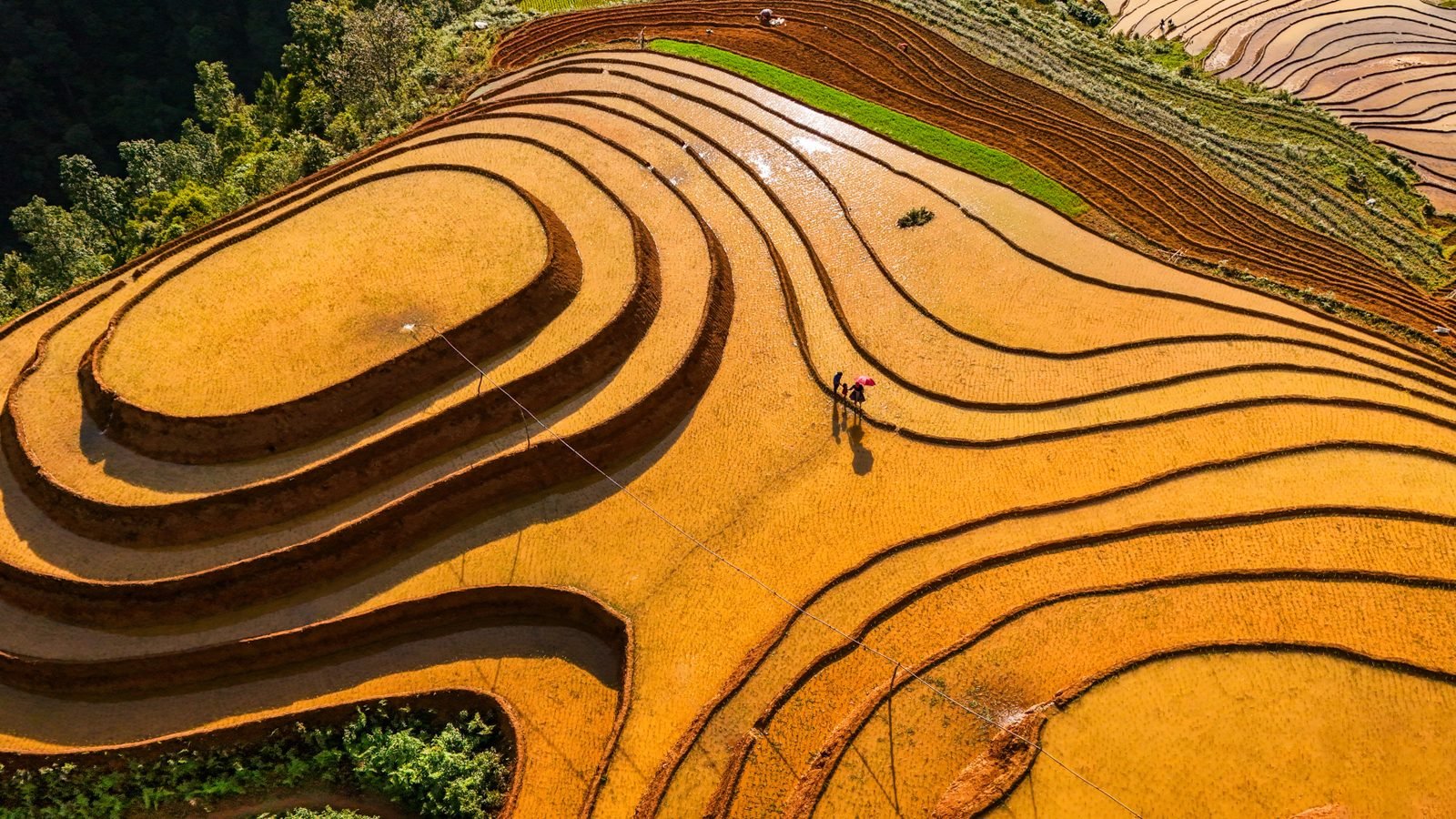
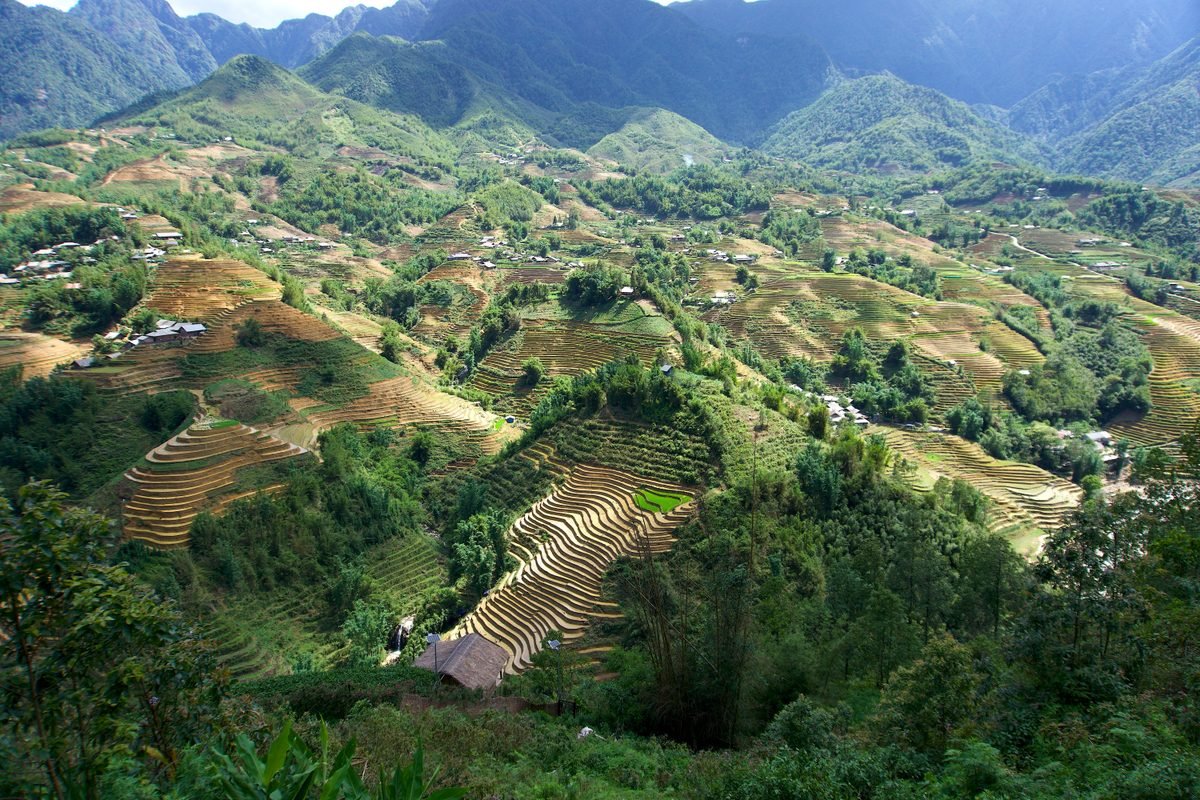
The sleeper bus from Hanoi pulls into the Sapa station at 4:30 AM, the headlights cutting through a thick wall of mountain fog. Outside the window, women from the Hmong and Red Dao communities wait with umbrellas, ready to lead travelers into the surrounding valleys as soon as the sun rises. Sapa sits at 1,500 meters in the Hoang Lien Son mountains, a place where the air is sharp and the landscape is defined by green rice terraces that look like giant steps carved into the earth.
This Sapa trekking guide is for independent travelers who want to see the northern highlands of Vietnam without joining a generic bus tour from the capital. I have visited this region three times, and each trip has taught me more about navigating the weather, choosing the right trails, and finding authentic homestays. We will cover how to get here from Hanoi, what the different trekking routes offer, and how to prepare for the unique conditions of the Vietnamese mountains.
How to use this Sapa trekking guide to plan your trip
Planning a trip to the northern highlands requires a bit more logistics than a city break in Hanoi. The first thing to understand is that Sapa town itself is often a construction site. It is a base for supplies, ATMs, and transport, but the real experience lies in the villages of the Muong Hoa Valley and beyond. When you use this Sapa trekking guide, your goal should be to spend as little time in the town center as possible. Most travelers arrive early in the morning and head straight into the hills. The trails vary significantly in difficulty, ranging from paved paths near Cat Cat village to steep, muddy tracks that lead to the remote settlement of Nam Cang.
Budgeting for your trek is relatively straightforward. A private local guide typically charges around 600,000 VND (about $24) per day for a group. This usually includes a simple lunch of noodles or rice in a village along the way. If you choose an overnight trek, the cost of the homestay, dinner, and breakfast is often bundled into a package that runs about 1,200,000 VND (about $48) for a two-day, one-night experience. It is important to carry cash, as once you leave Sapa town, there are no ATMs in the villages. Smaller bills are useful for buying water or local handicrafts from the women who will inevitably walk with you for a few kilometers.
Timing your arrival is also key. If you take the overnight bus, you will arrive before dawn. Many hotels and cafes in town offer a “shower and breakfast” deal for about 150,000 VND (about $6) so you can freshen up before starting your walk. I recommend booking your first night’s homestay in advance, especially if you are visiting during the harvest season in September. This ensures your guide will be waiting for you at the bus station, saving you from the chaotic haggling that happens at the terminal.
Tip: Arrival showers
If you arrive on a 4:00 AM sleeper bus, most hostels in Sapa town allow you to use their showers and lockers for a small fee of 100,000 VND (about $4) before you start your trek.
How to get to Sapa from Hanoi
There are two main ways to reach Sapa from Hanoi: the overnight train and the sleeper bus. The train is the classic choice, but it requires an extra step. Trains from Hanoi’s main station arrive at Lao Cai, which is on the Chinese border. From Lao Cai, you must take a shuttle bus or a private car for the final 35 kilometers up the mountain. The shuttle bus costs about 50,000 VND (about $2) and takes an hour. A soft sleeper berth on the train costs roughly 550,000 VND (about $22). I find the train more comfortable for sleeping because you can lie completely flat, and there is less motion than on the winding mountain roads.
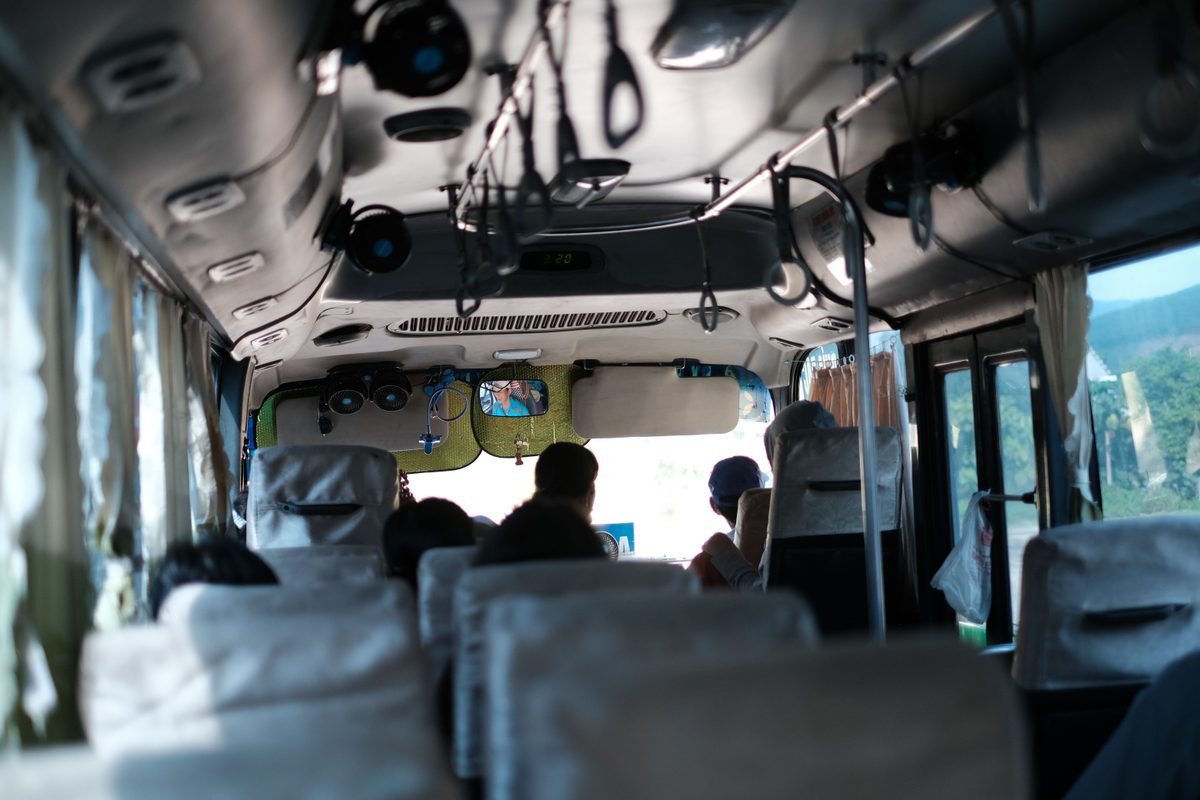
The sleeper bus is the faster and more direct option. Since the new expressway opened, the journey takes about six hours. Most buses now offer “cabin” configurations, which are essentially private pods with curtains, a charging port, and a small TV. A cabin on a high-end bus like Sao Viet or G8 Open Bus costs about 450,000 VND (about $18). These buses drop you off in the heart of Sapa town, which saves you the shuttle ride from Lao Cai. The bus is faster. It is also cheaper. However, the road is very curvy in the final hour. If you get motion sickness, the train is a much better alternative.
For those who prefer daytime travel, there are luxury limousines. These are 9-seater vans with large leather seats. They depart Hanoi in the morning and arrive in Sapa by mid-afternoon. This costs about 400,000 VND (about $16). This is a good choice if you want to see the scenery of the Red River Delta along the way. I prefer the night options because they save you the cost of a hotel night and maximize your trekking time. Whatever you choose, book at least three days in advance during the weekends, as Sapa is a popular getaway for people living in Hanoi.
Heads up: The Lao Cai shuttle
Ignore the aggressive taxi drivers at the Lao Cai train station; the official public shuttle bus to Sapa is parked just outside the station exit and has a fixed price of 50,000 VND (about $2).
Best time to visit Sapa for trekking
Weather in the northern highlands is notoriously fickle. September is widely considered the best month to visit because it is the harvest season. The rice terraces turn a brilliant yellow, and the weather is generally dry and cool. If you want those iconic photos of golden fields, this is the time to come. However, this is also the busiest season. Prices for accommodation can rise, and the main trails can feel crowded. The harvest usually happens in the middle of the month, so try to arrive by the first week of September to see the fields at their peak.
Spring is another excellent window. In March and April, the weather is stable and the plum and peach trees are in bloom. The rice fields are not green yet; instead, they are filled with water to prepare for planting. This is known as the “watering season.” The terraces act like thousands of mirrors, reflecting the sky and the clouds. It is a different kind of beauty that many photographers prefer. The temperature is mild, usually around 20 degrees Celsius (68 Fahrenheit) during the day, which is perfect for long-distance walking. The mud is less of an issue during these months compared to the summer.
Winter and summer have more challenges. From June to August, Sapa is lush and green, but it is also the rainy season. The trails become incredibly slippery, and heavy downpours can wash out paths. From December to February, it gets surprisingly cold. Temperatures can drop to zero degrees Celsius (32 Fahrenheit), and a thick fog often blankets the entire region for days. You might walk for hours and see nothing but white mist. I once spent three days in Sapa in January and never saw the mountains. If you visit in winter, ensure your homestay has a fireplace or heated blankets, as most traditional houses have no insulation.
Choosing your Sapa trekking guide and route
The most common route is the Muong Hoa Valley trek. This usually starts in Sapa town and heads down toward the villages of Lao Chai and Ta Van. It is a scenic route, but it is the most touristy. You will likely be accompanied by a group of local women who will help you over the muddy parts and then ask you to buy their textiles at the end. This is a standard part of the experience. The path through the valley is about 12 to 15 kilometers depending on where you stop. It is mostly downhill or flat, making it accessible for most fitness levels. Most guides will stop for lunch at a local house in Lao Chai before continuing to Ta Van for the night.
For those seeking something quieter, I recommend heading toward the Red Dao village of Ta Phin. This is located in a different direction from the main valley and sees far fewer visitors. The trek to Ta Phin takes you through corn fields and peach orchards. The Red Dao people are famous for their herbal baths, which are a perfect way to end a day of walking. The bath involves a large wooden tub filled with hot water and a mix of forest leaves and bark. It costs about 100,000 VND (about $4). The water is a deep red color and is said to cure muscle aches and fatigue. It is one of my favorite things to do in the region.
If you are an experienced hiker, consider a trek to the top of Fansipan, the highest peak in Indochina. While there is a cable car that takes you to the summit in 15 minutes for 850,000 VND (about $34), trekking to the top is a two-day commitment. You will need a specialized guide for this, as the weather can change rapidly and the path is steep. You sleep in a basic base camp at 2,800 meters. The views from the top at sunrise are incredible if the sky is clear. However, don’t underestimate the physical toll. The mud is deep. The climb is relentless. Most people find the valley treks more enjoyable because they focus on culture rather than just the physical challenge.

From a local: The herbal bath ritual
After a long trek to Ta Phin, ask for a ‘thuoc tam’ (herbal bath). It is a traditional Red Dao remedy made from over ten different forest plants and is incredibly effective for sore legs.
What to expect from a Sapa homestay
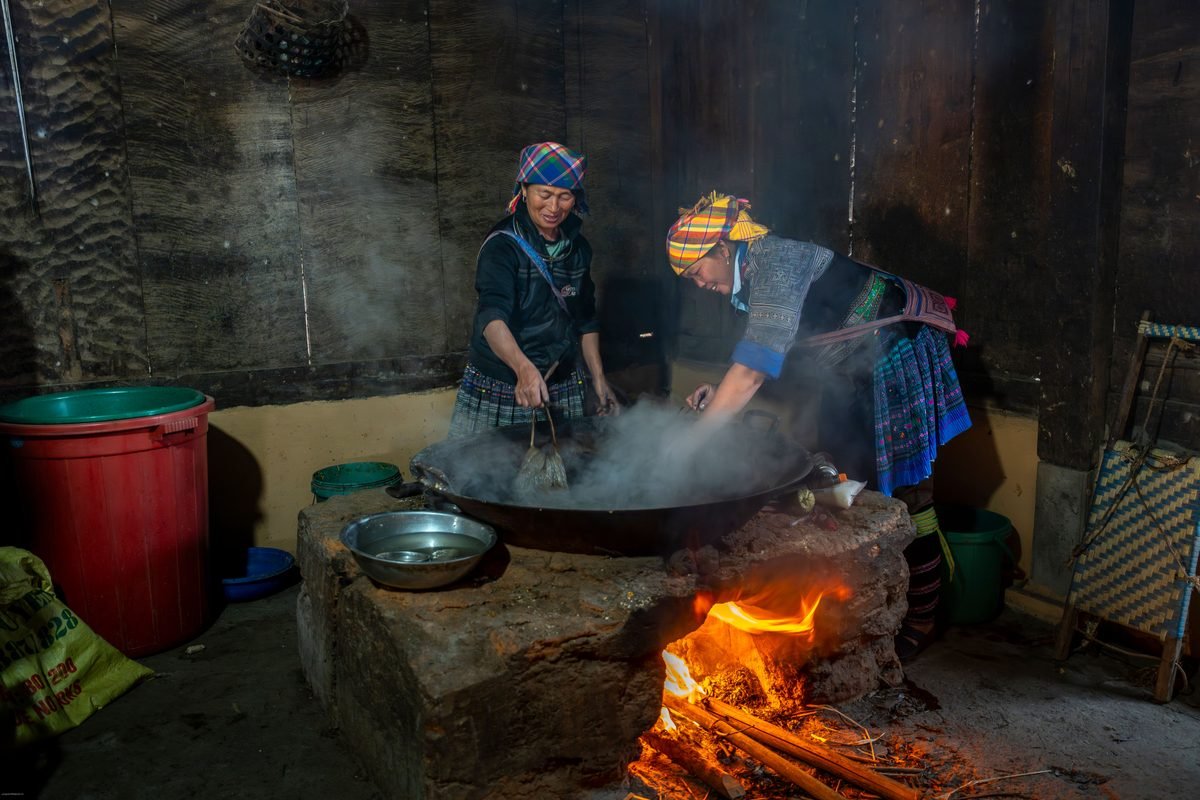
A homestay in Sapa is usually a house owned by an ethnic minority family that has been modified to take in guests. Do not expect a luxury hotel experience. Most homestays feature a large common area where everyone eats together and a loft or separate rooms with thin partitions for sleeping. The beds are usually firm, but they come with heavy blankets and mosquito nets. The bathroom is typically a shared facility with a western-style toilet and a hot shower. The real draw of a homestay is the “family dinner.” This is a massive spread of local dishes like spring rolls, stir-fried pork with ginger, and plenty of vegetables grown in the garden.
During dinner, the host will likely bring out a plastic jug of “happy water.” This is a potent local rice or corn wine. It is a social tradition to toast with every guest at the table. It is very strong. Drink slowly. The hospitality is genuine, and it is a great chance to talk to your host about their daily life. Many families in Ta Van and Lao Chai have been hosting travelers for years and speak excellent English. They can tell you about the local traditions, the meaning behind their clothing, and the challenges of mountain farming. It is a much more intimate experience than staying in a hotel in the town center.
One night is enough for most people to get the feel of it. If you stay longer, you can use the homestay as a base for shorter walks to nearby waterfalls or smaller hamlets. Be aware that the nights are very quiet. There are no bars or shops in the villages. You will hear the sound of the river, the buffalo in the stable below the house, and the crickets. It is a peaceful way to disconnect. I always bring a headlamp because the paths between the houses are not lit at night. Also, bring your own towel and basic toiletries, as these are rarely provided in the more authentic village stays.
Book ahead: Book directly with families
To ensure your money goes directly to the community, try to book homestays through local Hmong or Red Dao social media pages or via platforms that specialize in community-based tourism.
What to pack for trekking in Sapa
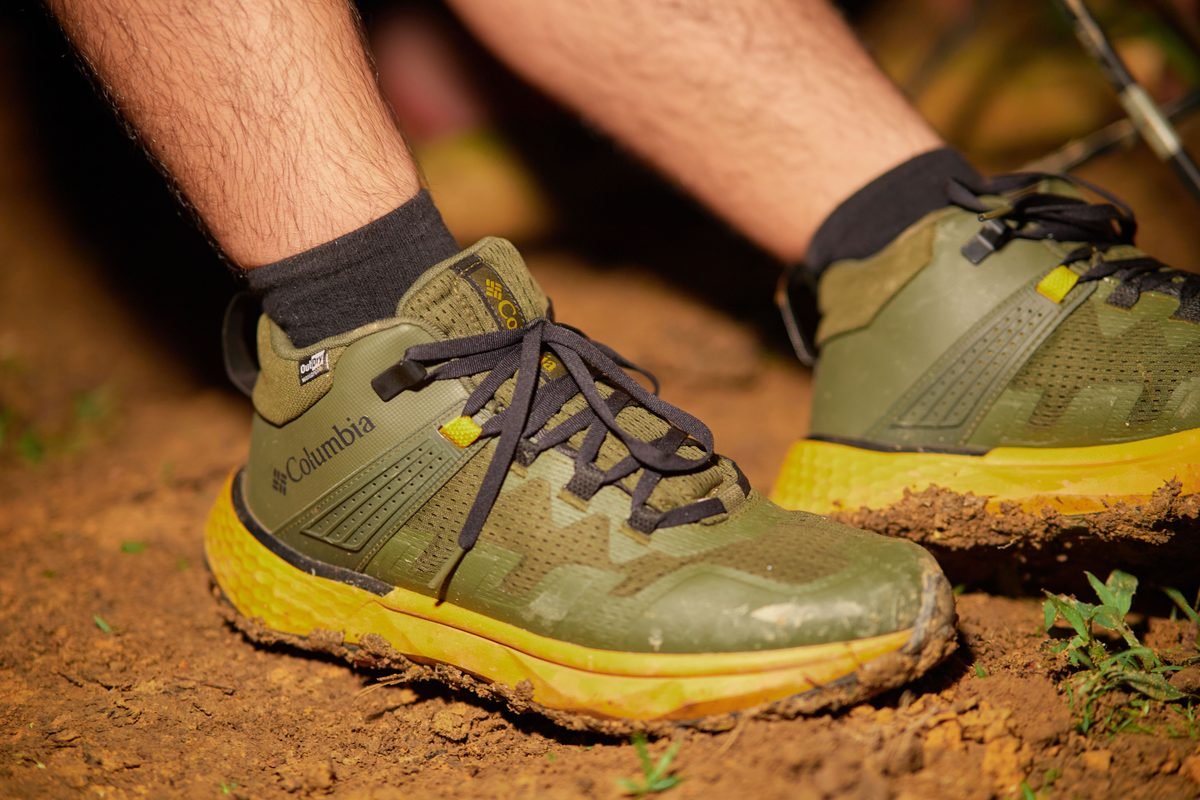
The most important item is proper footwear. I see many travelers attempting these treks in simple sneakers or even flip-flops. This is a mistake. The trails are made of clay-like mud that becomes incredibly slick when damp. Even if it hasn’t rained that day, the morning dew can make the paths treacherous. I recommend light hiking boots with good ankle support and deep treads. If you don’t want to pack heavy boots, you can buy “Sapa boots” in the local market. These are green rubber boots used by the locals. They cost about 100,000 VND (about $4) and have excellent grip, though they lack cushioning.
Layers are essential regardless of the season. The temperature can change by 10 degrees as you move between the sun and the shade or as you descend into the valley. I pack a moisture-wicking base layer, a light fleece, and a high-quality waterproof shell. A rain poncho is also useful as an extra layer of protection for your backpack. Even in the dry season, mountain mist can soak through your clothes quickly. Pack light for the actual trek. Most hotels in Sapa town will let you store your main luggage for free while you go on a multi-day hike. You only need a small daypack with a change of clothes, a power bank, and your camera.
Don’t forget sun protection and insect repellent. The sun is surprisingly strong at this altitude, and you can get burned even on cloudy days. Bring a hat and high-SPF sunscreen. For insects, a spray with DEET is helpful, especially in the evenings at the homestays. I also carry a small first-aid kit with blister plasters and some basic painkillers. Cash is vital here. While some homestays now accept bank transfers via QR codes, the connection in the valleys is spotty. Having a stack of 20,000 and 50,000 VND notes will make your life much easier when buying snacks or drinks from village stalls.

Where to eat in Sapa
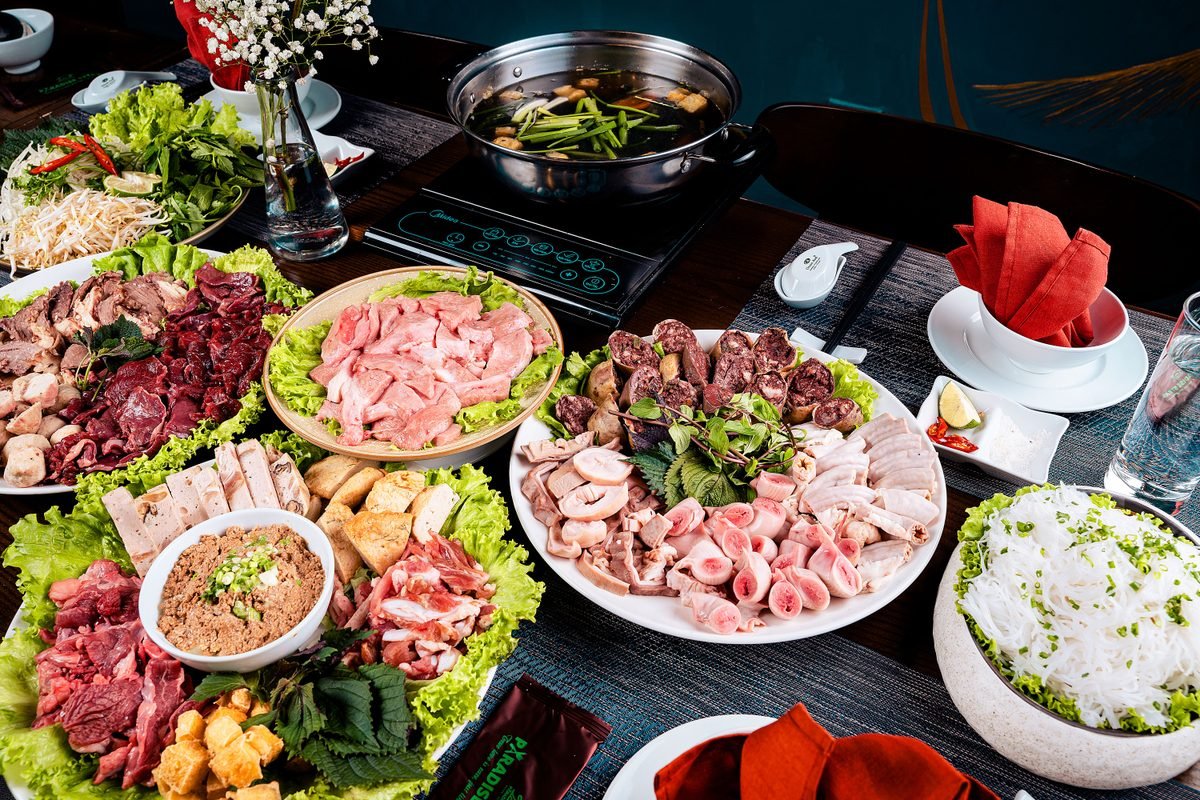
Sapa has a distinct food culture influenced by the cold climate and the ethnic minority groups. The most famous local specialty is salmon hotpot (Lẩu cá hồi). The salmon is raised in the cold mountain streams nearby and has a very lean, fresh taste. A large pot for two people costs about 250,000 VND (about $10). It is served with a mountain of fresh local greens, mushrooms, and noodles. It is the perfect meal after a day of trekking in the mist. You can find many restaurants serving this along Xuan Vien street near the lake. I prefer the smaller, less flashy places where the locals eat.
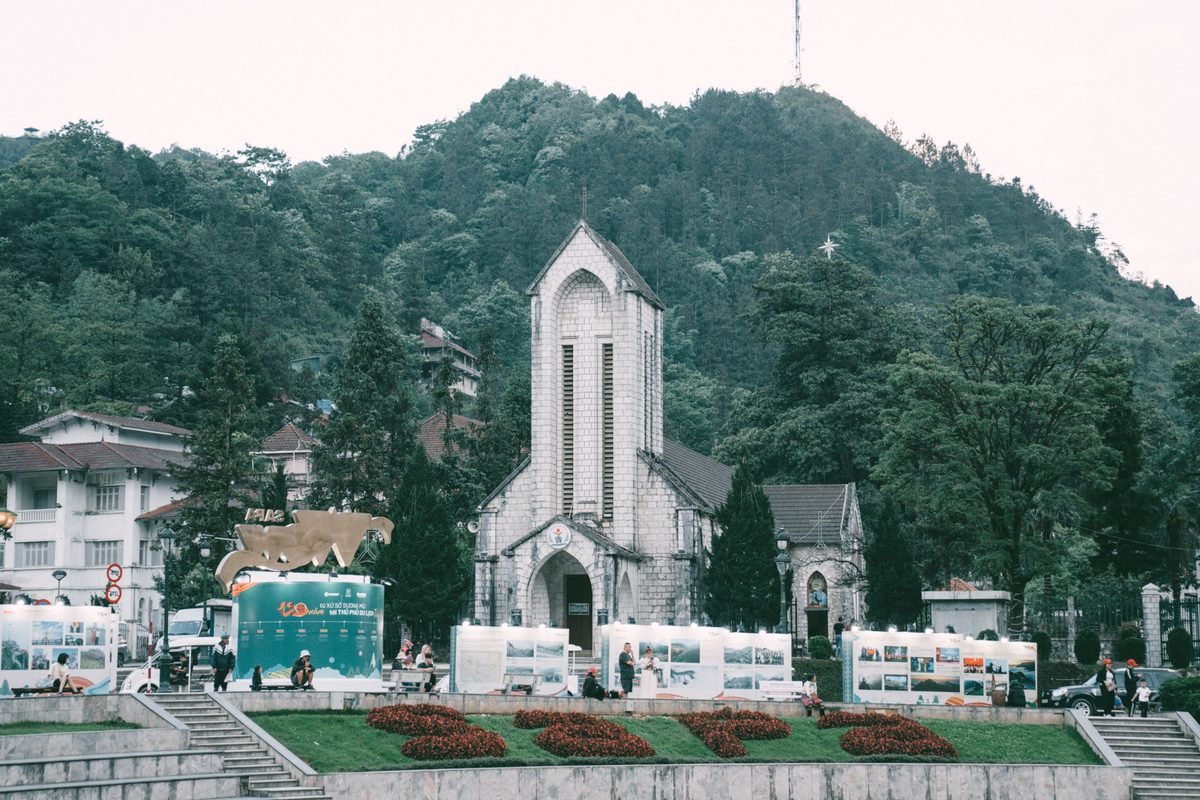
Another must-try is the local barbecue, known as đồ nướng. In the evenings, vendors set up small charcoal grills near the stone church. You pick out skewers of various meats, vegetables, and even local cheese or chestnuts. They grill them to order and serve them with a spicy dipping sauce. It is cheap, with most skewers costing between 15,000 and 30,000 VND (about $0.60 to $1.20). Try the “com lam,” which is sticky rice cooked inside a bamboo tube. It is slightly sweet and has a smoky flavor from the fire. It is a common snack for hikers because it travels well and provides a lot of energy.
For the adventurous, there is “thang co,” a traditional Hmong soup made from horse meat and organs, seasoned with many mountain spices. It has a very strong, earthy flavor and is usually eaten during the weekend markets. If you prefer something more familiar, Sapa town has several excellent bakeries and cafes. The influence of French colonial history is still visible in the quality of the bread and pastries. A hot coffee and a fresh croissant in a cafe overlooking the valley is a great way to spend a rainy afternoon. Just avoid the restaurants right on the main square, as they are overpriced and often lack the quality of the side-street eateries.
What it costs in Sapa
| Item | Local price | USD |
|---|---|---|
| Sleeper bus from Hanoi (return) | 900,000 VND (about $36) | 36 |
| Private trekking guide (per day) | 600,000 VND (about $24) | 24 |
| Homestay night (including dinner/breakfast) | 350,000 VND (about $14) | 14 |
| Salmon hotpot dinner | 250,000 VND (about $10) | 10 |
| Fansipan cable car ticket | 850,000 VND (about $34) | 34 |
| Shuttle bus Lao Cai to Sapa | 50,000 VND (about $2) | 2 |
| Daily snacks and water | 100,000 VND (about $4) | 4 |
| Total estimated budget (excluding transport) | 2,200,000 VND (about $88) | 88 |
Prices checked September 2026. Always confirm with the provider before you book.
Where to stay in Sapa
Budget
Ta Van village, for authentic homestays
This area is the best for travelers who want to sleep in a traditional house and eat with a local family. Nightly rates range from 200,000 to 400,000 VND (about $8 to $16).
Mid-range
Sapa Town, near the lake for convenience
Staying in town gives you easy access to ATMs, various restaurants, and the bus station. Expect to pay between 800,000 and 1,500,000 VND (about $32 to $60) for a comfortable hotel room.
Splurge
Muong Hoa Valley, for boutique eco-lodges
Several high-end lodges are built into the side of the valley, offering private balconies with views of the terraces. Prices typically start at 3,500,000 VND (about $140) per night.
Mistakes to avoid
- Buying handicrafts from children, which encourages their parents to keep them out of school to sell to tourists.
- Assuming the weather in Hanoi will be the same as Sapa; it is often 10 degrees colder in the mountains.
- Not bringing enough cash to the villages, as cards are rarely accepted and there are no ATMs outside the main town.
FAQ
How much does a Sapa trekking guide cost?
A private Sapa trekking guide typically costs about 600,000 VND (about $24) per day for a group. This usually includes a local lunch in one of the villages along the route.
Is Sapa better by bus or train?
The bus is faster and takes you directly to the town center for about 450,000 VND (about $18). The train is more expensive and requires a shuttle from Lao Cai, but it is much more comfortable for sleeping.
Can I trek Sapa without a guide?
While you can walk the main paved roads alone, hiring a guide is highly recommended for navigating the smaller muddy trails and understanding the local culture. It is very easy to get lost in the fog without someone who knows the terrain.
What is the best month for Sapa rice terraces?
September is the best month to see the rice terraces when they are golden and ready for harvest. May is also beautiful for the ‘watering season’ when the fields reflect the sky like mirrors.
Are Sapa homestays comfortable?
They are basic but cozy, usually featuring shared bathrooms and thin walls. The highlights are the warm hospitality, mosquito-netted beds, and the large communal family dinners with ‘happy water’.