Andong Jjimdak and Local Food Guide: Markets to Soju

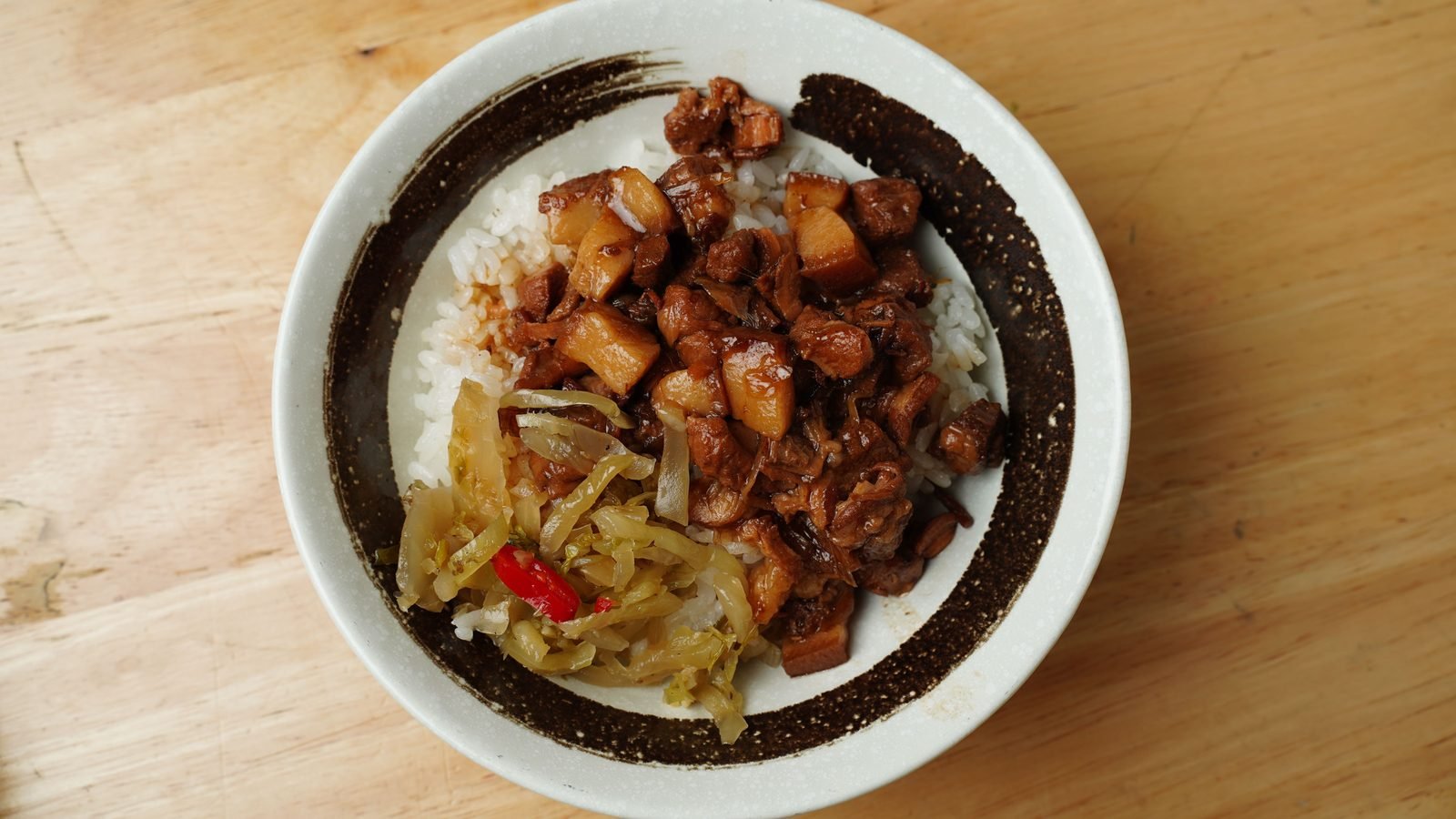
Steam rises out of twenty identical stainless steel woks lining a covered arcade in central Andong. Garlic, dark soy sauce, and charred cheongyang peppers hit the air at once, pulled along by industrial exhaust fans humming in rhythm. If you step off the KTX train into North Gyeongsang Province hungry, you are in the right town. This practical Andong jjimdak and local food guide breaks down what to eat, where to order it, and how to navigate portions that were designed for large family tables.
I live in Seoul, but whenever I need food anchored in real regional tradition, I head south to Andong. This guide is built for curious independent eaters who want to look past the usual travel checklists. We will cover the famous Old Market poultry alleys, the coastal trade routes behind salted mackerel, heritage distilled spirits, and realistic tactics for solo travelers facing banquet-sized dishes.
Andong Jjimdak and Local Food Guide: Inside the Old Market
The heartbeat of Andong’s food culture sits inside Gu-sijang, the city’s Old Market. Walk past the produce crates and fabric stalls toward the western corridor, and you run straight into Jjimdak Alley. Over thirty vendor stalls line this tight pedestrian strip. Giant outdoor burners roar in front of every shop window. Woks clatter against metal frames as cooks toss whole cut-up chickens in dark, bubbling broth.
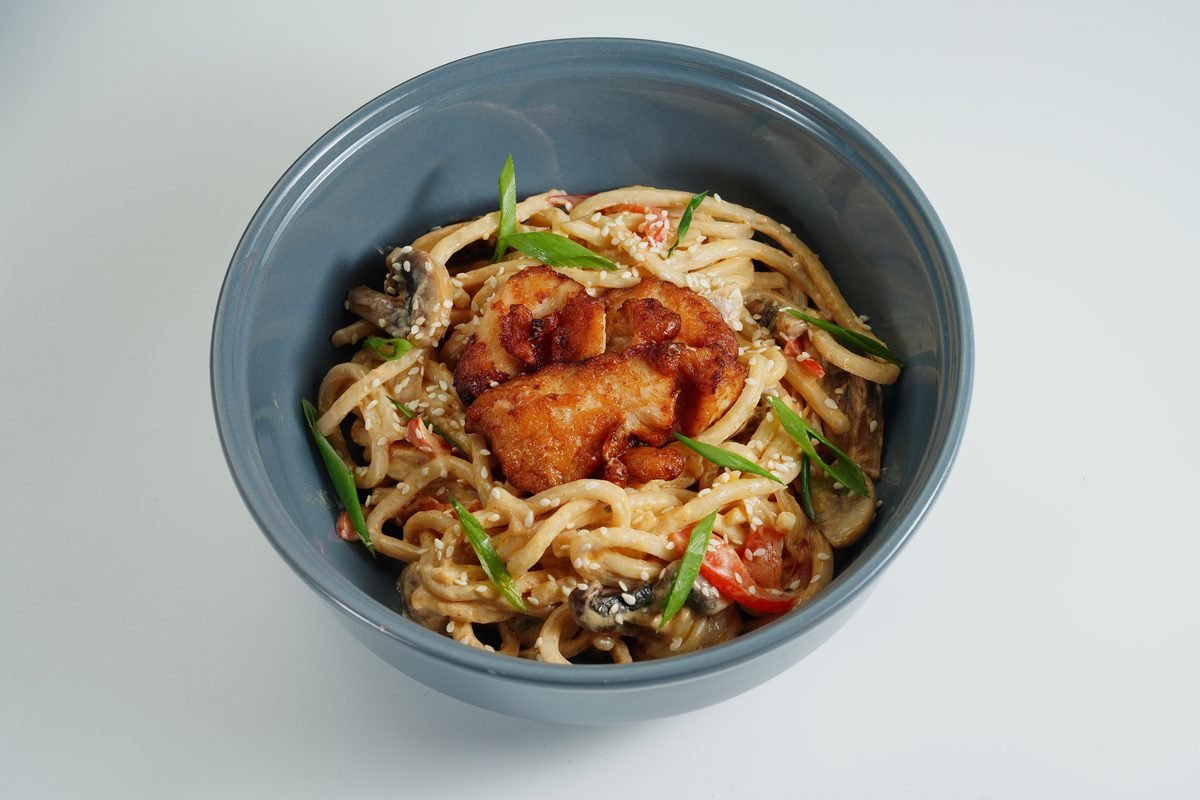
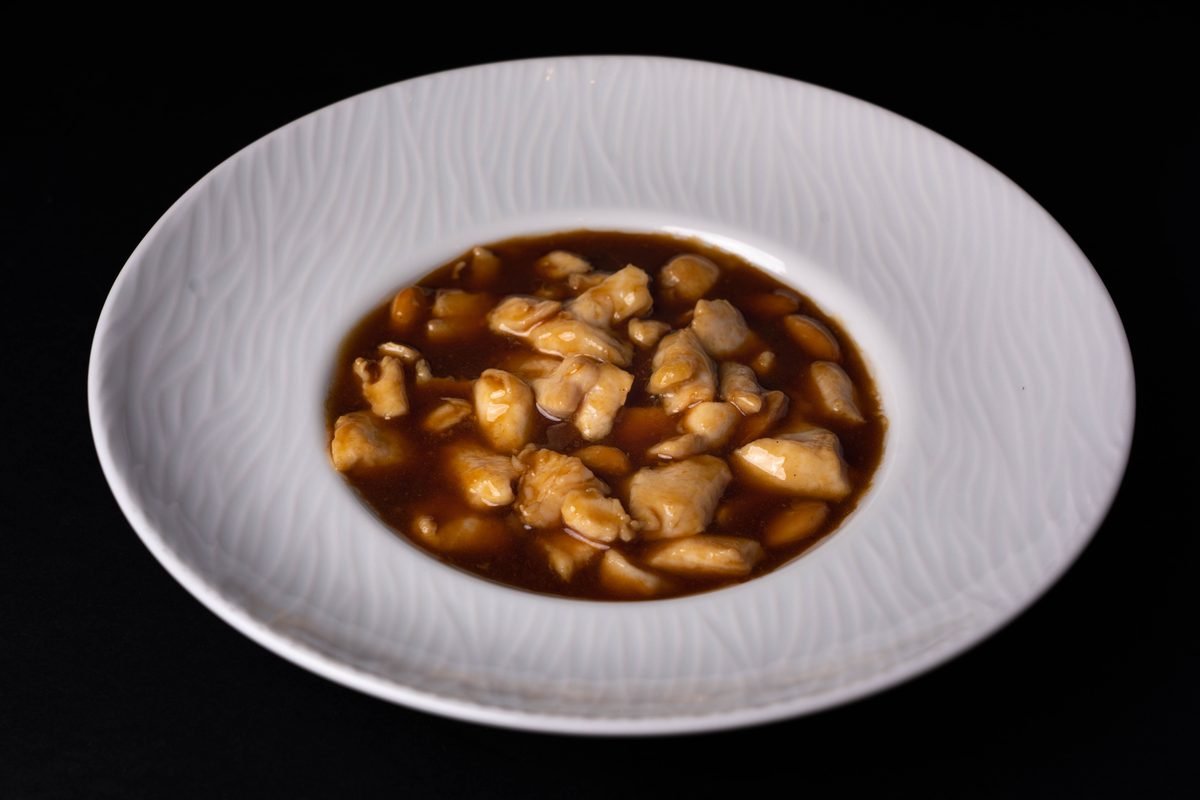
Andong jjimdak was born here during the 1980s as market merchants sought an answer to the sudden rise of western-style fried chicken. They took whole local chickens and braised them rapidly over fierce heat with aged soy sauce, dried red peppers, cabbage, carrots, potatoes, and thick coils of sweet potato glass noodles (dangmyeon). The dish is sweet, savory, intensely garlicky, and carries a creeping chili burn that clears your sinuses. The glass noodles soak up the dark sauce until they turn nearly translucent brown.
Choosing a stall can feel intimidating because every window displays television clips and celebrity signatures. Look for kitchens where the burners are actively flaming and the prep tables show fresh whole chickens rather than pre-boiled parts. Two reliable heritage names are Hyundai Jjimdak and Yujin Jjimdak, both operating on the main central lane. They cook each batch to order. Expect to wait fifteen to twenty minutes after sitting down while the potatoes soften and the starch from the noodles thickens the cooking liquor.
Standard bowls come heaped on heavy oval platters spanning forty centimeters wide. The burner flares hot. The steam carries immediate heat. Before you dig into the chicken, use scissors to cut the long glass noodles twice. If you leave them uncut, they tangle, drink every drop of sauce, and turn mushy before you can finish the meat.
Tip: Tame the Pepper Heat
Standard jjimdak packs a serious chili punch from dried whole peppers. If you have low heat tolerance, tell the staff deol maepge hae-juseyo (make it less spicy) right when ordering.
Portion Sizes for Solo Diners: How to Order Without Waste
Portions here are huge. The foundational rule of the Old Market jjimdak alley is that restaurants do not serve individual portions. The baseline serving is labeled jung (medium), which costs roughly ₩32,000 (about $24.00) to ₩35,000 (about $26.25). That platter contains one entire chopped chicken, two large potatoes, and a massive handful of starch noodles. It comfortably feeds two hungry adults or three casual grazers.
If you are traveling alone, do not let the banquet format scare you away. You can walk into any stall in Gu-sijang and order the medium plate. Nobody will turn you away for dining solo. However, do not order extra rice (gonggibap) immediately. Focus first on the tender chicken pieces, the soaked root vegetables, and the noodles. You will barely make a dent in half the tray before hitting a wall.
Take the leftovers home. Every restaurant in the alley keeps sturdy plastic takeout containers and heat-sealed carry bags at the counter. When you finish eating, simply catch the server’s eye and say pojang hae-juseyo (please pack this to go). They will box the remaining chicken, potatoes, and broth for free. If you stay in a local guesthouse with a kitchen, the leftover jjimdak tastes even richer the next morning once the soy seasoning penetrates deep into the poultry fibers.
For solo travelers determined to eat single-serving chicken without hauling leftovers, avoid the market corridor. Head instead toward the newer commercial grid around the downtown train station, where small franchise branches sometimes sell a half-portion rice bowl version called ban-mari jjimdak for about ₩18,000 (about $13.50). It lacks the gritty theater of the outdoor market woks, but it eliminates food waste cleanly.
From a local: Skip the Scissors on the Meat
Use tongs and scissors exclusively for the long tangled noodles. Cutting the chicken pieces releases bone fragments into the sauce that ruin the texture of the gravy.
Salted Mackerel: The Mountain Town Seafood Mystery
Andong sits surrounded by rugged peaks in the inland basin of Gyeongsangbuk-do, miles away from the open sea. Yet its most famous everyday lunch is gan-godeungeo: coarse-salted Atlantic or Pacific mackerel. To understand why, you have to trace how cargo moved across Korea before refrigerated trucks existed.
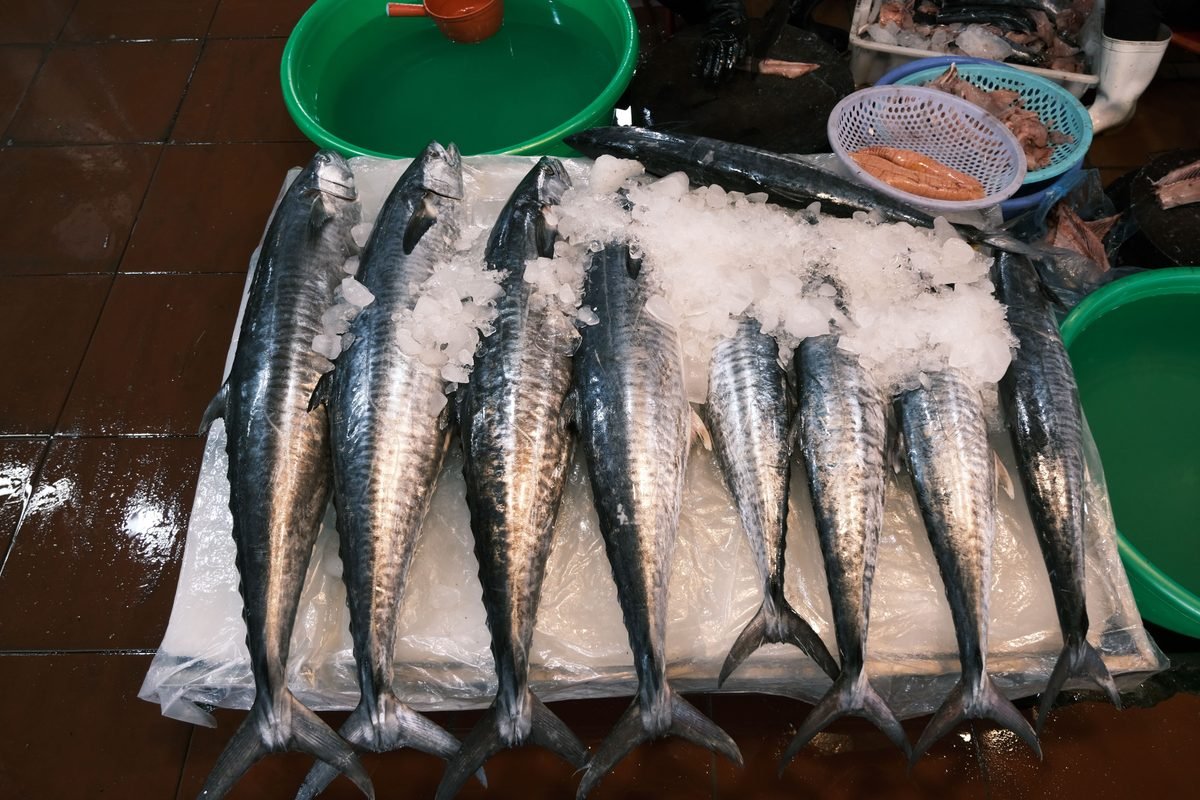
Centuries ago, fishmongers hauled fresh catches from the eastern fishing port of Yeongdeok inland toward the markets of Daegu and Hanyang. Foot porters took two days to reach the mountain depot at Imdong, just outside Andong. The fish hovered on the verge of spoiling in the summer heat. At that exact waypoint, specialized salt masters (called ganjaebi) gutted the fish and packed them in heavy local sea salt. The salt does magic here. As the fish sweated brine over the final leg of the trek, natural fermentation took place, firming the oily flesh and creating an intense umami depth.
Today, fresh cold-chain logistics exist everywhere, but Andong still salts its mackerel using that precise ancestral curing ratio. The best place to eat this is at a traditional dining room serving gan-godeungeo baekban (salted mackerel home-style meal set). A set costs about ₩13,000 (about $9.75) to ₩16,000 (about $12.00) per person.
Look for Iljik Sikdang, located near the Old Andong Station plaza. It was run for decades by the late Master Lee Dong-sam, a registered intangible cultural property artisan of fish salting. The kitchen grills the fish over fierce radiant heat until the oily skin blisters and chars. You peel back thick flakes of juicy, savory meat that carry none of the fishy bitterness found in commercial grocery fillets. Paired with a bowl of white rice, fermented soybean stew (doenjang jjigae), and crisp cabbage kimchi, it is an unbeatable lunch.
Drinking Real Andong Soju: 45 Percent Heritage Spirits
Most foreign travelers know soju as the cheap, sweet, green-glass bottles sold in convenience stores for ₩1,900. That commercial liquor is mass-manufactured from industrial ethanol diluted with water and artificial sweeteners. Andong soju is an entirely different beast with six centuries of unbroken distilling craft.
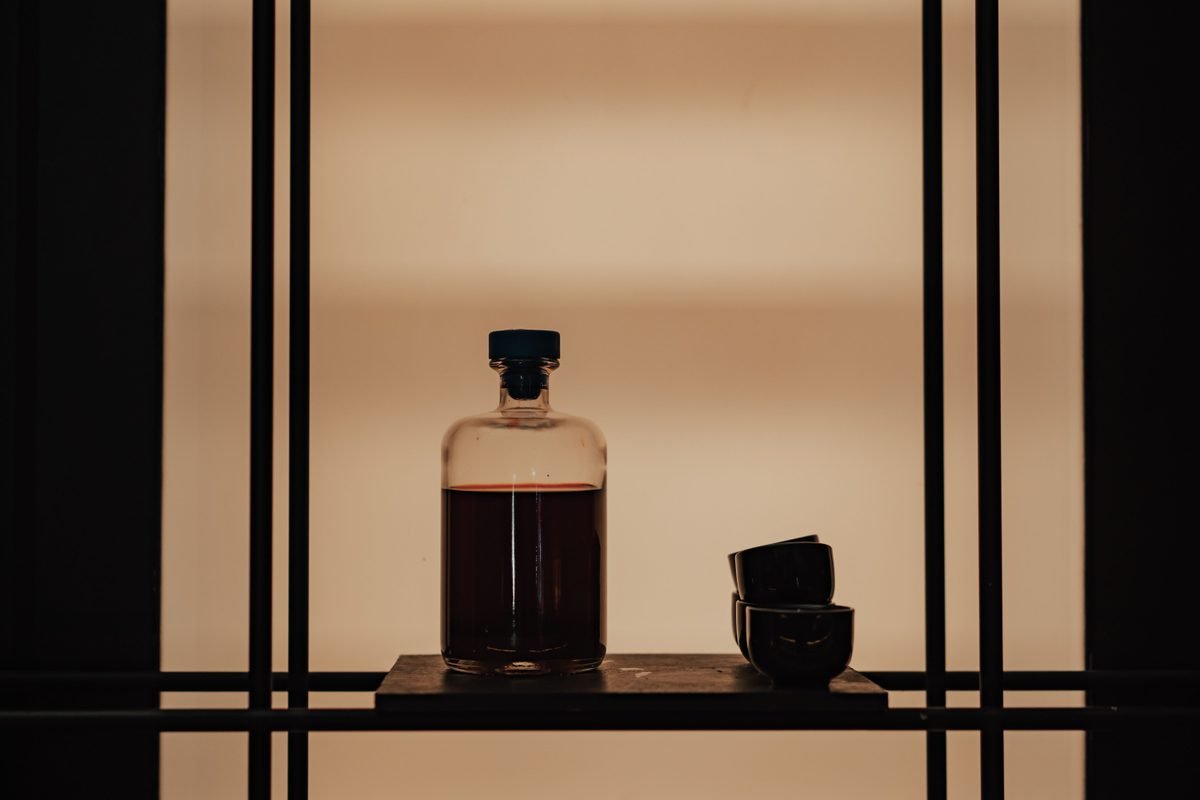
This is not green-bottle soju. When the Mongol armies invaded the Korean peninsula during the Goryeo Dynasty in the 13th century, they brought Persian arak distillation techniques to their military outposts in Andong. Aristocratic scholar clans (yangban) adopted the method, distilling pure fermented mash made from local rice, barley, water, and wild wheat nuruk fermentation starter. The result is a crystal-clear, intensely aromatic spirit bottled at a formidable 45 percent alcohol by volume.
When you pour a measure of real Andong soju, you catch grain aromas reminiscent of warm roasted barley and toasted rice crust. Despite the high proof, it finishes with a silky, gentle sweetness across the tongue, avoiding the harsh medicinal burn of cheap liquor. Traditional bottles come in two prominent heritage lineages: Master Cho Ok-hwa’s recipe (distinguished by its intense, earthy nuruk character) and Master Park Jae-seo’s Myeongin recipe (vacuum-distilled for an ultra-smooth, clean palate). You can read more about table etiquette in our Korean drinking culture guide.
Expect to pay roughly ₩12,000 (about $9.00) for a pocket-sized 375ml glass bottle at local supermarkets, or up to ₩35,000 (about $26.25) for ceremonial ceramic celadon decanters. If 45 percent sounds intimidating, modern distilleries also produce milder 22 percent variations. Pair this spirit with rich meat dishes like grilled mackerel or spiced jjimdak; the high alcohol cuts right through oily poultry and cleanses your palate after every bite.
Heads up: Check the Label Carefully
Many downtown souvenir shops stock tourist-tier distilled spirits mixed with grain alcohol. Verify that the label explicitly says jeontongju (traditional liquor) and lists only 100% domestic rice, nuruk, and water in the ingredients.
Heotjesatbap: The Scholar Class Fake Memorial Feast
Beyond fiery braised chicken, Andong preserves one of Korea’s most unusual philosophical meals: heotjesatbap, literally translated as “fake ancestral memorial rice.” In aristocratic Joseon society, elaborate banquets were prepared exclusively for jesa—sacred memorial rites honoring family ancestors. Because memorial food was offered to spirits, it was strictly cooked without pungent, impure ingredients like garlic, scallions, onions, leeks, or red chili flakes.
Legend says that scholars studying late into the night at local Confucian academies grew ravenous, but propriety forbade them from cooking extravagant mid-night feasts without reason. To bypass social stigma, they staged pretend memorial ceremonies, prepared the ritual spread, offered prayers to empty air, and sat down to feast. Over time, restaurants standardized this covert banquet into a regional specialty.
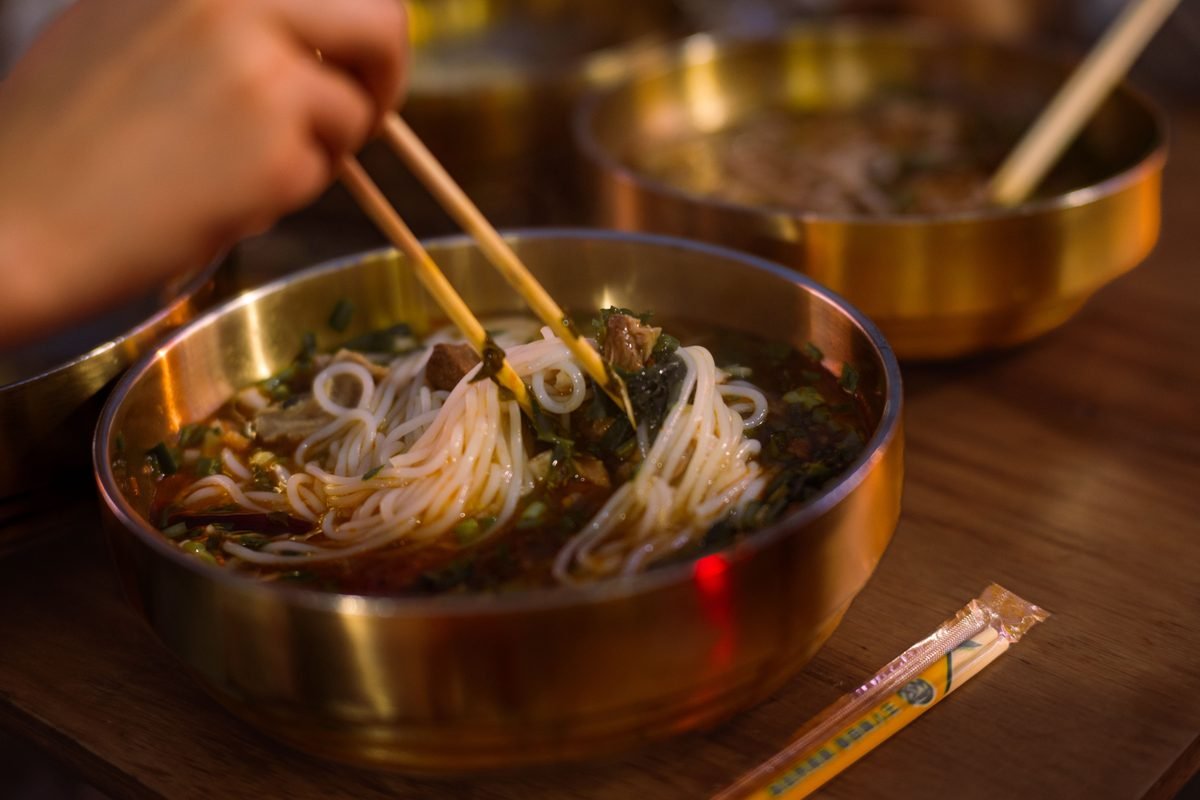
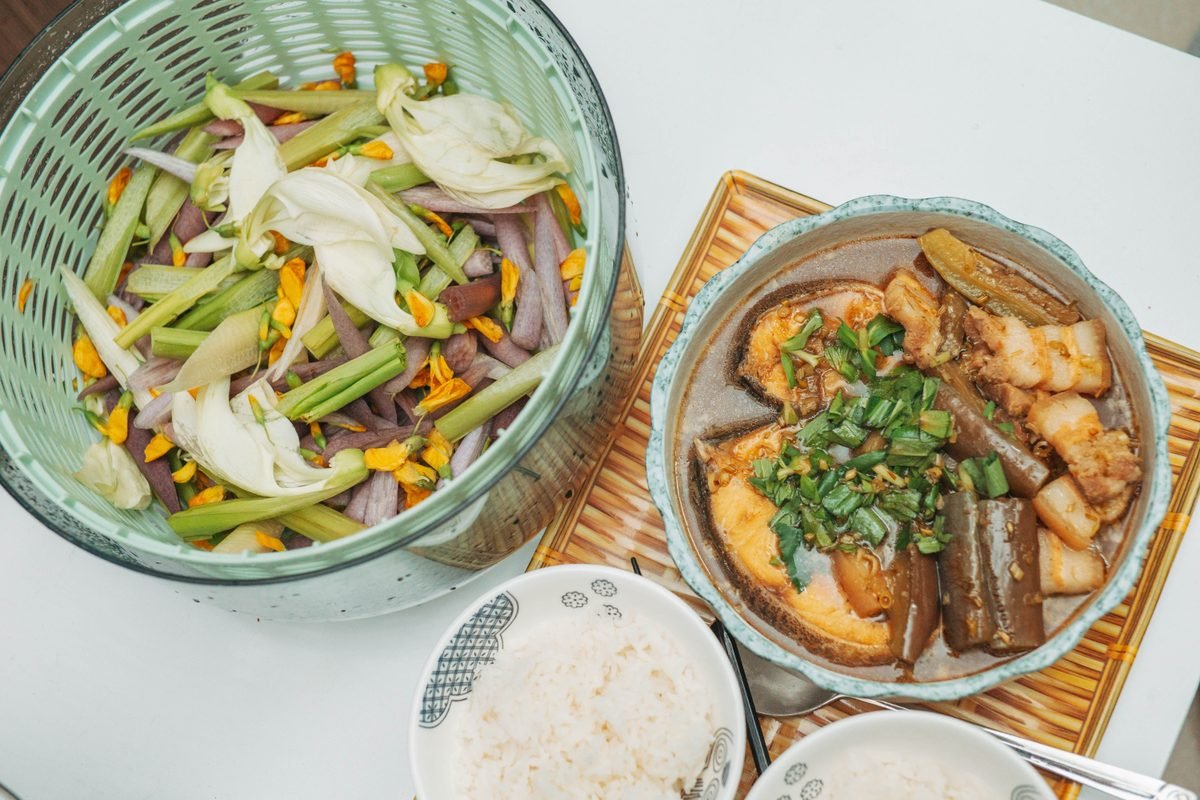
When you order a bowl of heotjesatbap—priced between ₩14,000 (about $10.50) and ₩20,000 (about $15.00)—you receive brass bowls laden with delicate mountain herbs, seasoned ferns, zucchini, radish, and bean sprouts over rice. Instead of spicy red gochujang, you dress the rice with aged soy sauce, sesame oil, and toasted seeds. The flavor profile is gentle, nutty, and clean, allowing the earthy character of wild mountain greens to shine through.
Side dishes include steamed ceremonial delicacies rarely encountered elsewhere: squares of steamed shark meat (dombaegi), poached octopus, fried kelp tiles (dasima bugak), and mung bean pancakes. The prime location to sample this meal is around the Woryeonggyo footbridge area, where venerable dining houses like Mat 50-nyeon Jongga serve classic sets on polished brassware. Combine this meal with an afternoon exploring traditional scholar architecture, much like you would during an Andong Hahoe Village day trip.
Mammoth Bakery: Modern Heritage on the Pedestrian Mall
After finishing rich meals of soy-braised chicken or pungent fermented fish, local diners take a ten-minute stroll down the downtown pedestrian shopping arcade toward Mammoth Bakery. Operating continuously since 1974, this beloved institution earned national renown and international culinary awards by bridging classic European pastry techniques with local Korean sensibilities.
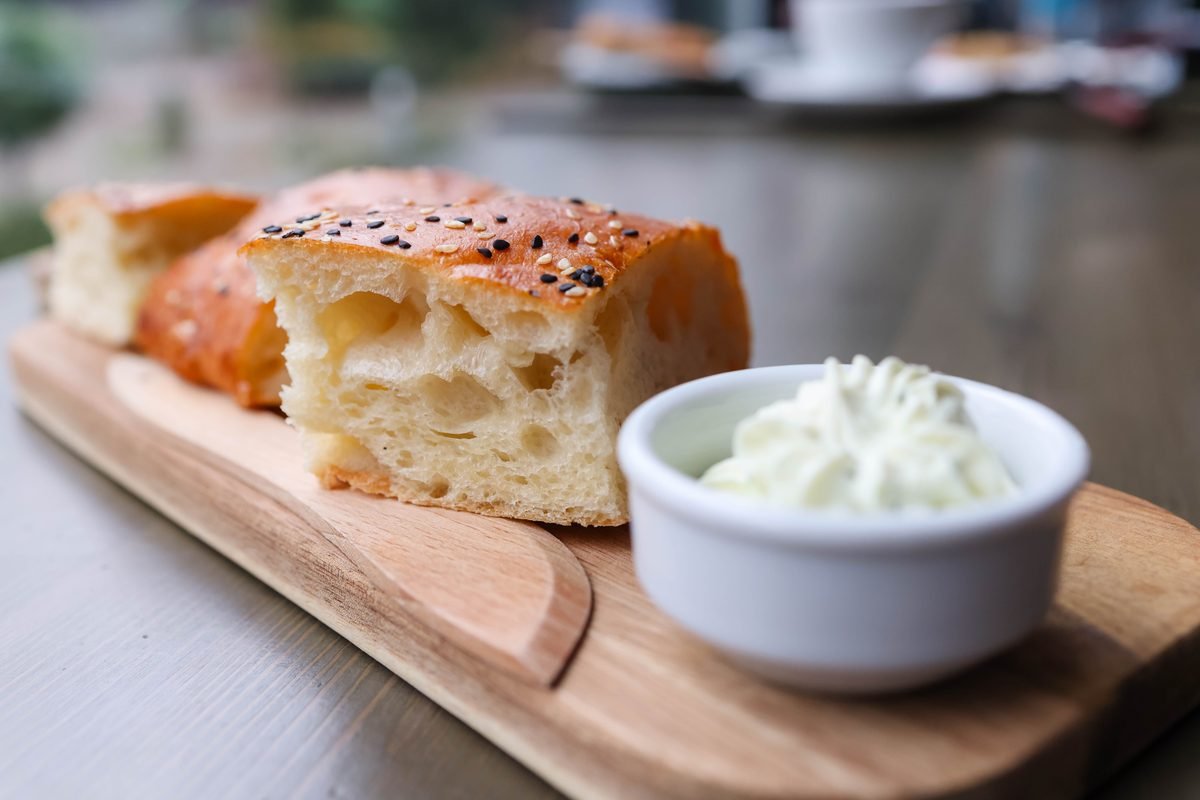
The signature item here is their cream cheese bread, which sells for ₩2,500 (about $1.90) per bun. Long lines form through the front doors on weekends as baking trays exit the kitchen every few minutes. The bun itself has a pale, incredibly chewy, mochi-like crust dusted with dried parsley. Inside sits a generous core of smooth, slightly tart cream cheese that bursts forward when you bite into the warm dough. It is not overly sugary, hitting that balanced savory-sweet balance that Korean baked goods excel at.
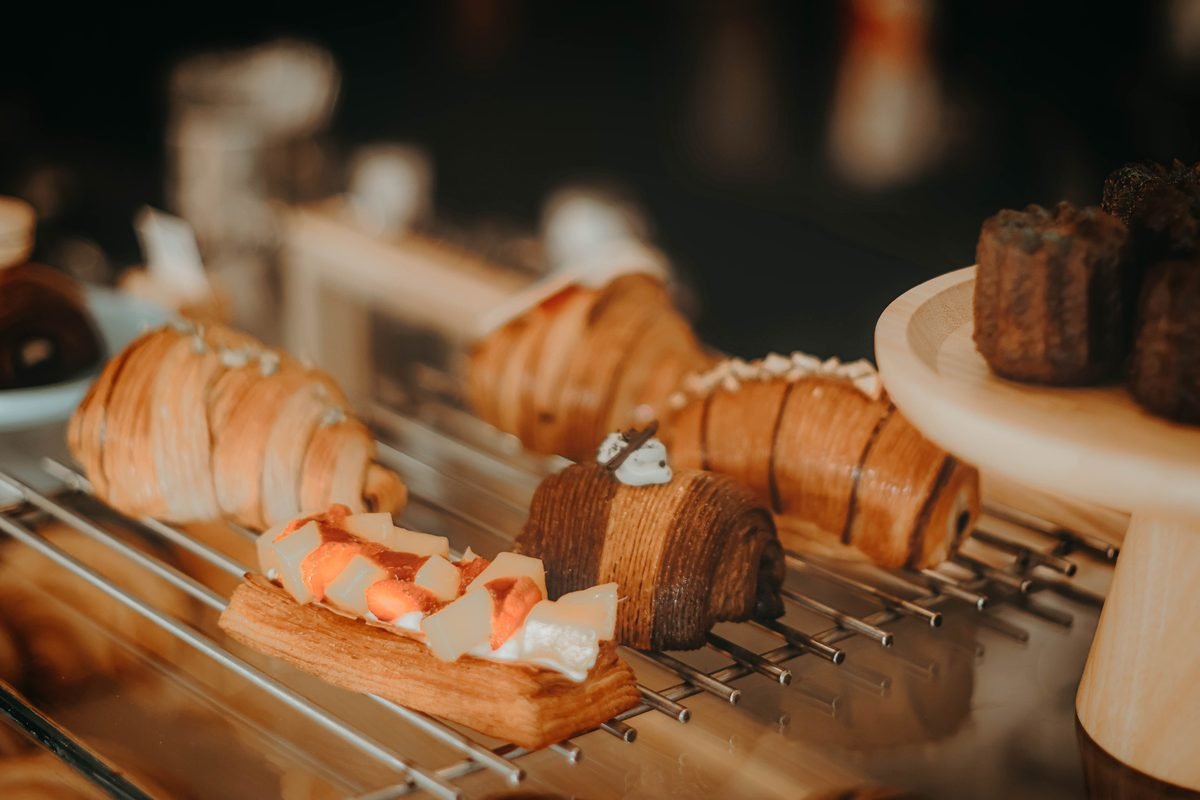
Beyond the famous cheese roll, grab a slice of their seasonal citron (yuja) pound cake for roughly ₩18,000 (about $13.50) for a whole loaf, or individual fruit tarts topped with regional strawberries and Shine Muscat grapes. The bakery interior operates like a modern salon with marble tables and espresso drinks, offering a calm respite from the local markets.
If you have spent previous trips tasting regional street snacks—perhaps during a Chuncheon dakgalbi day trip—Mammoth Bakery provides a completely different perspective on how provincial Korean cities take pride in localized culinary craftsmanship. The shop opens at 08:30, but cream cheese trays often sell out by late afternoon during peak autumn weekends. Aim for a mid-morning visit between meal stops.
Book ahead: Weekend Timing for Pastries
On Saturday and Sunday afternoons, lines can snake outside into the shopping street. Visit before 11:30 to grab warm cream cheese buns without waiting in thirty-minute queues.
What it costs in Andong
| Item | Local price | USD |
|---|---|---|
| Andong Jjimdak (Medium platter, feeds 2-3) | ₩32,000 | $24.00 |
| Salted Mackerel Meal Set (Gan-godeungeo baekban) | ₩13,000 | $9.75 |
| Heotjesatbap Memorial Rice Set | ₩14,000 | $10.50 |
| Distilled Andong Soju (375ml bottle, 45% ABV) | ₩12,000 | $9.00 |
| Mammoth Bakery Cream Cheese Bread | ₩2,500 | $1.90 |
| Bowl of Steamed White Rice (Gonggibap) | ₩1,000 | $0.75 |
| Total for a Full Day of Independent Dining | ₩74,500 | $55.90 |
Prices checked October 2026. Always confirm with the provider before you book.
Where to stay in Andong
Budget
Downtown Pedestrian Mall, for guesthouses near the Old Market
This area puts you within a five-minute walk of Jjimdak Alley, Mammoth Bakery, and local bus stops heading to Hahoe Village. Clean private guesthouse rooms and hostel bunks range between ₩40,000 and ₩70,000 (about $30 to $53) per night.
Mid-range
Andong Station (KTX) Area, for modern business hotels
Basing yourself near the modern high-speed rail terminal makes arrival and early morning departures effortless, with direct local bus connections into the city center. Nightly rates for reliable mid-range double rooms run between ₩80,000 and ₩130,000 (about $60 to $98).
Splurge
Woryeonggyo Bridge, for traditional hanok estates
This scenic riverside enclave sits directly beside the night-lit wooden footbridge and traditional heotjesatbap restaurants. Restored heritage wooden residences and premium hanok stays run between ₩180,000 and ₩320,000 (about $135 to $240) per night.
Mistakes to avoid
- Ordering multiple individual dishes in Jjimdak Alley expecting personal lunch bowls. The base size is a massive platter meant for small groups.
- Letting the glass noodles sit in the jjimdak broth without cutting them first, which causes them to absorb all liquid and turn into a soggy clump.
- Confusing commercial green-bottle diluted liquor with authentic, pot-distilled 45% Andong soju made from fermented grains.
- Arriving at traditional dining houses after 19:30 without checking operating hours, as many family-run kitchens in provincial Andong close surprisingly early.
- Pouring bright red chili gochujang sauce over heotjesatbap instead of the traditional seasoned soy sauce, which masks the subtle mountain herb flavors.
FAQ
Can solo travelers eat at the Old Market with this Andong jjimdak and local food guide?
Yes, restaurants welcome solo diners without hesitation. You will still have to purchase the standard medium platter (which feeds two to three people), but every vendor will gladly box up your leftovers in sturdy carryout containers for free.
What makes Andong soju different from normal Korean soju?
Commercial green-bottle soju is mass-produced ethanol diluted with water and sweeteners. Traditional Andong soju is distilled from pure fermented rice, barley, and wild wheat starter (nuruk), yielding a rich 45% ABV spirit with smooth toasted-grain notes.
How spicy is authentic Andong jjimdak?
Authentic jjimdak has a sharp, lingering kick from dried cheongyang chili peppers braised directly into the soy sauce. If you cannot handle moderate chili heat, request deol maepge hae-juseyo when you sit down.