Gangwon-do Ski Resort Guide for Foreigners: Tips

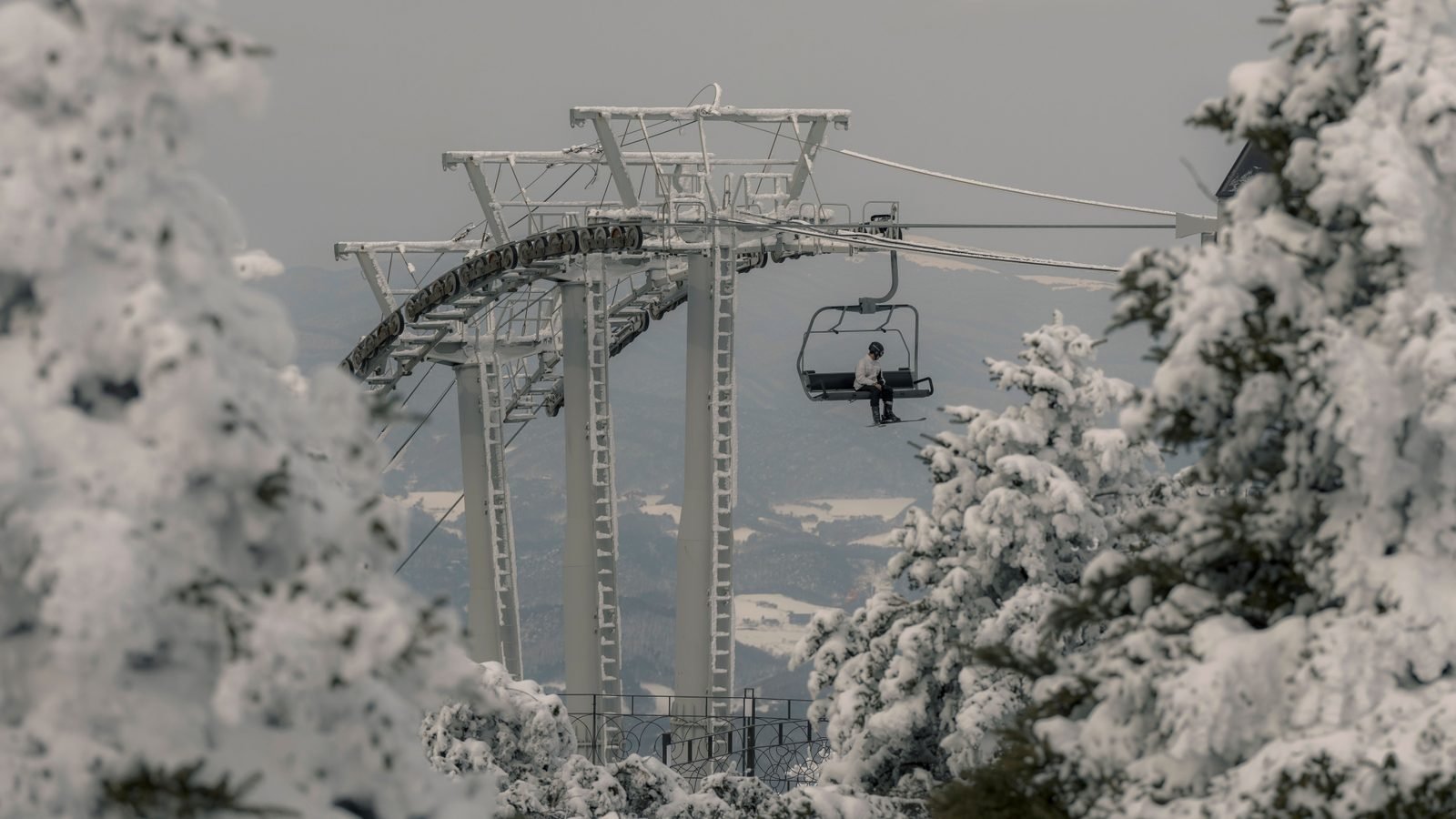
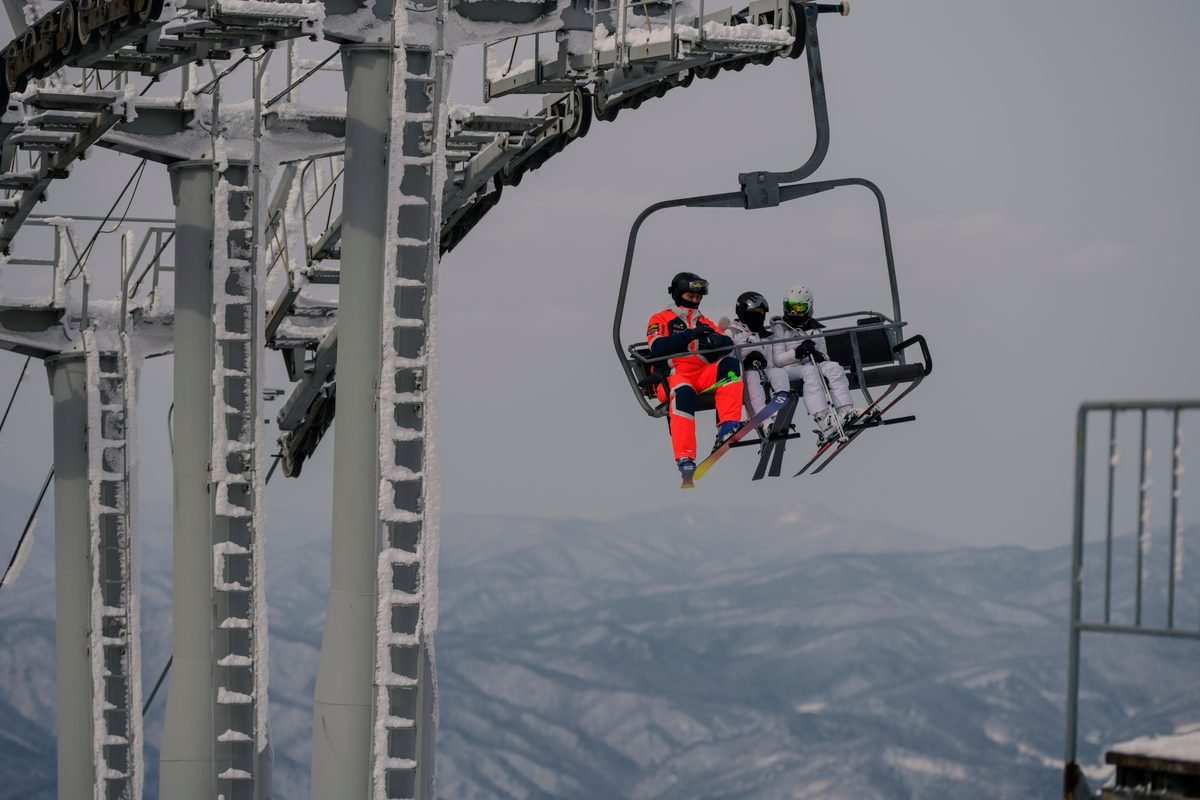
At 06:30 on a freezing January morning, ski buses line up outside exit 1 of Sports Complex Station in southern Seoul. Drivers wipe frost off their windscreens while skiers haul heavy boot bags into the luggage bays beneath. Two hours later, you climb out into the biting, dry mountain air of Daegwallyeong, where snow drifts pile up against timber railings and chairlifts glide across ridges that hosted the 2018 Winter Olympics. South Korea has plenty of small ski hills scattered close to the capital, but true alpine terrain belongs to Gangwon Province.
This gangwon-do ski resort guide for foreigners breaks down everything you need to ski or snowboard at the province’s two flagship resorts: Mona YongPyong and Alpensia. If you are planning cold-weather travel across the country alongside our Korea winter travel guide, getting out onto these eastern slopes is surprisingly simple. We cover transit from Seoul, on-site gear rentals, locker mechanics, discounted lift pass bundles, and securing an English-speaking instructor without paying bloated tourist agency markups.
Gangwon-do Ski Resort Guide for Foreigners: Reaching the Slopes
Reaching the Pyeongchang mountain cluster from central Seoul takes roughly two hours if you plan your transit route sensibly. You have two reliable choices: the dedicated seasonal ski shuttle bus or the KTX bullet train paired with a local station transfer. Choosing between them comes down to whether you prefer door-to-door luggage convenience or fixed railway timetables that avoid expressway traffic.
The purple seasonal ski shuttle, operated by companies like Purple Ski Bus, is the most straightforward route for independent travelers. These buses depart daily during peak season (typically early December through late February) from key Seoul subway hubs, including Hongdae, Myeongdong, and Sports Complex Station. A round-trip ticket costs about ₩38,000 (about $28) to ₩42,000 (about $31). You load your luggage underneath, sit back in wide recliner seats, and step off directly at the resort ticket plazas in Daegwallyeong. Advance reservation online is mandatory, as weekend buses frequently sell out several days ahead.
The train offers total immunity from Saturday morning traffic snarls on the Yeongdong Expressway. Take the Gangneung-bound KTX-Eum from Seoul Station or Cheongnyangni Station to Jinbu Station (Odaesan). A standard one-way seat costs ₩21,900 (about $16) from Seoul Station and takes roughly one hour and 20 minutes. From Jinbu Station, both YongPyong and Alpensia operate free scheduled shuttle buses timed to train arrivals throughout the winter daylight hours. If your arrival misses the resort shuttle window, local taxis wait directly outside Jinbu Station exit 1. The metered cab ride to either resort takes 20 minutes and costs roughly ₩25,000 (about $18).
For day-trippers, an early morning KTX gets you on snow before 09:30. That gives you maximum slope time.
Tip: Book Return Shuttles Early
Sunday afternoon return buses to Seoul fill up quickly. Secure your seat at least three days in advance or book a return KTX ticket from Jinbu instead.
YongPyong vs Alpensia: How to Choose Your Base
Mona YongPyong and Alpensia sit right next to each other in the Daegwallyeong valley, separated by less than five minutes of driving. However, their mountain profiles, slope counts, and overall village atmospheres could hardly be more different. Picking the right one depends heavily on your skill on snow and whether you bring children.
YongPyong is the undisputed giant of Korean winter sports. Spread across Mount Balwangsan, it offers 28 distinct slopes served by 14 chairlifts and a 3.7-kilometer gondola. It features genuine expert terrain, including the steep Rainbow slopes used during international alpine competitions, alongside sweeping four-kilometer beginner runs like Mega Green. The sheer variety keeps intermediate and advanced riders occupied for days. The resort village has a lively, historic feel, complete with bowling alleys, Korean barbecue spots, and massive ski houses.
Alpensia is a purpose-built, compact alpine village designed with beginner convenience in mind. It holds just six slopes and three chairlifts, arranged in a neat amphitheater directly behind the pedestrian village hotels. You cannot get lost here. The gentle gradient on runs like Bravo and Alpha makes it the gentlest learning environment in Korea, free of the crowded collisions common at hills closer to Seoul. You can walk from your hotel lobby to the snow front in two minutes flat.
If your party consists of mixed abilities or experienced riders seeking pitch and speed, head straight to YongPyong. If you are learning to turn for the first time or travelling with young children who tire easily, Alpensia provides a far calmer, low-stress environment.
Ski Equipment Rental and Locker Mechanics
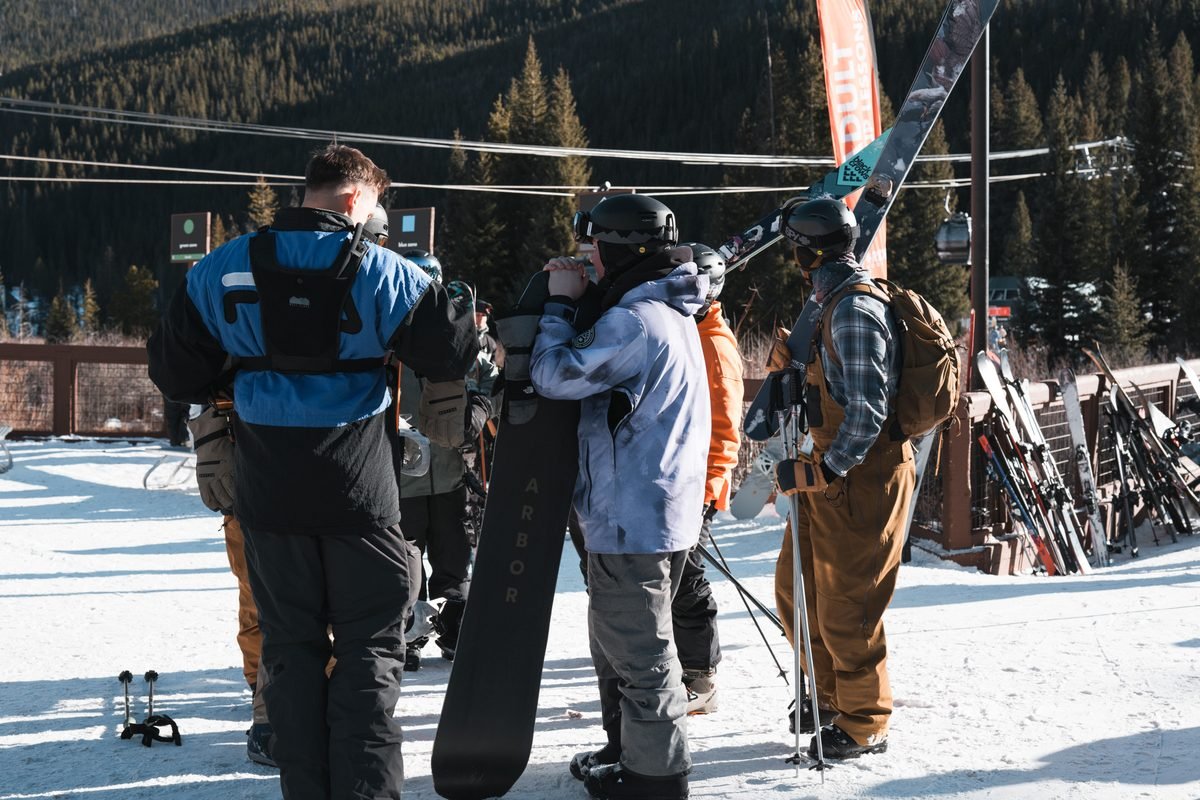
Renting gear in Korea is efficient, but the physical space inside resort rental halls can feel overwhelming at 09:00 on a Saturday. Understanding the rental sequence beforehand saves you half an hour of wandering between service counters in your thermal base layers.
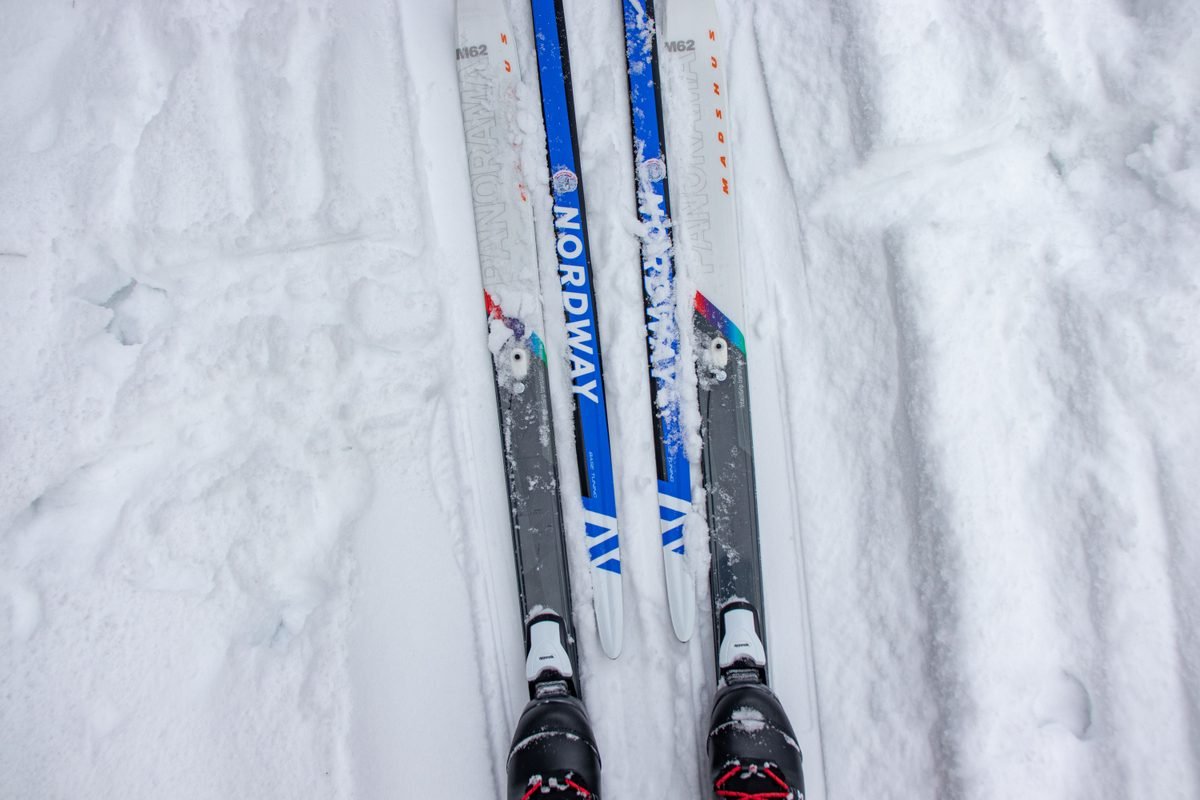
You have two rental options: on-resort rental houses or off-resort specialty ski shops lining the road into Daegwallyeong town. On-site resort rental packages cost about ₩36,000 (about $26) to ₩44,000 (about $32) for a half-day session, covering skis, boots, and poles (or snowboard and boots). Off-resort shops charge roughly ₩20,000 (about $15) to ₩28,000 (about $20) for standard gear and often stock superior carving skis and cleaner waterproof outerwear. Most off-resort shops deliver your boots and boards directly to the resort parking lot or run you there in private vans.
To rent inside the resort ski house, follow this exact routine:
- First, purchase your rental voucher at the outdoor ticketing window or indoor digital kiosk.
- Fill out the paper rental slip with your height, shoe size in millimeters (a US men’s 9 is 270mm), and weight.
- Trade your voucher and paper slip for boots at the boot counter, checking for a firm, snug fit across your ankle.
- Walk over to the board or ski counter with boots in hand to collect your matching skis and poles.
Outerwear rental (jacket and insulated pants) is separate and runs roughly ₩15,000 (about $11) to ₩25,000 (about $18) per session. Helmets are available for about ₩5,000 (about $4) and are strongly encouraged. Gloves, goggles, and neck warmers cannot be rented for hygiene reasons; you must bring your own or buy them on site.
Locker rooms require 500-won coins or digital payment terminals. Medium lockers take four 500-won coins (₩2,000) and hold two pairs of street shoes plus a medium backpack. Bring crisp paper cash.
Heads up: Bring Goggles and Gloves
Korean ski resorts do not rent goggles or gloves. Buying cheap ones at resort souvenir counters costs double what you pay in town, so pack them beforehand.
Lift Pass Bundles, Shift Timing, and Night Skiing
Korean ski resorts structure their lift ticketing around designated time shifts rather than generic day passes. Understanding these windows helps you avoid paying for slope time you spend eating lunch or changing boots. The mountain schedules also incorporate mandatory slope grooming breaks during which all chairlifts stop turning.
A standard ticketing split breaks the day into distinct sessions: Morning (usually 09:00 to 13:00), Afternoon (13:00 to 17:00), and Night (19:00 to 22:00 or 23:00). Between 17:00 and 19:00, ski patrol clears the mountain entirely for maintenance grooming. Never buy a pass that bridges this maintenance window unless you deliberately intend to take a two-hour dinner break. YongPyong also offers flexible hourly passes (such as 4-hour or 6-hour RFID cards) that activate the moment you pass through your first electronic turnstile gate.
Full rack-rate lift tickets cost around ₩82,000 (about $60) to ₩95,000 (about $70) for a daytime session. However, almost nobody pays full window price. Foreign passports frequently qualify for seasonal promotion discounts of 20% to 30% at the specialized foreign guest ticketing desks. Even better, purchasing packaged vouchers through platforms like Klook, Trazy, or resort winter packages slashes total costs. A bundled package including round-trip transport from Seoul, ski gear rental, and a half-day lift pass routinely costs around ₩95,000 (about $70) to ₩120,000 (about $88). Factoring these into your overall Korea travel budget per day keeps snow trips affordable.
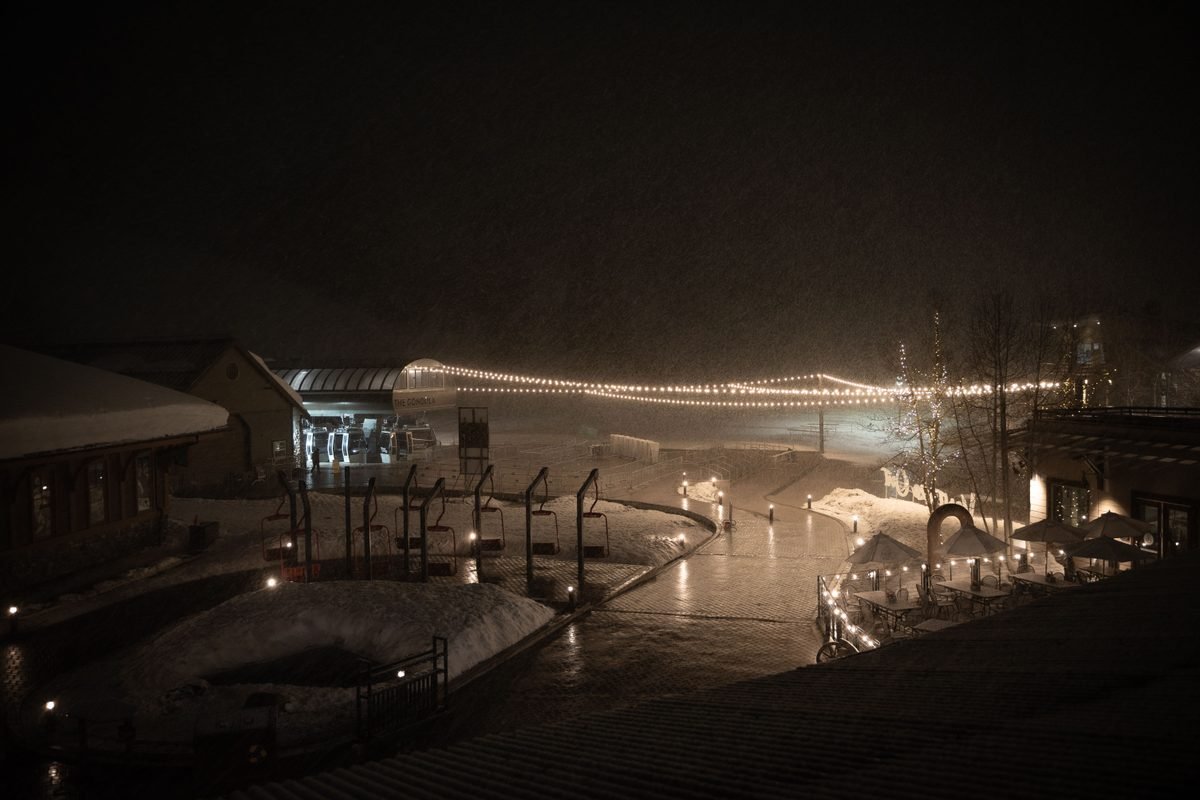
Night skiing in Gangwon is spectacular. Powerful floodlights illuminate the packed snow against the pitch-black pine forests, daytime queues vanish, and temperatures plunge. Snow surfaces firm up fast after dark. Keep your edges sharp.
From a local: Mind the 17:00 Break
Lifts shut down completely between 17:00 and 19:00 across all Pyeongchang resorts for grooming. Plan to eat your main evening meal during this window.
Booking English Ski Lessons Without Agency Markups
Taking a ski or snowboard lesson in Gangwon Province is an excellent investment, especially given the icy, hard-pack conditions that occasionally develop on Korean pistes. Both YongPyong and Alpensia host official ski academies, but finding fluent English instruction requires direct action. You cannot rely on walking up to the counter on Saturday morning expecting an English instructor.
Alpensia’s ski school maintains a dedicated international desk inside the main ticketing concourse. A private two-hour 1-on-1 English lesson through the resort academy costs approximately ₩280,000 (about $206), while a 1-on-2 lesson costs roughly ₩340,000 (about $250) total. Certified instructors carry badges from the Korea Ski Instructors Association (KSIA) or international equivalents like CSIA and NZSIA. For beginners, a two-hour morning block provides ample foundation to ride the chairlift safely by early afternoon.
At YongPyong, the Foreigner Ski School operates out of Tower Plaza. During December and January, demand is extreme. You should contact their ski school desk by email or via online booking portals at least two weeks before your trip. If resort academy slots are full, private bilingual guiding agencies operating out of Seoul offer full-day packages. These typically include transport, gear, and an instructor who stays with your small group throughout the day for about ₩180,000 (about $132) per person.
Instructors will teach you how to negotiate artificial snow surfaces, navigate lift gates, and steer clear of runaway beginners on crowded run-outs. A little guided technique goes a long way here.
Book ahead: Reserve Lessons Two Weeks Ahead
English-speaking instructors are in short supply during the January school holiday peak. Reserve through official resort channels two to three weeks out.
Where to Eat and Warm Up Off the Piste
Nothing beats thawing out over steaming broth after four hours in sub-zero winds. Ski resort dining in South Korea differs delightfully from Western ski towns. Instead of overpriced hamburgers and lukewarm cocoa, the base lodges deliver hearty, boiling bowls of Korean mountain food that recharge you instantly.
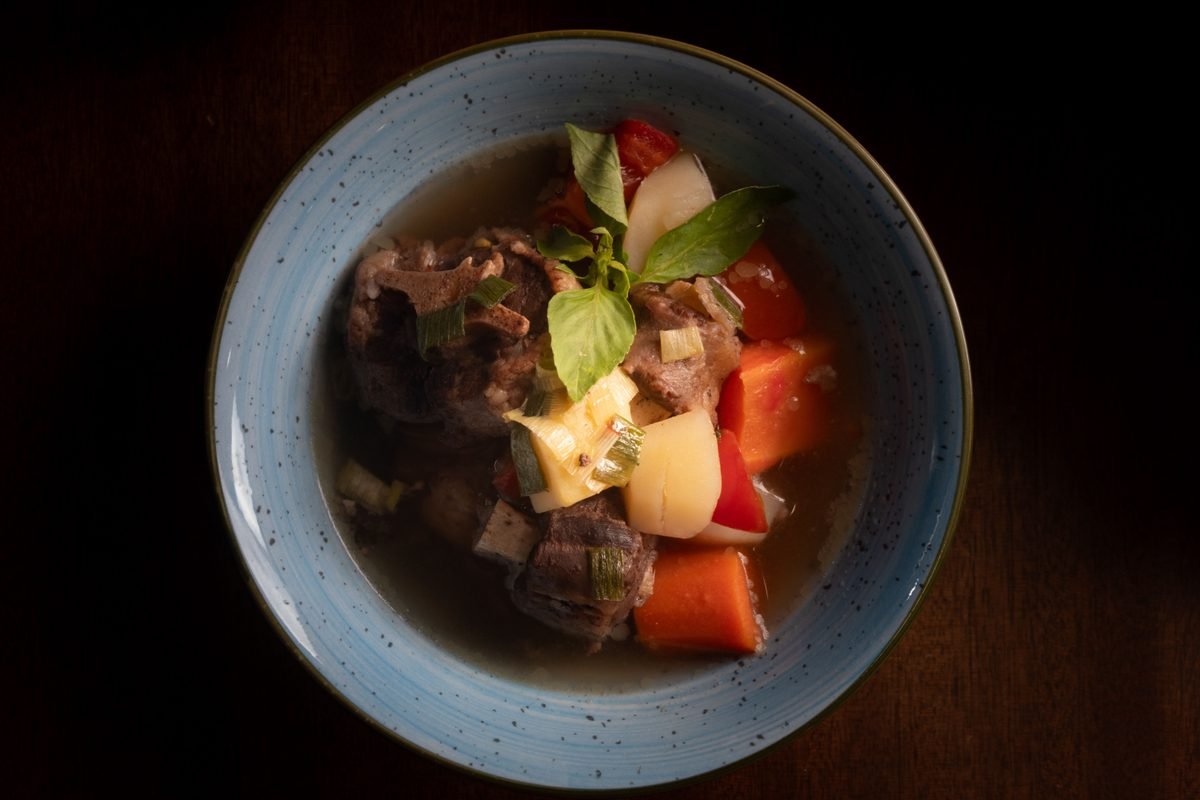
Inside YongPyong’s Dragon Plaza, the second-floor food court serves comforting bowls of yukgaejang (spicy beef and leek soup) for roughly ₩13,000 (about $10) and tonkatsu (pork cutlet) for ₩14,000 (about $10). For quick fuel between lift laps, stop by the snack shacks near the chairlift bases for odeng (fish cake skewers in hot broth) at ₩4,000 (about $3) for two skewers or tteokbokki for ₩6,000 (about $4). Standing outdoors wrapped in snow gear while sipping free paper cups of peppery fish cake broth is an essential Korean ski ritual.
If you have time for a sit-down dinner off the resort premises, take a ten-minute taxi into Daegwallyeong town (Hoenggye-ri). This small alpine hub is famous across Korea for hwangtae (pollock freeze-dried repeatedly on outdoor wooden drying frames in the mountain frost) and grilled Hanwoo beef. Sit down at a local diner for hwangtae-gui (grilled seasoned pollock) alongside bubbling hwangtae-guk (pollock broth) for about ₩16,000 (about $12) per person. The mild, deeply savory broth warms your core like nothing else. Finish the night sharing a cold bottle of local corn makgeolli before heading back to your lodge.
What it costs in Gangwon
| Item | Local price | USD |
|---|---|---|
| Round-trip Purple Ski Bus from Seoul | ₩40,000 | $29 |
| KTX round-trip Seoul to Jinbu (train alternative) | ₩43,800 | $32 |
| Half-day ski gear rental (skis, boots, poles) | ₩40,000 | $29 |
| Outerwear rental (jacket and pants) | ₩20,000 | $15 |
| Half-day lift pass (discounted foreign visitor rate) | ₩65,000 | $48 |
| Dragon Plaza lunch (yukgaejang soup and tea) | ₩15,000 | $11 |
| Mid-range pension room in Daegwallyeong town (per night) | ₩110,000 | $81 |
| Realistic total for a full day trip from Seoul | ₩180,000 | $132 |
Prices checked October 2026. Always confirm with the provider before you book.
Where to stay in Gangwon
Budget
Hoenggye-ri town center, for independent motels and family pensions
This working town sits five to ten minutes by local taxi from both YongPyong and Alpensia slopes, offering dozens of heated ondol rooms. You can walk to authentic Korean barbecue restaurants, convenience stores, and bus stops while paying ₩60,000 to ₩90,000 (about $44 to $66) per night.
Mid-range
Alpensia Village resort hotels, for ski-in ski-out access
Basing yourself directly inside the pedestrian village puts the ticket windows and rental counters within a three-minute stroll of your bedroom. Rooms in the core village properties run between ₩140,000 and ₩220,000 (about $103 to $162) on weekdays, saving you morning shuttle hassles.
Splurge
Mona YongPyong condo towers, for mountain views and Balwangsan access
Ideal for larger groups or families wanting multi-bedroom alpine apartments with private kitchens directly beside the Mega Green and Gold chairlifts. Nightly winter rates hover between ₩260,000 and ₩420,000 (about $191 to $309), placing you right in the heart of Korea's premier ski hub.
Mistakes to avoid
- Arriving without ski gloves and goggles, expecting to rent them on-site like boots and boards.
- Purchasing a pass that crosses the 17:00 to 19:00 mountain grooming closure, wasting two paid hours on the ground.
- Taking the KTX to Jinbu without checking local resort shuttle schedules, leaving you stranded in freezing parking lots.
- Skiing on weekends without pre-booking your return bus seat to Seoul, which can leave you waiting at the terminal for the next bus with a free seat.
- Underestimating windchill on Balwangsan summit, where temperatures easily drop past -15°C (5°F).
FAQ
What is the best month to follow this gangwon-do ski resort guide for foreigners?
Mid-December through late February offers the most reliable snow cover and full slope operation. January brings the coldest weather and best powder quality, though weekend crowds peak during Korean school holidays.
Can I ski in Gangwon-do as a complete beginner?
Yes, Alpensia is tailor-made for first-timers with broad, gentle beginner runs and uncrowded lift lines. YongPyong also features dedicated beginner slopes like Yellow and Mega Green, though navigating the larger crowds requires more awareness.
Do I need to speak Korean to rent equipment and take lessons?
No, staff at both resorts handle foreign guests daily and paper rental forms feature English translations. However, you should book English-language ski lessons in advance online rather than relying on walk-in availability.