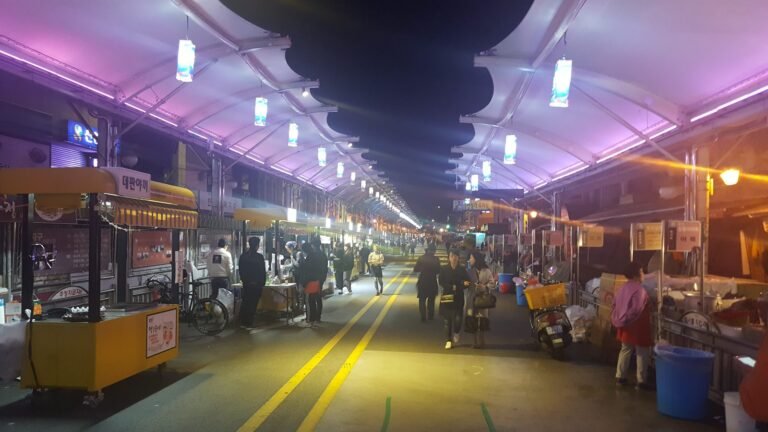
Korean BBQ Guide for First Timers: Seoul Local Tips

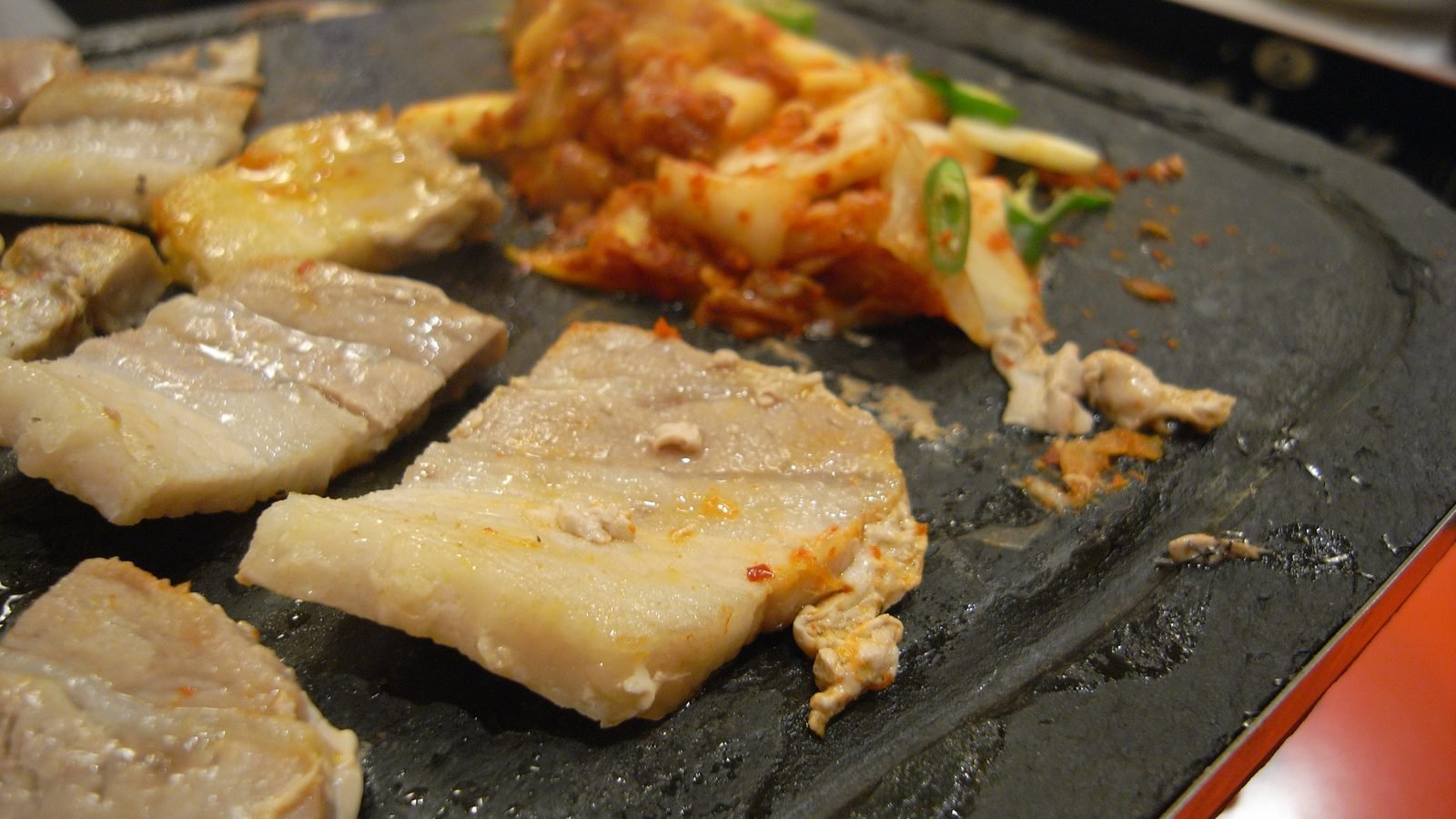
At 8:00 PM in Jongno, the thick scent of charred pork belly and toasted sesame oil hangs over the alleyways. You hear the rhythmic clatter of metal tongs striking hot grills and the hiss of cold beer bottles popping open. This is my neighborhood on a Tuesday night. This is where real Seoul happens.
For travelers, walking into a smoky, fast-paced grill house can feel incredibly intimidating. This Korean BBQ guide for first timers covers everything you need to navigate the menu, understand grilling etiquette, and eat like a local in Seoul.
Our ultimate Korean BBQ guide for first timers in Seoul
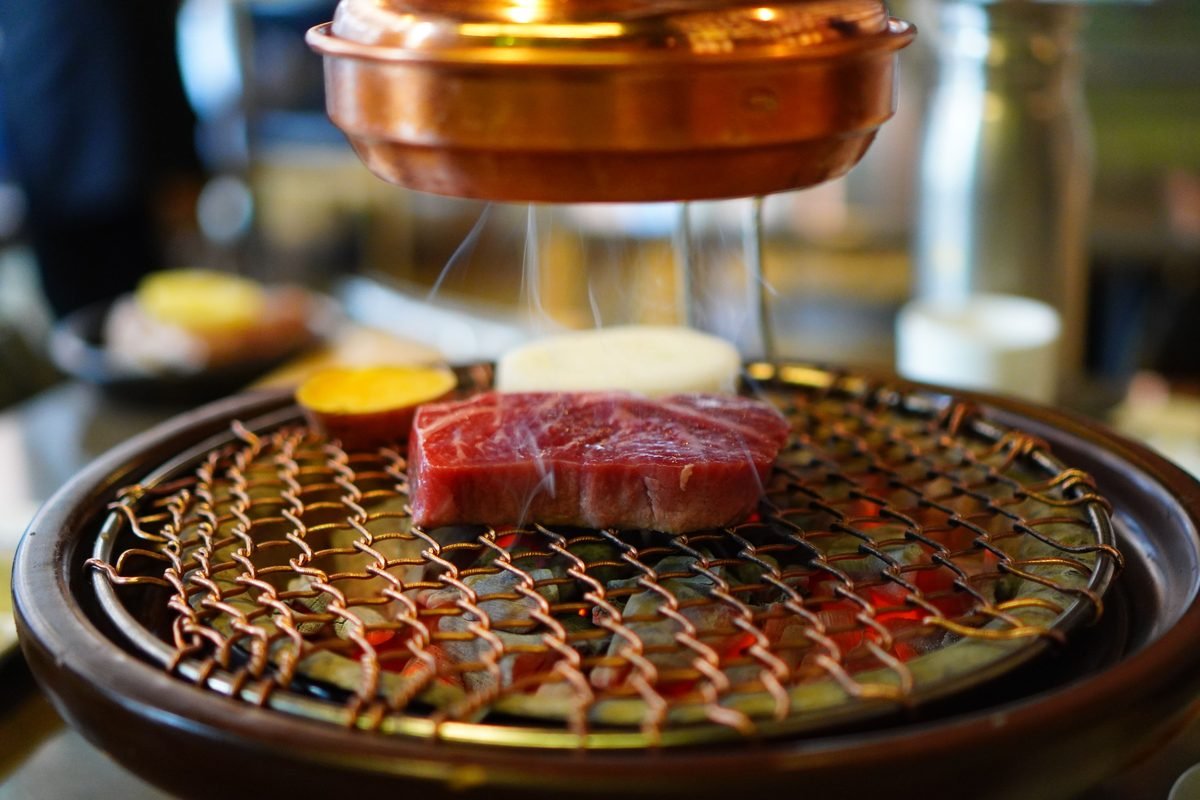
First, put away Google Maps. It does not work for walking directions in Seoul. Download Naver Map or KakaoMap instead before you leave your hotel. Type in “gogi-jib” (meat house) or simply search for “samgyeopsal” to find highly rated local spots near you. You do not need to hunt down high-end tourist places to get an exceptional meal. In fact, some of the best meat in the city is served in unassuming alleys behind major subway stations. Look for the silver exhaust pipes hanging low over round metal tables. If you see a crowd of local office workers sitting on plastic stools outside, you have found a winner. It is that simple. Before you set off, read our guide on how to navigate the Seoul subway system to make getting around even easier.
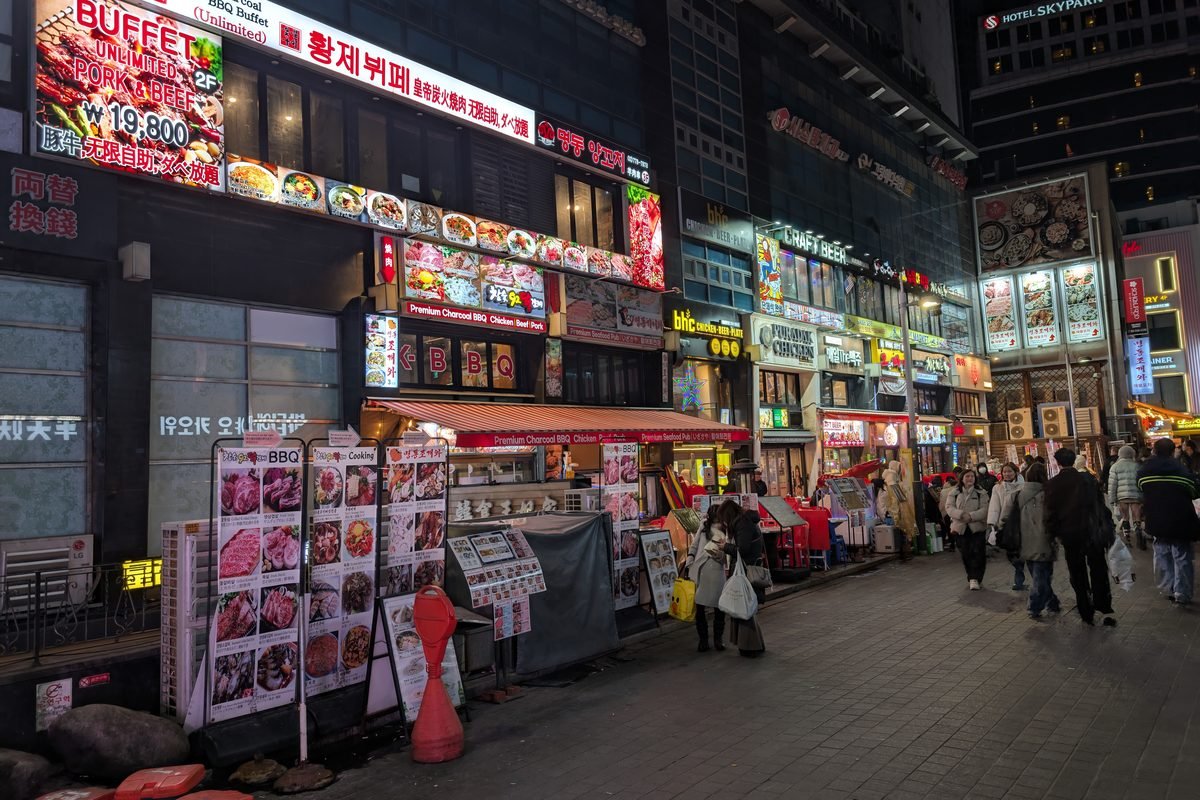
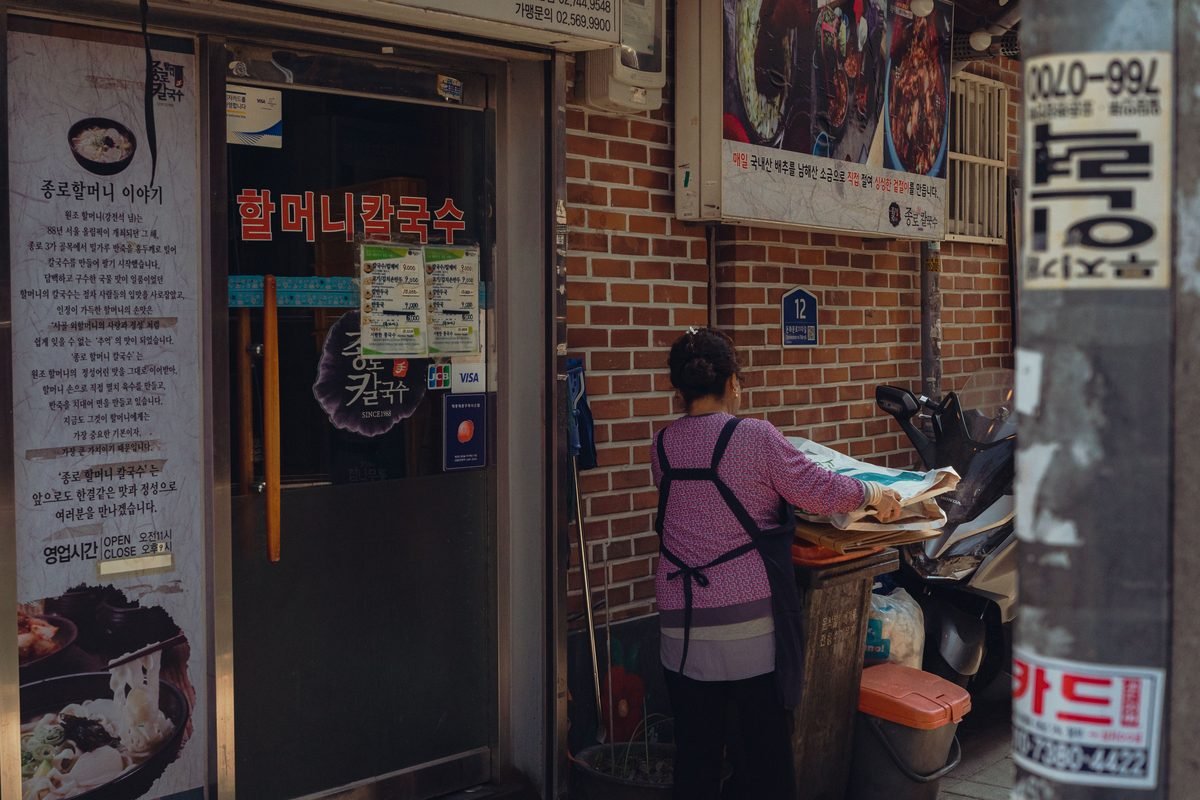
Navigating these neighborhoods on foot is part of the adventure. In areas like Jongno or Mapo, the density of restaurants is staggering. Walk down any side street and let your nose guide you. Look for signs that say gogi (고기), which means meat. Many traditional spots have sliding glass doors that stay open during the cooler autumn months, letting the savory smoke spill into the street. Do not be afraid to walk in even if the menu on the door is entirely in Korean. Most servers are incredibly patient, and many places now have English menus or digital tablets at the table. Just look for the nearest subway exit, open your local map app, and start walking. You will find a great meal within five minutes of almost any station in central Seoul. If you are taking the subway, Mapo Station (Line 5) or Jongno 3-ga Station (Lines 1, 3, and 5) are the absolute best starting points. Exit 6 of Jongno 3-ga leads directly into a maze of alleyways where outdoor tables line the streets. It is an incredible sensory experience.
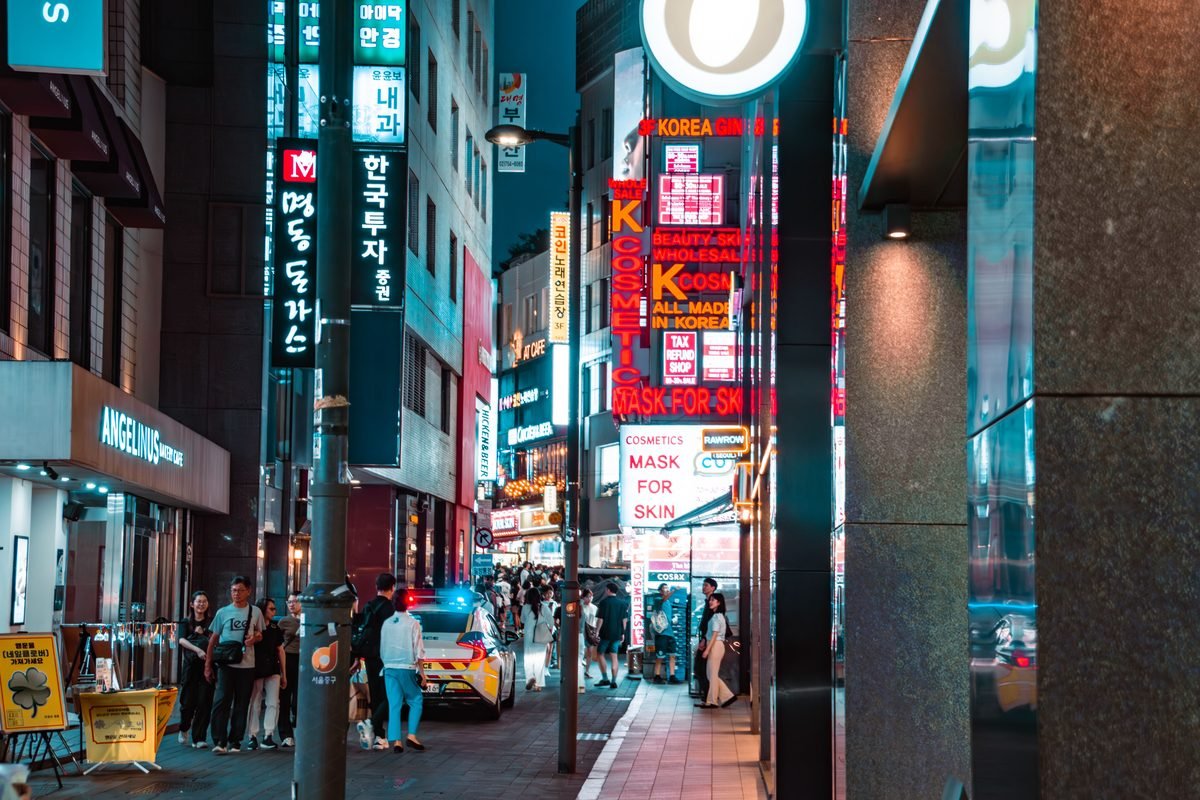
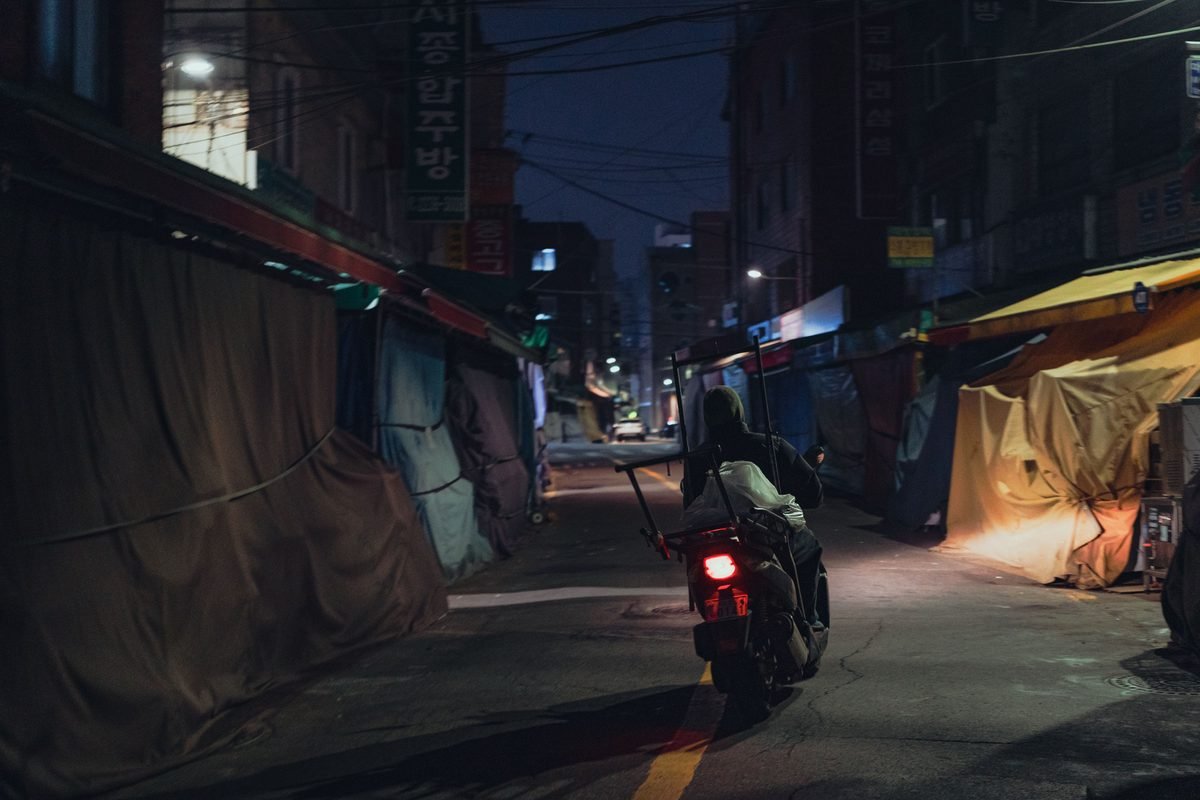
When to go for the best BBQ experience
Timing is everything. In Korea, dining out for pork or beef is a highly social, evening affair. Most traditional meat joints do not open until late afternoon, typically around 4:00 PM or 5:00 PM. The real rush begins right after office hours end. Between 6:30 PM and 8:30 PM, the most popular spots will have long queues. If you want to avoid a forty-minute wait on a chilly night, aim to arrive early. Getting to the restaurant by 5:30 PM almost guarantees you a table immediately.
Alternatively, you can go for a late-night session after 9:00 PM when the first wave of diners starts to clear out. This is also when the atmosphere gets lively. You will see groups of coworkers participating in hoesik (company dinners), sharing stories and raising glasses of green-bottled liquor. Avoid Friday and Saturday nights if you dislike loud, crowded spaces. Weekdays, especially Tuesdays and Wednesdays, offer a fantastic balance of local energy without the massive weekend crowds. Some modern chain restaurants do open for lunch, offering excellent lunch specials that are lighter on the wallet. However, the true, authentic charcoal experience is best saved for the evening. The dim lighting, the roar of the exhaust fans, and the general clamor of a busy dining room are essential parts of the ritual. This is not fast food. Give yourself at least two hours for the meal. It is a slow, interactive feast meant to be savored over deep conversation and cold drinks. Keep in mind that some historic spots close relatively early, around 10:00 PM, while others in nightlife districts like Hongdae stay open until sunrise. Always check the operating hours on Naver Map before making a long trek across the city.
What to order: samgyeopsal vs galbi and minimum orders
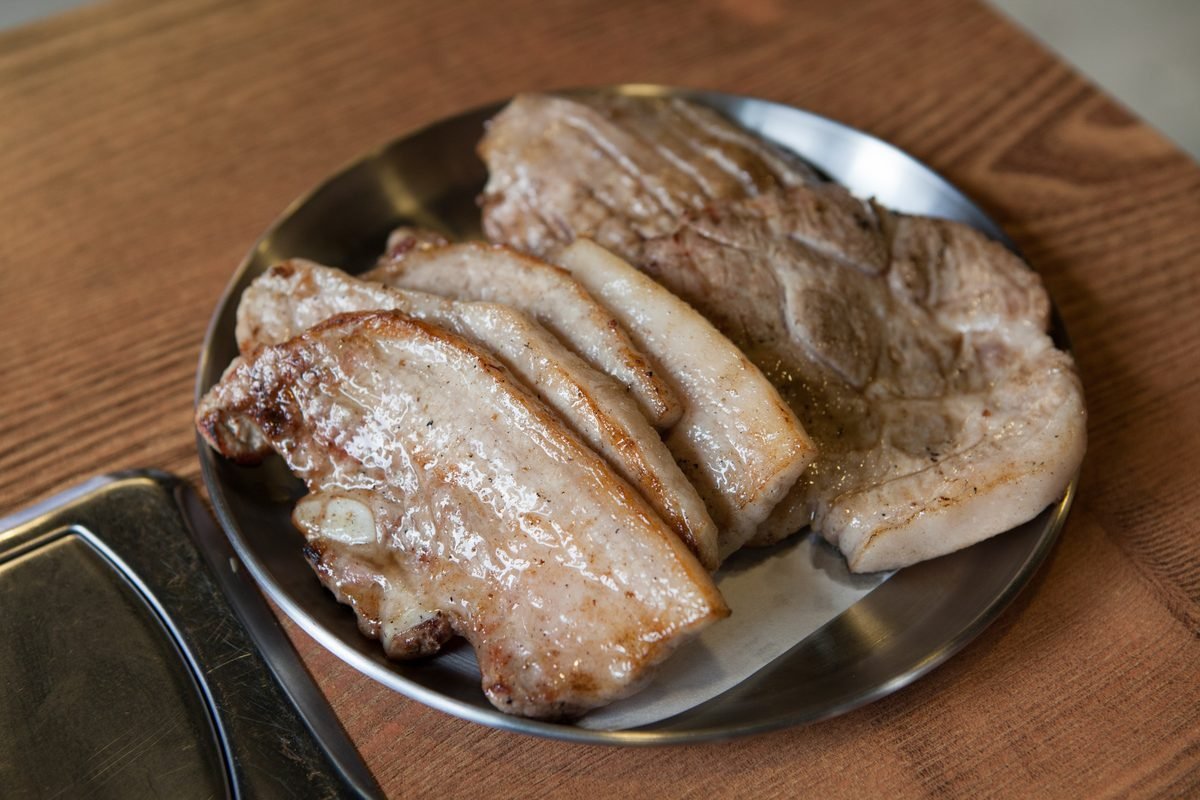
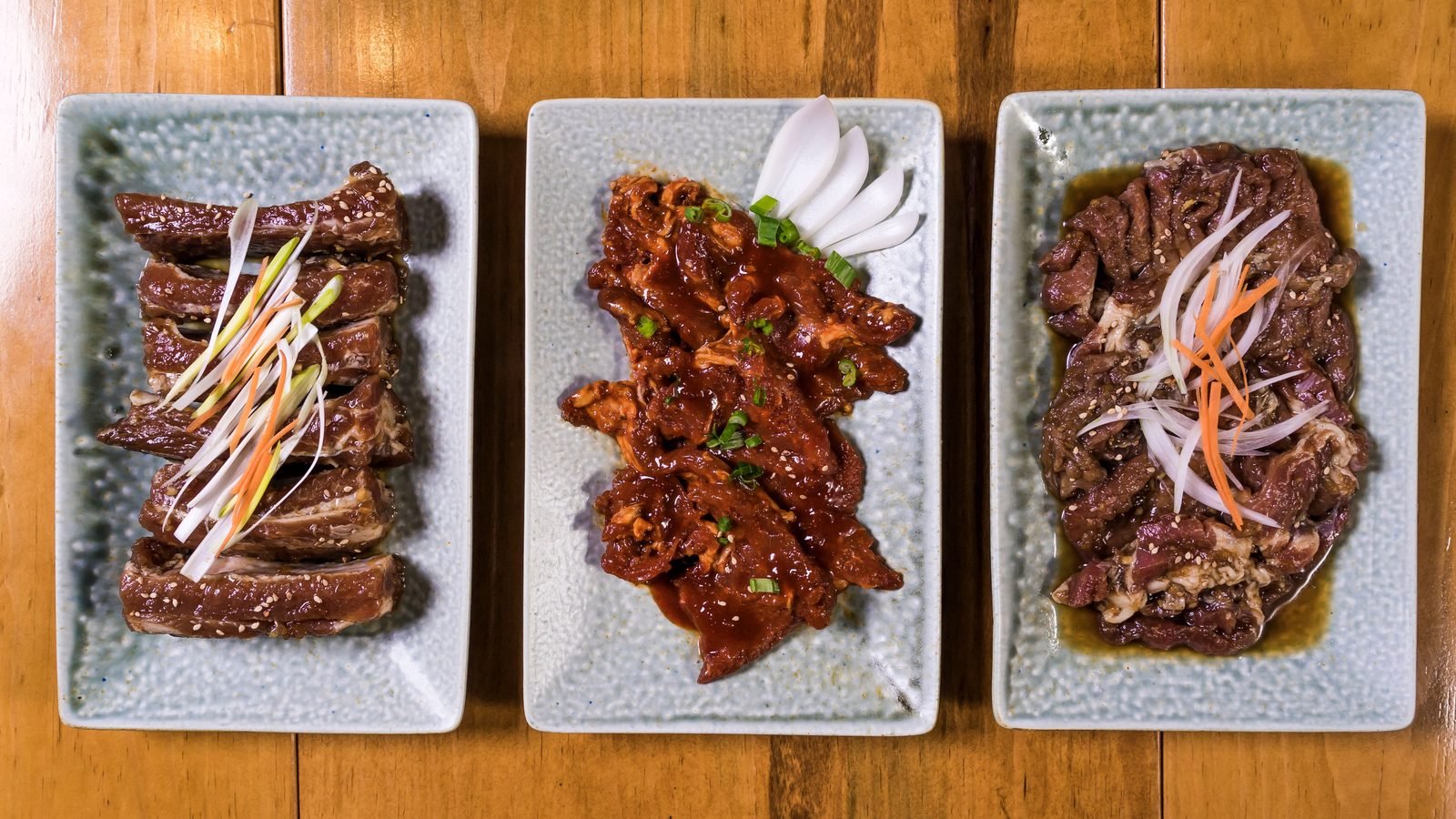
The menu at a Korean meat house can look confusing, but you only need to know a few key cuts. The undisputed king of the table is samgyeopsal (삼겹살), which is thick-cut, unmarinated pork belly. It has beautiful layers of fat and meat that crisp up perfectly on the grill. If you prefer something leaner, order moksal (목살), which is pork neck. It is tender, juicy, and behaves more like a traditional steak. For beef lovers, galbi (갈비) is the ultimate choice. You can get it marinated (yangnyeom-galbi) in a sweet, savory soy sauce blend, or unmarinated (saeng-galbi) to enjoy the natural flavor of the beef.
Here is the most important rule for first-timers: the minimum order. Almost every grill house requires a minimum order of two portions of meat to start. This is called 2-inbun (이인분). If you are dining as a couple, this is easy. You can order two portions of pork belly. If you are dining alone, you must still order two portions. It is simply how the business model works because setting up the charcoal and the side dishes is labor-intensive. Note that you usually cannot mix and match your initial order. You cannot order one portion of pork belly and one portion of marinated beef to start. The grill plates used for marinated meat are different from the ones used for unmarinated pork belly. Start with two portions of your primary pork choice. Once those are finished, the staff can change your grill plate if you decide to switch to a marinated cut for your second round. A single portion of pork belly typically costs around ₩18,000 (about $13.50) depending on the grade of the meat. High-end beef galbi can easily run over ₩42,000 (about $31.50) per portion. Always check the weight listed on the menu, which is usually 150 to 200 grams per serving.
Heads up: The Two-Portion Minimum Rule
Even if you are dining alone, you must order at least two portions of meat. This covers the cost of setting up the hot charcoal and the array of free side dishes.
How to eat: ssam wrapping, refills, and grilling etiquette
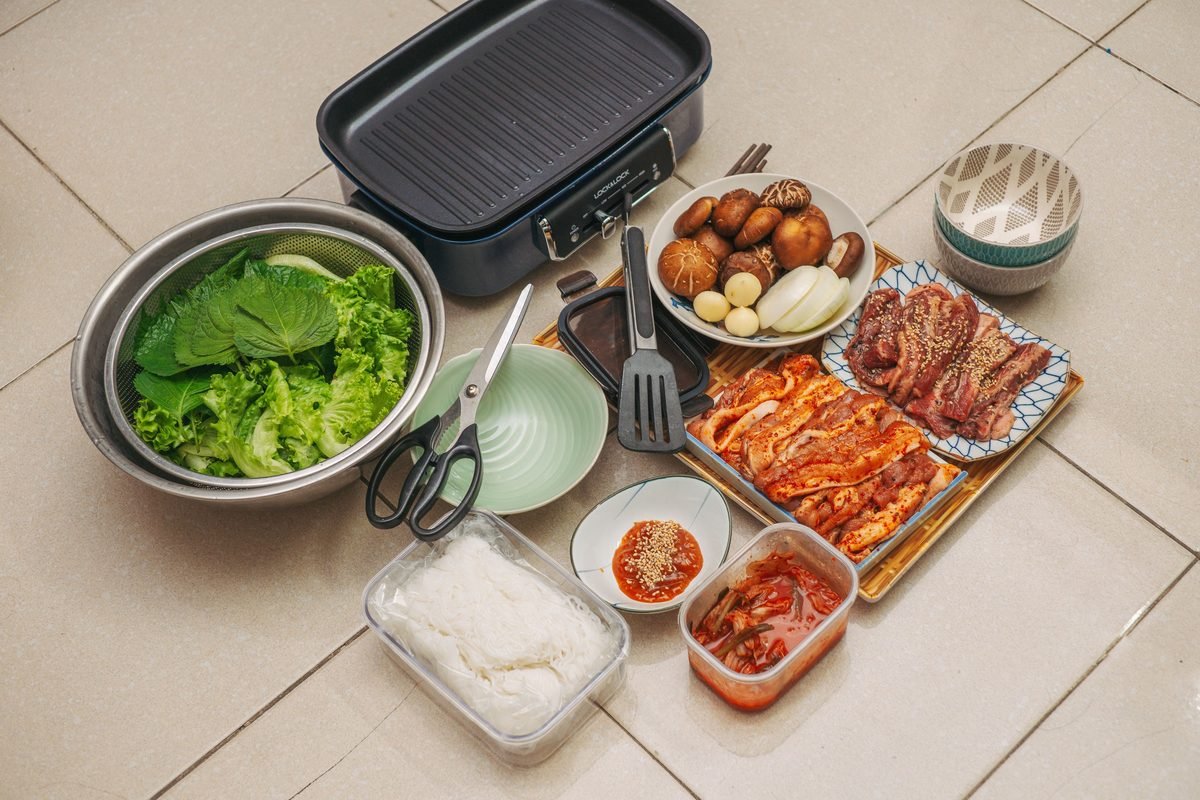
Once the hot charcoal arrives, the real fun begins. In many traditional places, you are expected to grill the meat yourself. The server will drop the raw cuts onto the hot metal, but it is your job to keep an eye on them. Use the long metal tongs to flip the meat. Once the pork belly is browned on both sides, use the large kitchen scissors provided to cut the strips into bite-sized pieces. Let them cook for another minute until the edges are beautifully crisp. In some modern or upscale restaurants, the staff will do the cooking for you. If you see a server handling the tongs, let them do their work. It is considered polite to wait until they give you the nod that the meat is ready.
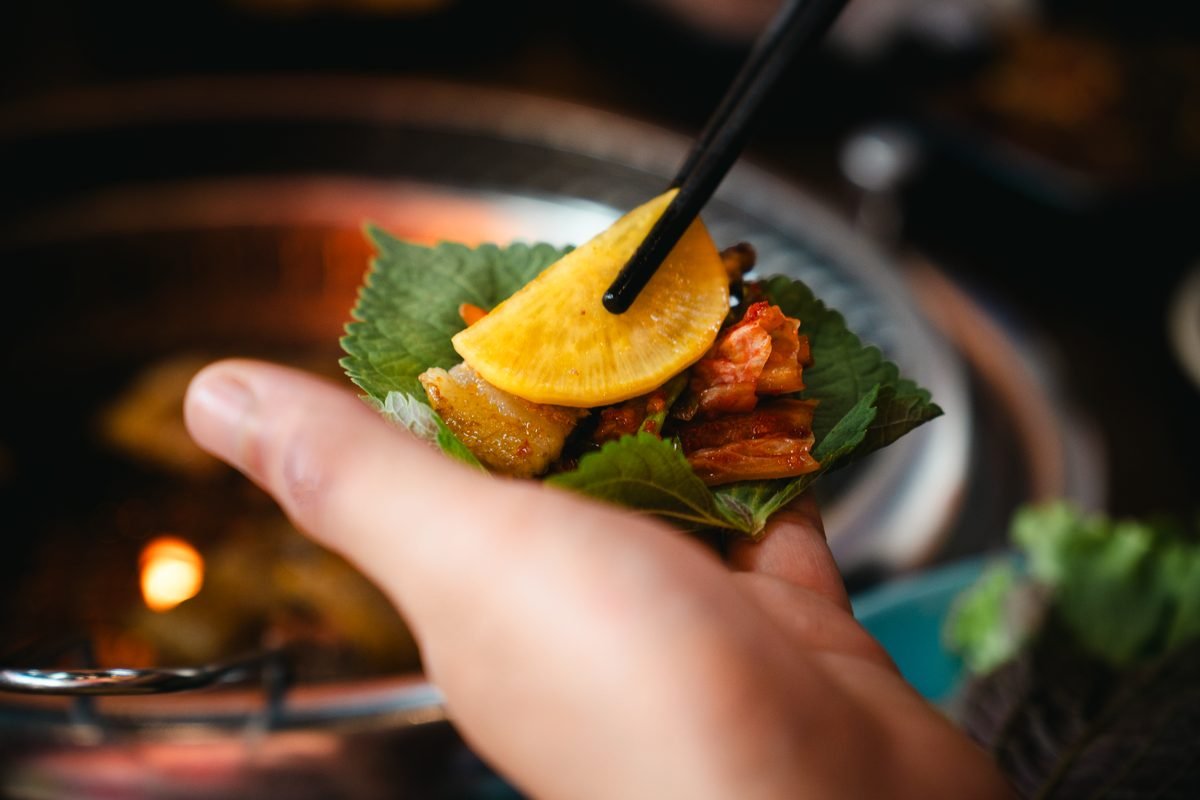
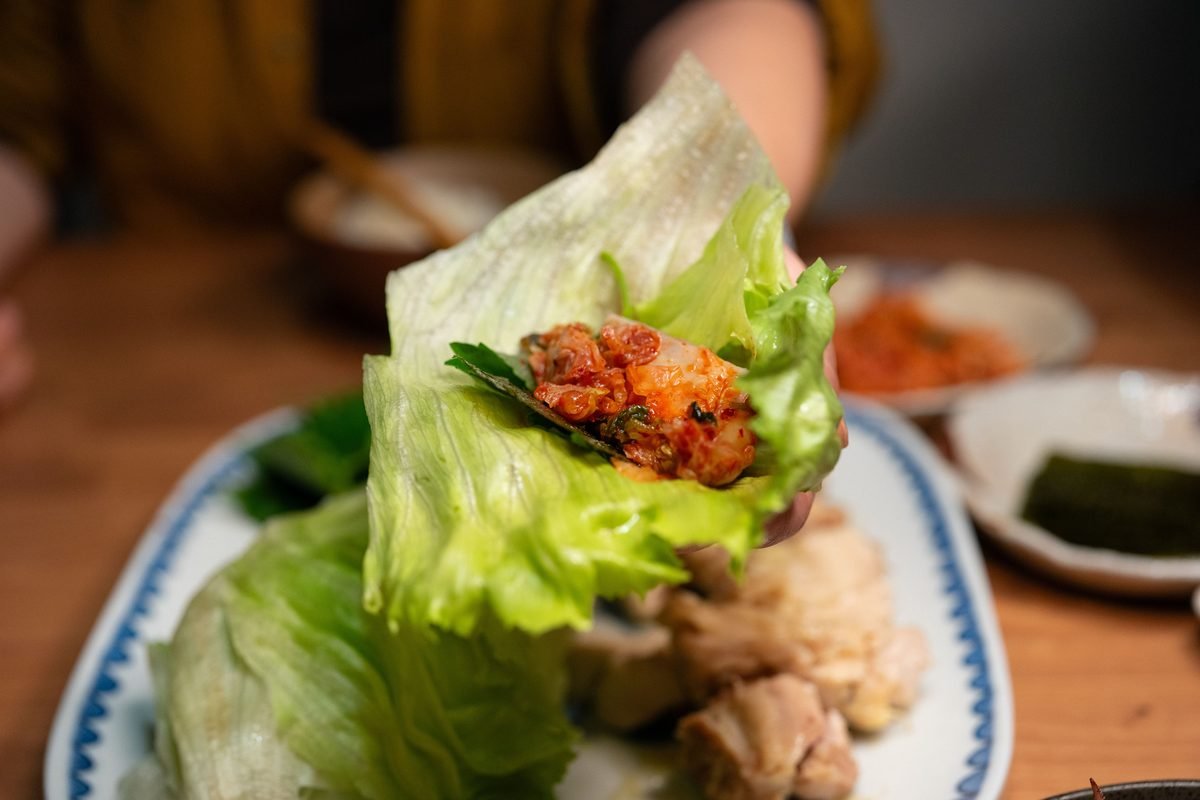
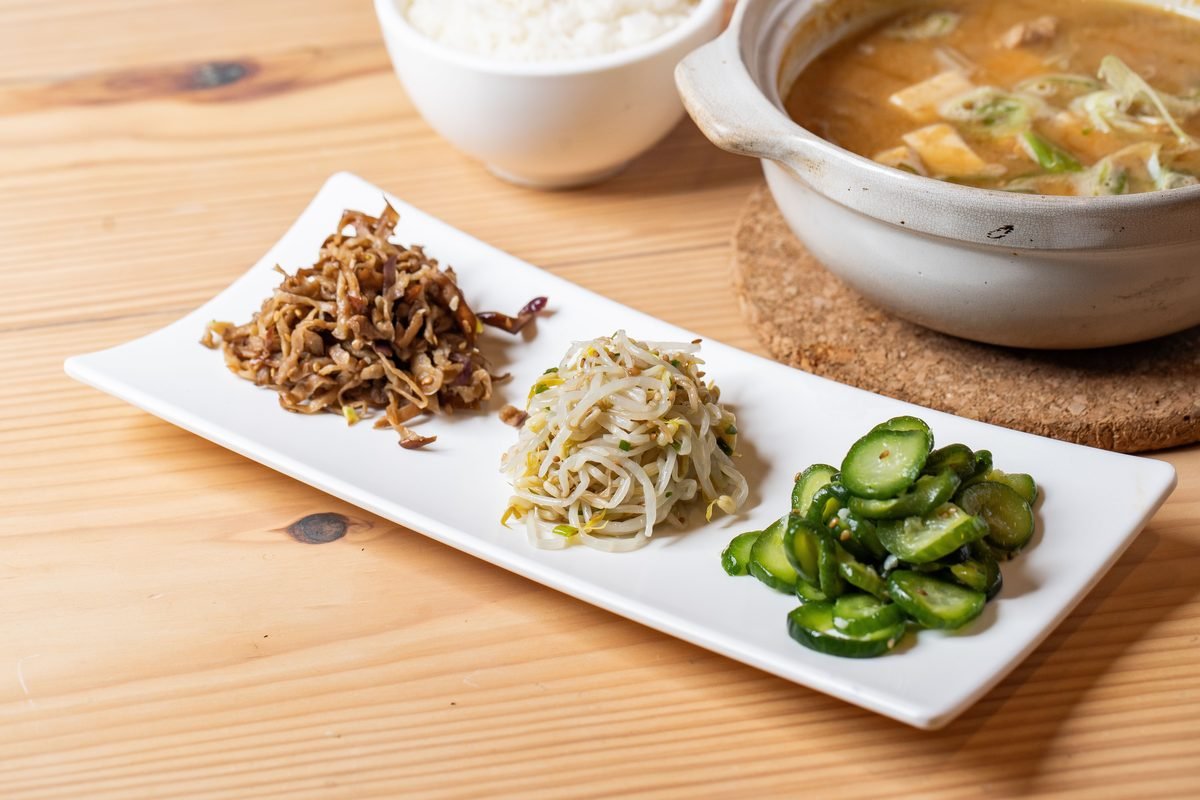
Now, let us talk about ssam (쌈), the art of the wrap. Take a fresh lettuce leaf or a perilla leaf in the palm of your hand. Dab a piece of grilled meat into ssamjang—a thick, savory paste made of fermented soybeans and chili. Place the meat in the center of the leaf. Add a slice of grilled garlic, some seasoned green onion salad (pa-muchim), and maybe a piece of kimchi. Fold the leaf over into a neat, compact parcel. The golden rule is to eat the entire wrap in one single bite. Do not bite it in half, as this is messy and considered bad manners. Do not forget about the banchan (반찬), the small side dishes that cover your table. These are completely free and unlimited. If you run out of pickled radish, salad, or kimchi, look for a self-service bar. If there is no self-serve station, simply catch a server’s eye and ask for a refill. Simply point to the empty dish and say deo juseyo (more please). They will gladly bring you a fresh mound of side dishes at no extra charge.
From a local: Grill Your Garlic
Don’t eat the garlic slices raw unless you want a very sharp bite. Place them on the outer edge of the grill plate to roast them into sweet, golden morsels.
Where to eat: Mapo and Jongno neighborhoods
While you can find excellent grill houses in every corner of Seoul, two neighborhoods stand out as legendary destinations for meat lovers. The first is Mapo-gu, located north of the Han River. Mapo is historically famous for its pork alleys. Decades ago, boatmen and merchants would gather here to eat cheap, delicious grilled pork. Today, the area around Mapo Station is packed with historic establishments serving incredible dwaeji-galbi (marinated pork ribs). The meat here is marinated for hours in sweet soy sauce, resulting in an incredibly tender texture. If you want to experience a classic, smoky atmosphere with decades of history, Mapo is the place to go.
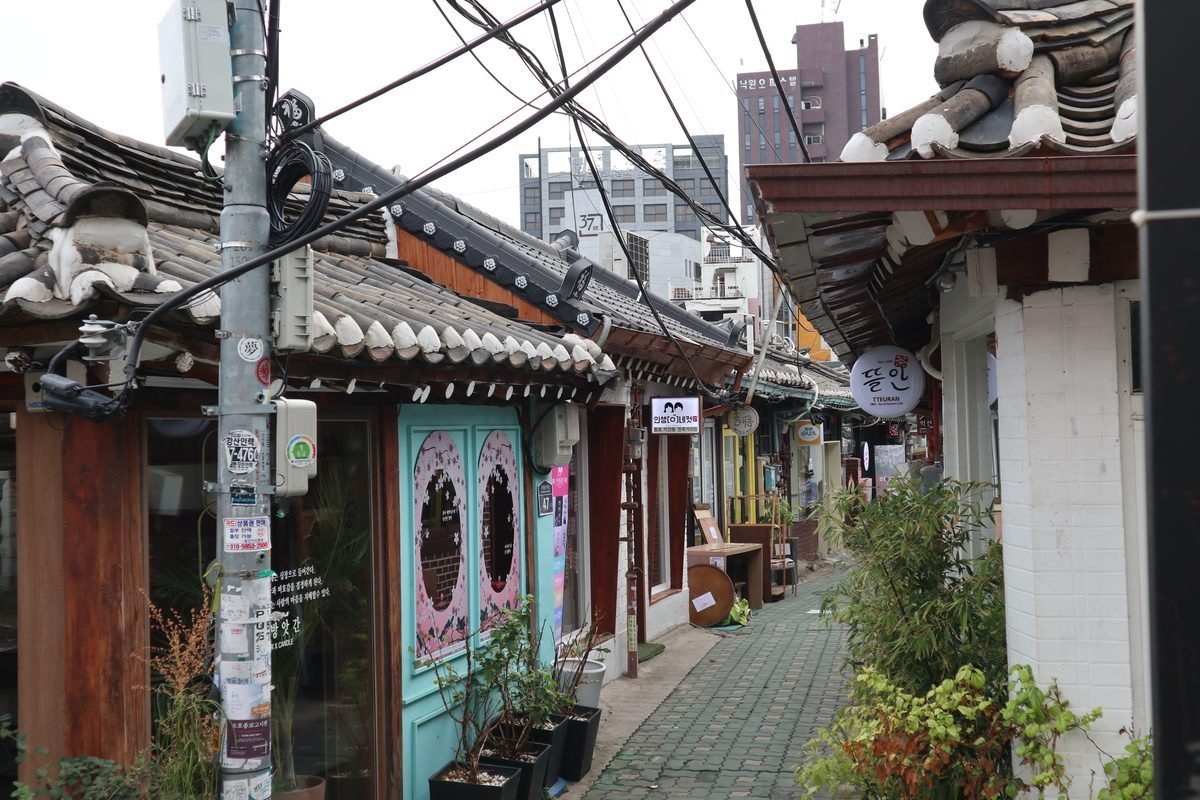
The second essential neighborhood is Jongno. Located in the historic heart of Seoul, Jongno is a maze of narrow alleyways tucked between modern office towers. Here, you will find the famous Jongno 3-ga Samgyeopsal Street. As soon as the sun sets, restaurants spill out into the lanes. Hundreds of people sit at plastic tables under colorful awnings, grilling pork belly in the open air. It is loud, chaotic, and incredibly fun. The contrast between the ancient alleys and the glowing skyscrapers in the distance is remarkable. Eating here feels like stepping back in time. You will get a true taste of Seoul’s working-class dining culture. If you choose the marinated ribs of Mapo or the open-air pork belly of Jongno, you are guaranteed an authentic experience. Just remember to dress casually, as your clothes will inevitably carry the delicious scent of wood smoke and grilled pork long after the meal is over. For a great self-guided night out, you can combine a walk through the nearby Ikseon-dong alleys with a late-night feast in Jongno. The two areas are just a short walk apart, making it easy to transition from trendy cafes to rustic grill tables.
Practical tips for your first Korean BBQ meal
Before you sit down, look closely at your chair. Many grill houses use round plastic stools or benches with hollow interiors. Lift the seat cushion. You will find a storage compartment designed specifically for your jacket, bag, and scarf. Stashing your belongings inside keeps them safe from stray grease splatters and prevents them from smelling like charcoal smoke. If your seat does not open, ask the staff for a large plastic bag (bong-ji) to seal your coat inside.
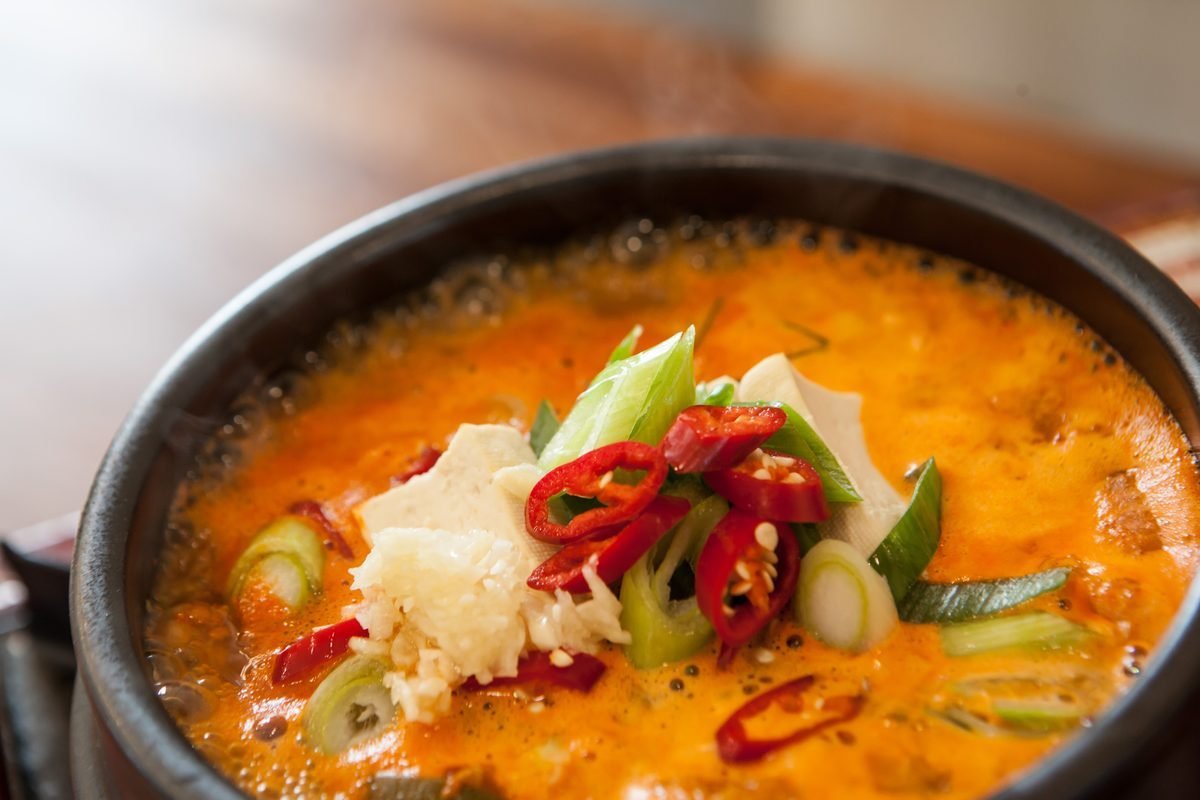
When it comes to ordering, do not just stick to meat. To eat like a local, you should order a side of doenjang-jjigae (fermented soybean paste stew) or kimchi-jjigae (spicy kimchi stew) along with a bowl of steamed rice. The hot, savory broth cuts through the richness of the pork belly beautifully. Many places will even throw in a small stew for free when you order multiple portions of meat. At the very end of the meal, order a bowl of naengmyeon (cold buckwheat noodles). The icy, tangy broth is the traditional way to cleanse your palate and cool down after sitting next to a hot grill.
Finally, let us talk about payment. Tipping is absolutely not practiced in South Korea. If you leave extra cash on the table, the server will run down the street to return it to you. When you are finished, simply walk to the cash register near the front door to pay. Splitting the bill on multiple cards is generally accepted, but it is much easier to have one person pay and settle up later using cash or bank transfers. If you are traveling solo, note that you will still need to order the two-portion minimum. Do not let this deter you; many solo travelers happily polish off two portions of pork belly after a long day of exploring Seoul’s historic palaces.
Tip: Protect Your Clothes
Look for plastic aprons hanging on the walls or ask the staff for an ‘apron’ (ap-chi-ma) to protect your clothes from stray grease splatters.
What it costs in Seoul
| Item | Local price | USD |
|---|---|---|
| Samgyeopsal (Pork Belly, 1 portion) | ₩18,000 | about $13.50 |
| Galbi (Marinated Beef, 1 portion) | ₩42,000 | about $31.50 |
| Doenjang-jjigae (Soybean Stew) | ₩5,000 | about $3.75 |
| Naengmyeon (Cold Noodles) | ₩8,000 | about $6.00 |
| Soju or Local Beer (1 bottle) | ₩5,000 | about $3.75 |
| Realistic Daily Food Total (including BBQ dinner) | ₩45,000 | about $33.75 |
Prices checked September 2026. Always confirm with the provider before you book.
Mistakes to avoid
- Trying to order just one portion of meat as a solo diner.
- Biting a ssam wrap in half instead of eating it in one mouthful.
- Leaving the marinated meat on the flat pork-belly grill plate without asking for a grill change.
FAQ
Can I eat Korean BBQ alone in Seoul?
Yes, but you must order at least two portions of meat. Most restaurants have a strict minimum order rule because of the charcoal setup and free side dishes.
Do I need a Korean BBQ guide for first timers to understand the menu?
While a Korean BBQ guide for first timers helps you understand cuts like samgyeopsal and galbi, most modern Seoul restaurants have English menus or picture tablets to make ordering simple.
Are the side dishes at Korean BBQ really free?
Yes, all banchan side dishes are completely free and unlimited. You can ask the server for refills or top up your plates at the self-service salad bar.
Who is supposed to cook the meat at the table?
At traditional, budget-friendly spots, you are expected to grill and cut the meat yourself. At upscale places, the staff will handle the tongs and scissors for you.
Do I need to tip the servers at a BBQ restaurant in Korea?
No, tipping is not practiced anywhere in South Korea. The price on the menu is exactly what you pay at the front counter when leaving.