Korea Travel Budget Per Day: Real Costs and Tips

Standing in a brightly lit convenience store in Seoul, I tapped my transit card to buy a ₩1,500 (about $1.10) carton of sweet banana milk before walking out into the cool evening air. I live in Seoul. Over the years, I have watched this metropolis grow into one of the most sought-after destinations on earth, yet it remains surprisingly affordable if you understand how local systems work. You do not need to spend a fortune to have an incredible experience here, but you do need to know where your money actually goes.
This comprehensive guide is written for independent travelers who want to take control of their own itinerary. We will map out a realistic Korea travel budget per day across three distinct travel styles, covering everything from high-speed trains and local diners to aesthetic cafes and historic palaces. You will also discover the silent budget leaks that can drain your wallet and get a clear picture of what a week in South Korea really costs.
Transit costs and getting around South Korea
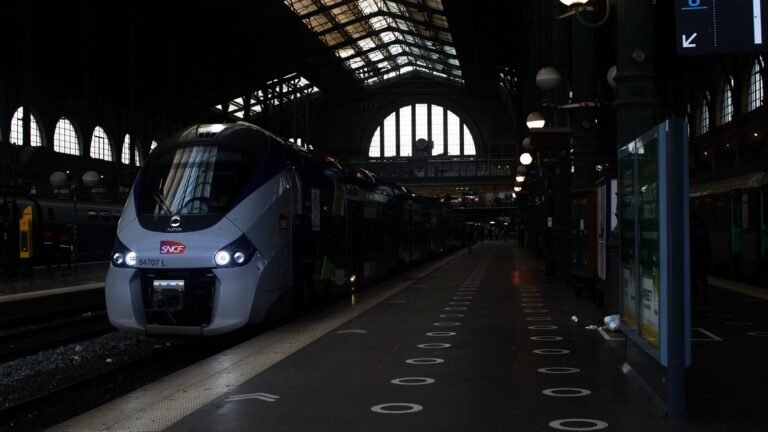
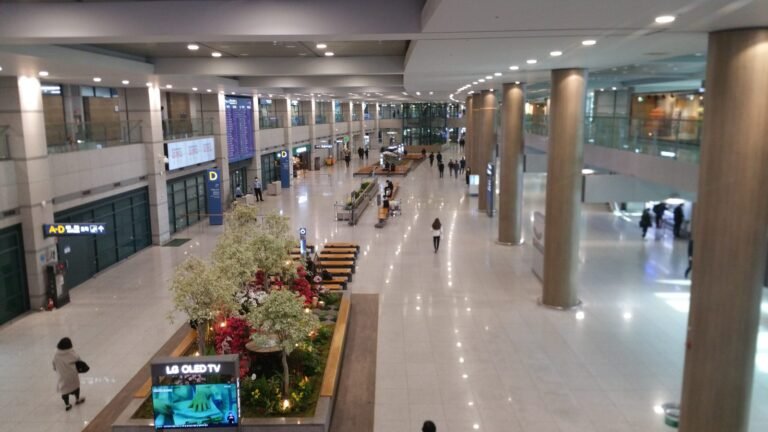
Getting around South Korea is incredibly efficient and remarkably cheap, provided you steer clear of private transfers. Your transit budget starts the moment you land at Incheon International Airport. To reach the city center, you have two primary rail options. The premium AREX Express train runs non-stop to Seoul Station for ₩11,000 (about $8.20) in forty-three minutes. Alternatively, the All-Stop train costs about ₩4,500 (about $3.35) from Terminal 1 and takes under an hour, stopping at major hubs like Hongik University along the way.
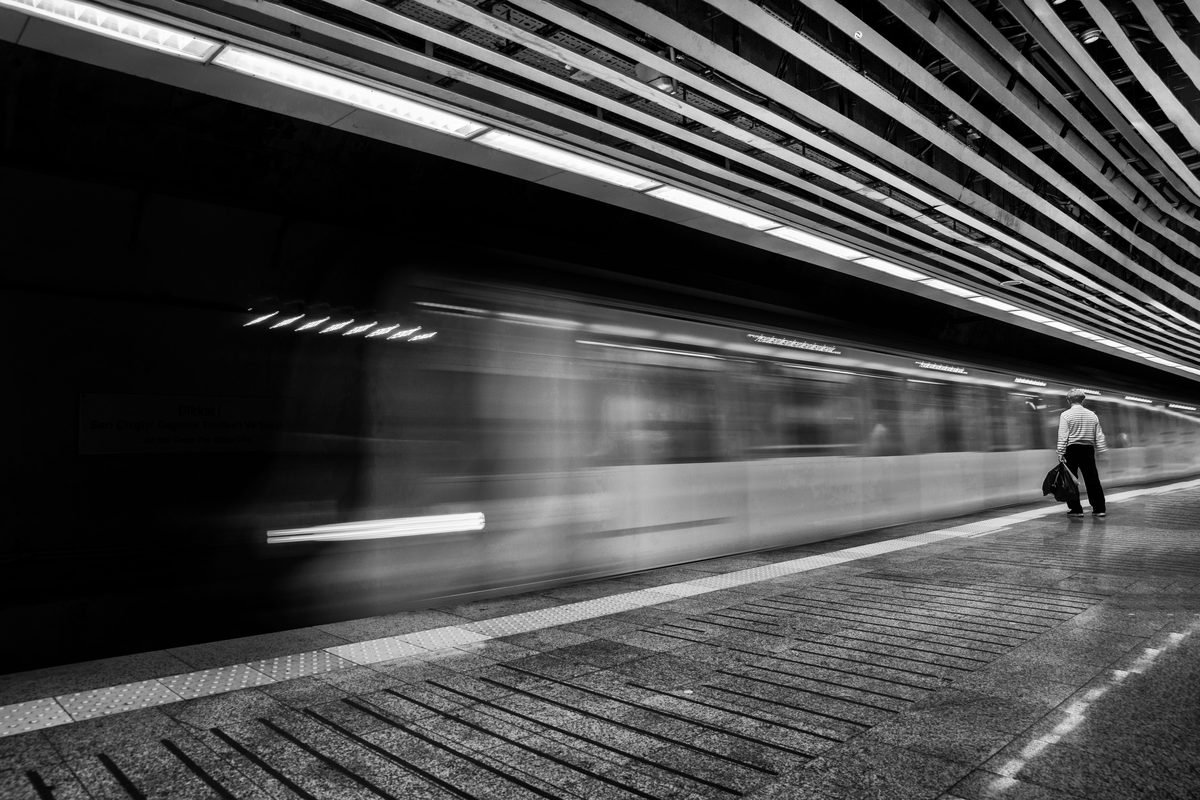
For daily travel within cities, you must purchase a physical T-money card. The blank card costs ₩4,000 (about $3.00) at any convenience store, and you can top it up with cash at subway stations. The base subway fare in Seoul is ₩1,550 (about $1.15), while a city bus ride costs ₩1,500 (about $1.10). In Busan, a single subway ride is slightly different at ₩1,600 (about $1.20). These systems allow free transfers between buses and subways within forty minutes, making public transit your best financial ally.
When traveling between provinces, the high-speed KTX train is your fastest option. A standard seat from Seoul to Busan costs ₩59,800 (about $44.50), while a journey from Seoul to historic Singyeongju station in Gyeongju costs ₩49,300 (about $36.70). If you prefer a slower, more scenic route, regional express buses cost roughly half the price of the train. To navigate these routes, do not rely on Google Maps, as it does not provide walking or transit directions in Korea. Instead, download Naver Map or KakaoMap before you arrive.
From a local: Tap off every time
Always tap your transit card on the reader when exiting any bus in Korea. If you forget, you will lose your free transfer window and get charged a penalty fare on your next ride.
Best times of year for budget travel
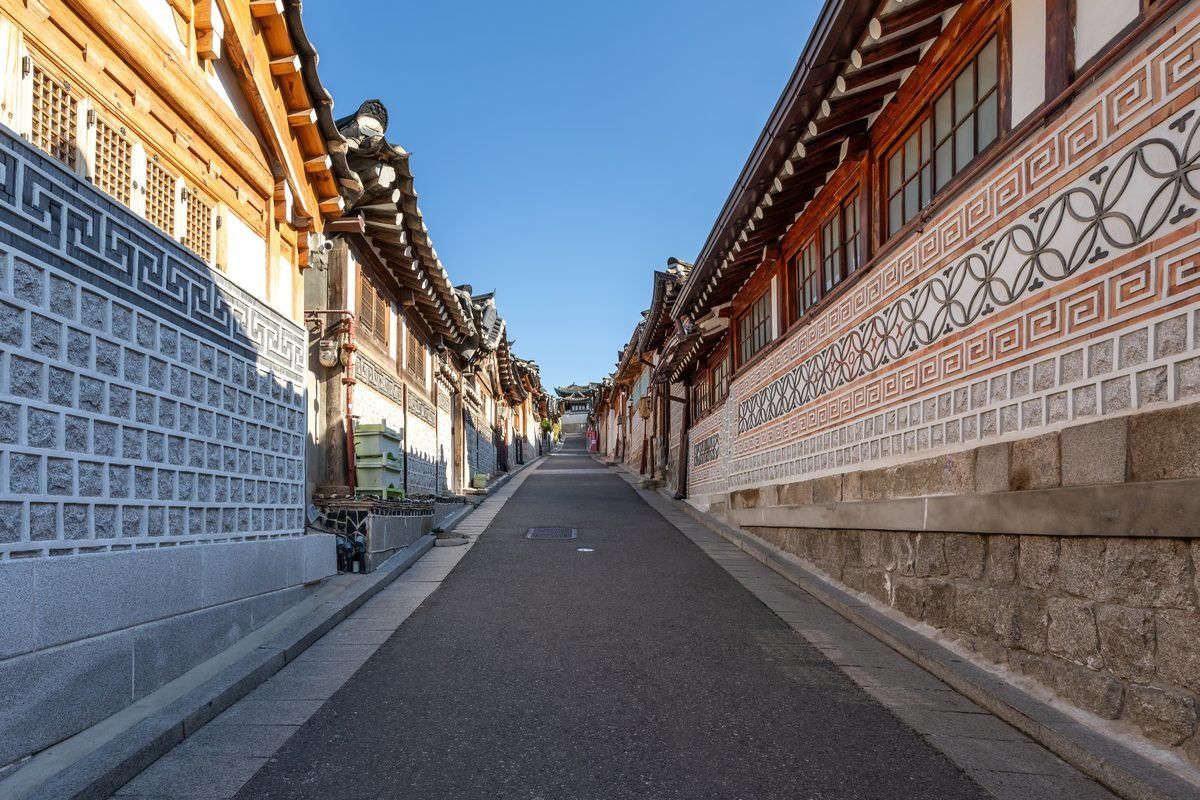
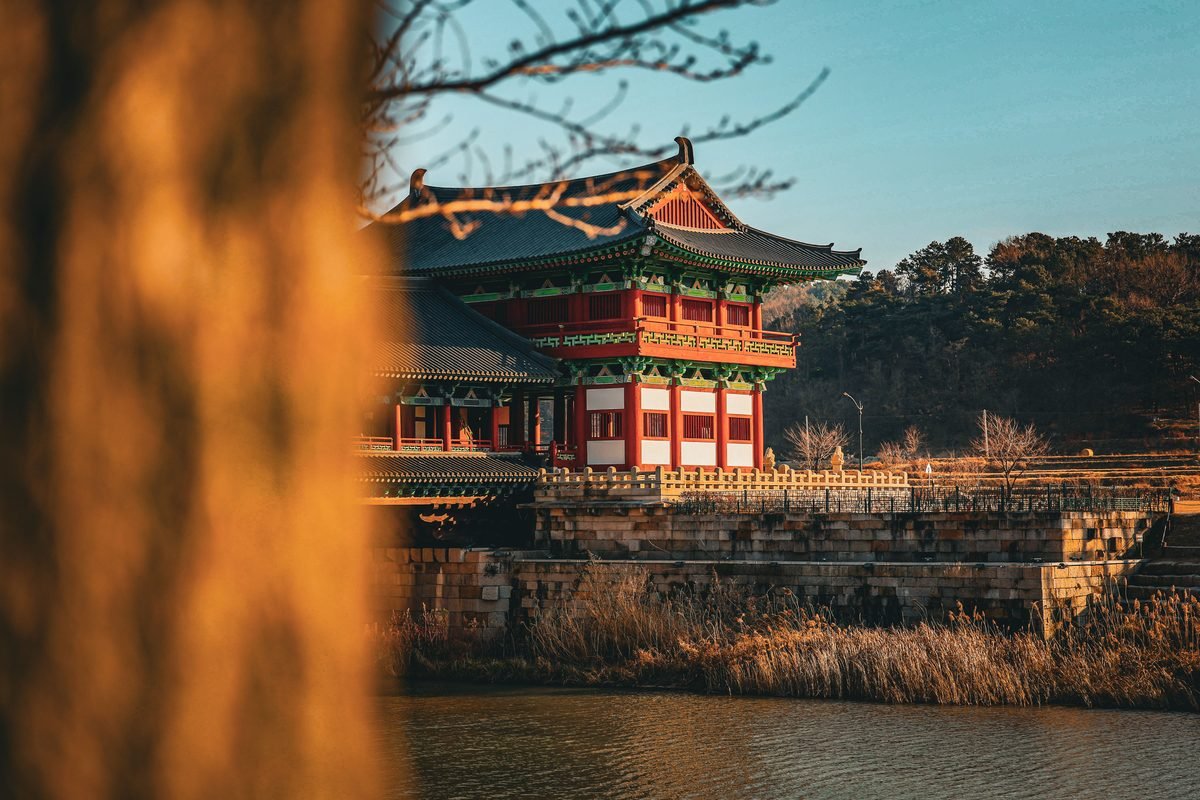
Timing your trip correctly can save you hundreds of dollars on lodging and flights. South Korea experiences four highly distinct seasons, each carrying a different price tag. The most expensive times to visit are spring, specifically April for the cherry blossoms, and autumn, spanning October and November for the fall foliage. During these peak months, hotel rates in tourist districts like Myeongdong and Insadong can double, and flights from the US or Europe reach their highest points. If you plan to visit during these windows, you must book months in advance.
Conversely, the low seasons offer excellent value if you do not mind extreme weather. Summer, particularly July and August, brings heavy monsoon rains and intense humidity. While domestic beach destinations like Haeundae in Busan get crowded and expensive, city hotels in Seoul often drop their rates to attract international visitors. Winter, running from December through February, is freezing but represents the absolute cheapest time to travel. Temperatures regularly drop below freezing, but flight prices plummet and boutique guesthouses offer deep discounts.
For the ultimate balance of decent weather and affordable prices, aim for the shoulder periods. Late May, early June, and early September offer pleasant temperatures with far fewer crowds than peak spring or autumn. During these weeks, you can easily find mid-range hotel rooms for under ₩90,000 (about $67) per night, and regional trains are much easier to book without planning weeks in advance.
Tip: Mid-week transit savings
Book your domestic flights to Jeju Island or train tickets to coastal cities for Tuesday or Wednesday departures to secure fares up to forty percent cheaper than weekend rates.
What to do and entry fees to expect
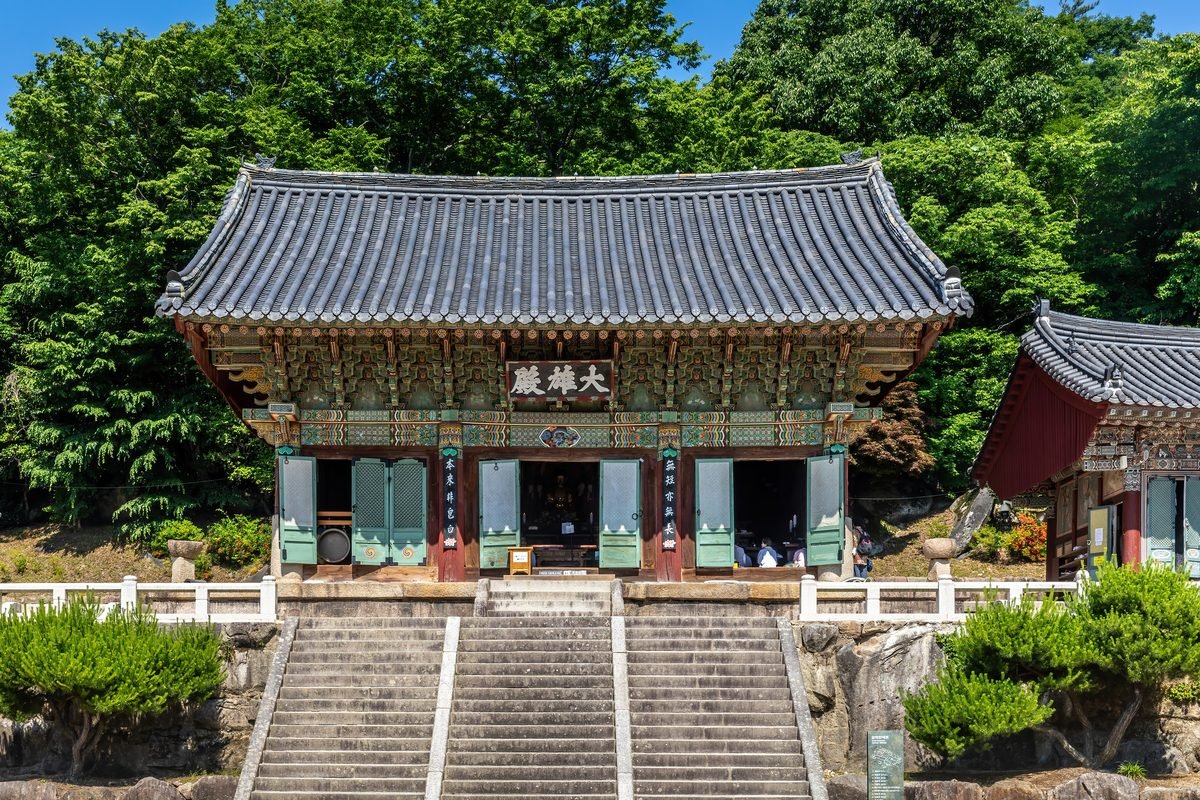
Sightseeing in South Korea is incredibly budget-friendly, as many of the country’s cultural treasures cost little to nothing to experience. In a major win for travelers, admission fees at major Korean Buddhist temples, including iconic sites like Bulguksa in Gyeongju and Haeinsa in Hapcheon, were completely abolished. You can now wander these historic mountain sanctuaries without paying a single Won. Similarly, massive public parks, mountain hiking trails, and traditional markets cost nothing to explore.
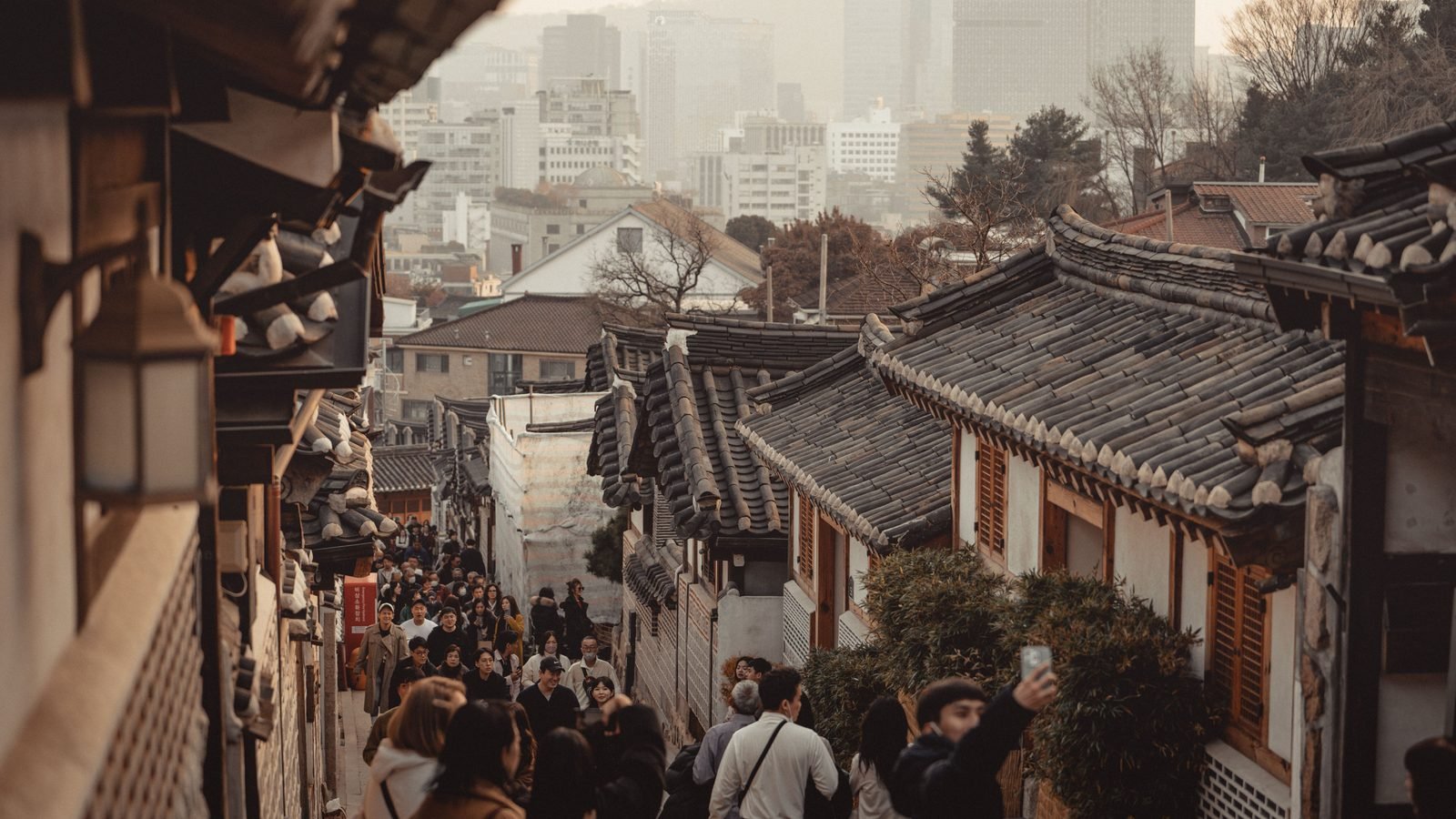
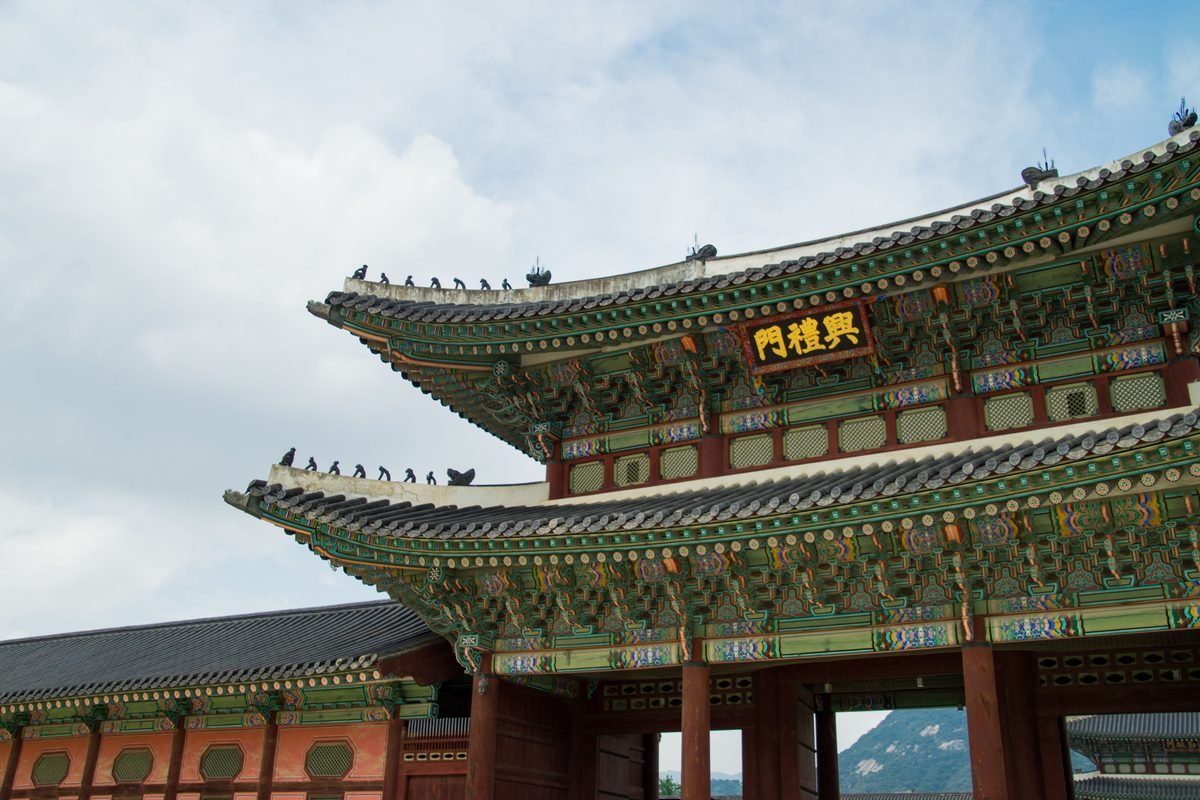
In Seoul, the five grand royal palaces charge very nominal entry fees. Gyeongbokgung Palace, the largest of the five, costs just ₩3,000 (about $2.25) for an adult ticket. If you wear a traditional hanbok, entry to all palaces is entirely free. However, do not view this as a pure budget hack. Renting a quality hanbok from a nearby shop costs between ₩15,000 and ₩30,000 (about $11 to $22) for two hours. Rent it because you want the experience and the photos, not to save on the tiny palace entry fee.
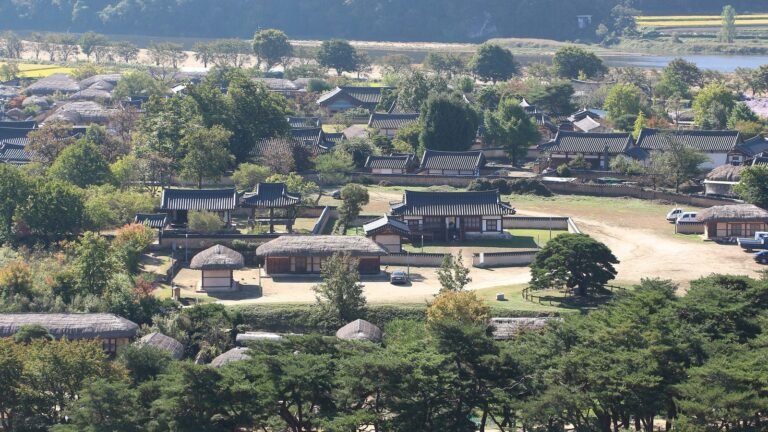
Outside the capital, historic attractions remain equally cheap. In Gyeongju, the rolling green mounds of Daereungwon Tumuli Park are free to enter, though stepping inside the famous Cheonmachong tomb costs ₩3,000 (about $2.25). Modern attractions, like the N Seoul Tower observatory or the Lotte World Tower sky deck, carry higher price tags around ₩21,000 to ₩31,000 (about $15 to $23). To keep your daily costs down, balance these high-altitude observatories with free neighborhood walks through places like Ikseon-dong or the Han River parks.
Where to eat on a budget in Korea
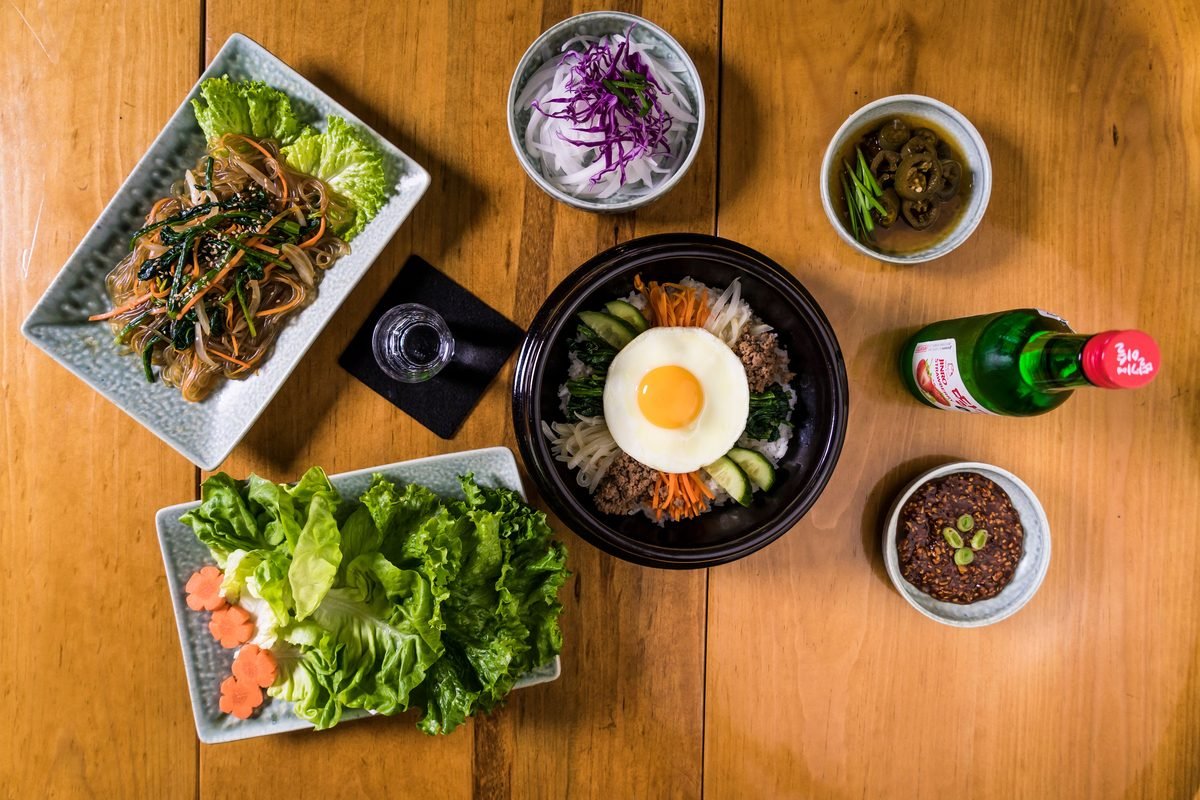
Food is one of the greatest joys of traveling in Korea, and it does not have to break your bank. Street food is cheap. If you are on a tight budget, convenience stores like GS25, CU, and 7-Eleven are lifesavers. You can grab a triangle gimbap for ₩1,200 (about $0.90), a microwaveable bowl of spicy tteokbokki for ₩3,000 (about $2.25), and a hot cup of coffee for under ₩2,000 (about $1.50). These stores have hot water dispensers and microwaves, making them popular spots for a quick, cheap breakfast.
For sit-down meals, look for neighborhood diners known as bunsik shops. Chains like Gimbap Cheonguk serve massive menus of comforting Korean staples. A freshly rolled log of classic gimbap costs about ₩4,000 (about $3.00), while a steaming bowl of kimchi jjigae or soft tofu stew served with side dishes costs around ₩7,000 to ₩9,000 (about $5.20 to $6.70). These spots are fast, filling, and highly authentic.
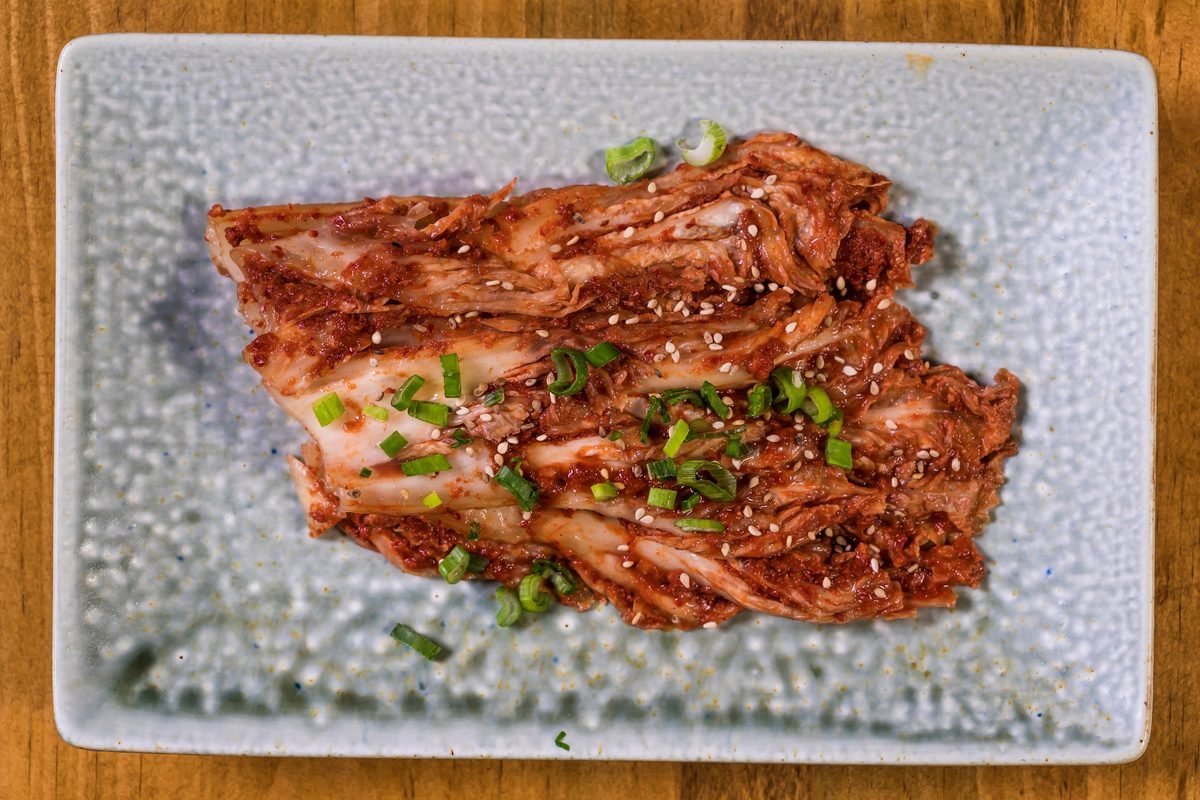
When you want to enjoy classic Korean barbecue, expect to pay a bit more. A single portion of high-quality pork belly (samgyeopsal) at a local restaurant typically costs between ₩15,000 and ₩20,000 (about $11 to $15). Keep in mind that most barbecue joints require a minimum order of two portions to start a table, so solo travelers should expect to pay for two portions or dine with a friend. Water is always free, and side dishes (banchan) are refilled at no extra cost, which adds immense value to every meal.
From a local: Water is self-service
In almost every casual Korean restaurant, filtered water is self-service from a stainless steel dispenser. Look for the sign that says ‘mul-eun self’ (물은 셀프) and grab a cup yourself.
Common budget leaks to avoid in Seoul and beyond
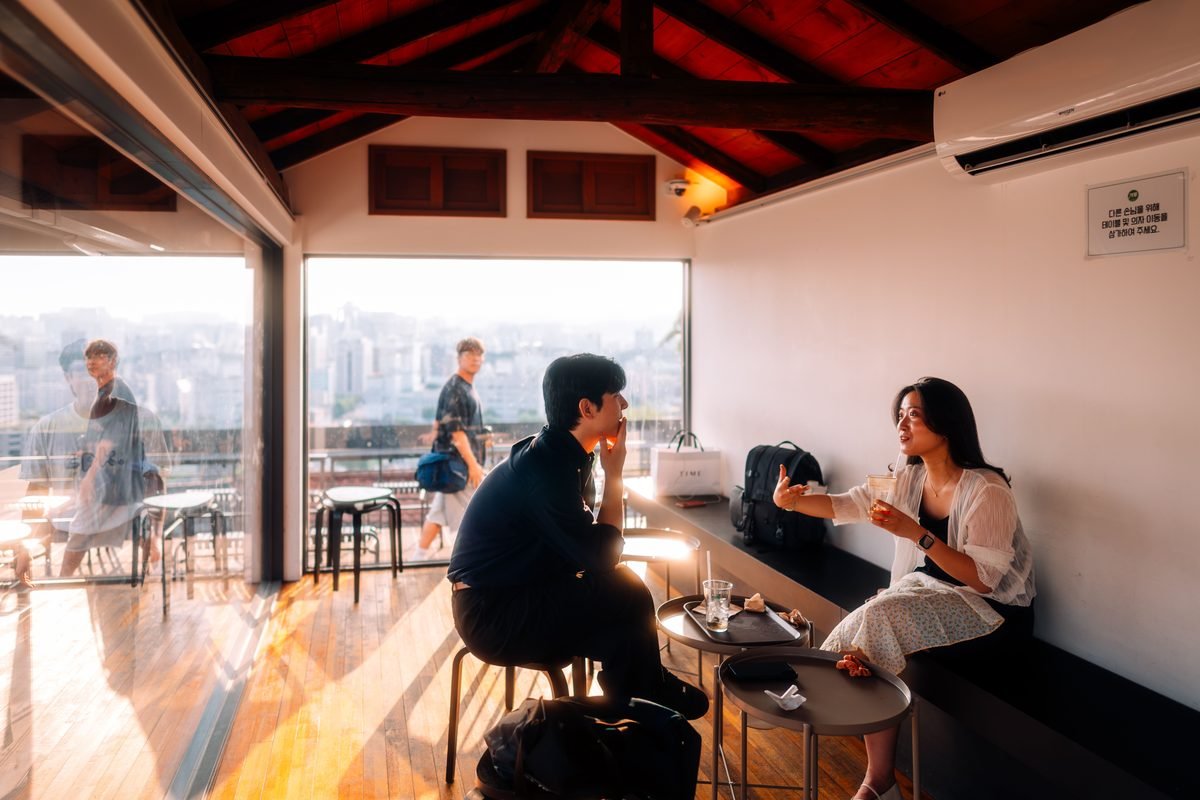
Even if you plan your lodging and flights carefully, small daily habits can quickly inflate your travel expenses. The single biggest budget leak for modern travelers in Korea is the aesthetic cafe culture. Seoul is famous for its highly designed, Instagram-friendly cafes in districts like Seongsu-dong and Yeonnam-dong. While beautiful, a single specialty latte at these spots routinely costs ₩6,500 to ₩8,000 (about $4.85 to $6.00), and a slice of cake can easily equal the price of a full lunch diner meal. Limit yourself to one aesthetic cafe visit per day.
Another common drain is relying on taxis. While Korean taxis are clean and safe, the base fare in Seoul and Busan is ₩4,800 (about $3.60), and in Daegu, it starts at ₩4,500 (about $3.35). If you get stuck in Seoul’s notorious rush-hour traffic, the meter will climb rapidly while you sit completely still. Public subways are almost always faster and cost a fraction of the price. Skip the tourist taxis. Use the extensive rail network instead.
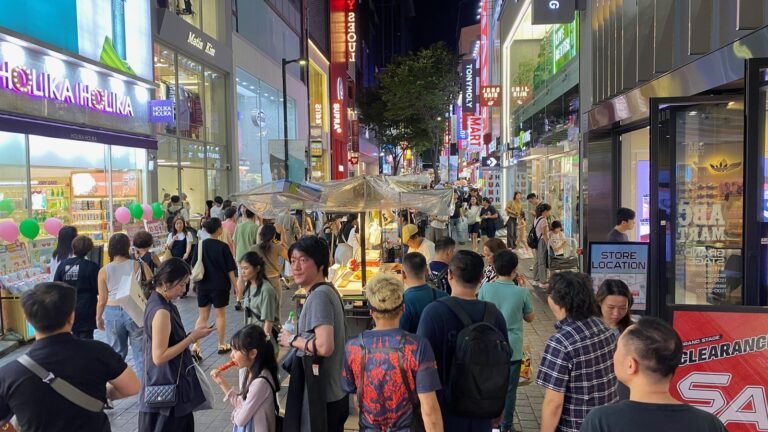
Finally, watch out for tourist-centric shopping and dining zones. The street food stalls in Myeongdong, while famous, are highly commercialized and charge double or triple what you would pay at a local neighborhood market. A single lobster tail or cheese tteokbokki skewer in Myeongdong can run ₩10,000 to ₩15,000 (about $7.40 to $11.15). If you want authentic street food at local prices, take a short subway ride to Mangwon Market or Gwangjang Market instead, where portions are larger and prices are fair.
Heads up: Myeongdong pricing trap
The street food stalls in Myeongdong are designed entirely for tourists and charge inflated prices. Head to traditional neighborhood markets for authentic street food at local rates.
Your Korea travel budget per day breakdown
To help you plan, we can divide potential expenses into three distinct daily travel styles. Korea is not incredibly expensive. If you choose the Budget style, you can expect to spend about ₩65,000 to ₩85,000 (about $48 to $63) per day. This involves sleeping in a highly rated hostel dorm, eating two meals at convenience stores or bunsik diners, using public transit exclusively, and sticking to free attractions like temples, public parks, and neighborhood walks.
The Mid-Range style is the most popular and costs roughly ₩130,000 to ₩180,000 (about $97 to $134) per day. With this budget, you will stay in a private room at a clean business hotel or a cozy guesthouse. You can enjoy a casual lunch, a hearty Korean barbecue dinner with beer, one visit to a trendy cafe, and entry fees for palaces or observatories, while still utilizing the highly efficient subway system for all your transit needs.
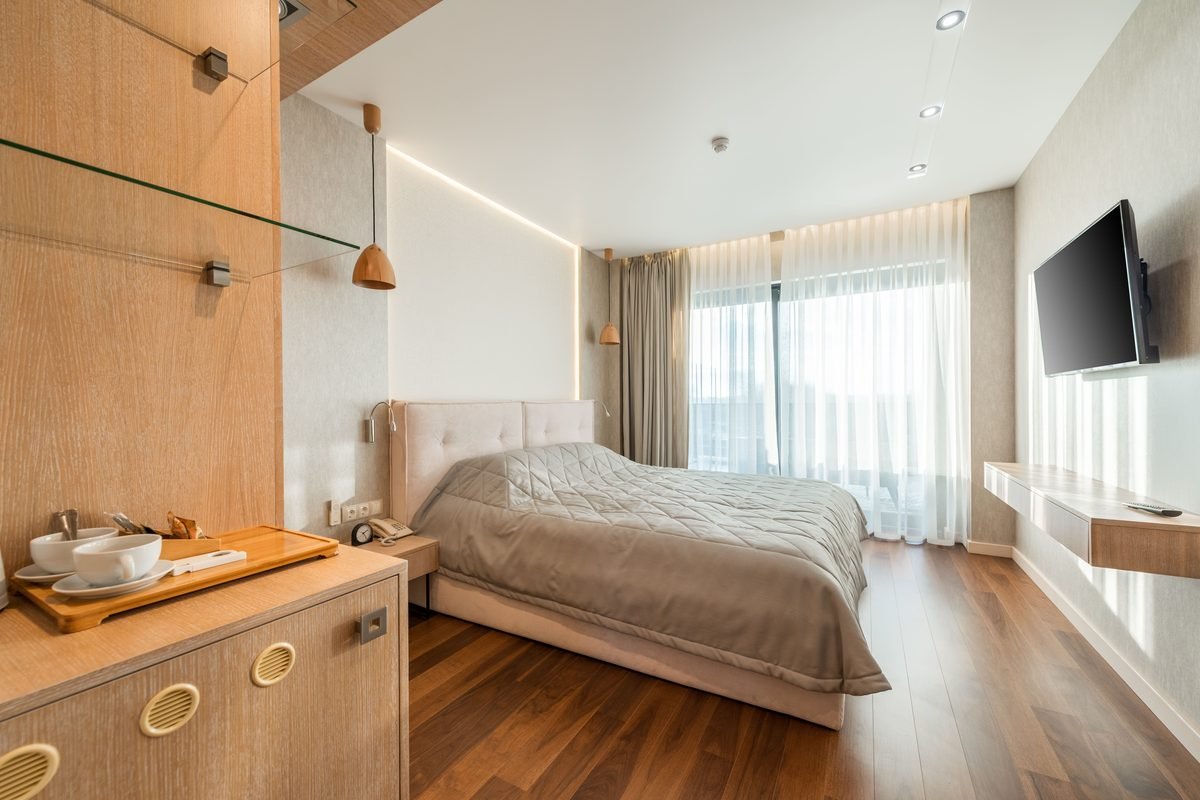
For those seeking a Comfortable style with premium experiences, expect to spend ₩280,000 to ₩450,000 (about $208 to $335) or more per day. This budget unlocks stays in beautifully restored traditional hanok guesthouses or premium high-rise hotels. You can dine at upscale hanjeongsik (Korean full-course meal) restaurants, take occasional taxis, participate in private guided food tours, and shop without constantly checking your banking app. Whichever style you choose, the quality of experience remains incredibly high.
Money tips and payment systems in Korea
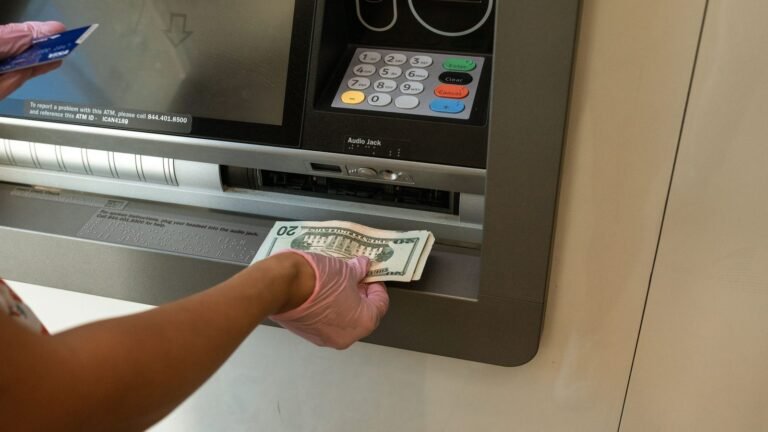
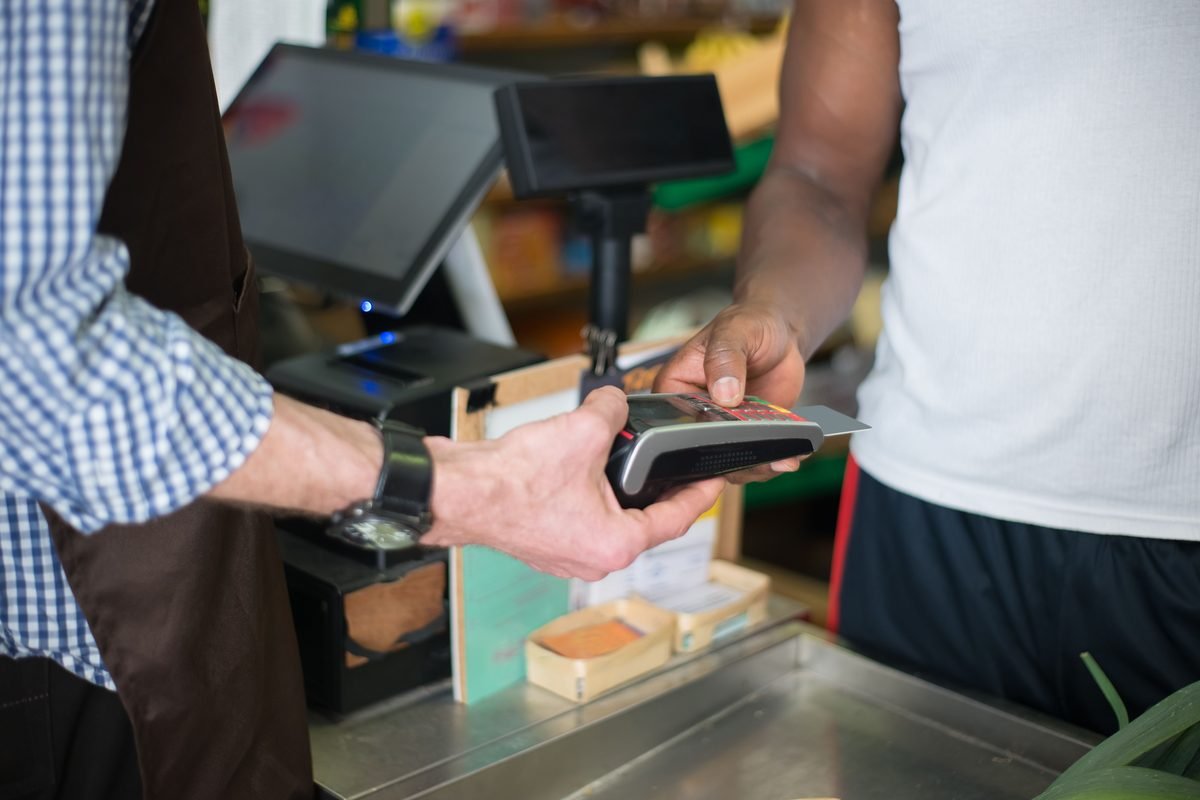
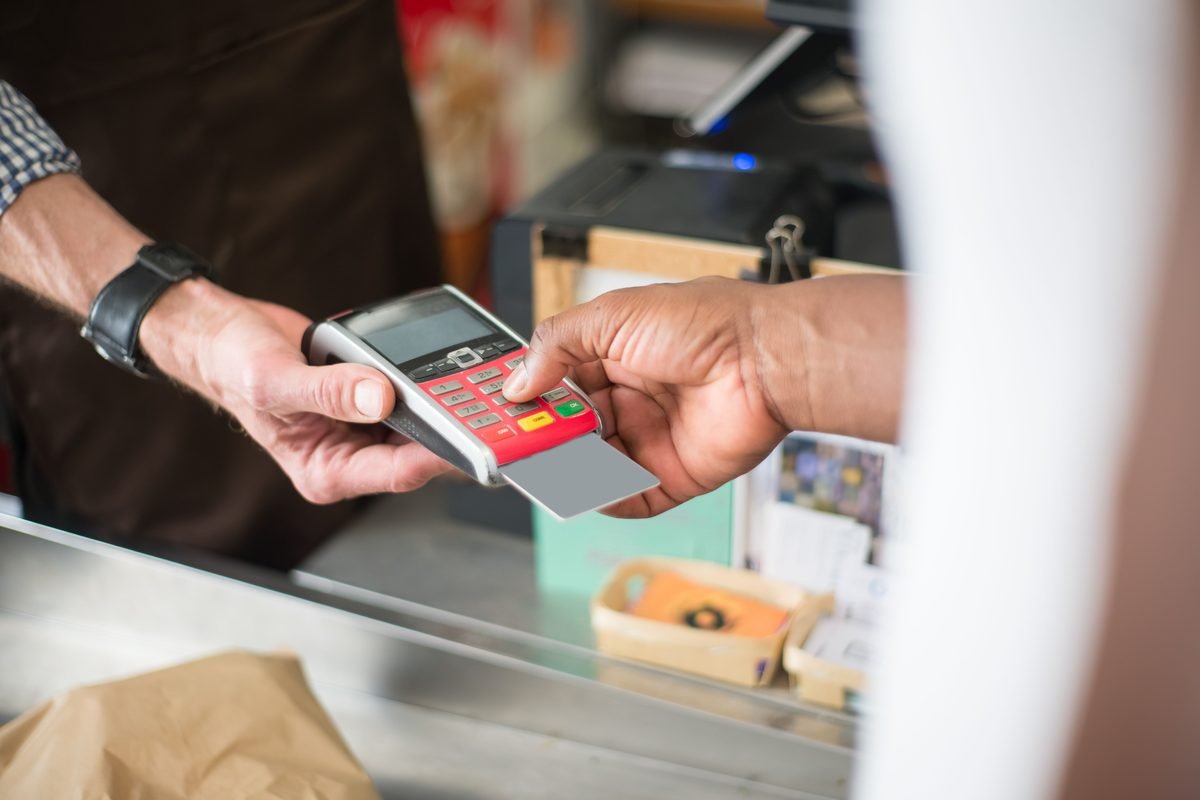
Understanding how payments work in South Korea will save you time and unnecessary transaction fees. Korea is an almost entirely cashless society. You can use a standard international credit card to pay for everything from a high-end dinner to a single pack of gum at a convenience store. However, you must carry some physical cash. Cash is still useful. Specifically, you cannot top up your physical T-money transit card with a credit card; the machines at subway stations and the registers at convenience stores only accept paper Korean Won bills.
If you want to avoid carrying multiple cards, look into prepaid travel cards designed for tourists, such as WOWPASS or Namane. You can purchase these cards at major transit hubs and top them up with foreign currency cash directly at dedicated kiosks. They function as both a debit card for general shopping and a T-money card for public transportation, giving you a streamlined way to manage your funds without paying international transaction fees on every small purchase.
When exchanging physical cash, avoid the exchange booths at the airport arrival hall, as they offer the worst rates. Instead, exchange a tiny amount for your initial train fare, then head to the independent currency exchange shops in Myeongdong or near major subway stations in Seoul, which offer significantly better rates. Finally, always keep a close eye on your mobile data connection. To use digital payment kiosks and navigation maps smoothly, ensure you have a reliable local eSIM active throughout your journey.
Book ahead: Reserve KTX tickets early
KTX train tickets open for booking exactly one month in advance. High-demand routes like Seoul to Busan on Friday afternoons sell out within hours, so set an alarm.
What it costs in Korea
| Item | Local price | USD |
|---|---|---|
| Seoul subway base fare (T-money) | ₩1,550 | about $1.15 |
| AREX All-Stop train (Incheon T1 to Seoul) | ₩4,500 | about $3.35 |
| KTX Standard Ticket (Seoul to Busan) | ₩59,800 | about $44.50 |
| Gimbap roll at neighborhood diner | ₩4,000 | about $3.00 |
| Pork belly BBQ dinner (per person) | ₩18,000 | about $13.40 |
| Latte at an aesthetic cafe in Seongsu | ₩6,500 | about $4.85 |
| Mid-range business hotel (per night) | ₩95,000 | about $70.70 |
| Realistic mid-range daily total | ₩150,000 | about $111.50 |
Prices checked September 2026. Always confirm with the provider before you book.
Mistakes to avoid
- Relying entirely on Google Maps for navigation, which does not provide accurate walking or transit routes in Korea.
- Forgetting to carry paper cash, which is required to top up your physical T-money transit card at stations and convenience stores.
- Assuming all street food and shopping stalls in Myeongdong represent normal, local Korean prices.
FAQ
Is Korea expensive to visit for tourists?
No, South Korea is highly affordable compared to Western Europe or North America. While luxury options exist, public transit, local dining, and entry fees to major historic attractions are remarkably inexpensive.
How much is a realistic Korea travel budget per day?
A realistic Korea travel budget per day is about ₩150,000 (about $111) for mid-range travelers. This comfortably covers a private business hotel room, public transit, museum entries, and two hearty sit-down meals, including Korean barbecue.
Can I use credit cards everywhere in South Korea?
Yes, credit cards are accepted almost everywhere in Korea, including small convenience stores and taxi rides. However, you still need physical cash to top up your T-money transit card at subway stations.
Do I need to tip in restaurants or taxis in Korea?
No, tipping is not practiced in South Korea. There is no need to leave extra money at restaurants, bars, or in taxis, and doing so can sometimes cause confusion for the staff.
How much does a typical meal cost in Seoul?
A casual meal at a local diner costs about ₩7,000 to ₩9,000 (about $5.20 to $6.70). A sit-down dinner like Korean pork barbecue typically costs around ₩18,000 to ₩25,000 (about $13.40 to $18.60) per person.