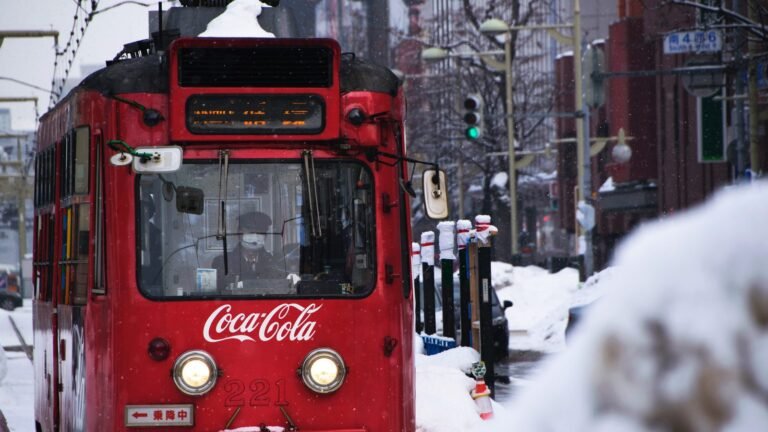
Tokyo Subway Guide for First Timers: How to Ride

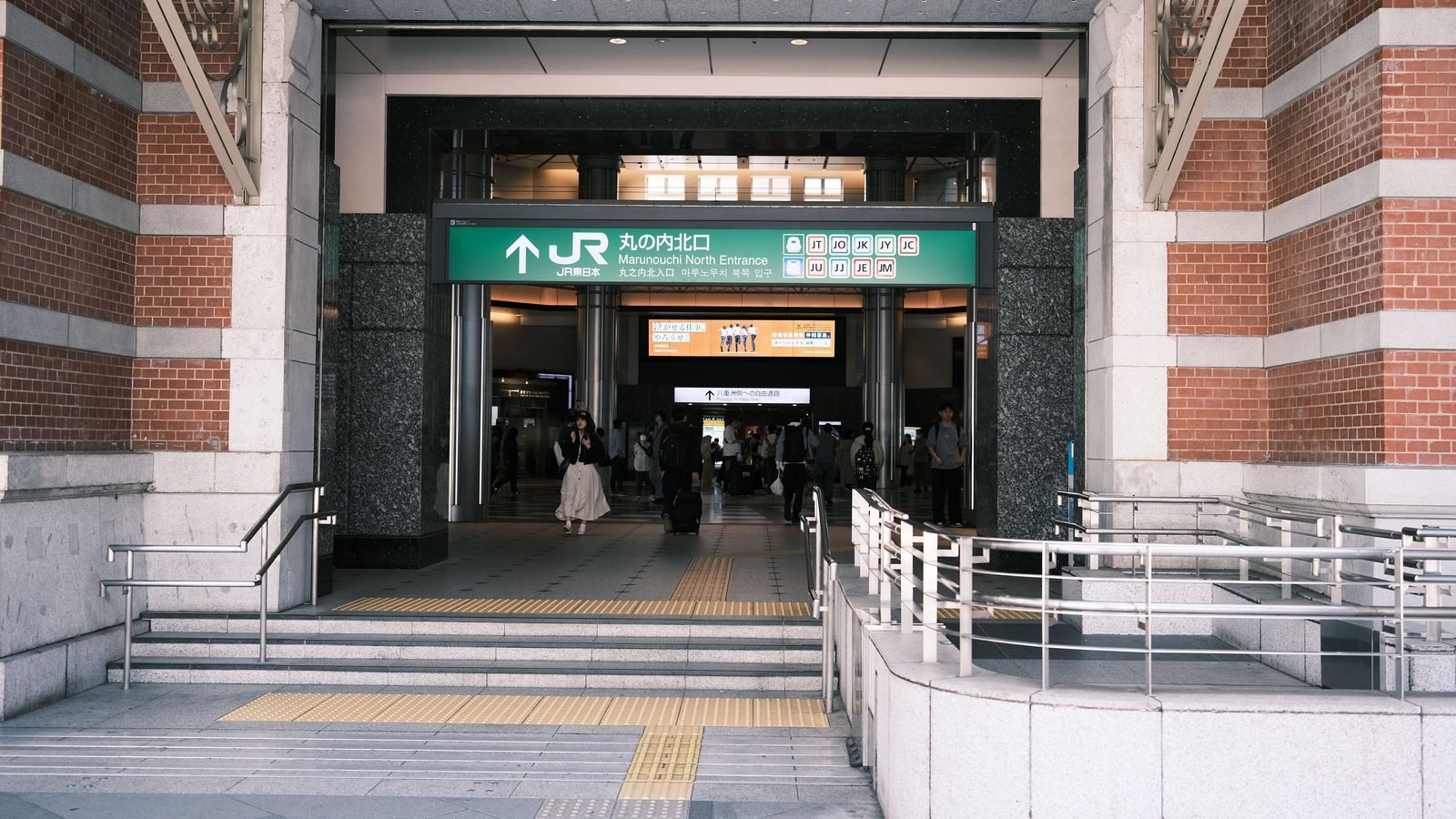
Standing inside Shinjuku Station at 8:15 AM with six underground railway levels beneath your shoes can freeze anyone in their tracks. Trains pull up every two minutes, doors open with mechanical precision, and thousands of commuters glide past without colliding. It looks overwhelming from the platform, but Tokyo’s rail system is actually one of the most logical network grids in the world once you understand who operates what line.
I wrote this Tokyo subway guide for first timers to take the mystery out of getting around Japan’s capital. We will cover the practical differences between JR lines and underground subway networks, setting up Suica on your phone, navigating complex station exits, avoiding rush hour meltdowns, and keeping transit costs manageable.
Tokyo Subway Guide for First Timers: JR vs. Metro vs. Toei
The single biggest point of confusion for visitors is that Tokyo does not have a single train company. Instead, three distinct railway systems run alongside and beneath each other across the metropolis. Understanding who operates the track you are standing on makes navigation intuitive.
First is JR East (Japan Railways). JR operates above-ground commuter trains, including the green Yamanote Line loop that encircles central Tokyo, linking major hubs like Shibuya, Shinjuku, Tokyo Station, and Ueno. If you are riding the Chuo Line or Yamanote Line, you are on JR.
Second is Tokyo Metro, a private company running nine underground lines marked by clean single-letter icons in circles (like ‘M’ for Marunouchi Line or ‘G’ for Ginza Line). Third is the Toei Subway, operated by the Tokyo Metropolitan Government, running four underground lines marked with leaf-shaped icons, like the Oedo Line or Asakusa Line.
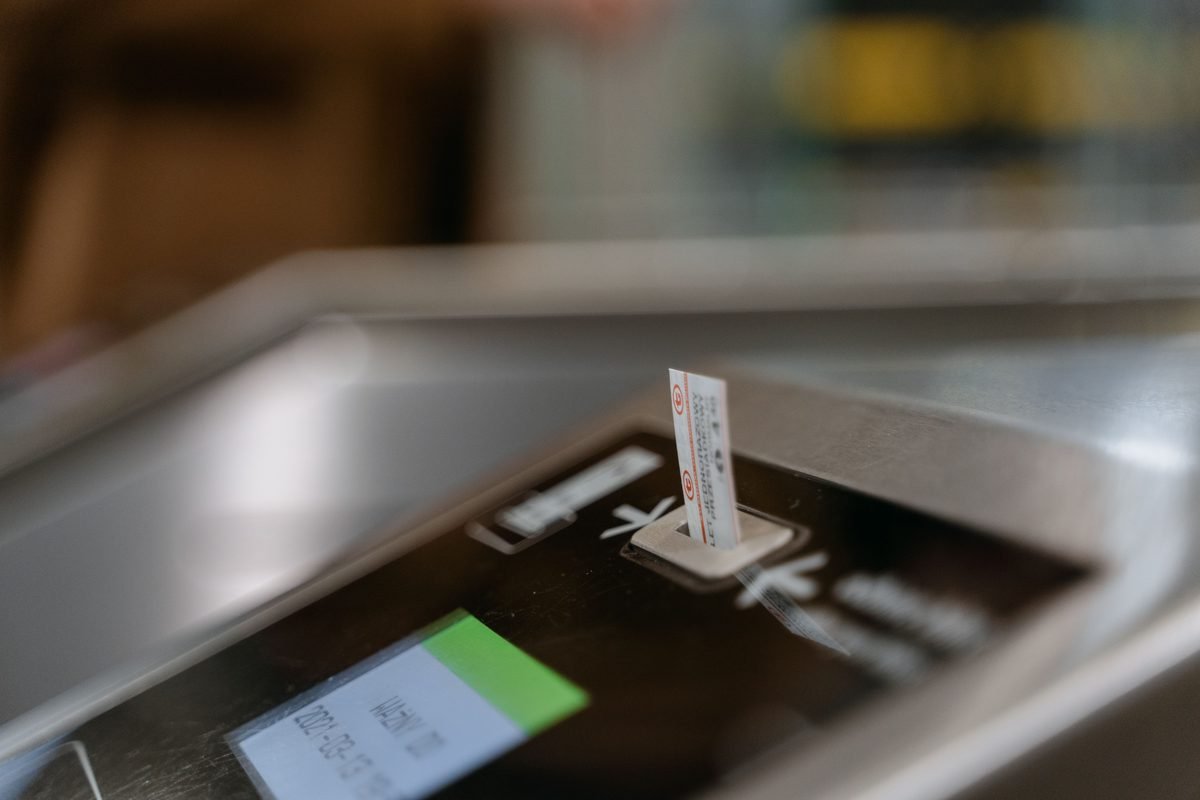
To make matters slightly more complex, private railway companies like Keio, Odakyu, and Tokyu run express trains into outer suburbs from major terminals. You do not need separate tickets for each system if you use a contactless IC card. Your card automatically calculates the transfer fare as you tap through turnstiles. Paper tickets still exist, but crossing between JR, Tokyo Metro, and Toei with cash requires separate gates and extra fares.
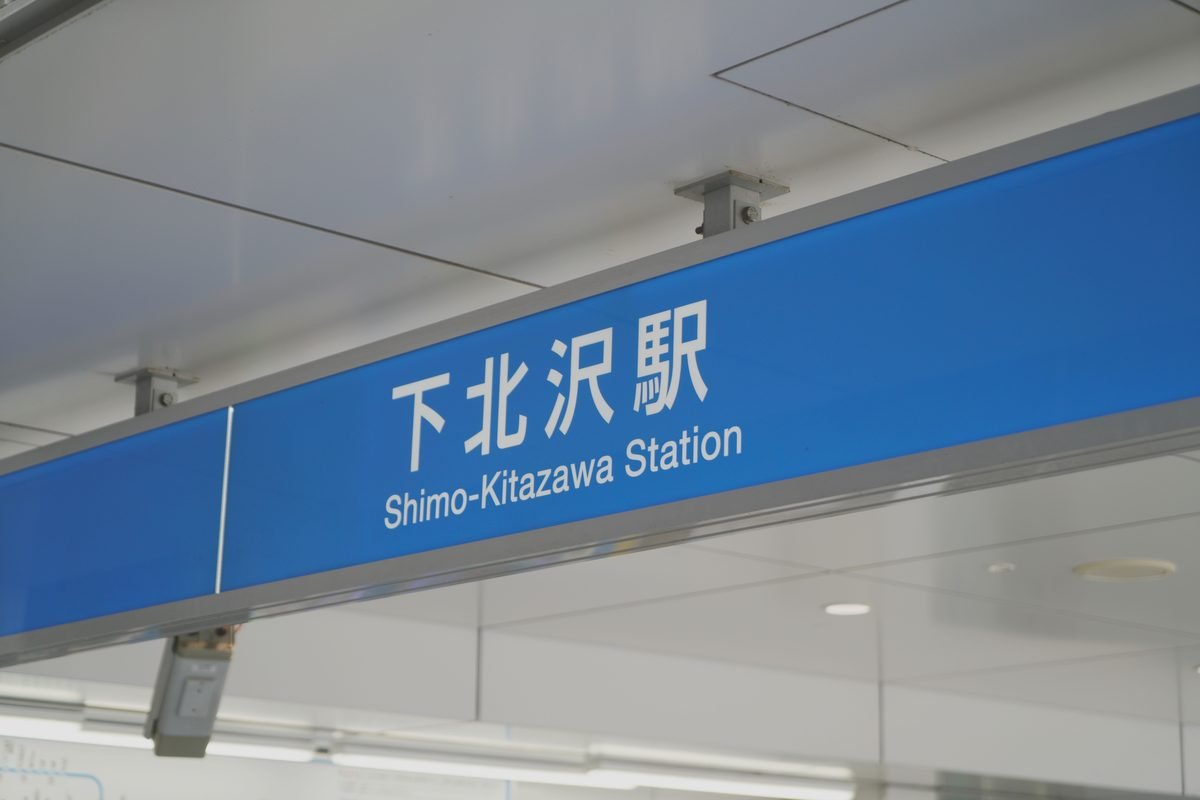
Color coding is your friend. Every line has a distinct color, and station platforms feature clear alphanumeric codes. For instance, station G-11 is Nihombashi on the Ginza Line. Looking at line codes rather than full Japanese names will keep you from missing your stop.
From a local: Platform Markings
Look at the floor while waiting. Station platforms feature colored stripes matching incoming train car door locations.
How to Set Up Suica or Pasmo on Your Phone
Paper tickets are an unnecessary chore in Tokyo. You should use a digital IC card for every trip. Suica and Pasmo are the two primary rechargeable transit cards used across Greater Tokyo. They are completely interchangeable for trains, buses, and convenience stores.
Physical registered transit cards have faced chip supply shortages in recent years, but digital IC cards on mobile phones work brilliantly. If you use an iPhone, open Apple Wallet, tap the plus icon, select Transit Card, search for Suica or Pasmo, and load funds directly using a Mastercard or AMEX linked to Apple Pay. Visa cards sometimes fail due to security protocols on Japanese transit top-ups, so try a different card issuer if your transaction declines.
Digital IC cards do not require an active internet connection or cellular signal to tap through turnstile gates. Your phone communicates via NFC even in deep underground tunnels. It works seamlessly. Just tap the top of your phone on the illuminated blue IC pad on the right side of the turnstile gate. You do not even need to unlock your screen if Express Transit mode is enabled in your settings.
For Android users, note that mobile Suica requires a Japanese-market phone equipped with Osaifu-Keitai hardware. Western Android phones generally cannot load digital Suica. If you use Android, purchase a physical Welcome Suica or Pasmo Passport card at Haneda Airport or Narita Airport arrival halls upon landing. These tourist IC cards cost no deposit, remain valid for 28 days, but any remaining balance cannot be refunded when you depart Japan.
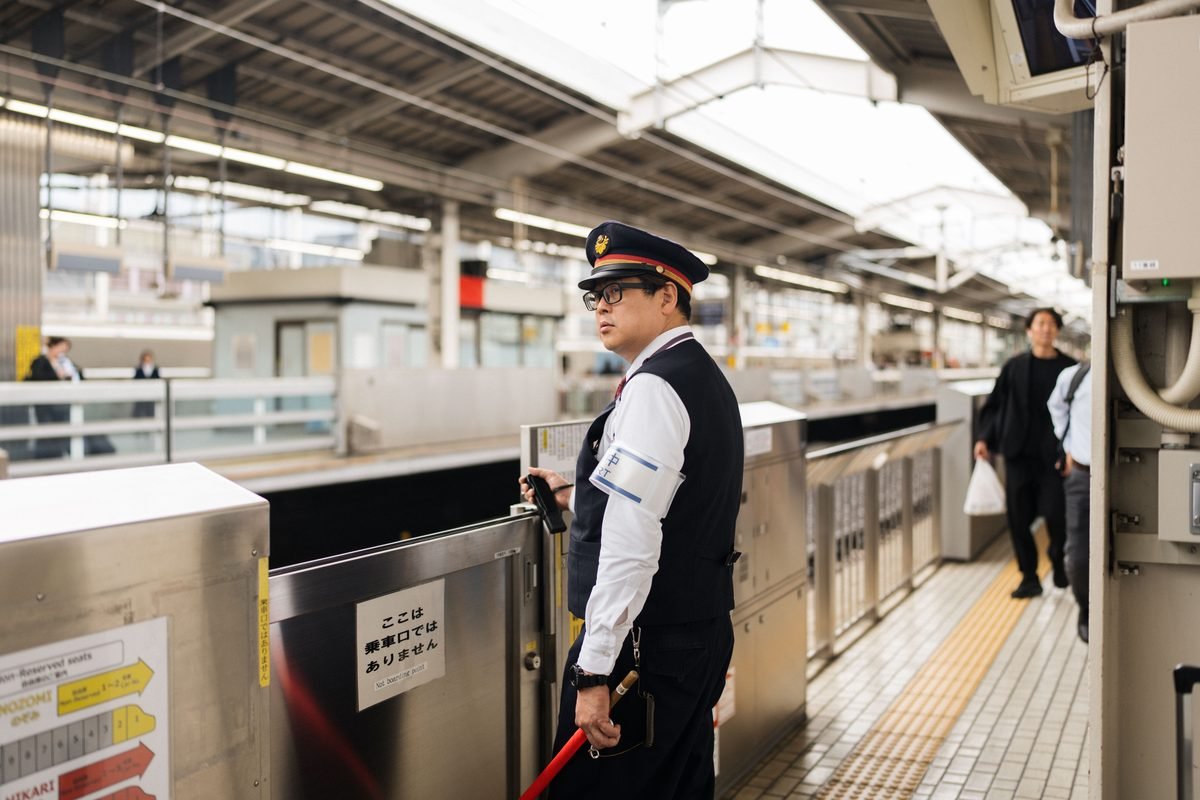
Tip: Daily Balance Tip
Top up your mobile Suica in ¥1,000 increments before heading out each morning to avoid turnstile delays.
Tokyo Rush Hour Survival and Essential Etiquette
Tokyo’s morning rush hour is legendary, but it is manageable if you time your movements right. Morning peak congestion hits hardest between 7:30 AM and 9:00 AM on weekdays. Key bottleneck routes include the Chuo Line into Shinjuku, the Toei Oedo Line, and the Yamanote Line loop. Avoid Yamanote Line at eight if carrying luggage.
If you travel with large luggage during these peak hours, you will struggle to board. Plan your train trips between 10:00 AM and 4:00 PM whenever possible. If you must travel early, consider using a luggage transfer service like Yamato Transport (Ta-Q-Bin) to send heavy suitcases straight to your next hotel for roughly ¥2,000 (about $13.50) per bag.
Train etiquette in Tokyo is quiet. Keep your phone on silent mode, locally known as Manner Mode. Voice phone calls on trains are considered deeply disrespectful. Keep conversation volume low. If you are listening to music through headphones, ensure audio does not leak out.
Backpacks should be removed and worn on your front or stored on the overhead wire racks above seating rows. Standing in front of train doors when passengers are trying to exit causes friction. If the car is crowded and people behind you need to get off, step out onto the platform temporarily, let them pass, and step back on.
Priority seats at the ends of train cars are reserved for elderly riders, pregnant women, injured travelers, and parents with infants. You may sit in them if the car is empty, but yield your seat immediately when someone who needs it boards.
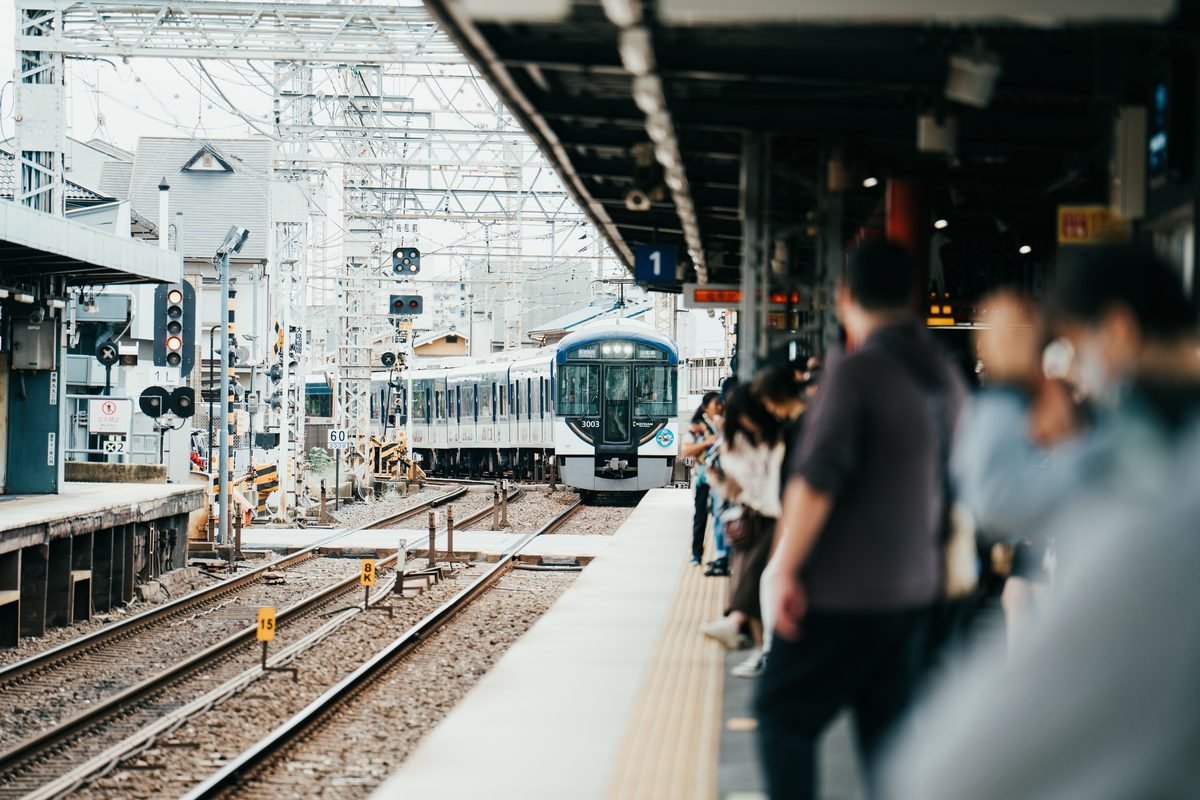
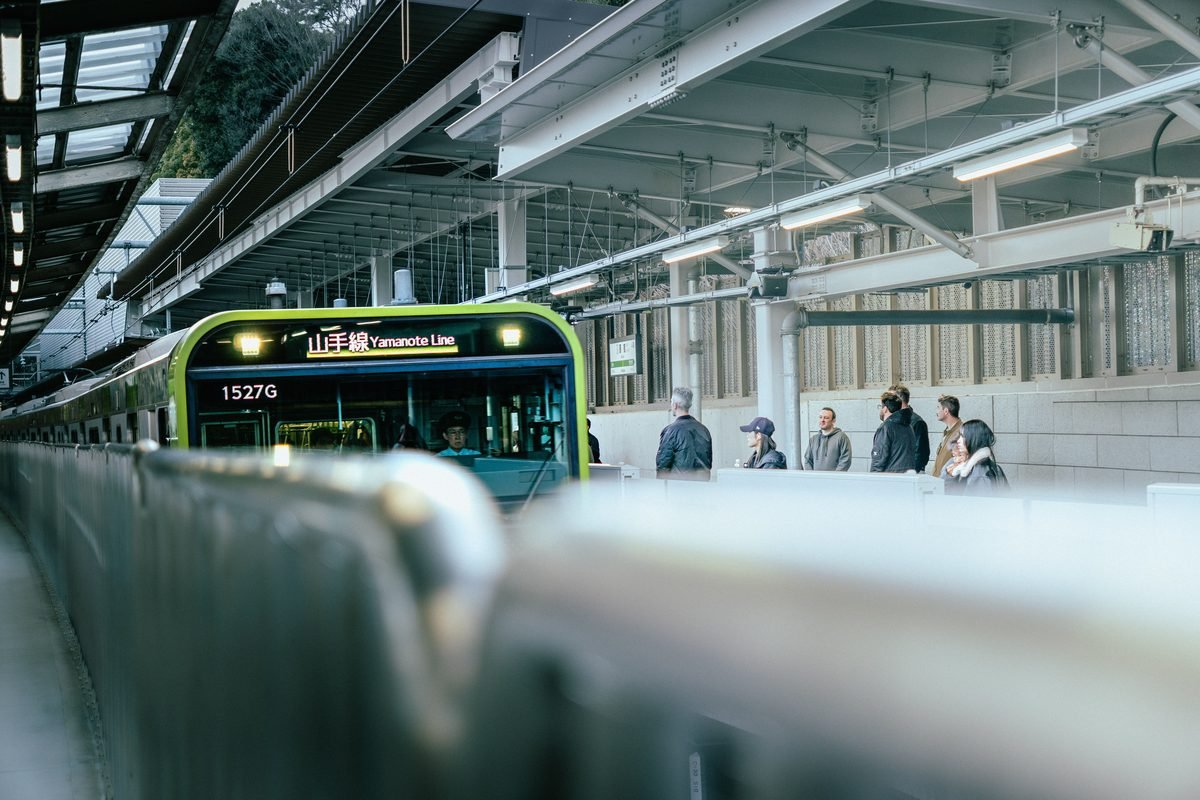
Heads up: Peak Hour Luggage Pitfall
Do not attempt to board crowded Yamanote line trains with multiple large suitcases between 8:00 AM and 8:45 AM.
Station Navigation: Exit Numbers and Transfer Hacks
Tokyo’s underground train complexes are sprawling cities in their own right. Shinjuku Station handles over 3.5 million passengers daily across dozens of platforms and over 200 exits. Navigation apps are essential tools. Trying to find a landmark from street level is a recipe for getting lost. Navigation is simple once you rely on exit numbers.
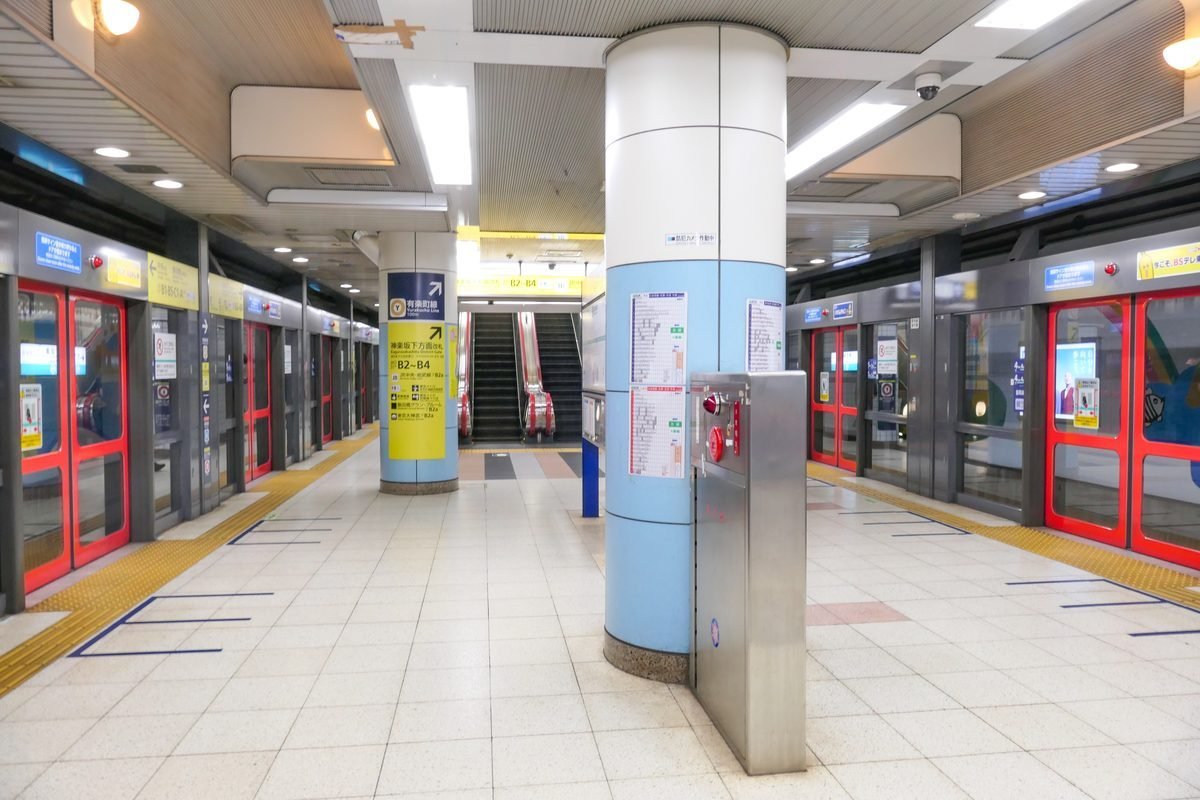
Every major Tokyo train station uses standardized exit numbering systems like Exit A3, Exit 15b, or West Exit. Before exiting the train platform, look up at the yellow overhead directional signs hanging from the ceiling. These yellow signs list major neighborhood sights, hotel clusters, and building names paired with specific exit identifiers.
Do not tap out of turnstiles until you have located your exit code on the yellow signs inside the paid gate area. Tapping out at the wrong exit can mean a twenty-minute walk outside in bad weather or a long backtrack underground. If you have used our Seoul subway and T-money guide, you will find Tokyo’s exit numbering system very similar.
Google Maps and Apple Maps provide accurate, real-time train schedules in Tokyo, complete with carriage recommendations. The app will tell you to board Car 4 Door 2 for the fastest transfer at your destination station. Matching your position on the platform to these car numbers puts you right in front of the transfer staircase or exit escalator when doors open.
When transferring between JR lines and underground subway lines, look for transfer turnstile gates marked with clear orange arrows. Passing through these specialized gates keeps your journey continuous and automatically applies transfer discounts, saving you roughly ¥70 (about $0.45) on combined rail fares.
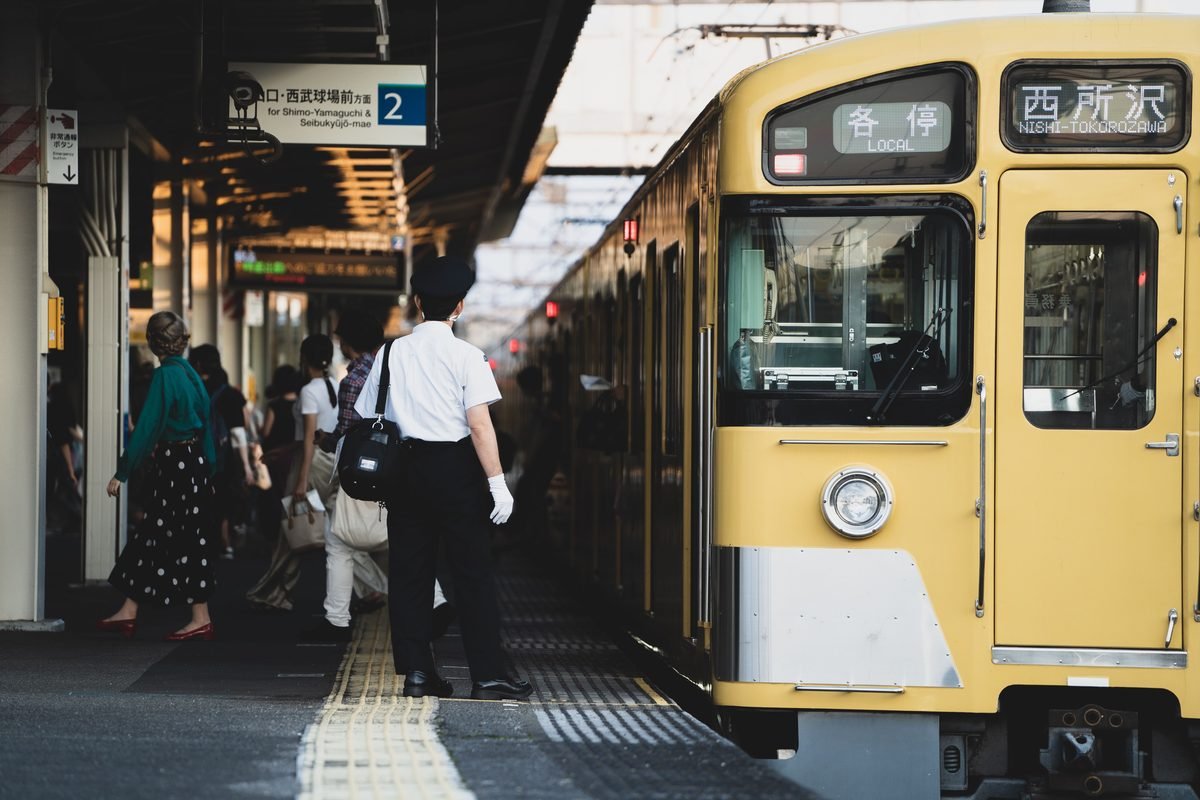
Book ahead: Navigation Apps
Download the Japan Travel by NAVITIME app alongside Google Maps before your trip for detailed offline station layouts.
Timetables, Last Trains, and Late-Night Transit Rules
Tokyo trains run on precise schedules. Schedules are posted on digital screens above platforms and on printed timetables near platform walls. Trains operate every two to four minutes during peak hours, and every five to eight minutes during standard day schedules.
However, Tokyo’s rail system does not run 24 hours a day. Train service shuts down completely overnight for track maintenance. Last trains usually depart outer terminal hubs around midnight to 12:30 AM. First morning trains start running around 4:30 AM to 5:00 AM.
Missing the last train is a common experience for travelers spending late evenings in nightlife districts like Roppongi, Shibuya, or Shinjuku. Platform chime melodies change, and announcements warn passengers when the final train is approaching. If you miss the final departure, you have three options: take an expensive taxi, wait out the morning at a 24-hour internet café, or stay at a local capsule hotel.
Taxis in Tokyo are safe, comfortable, and reliable, but night surcharges apply between 10:00 PM and 5:00 AM. A 15-kilometer taxi ride late at night can cost upwards of ¥7,000 to ¥10,000 (about $47 to $67). If you plan a late night out, set an alarm on your phone for 11:30 PM so you can reach your platform with time to spare.
Night buses exist along standard routes, but schedules are infrequent and confusing for visitors. Stick to checking your navigation app’s Last Train feature when planning late dinners or izakaya visits.
Tokyo Subway Passes vs. Pay-As-You-Go IC Cards
Deciding whether to buy a Tokyo subway pass or pay with an IC card depends on your daily itinerary. The Tokyo Subway Ticket is sold exclusively to foreign tourists in 24-hour, 48-hour, and 72-hour increments for ¥800 (about $5.40), ¥1,200 (about $8.10), and ¥1,500 (about $10.15) respectively.
This pass allows unlimited travel on all nine Tokyo Metro lines and four Toei Subway lines. It is a solid value if you plan to visit multiple subway-connected districts like Asakusa, Ginza, Roppongi, and Tsukiji in a single day. Three single subway journeys per day typically break even on a 72-hour pass.
However, the tourist pass has a major limitation: it does not cover JR East train lines. That means you cannot use it on the Yamanote Line, Chuo Line, or private rail lines like Tokyu or Odakyu. If your daily route relies heavily on the surface Yamanote Line between Shinjuku, Harajuku, Shibuya, and Ebisu, buying a subway pass will add unnecessary friction because you will still need to tap a Suica card for JR segments.
For maximum flexibility, most independent travelers prefer using a digital Suica card for all journeys. It works on every train line, bus, private rail, and store without worrying about line ownership.
Regarding refunds: if you buy a physical, registered Suica card, you can claim your remaining balance minus a ¥220 (about $1.50) handling fee at JR East ticket offices (Midori-no-Madoguchi) at major stations. However, temporary Welcome Suica cards and digital phone balances are strictly non-refundable, so top up only what you plan to spend.
What it costs in Tokyo
| Item | Local price | USD |
|---|---|---|
| Tokyo Metro minimum fare | ¥180 | about $1.20 |
| JR Yamanote Line base fare | ¥150 | about $1.00 |
| 72-Hour Tokyo Subway Pass | ¥1,500 | about $10.15 |
| Luggage transfer (Ta-Q-Bin per bag) | ¥2,000 | about $13.50 |
| Mid-range business hotel (1 night) | ¥15,000 | about $101.00 |
| Typical daily transit budget (pay-as-you-go) | ¥1,000 – ¥1,500 | about $6.75 – $10.15 |
Prices checked September 2026. Always confirm with the provider before you book.
Mistakes to avoid
- Buying single paper tickets for every individual train trip instead of setting up a mobile Suica or Pasmo IC card.
- Exiting through the nearest station turnstile without checking yellow overhead exit signs for your target exit number.
- Assuming a Tokyo Subway Ticket covers surface train lines like the JR Yamanote Line or private express lines.
FAQ
Is the Tokyo subway easy for tourists to use?
Yes, Tokyo trains are easy once you learn that signs are translated into English and stations are numbered. Using a digital Suica card on your phone eliminates ticket hassle entirely.
Does the Tokyo subway pass cover JR lines?
No, the Tokyo Subway Ticket only covers the nine Tokyo Metro lines and four Toei Subway lines. It does not cover JR surface lines like the Yamanote Line.
What happens if my Suica card runs out of money at the turnstile?
If the turnstile gates close and beep, step over to the yellow Fare Adjustment machine inside the gate. Insert your physical card or tap your phone to reload exact cash for the difference.
How late do Tokyo subways run?
Most Tokyo subway lines run until roughly midnight or 00:30 AM. Trains do not run 24 hours, and first morning services resume around 4:30 AM.
Where can I find a Tokyo subway guide for first timers?
This article serves as a complete Tokyo subway guide for first timers, covering network differences, mobile Suica setup, rush hour rules, and exit navigation hacks.