Seoul Shopping Districts Guide: Myeongdong to Seongsu

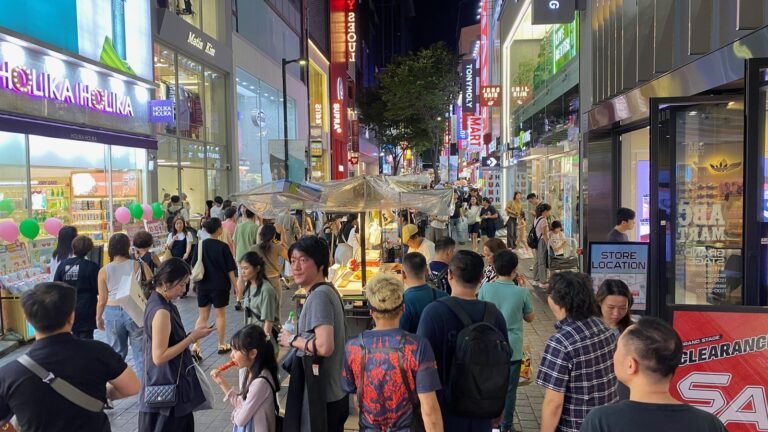
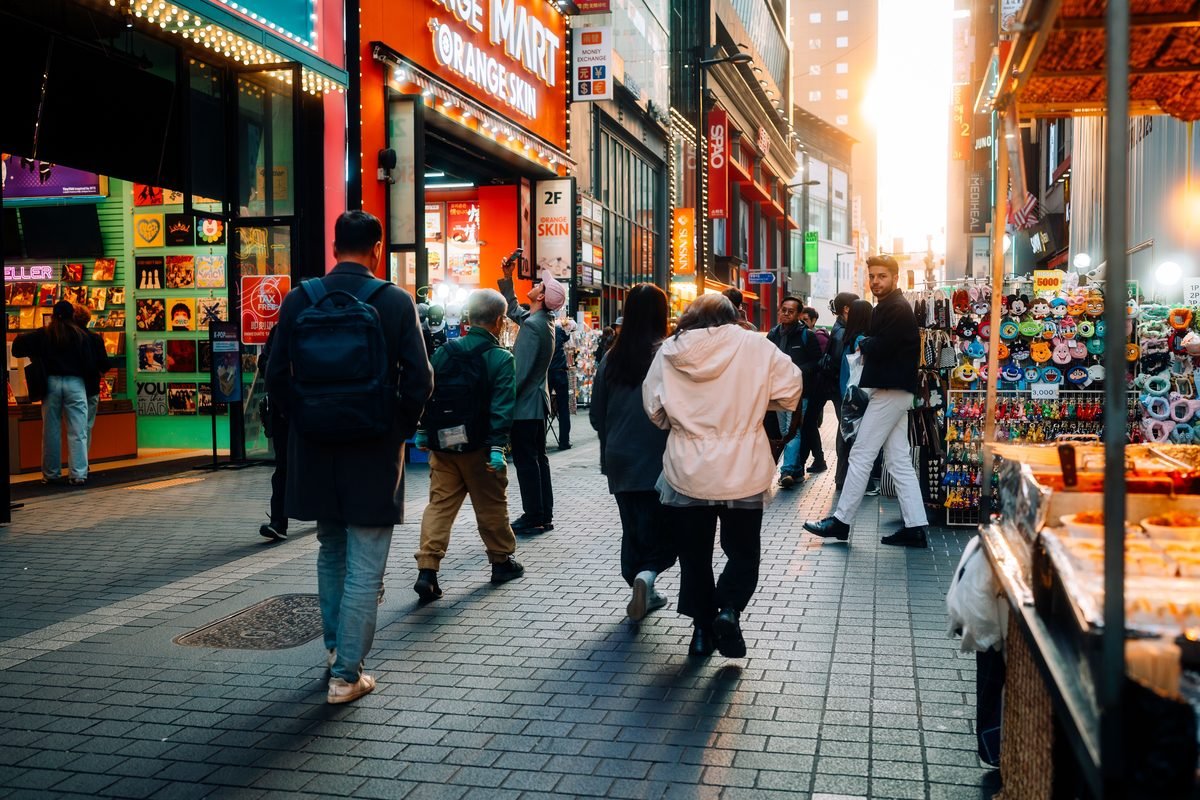
I stepped out of exit 6 at Myeongdong Station last night into a wall of sizzling grilled cheese skewers and glowing beauty shop signs. A bag of Korean face masks cost me exactly ₩15,000 (about $11), and the cashier handed me a tax refund slip before I even finished tapping my card. Seoul does retail differently than almost any other city. Stores stay open past midnight, entire multi-story malls cater to wholesale night owls, and quiet alleys hide some of the most creative fashion labels in Asia.
This comprehensive Seoul shopping districts guide is built for independent travelers who want to look past the standard tourist brochures. I live here in Seoul, and I have spent years mapping out where to find the best deals, the trendiest local brands, and the most authentic market finds. We will compare the mainstream giants of Myeongdong, the late-night wholesale towers of Dongdaemun, the industrial-chic pop-ups of Seongsu, and the vintage piles of Gwangjang Market, complete with practical rules on taxes, bargaining, and transit.
How to navigate this Seoul shopping districts guide
Getting around Seoul to shop requires a basic understanding of the city’s transport geography. Most major shopping hubs sit north of the Han River, though they are spread out enough that you will rely heavily on the subway system. A single subway ride costs ₩1,550 (about $1.15) when using a standard T-money transit card. You can purchase a blank card for ₩4,000 (about $3.00) at any convenience store like CU or GS25. Do not use Google Maps to navigate these streets. It does not work well for walking or transit directions in South Korea. Instead, download Naver Map or KakaoMap before you arrive to avoid getting lost in the maze of exits.
Choosing your shopping window
Timing your shopping trips is crucial because different neighborhoods operate on entirely different schedules. Traditional markets wake up at dawn, while the creative hubs do not see any life before noon. If you head to Seongsu-dong at 9:00 AM, you will find nothing but closed metal shutters and delivery trucks. Conversely, if you wait until 8:00 PM to visit Gwangjang Market, the vintage clothing stalls will already be locked up for the night.
Spring and autumn are the most comfortable seasons for walking between shops. September is particularly pleasant, with mild afternoon temperatures around 22°C (71°F) that make carrying heavy bags much easier. Plan to carry a small, sturdy canvas tote bag with you. While most stores sell plastic bags for ₩100 (about $0.07), having your own bag makes hopping between small boutiques much faster.
From a local: Local Transit Hack
Always tap your T-money card when exiting a Seoul bus or subway, even if it is a flat fare. This registers your journey and secures a free transfer to your next ride within forty minutes.
Myeongdong vs Dongdaemun for mainstream fashion
Myeongdong and Dongdaemun represent the classic retail engines of Seoul, but they serve completely different purposes. Myeongdong is the undisputed capital of Korean cosmetics and global high-street brands. The main pedestrian street running from Myeongdong Station to Euljiro 1-ga is packed with flagship stores for brands like Olive Young, Laneige, and Innisfree. Here, a box of sheet masks typically costs ₩10,000 to ₩30,000 (about $7.50 to $22.50). It is highly accessible, English-friendly, and perfect for stocking up on skincare. Most shops open around 10:00 AM and close by 10:00 PM.
The midnight rush of Dongdaemun
Dongdaemun is a massive fashion district that thrives in the dark. It is divided into two distinct zones: retail malls and wholesale markets. Retail malls like Doota Mall and Migliore cater to regular shoppers and open from 10:30 AM until midnight or later. Prices here are fixed, and you can try clothes on in most stores.
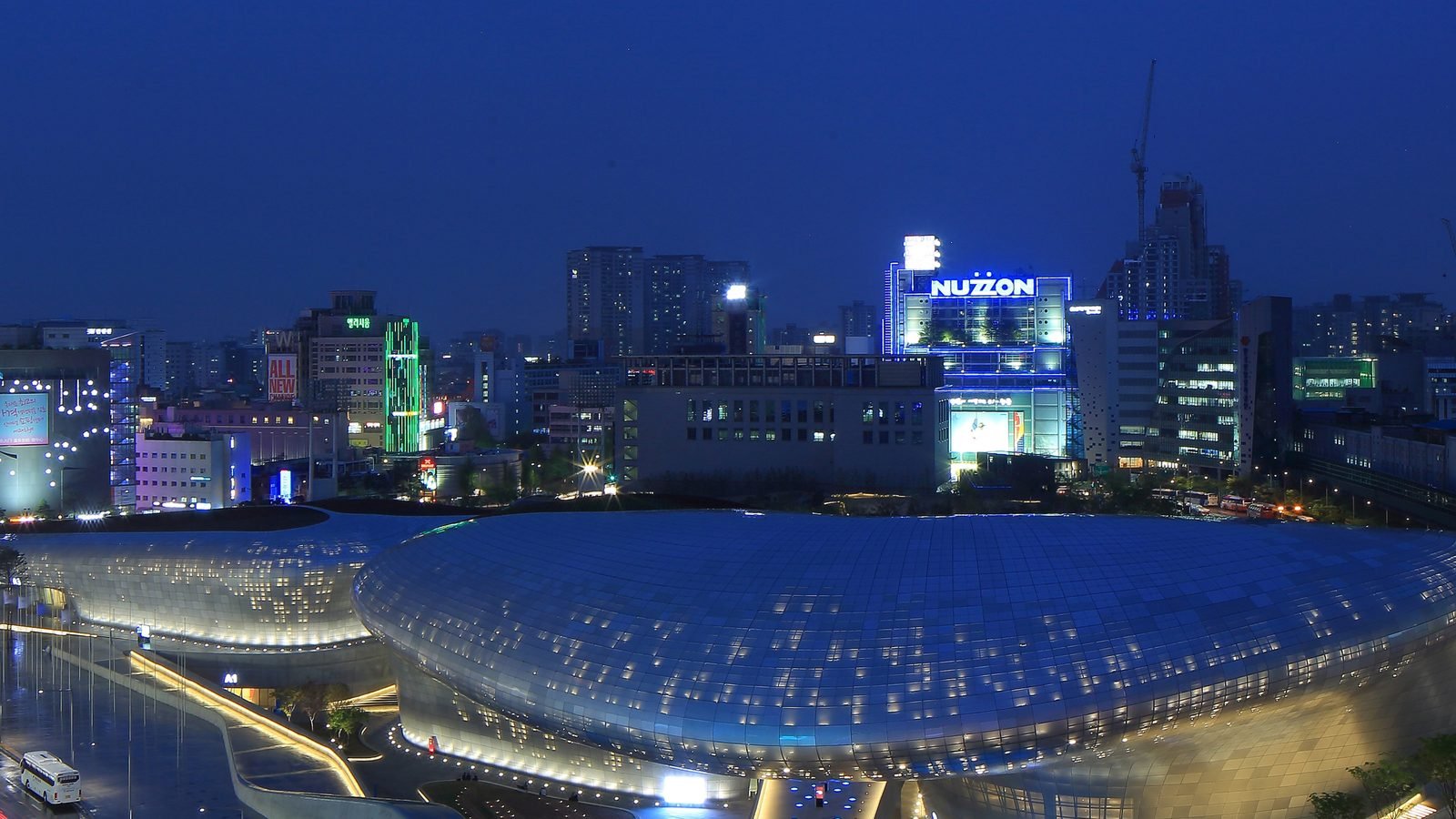
The real adventure lies in the wholesale section behind the Dongdaemun Design Plaza (DDP), featuring buildings like APM Luxe and Designer Club. These wholesale markets open around 8:00 PM and run until 5:00 AM the next morning. It is a chaotic world of buyers moving massive bundles of clothing. While some wholesale stalls will refuse to sell single items to tourists, many accessory and shoe stalls will accommodate individual buyers if you are polite. If you want a late-night adventure, this is the place to go. Just be prepared for crowds and fast-paced transactions.
Seongsu-dong for independent labels and pop-ups
Seongsu-dong has quickly become the absolute center of local youth culture and independent fashion in Seoul. Often called the Brooklyn of Seoul, this former industrial hub of shoe factories has transformed into a neighborhood of red-brick warehouses containing high-concept boutiques, cafes, and temporary pop-up stores. It is the best place in the city to find unique Korean designer labels like Andersson Bell, Ader Error, and Osoi.
Navigating the pop-up culture
What makes Seongsu-dong unique is the constant rotation of brand pop-ups. On any given weekend, global beauty brands and local fashion designers take over empty warehouses for three-day exhibitions. These events often feature exclusive merchandise, free samples, and interactive art installations. Entry is usually free, though you may need to register on-site using a Korean phone number or queue up early.
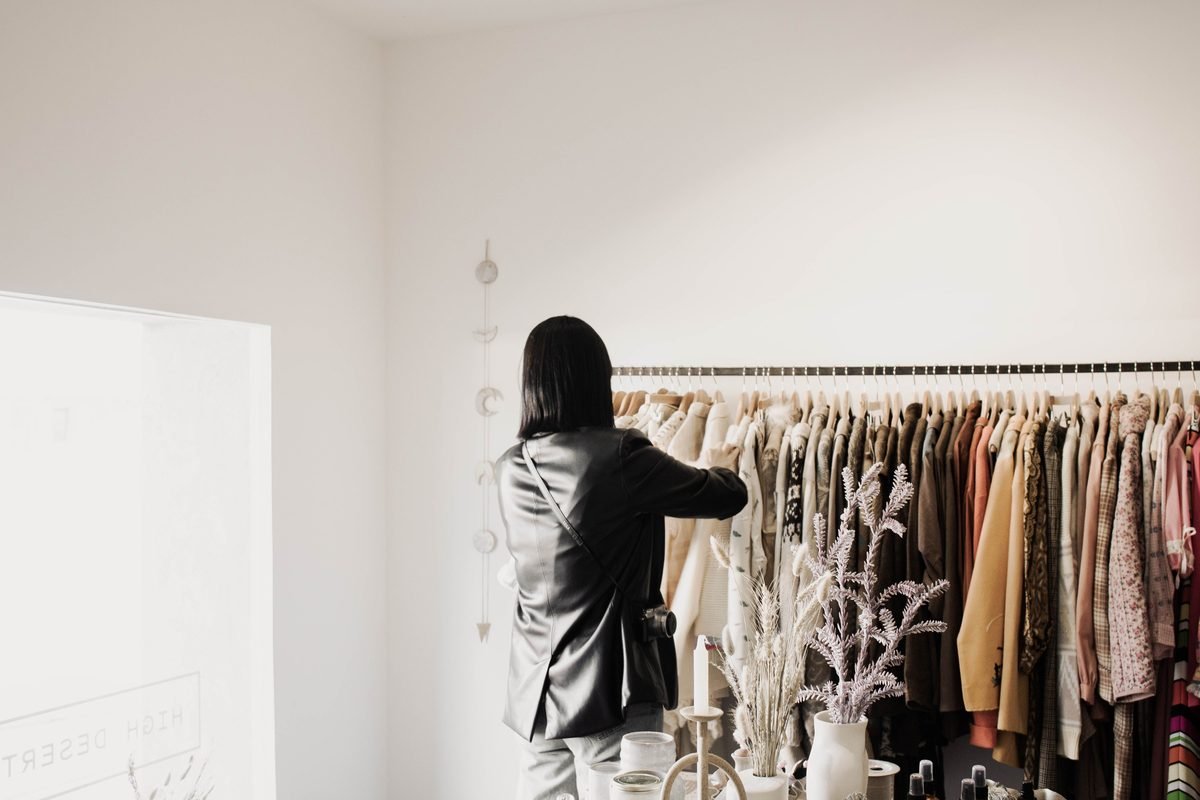
The boutiques in Seongsu-dong generally open late, usually around 11:00 AM or noon, and close by 8:00 PM. Prices here reflect the designer quality. A local leather bag might cost ₩250,000 (about $187), while a graphic t-shirt from an independent label averages ₩60,000 (about $45). If you want to see what young Seoulites are actually wearing right now, spend an afternoon walking down Yeonmujang-gil. It is a highly visual area where the architecture is just as interesting as the clothing on display. Take your time exploring the side alleys, as the best multi-brand select shops are often hidden on the second floors of old brick buildings.
Gwangjang Market for vintage and traditional finds
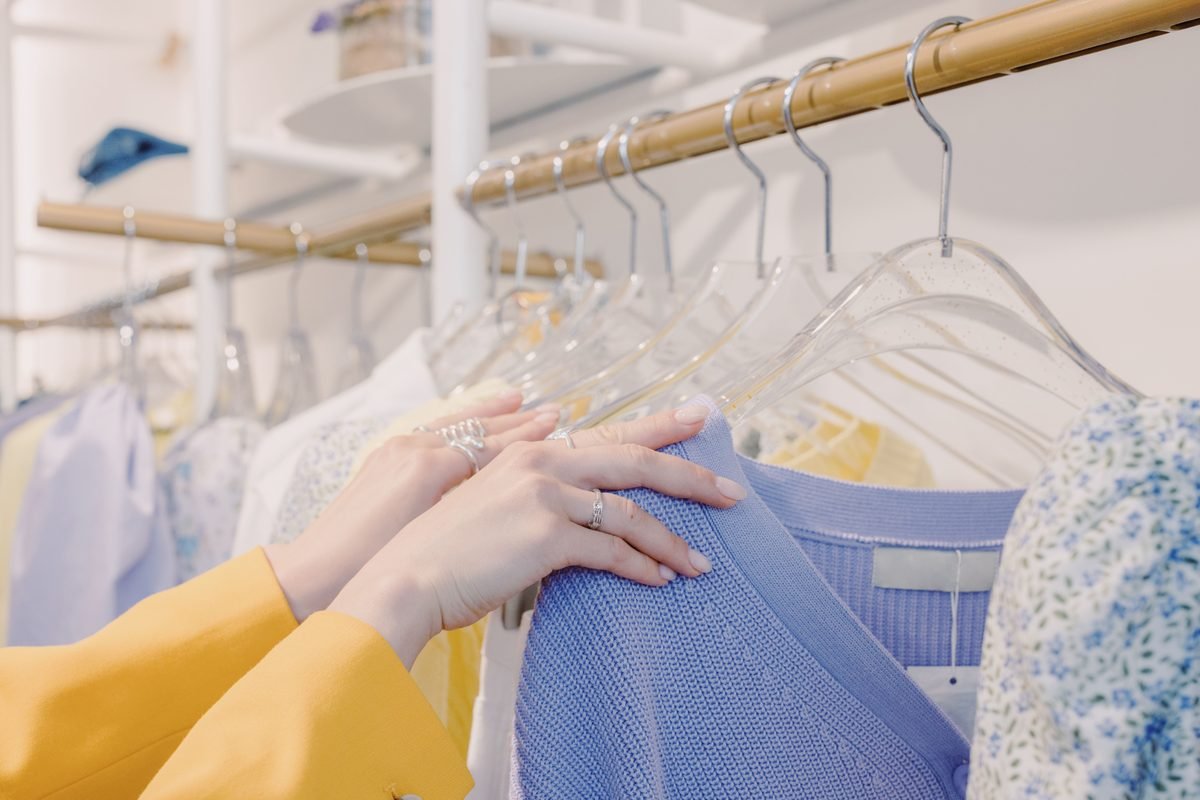
While most travelers know Gwangjang Market for its steaming piles of mung bean pancakes and hand-cut noodles, few realize it houses one of the best vintage clothing markets in Asia. Located on the second floor of the main market building, the vintage arcade is a labyrinth of hundreds of tiny stalls packed with imported clothes from Japan, Europe, and the United States.
To find it, look for the red and blue signs pointing to the second floor. Once upstairs, the atmosphere changes instantly. The smell of street food is replaced by the scent of old denim and leather.
Hunting for vintage treasures
You can find everything here from 1990s Ralph Lauren shirts to vintage Japanese kimonos and rare leather jackets. A classic denim jacket usually goes for about ₩30,000 (about $22.50), while vintage designer scarves can be found for as little as ₩15,000 (about $11). The sellers here are young, enthusiastic, and highly motivated to sell.
The vintage market operates on different hours than the ground-floor food stalls. The clothing stalls generally open around 10:00 AM and begin packing up by 7:00 PM. They are closed on Sundays, so plan your visit for a weekday afternoon. Unlike the modern boutiques of Seongsu-dong, this is one of the few places in Seoul where bargaining is expected and welcomed, especially if you are buying multiple items. Always bring cash here, as many vintage sellers do not accept foreign credit cards or will charge an extra ten percent card fee.


From a local: Finding the Hidden Vintage Stairs
The vintage market stairs are located near the East Gate 2 entrance of Gwangjang Market. Look for the small, unassuming green sign hanging above a narrow staircase leading upward.
Tax refunds and smart saving strategies
Shopping in Seoul can get expensive quickly, but South Korea offers an incredibly efficient tax refund system for foreign tourists. The Value Added Tax (VAT) in Korea is ten percent, and you can reclaim a significant portion of this on purchases of goods to be taken out of the country. The minimum purchase amount to qualify for a tax refund is ₩15,000 (about $11) per receipt.
Immediate tax refunds in-store
The easiest way to claim your tax back is through the “Immediate Tax Refund” system. Major retailers, department stores, and large cosmetic shops in Myeongdong and Seongsu display “Tax Free” or “Duty Free” signs. When you pay, simply present your physical passport to the cashier. They will scan it and instantly deduct the tax from your total bill. It saves you from waiting in lines at the airport later.
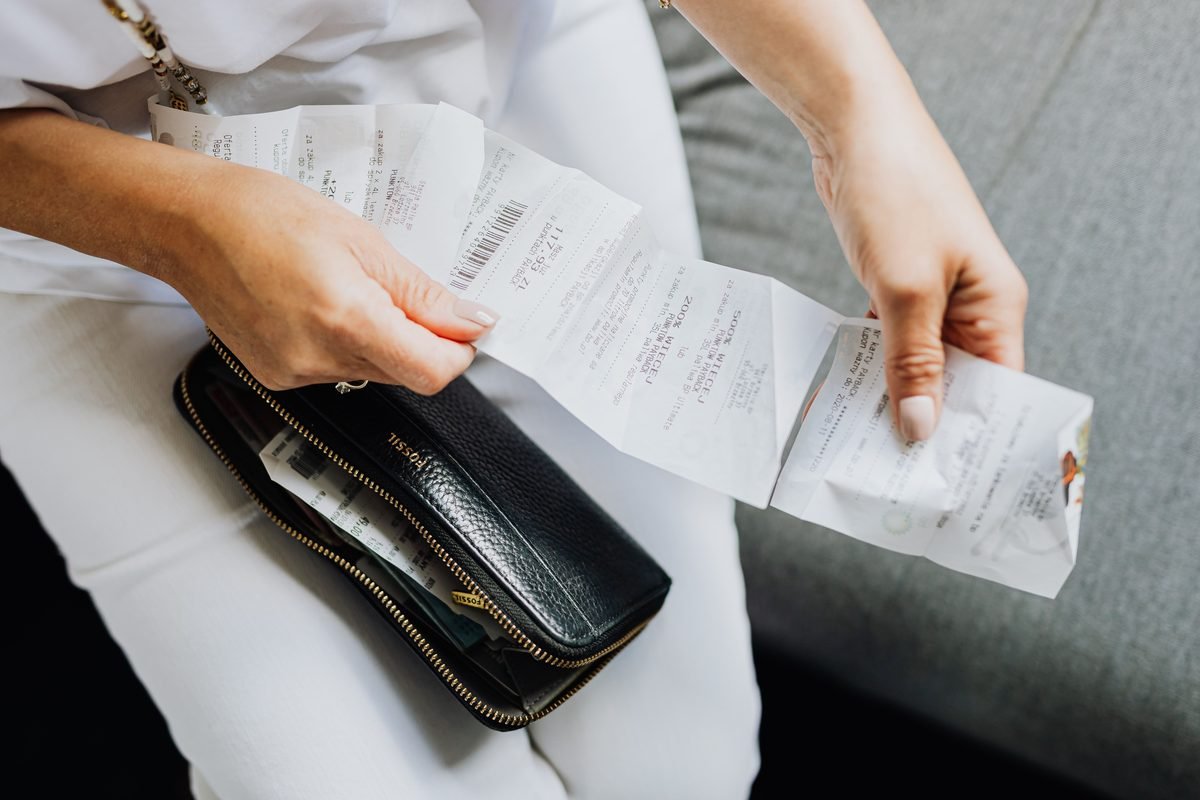
If the store does not offer immediate refunds, they will print a “Tax Free” receipt for you. Keep these receipts safe. When you depart from Incheon International Airport, you can scan these receipts at the self-service tax refund kiosks located before and after the security gates. For high-value refunds, you may need to show the unused goods to a customs officer, so keep your purchases in your carry-on luggage just in case.
Always carry your physical passport when shopping. Digital copies on your phone are rarely accepted for immediate tax refunds. Also, remember that services like hair salons or cafe dining do not qualify for retail tax refunds, so focus your savings strategy on clothing, cosmetics, and electronics.
Haggling rules and late-night shopping tips
Understanding the unspoken etiquette of Korean retail will save you both money and awkward encounters. In modern department stores, global chains, and trendy boutiques in Seongsu-dong, prices are strictly fixed. Attempting to bargain in these locations is considered impolite.
Where and how to bargain
Bargaining is reserved for traditional markets like Gwangjang and the wholesale fashion malls of Dongdaemun. When shopping in these areas, a polite approach works best. Instead of demanding a lower price, ask if they can give a small discount if you pay in cash. A simple phrase like “Cash-eun hal-in dwae-yo?” (Is there a discount for cash?) can save you ten to fifteen percent. If you are buying multiple items from the same vendor, you have much more leverage to ask for a discount or a free small item, often referred to in Korea as “service.”
Surviving the late-night retail shift
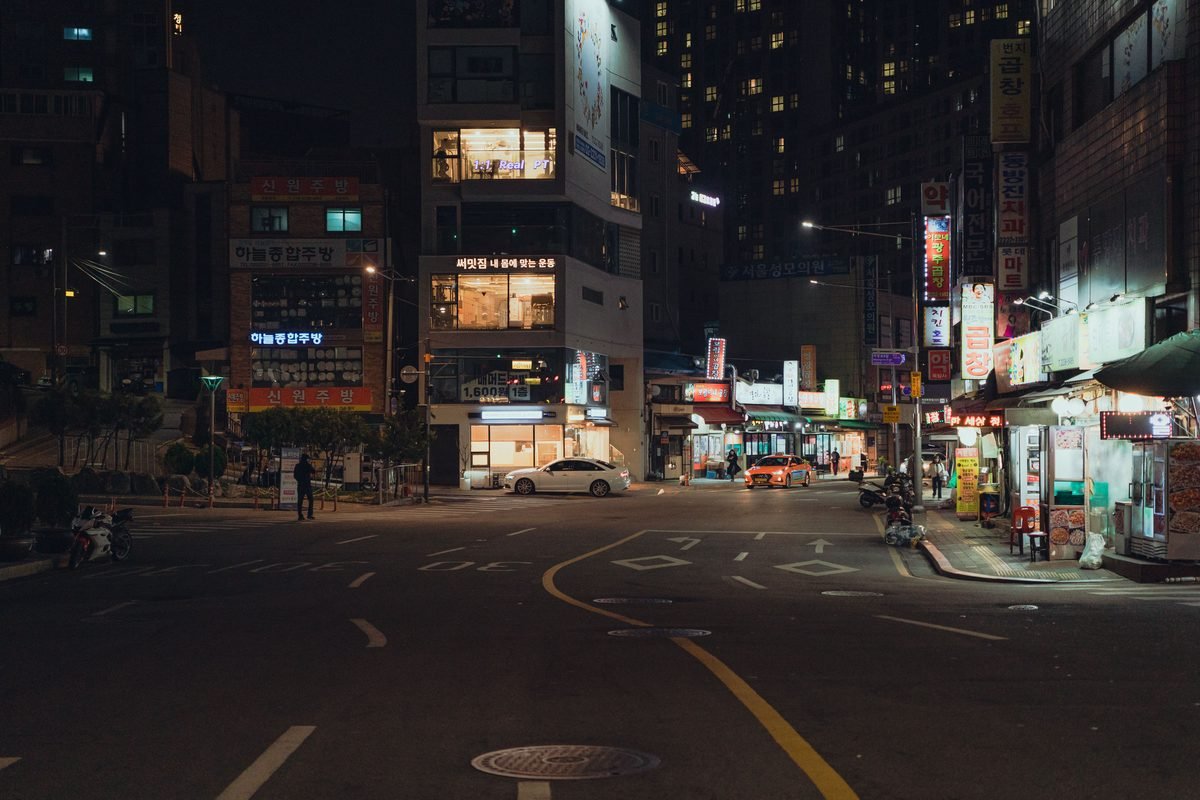
If you decide to tackle the late-night malls of Dongdaemun, plan your transport home carefully. The Seoul subway shuts down around midnight. If you shop until 2:00 AM, you will need to rely on late-night “Owl Buses” (marked with an ‘N’ before the number) or a taxi. Taxis can be notoriously difficult to hail on the street in Dongdaemun during the early morning hours.
To avoid getting stranded or overcharged by unregistered drivers, download the Kakao T app. It works like Uber and allows you to call official city taxis with fixed, metered rates. Always ensure the driver turns on the taximeter when you get in. It is also helpful to have your accommodation address written in Korean characters on your phone to show the driver, as many older drivers do not speak English.
Heads up: Beware of Unmetered Taxis
Never accept a flat-rate fare from a taxi driver waiting outside Dongdaemun malls at 3:00 AM. They often demand triple the legal rate; always insist on using the meter or call a ride via Kakao T.
What it costs in Seoul
| Item | Local price | USD |
|---|---|---|
| T-money transit card (blank) | ₩4,000 | $3.00 |
| Single subway ride (base fare) | ₩1,550 | $1.15 |
| Olive Young sheet mask box (Myeongdong) | ₩15,000 | $11.25 |
| Vintage denim jacket (Gwangjang Market) | ₩30,000 | $22.50 |
| Independent designer t-shirt (Seongsu-dong) | ₩60,000 | $45.00 |
| Mid-range business hotel room (per night) | ₩120,000 | $90.00 |
| Estimated daily shopping day budget | ₩230,550 | $172.90 |
Prices checked September 2026. Always confirm with the provider before you book.
Mistakes to avoid
- Relying on Google Maps for walking directions instead of downloading Naver Map or KakaoMap.
- Arriving in Seongsu-dong before 11:00 AM when most boutiques and pop-up stores are still shuttered.
- Leaving your physical passport at your hotel, which prevents you from receiving immediate tax refunds at checkout.
FAQ
Which Seoul shopping district is best for cosmetics?
Myeongdong is the undisputed capital for Korean cosmetics, featuring massive flagship stores of every major brand. You will find competitive pricing, frequent buy-one-get-one promotions, and cashiers who can instantly process tax refunds.
Do I need cash for shopping in Seoul?
While credit cards are accepted almost everywhere in modern malls and boutiques, you will definitely need cash for traditional markets. Vintage stalls in Gwangjang Market and late-night wholesale vendors in Dongdaemun often offer discounts for cash or do not accept foreign cards.
How do I use this Seoul shopping districts guide to plan my days?
Group your shopping by geography and timing: visit traditional markets like Gwangjang in the morning, explore trendy boutiques in Seongsu-dong during the afternoon, and save Dongdaemun for late-night hunting. This layout prevents you from wasting hours traveling back and forth across the city.
What time do shops open in Seongsu-dong?
Most independent boutiques and designer showrooms in Seongsu-dong do not open until 11:00 AM or noon. If you arrive early, you will find closed shutters, so it is best to plan your visit for the afternoon or early evening.
Is haggling acceptable in Seoul stores?
Haggling is strictly unacceptable in modern department stores, global chains, and Seongsu boutiques where prices are fixed. However, polite bargaining is welcomed at Gwangjang Market’s vintage arcade and Dongdaemun’s wholesale markets, particularly if you are paying in cash.