The Ultimate Tongyeong and Geoje Island Guide

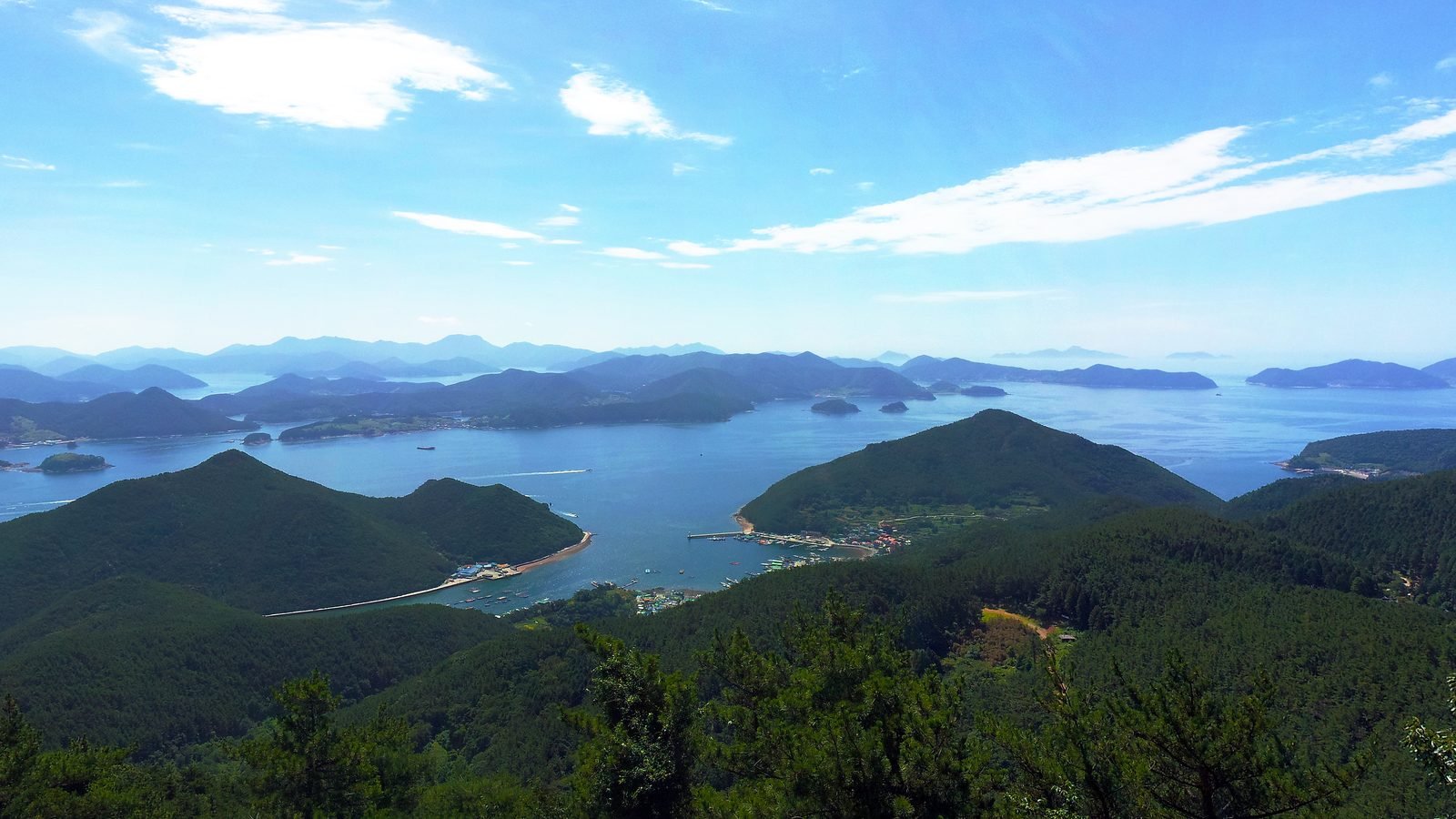
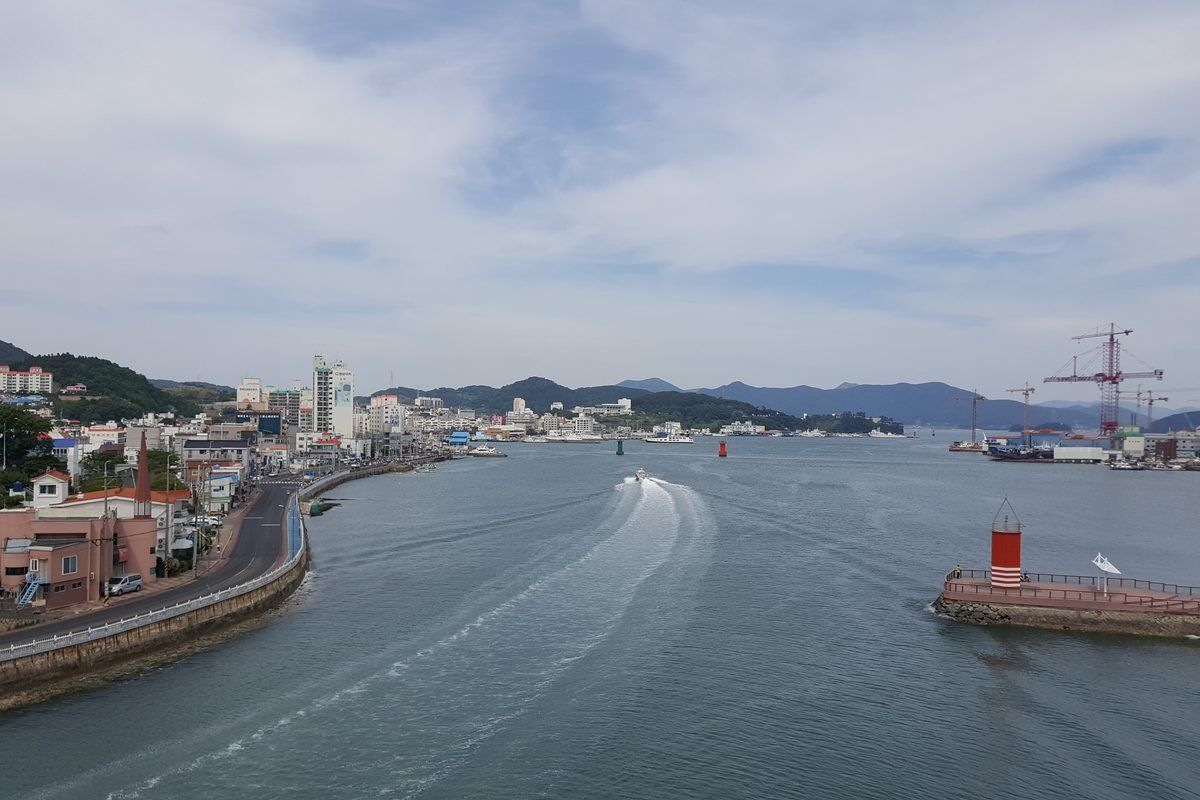
At 7:00 AM, the harbor in Tongyeong is already wide awake. The morning air was cold. We sat on plastic stools, steam rising from a bowl of warm broth while a vendor sliced spicy radish to serve alongside a plate of seaweed-wrapped rice. This southern corner of South Korea, where the land breaks apart into hundreds of green islands, moves at a slower, saltier pace than Seoul.
This comprehensive Tongyeong and Geoje island guide is written for independent travelers who want to escape the typical tourist paths and experience Korea’s dramatic coastal landscapes. Over the years, I have returned to this region repeatedly to ride the cable cars, explore the quiet fishing villages, and catch ferries to offshore botanical gardens. Here is everything you need to plan your own trip, from Busan bus routes to ferry timetables.
Your Tongyeong and Geoje island guide to transport
Getting to this scenic corner of the Korean peninsula is straightforward, even without a rental car. Most travelers start their journey from Busan. If you are starting further north, our Seoul to Busan KTX guide explains how to reach the southern hub before heading to the coast. To reach Tongyeong, head to the Busan Seobu (Sasang) Bus Terminal. Buses depart every 20 to 30 minutes throughout the day. Buy your tickets at Sasang. The journey takes roughly 1 hour and 30 minutes, costing about ₩14,000 (about $10.50) for a standard seat. The bus drops you at the Tongyeong Intercity Bus Terminal, which sits slightly north of the main harbor area. You can easily catch a local city bus or a short taxi ride to the waterfront.
To continue your journey to Geoje Island, you do not need to book a complicated ferry. The two regions are connected by a massive bridge. Intercity buses run constantly between Tongyeong Terminal and Gohyeon Terminal on Geoje Island. This short ride takes about 35 minutes and costs roughly ₩4,000 (about $3). Once on Geoje, the local bus network is less frequent than in major cities, so planning your day around bus schedules is essential.
If you prefer to travel directly from Busan to Geoje, you can take the 2000 express bus from Hadan Station in Busan. This route crosses the spectacular Geoga Bridge, bringing you straight to northern Geoje for ₩4,500 (about $3.40). For maximum flexibility on Geoje, renting a car at Busan Airport or Sasang is highly recommended, as the island’s best coastal viewpoints are highly spread out.
Best season and Oedo island timing
Timing is everything when planning a trip to the southern coast, especially when Oedo Botania is on your itinerary. Autumn, particularly from September to November, is the absolute best window to visit. The summer humidity has cleared, leaving crisp blue skies and comfortable daytime temperatures around 22°C (72°F). September brings excellent hiking conditions for Mireuksan Mountain and pleasant coastal breezes. Spring is also beautiful, with cherry blossoms lining the coastal roads in April, though you will share the views with far larger crowds of domestic weekend travelers.
If you plan to visit Oedo Botania, the famous marine botanical garden, your daily timing is critical. The island is highly popular, and mid-day ferries are often packed with tour groups. To experience the gardens in relative peace, aim for the first ferry of the morning, which usually departs around 8:30 AM from Gujora Port. Weekdays are infinitely better than weekends. On a Tuesday or Wednesday morning, you will often find yourself walking the manicured pathways with only a handful of other travelers.
Avoid visiting during the peak summer holiday season of late July and August, when the heat is oppressive and ferry tickets sell out days in advance. Winters are mild compared to Seoul, but strong sea winds can cause sudden ferry cancellations, so always keep a flexible backup plan if you travel between December and February. Always check the local maritime weather forecast the night before your scheduled crossing. If the waves are too high, the coast guard will ground all passenger vessels, even on sunny days.
Book ahead: Book Ferries in Advance
Booking your ferry tickets online is highly recommended during weekends, but weekday tickets can easily be bought at the port 30 minutes before departure.
What to do in Tongyeong: Cable cars and murals
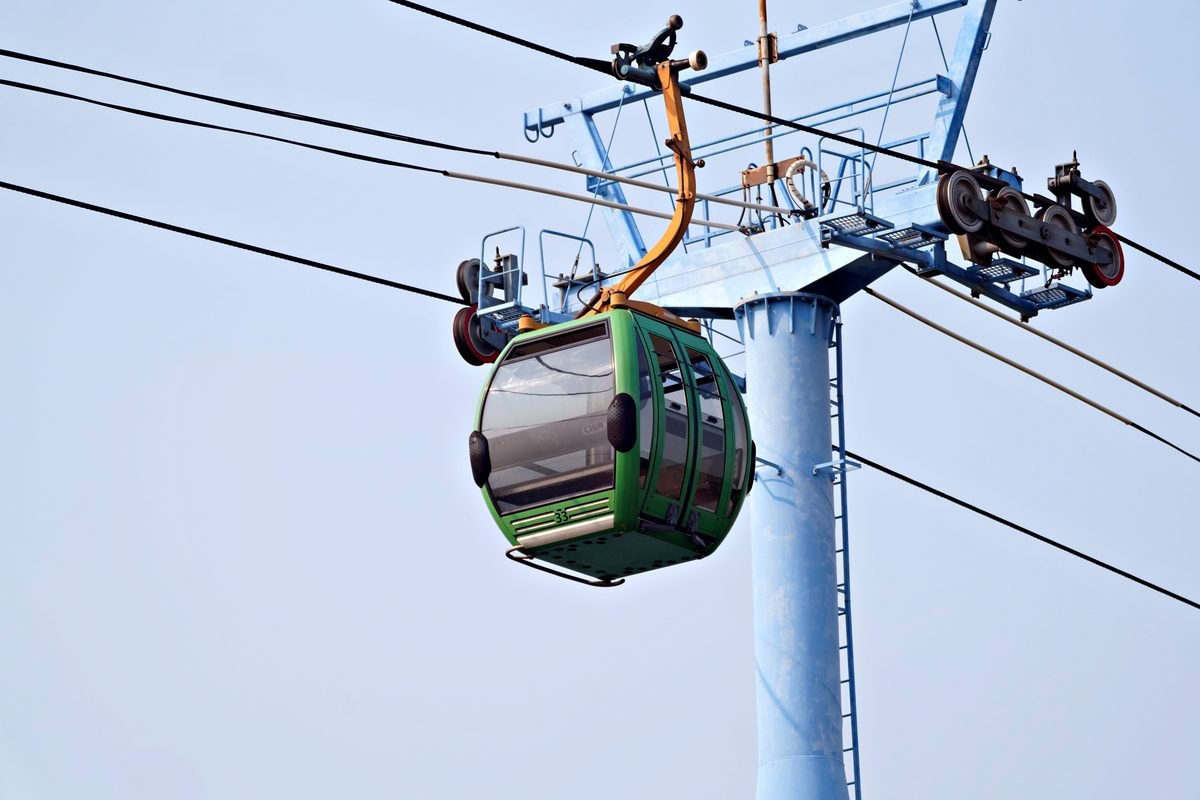
Tongyeong is often called the Naples of Korea, and you will understand why once you look down on the harbor from above. Your first stop should be the Tongyeong Cable Car, officially known as the Hallyeosudo Landscape Cable Car. For ₩17,000 (about $12.75) round-trip, the cabin whisks you up the slopes of Mireuksan Mountain. On a clear day, the view from the top platform is incredible, stretching across dozens of green islands dotting the blue sea. From the upper cable car station, a well-maintained wooden boardwalk leads you to the actual summit of Mireuksan in about 15 minutes of gentle climbing.
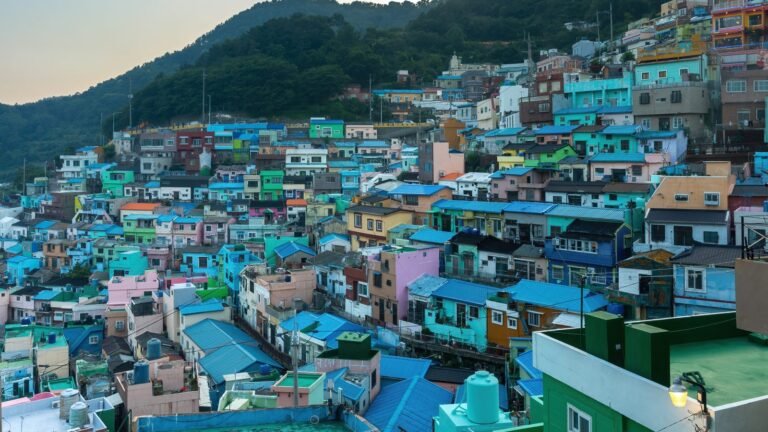
After descending, make your way to Dongpirang Mural Village, located on a steep hill overlooking the central Jungang Market. This neighborhood was once slated for demolition, but local artists transformed it by painting the walls of the small homes with whimsical murals. The steep, narrow alleys are fun to explore, and several tiny cafes along the path offer outdoor seating with panoramic views of the harbor below.
To escape the crowds, walk over to Yi Sun-sin Park on the eastern edge of the city. This park honors the legendary admiral who defeated Japanese naval forces in these waters during the 16th century. A giant bronze statue of the admiral stands on the cliffside, watching over the quiet bay. The coastal walking trail here leads down to a rocky beach where you can sit and watch the wooden fishing boats pass by.
Exploring Geoje Island and Oedo Botania
Geoje is Korea’s second-largest island, offering a rugged contrast to the compact harbor of Tongyeong. The crown jewel of the island is Oedo Botania, a private marine botanical garden built on a steep rocky island. To get there, you must take a combined ferry and garden tour. Ferries depart from several ports on Geoje, but Gujora Port is the closest and most convenient. The round-trip ferry ticket and garden entry fee combined cost about ₩35,000 (about $26). The ferry ride is short. It takes about 20 minutes to reach the island, and the captain usually detours past the dramatic rock formations of Haegeumgang along the way. You are given exactly two hours to explore Oedo’s Mediterranean-style gardens, which is plenty of time to walk the loop trail.
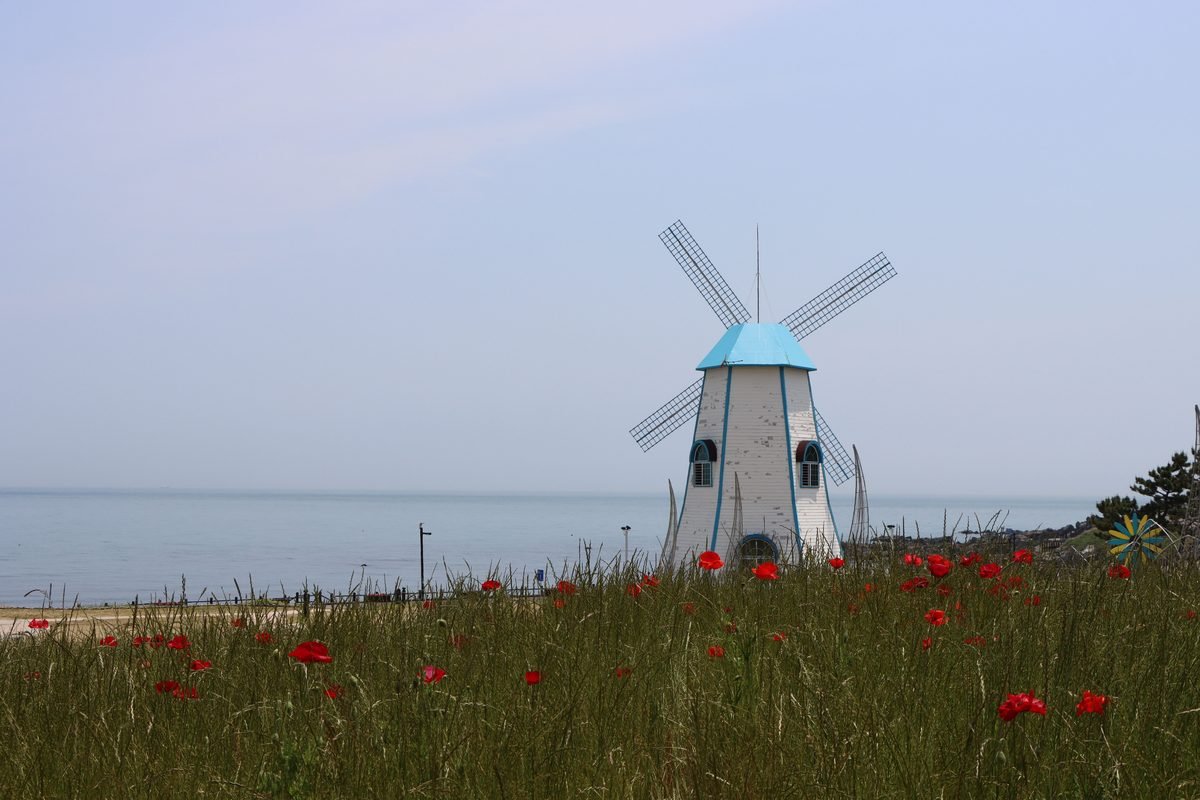
Back on the main island of Geoje, head to Windy Hill, known locally as Baramui Eondeok. This grassy hill features a large, traditional Dutch windmill facing the open sea. It is a highly photogenic spot, though it can get incredibly windy, as the name suggests. Directly opposite the hill is Sinseondae Observatory, where wooden steps lead down to massive, flat yellow rocks that have been carved by the waves over thousands of years.
If you have time, stop at Hakdong Black Pearl Pebble Beach. Unlike the sandy beaches of Busan, which we cover in our Busan 3-day itinerary, this shoreline is covered in small, smooth black pebbles. The sound of the retreating waves pulling against the pebbles is incredibly soothing.
From a local: Ferry Seating Strategy
For the best view on the ferry to Oedo, try to grab a seat on the right side of the boat to get a clear view of the Haegeumgang rock formations.
Where to eat: Chungmu gimbap and fresh oysters
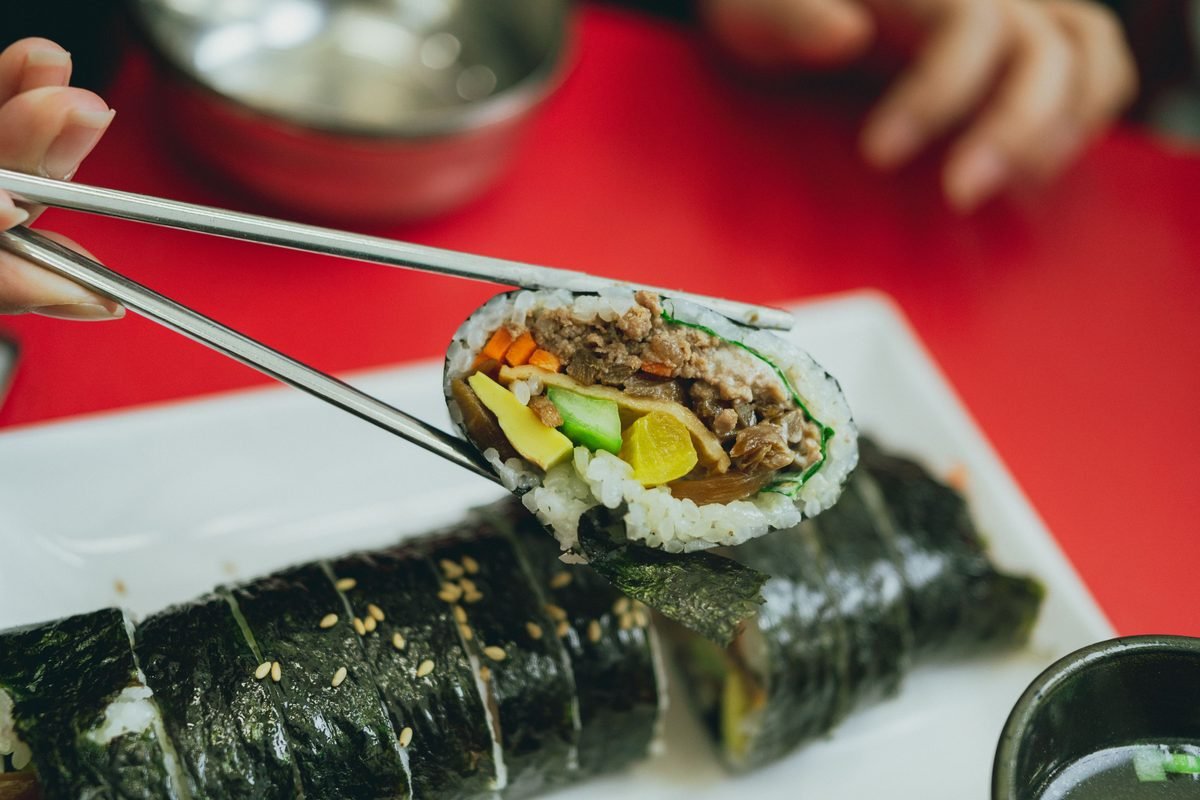
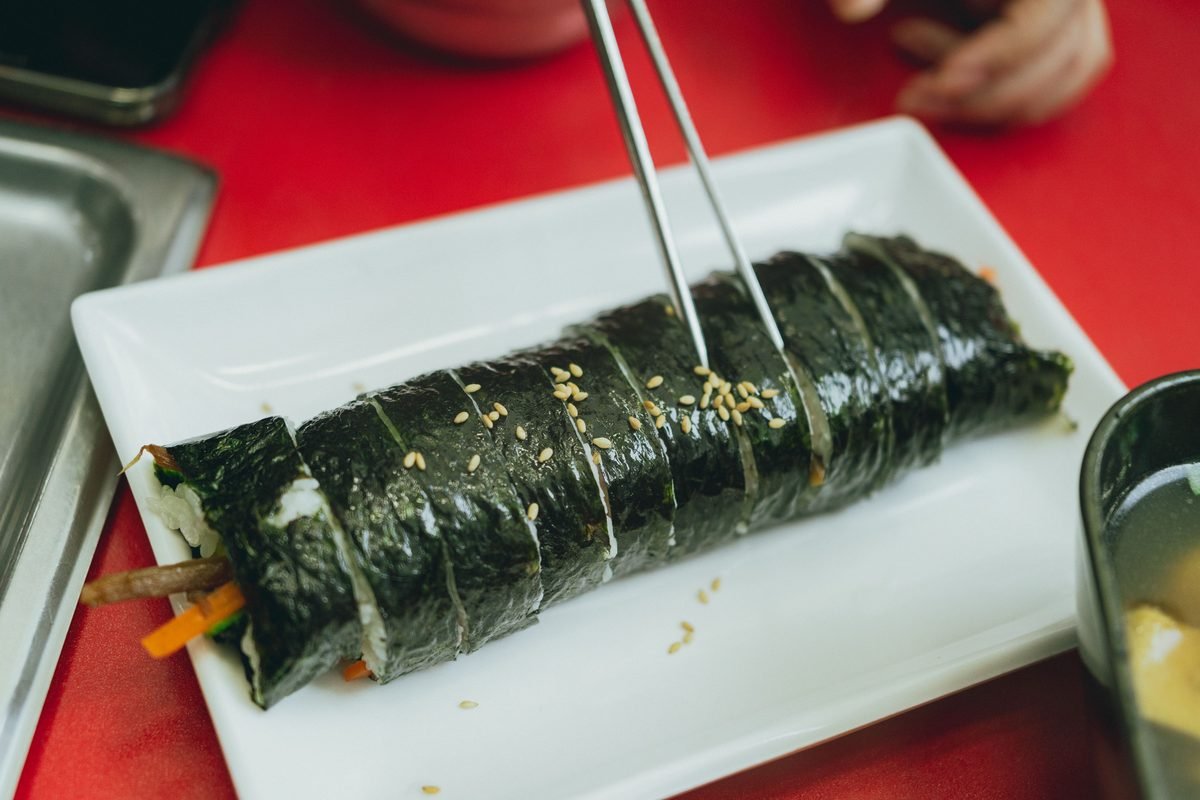
Tongyeong is a paradise for seafood lovers, and its culinary traditions are distinct from the rest of the country. The most famous local dish is Chungmu Gimbap, which originated in the mid-20th century. Unlike standard gimbap, which is filled with vegetables and meat, these are simple, bite-sized rolls of plain rice wrapped in seaweed. They are served alongside a highly seasoned plate of spicy fermented radish and marinated squid. This dry style was invented so fishermen could take the rice out to sea without it spoiling in the humid weather. A portion at the famous stalls along the harbor front costs about ₩6,500 (about $5) and makes for a perfect, quick lunch.
For a more substantial meal, head into the busy lanes of Tongyeong Jungang Market. Here, you will find rows of tanks filled with live fish, crabs, and octopuses. You can point to a fish, negotiate a price with the vendor, and they will slice it into fresh sashimi on the spot. You then take the fish to a nearby restaurant inside the market, where they serve it with side dishes and a spicy fish bone soup for a small table fee of about ₩5,000 (about $3.75) per person.
Tongyeong is also famous for its oysters, which are farmed extensively in the clean southern waters. Look for restaurants serving gulbap (oyster rice cooked in a stone pot) or crispy gul-jeon (oyster pancakes) for an incredibly rich, savory local dinner.
Practical tips for navigating the southern coast
Navigating the southern coast requires a bit of preparation compared to exploring Seoul. First, remember that Google Maps is virtually useless for walking or public transit directions in South Korea. Before you leave home, download Naver Map or KakaoMap. Both apps have English interfaces and provide highly accurate, real-time bus arrival times and walking routes for both Tongyeong and Geoje. Your standard T-money card or regional transit card works perfectly on the local buses in both cities, much like the system detailed in our Jeju Island bus guide, so make sure to load it with extra cash at a convenience store before you arrive.
Always bring your physical passport. This is a strict legal requirement for boarding any ferry in Korea, including the boats to Oedo Botania. The ticket agents will check your passport against your ticket before you are allowed to board. Additionally, keep in mind that English is less widely spoken here than in Seoul or Busan. Having a translation app like Papago downloaded on your phone will save you a lot of stress when ordering food at local markets or asking bus drivers for assistance.
Finally, credit cards are accepted almost everywhere, but keeping about ₩20,000 (about $15) in cash is highly useful for buying small street snacks, paying for parking, or purchasing fresh seafood from the older vendors inside Jungang Market. Also, be aware that public restrooms along the coastal trails do not always provide toilet paper, so keeping a small pack of tissues in your daypack is a smart local habit.
Heads up: Keep Your Return Ticket
Do not lose the return ferry ticket boarding pass handed to you at the port; you must present it to the captain when leaving Oedo Island.
What it costs in Tongyeong
| Item | Local price | USD |
|---|---|---|
| Bus from Busan (one way) | ₩14,000 | about $10.50 |
| Intercity bus Tongyeong to Geoje | ₩4,000 | about $3.00 |
| Tongyeong Cable Car ticket | ₩17,000 | about $12.75 |
| Oedo Botania ferry & entry | ₩35,000 | about $26.00 |
| Plate of Chungmu Gimbap | ₩6,500 | about $5.00 |
| Mid-range double room per night | ₩90,000 | about $68.00 |
| Realistic daily total per person | ₩120,000 | about $90.00 |
Prices checked September 2026. Always confirm with the provider before you book.
Where to stay in Tongyeong
Budget
A business hotel by Tongyeong Harbor
Perfect for solo travelers who want to be steps away from the food stalls and bus lines, costing roughly ₩55,000 to ₩75,000 (about $41 to $56) per night.
Mid-range
A modern hotel near Gujora Beach on Geoje
Ideal for couples wanting easy access to the Oedo ferry terminal and coastal views, costing roughly ₩90,000 to ₩130,000 (about $68 to $98) per night.
Splurge
A cliffside resort in southern Geoje
Best for families and travelers seeking private balconies overlooking the archipelago, costing roughly ₩180,000 to ₩300,000 (about $135 to $225) per night.
Mistakes to avoid
- Assuming Google Maps will guide you through the coastal bus routes.
- Forgetting to bring your physical passport to the ferry terminal.
- Visiting Oedo Botania on a weekend afternoon without booking ahead.
FAQ
How do I get to Tongyeong from Seoul?
The fastest way is to take an express bus from the Seoul Express Bus Terminal directly to Tongyeong, which takes about 4 hours and costs roughly ₩35,000 (about $26). There is no direct KTX high-speed train to Tongyeong, but you can take the train to Jinju Station and catch a local bus from there.
Is this Tongyeong and Geoje island guide suitable for a two-day trip?
Yes, two days is the perfect amount of time to see both areas. You can spend your first day exploring the cable car and markets in Tongyeong, then head to Geoje on the second day for the Oedo Botania ferry and Windy Hill.
Can I use my T-money card in Tongyeong?
Yes, your standard T-money transit card works perfectly on all local city buses in both Tongyeong and Geoje. Just make sure to tap your card on the reader when boarding and exiting the bus to get transfer discounts.
Do I need a car to visit Geoje Island?
While you can use local buses, renting a car makes exploring Geoje significantly easier because the main sights like Windy Hill and the ferry ports are far apart. If you rely on public transit, you will need to plan your day carefully around infrequent bus timetables.
What is the best ferry port for Oedo Botania?
Gujora Port is widely considered the best option because it offers the shortest ferry ride to Oedo, taking only about 20 minutes. It also has a large, free parking lot and is located close to other major Geoje attractions like Windy Hill.