Amsterdam 3 Day Itinerary: Museums, Canals & Day Trips

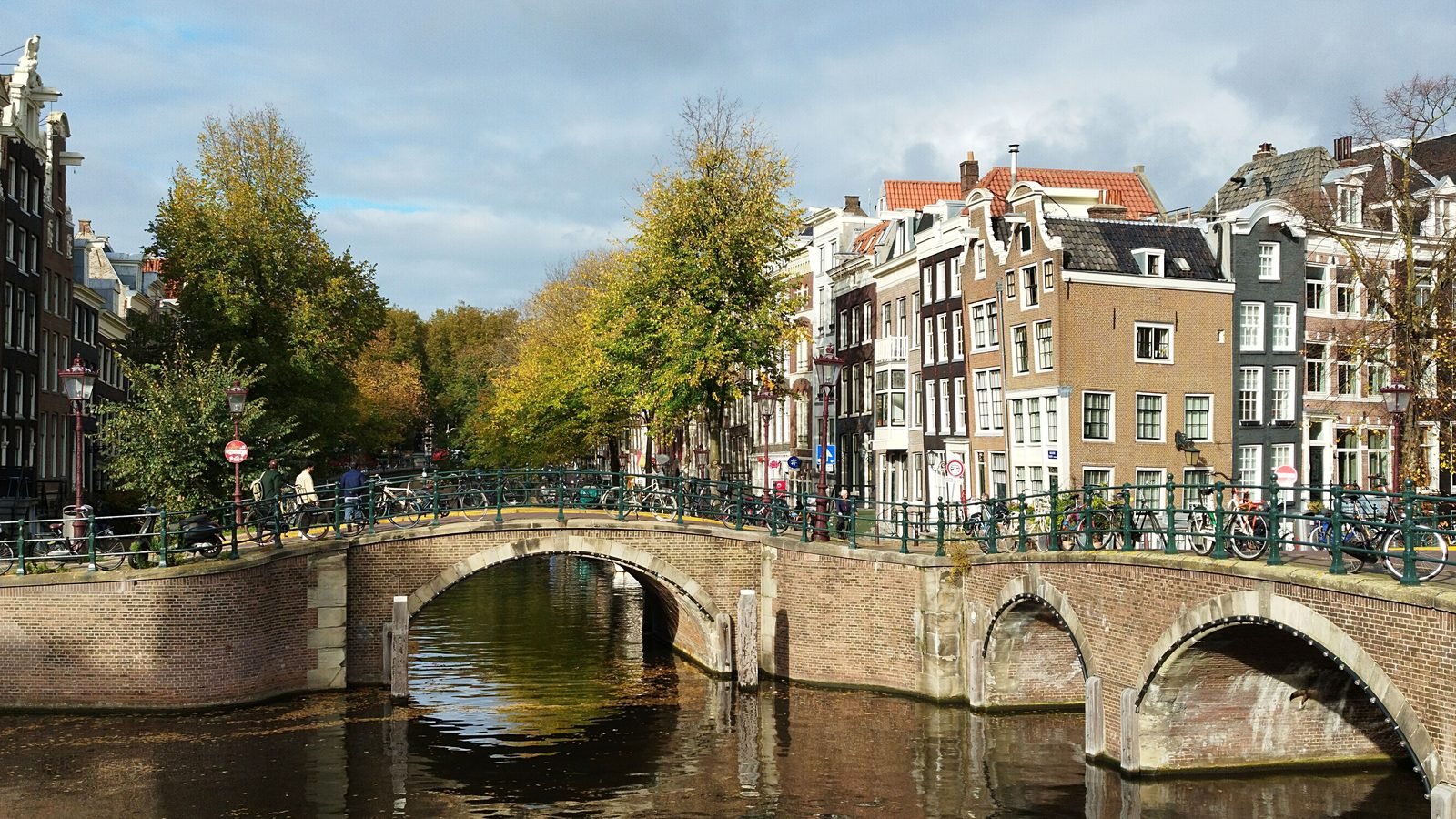
Stepping off the train at Amsterdam Centraal, the damp North Sea air carries the faint smell of roasted coffee and wet asphalt. Its 165 canals and quiet side streets are easy to love and just as easy to get lost in. If you are planning an Amsterdam 3 day itinerary, getting the pacing right makes the difference between an overwhelming trip and a smooth, memorable break.
This guide is built for independent travelers who want to see the city properly without rushing. We will cover exact museum reservation tricks, essential street rules for renting a bike, quiet walks through the Jordaan, realistic advice on canal cruises, and an easy half-day excursion to the historic windmills at Zaanse Schans.
How to plan the ultimate Amsterdam 3 day itinerary
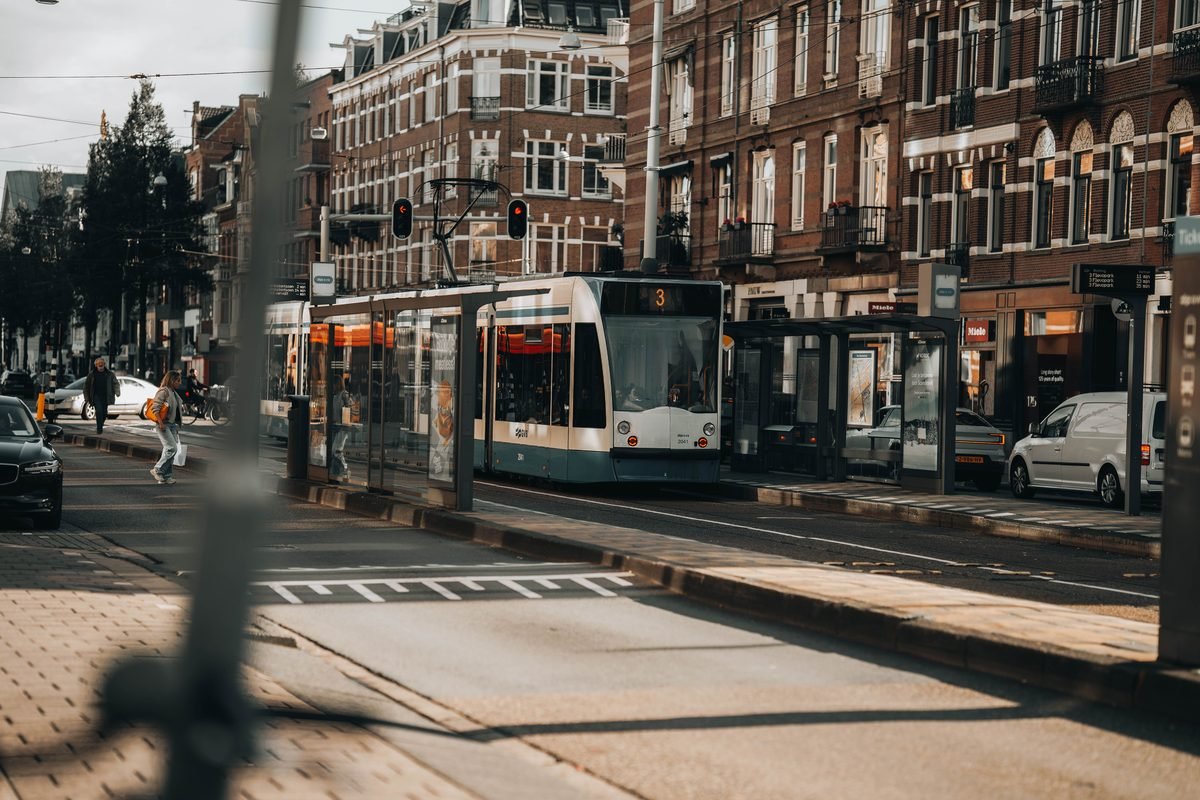
Arriving in Amsterdam is remarkably straightforward. Direct NS trains run frequently from Schiphol Airport (AMS) straight to Amsterdam Centraal station. The train trip takes about 15 minutes and costs €4.90 (about $5.30) when tapping a contactless credit card or debit card at the station gates. Schiphol trains run all night. Trams are fast and frequent. Once you arrive at Centraal, you can easily reach any neighborhood using the blue-and-white GVB tram network.
Public transit across the city is efficient, clean, and entirely cashless. Purchasing a GVB multi-day ticket saves money if you plan to ride trams and buses regularly. A 24-hour pass costs €9.00 (about $9.80), while a 72-hour pass costs €21.00 (about $23.00). You must tap your card against the reader every single time you board and exit a vehicle.
While walking is pleasant, Amsterdam is large enough that mixing foot travel with tram rides keeps your feet fresh for long museum visits. Base yourself near the canal ring or De Pijp to minimize transit time. Avoiding taxis is wise, as narrow streets and heavy bicycle traffic make driving slow and expensive. Stick to the rails, your feet, or two wheels for the smoothest experience.
When to go and navigating museum booking windows
Timing matters when planning your visit. Spring brings blooming tulips, but autumn offers golden trees along the water and far smaller crowds. Rain starts quickly in September. Always bring an umbrella. However, regardless of the season you choose, the biggest pitfall for visitors is failing to secure museum entry tickets far enough in advance. Book your museum tickets early.
The Anne Frank House operates on a strict online reservation system. Ticket sales open online about six weeks in advance on Tuesdays. Adult tickets cost €16.00 (about $17.50). These tickets often sell out quickly after release, leaving unprepared travelers empty-handed. If you miss the primary window, check the official site daily for last-minute cancellations, but never rely on walk-up ticket sales because none are sold at the door.
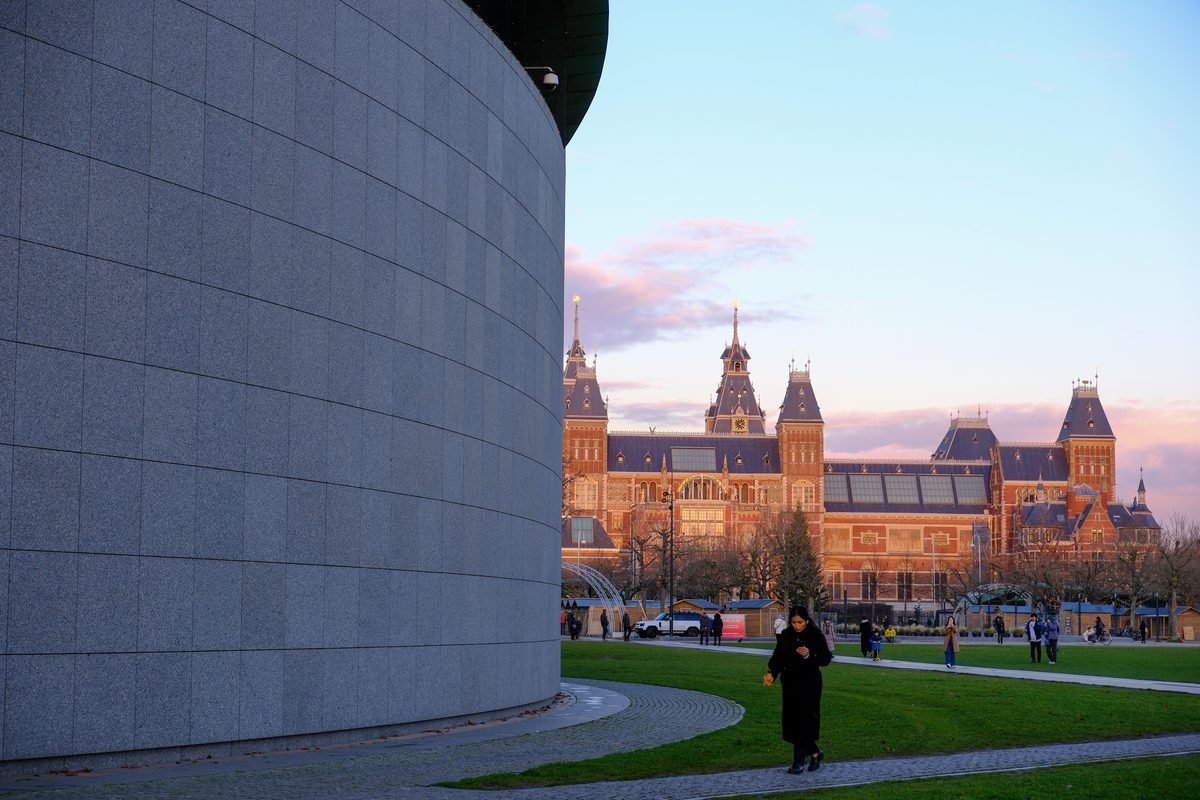
The Van Gogh Museum (€22.00 / about $24.00) and the Rijksmuseum (€22.50 / about $24.50) both enforce mandatory timed entry slots. The Van Gogh Museum routinely sells out weeks ahead during peak travel months. If you plan to visit multiple major sites, evaluate the I amsterdam City Card (starting at €65.00 / about $70.70 for 24 hours). It covers public transit and entry to over 70 attractions, though you must still reserve timed slots online for each museum in advance.
Book ahead: Museum Ticket Release Schedules
Anne Frank House tickets drop about six weeks in advance on Tuesdays. Van Gogh Museum slots open about a month ahead and sell out fast.
Day 1: Exploring Jordaan walks and iconic museums
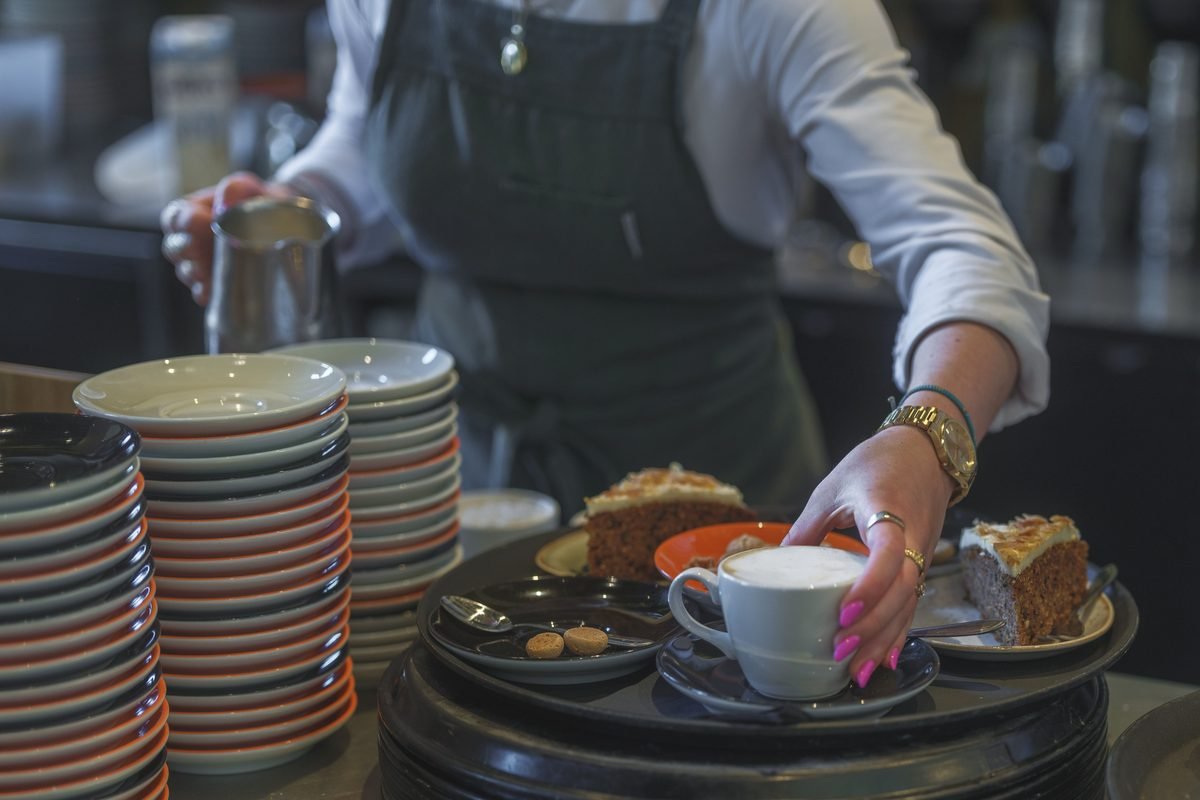
Begin your first morning in the Jordaan district. Originally built in the 17th century for working-class families and immigrants, this neighborhood has transformed into a peaceful grid of narrow alleys, courtyard gardens (*hofjes*), and independent boutiques. Start with a quiet stroll down Egelantiersgracht and Prinsengracht before the morning crowds arrive. Stop at Café ‘t Smalle, a traditional brown café dating back to 1780, for a coffee and a slice of Dutch appeltaart topped with heavy whipped cream for €5.50 (about $6.00).
Following your morning walk, head to your pre-booked timed entry slot at the Anne Frank House along Prinsengracht. The audio tour guides you through the secretive annex where Anne and her family hid during World War II. It is a somber, deeply moving experience that sets a thoughtful tone for understanding the city’s modern historical backdrop.
After lunch, stroll south along the outer canal belt toward the Museumkwartier. Spend your afternoon inside the grand halls of the Rijksmuseum admiring Rembrandt’s *The Night Watch* and Johannes Vermeer’s *The Milkmaid*. If time allows, cross the grassy Museumplein to the Van Gogh Museum to view his iconic sunflower paintings and intimate letters. In the evening, unwind with a slow walk through nearby Vondelpark before dining on traditional Dutch comfort food, such as *stamppot* (mashed potatoes with vegetables and smoked sausage), at a cozy local eatery.
Day 2: Cycling rules, De Pijp, and honest canal cruises
Renting a bicycle is the quintessential local experience, but cycling in Amsterdam requires complete focus. Daily bike rentals from reputable shops like MacBike or Black Bike cost between €12.00 and €15.00 (about $13.00 to $16.30). Do not walk in bike lanes. Always yield to traffic coming from your right unless indicated otherwise, use clear hand signals before turning, and keep your wheels perpendicular to tram tracks so they do not get wedged in the steel grooves. Always rent a coaster bike if you are unfamiliar with hand brakes.
Ride south toward De Pijp, a historic working-class neighborhood known for its bohemian energy. Walk through the sprawling Albert Cuypmarkt, which operates Monday through Saturday. Pick up a freshly made, hot *stroopwafel* dripping with warm caramel syrup for €2.50 (about $2.70). Adventurous eaters should try a traditional serving of raw herring (*haring*) served with diced raw onions and gherkins from a wooden fish stand for €4.50 (about $4.90).
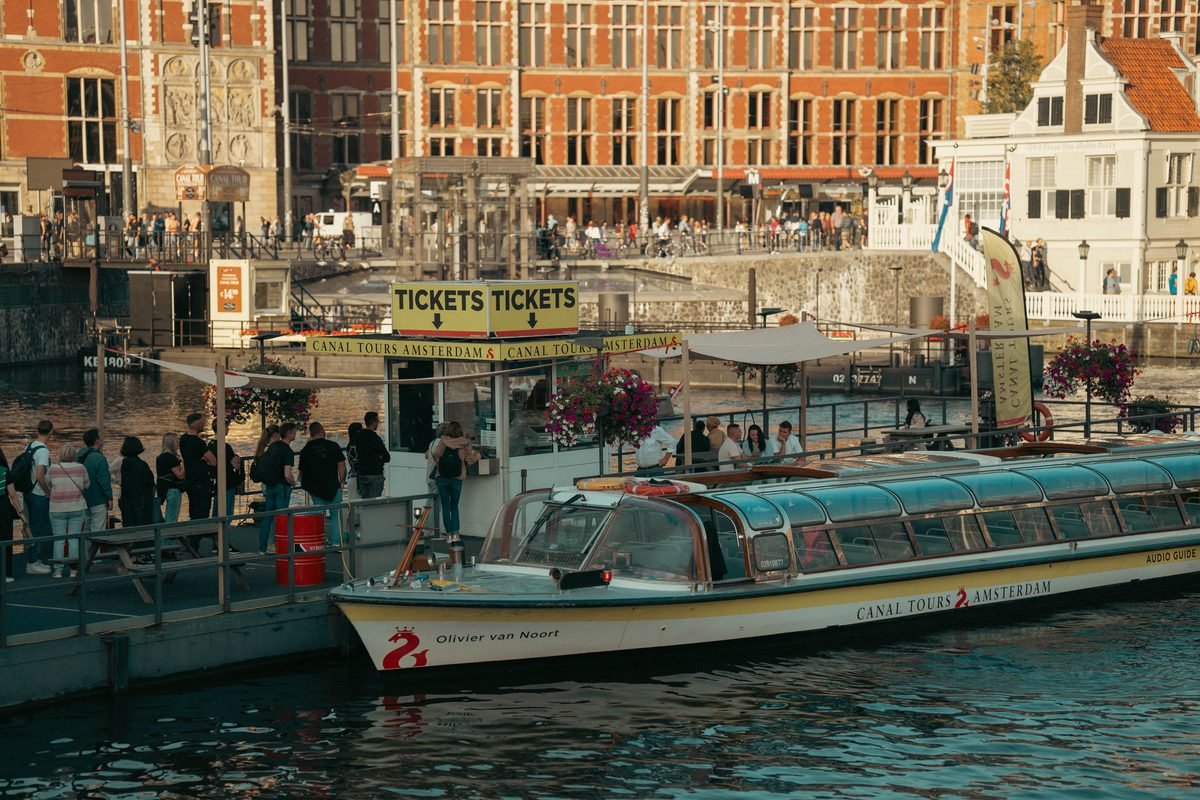
In the late afternoon, take a canal cruise. Skip the massive, 100-passenger glass-topped tour boats anchored near Centraal Station, which often feel impersonal and noisy. Instead, opt for a small open-boat tour operated by local captains starting near the Jordaan or Damrak, priced around €22.00 to €28.00 (about $24.00 to $30.50). These smaller electric vessels navigate quieter historic canals where large commercial boats cannot fit, offering live commentary and complimentary drinks. Check our tips on Europe budget travel tips to stretch your daily sightseeing funds further.
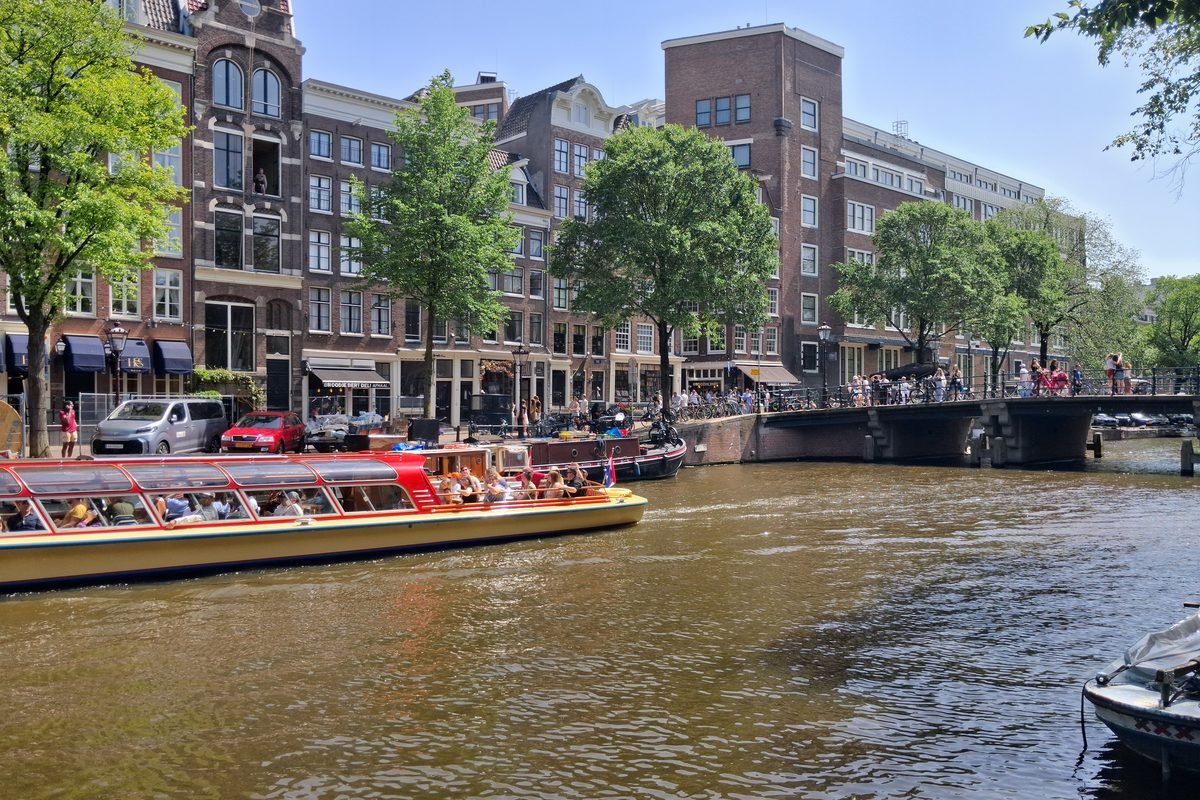
Heads up: Bicycle Track Etiquette
Red asphalt indicates a dedicated bike path. Walking in bike lanes will result in angry bell rings from fast-moving commuters.
Day 3: A day trip to Zaanse Schans and historic windmills
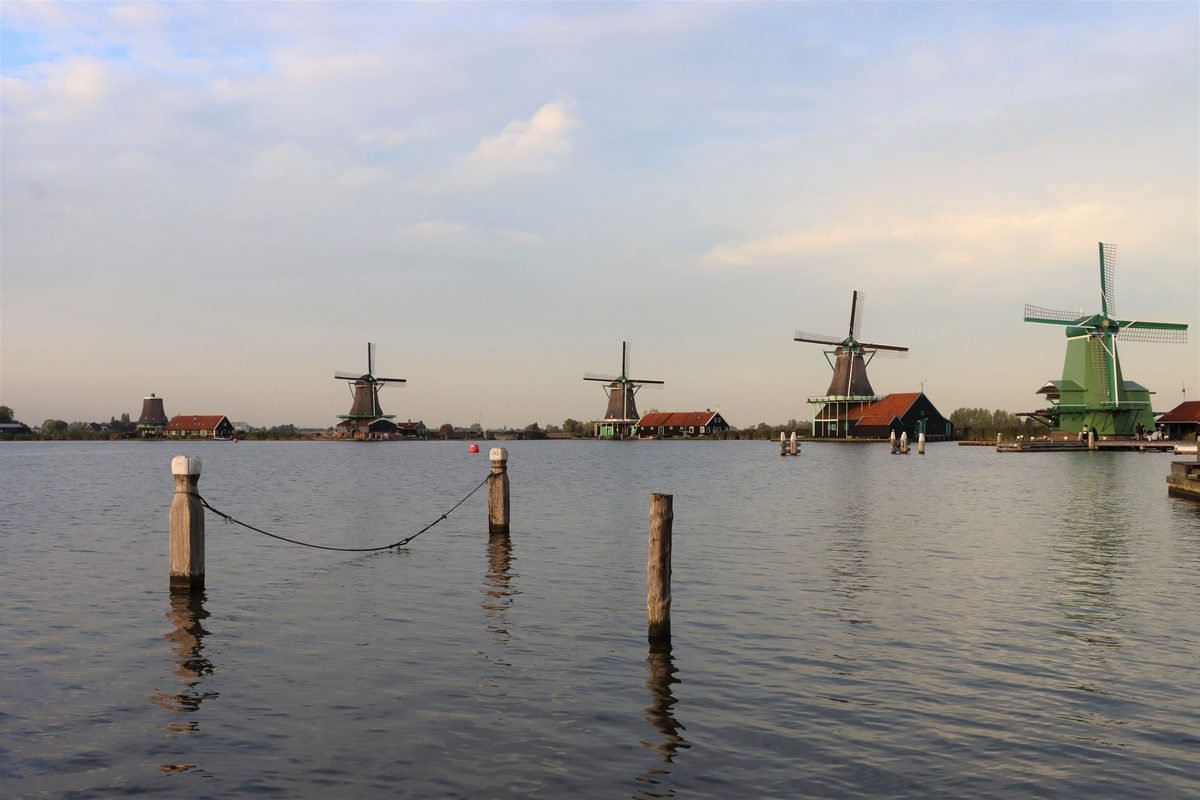
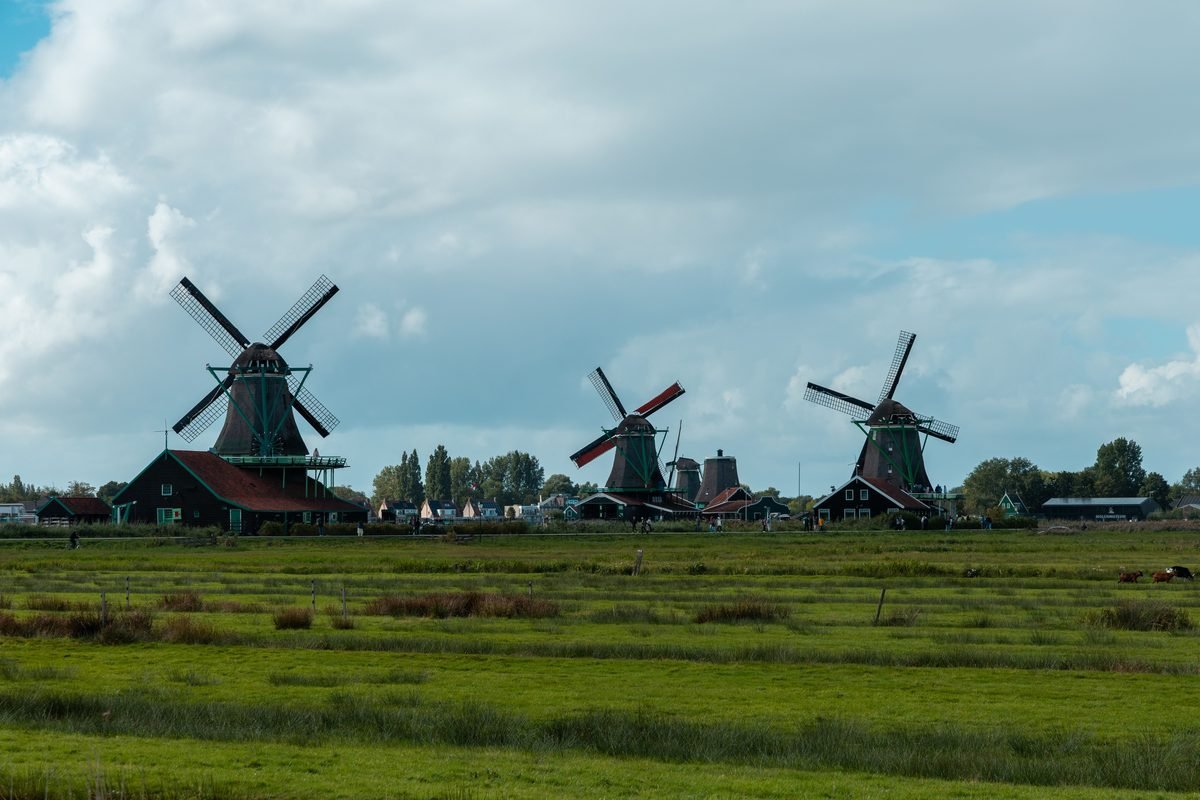
On your third day, take a quick trip outside the city center to see the rural heritage of the Netherlands. Head to Amsterdam Centraal and catch a local NS train toward Uitgeest, alighting at Zaandijk Zaanse Schans station. The train trip takes under 20 minutes and costs €3.80 (about $4.10) each way. From the station, follow the well-marked footpath for 15 minutes across the Zaan River bridge to reach the open-air heritage site of Zaanse Schans.
Admission to the Zaanse Schans grounds is entirely free, allowing you to wander past historic green wooden houses, peat warehouses, and flower-lined canals. However, individual working windmills—such as De Kat (a paint and pigment mill built in 1646) and De Zoeker (an industrial oil mill)—charge an entry fee of approximately €6.00 (about $6.50) to climb inside and view the massive spinning wooden gears.
Stop by the wooden shoe workshop to watch master craftspeople carve traditional Dutch clogs from solid blocks of poplar wood, and sample aged Gouda cheeses at the Catharina Hoeve Cheese Farm. Return to Amsterdam by mid-afternoon, and celebrate your final evening with an authentic Indonesian *rijsttafel* (rice table)—a feast of small, spicy dishes served with rice, costing about €35.00 to €45.00 (about $38.00 to $49.00) per person at popular restaurants like Kantjil & de Tijger.
Practical tips for a smooth trip to Amsterdam
Navigating modern Amsterdam requires understanding a few local quirks. First and foremost, cash is rarely accepted here. Amsterdam is almost entirely a cashless city. Supermarkets like Albert Heijn, cafes, bars, trams, and museum gift shops frequently display signboards stating *Pin Only*, meaning they exclusively accept debit cards, Visa, Mastercard, or Apple Pay. Carrying small amounts of physical currency is fine for emergency tipping, but relying on cash for daily expenses will cause friction.
Safety in the central nightlife zones requires basic situational awareness. While Amsterdam is one of Europe’s safest capitals, pickpocketing does occur in crowded transit hubs around Centraal Station and Dam Square. If you visit De Wallen (the Red Light District) in the evening, strictly respect local regulations: taking photos or filming the sex workers inside illuminated windows is strictly prohibited and carries heavy fines from local enforcement officers.
Finally, simple manners go a long way. English proficiency across the city is nearly universal, but starting conversations with a friendly *goedemorgen* (good morning) or ending transactions with *dank je wel* (thank you) is appreciated by restaurant servers and shop clerks alike. Give way to pedestrians on sidewalk zones, keep your voice down late at night along Residential canal streets, and enjoy the relaxed pace of life along the water.
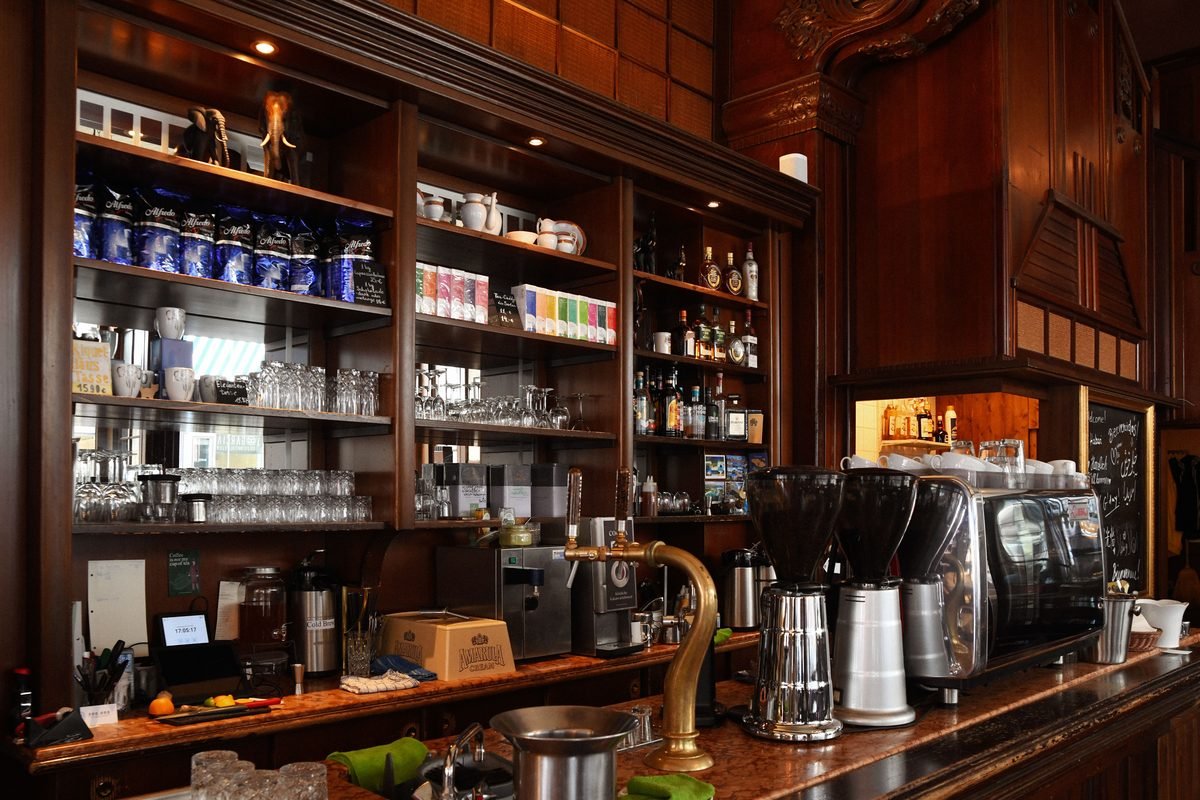
From a local: Cashless Payment Reality
Many local supermarkets and cafes refuse euro banknotes entirely. Always carry a working contactless credit card or phone pay app.
What it costs in Amsterdam
| Item | Local price | USD |
|---|---|---|
| Schiphol Airport train ticket (one-way) | €4.90 | ~$5.30 |
| GVB 72-Hour Public Transit Pass | €21.00 | ~$23.00 |
| Rijksmuseum Admission Ticket | €22.50 | ~$24.50 |
| Small Open Boat Canal Cruise | €25.00 | ~$27.20 |
| Fresh Stroopwafel at Albert Cuypmarkt | €2.50 | ~$2.70 |
| Indonesian Rijsttafel Dinner | €40.00 | ~$43.50 |
| Bicycle Rental (per 24 hours) | €14.00 | ~$15.20 |
| Realistic Daily Total (excl. accommodation) | €85.00 | ~$92.50 |
Prices checked September 2026. Always confirm with the provider before you book.
Where to stay in Amsterdam
Budget
A modern hostel near Vondelpark
Ideal for solo travelers and backpackers who want clean dorms, social spaces, and easy access to Museumplein for under €50–€80 per night.
Mid-range
A boutique canal house hotel in the Jordaan
Perfect for couples seeking historic charm, steep wooden staircases, and canal views within walking distance of central attractions for €160–€240 per night.
Splurge
A luxury historic hotel along the Herengracht
Designed for travelers wanting five-star service, grand canal-front rooms, and quiet courtyard dining for €450–€700 per night.
Mistakes to avoid
- Failing to book tickets for the Anne Frank House six weeks in advance online.
- Walking aimlessly in red-paved bicycle lanes and blocking commuter traffic.
- Attempting to pay with cash at supermarkets, trams, and local coffee shops.
FAQ
Is an Amsterdam 3 day itinerary enough time to see the city?
Yes, three days is the ideal duration to visit major museums like the Rijksmuseum, explore historic neighborhoods like the Jordaan and De Pijp, enjoy a canal cruise, and take a quick half-day trip to Zaanse Schans.
How do I get from Schiphol Airport to Amsterdam city center?
Take the direct NS train from Schiphol Station located directly beneath the main terminal hall. Trains run frequently to Amsterdam Centraal, taking about 15 minutes and costing €4.90.
Do I need to carry cash while traveling in Amsterdam?
No, Amsterdam is largely a cashless city. Most shops, cafes, trams, and supermarkets operate on a ‘Pin Only’ system accepting credit cards, debit cards, and contactless mobile payments.
Can I rent a bike in Amsterdam if I am not an experienced cyclist?
If you are uncomfortable riding in dense urban traffic, stick to riding inside Vondelpark or quieter outlying areas. Central streets have fast commuter bike traffic that can intimidate hesitant riders.
What is the best way to see the canals in Amsterdam?
Choose a small, open electric boat cruise with a live local guide instead of large glass-topped tour boats. Small boats can enter narrow historic waterways and offer a far more personal experience.