The Ultimate Seoul Palaces Guide: Tips & Ticket Math

The morning chill in Seoul usually breaks around eight, just as the sweepers at Gyeongbokgung finish clearing the wide gravel pathways. If you are planning to explore the Joseon-dynasty heritage of South Korea’s capital, this complete Seoul palaces guide will help you sort through the history, the ticketing math, and the practical logistics of visiting the city’s royal sites.
This guide is designed for independent travelers who want to skip the crowded tour buses and navigate these historic structures on their own feet. We will compare the three major compounds, explain how to get free entry by wearing traditional clothing, break down the complicated Secret Garden booking system, and calculate whether the multi-palace pass is actually worth your money.
How to navigate the royal Seoul palaces guide
To understand the layout of Seoul, you must look to the mountains. The Joseon Dynasty established its capital here in 1394, placing the main palace, Gyeongbokgung, directly in front of Mount Bugaksan to secure positive feng shui. Today, the five grand palaces of Seoul all sit north of the Han River, concentrated in the historic Jongno and Jung districts. This means you do not need to cross the river or navigate southern districts like Gangnam to complete your royal itinerary. Instead, you can easily transit between them using the efficient Seoul subway system.
For Gyeongbokgung, take Subway Line 3 to Gyeongbokgung Station (Exit 5), which deposits you directly into the palace courtyard. For Changdeokgung and the neighboring Changgyeonggung, Anguk Station (Line 3, Exit 3) is your best entry point. Deoksugung is the most accessible of all, sitting directly outside City Hall Station (Line 1 or 2, Exit 2 or 12). If you prefer the bus, the base fare is ₩1,500 (about $1.10) using a T-money card, which you can purchase as a blank card at any convenience store for ₩4,000 (about $3). Wear comfortable walking shoes. The gravel paths are uneven, and you will easily clock over ten thousand steps in a single morning.
Do not rely on Google Maps for walking routes between these sites. Because of national security laws, Google Maps does not provide functional walking or transit directions within South Korea. Instead, download Naver Map or KakaoMap before you leave your hotel. Both apps are available in English and offer highly accurate, real-time walking paths, bus schedules, and subway transfer details. If you are arriving from international destinations, ensure you have completed your e-Arrival Card online at e-arrivalcard.go.kr up to three days before landing to speed up your airport exit, or check if you need to apply for a K-ETA on k-eta.go.kr for ₩10,000 (about $7.40).
Comparing Gyeongbokgung, Changdeokgung, and Deoksugung
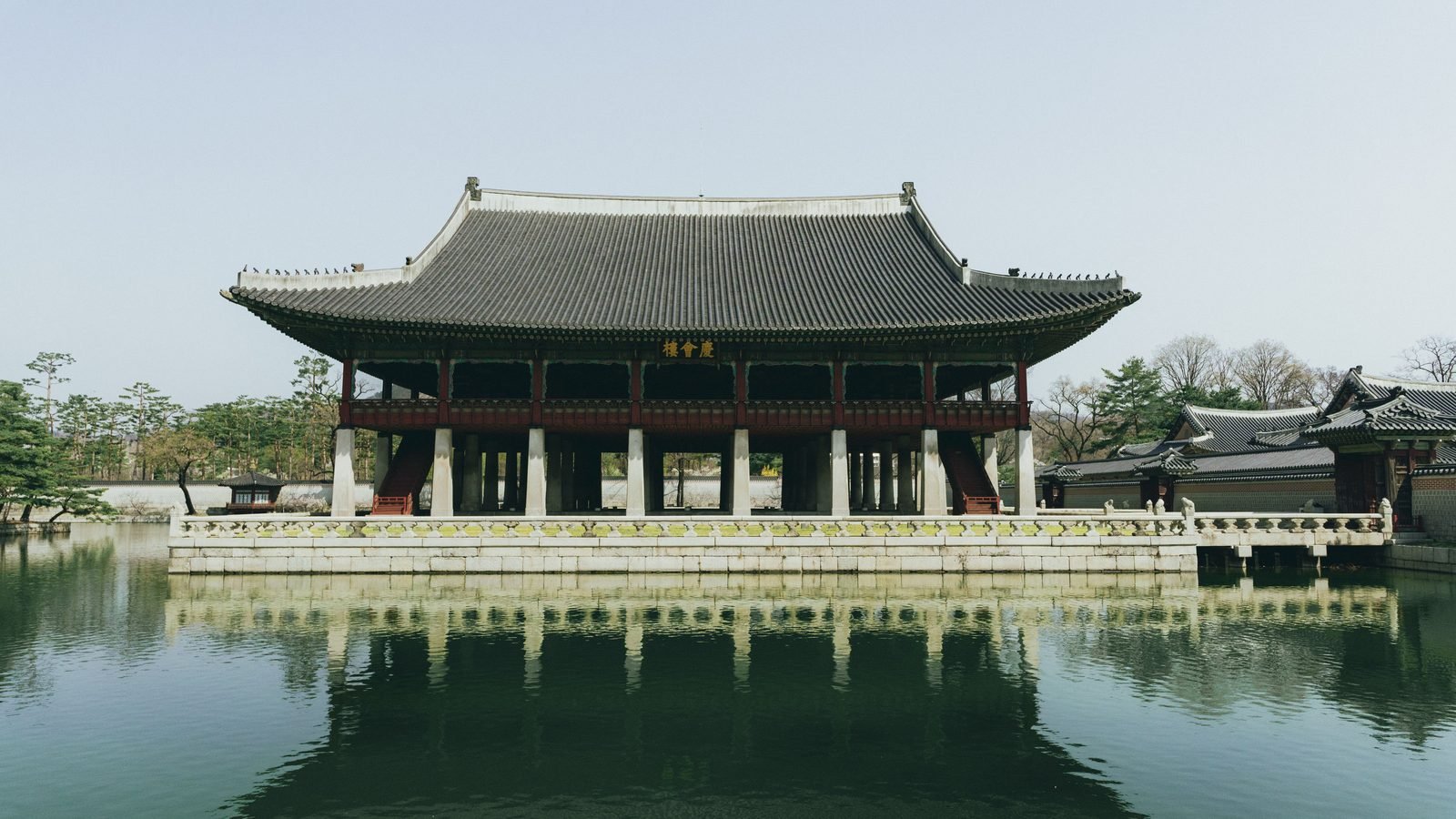
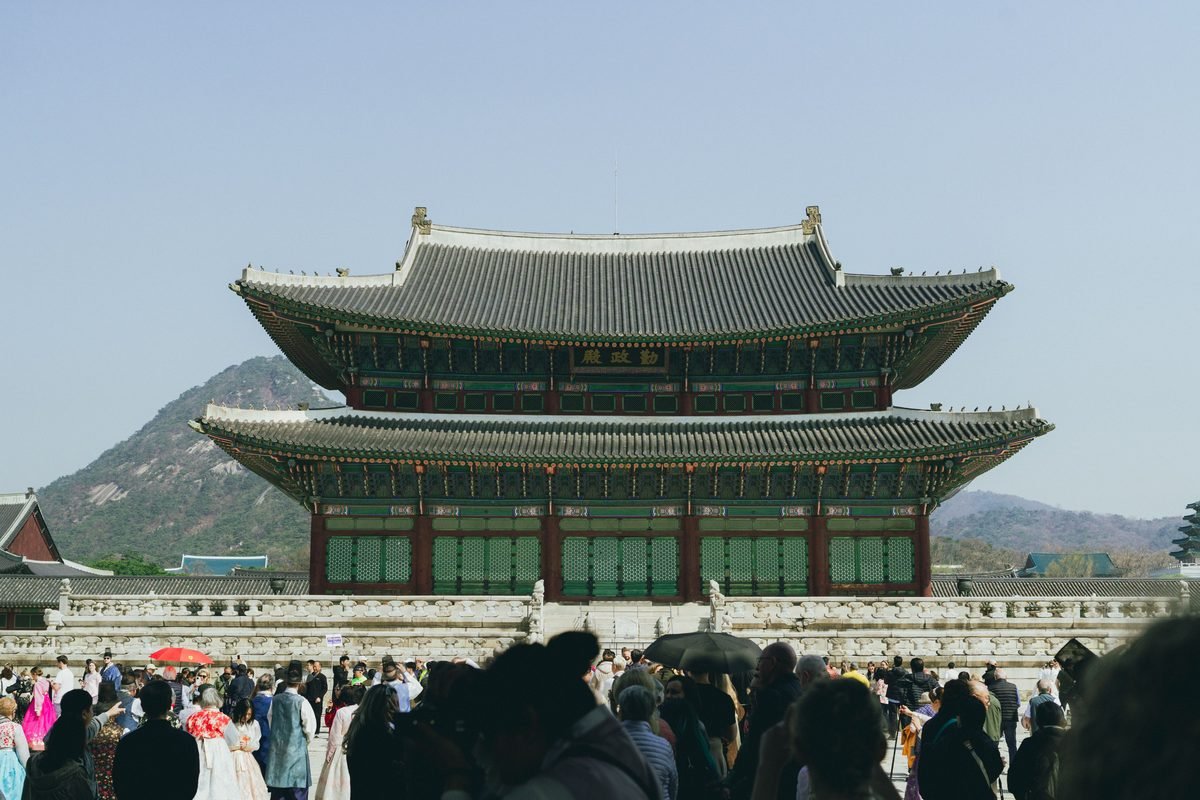
Choosing which palace to visit depends entirely on what kind of traveler you are. Gyeongbokgung is the grandest, oldest, and most politically significant. Built in 1395, it serves as the northern anchor of Seoul’s main ceremonial axis. It is a massive complex. The architecture here is symmetrical, imposing, and designed to project absolute royal authority. The standouts are Gyeonghoeru Pavilion, a massive raised banquet hall resting on forty-eight stone pillars over a lotus pond, and Hyangwonjeong, a delicate hexagonal pavilion on a northern islet. If you want scale, drama, and classic Joseon symmetry, Gyeongbokgung is your primary stop.
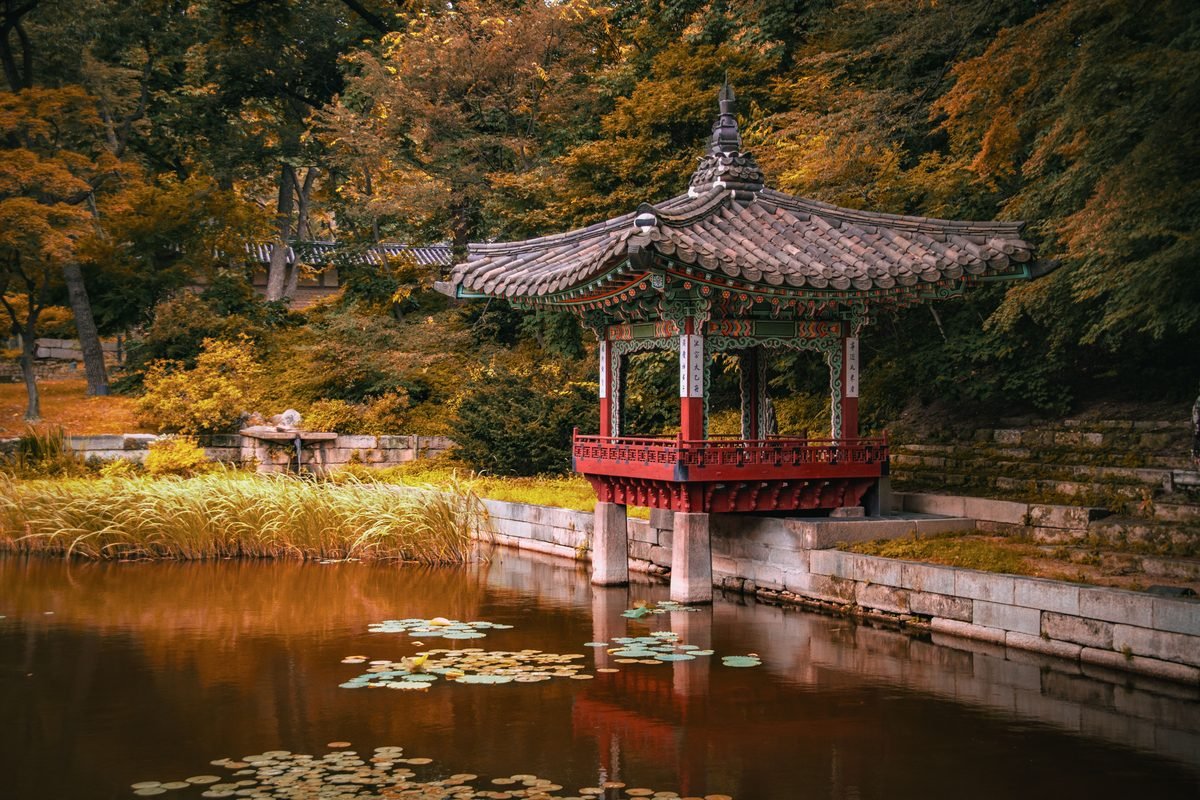
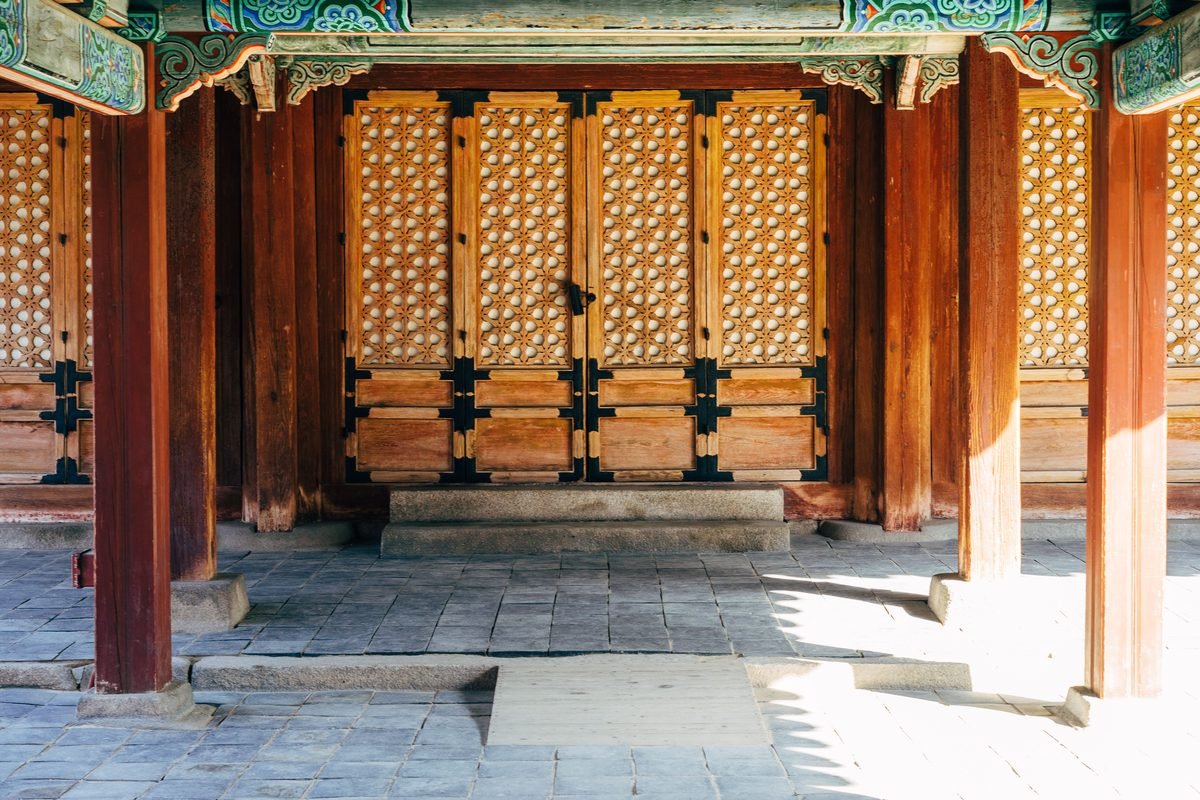
Changdeokgung, built in 1405 as a secondary palace, offers a completely different aesthetic. Rather than forcing nature to conform to architectural symmetry, the designers of Changdeokgung shaped the buildings around the natural topography of the hill. It is widely considered the most beautiful of the palaces because of this organic, flowing design. It feels much more intimate than Gyeongbokgung, with corridors wrapping around ancient trees and stone steps climbing natural slopes. It is also home to the Huwon, or Secret Garden, which covers nearly sixty percent of the palace grounds.
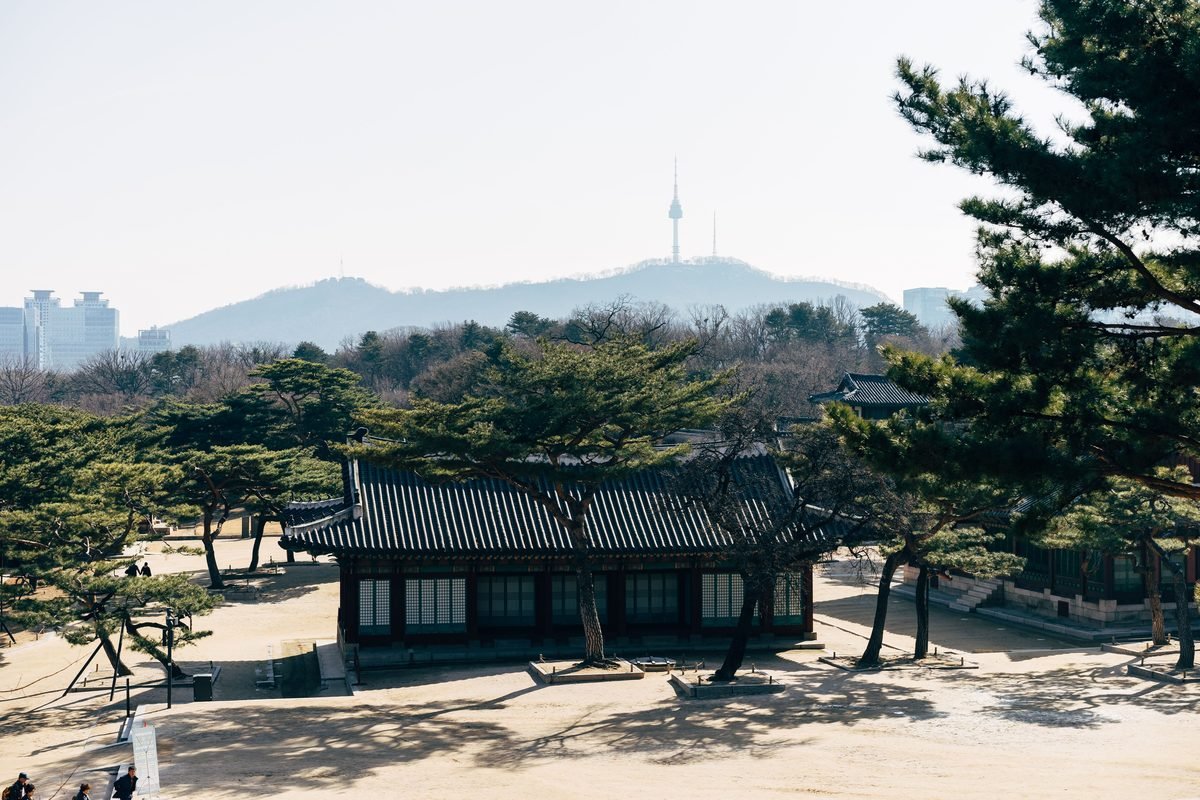
Deoksugung presents a fascinating, albeit melancholy, clash of eras. Located in the middle of modern high-rises, this palace served as the seat of power during the final, tumultuous years of the Korean Empire. Alongside traditional wooden pavilions, you will find Seokjojeon, a massive neoclassical stone building completed in 1910 that looks like it belongs in Vienna or Paris. Deoksugung is also the only palace open late into the evening, with the gates remaining open until 21:00. Walking the lit pathways after dark, with the modern city glowing just beyond the stone walls, is one of the most serene experiences in Seoul.
From a local: The Best Evening Spot
Deoksugung is the only palace open until 21:00 daily. Visit after dinner to see the traditional structures beautifully illuminated against the modern city skyline.
How to rent a hanbok for free palace entry
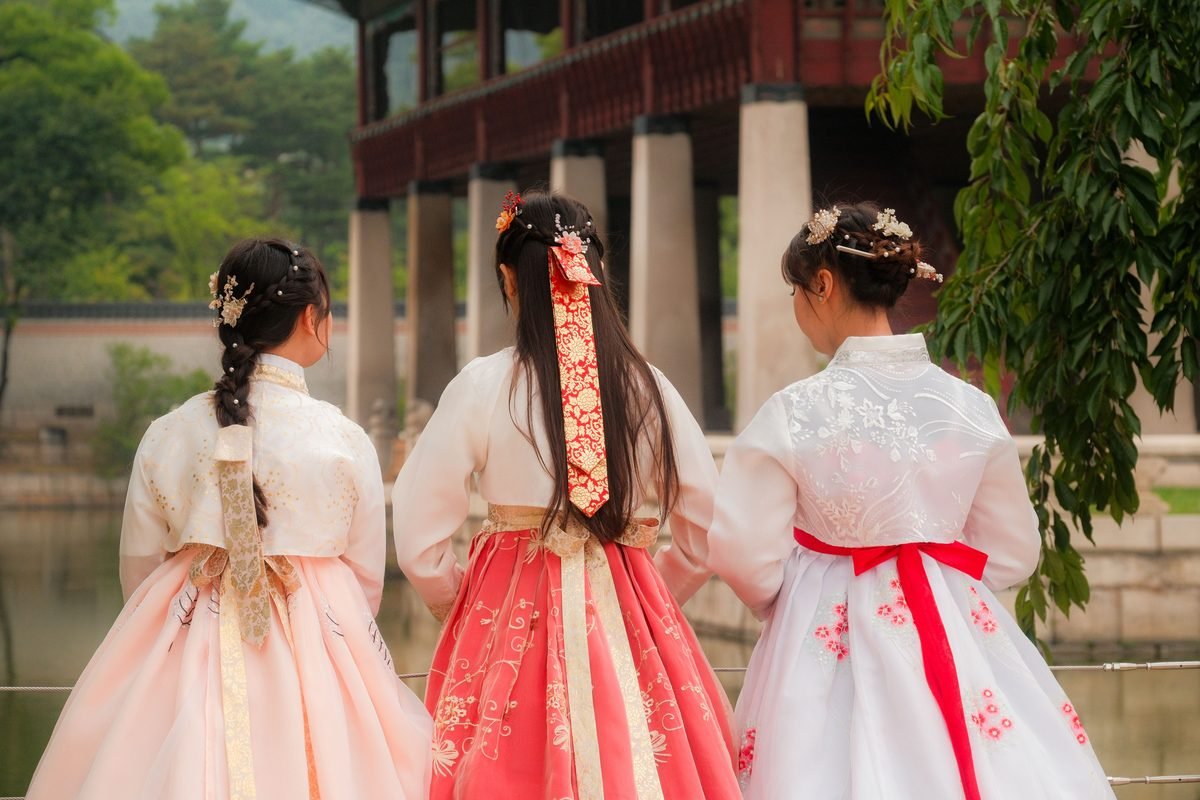
One of the most popular cultural initiatives in Seoul is the free-entry policy for visitors wearing traditional Korean clothing. If you wear a full, proper hanbok, the standard admission fees at Gyeongbokgung, Changdeokgung, Deoksugung, and Changgyeonggung are completely waived. This is not just a gimmick for tourists; you will see hundreds of young locals participating alongside international travelers. The lines move quickly. You simply walk past the ticket booth directly to the gate keepers, who will wave you through after a quick visual check of your outfit.
To qualify for free entry, your hanbok must meet specific guidelines set by the Cultural Heritage Administration. For both men and women, the outfit must consist of a traditional top (jeogori) and bottom (chima for a skirt, baji for trousers). The garments must be worn correctly, meaning the skirts must be properly tied around the waist and the top must be fastened securely. Modified, overly revealing, or highly historically inaccurate fantasy costumes may occasionally be rejected at the gate, though almost all rental shops in the surrounding neighborhoods provide standard, qualifying outfits.
Dozens of rental shops operate in the alleys surrounding Gyeongbokgung Station and Anguk Station. A standard rental for four hours usually costs between ₩15,000 and ₩25,000 (about $11 to $18), while more ornate “themed” or premium hanbok made of silk can cost up to ₩35,000 (about $26). Most shops will style your hair with traditional ribbons (daenggi) for an extra ₩5,000 (about $3.70) and provide a small matching bag to carry your phone and wallet. You will need to leave a physical ID or a cash deposit as security while you wear the garments.
Heads up: Check the Closure Days
Do not get caught outside locked gates. Gyeongbokgung is closed every Tuesday, while Changdeokgung and Deoksugung are closed every Monday.
When to see the guard changing and how to book the Secret Garden
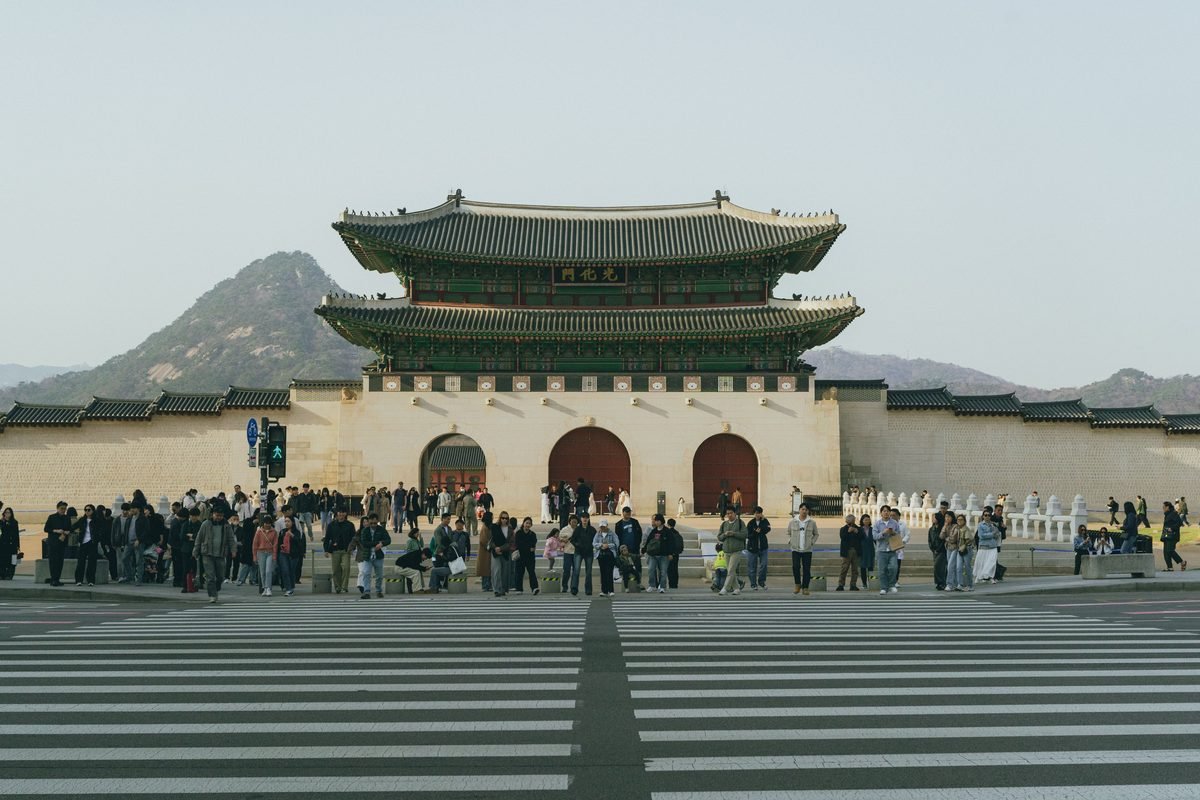
Timing your visit is crucial if you want to witness the Royal Guard Changing Ceremony (Sumunjang). At Gyeongbokgung, this colorful historical reenactment takes place daily except on Tuesdays, when the palace is closed. The main ceremony happens at Gwanghwamun Gate at 10:00 and 14:00, lasting about twenty minutes. There is also a guard training ceremony at 11:00 and 13:00. The gate is quite grand. You do not need a palace admission ticket to watch this ceremony, as it takes place in the public courtyard between the outer gate and the ticket booths. For a smaller, more intimate version, Deoksugung hosts its own ceremony at Daehanmun Gate daily except Mondays at 11:00, 14:00, and 15:30.
While the guard changing is easy to catch, accessing the Secret Garden (Huwon) at Changdeokgung requires military-grade planning. This forested valley behind the palace was reserved exclusively for the royal family and remains strictly protected. You can only enter the garden by joining an official guided tour, which lasts about ninety minutes. The ticket costs an additional ₩5,000 (about $3.70) on top of the regular ₩3,000 (about $2.20) palace admission. Because daily entry is strictly capped to preserve the ecosystem, these tickets sell out within minutes of release.
To secure a spot, you must book online through the official Changdeokgung website. Registration opens exactly six days prior to your desired date at 10:00 AM Korean Standard Time. If you are traveling in spring or autumn, you must be logged into the site precisely at 10:00 AM to grab a slot. A small number of tickets are saved for on-site purchase on the day of the tour, but during peak seasons, hope-filled travelers line up at the ticket booth by 08:00 to secure these remaining slots.
Book ahead: Set an Alarm for Secret Garden Tickets
Secret Garden tickets open exactly six days prior at 10:00 AM KST. Set a reminder on your phone to log in immediately, especially if visiting in October or November.
Is the palace combined ticket worth the price
If you are planning to visit multiple royal sites, the Combination Ticket for Royal Palaces (sometimes called the Integrated Palace Ticket) is highly promoted at every ticket window. The ticket costs ₩10,000 (about $7.40) and is valid for three months from the date of purchase. It covers admission to four major palaces—Gyeongbokgung, Changdeokgung (including the regular grounds but excluding the Secret Garden), Changgyeonggung, and Deoksugung—as well as the historic Jongmyo Shrine. To determine if this is a smart purchase, you must do a little bit of basic math based on your itinerary.
Individual ticket prices are remarkably low. Gyeongbokgung and Changdeokgung cost ₩3,000 (about $2.20) each for adults. Changgyeonggung, Deoksugung, and Jongmyo Shrine cost ₩1,000 (about $0.75) each. If you only plan to visit Gyeongbokgung and Changdeokgung, your individual ticket total will be ₩6,000 (about $4.40). In this common scenario, buying the combined ticket is a waste of money. However, if you add just one more site—such as Deoksugung or Jongmyo Shrine—your individual total rises to ₩7,000, which is still cheaper than the combined pass. You only save money if you visit at least four of the five included sites.
Do not rush this walk. The real value of the combined ticket is not the minor monetary savings, but the sheer convenience it offers. It allows you to skip the long ticket queues at Gyeongbokgung and Changdeokgung during peak hours. You simply present the physical pass booklet at the turnstiles.
Where to eat near the Seoul palaces
Exploring these vast stone courtyards will quickly work up an appetite. Fortunately, the neighborhoods surrounding the palaces are home to some of Seoul’s most historic culinary institutions. Just west of Gyeongbokgung, in the quiet neighborhood of Seochon, you will find Tosokchon Samgyetang. This legendary restaurant is famous for its rich, thick ginseng chicken soup, which is slow-cooked with glutinous rice, pumpkin seeds, black sesame, and pine nuts. A single steaming bowl costs ₩20,000 (about $15) and is the ultimate comfort food after a long morning of walking. Expect a line at lunchtime, but the seating area is massive and the queue moves exceptionally fast.
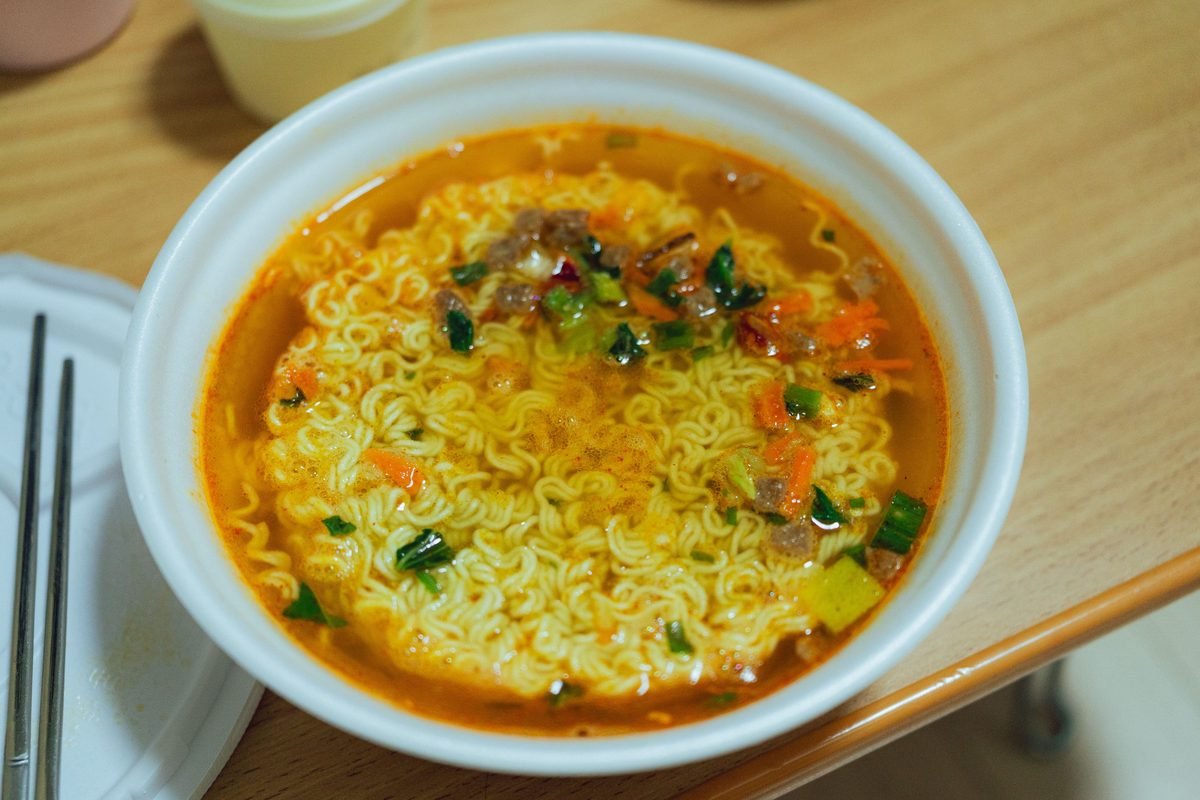
If you are visiting Changdeokgung, head toward the east side of the palace into the winding alleys of Bukchon and Wonseo-dong. Here, you can find Hwangsaengga Kalguksu, a Michelin-recommended restaurant specializing in hand-cut noodles served in a rich, comforting beef bone broth. A bowl of their signature kalguksu costs ₩11,000 (about $8), and their handmade pork dumplings (mandu) are equally spectacular. The restaurant retains a traditional domestic atmosphere, making it a wonderful spot to rest your feet and enjoy a quiet, authentic lunch before heading off to your next destination.
For a sweet finish, skip the westernized coffee chains and walk into Insadong, which lies directly between Gyeongbokgung and Changdeokgung. This neighborhood is famous for its traditional wooden tea houses. At Shin Old Tea House, tucked away down a narrow, quiet alley, you can sit on floor cushions and sip warm jujube tea (daechu-cha) or ginger tea for about ₩8,000 (about $6) per cup. Each order comes with complimentary traditional rice cakes and puffed grains.
What it costs in Seoul
| Item | Local price | USD |
|---|---|---|
| Gyeongbokgung Palace Entry | ₩3,000 | $2.20 |
| Changdeokgung Palace Entry | ₩3,000 | $2.20 |
| Secret Garden Guided Tour Add-on | ₩5,000 | $3.70 |
| 4-Hour Hanbok Rental (Standard) | ₩20,000 | $15.00 |
| Lunch (Ginseng Chicken Soup at Tosokchon) | ₩20,000 | $15.00 |
| Subway / Bus Transit (Subway base fare) | ₩1,550 | $1.15 |
| Typical Daily Total (with hanbok & lunch) | ₩52,550 | $39.25 |
Prices checked September 2026. Always confirm with the provider before you book.
Mistakes to avoid
- Trying to visit Gyeongbokgung on a Tuesday or Changdeokgung on a Monday when they are closed weekly.
- Renting a hanbok from the first shop you see without checking if hair styling or a locker is included in the price.
- Forgetting to book Secret Garden tickets online six days in advance and hoping to easily buy them on-site during peak autumn or spring seasons.
FAQ
Which is better Gyeongbokgung or Changdeokgung?
Gyeongbokgung is better if you want grand, symmetrical Joseon architecture and the iconic guard changing ceremony. Changdeokgung is superior if you prefer organic layouts that blend with nature and want to explore the serene Secret Garden.
Is there a specific Seoul palaces guide for visiting in a hanbok?
Yes, any standard Seoul palaces guide will tell you that wearing a full, proper hanbok grants you free entry to Gyeongbokgung, Changdeokgung, Changgyeonggung, and Deoksugung. Ensure your outfit includes both the traditional top and bottom, and walk straight to the gate keepers.
How much does it cost to enter the Seoul palaces?
The main palaces are incredibly affordable, costing ₩3,000 (about $2.20) for Gyeongbokgung and Changdeokgung, and ₩1,000 (about $0.75) for Deoksugung and Changgyeonggung. Children and seniors often get in for free, and everyone enters free when wearing a hanbok.
Can you walk between Gyeongbokgung and Changdeokgung?
Yes, the walk takes about 15 to 20 minutes through the historic Bukchon neighborhood. It is a highly scenic walk, but you should use Naver Map rather than Google Maps to find the most direct pedestrian alleys.
Do you need to book tickets to Seoul palaces in advance?
Regular palace entry tickets do not need to be booked in advance and can be purchased easily at the ticket booths on arrival. The only exception is the Secret Garden at Changdeokgung, which strictly requires booking online six days in advance due to limited daily capacity.