Athens 3 Day Itinerary: The Best Way to See the City

The gate opens at 8:00 AM. If you are standing at the southeast entrance of the Acropolis by 7:45 AM, you can beat the heavy tour groups that arrive by the busload an hour later. The morning air in September is crisp, and the limestone under your boots feels smooth from millions of footsteps. This city is a layer cake of history, where ancient marble sits directly next to gritty street art and neon-lit souvlaki shops. It is loud, messy, and entirely addictive once you find your rhythm.
This Athens 3 day itinerary is designed for independent travelers who want to see the big monuments without getting trapped in tourist bubbles. We will cover the math behind the combined archaeological ticket, the best way to reach the coast for a sunset at Cape Sounion, and how to navigate the metro from the airport. Whether you are here for the ruins or the roasted lamb, this guide helps you maximize your time in the Greek capital.
How to get to central Athens from the airport
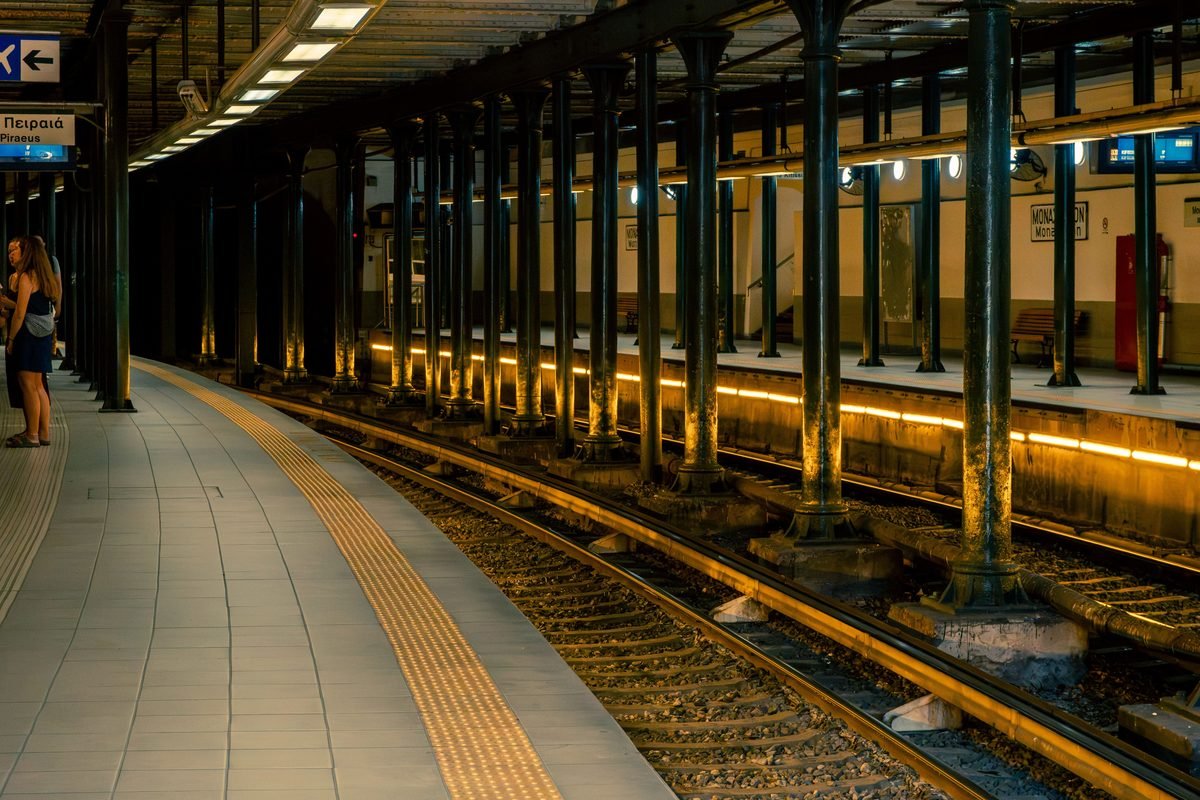
The journey from Athens International Airport (ATH) to the city center is straightforward if you use the metro. Follow the signs for the train station, which is located across the road from the arrivals terminal. You will need to cross a pedestrian bridge to reach the platform. The Blue Line (Line 3) runs every 36 minutes and takes about 40 minutes to reach Syntagma Square. A one-way ticket costs €9 (about $10). You must validate your ticket at the machines before descending to the platform to avoid a heavy fine. The metro is very efficient. It is usually much faster than a taxi during the peak morning or afternoon traffic hours.
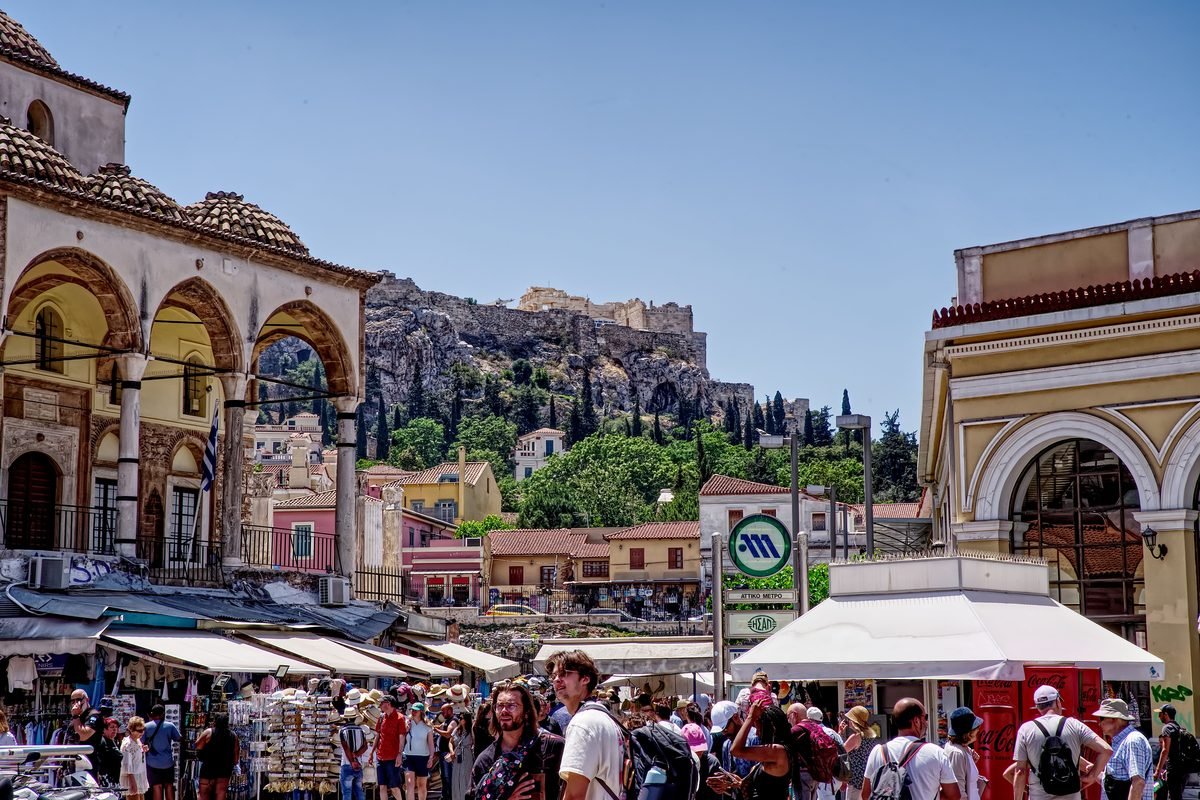
If you prefer a more scenic but slower route, the X95 bus runs 24 hours a day from the airport to Syntagma Square. It costs €5.50 (about $6). The bus is a good option if you arrive in the middle of the night when the metro is closed. Taxis are also available at a flat rate of €40 (about $45) during the day and €55 (about $61) between midnight and 5:00 AM. However, for most travelers, the metro provides the best balance of speed and cost. Once you reach Syntagma, you can easily transfer to the Red Line (Line 2) or walk to most central hotels in the Monastiraki or Plaka neighborhoods. Be mindful of your belongings on the airport line. Pickpockets often target travelers who are distracted by their luggage or phone maps during the long ride into the city center.
Heads up: Validate Your Ticket
Always tap your paper ticket or transit card on the scanners before entering the platform; failure to do so can result in a fine 60 times the price of the ticket.
Best time to visit Athens
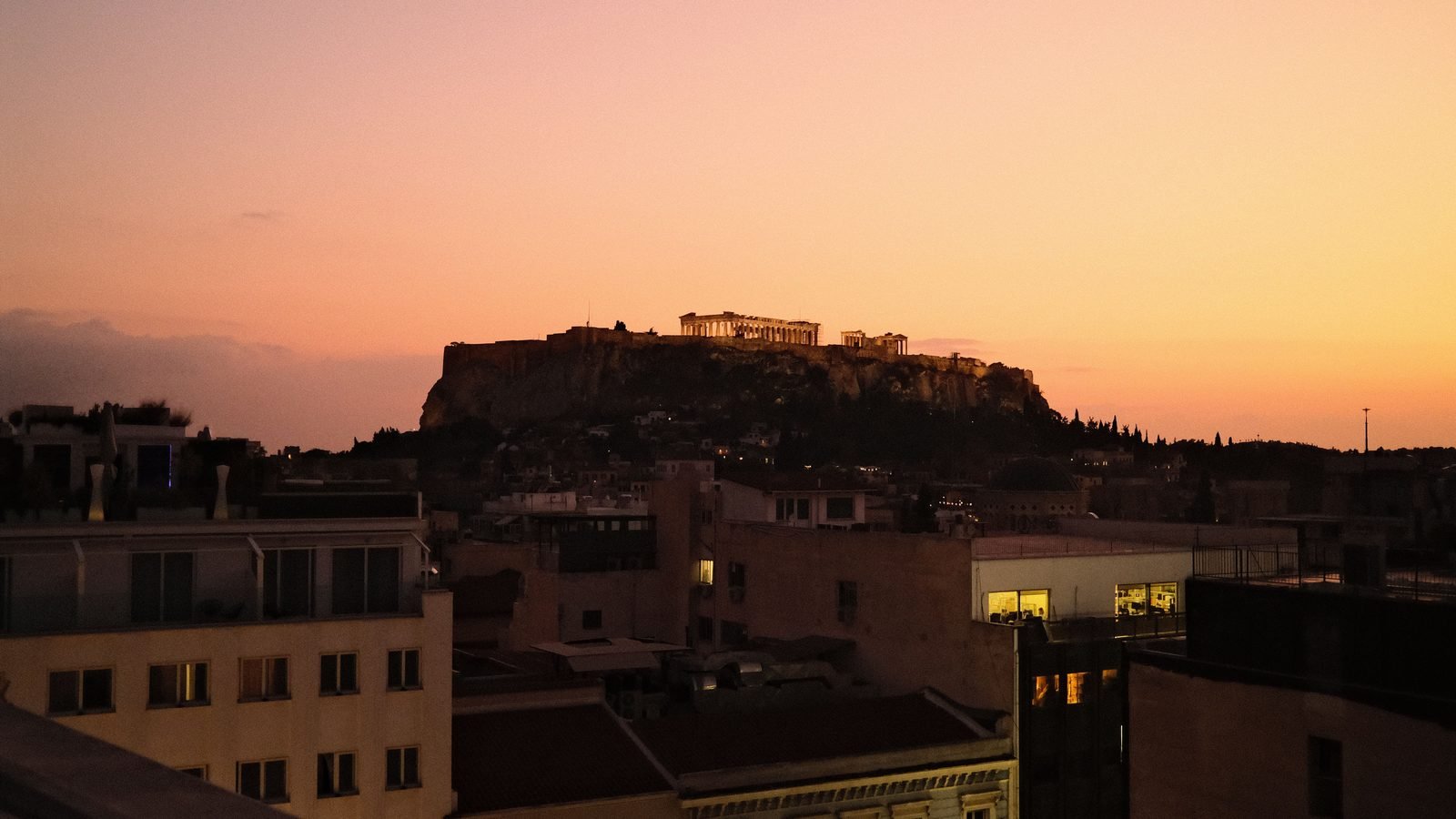
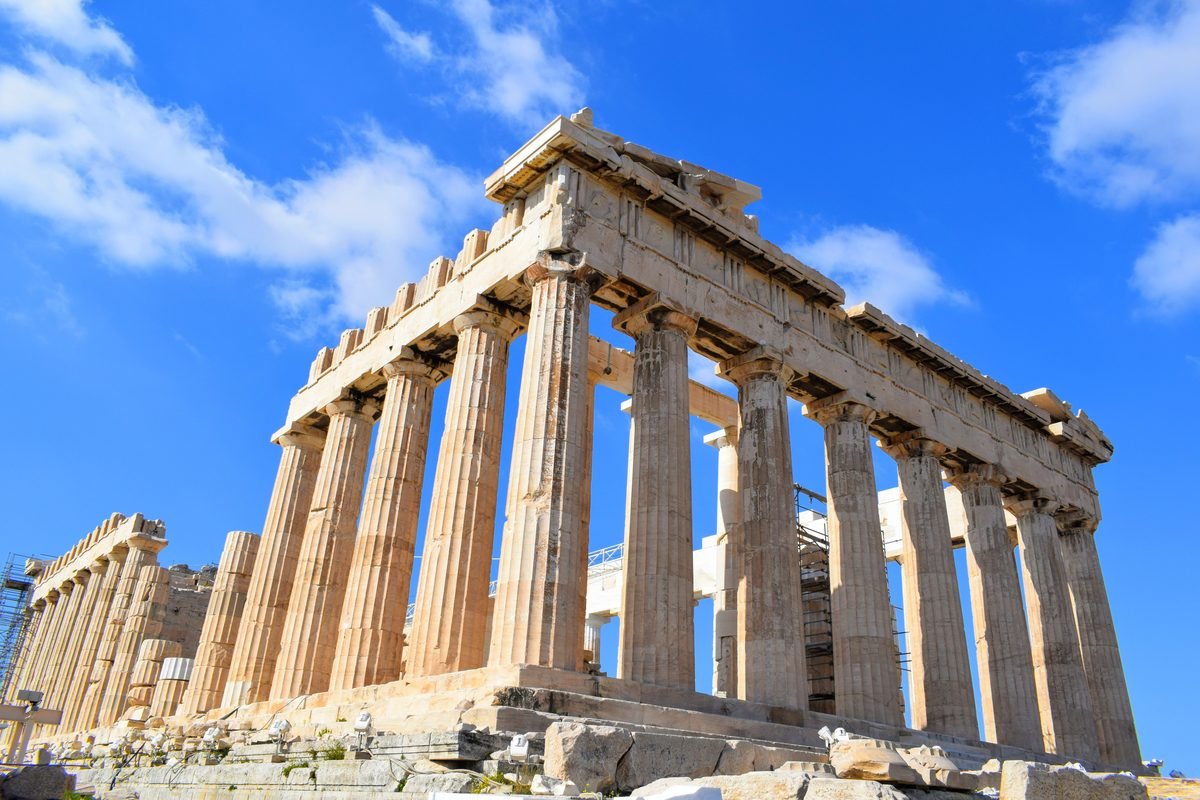
September is arguably the best month to visit the Greek capital. The intense heat of July and August has broken, yet the sea remains warm enough for swimming. Daytime temperatures usually hover around 28°C (82°F), making long walks through archaeological sites much more comfortable. By mid-September, the peak summer crowds have started to thin out, though the Acropolis remains busy year-round. You will find that restaurant tables are easier to snag without a reservation, and the city feels more like a lived-in capital than a tourist theme park. The evening light in September is particularly clear, casting a golden hue over the Parthenon that is perfect for photography.
If you visit during the winter months, from November to March, prices for accommodation drop significantly. However, the weather can be surprisingly rainy and cold. Many coastal ferries run on a reduced schedule, and some outdoor tavernas may be closed. Spring, specifically April and May, is another excellent window. The wildflowers are in bloom across the hills of Philopappos and Lycabettus, and the air is fresh. However, avoid the week of Greek Orthodox Easter if you do not like crowds, as the city fills with locals returning to their family homes and many sites have limited hours. For this Athens 3 day itinerary, the stable weather of early autumn provides the most reliable conditions for exploring the city and the nearby coastline without the risk of heatstroke or sudden downpours.
From a local: The Meltemi Winds
In late summer and early September, look out for the Meltemi winds; they provide a welcome cooling breeze but can occasionally cause ferry delays.
Day 1: The Acropolis, Anafiotika, and the Ancient Agora
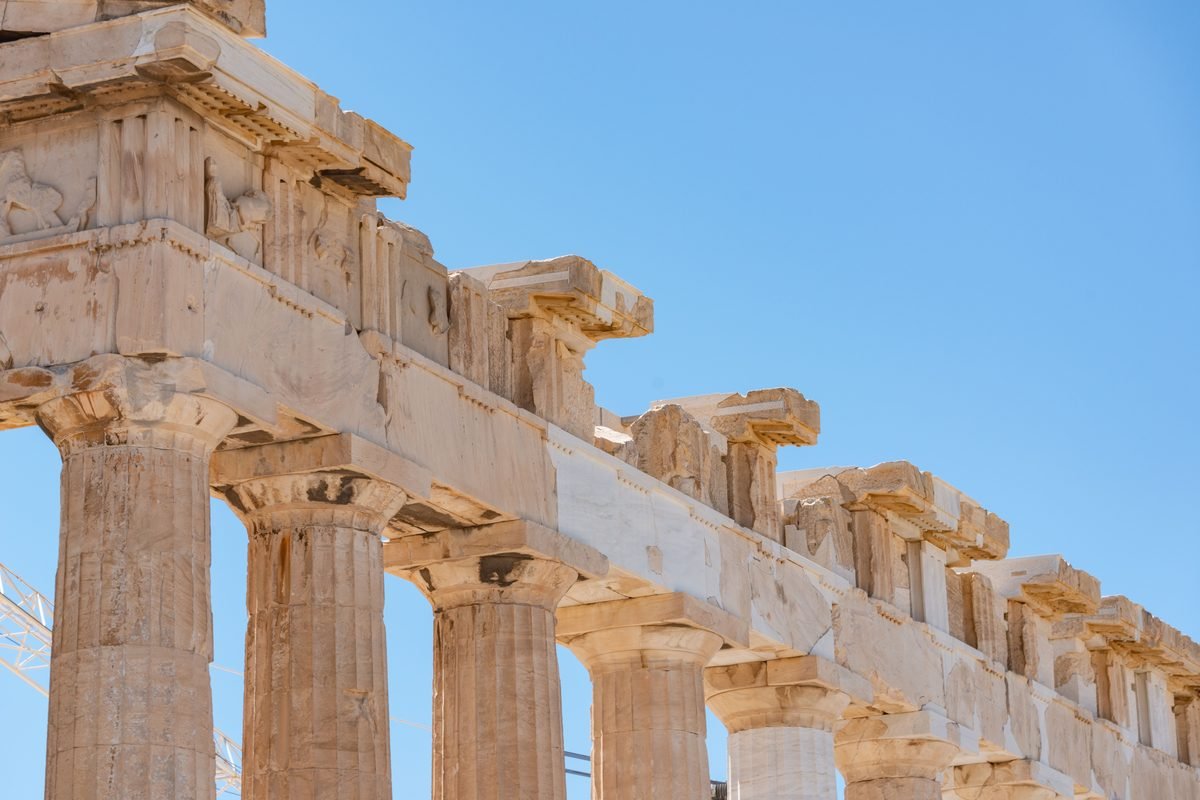
Start your first day at the Acropolis as soon as it opens. Buy your tickets online first to skip the physical queue. Entry to the Acropolis is €30 (about $33) from April through October and €15 (about $17) from November through March. Budget for that figure on its own: Greece withdrew the old €30 combined ticket in April 2025, so the Acropolis, the Ancient Agora, the Roman Agora, Hadrian’s Library, the Kerameikos, Aristotle’s Lyceum, and the Olympieion are now sold separately and add up to well over €100 if you try to see all seven. Pick the two or three you actually want instead of collecting sites, and book each one online the night before.
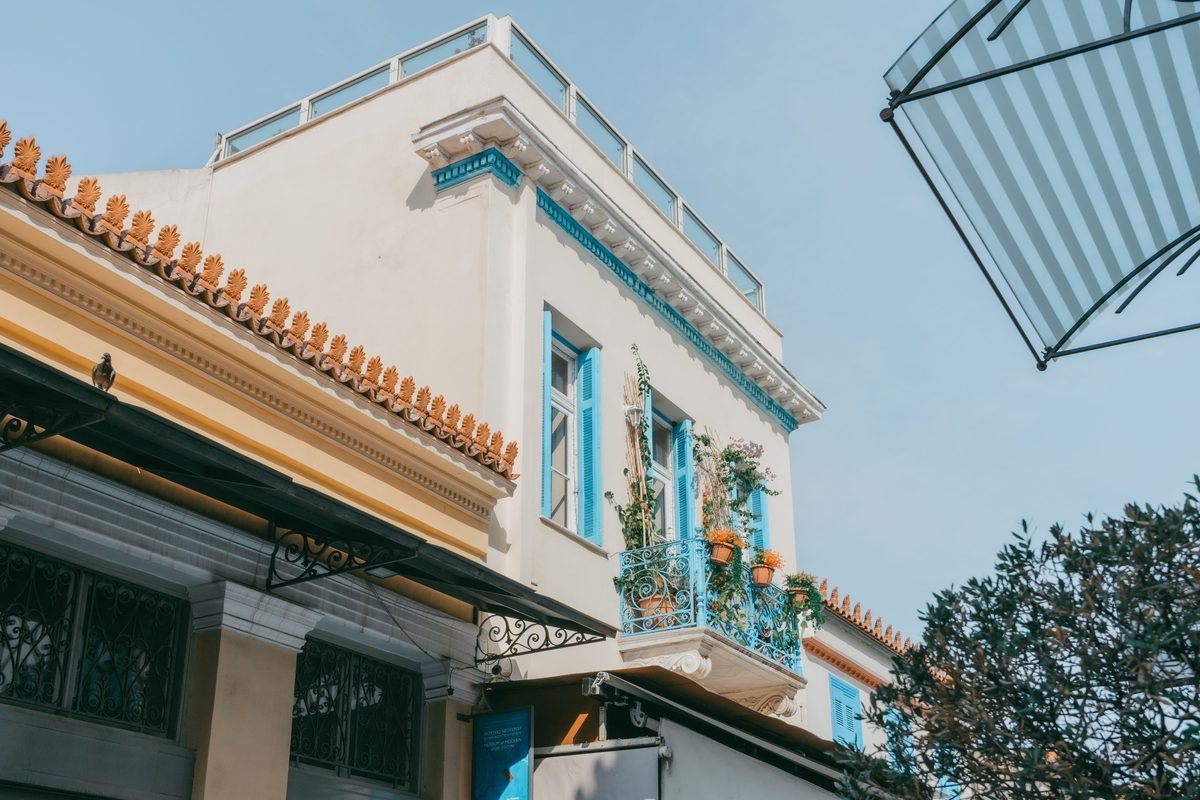
After exploring the Parthenon and the Erechtheion, walk down the north slope into Anafiotika. This tiny neighborhood is a cluster of whitewashed houses built by workers from the island of Anafi in the 19th century. It feels like a Cycladic village dropped into the center of a metropolis. There are no cars here, only narrow stone paths and sleeping cats. It is a quiet escape from the noise of the city below. From there, it is a short walk into the heart of Plaka. While Plaka is touristy, the side streets are home to several old-school kafeneios where you can grab a Greek coffee for about €3 (about $3.30). End your afternoon at the Ancient Agora. This was the heart of public life in ancient Athens. The Temple of Hephaestus here is one of the best-preserved Doric temples in the world. It is often much quieter than the Acropolis, allowing you to walk among the ruins without the constant whistling of security guards.
Tip: South Slope Entrance
Use the Dionysos Theater entrance on the south slope instead of the main western gate; it is usually less crowded and offers a more scenic climb.
Day 2: Markets, Museums, and Psiri
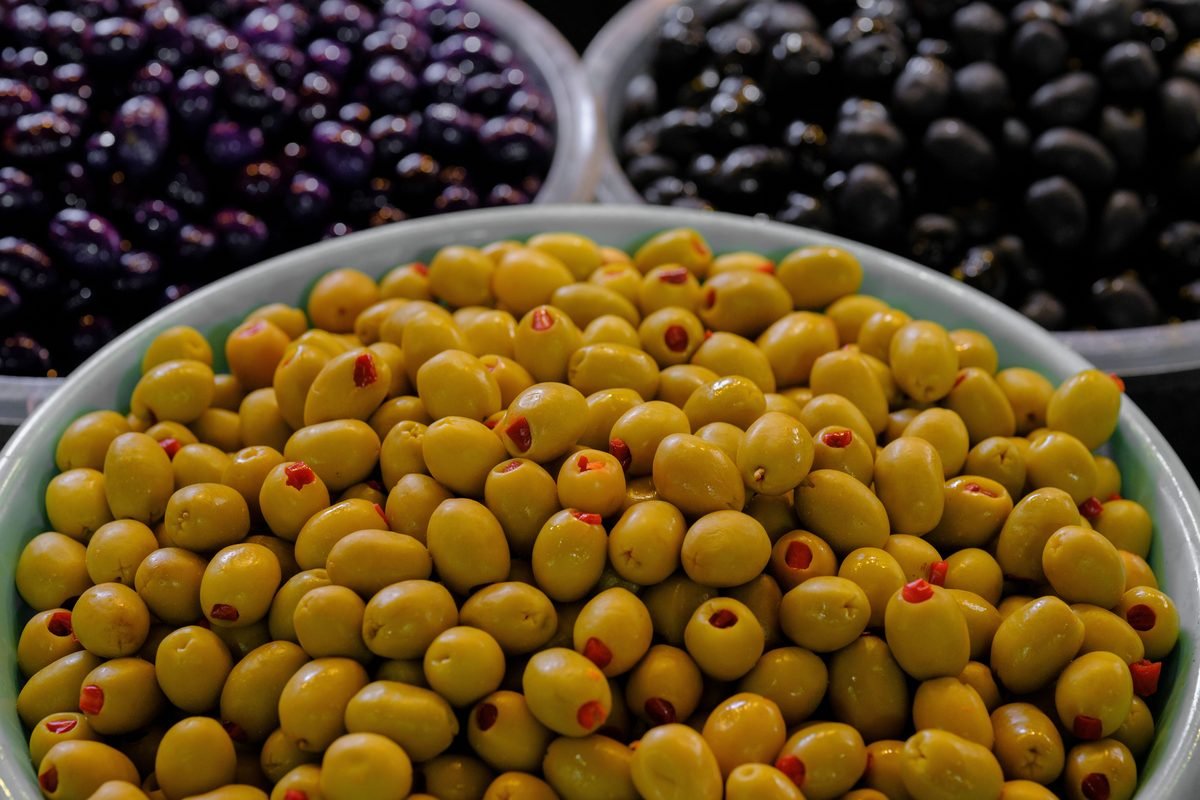
Begin your second day at the Varvakios Central Market. This is the stomach of the city. The meat and fish halls are intense, with vendors shouting their prices and the floors often slick with water. It is a sensory experience that shows the real Athens. Just across the street, the fruit and vegetable stalls offer mountains of olives, dried figs, and giant blocks of feta. For lunch, look for the small, no-frills tavernas located inside or adjacent to the market. A plate of grilled sardines or a bowl of traditional bean soup (fasolada) will cost you roughly €8 (about $9). These spots serve the market workers and offer some of the most authentic food in the city. The fish market smells strong. Be sure to wear closed-toe shoes to avoid the wet floors.
After lunch, take a 15-minute walk or a quick metro ride to the National Archaeological Museum. This is one of the greatest museums in the world, housing the Mask of Agamemnon and the Antikythera Mechanism. Entry is €12 (about $13). You could easily spend four hours here, but even a two-hour highlights tour is worth the effort. As the sun begins to set, head to the neighborhood of Psiri. Once a district of small workshops, it is now a center for street art and nightlife. The atmosphere here is younger and more creative than in Plaka. You can find excellent mezedopoleia (restaurants serving small plates) where a carafe of house wine and a few dishes like fava or grilled octopus will cost about €20 (about $22) per person. Psiri is also the best place to try bougatsa, a custard-filled phyllo pastry dusted with cinnamon and powdered sugar, often served warm from the oven.
Day 3: A coastal escape to Cape Sounion
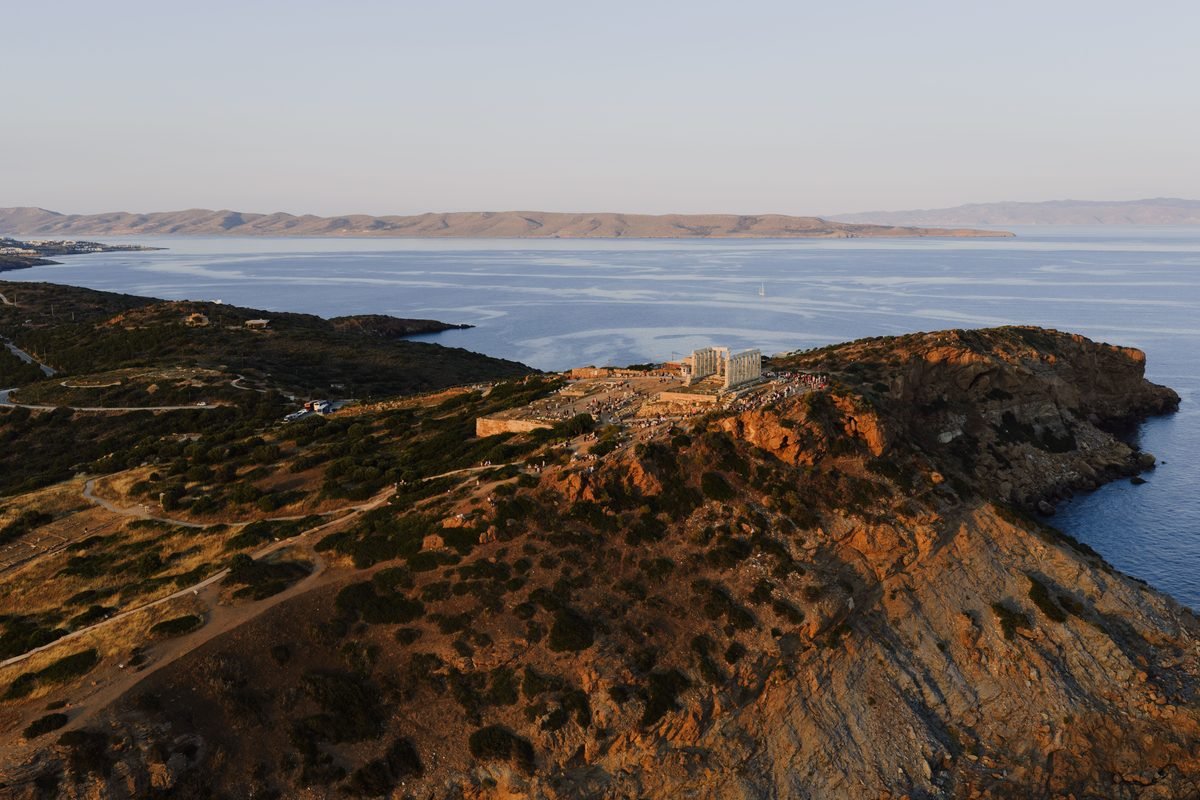
On your final day, leave the city center for the Athens Riviera. The Temple of Poseidon at Cape Sounion is one of the most evocative sites in Greece, perched on a cliff 60 meters above the Aegean Sea. To get there independently, take the KTEL Attikis bus. These orange buses depart from the Mavromateon street terminal near Pedion tou Areos park, but you can also pick them up at the Filellinon street stop near Syntagma Square. The bus ride takes time. It is a roughly two-hour journey along the coast, but the views of the Saronic Gulf are excellent. A round-trip ticket costs about €14 (about $16). The bus follows the coastal road, passing through seaside suburbs like Glyfada and Vouliagmeni.
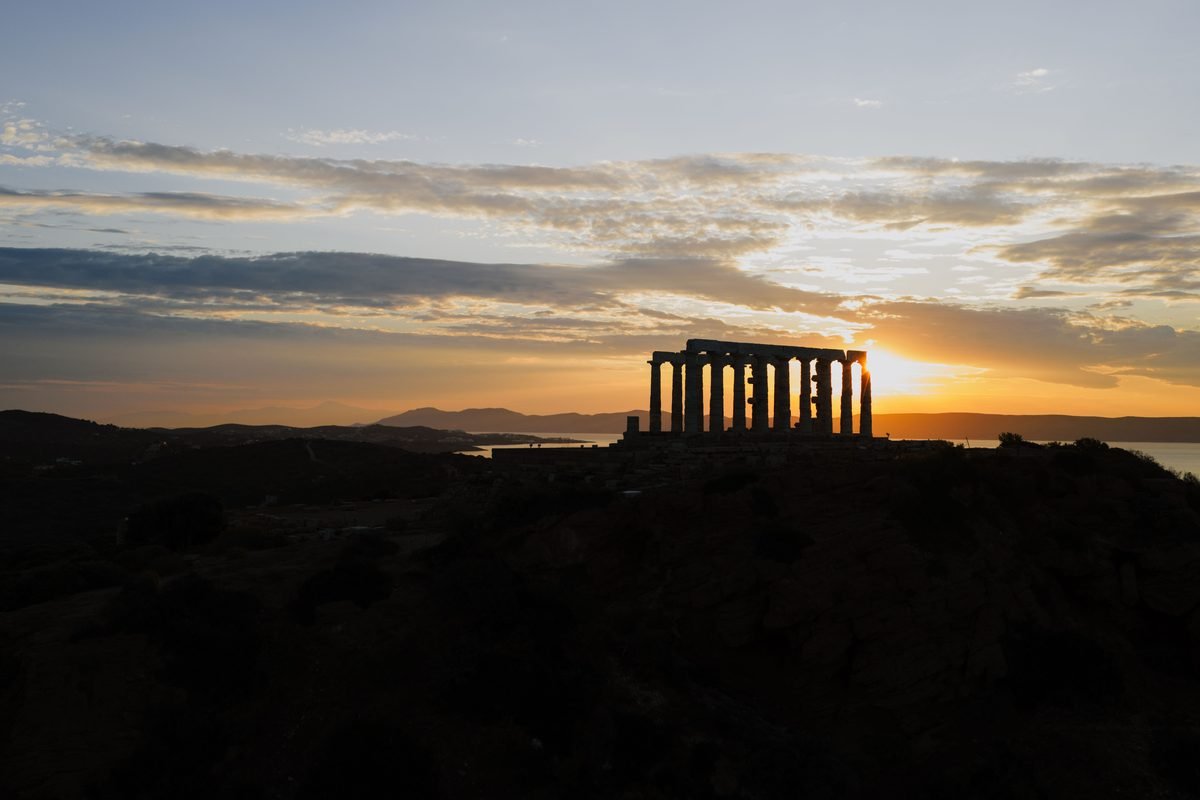
The temple itself was built in the 5th century BC. It is famous for the graffiti carved into the marble by Lord Byron in 1810. Entry to the site is €10 (about $11). Most people visit for the sunset, which is undeniably beautiful as the sun drops directly into the sea behind the ancient columns. However, if you want to avoid the largest crowds, aim to arrive in the mid-afternoon. After exploring the ruins, you can walk down to the small beach below the temple for a swim before catching the bus back to Athens. There are a few tavernas near the beach, though they are generally more expensive than those in the city. If you prefer to stay in town for your final night, the last bus usually departs Sounion shortly after sunset, arriving back in central Athens around 9:00 PM. This day trip provides a perfect contrast to the dense, urban energy of central Athens and reminds you that the city is, at its heart, a maritime power.
Book ahead: Check the Bus Schedule
The KTEL bus schedule can change seasonally; check the latest times at the Syntagma bus stop or the KTEL Attikis website the day before your trip.
Where to eat in Athens
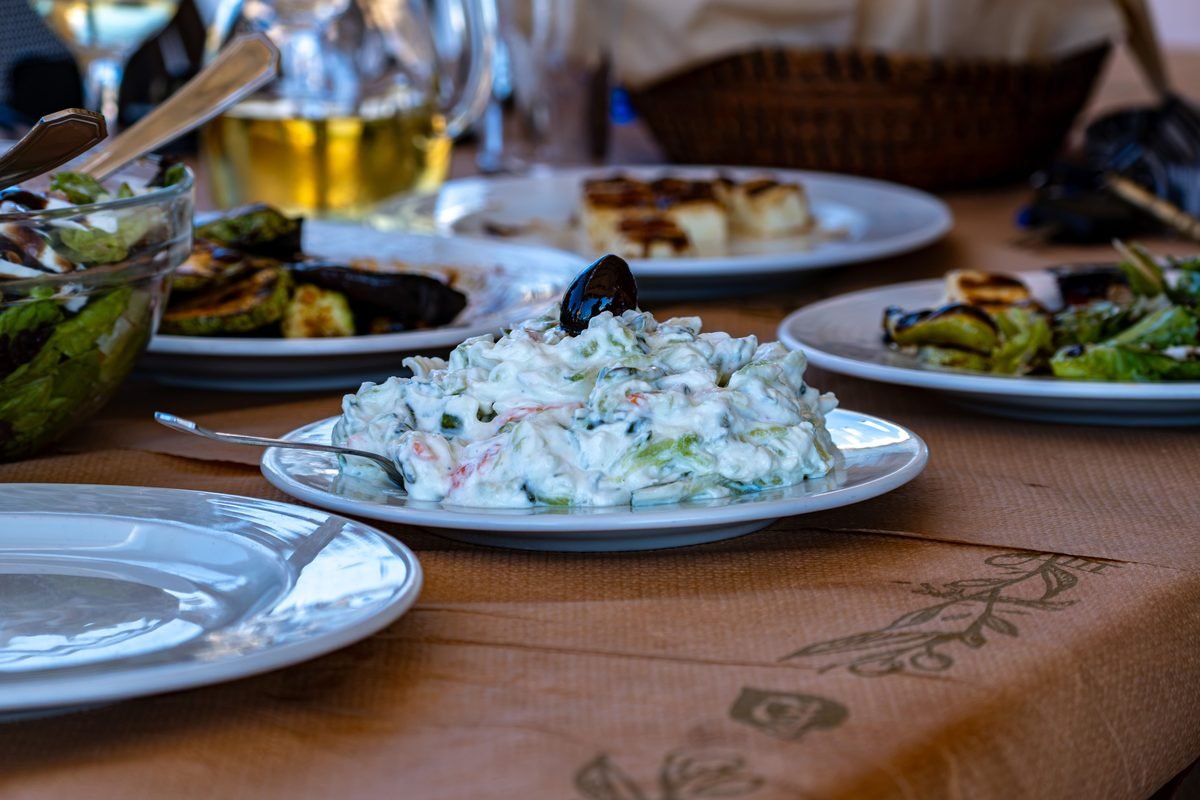
Eating in Athens is a highlight of any trip, and prices remain very reasonable compared to London or Paris. For a quick and cheap meal, a gyro or souvlaki wrap from a reputable shop in Monastiraki costs about €4.50 (about $5). Look for places where the meat is stacked fresh and the locals are lining up. If you want a sit-down meal, head to the Koukaki neighborhood, located just south of the Acropolis. This area has a more local feel and is home to many modern bistros and traditional tavernas. A large Greek salad (horiatiki) usually costs €8 (about $9), and a main course of moussaka or pastitsio is around €12 (about $13). House wine is typically sold by the half-liter or liter in tin carafes and is almost always better value than bottled wine.
Don’t miss out on the seafood. While the best fish is often found by the coast, the tavernas around the Central Market serve incredibly fresh calamari and shrimp. Fried gavros (anchovies) are a staple and make for a great snack with a glass of ouzo. For dessert, look for Loukoumades shops. These are small, deep-fried dough balls soaked in honey and sprinkled with cinnamon. A portion large enough to share costs about €5 (about $6). Coffee culture is also massive here. Try a Freddo Espresso or Freddo Cappuccino, which are cold, frothed coffee drinks that Greeks sip on for hours. They usually cost between €3 and €4 (about $3.50 – $4.50). Tap water is safe to drink in Athens, and most restaurants will bring a large bottle of chilled tap water to your table for a nominal fee of €0.50 (about $0.60).

From a local: Tipping in Greece
Tipping is not mandatory but rounding up the bill or leaving a few euros is appreciated for good service in casual tavernas.
Practical tips for your visit
Athens is a city best explored on foot, but the terrain is challenging. The marble stones on and around the Acropolis are polished smooth and can be incredibly slippery, even when dry. Wear shoes with good grip. Avoid flip-flops for sightseeing. Most major archaeological sites have very little shade, so a hat and sunscreen are essential even in September. Public toilets can be hard to find; your best bet is usually a cafe or a museum. It is polite to buy a small water or coffee if you are using a cafe’s facilities. Cash is still widely used in smaller shops and some older tavernas, though card payments are now legally required to be accepted almost everywhere. It is always helpful to carry some small change for bus tickets or street vendors.
Safety in Athens is generally good, but like any major city, you should be aware of your surroundings. The metro lines, particularly the Green Line (Line 1) and the airport route, are known for pickpockets. Keep your bag in front of you in crowded cars. Areas like Omonia can feel a bit gritty at night, but they are generally safe if you stay on the main well-lit streets. If you need a pharmacy, look for the green cross signs; they are plentiful and the pharmacists usually speak excellent English. Finally, remember that many shops and some smaller museums may close early on Sundays or have different hours on Mondays. Planning your big museum visits for mid-week is usually the safest bet. The city is active late into the night, so do not be surprised to see families with small children eating dinner at 10:00 PM. Embrace the late schedule to avoid the worst of the midday sun.
What it costs in Athens
| Item | Local price | USD |
|---|---|---|
| Metro from Airport | €9 | about $10 |
| Acropolis entry (April to October) | €30 | about $33 |
| Souvlaki or Gyro lunch | €5 | about $6 |
| Taverna dinner with wine | €25 | about $28 |
| Mid-range hotel night | €120 | about $134 |
| Daily Total | €189 | about $211 |
Prices checked September 2026. Always confirm with the provider before you book.
Where to stay in Athens
Budget
A hostel or guesthouse in Psiri
Great for solo travelers and those who want to be near street art and nightlife for €40-€70 per night.
Mid-range
A boutique hotel in Koukaki
A quieter, residential neighborhood with excellent local food and easy Acropolis access for €110-€160 per night.
Splurge
A luxury hotel overlooking Syntagma Square
For those who want historic grandeur and a view of the changing of the guard for €250+ per night.
Mistakes to avoid
- Buying individual tickets for every ruin instead of the €30 combined pass.
- Visiting the Acropolis at noon when the heat and crowds are at their peak.
- Taking a taxi from the airport during rush hour instead of using the metro.
FAQ
Is the Athens 3 day itinerary enough time?
Yes, three days allows you to see the major ancient sites, explore the central neighborhoods like Plaka and Psiri, and even take a half-day trip to the coast. You won’t see every museum, but you will get a great feel for the city’s energy.
How do I get to Cape Sounion from Athens?
The most common way is the KTEL Attikis bus which leaves from Mavromateon Street or near Syntagma Square. The journey takes about two hours each way and costs roughly €14 round trip.
Can I drink the tap water in Athens?
Yes, the tap water in Athens is safe to drink and of good quality. You can save money and reduce plastic waste by refilling your own bottle throughout the day.
Is there still a combined ticket for the Athens sites?
There is no longer one to buy. Greece withdrew the €30 seven-site combined ticket in April 2025, so every site is now ticketed on its own. The Acropolis alone is €30 in summer and €15 in winter, and adding the Ancient Agora, the Kerameikos and the Olympieion individually costs far more than the old pass did.
What should I wear to the Acropolis?
Wear sturdy shoes with good traction because the ancient marble is very slippery. Also, bring a hat and plenty of water as there is very little shade on the hill.