Vienna 2 Day Itinerary: Trams, Coffee, and Imperial Grandeur

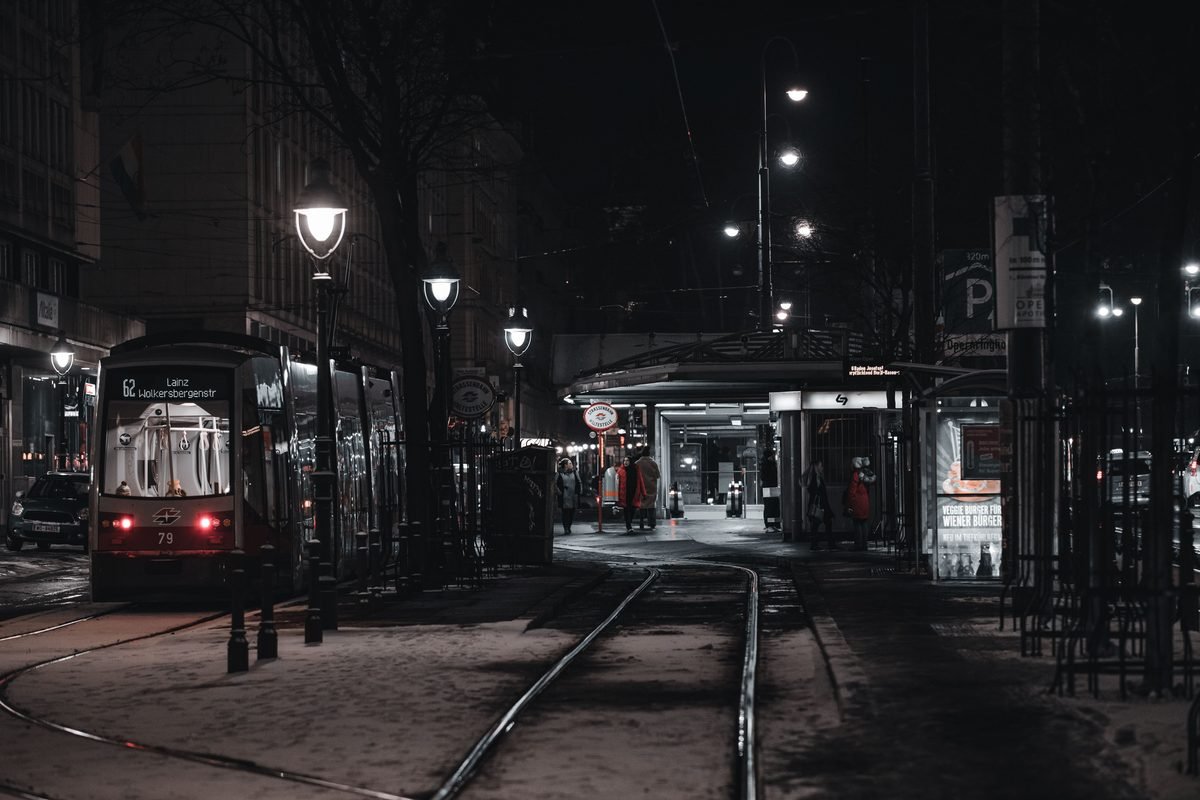
The tram bells on the Ringstrasse have a specific, sharp ring that cuts through the morning air. It is a sound that has defined the rhythm of this city for over a century. Vienna is a place built on layers, where imperial palaces stand next to modernist blocks and coffee houses serve the same cakes they did in 1890. It is grand, orderly, and surprisingly easy to navigate if you know which tram to catch. The city does not rush, and neither should you.
This Vienna 2 day itinerary is for independent travelers who want to see the heavy hitters without feeling like they are on a treadmill. We will cover how to time your visit to Schönbrunn Palace, the specific etiquette of the traditional coffee house, and how to snag opera tickets for the price of a sandwich. It covers the essential transit passes and the best neighborhoods for your base. By the end of forty-eight hours, you will understand why this city consistently ranks as one of the most livable in the world.
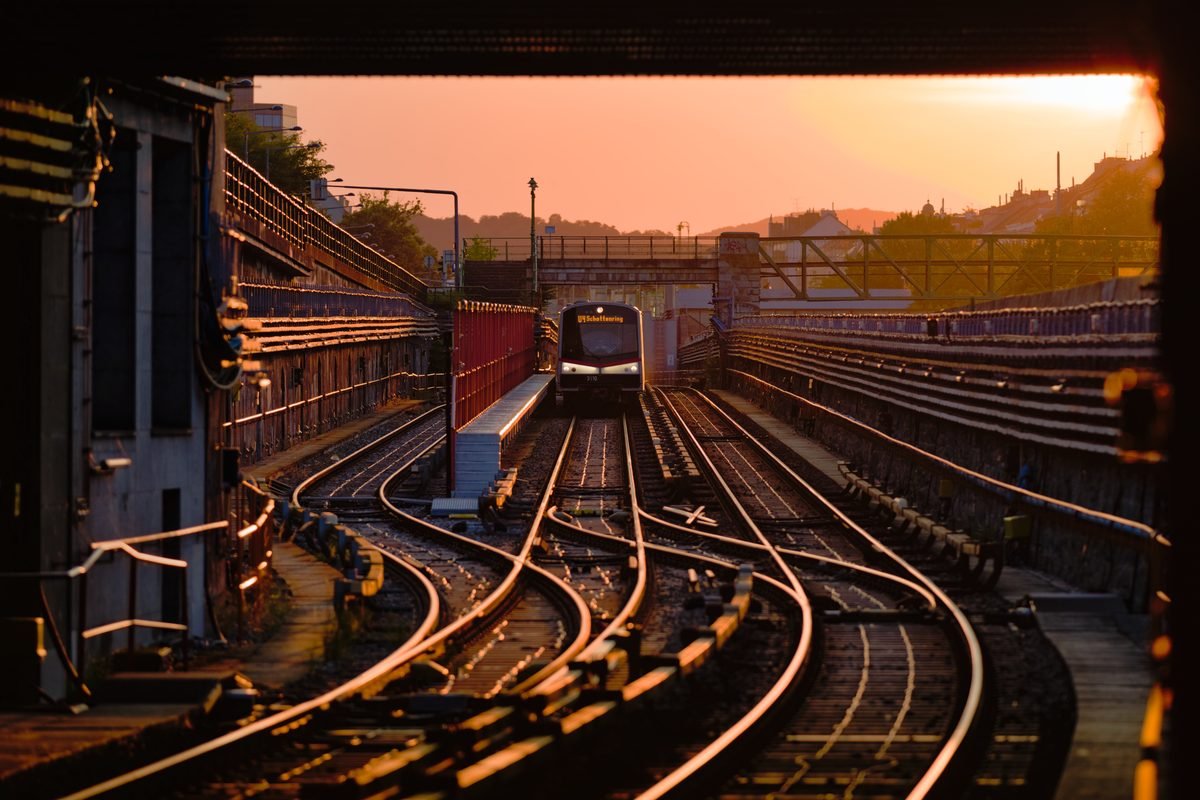
How to get around on your Vienna 2 day itinerary
Navigating the city begins with a 48-hour transit pass. This ticket costs €14.10 (about $16) and covers all U-Bahn trains, trams, and buses within the city limits. You can buy these at the red ÖBB machines at the airport or any major station. Note that the high-speed CAT train from the airport costs €15 (about $17) for a 16-minute trip. However, the S7 suburban train takes only ten minutes longer and costs just €4.40 (about $5). If you already have a city pass, you only need an extra ticket for the outer zone for about €2 (about $2.20). The tram network is dense.
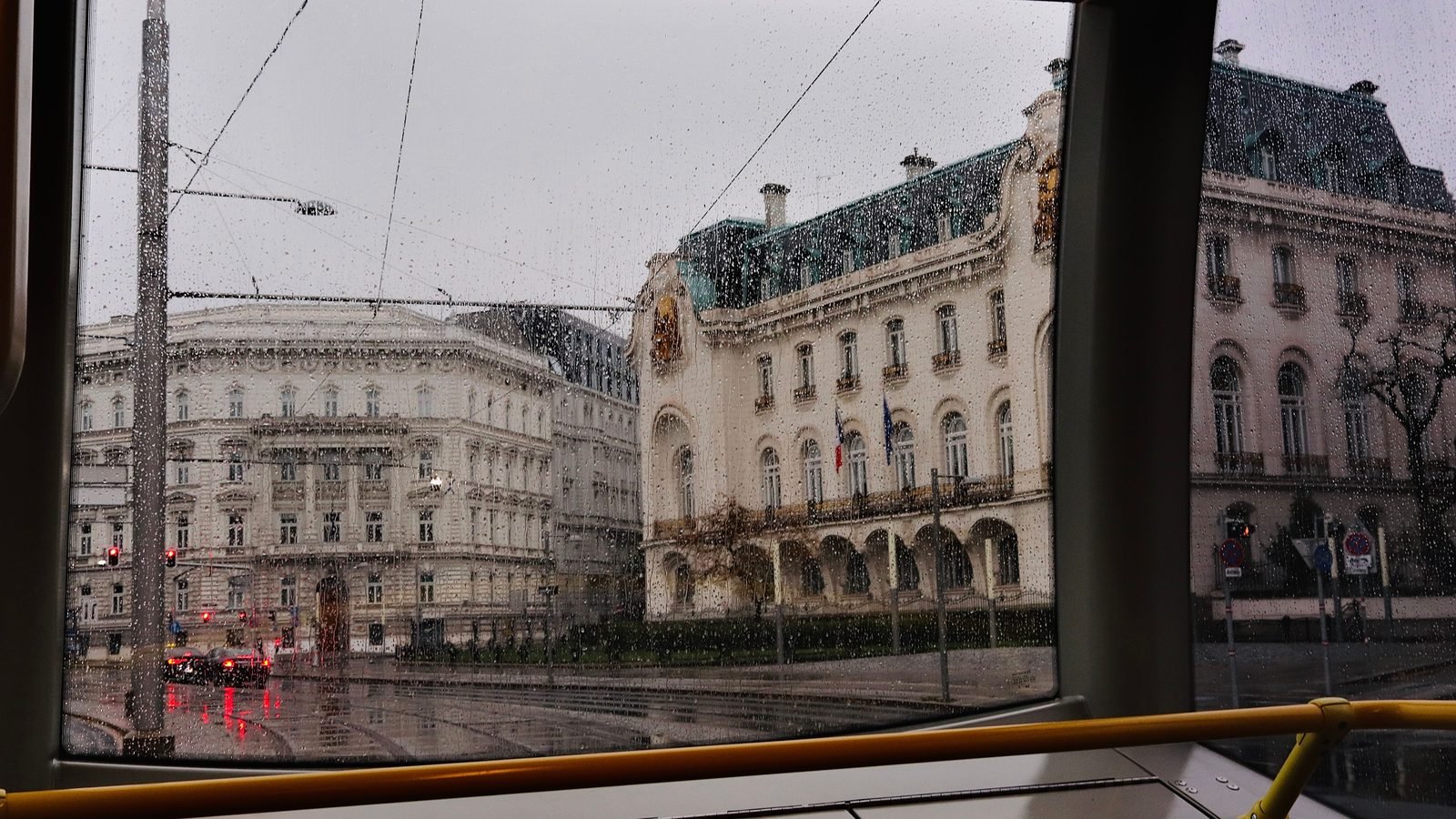
Once you are in the center, the Ringstrasse tram loop is your best friend. Trams 1 and 2 follow the circular boulevard that replaced the old city walls. Riding these provides a self-guided tour of the State Opera, the Parliament, and the City Hall for the price of a standard fare. It is one of the most efficient ways to orient yourself on your first morning. Most locals use the WienMobil app to check real-time departures. It is more reliable than general maps. Remember to validate your paper ticket in the blue or orange boxes before your first ride. If you buy a digital ticket on the app, no validation is needed.
The city is very walkable, but the tram system is so frequent that you are rarely more than five minutes from a stop. This makes the 48-hour pass the logical choice for a short stay. It removes the stress of calculating individual fares while you explore the inner districts. Always carry the pass with you, as plain-clothes inspectors do frequent spot checks on the U-Bahn lines. Fines are steep and issued on the spot.
From a local: Skip the CAT
The CAT train is marketed heavily to tourists, but the S7 train runs the same route for a fraction of the price. Use the extra money for a slice of cake.
Day 1: The Imperial Core and St. Stephen's
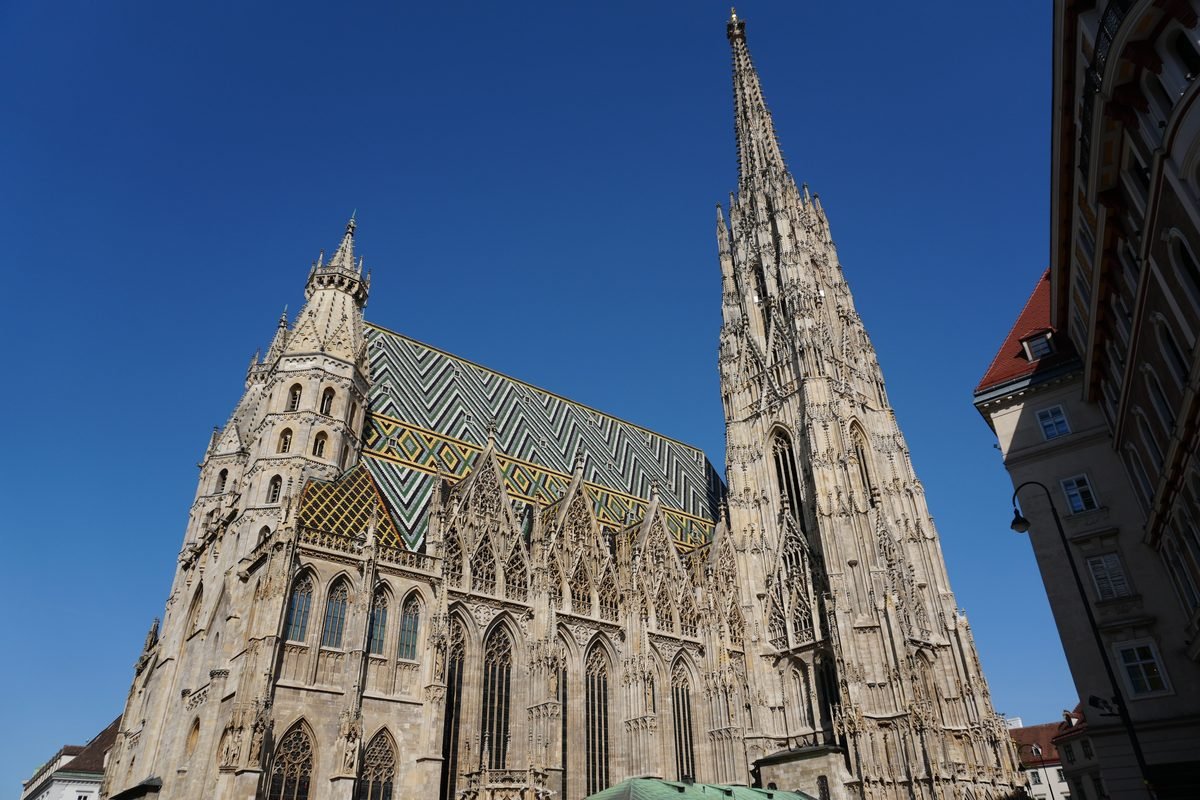
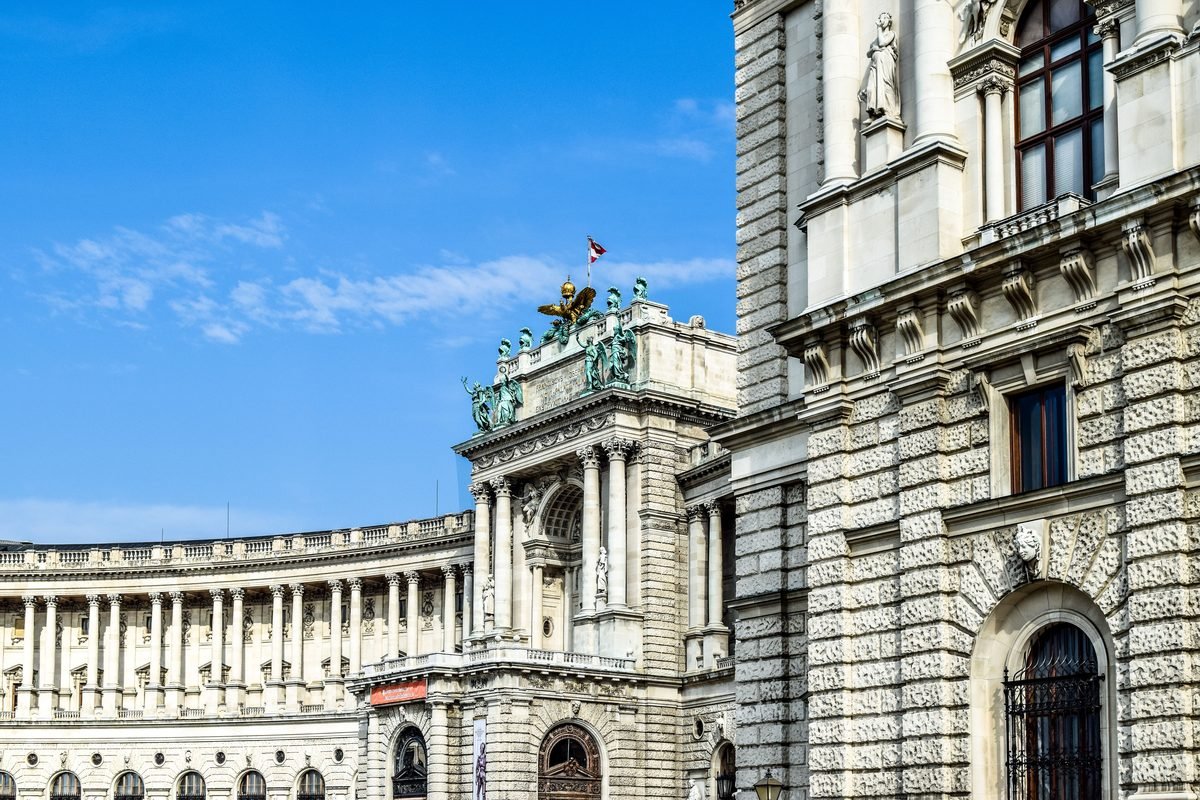
Start your first morning at Stephansplatz, the geographic and emotional heart of Vienna. St. Stephen’s Cathedral, or Stephansdom, is free to enter, though climbing the South Tower costs €6 (about $7). The 343 steps are narrow, but the view of the tiled roof is worth the effort. From here, walk down Graben, the city’s most famous shopping street, toward the Hofburg. This massive palace complex was the winter residence of the Habsburgs for centuries. Rather than trying to see everything, I suggest focusing on the Imperial Treasury, or Schatzkammer. Admission is €16 (about $18).
The Treasury holds the Imperial Crown of the Holy Roman Empire and is surprisingly quiet compared to the Sisi Museum. After the Treasury, walk through the Heldenplatz, a vast open square where major historical events have unfolded. The architecture here is meant to intimidate with its scale. If you time it right, you can see the Lipizzaner horses of the Spanish Riding School being led across the courtyard. You do not need an expensive ticket to see them; they often walk between their stables and the arena around 09:45 or after their morning exercise.
Lunch on day one should be quick to save time for cultural stops. Many locals grab a Bosna or a Käsekrainer from a Würstelstand. These high-end sausage stands are a local institution. Bitzinger at the Albertina is a popular choice. A sausage with bread and a drink will cost roughly €9 (about $10). It is a practical way to eat while standing, just like the locals do between meetings. This keeps your afternoon open for the art galleries or a long session in a coffee house.
Coffee house etiquette and the State Opera
By mid-afternoon, your legs will need a break. The Viennese coffee house is not a cafe; it is a public living room. You are expected to sit for hours with a single cup of coffee. Traditional spots like Café Sperl or Café Central have specific rules. Do not wave at the waiters. They are famously formal and will come to you when they are ready. Order a Melange, which is similar to a cappuccino but with milder coffee, for about €6 (about $7). If you want water, do not ask; it always comes free on a small silver tray with your coffee. Water is free and delicious.
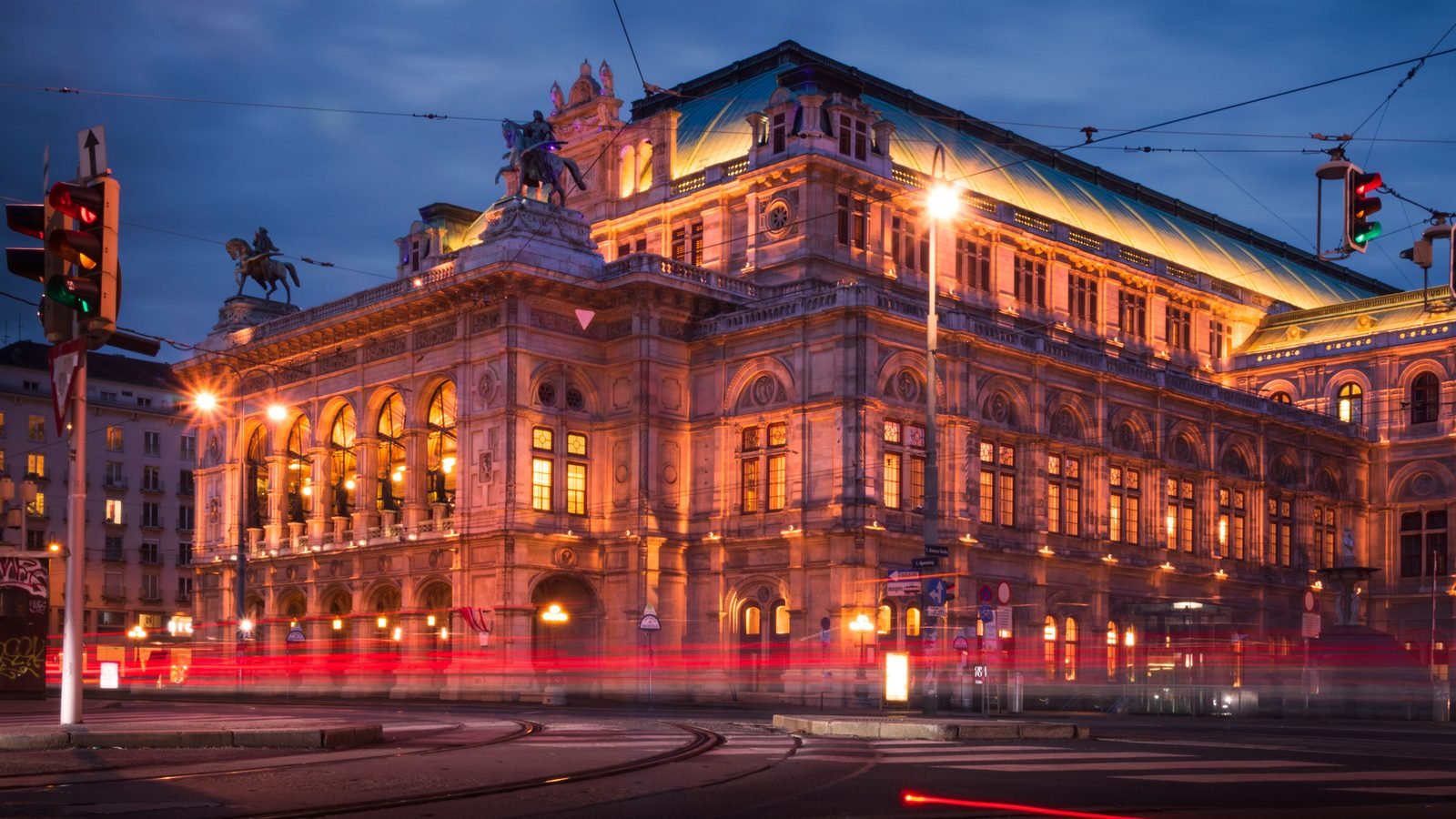
As evening approaches, head toward the Vienna State Opera. While seats can cost over €200, the standing-room tickets (Stehplatz) are a secret for the budget-conscious. These go on sale eighty minutes before every performance at the dedicated box office on Operngasse. Prices range from €13 to €18 (about $14 to $20). It is a specific process. Once you have your ticket and enter the standing area, you must claim your spot. Most people bring a small scarf and tie it to the railing. This is a respected rule. Once your scarf is tied, you can leave to grab a drink or use the restroom without losing your place.
The view from the gallery standing area is often better than the view from expensive side boxes. The acoustics are perfect. If you find the opera too long, you can leave during the first intermission. It is a low-risk way to experience one of the world’s greatest musical venues. For those who prefer a sit-down dinner, many restaurants near the opera offer a ‘Pre-Opera’ menu, but I recommend eating afterward at a late-night spots like Schwarzes Kameel for a more relaxed atmosphere.
Tip: The Scarf Trick
Always bring a lightweight scarf to the opera standing area. It is the only way to hold your spot during the break while you explore the grand foyer.
Day 2: Schönbrunn Palace timing and gardens
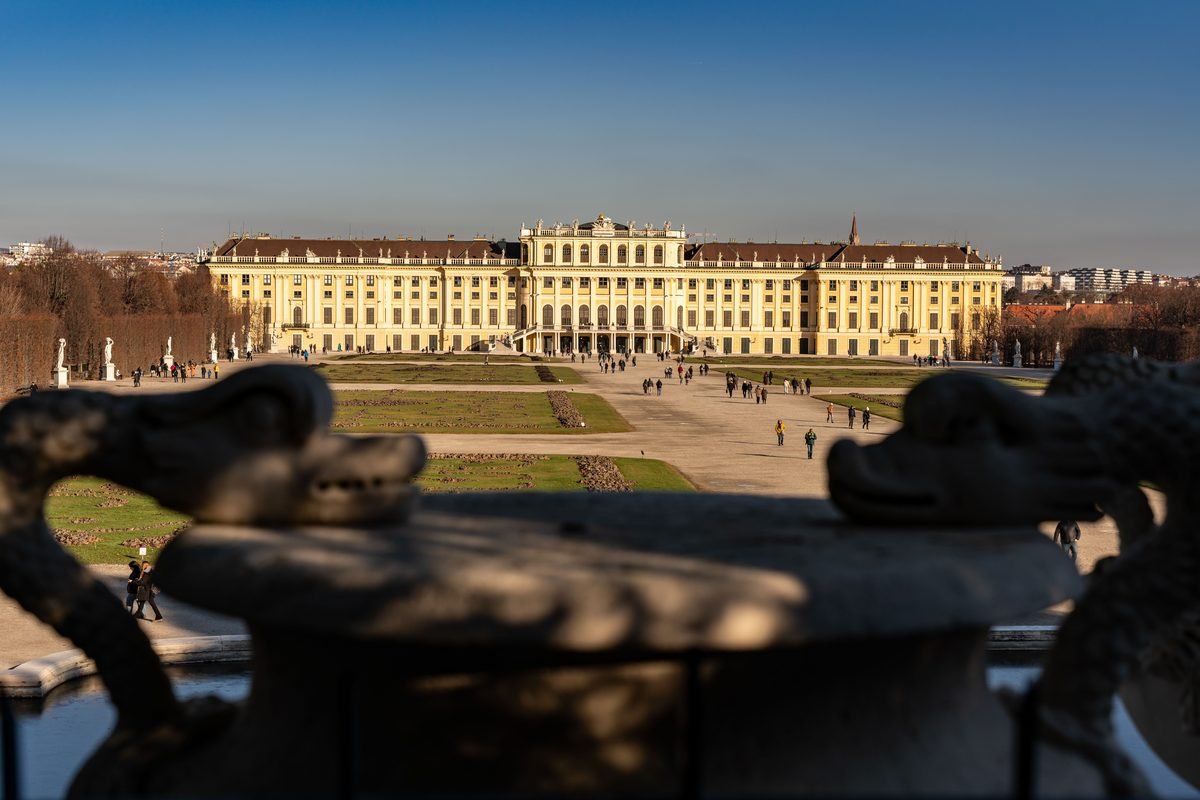
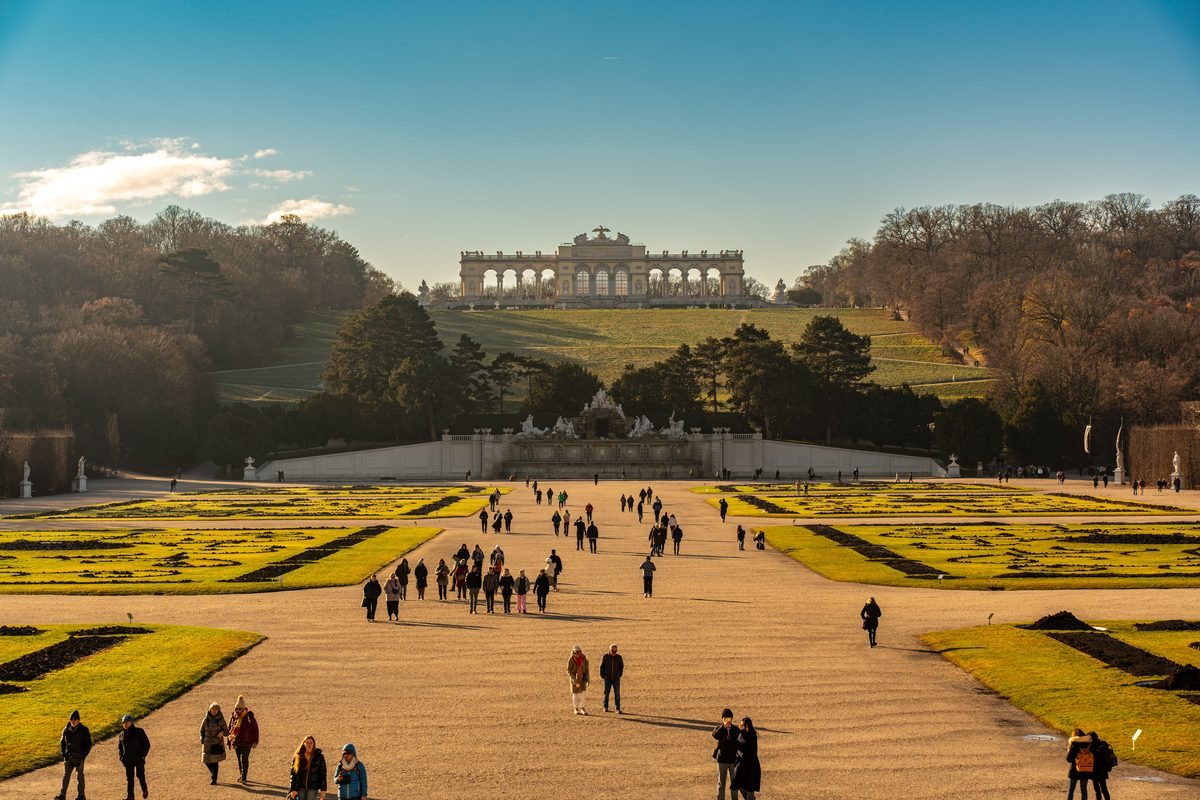
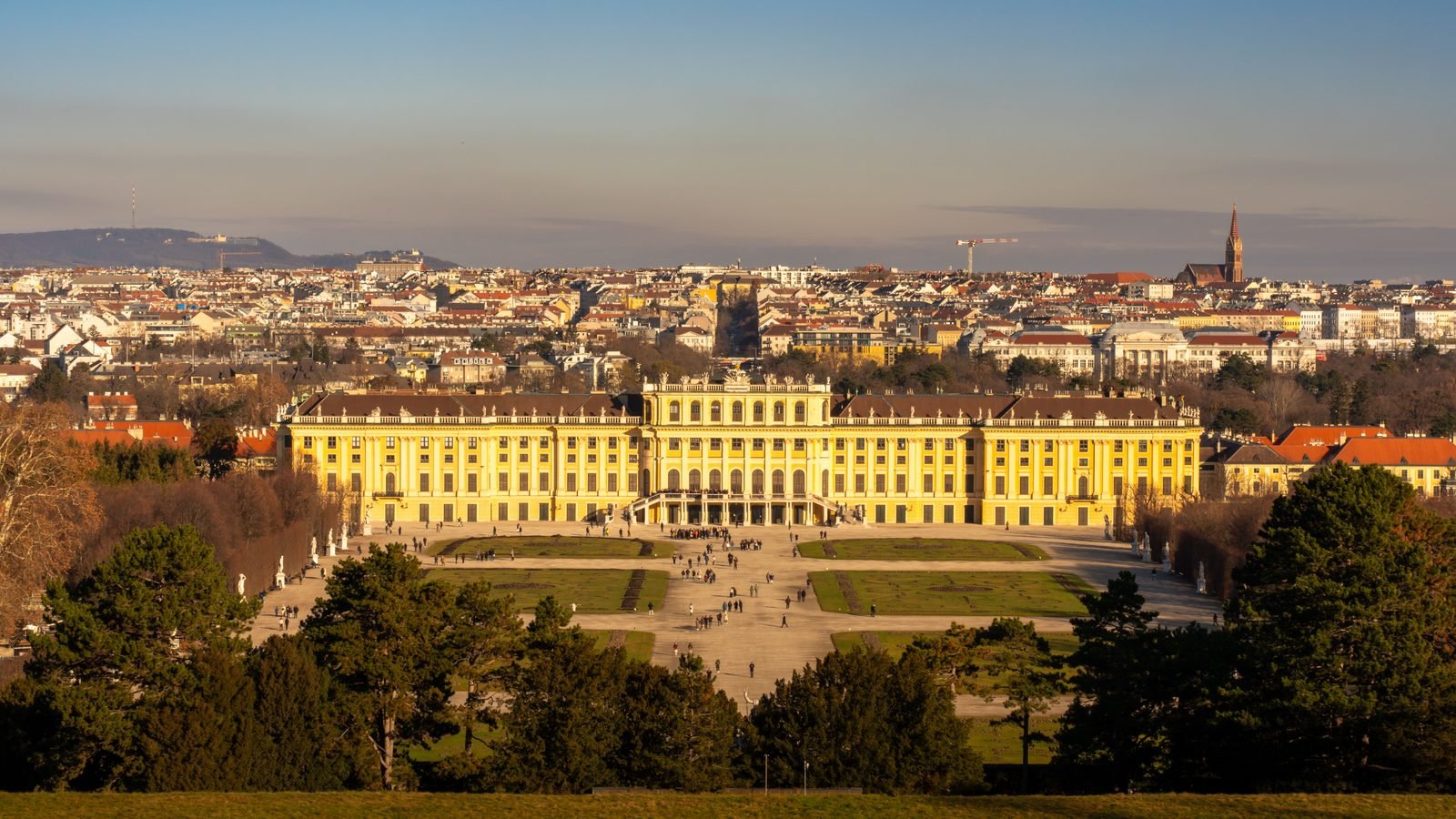
Schönbrunn Palace is the most visited site in Austria, so timing is everything. The palace opens at 08:00. I recommend arriving exactly then to beat the tour buses that appear by 09:30. Take the U4 subway line to the Schönbrunn station. The Grand Tour ticket costs €32 (about $35) and covers 40 rooms. It takes about an hour with the included audio guide. If you are on a tight budget, the gardens are free to enter. You can walk up the hill to the Gloriette for a view of the palace with the city skyline behind it. The view is clear.
The gardens are vast, covering over a square kilometer. If you walk toward the Neptune Fountain, you will find shaded paths that most tourists ignore. In September, the flower beds are still in full bloom, and the air is crisp. I would spend at least two hours here. If you have children, the maze and the desert house are worth the extra fee, but for a 2-day itinerary, the main palace and the Gloriette hill are the priorities. There is a bakery on-site called Residenz where you can watch an apple strudel show, but it is quite touristy.
By 11:30, the crowds will be thick. This is your cue to leave and head back toward the city center. The U4 line will take you directly to Karlsplatz in about fifteen minutes. From there, it is a short walk to the Naschmarkt. This transition from the imperial grandeur of the Habsburgs to the active, messy energy of the market is one of the best contrasts in Vienna. It shows both sides of the city’s personality in a single morning.
Book ahead: Book Schönbrunn Ahead
Palace entry is timed. Book your tickets online at least three days in advance to avoid waiting two hours for the next available slot.
Exploring the Naschmarkt and the Belvedere
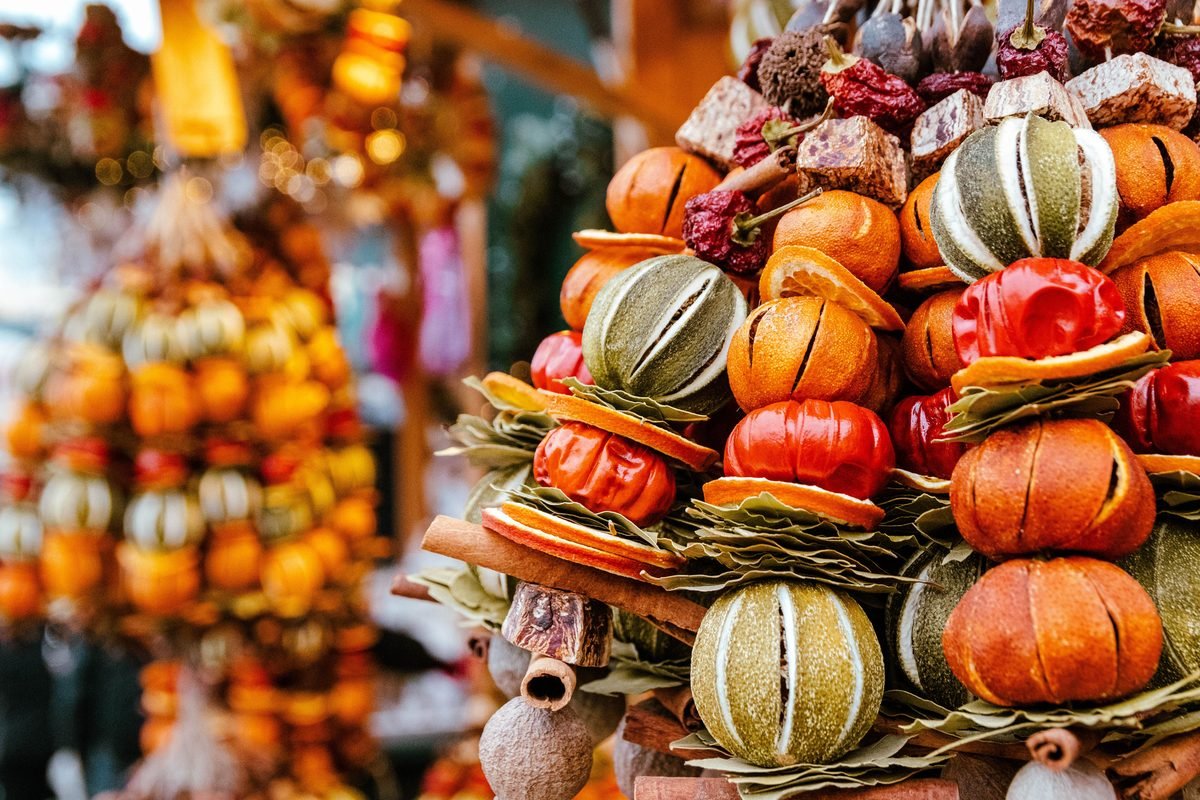
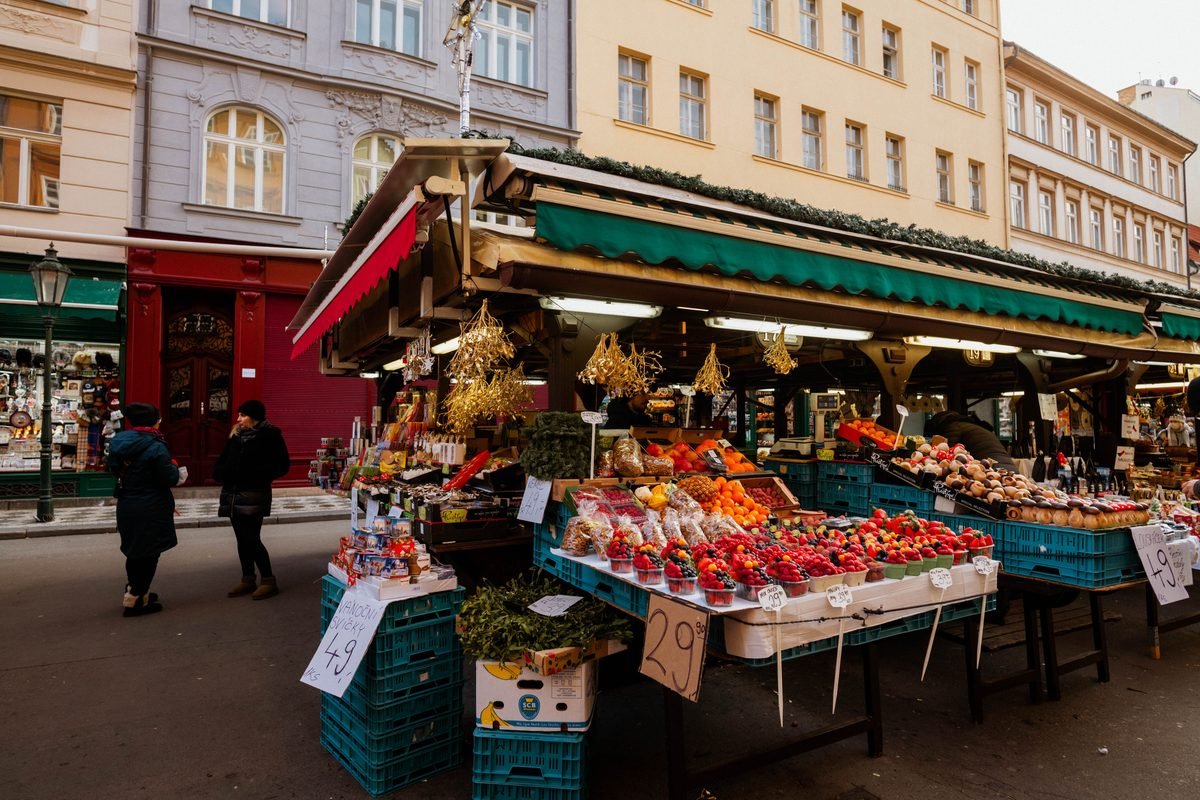
The Naschmarkt is Vienna’s premier outdoor food market. It stretches for nearly a kilometer. On the eastern end, you will find stalls selling olives, cheeses, and spices. As you move west, the market turns into a row of small restaurants. If your second day falls on a Saturday, the western end also hosts a massive flea market. It is a great place to find vintage postcards or old cameras. For lunch, try one of the seafood stalls or a falafel wrap for about €7 (about $8). The atmosphere is busy but friendly.
After lunch, walk five minutes to the Secession building. You cannot miss it; it has a giant golden dome that looks like a ball of laurel leaves. This was the heart of the Art Nouveau movement in Vienna. From here, take a short tram ride or a fifteen-minute walk to the Upper Belvedere. This palace houses the world’s largest collection of Gustav Klimt paintings, including ‘The Kiss’. Admission is €19 (about $21). The building itself is a masterpiece of Baroque architecture, and the gardens connecting the Upper and Lower Belvedere are free to wander.
The Belvedere is often less crowded than the Kunsthistorisches Museum, making it easier to see the art without fighting for space. If you are not an art fan, use this afternoon to explore the MuseumsQuartier instead. This is a massive courtyard surrounded by museums where locals hang out on large plastic lounge chairs. It is a great spot for people-watching and has several outdoor bars. It feels much more modern and youthful than the imperial center. This area is the perfect bridge between the city’s past and its current creative scene.
Where to eat: Schnitzel and Sachertorte
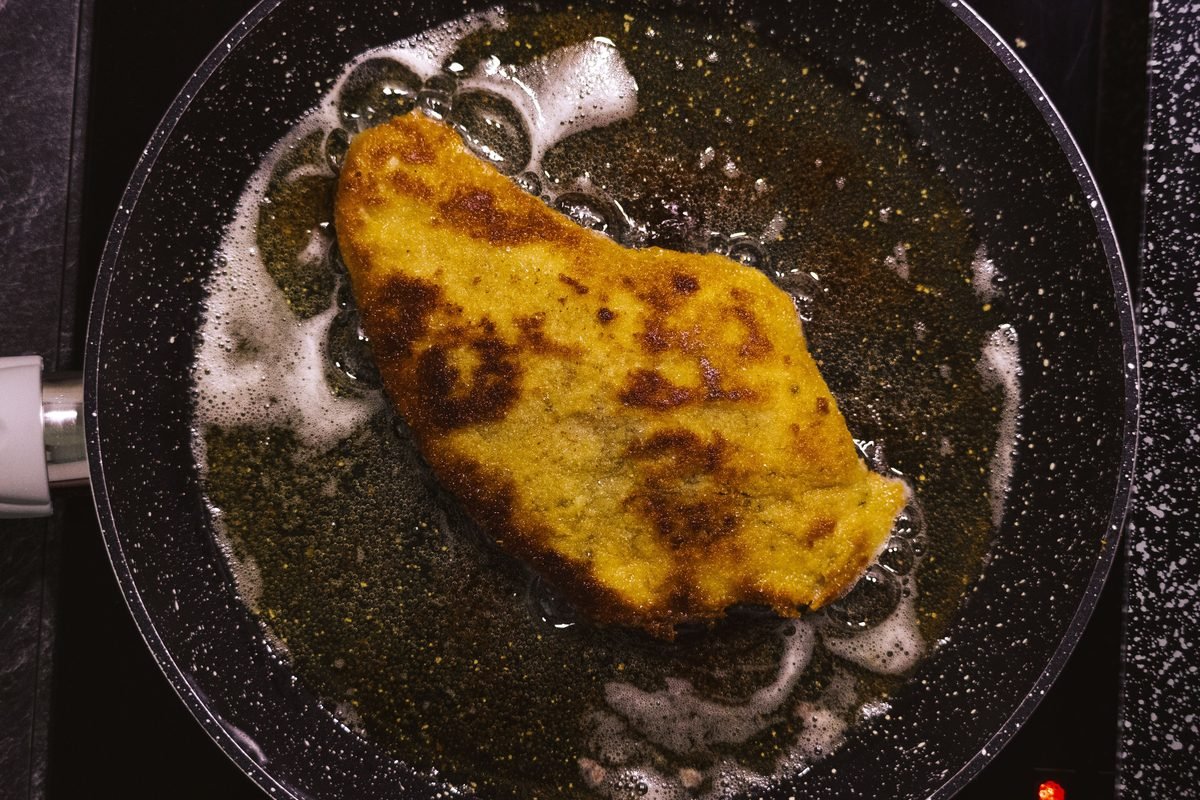
No Vienna 2 day itinerary is complete without a proper Wiener Schnitzel. The most famous spot is Figlmüller, but you must book a table weeks in advance. If you cannot get in, Meissl & Schadn or Lugeck are excellent alternatives. An authentic veal schnitzel will cost around €22 (about $24). It should be thin, crispy, and larger than the plate. It is traditionally served with a cold potato salad rather than fries. Do not ask for ketchup; it is considered a minor insult to the chef. The meat should be tender enough to cut with a fork.
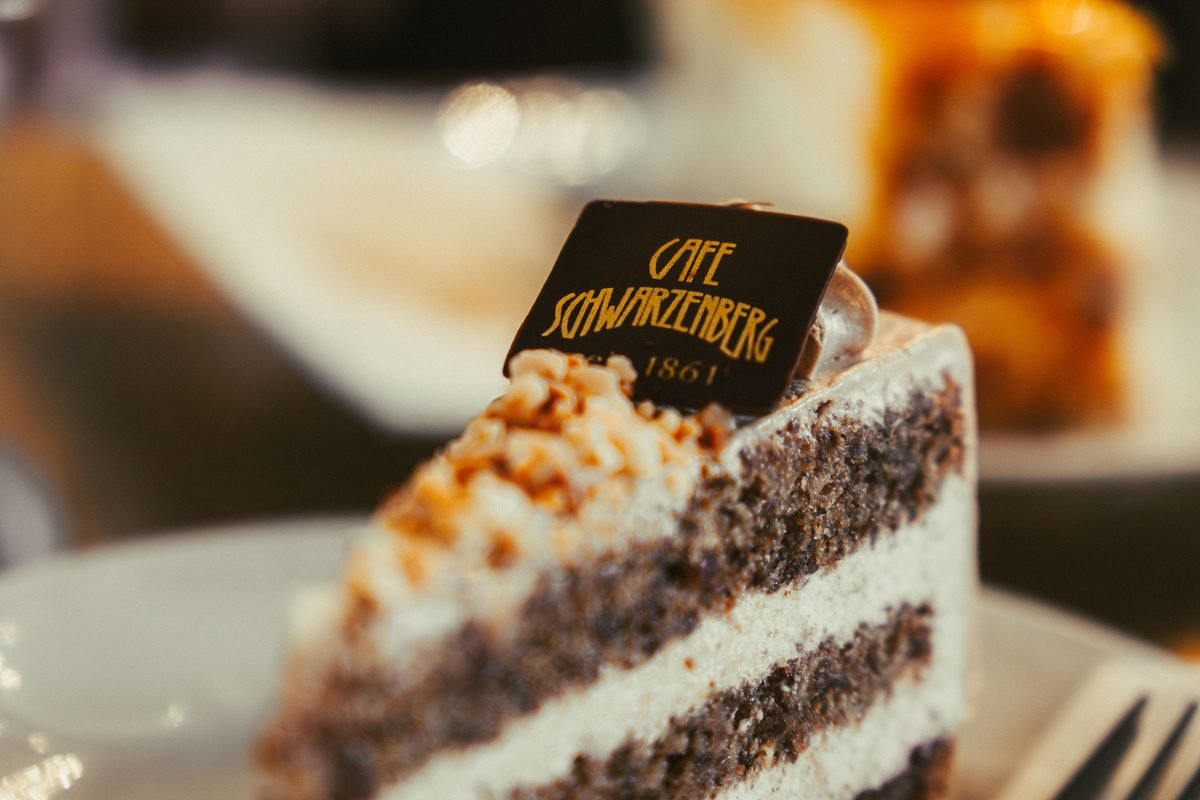
For dessert, the Sachertorte is the city’s most famous export. This dense chocolate cake with a thin layer of apricot jam was invented at Hotel Sacher. A slice here costs about €9 (about $10). While the hotel cafe is famous, the queue is often an hour long. You can find equally good Sachertorte at Demel, the former royal bakery. Demel has a glass-walled kitchen where you can watch the pastry chefs at work. It is a fascinating look at the precision required for Viennese baking. Their Sachertorte is slightly different, with the jam under the icing rather than in the middle.
If you want something less heavy, try a Topfenstrudel, which is made with sweet curd cheese. It is often served warm with vanilla sauce. For a final evening drink, look for a ‘Heuriger’ or wine tavern. While the best ones are in the suburbs like Grinzing, you can find urban versions in the city center like Esterházykeller. They serve local white wines produced within the city limits. Vienna is one of the few capitals in the world with significant vineyards inside its borders. A glass of wine costs roughly €5 (about $6).
Practical tips for a smooth visit
Vienna is a very safe city, but it has some quirks that can catch travelers off guard. The most important is that almost everything closes on Sunday. Supermarkets, pharmacies, and most shops are shut tight. If you need food on a Sunday, your only options are the small shops inside major train stations like Wien Hauptbahnhof or Westbahnhof. Plan your shopping accordingly. Most museums and restaurants remain open, but the streets will feel much quieter. It is a good day for a park visit or a long walk along the Danube Canal.
Tipping in Vienna is straightforward but different from the US. You do not leave money on the table. When the waiter tells you the total, you round up and tell them the new amount. For example, if the bill is €18.20, you might say ‘Twenty’ as you hand over the cash or card. A tip of 5% to 10% is standard. If you simply say ‘Thank you’ (Danke) while handing over a large bill, they will assume you want no change back. Only say ‘Danke’ once you have received your change or if you intend for them to keep the rest.
Finally, do not buy bottled water. The tap water in Vienna comes directly from the Alps via high-mountain springs. It is cold, fresh, and better than anything you can buy in a plastic bottle. You will see public drinking fountains all over the city, especially in the first district. Carry a reusable bottle and fill it up as you go. This saves money and is the local way of doing things. The city is proud of its water quality, and many restaurants will serve it to you for free if you ask for ‘Leitungswasser’.
Heads up: Sunday Closures
Remember that all shops and supermarkets close on Sundays. If you need supplies, head to the Billa supermarket at the Praterstern or Hauptbahnhof stations.
What it costs in Vienna
| Item | Local price | USD |
|---|---|---|
| 48-hour transit pass | €14.10 | ($16) |
| Schönbrunn Grand Tour | €32.00 | ($35) |
| Standing room opera ticket | €13.00 | ($14) |
| Wiener Schnitzel (Veal) | €22.00 | ($24) |
| Melange coffee and water | €6.00 | ($7) |
| Upper Belvedere entry | €19.00 | ($21) |
| Mid-range hotel (per night) | €140.00 | ($154) |
| Total estimated for 2 days | €386.10 | ($425) |
Prices checked September 2026. Always confirm with the provider before you book.
Where to stay in Vienna
Budget
Leopoldstadt, near Praterstern station
This area is just across the canal from the center and offers great value hostels and budget hotels. You can reach Stephansplatz in five minutes via the U1 line, with nightly rates around €70-€90 ($77-$99).
Mid-range
Neubau, the 7th District
This is the creative heart of the city, full of independent boutiques and excellent cafes. It is within walking distance of the MuseumsQuartier and costs roughly €130-€170 ($143-$187) per night.
Splurge
Innere Stadt, near the State Opera
Staying inside the Ringstrasse puts you at the center of the imperial grandeur. You are steps away from the major sights and the best historic hotels, with prices typically starting at €250 ($275) per night.
Mistakes to avoid
- Taking the expensive CAT train from the airport when the S7 is nearly as fast and much cheaper.
- Waving at or calling out to waiters in traditional coffee houses; wait for them to acknowledge you.
- Forgetting that all supermarkets and shops close on Sundays, leaving you with very few options for snacks or supplies.
FAQ
Is a Vienna 2 day itinerary enough time?
Yes, two days is enough to see the major imperial sites like the Hofburg and Schönbrunn, experience a coffee house, and see a show. You will need to prioritize, but the efficient transit system makes it possible to cover a lot of ground.
How do I get from Vienna airport to the city center?
The most cost-effective way is the S7 suburban train, which takes 25 minutes and costs €4.40 (about $5). Avoid the CAT train unless you are in a massive hurry and don’t mind paying triple the price.
What is the best coffee house in Vienna?
Café Central is the most famous, but it often has long lines; Café Sperl or Café Diglas offer a more authentic, local experience with less waiting. All of them serve high-quality coffee and traditional pastries.
Do I need to book Schönbrunn Palace in advance?
Yes, it is essential to book a timed entry ticket online at least 2-3 days ahead. If you show up without a ticket, you may find that the next available slot is several hours away or sold out entirely.
Can I use credit cards in Vienna?
Most restaurants and shops in the center accept cards, but many smaller cafes and Würstelstands are cash-only. Always carry at least €20 in cash for small purchases and tips.