Sapporo Winter Guide: Snow Festival, Curry & Trips

Stepping off the Rapid Airport train at Sapporo Station in January, the frigid air hits your face like a dry breeze at -5°C (23°F). Powder snow crunches underfoot along wide city avenues while heated underground pedestrian tunnels bustle below street level. Hokkaido in winter offers a world of dramatic snowscapes, steaming bowls of spiced soup curry, and illuminated ice sculptures.
If you are planning a trip between December and March, this Sapporo winter guide covers everything you need for a smooth visit. Learn how to navigate the famous Snow Festival crowds, plan day trips to Otaru and Niseko, sample legendary miso ramen in Susukino, and gear up for sub-zero weather.
Sapporo winter guide: best months and Snow Festival dates
Hokkaido experiences genuine arctic winter conditions from late November through March. Temperatures in central Sapporo drop well below freezing almost daily, with average high temperatures staying around -1°C (30°F) and nighttime lows dipping below -7°C (19°F). Cold winds off the Sea of Japan bring regular powder snowfalls. The air hits hard. Fresh snow accumulates steadily, turning the city grid into a crisp white landscape that builds up several feet deep by mid-January.
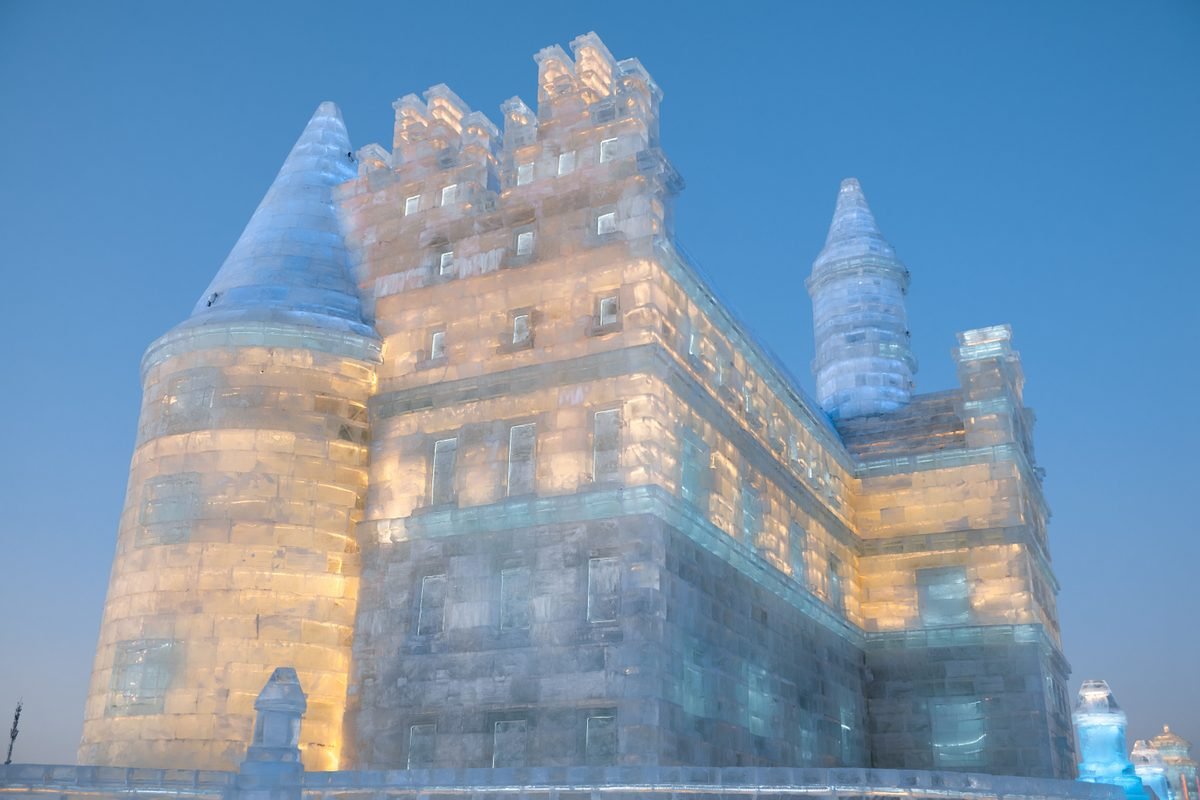
The centerpiece of the winter season is the world-famous Sapporo Snow Festival (Yuki Matsuri). Held annually during the first full week of February, the event spreads across three main venues. The primary exhibition takes over Odori Park, a broad green space stretching twelve blocks through the heart of the city. Here, sculptors build massive snow structures towering over fifteen meters high, depicting historic castles, international landmarks, and pop-culture icons. Detailed lighting displays illuminate the snow art every evening until 22:00.
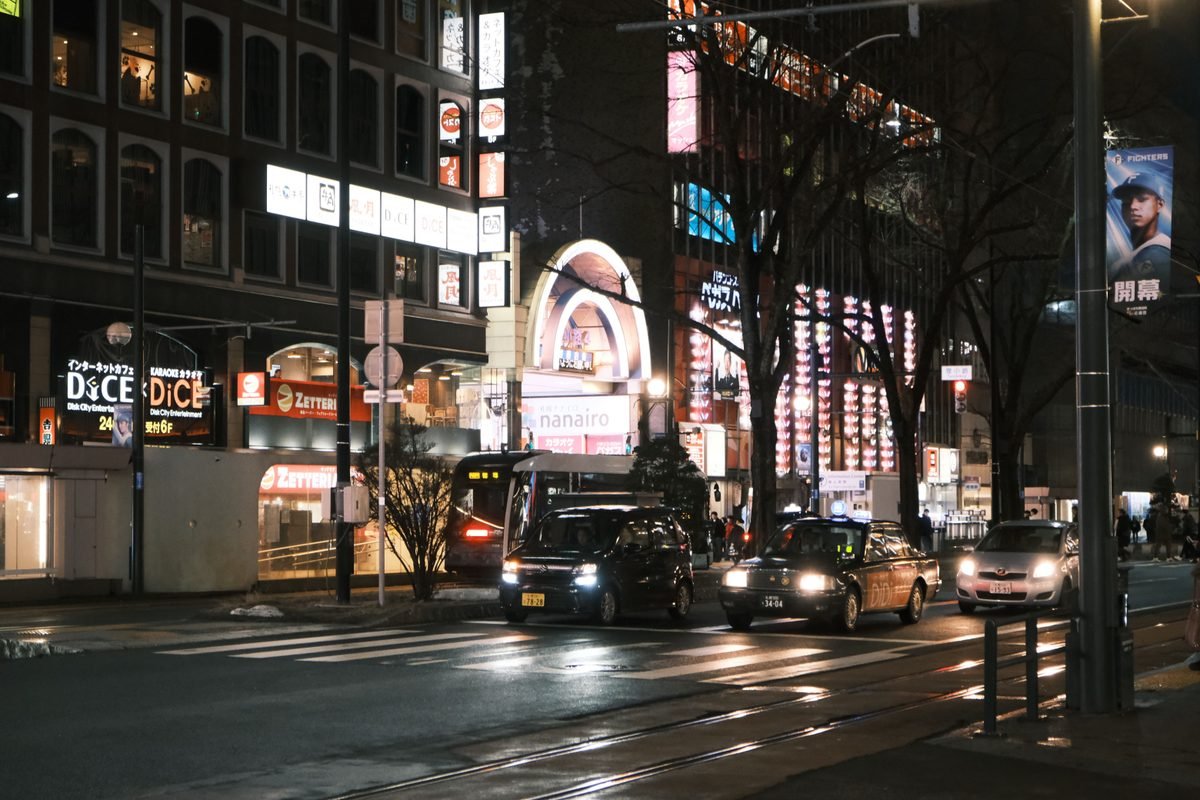
Beyond Odori Park, the Susukino site showcases intricate carved ice sculptures displayed right down the central boulevard amidst glowing neon signs. A third location at the Tsudome Community Dome features giant snow slides, snow rafting, and family outdoor activities. During event days, food stalls line Odori Park serving hot buttered corn, grilled scallops, and hot sake for roughly ¥600 to ¥1,200 (about $4 to $8) per dish.
Hotel prices surge drastically during the festival week, so locking in lodging by early autumn is essential. If you want deep snow and lower accommodation rates, plan your trip for late January or late February instead when the crowds dissipate.
Book ahead: Reserve Odori hotels early
Book hotel rooms for early February by September at the latest. Rates triple during the Snow Festival week and popular central hotels sell out fast.
How to get to Sapporo, Niseko, and around the city
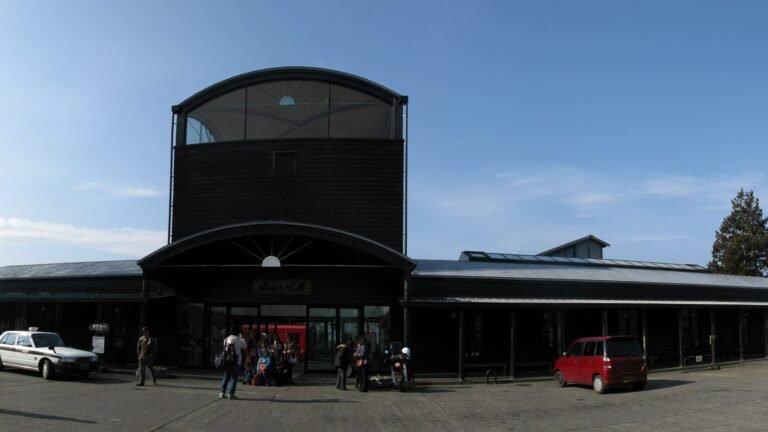
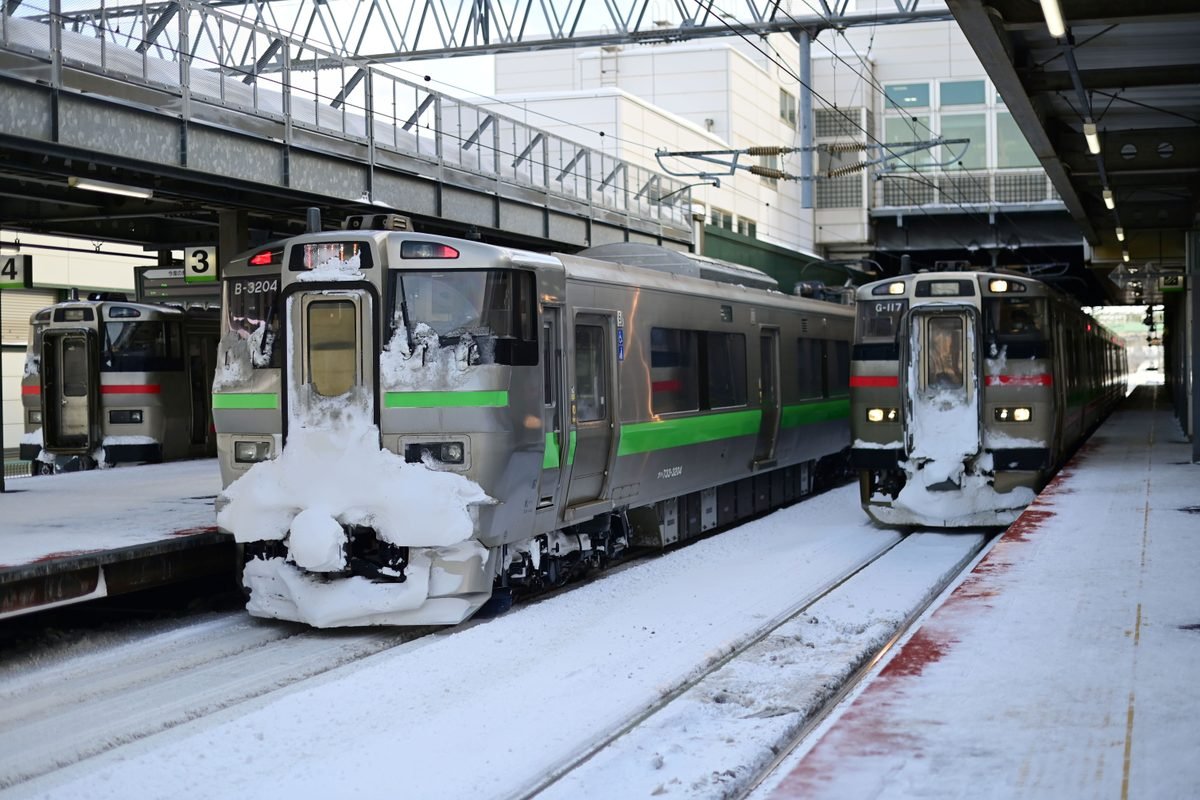
Arriving in Sapporo begins at New Chitose Airport (CTS), located roughly 45 kilometers south of the city center. The standard and fastest transit option into town is the JR Rapid Airport train service. Trains depart every 12 minutes from the airport’s underground station, taking 37 minutes to reach Sapporo Station. A standard unreserved seat costs ¥1,150 (about $7.50), while reserved seat tickets cost an additional ¥840 (about $5.50). Taxis from the airport are extremely expensive, costing over ¥15,000 (about $100), making the train the clear choice.
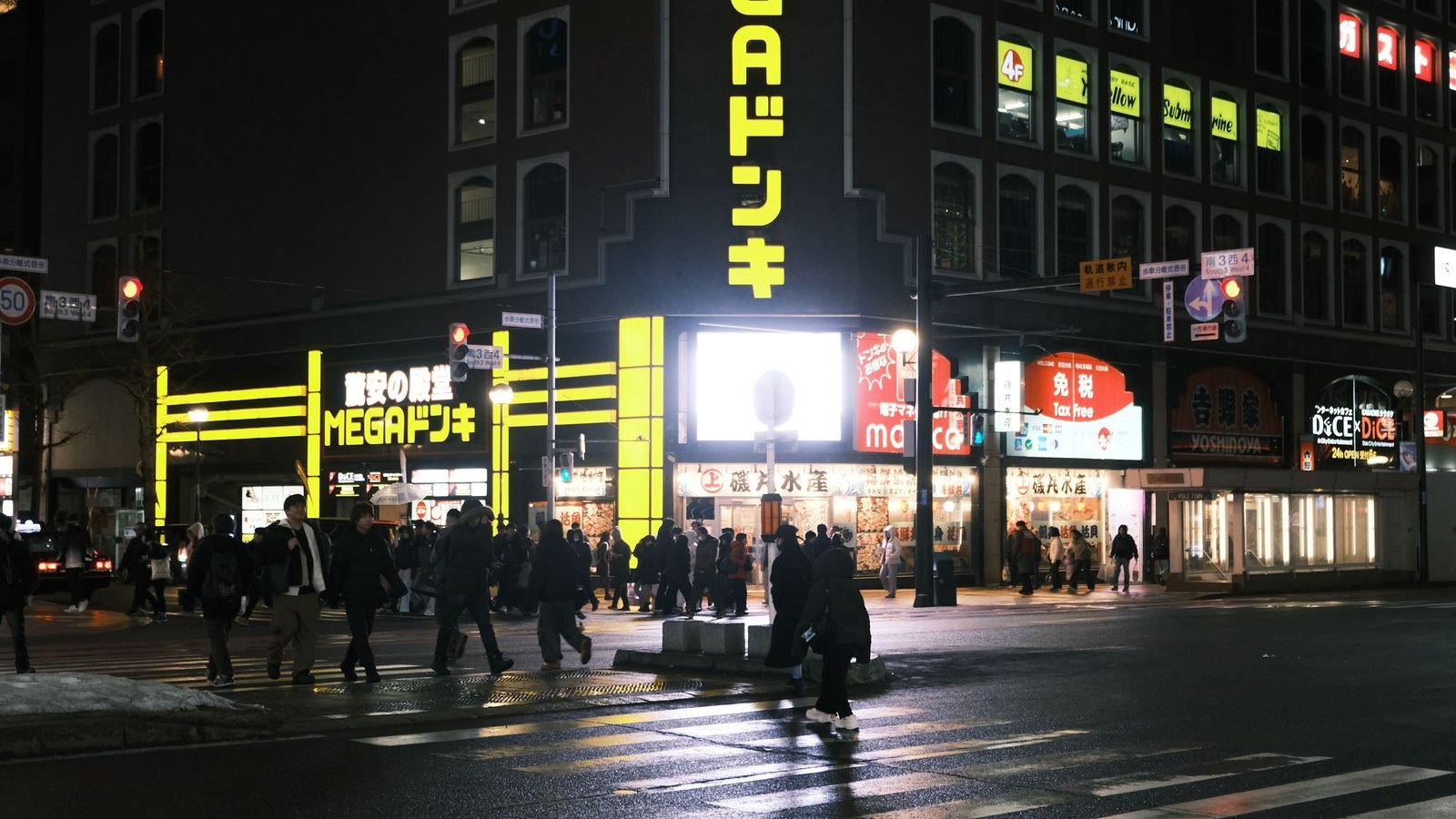
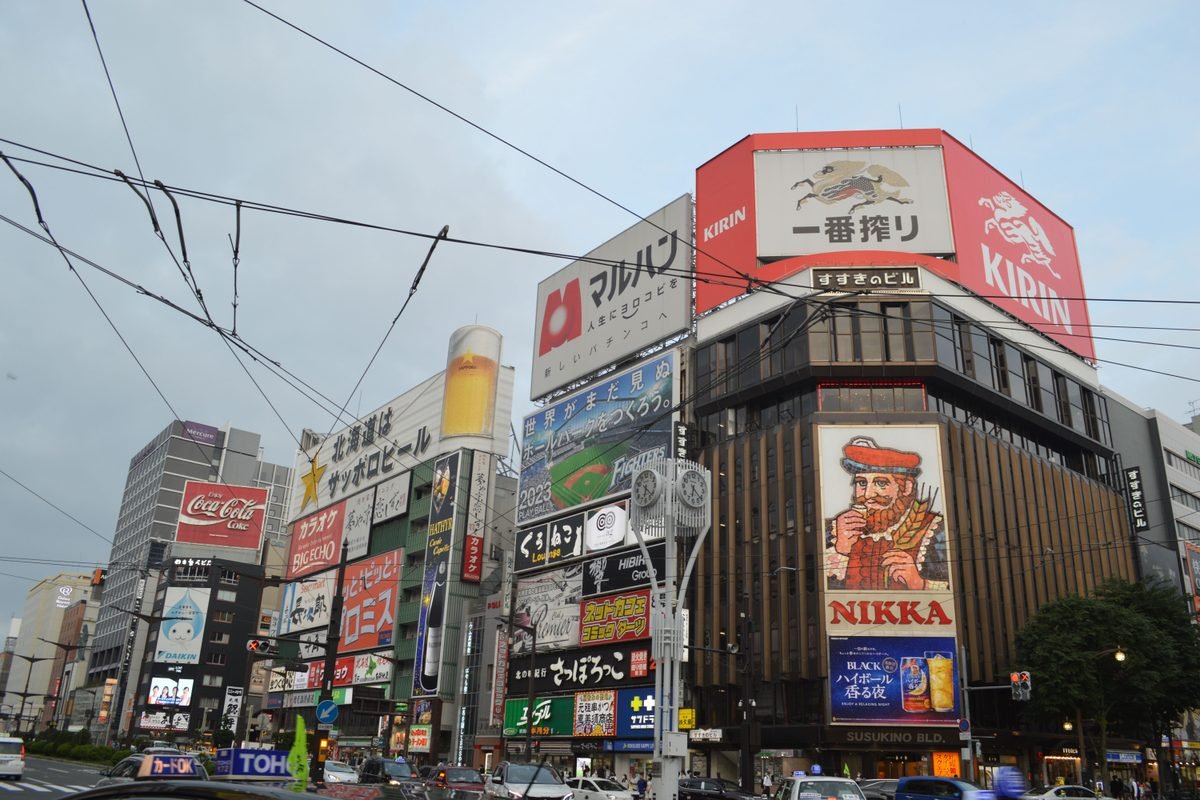
Navigating within Sapporo during winter is surprisingly comfortable due to the city’s extensive underground pedestrian network. The main passageway, known as Chi-Ka-Ho, stretches 520 meters between Sapporo Station and Odori, connecting further south to Susukino for a total continuous underground walk of nearly two kilometers. Heated, dry, and lined with shops, this corridor allows you to cross central Sapporo without setting foot on frozen pavement or braving sub-zero winds.
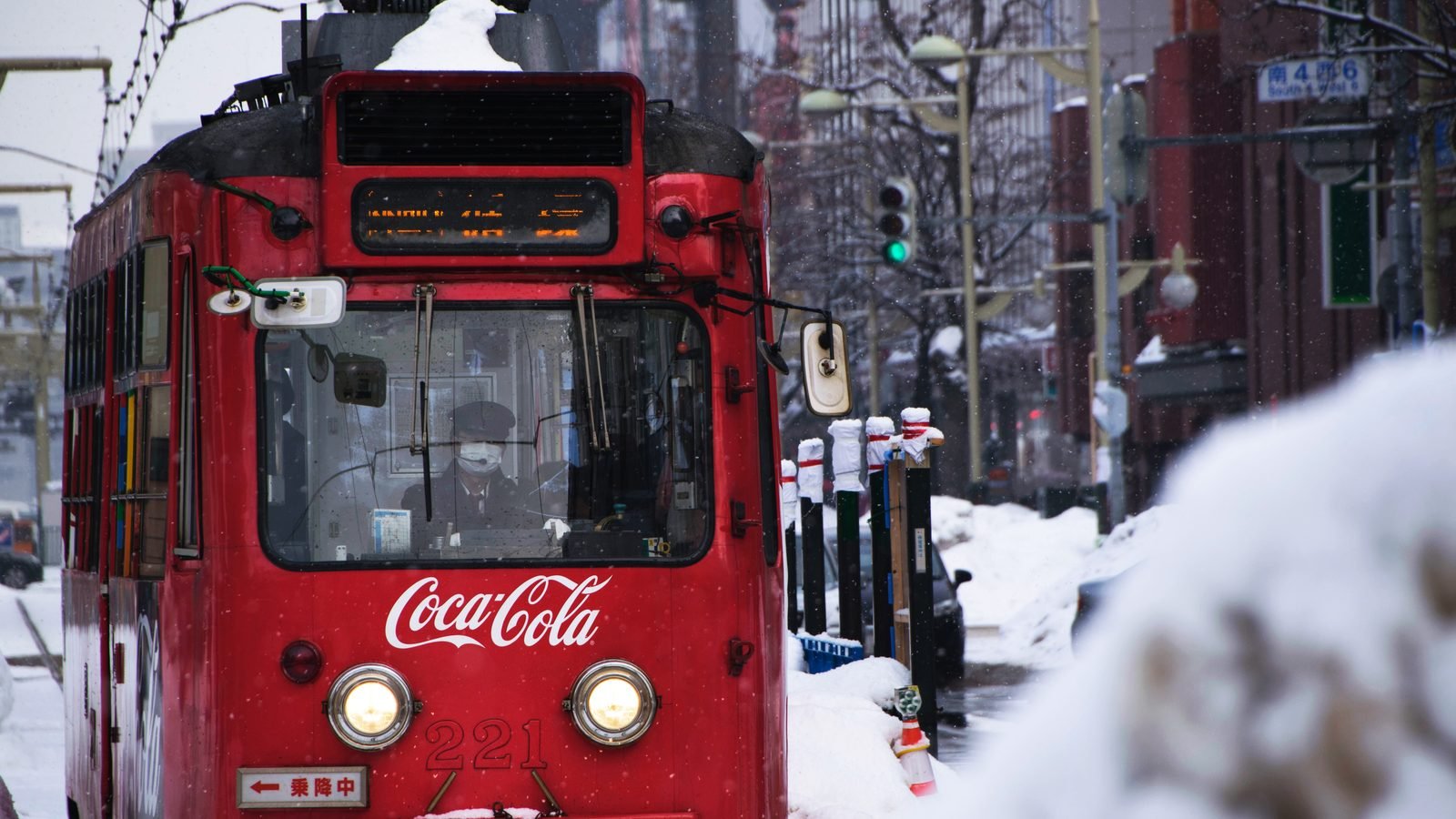
For surface transit, Sapporo operates three municipal subway lines: Namboku, Tozai, and Toho. Single fares range from ¥210 to ¥380 (about $1.40 to $2.50) depending on distance. IC transit cards like Suica, Pasmo, and local Kitaca work seamlessly at subway turnstiles. If you plan to head into the mountains for skiing, direct ski buses like the Hokkaido Resort Liner run from both Sapporo Station and New Chitose Airport to Niseko Hirafu for ¥4,500 (about $30) one way. Alternatively, local JR train connections run via Otaru to Kutchan Station for ¥2,160 (about $14.50), taking about two and a half hours.
From a local: Walk underground when snow falls
Use the Chi-Ka-Ho underground walkway between Sapporo Station and Susukino. It stays warm and saves you from icy street crossings.
What to see in Sapporo during winter
Winter turns Sapporo’s urban landmarks into striking snow scenes. Start at Odori Park, where the 147-meter-tall Sapporo TV Tower anchors the eastern end. An elevator ride to the observation deck costs ¥1,000 (about $6.70) and provides a clear panoramic view down the length of Odori Park, especially vivid when snow sculptures and evening lights fill the street below.
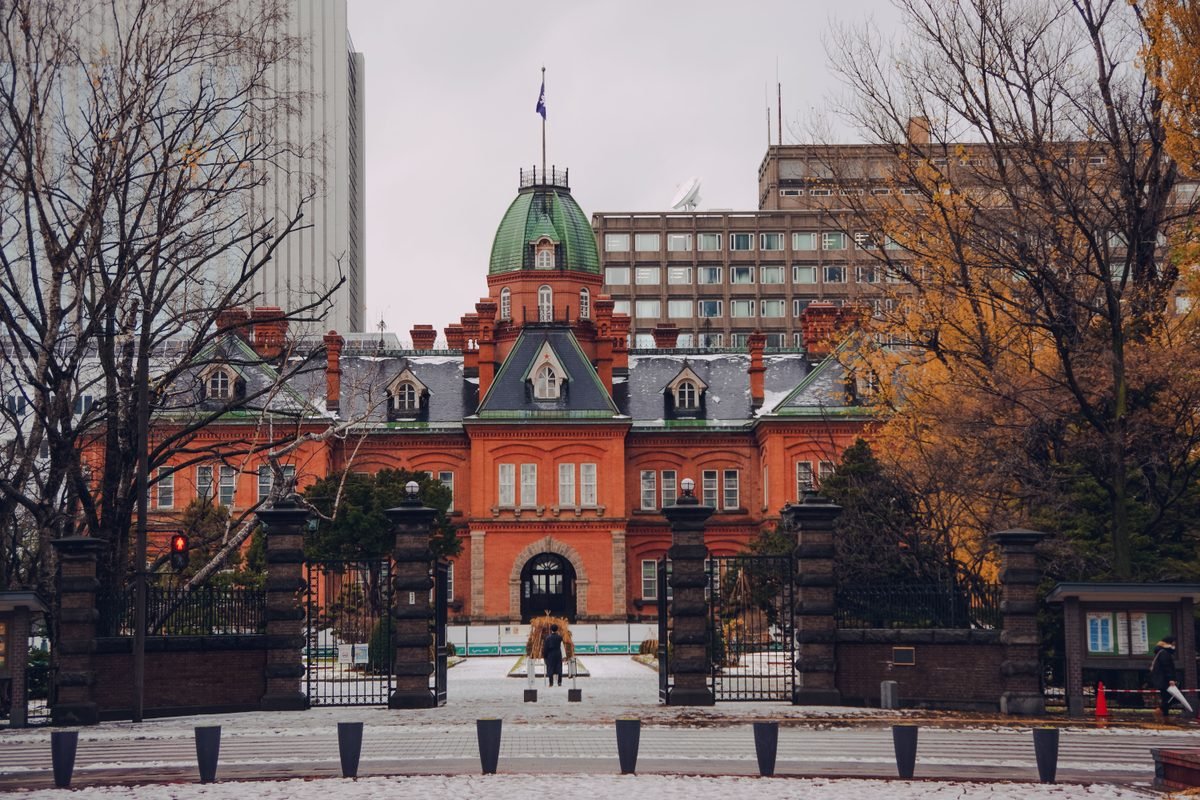
A short subway or bus ride north brings you to the historic Sapporo Beer Museum in the Naebo area. Occupying a restored 1890 red-brick sugar factory covered in white snow drifts, the museum offers self-guided historical exhibits with free entry. After browsing the brewing displays, visit the tasting hall to purchase a beer flight featuring three local brews—including the Hokkaido-exclusive Sapporo Classic—for ¥1,000 (about $6.70). Right next door at the Sapporo Beer Garden, you can feast on all-you-can-eat Jingisukan (grilled mutton barbecue) and fresh draught beer inside atmospheric brick halls for about ¥4,500 (about $30) per person.
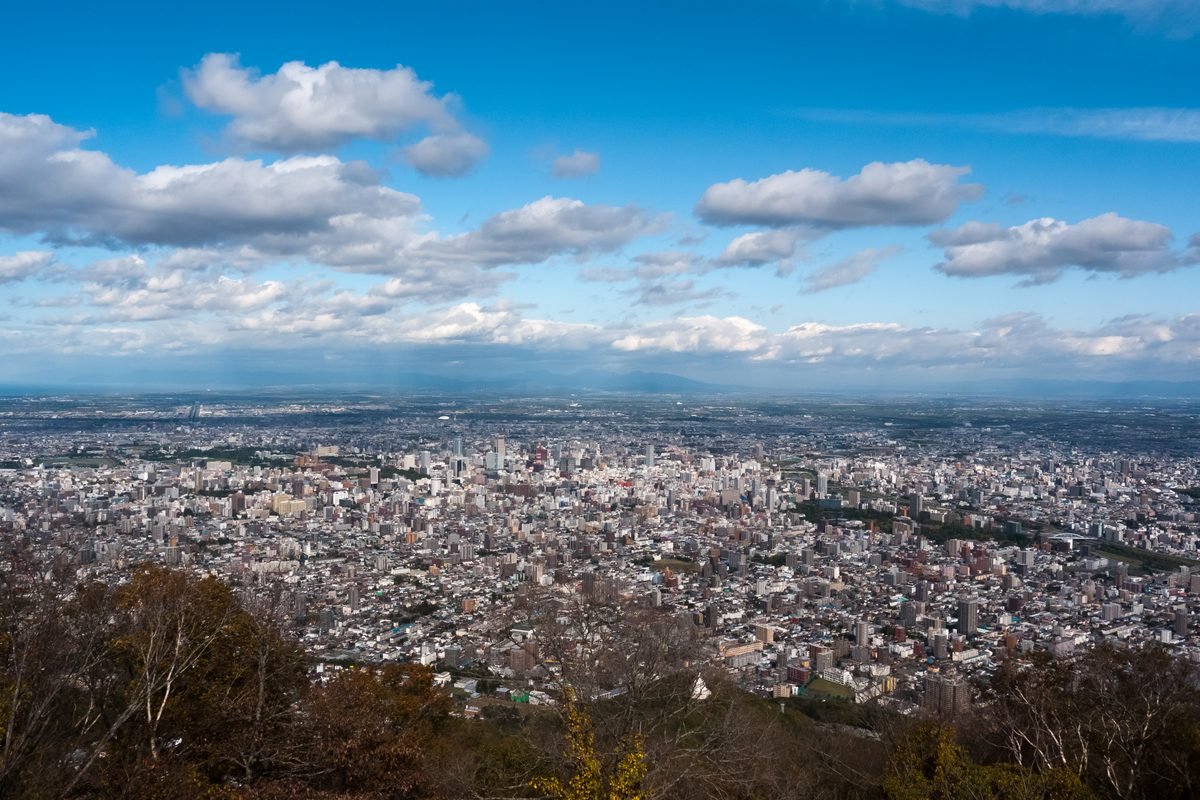
In the southwest portion of the city, Mount Moiwa offers one of Japan’s top-ranked urban night views. The Mount Moiwa Ropeway carries visitors up the snow-covered mountain via cable car and mini-funicular railway. A round-trip ticket costs ¥2,100 (about $14.00). At the summit observation deck, looking out over the grid of Sapporo’s city lights glittering against the dark snowy valley is impressive on a clear evening. Another popular winter stop is Shiroi Koibito Park, a whimsical chocolate factory complex decorated with winter illuminations, where entry to the outer illuminated gardens is free and factory tours cost ¥800 (about $5.30).
Taking an Otaru day trip from Sapporo
Located just 38 kilometers northwest of Sapporo along the coast, the historic port town of Otaru is the most popular day trip destination in Hokkaido. Trains run every fifteen minutes. The JR Hakodate Line connects Sapporo Station directly to Otaru Station in 30 to 45 minutes, with local and rapid trains costing ¥750 (about $5) one way. Grab a seat on the right side of the train when departing Sapporo to enjoy views of waves crashing against snowy beaches along the Ishikari Bay.
The focal point of the town is the historic Otaru Canal. Built in 1923, the waterway is lined with preserved red-brick and stone warehouses that once stored marine cargo. Gas lamps cast a warm golden glow over the snowy water at dusk. The canal glows at dusk. In mid-February, the town hosts the Otaru Snow Light Path Festival (Yuki Akari no Michi). During this ten-day event, small hand-carved snow lanterns and floating glass buoys carrying lit candles line the canal bank and former railway tracks, creating a calm atmosphere.
Walk down Sakaimachi Street to browse traditional glassblowing shops like Kitaichi Glass and listen to antique music boxes at the Otaru Music Box Museum. Stop at the LeTAO main confectionery store for a slice of double fromage cheesecake with hot tea for about ¥900 (about $6). Before returning to Sapporo, stop at Sankaku Market located on a steep staircase right beside Otaru Station. Small sea-facing stalls serve incredible kaisen-don (raw seafood rice bowls). A lavish bowl loaded with fresh sea urchin, salmon roe, and king crab leg meat costs around ¥3,500 to ¥5,000 (about $23 to $33).
Heads up: Watch for black ice on canal paths
Cobblestones along the Otaru Canal freeze into solid glass sheets after sunset. Wear slip-on boot spikes or walk slowly on packed snow edges.
Where to eat in Sapporo: soup curry and Ganso Ramen Yokocho
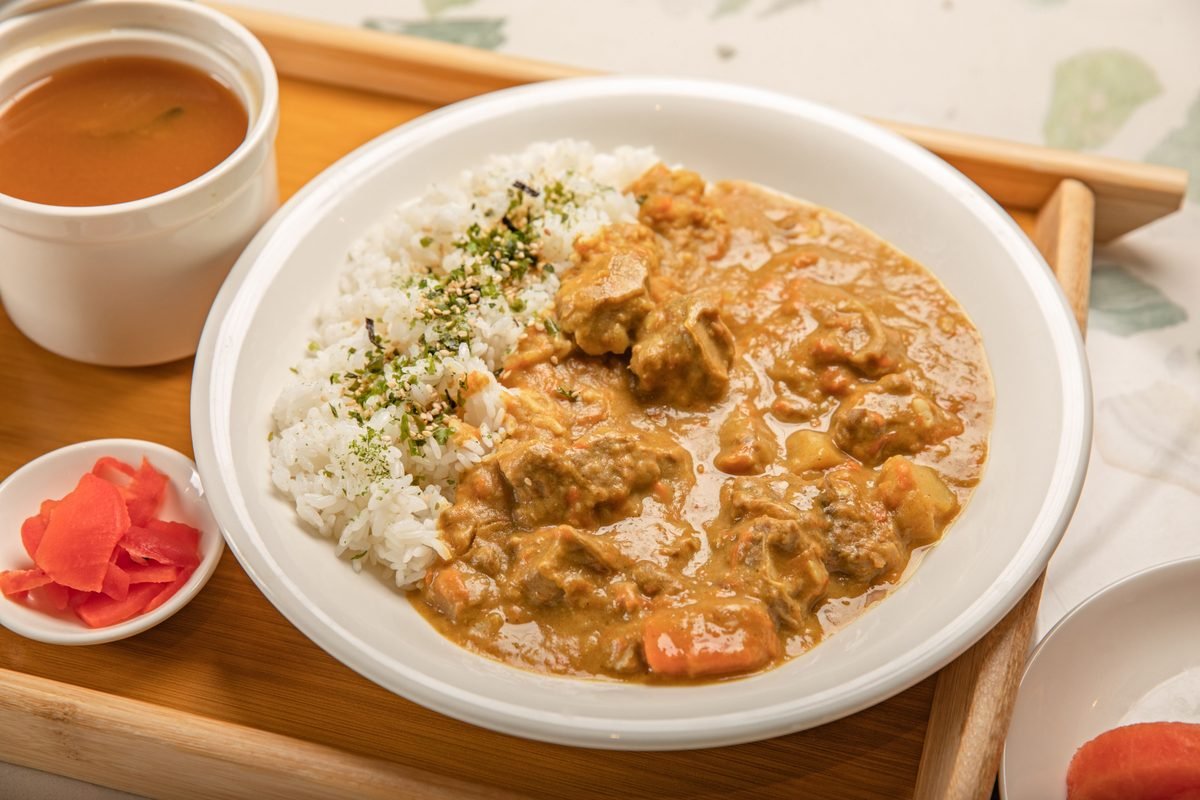
Sapporo’s food culture shines brightest during the frigid winter months, centered on hearty dishes built to fight off sub-zero temperatures. Soup curry is a local staple. Unlike thick Japanese curry sauce, Hokkaido soup curry features a light, highly spiced aromatic broth served in a deep bowl filled with tender chicken legs, slow-roasted pork, and flash-fried local vegetables like lotus root, pumpkin, and kabocha squash. You order by choosing a soup base, spice level on a scale from 1 to 10, and your rice portion size. Famous spots like Suage+ and Soup Curry Garaku in the Susukino district charge roughly ¥1,400 to ¥1,800 (about $9.50 to $12) per bowl.
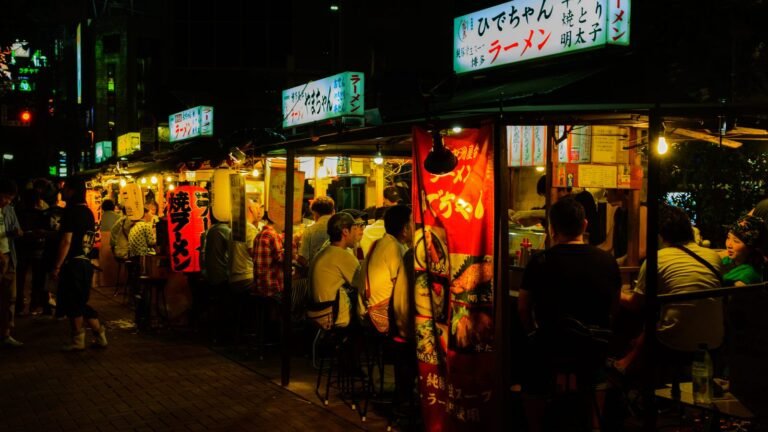
For noodle lovers, head straight to Ganso Ramen Yokocho (Original Ramen Alley) tucked into a narrow lane in Susukino. This alley houses seventeen distinct ramen shops, each seating only eight to ten diners at cozy counter bars. Sapporo is the birthplace of miso ramen, served here in rich pork bone broth seasoned with fermented soybean paste, garlic, and lard to keep the soup piping hot. A classic bowl topped with char siu pork, bamboo shoots, sweet corn, and a melting pat of Hokkaido butter costs between ¥1,000 and ¥1,350 (about $6.70 and $9).
Another classic Hokkaido experience is Jingisukan (Genghis Khan), thin slices of tender mutton or lamb grilled at your table on a convex iron skillet surrounded by sliced onions and bean sprouts. The meat is dipped in a savory shoyu-based sauce and paired with cold draught beer. Daruma, a legendary institution operating several tiny shops in Susukino, serves meat plates for ¥1,200 to ¥1,600 (about $8 to $11) each. For breakfast, visit Nijo Market near Odori Park to eat fresh sea urchin and salmon roe bowls costing ¥2,500 to ¥4,000 (about $17 to $27).
How to pack and dress for Hokkaido sub-zero cold
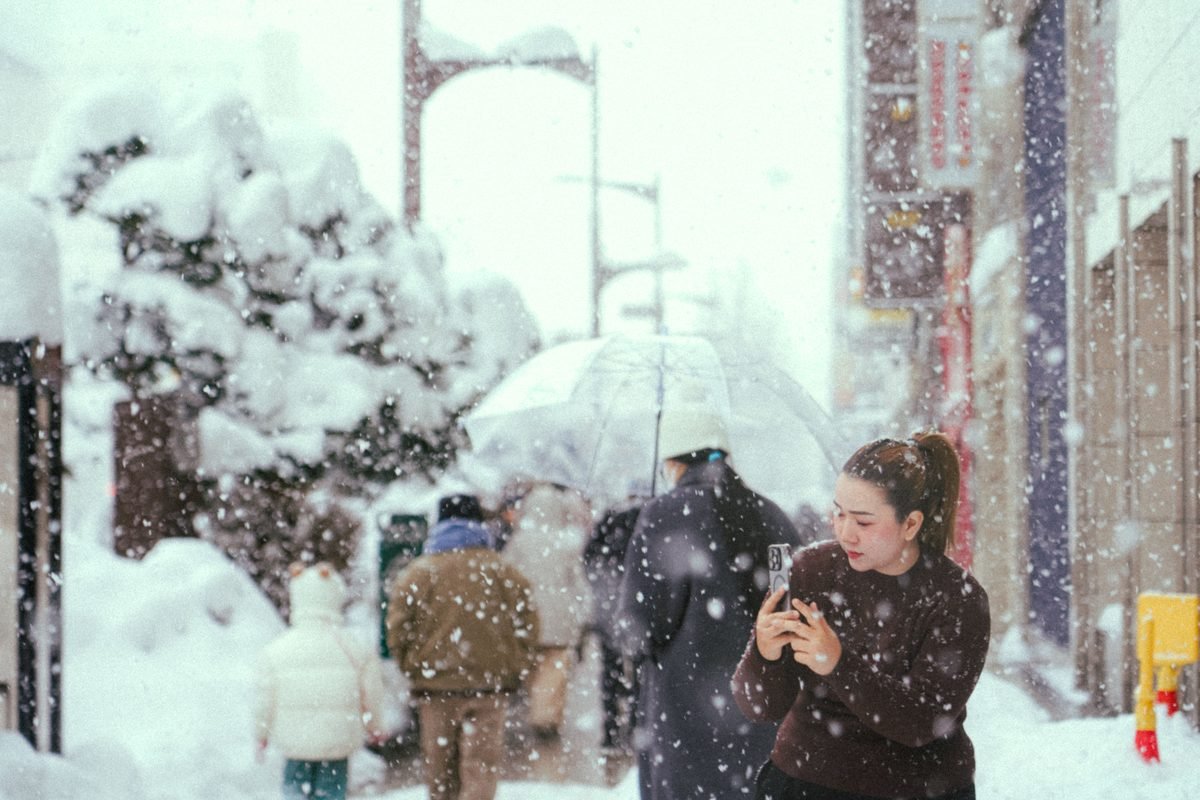
Dressing for a Sapporo winter requires understanding the sharp contrast between extreme outdoor cold and aggressive indoor heating. While outdoor temperatures stay well below freezing, subway cars, department stores, underground shopping malls, and restaurants keep indoor thermostats set to a warm 20°C to 22°C (68°F to 72°F). If you wear heavy knitted wool sweaters directly against your skin, you will overheat immediately upon stepping inside warm buildings.
The most effective strategy is intelligent three-layering. Start with a moisture-wicking thermal base layer, such as Uniqlo Heattech Extra Warm top and bottoms. Add a lightweight fleece or thin mid-layer sweater, topped with a windproof and waterproof long down parka. This setup allows you to quickly unzip or remove your outer jacket when entering warm subway stations or crowded restaurants. Pack warm wool socks. Pair them with sturdy winter footwear.
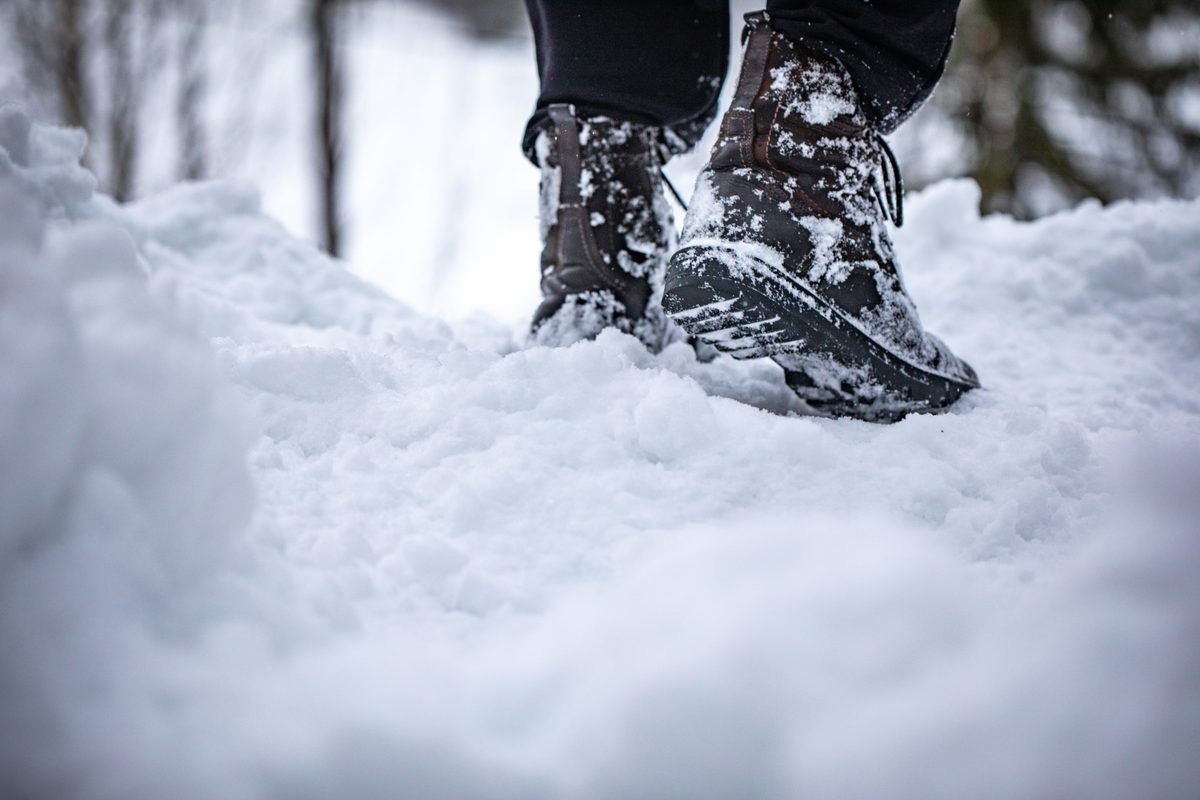
Footwear requires special attention because Sapporo’s sidewalks regularly melt slightly under foot traffic and freeze into slick sheets of ice overnight. Wear waterproof, insulated snow boots with deep rubber treads. Upon arrival, visit a local Lawson, FamilyMart, or 7-Eleven convenience store to purchase removable rubber ice spikes (known as suberidome). These stretch easily over the soles of your shoes for about ¥1,000 to ¥750 (about $6.70 to $10) and provide crucial traction on packed ice. Buy disposable pocket heat packs (kairo) for ¥100 (about $0.70) to slip into gloves or boot toes to keep warm. Review our packing for Japan in winter list for complete clothing recommendations.
Protecting your extremities makes all the difference when standing outside at Odori Park. Bring a windproof fleece beanie, a thick neck warmer or wool scarf, and insulated gloves. Touchscreen-compatible glove tips are essential so you do not have to bare your fingers to the freezing air every time you pull out your phone to take photos of snow sculptures.
What it costs in Sapporo
| Item | Local price | USD |
|---|---|---|
| Rapid Airport train from Chitose (one way) | ¥1,150 | $7.50 |
| Sapporo Subway single ride (average) | ¥290 | $1.95 |
| JR train to Otaru (one way) | ¥750 | $10.00 |
| Soup curry bowl in Susukino | ¥750 | $10.00 |
| Miso ramen bowl in Ramen Alley | ¥1,100 | $7.30 |
| Mount Moiwa Ropeway round-trip ticket | ¥2,100 | $14.00 |
| Mid-range hotel near Odori Park (per night) | ¥14,000 | $93.00 |
| Estimated daily budget (lodging, transit, meals, entry) | ¥21,640 | $143.75 |
Prices checked October 2026. Always confirm with the provider before you book.
Where to stay in Sapporo
Budget
Susukino, for hostels and capsule stays near the Namboku Line
Staying near Susukino Station puts you steps from late-night ramen spots and heated underground access to Sapporo Station. Budget capsule hotels and dorms in this nightlife area typically range from ¥3,500 to ¥6,500 (about $23 to $43) per night.
Mid-range
Odori Park, for mid-scale business hotels near the festival grounds
This central green corridor is ideal for walking directly to Snow Festival sites, the TV Tower, and major subway interchanges. Quality Japanese business hotels along the park run between ¥10,000 and ¥18,000 (about $67 to $120) per night outside event peak days.
Splurge
Sapporo Station North Exit, for upscale high-rise hotels and direct transit
Basing yourself right at the main railway terminus eliminates dragging luggage through snowy streets after arriving from Chitose Airport or returning from Otaru. Upper-tier hotels near the north portal range from ¥24,000 to ¥45,000 (about $160 to $300) per night.
Mistakes to avoid
- Booking hotel rooms too late for the February Snow Festival week when room rates triple and central properties fill months in advance.
- Walking on icy sidewalks in standard sneakers without attaching slip-on rubber shoe spikes purchased from local convenience stores.
- Overdressing with heavy wool indoor sweaters without realizing that underground passages, subways, and restaurants are heated above 20°C (68°F).
FAQ
When is the best time to visit Sapporo in winter?
The ideal window runs from late January through mid-February. Early February hosts the famous Sapporo Snow Festival, though visiting in late January gives you deep powder snow and lighter crowds.
How many days should I spend in Sapporo during winter?
Four to five days is ideal. This Sapporo winter guide recommends two days for central sights and food, one full day for the Otaru Canal, and a day trip for skiing in Niseko or visiting Mount Moiwa.
Is a JR Pass worth buying for a Sapporo winter trip?
If you are only traveling around Sapporo, Otaru, and Niseko, a nationwide JR Pass is not cost-effective. Pay-as-you-go train tickets or a regional JR Hokkaido pass will save you money.
How cold does Sapporo get during the Snow Festival?
Daytime temperatures in early February average around -3°C (27°F) and drop to -8°C (18°F) at night. High humidity and wind off the Sea of Japan make it feel colder, requiring windproof outer layers.
Do I need winter boots for Sapporo?
Yes, standard flat-soled sneakers will slip constantly on frozen sidewalks. Choose waterproof boots with thick rubber treads, or buy removable rubber spikes at a convenience store upon arrival.