The Ultimate Taipei Night Market Food Guide

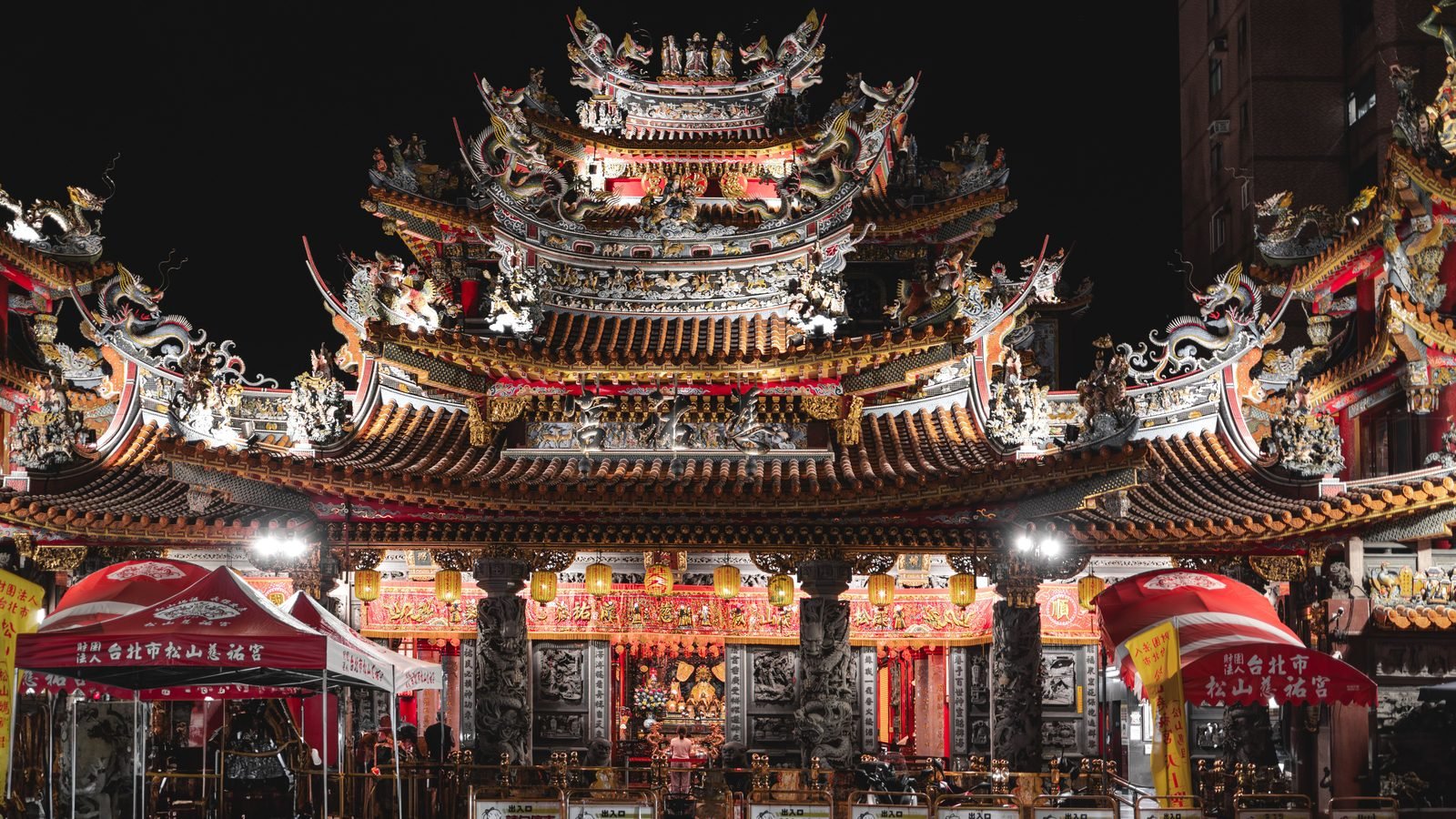
The scent of charred green onions and sizzling pork fat hits you long before you see the bright neon signs of the stalls. Standing at the entrance of Raohe Street, watching steam rise from giant clay ovens, you realize that Taipei does not sleep; it eats. I have spent years visiting this city, and every trip centers on the street stalls. This Taipei night market food guide is designed to help you navigate the sensory overload of Taiwan’s capital.
For solo travelers looking for a quick bite or families planning evening meals, this guide covers the practical logistics of Taipei’s street food scene. We will look at how to get around, which markets deserve your time, how to tackle the legendary queues, and the essential etiquette rules to keep you eating like a seasoned local.
A Taipei night market food guide transit route
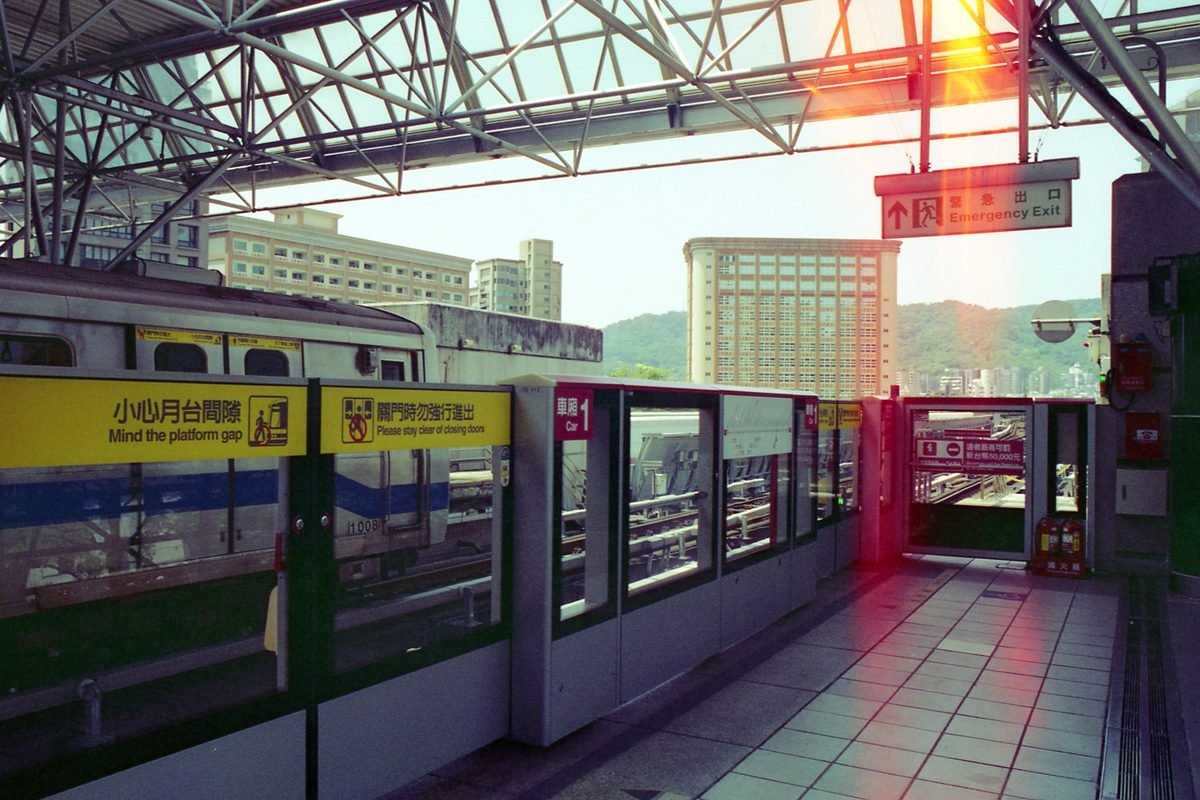
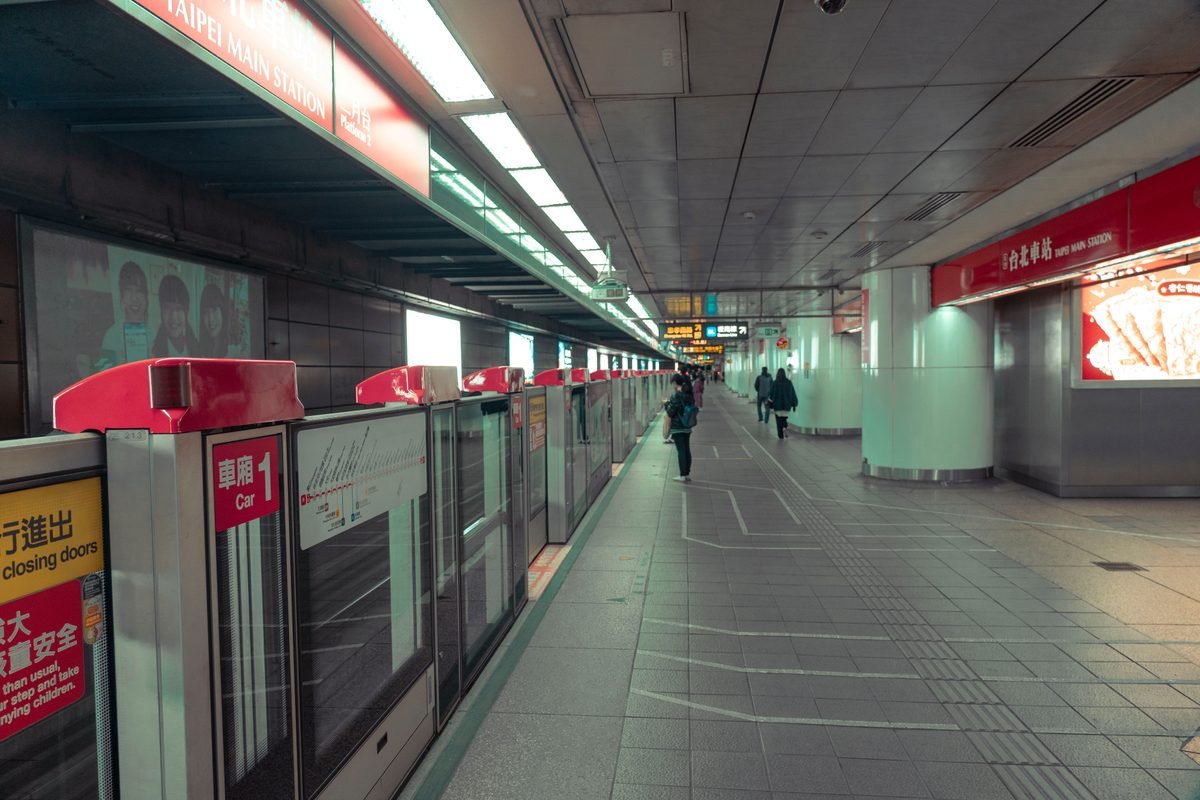
Getting around Taipei to eat is incredibly simple, thanks to one of the cleanest and most efficient transit networks in the world. The Taipei Metro, commonly called the MRT, is your primary tool for reaching every major food hub. To start your journey, you should purchase an EasyCard at any station information counter or convenience store like 7-Eleven. The card costs a non-refundable NT$100 (about $3), and you can load it with cash as you go. Most single journeys within the city center cost between NT$20 (about $0.60) and NT$35 (about $1.10).
To reach Shilin Night Market, ride the Red Line (Tamsui-Xinyi Line) and alight at Jiantan Station, not Shilin Station. Jiantan is much closer to the food stalls. For Raohe Night Market, take the Green Line (Songshan-Xindian Line) all the way to its eastern terminus at Songshan Station. Exit 5 puts you right at the entrance of the market next to the temple.
The MRT closes at midnight. If you stay out later, taxis are abundant and safe. A typical yellow cab ride across town back to your hotel will cost around NT$200 (about $6.20) to NT$350 (about $10.80). Always have your destination address written in traditional Chinese characters on your phone. Many older drivers do not speak English, but they can easily read the map or address. Taipei is a walkable city. However, during the humid evenings, the air-conditioned subway cars are a welcome relief between your culinary stops. If you are planning a Jiufen day trip, you can also use your EasyCard on the local buses.
Tip: EasyCard Refund
You can use your EasyCard at convenience stores to spend any remaining balance before leaving Taiwan.
When to visit Taipei's night markets
Timing your market visits can make or break your street food experience. Taipei experiences a subtropical climate, which means the summer months from June to August are incredibly hot and humid. Standing next to a boiling vat of broth when the ambient temperature is 34°C (93°F) is not pleasant. The best time to visit is from October to April, when the evening air is cool, dry, and perfect for walking. October is particularly wonderful for dining outdoors.
You should also pay attention to the clock. While most night markets officially open around 17:00, many vendors are still rolling out their carts and heating up their grills at this hour. If you arrive too early, you will find empty alleys and closed shutters. The ideal window to arrive is between 18:30 and 19:30. This is when the energy peaks, all stalls are fully operational, and the food is fresh.
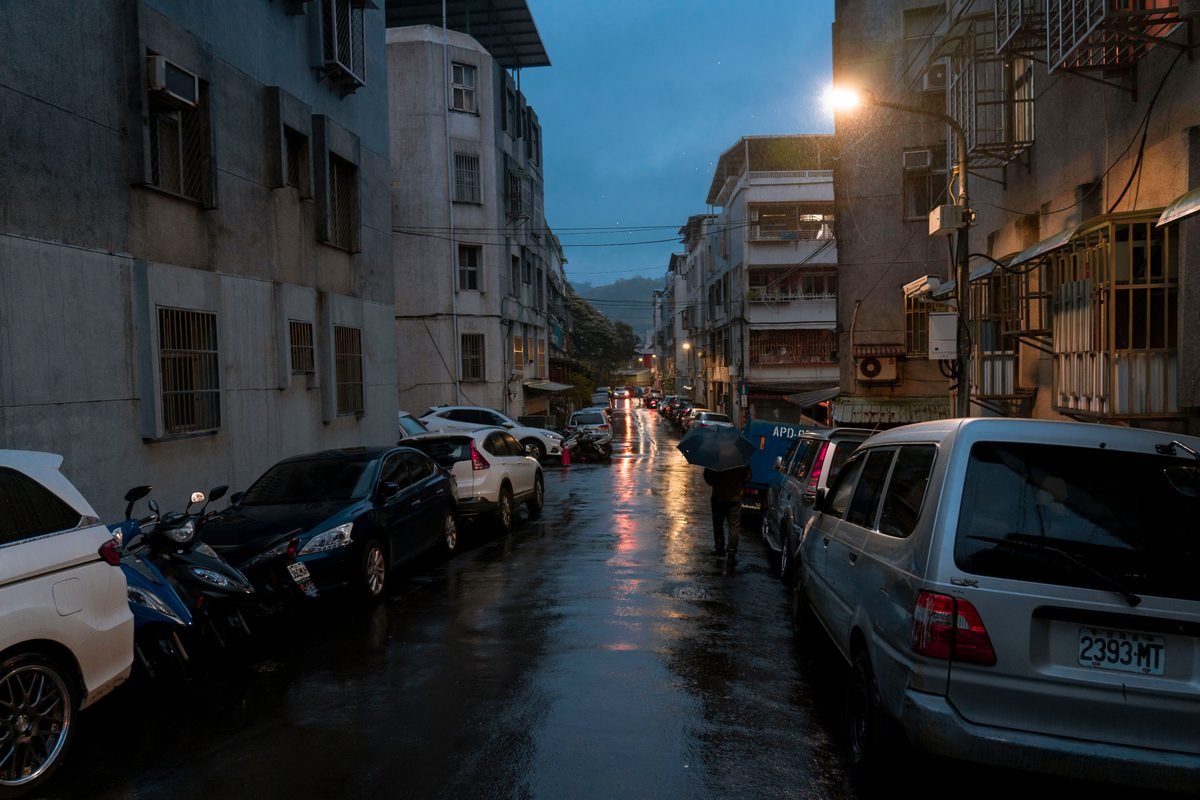
By 21:30, the heaviest crowds begin to thin, but popular stalls may already be sold out of their signature dishes. If you want to avoid long lines, weekdays are vastly superior to weekends. Friday and Saturday nights bring out hordes of local students and families, stretching wait times at famous stalls to over forty minutes. Rain is also a frequent companion in Taipei. Do not let a light drizzle stop you. Many markets, like the underground section of Shilin, are covered. For open-air markets like Raohe, vendors simply roll out plastic awnings, and the eating continues. Just bring a small folding umbrella and watch your step on the slick wet pavement.
Shilin versus Raohe night market comparison
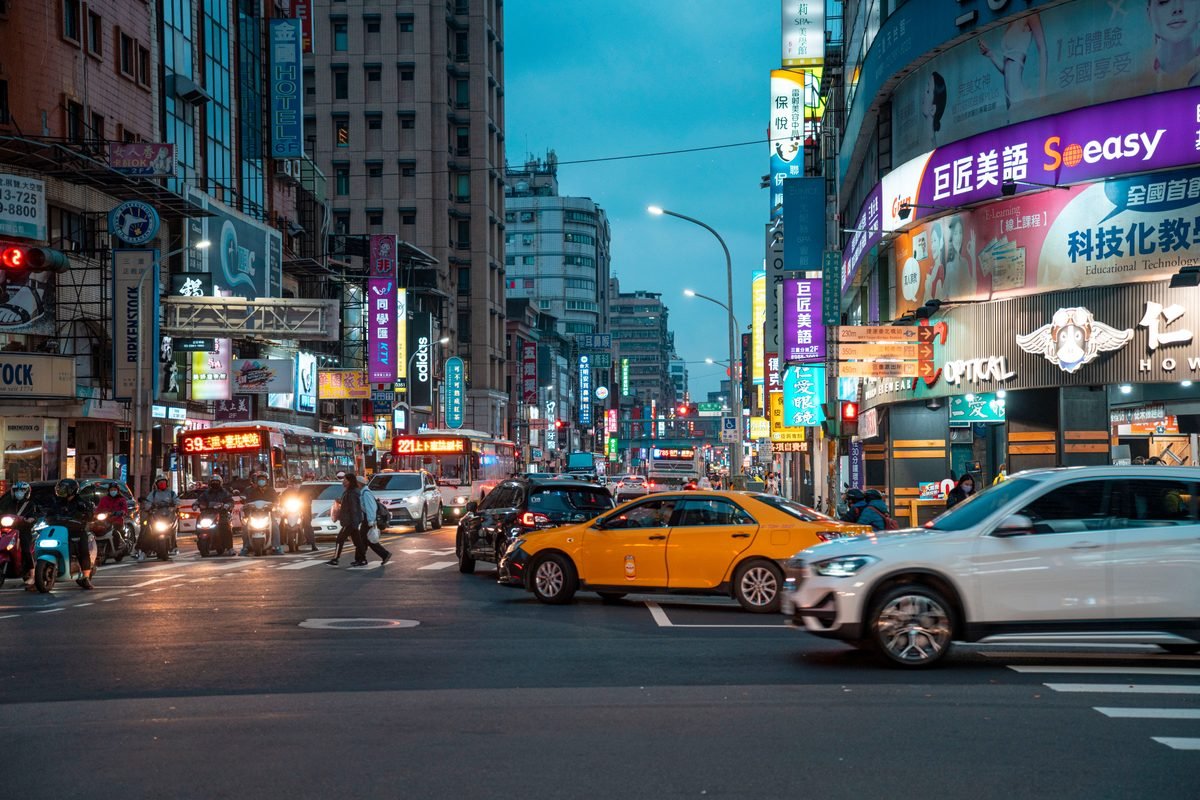
If you only have a few nights in the city, you will likely face the classic dilemma: Shilin or Raohe? Shilin Night Market is the largest, most famous, and most sprawling market in Taiwan. It is a massive maze of clothing shops, carnival games, and food stalls that spreads across several city blocks. The main food action is split between the outdoor streets and the underground Shilin Underground Food Court. While some purists argue that Shilin has become too touristy and commercialized, it remains an essential rite of passage. It is the best place to find giant fried chicken cutlets for NT$100 (about $3) and massive cups of mango shaved ice for NT$220 (about $6.80).
Raohe Night Market offers a completely different, more traditional atmosphere. Located in the Songshan District, Raohe is contained along a single, straight 600-meter street. This linear layout makes it much easier to navigate. You simply walk down one side of the street and return along the other. The market begins next to the spectacular, multi-tiered Songshan Ciyou Temple, which glows beautifully at night. Raohe is highly focused on food, with fewer clothing and souvenir stalls than Shilin.
For a first-time visitor, Raohe is often the favorite because of its manageable size and high concentration of Michelin-recommended stalls. Shilin can feel overwhelming and easy to get lost in, but its sheer variety is unmatched. If you prefer a carnival-like atmosphere with shopping, choose Shilin. If you want a straightforward, food-focused evening with historic temple views, head to Raohe. If you have more time in Taiwan, compare these to the stalls in our Kaohsiung street food guide.
Stinky tofu and pepper bun queue strategies
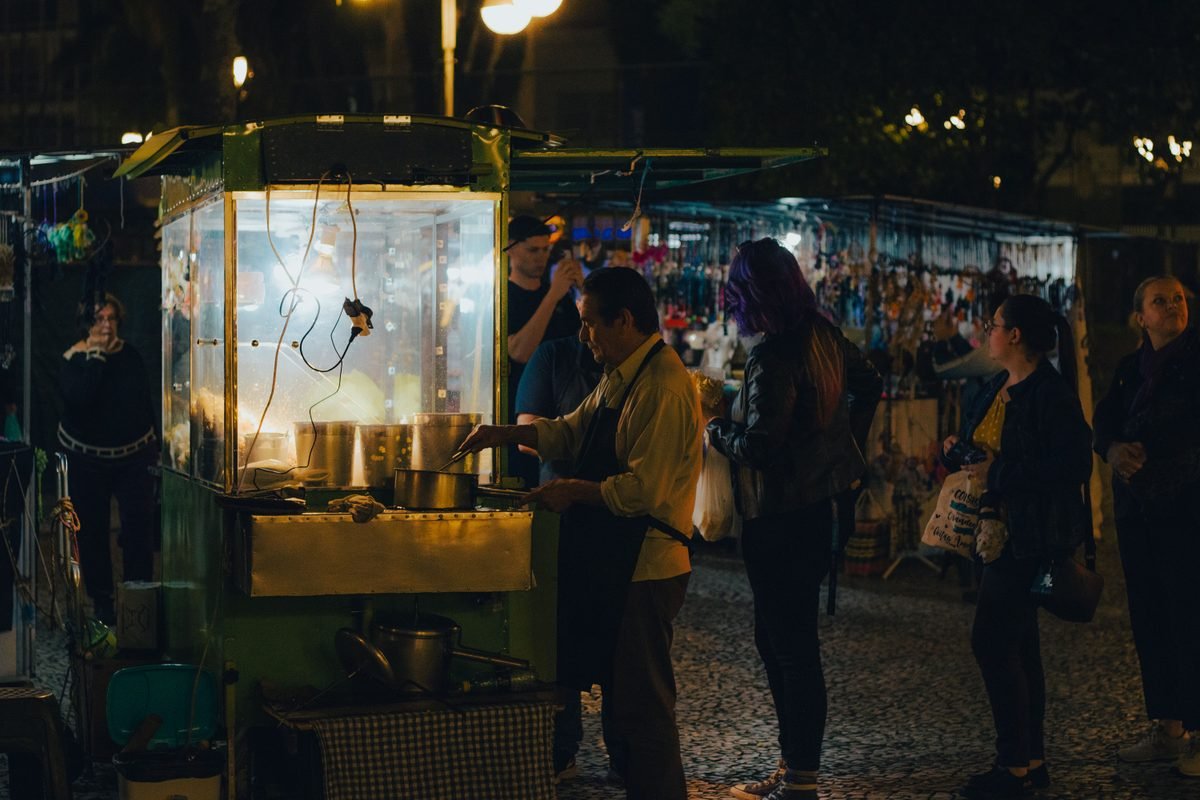
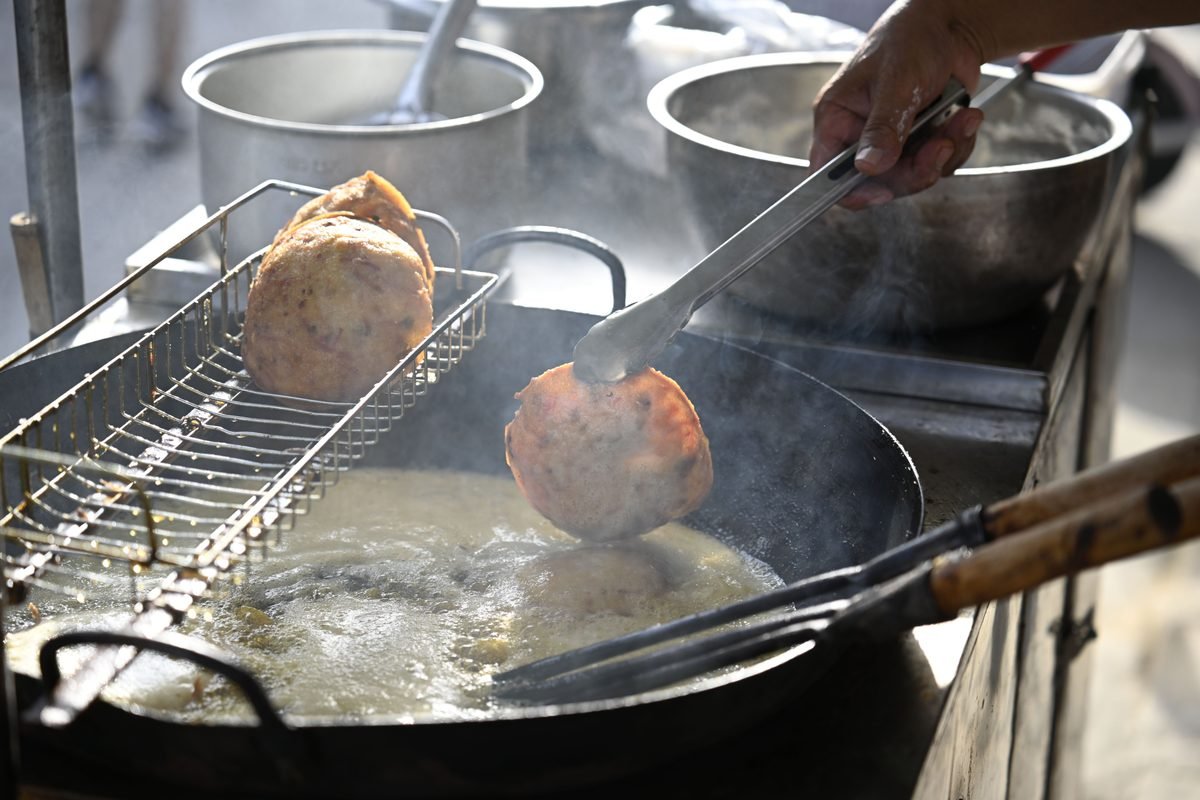
Tackling the most famous stalls requires a bit of strategy, especially when faced with daunting lines. At the entrance of Raohe, you will immediately see a massive queue winding around the street. This is for the Fuzhou Shizu Black Pepper Buns, which cost NT$60 (about $1.85) each. Do not let the length of this line scare you away. The line moves very fast. The staff operates like a well-oiled machine, wrapping pork and green onions into dough before slapping them onto the clay oven walls. They bake dozens at a time, so you rarely wait more than ten minutes. When you get your bun, let it cool for a minute. The broth inside is boiling hot and will easily scald your tongue if you bite in too quickly.
Then there is the divisive topic of stinky tofu, or chou doufu. The smell is pungent, resembling wet garbage or strong blue cheese, but the taste is surprisingly mild and savory. If you are trying it for the first time, go for the deep-fried version. The tofu is fried until golden and crispy, then poked in the center to hold a savory garlic soy sauce, served with a mountain of pickled cabbage. I always order the fried version.
Stinky tofu etiquette is simple but important. Never walk through a crowded market holding a steaming plate of stinky tofu on a stick. The aroma is intense, and brushing against someone’s clothes with it is considered highly rude. Sit down at the metal tables provided behind the stall to eat it. This gives you a place to enjoy it hot, keep the smell contained, and digest in peace.
Heads up: Watch for hot broth
The black pepper buns contain extremely hot pork juices that can easily cause burns if you bite in too quickly.
The history of bubble tea in Taipei
No Taipei night market food guide would be complete without explaining the liquid fuel that powers these evening walks. Bubble tea, known locally as pearl milk tea or zhenzhu naicha, was invented in Taiwan during the 1980s. Two rival teahouses, Chun Shui Tang in Taichung and Hanlin Tea Room in Tainan, both claim to have created the drink. Chun Shui Tang claims their product manager poured local tapioca pearls into iced milk tea, while Hanlin claims their founder saw white tapioca balls in a market and decided to boil them. Whichever story you believe, the drink quickly became a national obsession.
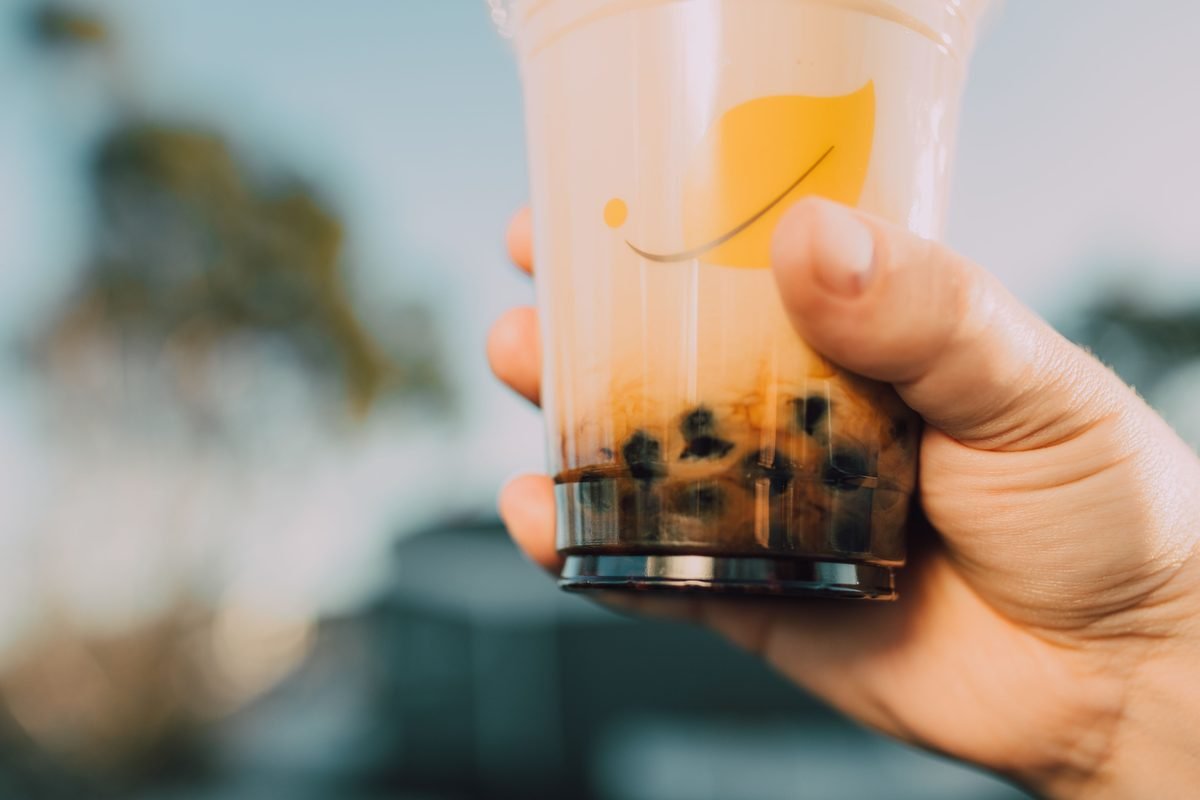
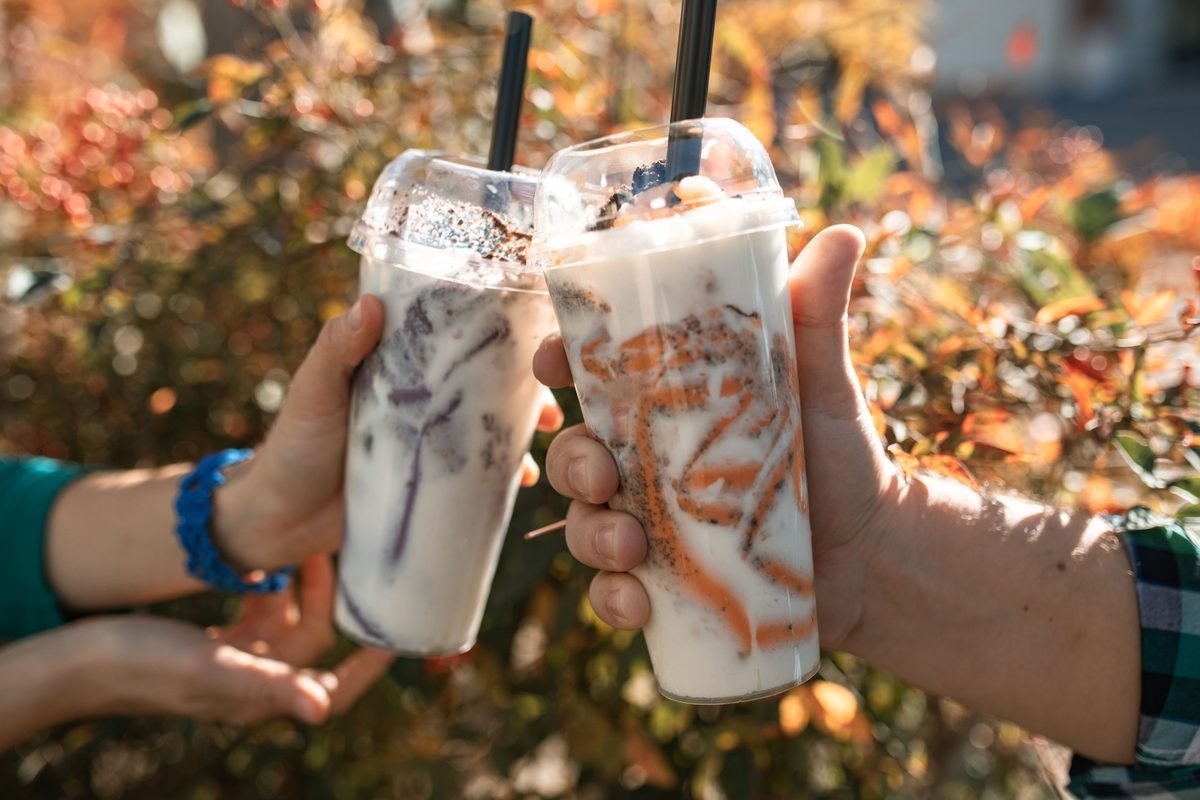
In Taipei’s night markets, you will find modern evolutions of this classic beverage. Brown sugar milk tea, popularized by chains like Tiger Sugar and Xing Fu Tang, features warm, caramelized tapioca pearls pressed against the sides of the cup to create stripe patterns. A fresh cup typically costs between NT$65 (about $2) and NT$85 (about $2.60).
When ordering, you must specify your sweetness and ice levels. This is a crucial step in Taiwanese tea culture. Standard sweetness is often too cloying for Western palates. I highly recommend ordering ‘half sugar’ (ban tang, 50%) or ‘less sugar’ (wei tang, 30%). For ice, ask for ‘less ice’ (wei bing) so your drink does not get diluted too quickly in the warm night air. Most stalls use a sealing machine to put a plastic film over the cup. You will be handed a sharp straw; poke it through the film with a quick, decisive thrust to avoid spilling.
Essential cash prep and night market etiquette
Before you step into the neon glow of the markets, you must prepare your wallet. Cash is absolute king here. Despite Taipei being a highly advanced tech hub, the night market economy runs entirely on paper bills and metal coins. International credit cards, Apple Pay, and foreign mobile wallets are virtually useless at individual street carts. While a handful of modern stalls might accept EasyCard payments, you should never rely on this.
Keep your cash organized. It is best to carry small denominations, specifically NT$100 (about $3) and NT$500 (about $15.50) bills, along with plenty of NT$50 and NT$10 coins. Trying to pay a busy vendor for a NT$45 (about $1.40) sweet potato ball with a NT$1,000 bill is a major faux pas. It slows down the line and drains the vendor’s change supply. Keep your coins easily accessible in a small pouch so you can pay exact change quickly.
Another major challenge is trash disposal. You will quickly notice that public trash cans are almost non-existent on Taipei streets and inside night markets. This is part of the city’s strict waste management policy. Do not block the paths searching for a bin. Instead, carry a small plastic bag in your daypack to collect your wooden skewers, plastic cups, and paper bags. You can occasionally find trash cans near public restrooms, MRT station exits, or convenience stores. Never dump your garbage in a vendor’s private bin unless you have just purchased food from them. Keeping your trash with you until you return to your hotel or find a designated public bin is a basic sign of respect.
From a local: Convenience store ATMs
If you run out of cash, look for a 7-Eleven or FamilyMart; their ATMs reliably accept international debit cards for a small fee.
What it costs in Taipei
| Item | Local price | USD |
|---|---|---|
| MRT single ride ticket | NT$20 | $0.60 |
| EasyCard purchase price | NT$100 | $3.10 |
| Fuzhou Shizu Black Pepper Bun | NT$60 | $1.85 |
| Crispy deep-fried stinky tofu | NT$65 | $2.00 |
| Brown sugar bubble milk tea | NT$75 | $2.30 |
| Giant fried chicken cutlet | NT$100 | $3.10 |
| Mid-range hotel night (Zhongshan) | NT$3,000 | $93.00 |
| Realistic daily budget (food, transit, lodging) | NT$3,600 | $111.65 |
Prices checked October 2026. Always confirm with the provider before you book.
Where to stay in Taipei
Budget
Ximending, for lively hostels within walking distance of the MRT
This area is perfect for younger travelers who want to be steps away from shopping, street performers, and the MRT Blue and Green lines. Hostels here generally cost between NT$800 (about $25) and NT$1,500 (about $46) per night.
Mid-range
Zhongshan District, for modern business hotels near the red line
Zhongshan offers a quieter, leafy alternative with fantastic Japanese dining options and easy access to both the Red and Orange MRT lines. Excellent mid-range hotels here range from NT$2,500 (about $77) to NT$4,500 (about $140) per night.
Splurge
Xinyi District, for high-end luxury hotels near Taipei 101
Xinyi is the sleek, modern heart of Taipei, home to upscale malls, rooftop bars, and sweeping views of the iconic skyscraper. Luxury properties here typically cost between NT$8,000 (about $248) and NT$15,000 (about $465) per night.
Mistakes to avoid
- Arriving at the night markets before 18:00 when vendors are still setting up.
- Trying to pay night market vendors with NT$1,000 bills for cheap snacks.
- Throwing your trash into a random vendor’s private bin without buying anything from them.
FAQ
Which market is best for a first-timer using a Taipei night market food guide?
Raohe Night Market is the best starting point because of its simple, straight-line layout and incredible food selection. It is less overwhelming than Shilin but still offers all the iconic Taiwanese street foods.
Do Taipei night markets accept credit cards?
No, almost all night market stalls operate strictly on cash. You should carry small bills like NT$100 and plenty of coins to pay vendors quickly.
Is street food in Taipei safe to eat?
Yes, Taipei has exceptionally high food safety standards. The high turnover rate at busy stalls means ingredients are fresh, and vendors are subject to regular government health inspections.
What time do Taipei night markets close?
Most night markets operate until midnight, though some individual stalls may close earlier if they sell out of ingredients. The best time to visit for a full selection is between 18:30 and 21:00.
Can I use my EasyCard to pay for food at night markets?
While a few modern stalls have readers, the vast majority of traditional food vendors do not accept EasyCard. It is always safest to carry physical cash for your meals.