Lisbon 3 Day Itinerary: Hills, Miradouros & Day Trips

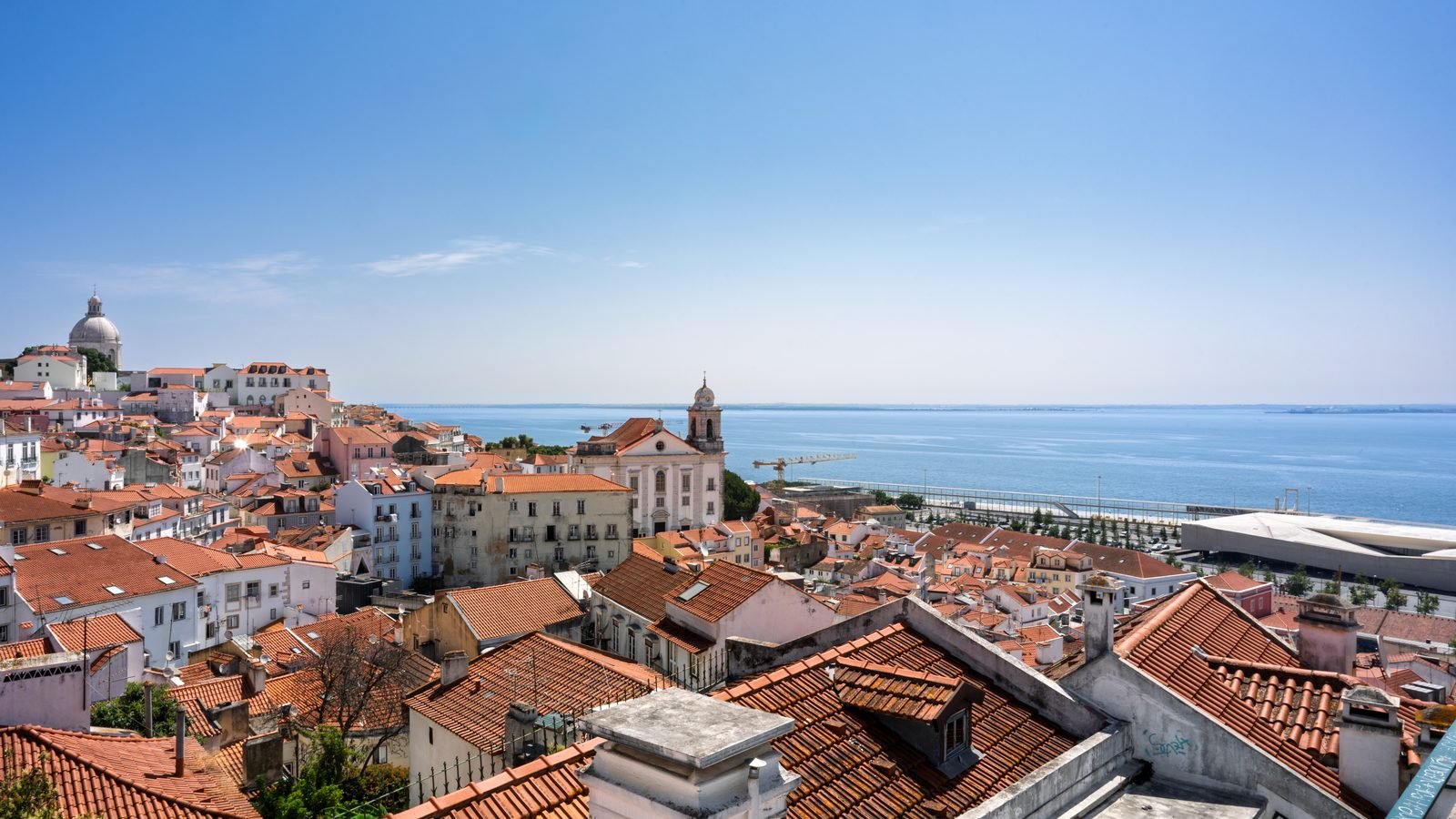
At 7:00 AM on the terrace of Miradouro de Santa Luzia, the only sound is the low hum of a street sweeper and the screech of iron wheels against polished rails below. By noon, the same corner is choked with tour groups, selfie sticks, and a two-hour line for the number 28 tram. Lisbon rewards early risers and walkers willing to climb steep cobblestones on foot. If you treat the city as an open-air stairmaster rather than a hop-on hop-off bus route, you will discover a completely different rhythm.
This Lisbon 3 day itinerary is designed for independent travelers who want substance over checklist tourism. Over three full days, you will walk the alleyways of Alfama before the crowds wake up, taste warm custard tarts straight from the oven at independent pastelarias, navigate viewpoints with cold beer in hand, and make a seamless day trip to Sintra by public train. Pack sturdy sneakers and leave the rigid schedules behind.
Getting into Lisbon and navigating the seven hills
Arriving at Lisbon Humberto Delgado Airport (LIS) puts you remarkably close to the city center. The easiest and cheapest connection into town is the Aeroporto metro station on the Red Line (Linha Vermelha). A single metro fare costs €1.80 (about $2.00) plus a reusable Navegante card fee of €0.50 (about $0.55). The ride takes roughly 25 minutes to reach central transfer stations like Alameda or São Sebastião. If you have heavy luggage, a taxi or Uber to Baixa costs around €12 to €18 (about $13 to $20), though traffic near the center can crawl during afternoon peak hours.
Once you are in the core, your primary mode of transit should be your own legs. Lisbon is famously built across steep hills surfaced with calçada portuguesa (smooth limestone mosaic tiles). These stones become slick as ice when wet or worn smooth by decades of foot traffic. Wear shoes with grip. High heels and slick-soled dress shoes are an invitation for twisted ankles.
The famous yellow Tram 28 runs through Alfama and Estrela, but waiting in line for 90 minutes at Praça Martim Moniz just to stand shoulder-to-shoulder inside a hot carriage is rarely enjoyable. Skip the tram queue. Walking the parallel pedestrian alleys takes half the time and gives you total freedom to stop at tiny corner tascas whenever you please. For steep climbs where your legs give out, use the public funiculars or simply hail a quick ride through a ride-hailing app for €4 to €6 (about $4.50 to $6.70).
Tip: Load the Navegante Card with Zapping
When buying your reusable metro card, choose the ‘Zapping’ credit option at the ticket machine. This drops single ride fares across the metro, public buses, and Santa Justa Lift down to €1.61 (about $1.80) per trip.

When to plan your trip for pleasant weather
Lisbon enjoys one of the mildest climates in continental Europe, but timing your visit still dictates how much you will enjoy walking the hills. The shoulder seasons from late April through early June and from mid-September through late October offer the best balance. Daytime temperatures hover comfortably around 20°C to 24°C (68°F to 75°F), the skies remain mostly clear, and the summer vacation crowds thin out significantly.
July and August bring relentless heat, with afternoon temperatures routinely climbing past 32°C (90°F). Climbing steep stone staircases under the midsummer sun can quickly become exhausting. Furthermore, August sees heavy domestic and European holiday traffic, driving hotel rates up and creating massive queues at major monuments.
Winter in Lisbon runs from December through February and brings mild temperatures around 15°C (59°F) during the day, though Atlantic rainstorms can sweep through for days at a time. If you do not mind carrying an umbrella, winter offers cheap room rates and quiet neighborhoods. Keep in mind that older residential buildings in Lisbon often lack central heating, so confirm your accommodation provides adequate indoor temperature control if visiting during colder months.
From a local: June Festas de Lisboa
If you visit during June, especially around the night of June 12 for Saint Anthony’s Day, Alfama transforms into a massive street festival filled with grilled sardine stalls and music. Book accommodation months ahead if targeting this week.
Day 1: Alfama at dawn, Baixa, and sunset miradouros
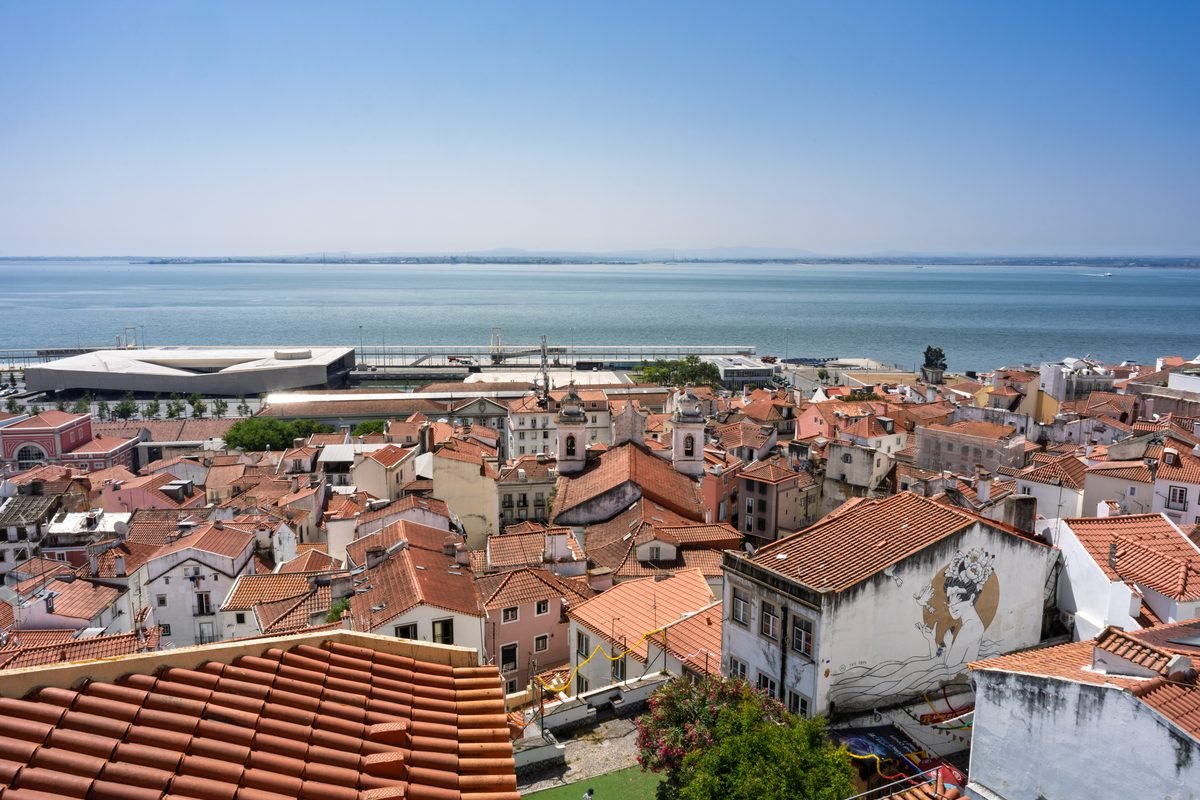
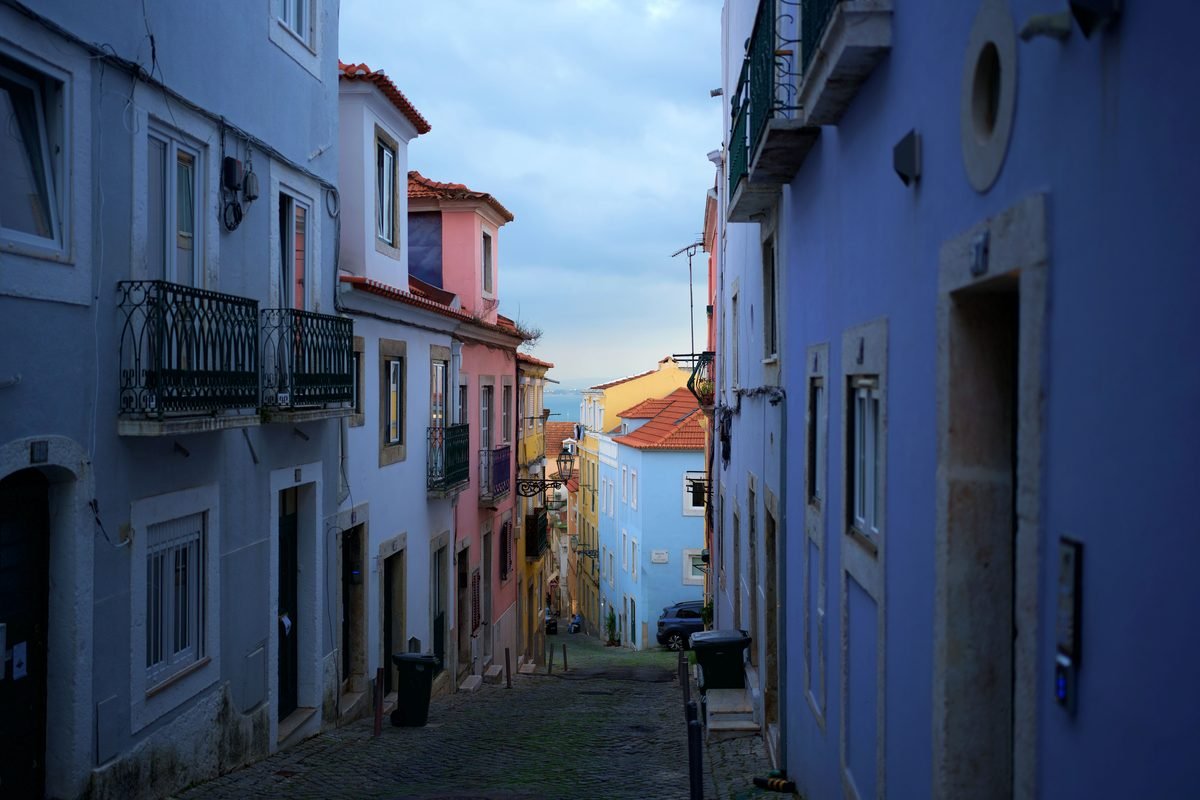
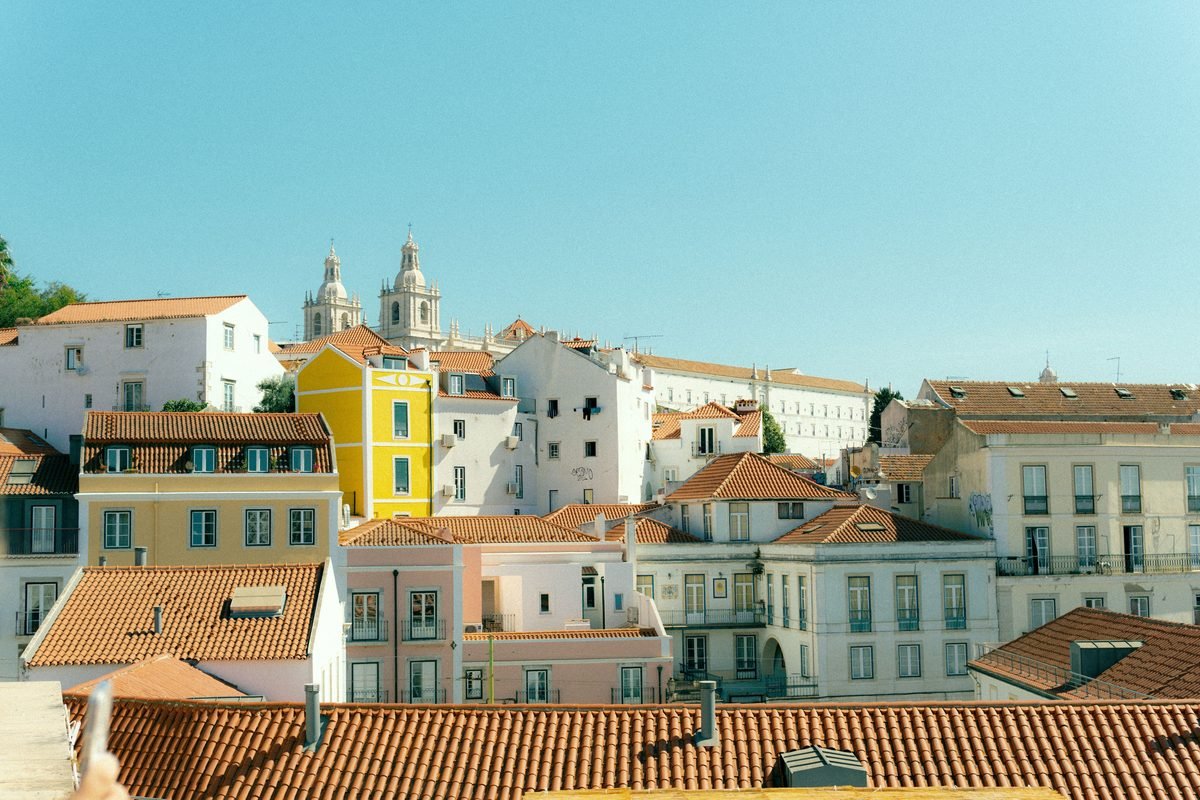
Start your first morning before the city wakes. Walk up through Alfama around 7:30 AM while the stone alleyways are quiet and laundry hangs between balconies. Begin at Miradouro de Santa Luzia for sweeping views over terracotta rooftops leading down to the Tagus River. The morning light is crisp. Just steps away, Miradouro das Portas do Sol provides another elevated vantage point without the mid-afternoon crowd. Wander downhill along Beco do Carneiro, observing the intricate tilework (azulejos) on residential facades.
By mid-morning, walk down to the grid-patterned streets of Baixa, rebuilt after the devastating 1755 earthquake. Walk through the monumental Praça do Comércio and stand by the riverfront marble steps of Cais das Colunas. For lunch, step away from the tourist-heavy Rua Augusta and head toward Mouraria for a casual meal of grilled fish and house wine at an unassuming local tasca like O Velho Eurico (make reservations well in advance or line up early).
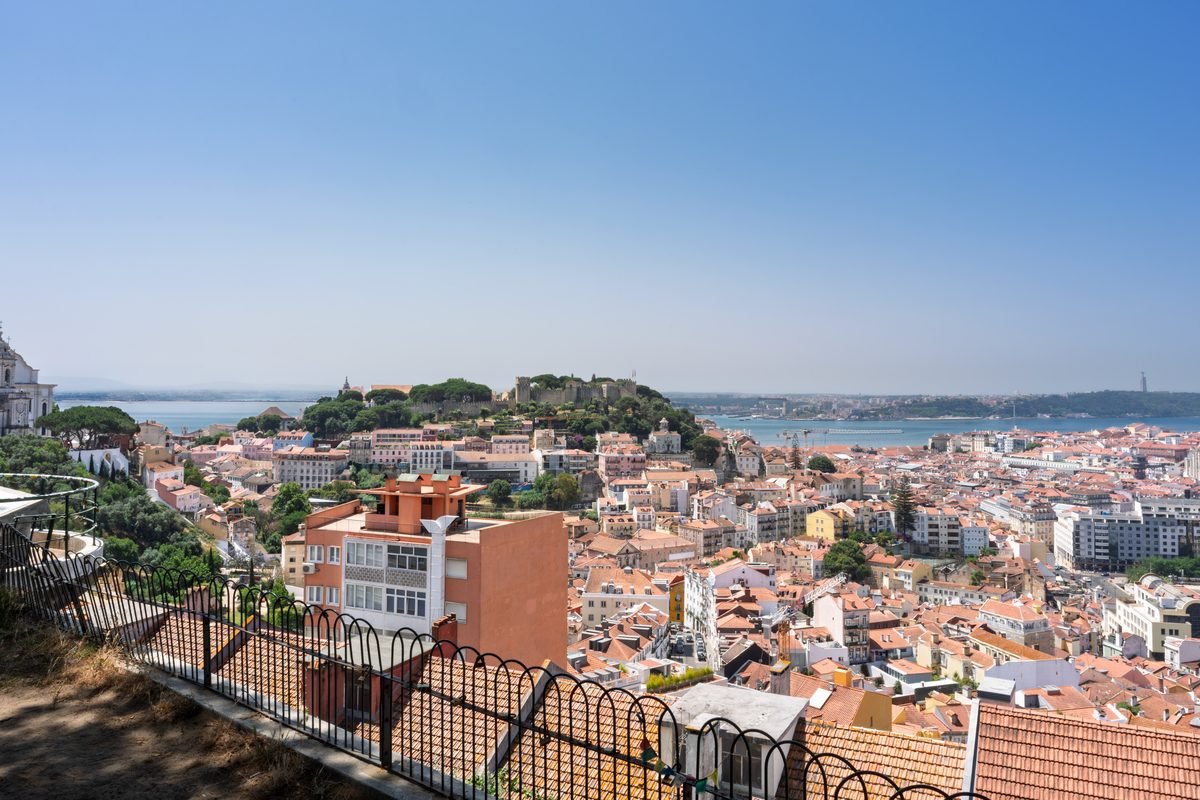
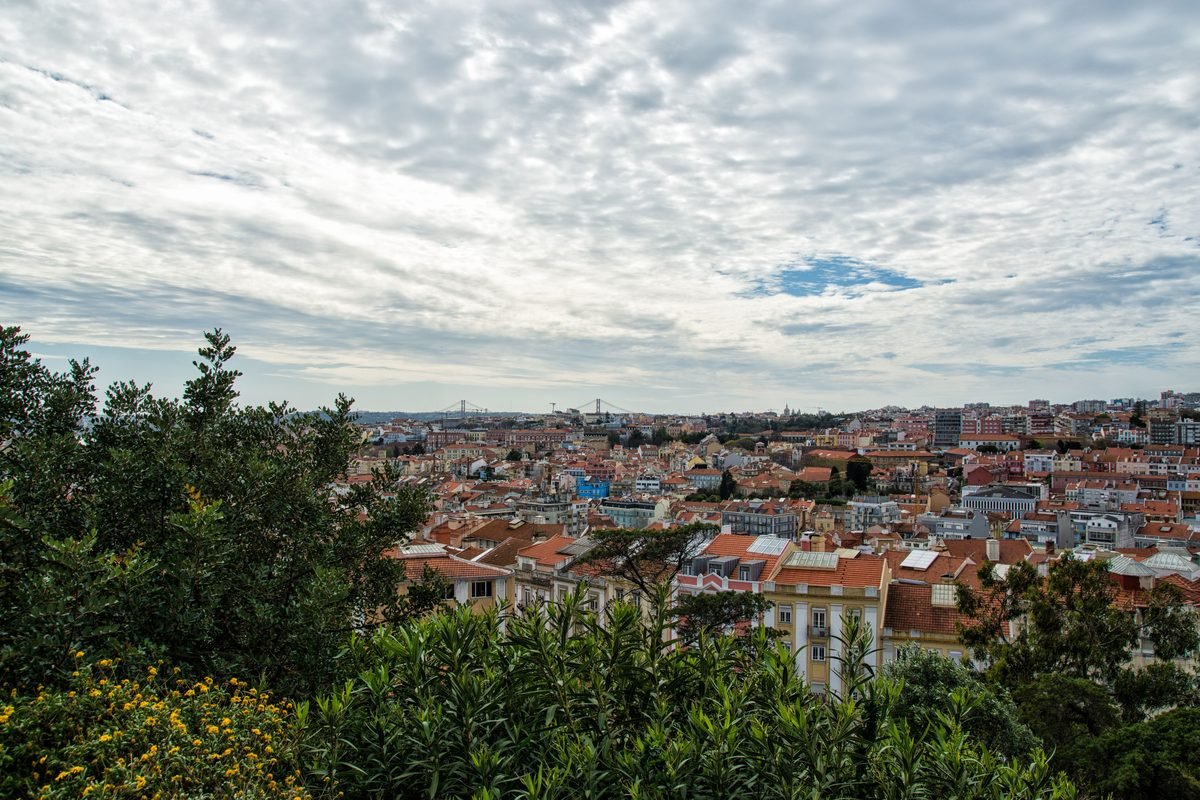
In the late afternoon, make the trek up to Miradouro da Senhora do Monte in Graça, the highest public viewpoint in central Lisbon. Grab a cold Sagres or Super Bock from an outdoor kiosk for roughly €2.00 (about $2.20), sit along the stone perimeter wall, and watch the sun dip below the 25 de Abril Bridge. Finish your evening with a plate of petiscos (Portuguese small plates) and a small glass of sour cherry liqueur (Ginjinha) from a traditional street counter near Rossio for €1.50 (about $1.65).

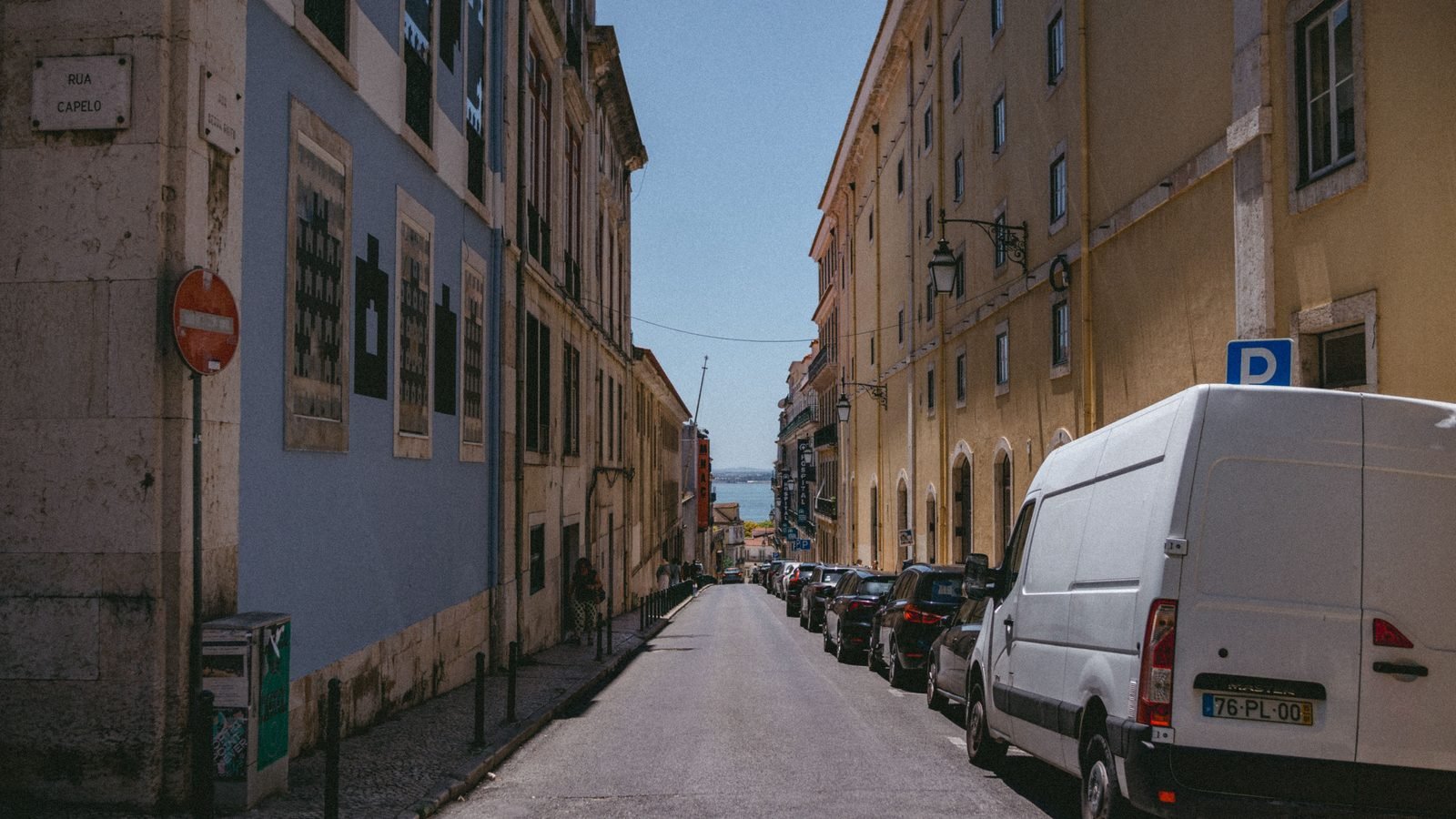
Day 2: Belém pastries, riverside walks, and Chiado nights
Devote your second morning to the historic maritime district of Belém, situated roughly six kilometers west of downtown. Take the train from Cais do Sodré station to Belém station (a 7-minute ride costing €1.45 / about $1.60) instead of fighting for space on the crowded number 15 tram. Your first stop should be Pastéis de Belém, which has been baking custard tarts according to an ancient monastic recipe since 1837. Order two warm tarts dusted with cinnamon and powdered sugar alongside a bica (espresso) for under €4.00 (about $4.50). The crust should crackle.
From the bakery, walk across the gardens to the Jerónimos Monastery to admire its Manueline limestone architecture. Stroll along the riverfront to inspect the Monument to the Discoveries (Padrão dos Descobrimentos) and the fortified Belém Tower (Torre de Belém). Rather than paying to enter every monument’s interior, take time to enjoy the open breeze along the riverbank.
Head back toward central Lisbon in the afternoon and spend a couple of hours exploring the neighborhood of Chiado and the bohemian streets of Bairro Alto. Browse the shelves at Livraria Bertrand on Rua Garrett, recognized as the oldest operating bookstore in the world since 1732. As night falls, skip the loud bars along Pink Street and instead seek out a quiet wine bar in Príncipe Real or Santa Catarina to sample dry Dão reds and pungent Serra da Estrela sheep cheese.
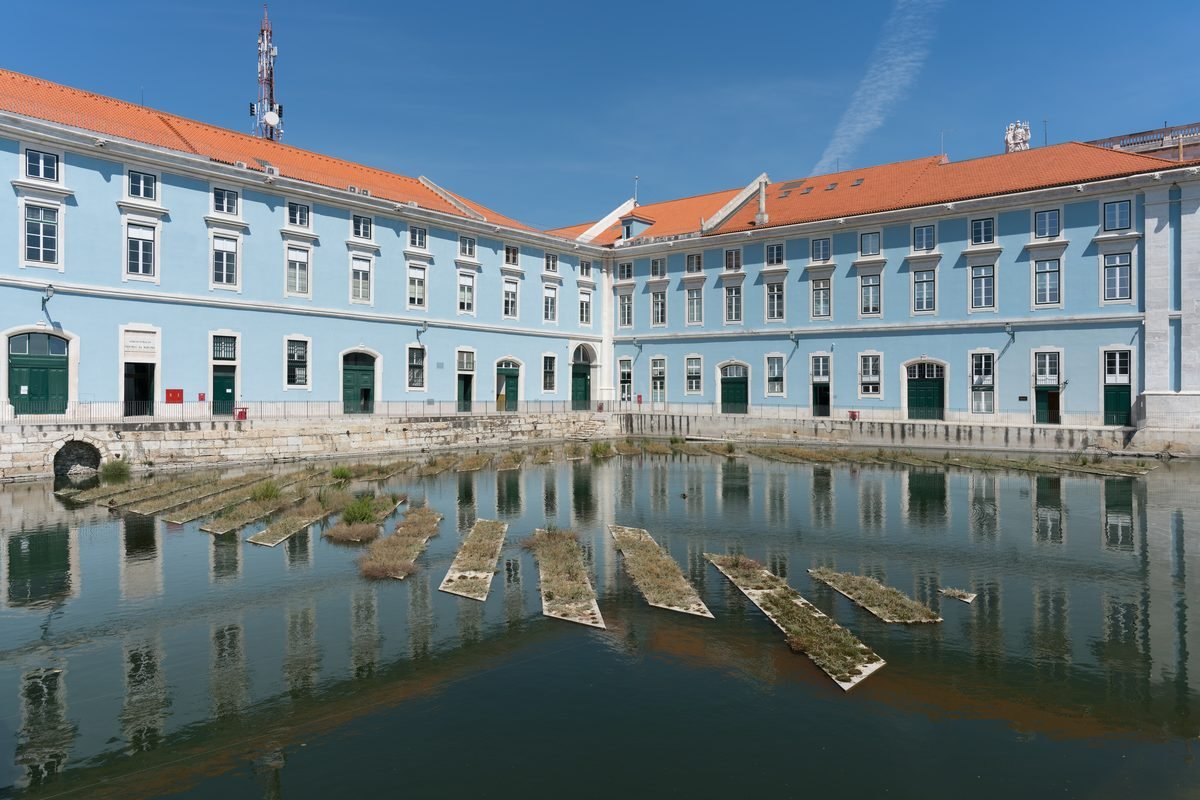
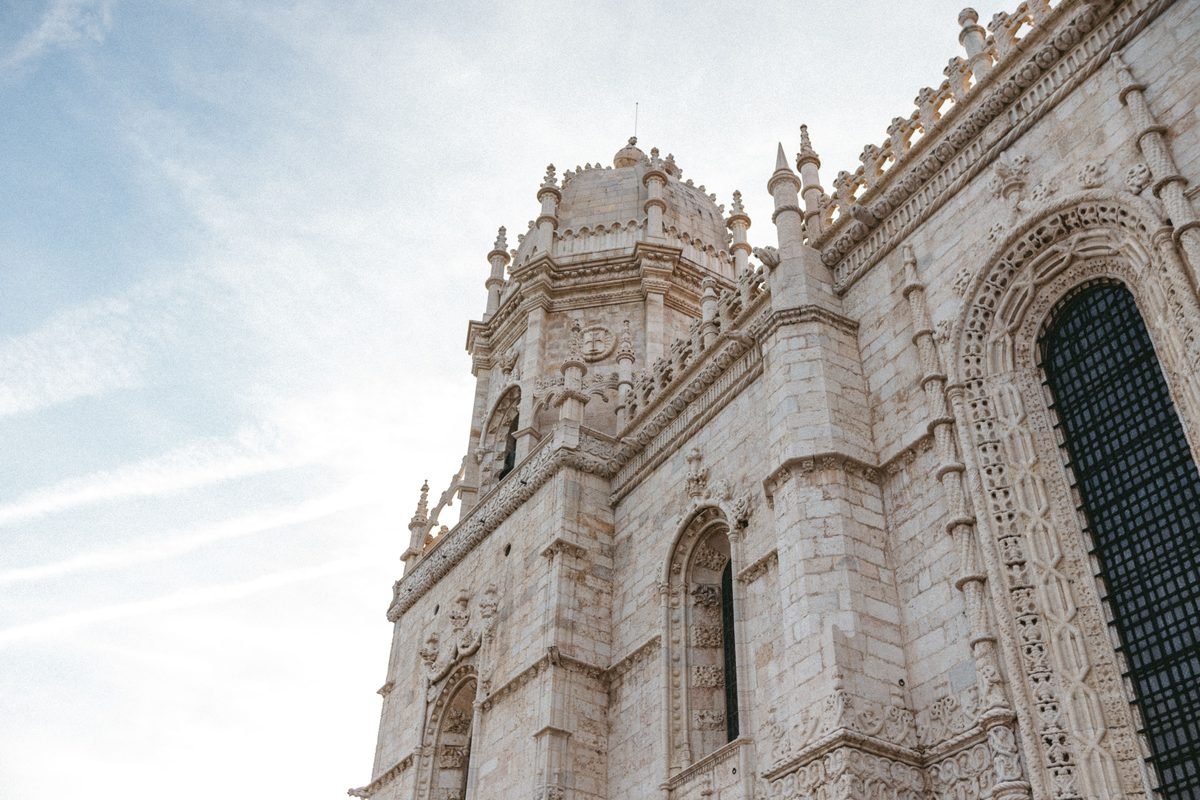
Book ahead: Jerónimos Monastery Tickets
Entry tickets to the Jerónimos Monastery cloister sell out quickly. Buy your time-slotted ticket online at least two weeks in advance to avoid waiting in the exterior ticket booth line under direct sun.
Day 3: Sintra by train without the tour buses
On your third day, take a day trip to the forested hills of Sintra. Skip expensive organized van tours and take the suburban train directly from Lisbon’s Rossio Station. Trains run roughly every 20 minutes throughout the day, cost €2.40 (about $2.65) each way using your Navegante card, and arrive at Sintra station in 40 minutes. Take the train early. Aim to board a train departing before 8:00 AM so you arrive well ahead of the tour crowds.
Upon arriving in Sintra, avoid the overpriced tuk-tuk drivers waiting outside the station. Take municipal bus 434 or order a quick ride-share up to the colorful Pena Palace (Palácio da Pena). Book an entrance ticket for the very first morning slot (9:30 AM). Focus your time on the outer terraces and the vast surrounding forested park rather than waiting in the slow-moving queue for the interior staterooms.
From Pena, walk down through the wooded paths to Quinta da Regaleira. This estate features Gothic towers, underground grottoes, and the famous Initiation Well—a spiral stone staircase plunging 27 meters underground. After exploring Regaleira, walk back down into Sintra’s historic town center for a warm travesseiro (almond and egg pastry) at Casa Piriquita for €1.80 (about $2.00) before taking the return train to Lisbon.

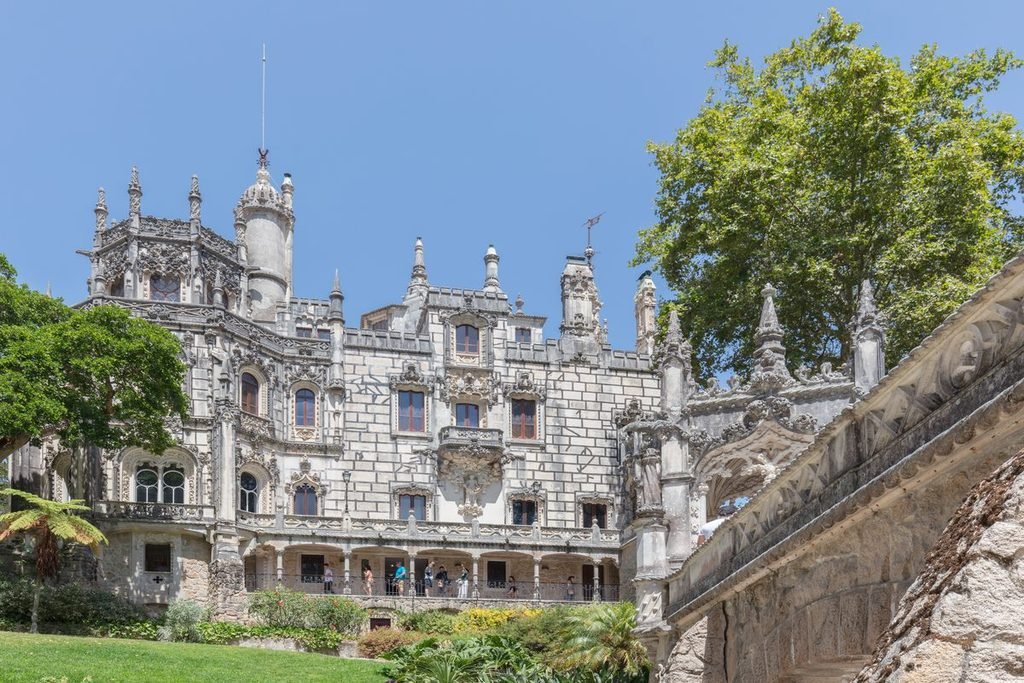
Heads up: Do Not Drive to Sintra
Traffic restrictions in Sintra are severe, and parking near historic monuments is practically nonexistent. Do not rent a car for this day trip; rely solely on the train and local buses.
Where to eat pastéis de nata, petiscos, and fresh seafood
Portuguese food is unpretentious, ingredient-driven, and remarkably affordable compared to other Western European capitals. For pastéis de nata, while Pastéis de Belém remains an institution, central Lisbon has exceptional spots of its own. Manteigaria (with locations in Chiado and near Praça Luís de Camões) produces arguably the finest tart in town for €1.30 (about $1.45). You can watch the bakers fold the laminated butter dough behind glass before receiving a piping hot tart straight from the tray.
When hunger strikes for lunch or dinner, look for traditional neighborhood eateries known as tascas. These family-run establishments feature paper tablecloths, handwritten daily menus (prato do dia), and carafes of crisp Vinho Verde. Order the grilled sardines (sardinhas assadas) when in season, or try polvo à lagareiro (roasted octopus drenched in olive oil and garlic, served with smashed potatoes) for roughly €14 to €18 (about $15 to $20).
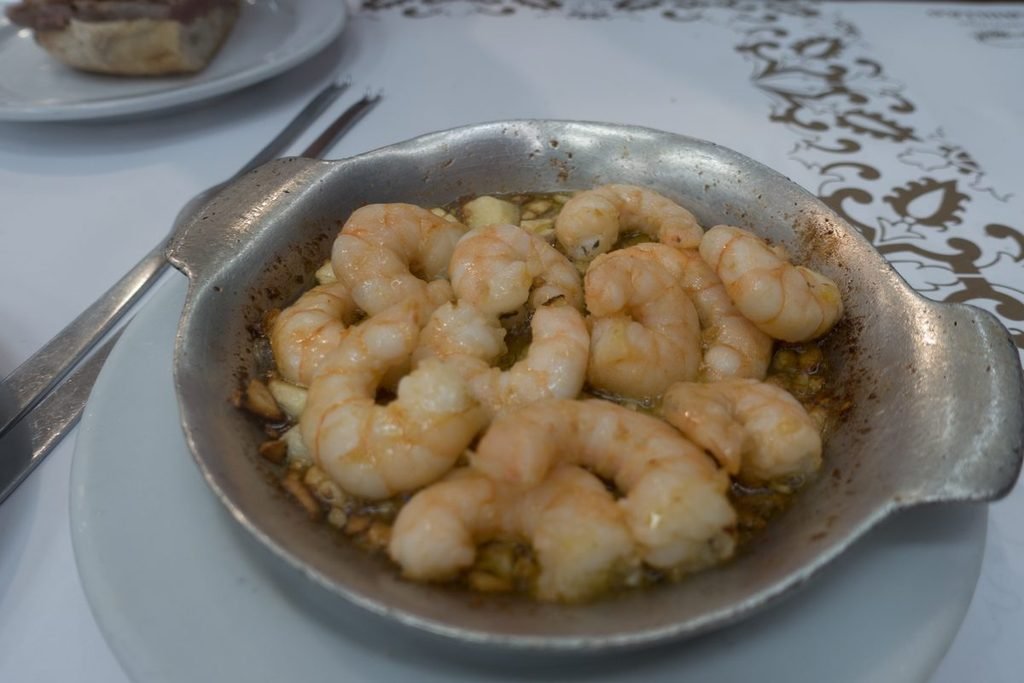
For a lively seafood feast, head to Cervejaria Ramiro in Intendente. This multi-floor institution serves fresh percebes (goose barnacles), massive tiger prawns, and garlic clams by weight. Finish your seafood meal in true Lisbon fashion with a prego—a thinly pounded garlic beef steak sandwich served on crusty bread for around €5.00 (about $5.50), traditionally eaten as dessert after shellfish.

What it costs in Lisbon
| Item | Local price | USD |
|---|---|---|
| Airport Metro Single Ride | €1.80 | $2.00 |
| Pastel de Nata & Espresso | €2.20 | $2.45 |
| Prato do Dia (Daily Lunch Special at Tasca) | €9.50 | $10.50 |
| Seafood Dinner with Wine | €25.00 | $28.00 |
| Round-trip Train Ticket to Sintra | €4.80 | $5.30 |
| Pena Palace & Park Entry Ticket | €14.00 | $15.50 |
| Mid-range Double Room (per night) | €140.00 | $155.00 |
| Realistic Daily Budget per Person (excluding lodging) | €55.00 | $61.00 |
Prices checked September 2026. Always confirm with the provider before you book.
Where to stay in Lisbon
Budget
A clean guesthouse in Arroios or Anjos
Ideal for budget-conscious travelers who want authentic neighborhood dining and quick direct metro access to the center for €50 to €80 ($55 to $90) per night.
Mid-range
A boutique hotel near Baixa or Santa Catarina
Perfect for first-time visitors who want to walk everywhere without climbing steep hills with luggage, running €120 to €180 ($135 to $200) per night.
Splurge
A restored palacete in Príncipe Real or Lapa
Suits travelers seeking quiet leafy streets, antique architectural character, and river views for €250 to €420 ($280 to $465) per night.
Mistakes to avoid
- Queuing for hours to ride Tram 28 instead of walking through Alfama’s side alleys at your own pace.
- Renting a car to visit Sintra or Belém, where narrow roads and strict parking regulations cause severe delays.
- Eating at the overpriced restaurants along Rua Augusta displaying multi-language photo menus outside.
FAQ
How many days are ideal for a first trip to Lisbon?
Three full days provide enough time to explore Lisbon’s historic neighborhoods, visit Belém, and take a day trip to Sintra. If you also want to visit Cascais beaches or coastal Nazaré, consider adding a fourth or fifth day.
Is a Lisbon 3 day itinerary manageable entirely without a rental car?
Yes, public transportation in Lisbon is efficient and affordable. You can easily reach all major city neighborhoods and nearby towns like Sintra and Cascais using the metro, suburban trains, and local ride-hailing services.
What is the best way to get around the steep hills in Lisbon?
Walking is the best way to explore, provided you wear shoes with strong grip for the slippery cobblestones. For long uphill stretches, rely on public funiculars or order a low-cost ride-hailing car.
Do I need to tip in restaurants in Lisbon?
Tipping is not mandatory in Portugal. In casual tascas, leaving small loose change is customary, while rounding up the bill by 5% to 10% for attentive service at sit-down dinners is appreciated.
Are credit cards accepted everywhere in Lisbon?
Major hotels, restaurants, and ticket machines accept foreign credit cards with contactless pay. However, small bakeries, historic kiosks, and traditional tascas occasionally accept only cash or Portuguese Multibanco cards, so always carry €20 to €30 in cash.