A Costa Rica Wildlife and Nature Itinerary for 2026


Costa Rica holds roughly six percent of the world’s biodiversity within its borders. While the country is small, the density of life is staggering, making it a primary destination for those who want to see sloths, toucans, and rare amphibians in their natural habitats. You can move from the humid lowlands of the Pacific coast to the misty peaks of the cloud forest in a single afternoon. This makes planning a cohesive route essential to avoid spending your entire trip behind the wheel of a rental car.
This guide provides a comprehensive Costa Rica wildlife and nature itinerary designed for independent travelers. I will cover the logistics of navigating the volcanic terrain of Arenal, the high-altitude biodiversity of Monteverde, and the strict environmental regulations of Manuel Antonio National Park. You will find advice on hiring professional naturalist guides, selecting the right vehicle for the rugged terrain, and managing your budget in a country where conservation comes at a premium price.
Planning your Costa Rica wildlife and nature itinerary
When you begin mapping out your trip, the first thing to realize is that distance in Costa Rica is measured in hours rather than kilometers. A fifty-kilometer stretch of road can take two hours if the terrain is mountainous or if a heavy rainstorm has washed out a section of gravel. For a focused nature trip, a ten-day loop starting and ending in San José is the most efficient choice. This allows you to visit the northern highlands before heading south to the coast, providing a mix of different ecosystems. Nature moves at its own pace. You should try to spend at least three nights in each major location to increase your chances of seeing elusive species like the Resplendent Quetzal or the silky anteater.
The 4×4 requirement
Renting a car is the best way to maintain independence, but you must choose the right vehicle. While the main highways are paved, the roads leading to many nature reserves and lodges are steep, unpaved, and riddled with potholes. A 4×4 or at least a high-clearance SUV is necessary. Expect to pay about ₡41,500 (about $80) per day for a mid-sized 4×4 including basic insurance. Before you leave the rental lot, check the spare tire and the jack. If you are worried about the cost of the rental, you can learn how to avoid ATM fees abroad to keep more cash for your daily expenses. Budgeting for a reliable vehicle is essential. Budgeting for a reliable vehicle is better than getting stuck on a remote mountain pass during a downpour.
Navigation and timing
Do not rely on traditional maps. Download Waze or an offline navigation app before you arrive. These apps are highly accurate in Costa Rica for real-time traffic and road closures. Try to arrive at park entrances by 07:00. This is when animals are most active and the heat is manageable. By mid-day, many animals retreat into the deep shade to sleep, making them much harder to spot even with a professional scope.
Heads up: Avoid Night Driving
Never drive between cities after sunset. Roads are often unlit, narrow, and lack guardrails, and heavy rains can cause sudden landslides or deep washouts that are impossible to see in the dark.
Volcanoes and hot springs in Arenal
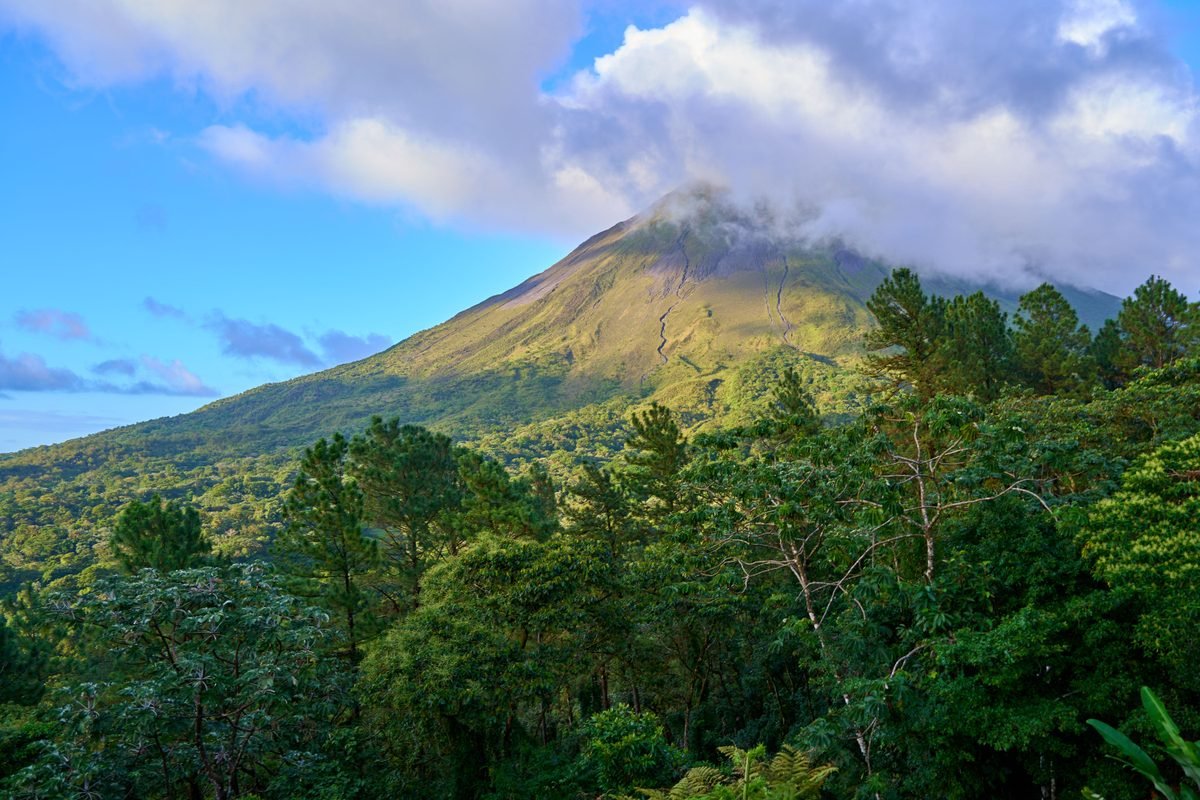
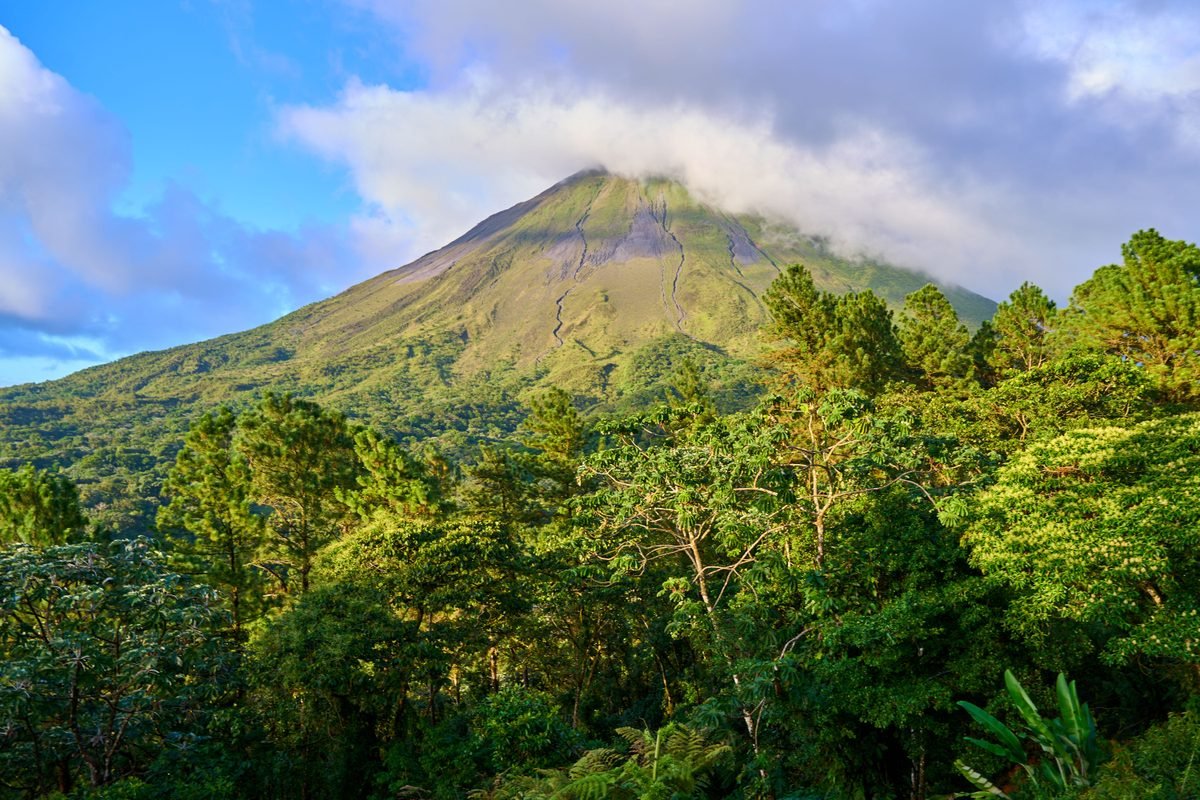
Arenal is the most recognizable landmark in the country. The perfectly conical volcano dominates the skyline of La Fortuna, the main hub for travelers in this region. While the volcano has been in a resting phase since 2010, the geothermal activity beneath the surface powers dozens of hot springs. For a nature-focused trip, the Arenal 1968 Trail is a great starting point. This private reserve features trails over old lava flows where the forest is slowly reclaiming the rock. You can see how primary succession works as lichens and small shrubs give way to larger trees. The entry fee is about ₡10,400 (about $20).
Choosing your hot springs
There are many ways to experience the thermal waters. High-end resorts like Tabacon offer a manicured experience with multiple pools of varying temperatures for about ₡52,000 (about $100) for a day pass. For something more natural, look for smaller operations that use the river water directly. The heat is consistent throughout the year, providing a relaxing way to end a day of hiking. Many of the springs are surrounded by lush gardens that attract hummingbirds and colorful tanagers. If you are paying for these passes with a card, make sure you know how to choose a travel credit card that does not charge extra for every transaction.
Wildlife in the lowlands
The area around La Fortuna is excellent for spotting sloths. Many local landowners have preserved small pockets of secondary forest specifically for these animals. You can often see them hanging in Cecropia trees right next to the main road. However, a guided walk will help you distinguish between the two-toed and three-toed varieties. The two-toed sloth is nocturnal and has a more brownish coat, while the three-toed sloth is active during the day and has a distinct dark mask around its eyes. These tours usually cost around ₡18,200 (about $35) and last two hours.
Tip: The Free Hot Spring
There is a public hot spring river located right next to the Tabacon resort entrance. It is free to enter, though you will need to pay a small fee to local ‘parkers’ to watch your car.
The misty canopy of Monteverde
Monteverde sits at an elevation of roughly 1,500 meters. The environment here is a cloud forest, which differs from a rainforest due to the near-constant immersion in clouds and mist. This moisture supports an incredible amount of epiphytes—plants like orchids and bromeliads that grow on other trees. The air is noticeably cooler here, often dropping to 15°C (60°F) at night. Bring a good rain jacket. The Monteverde Cloud Forest Biological Reserve is the most famous spot, with an entry fee of about ₡13,000 (about $25) for adults. The trails are well-maintained but can be slippery after a morning fog.
Hanging bridges and birdwatching
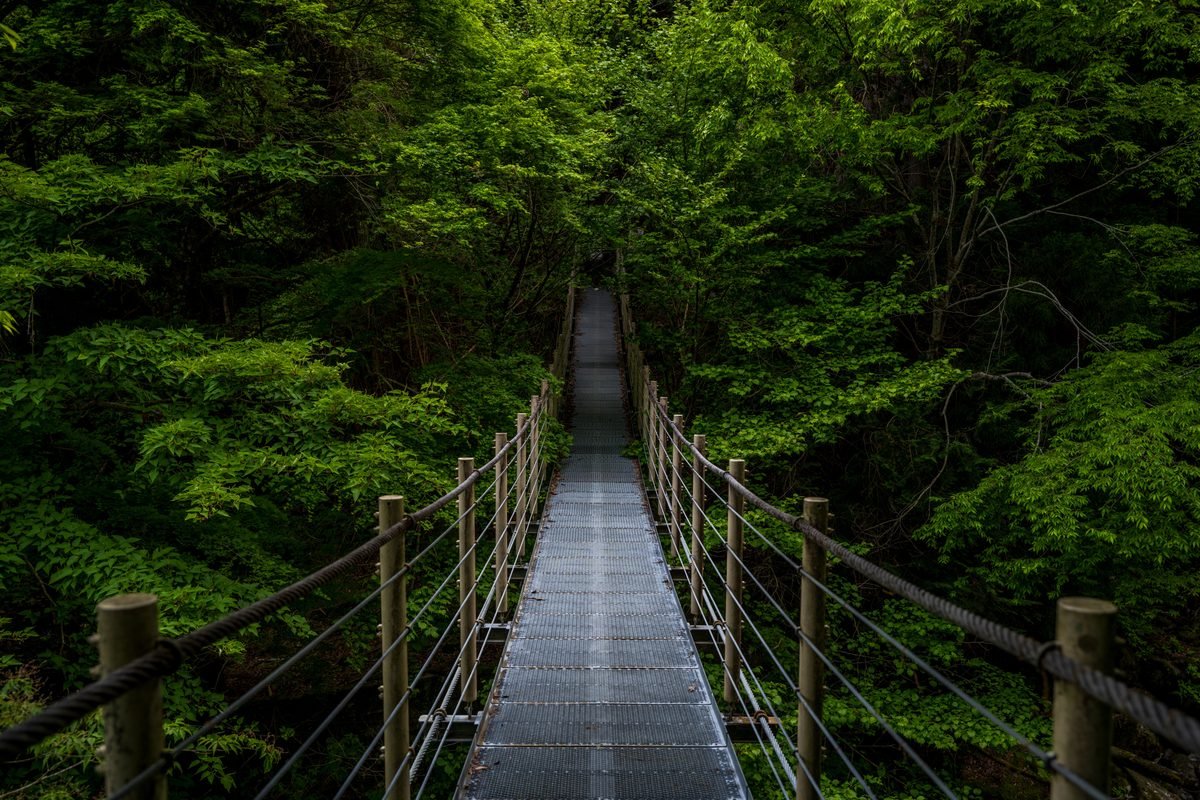
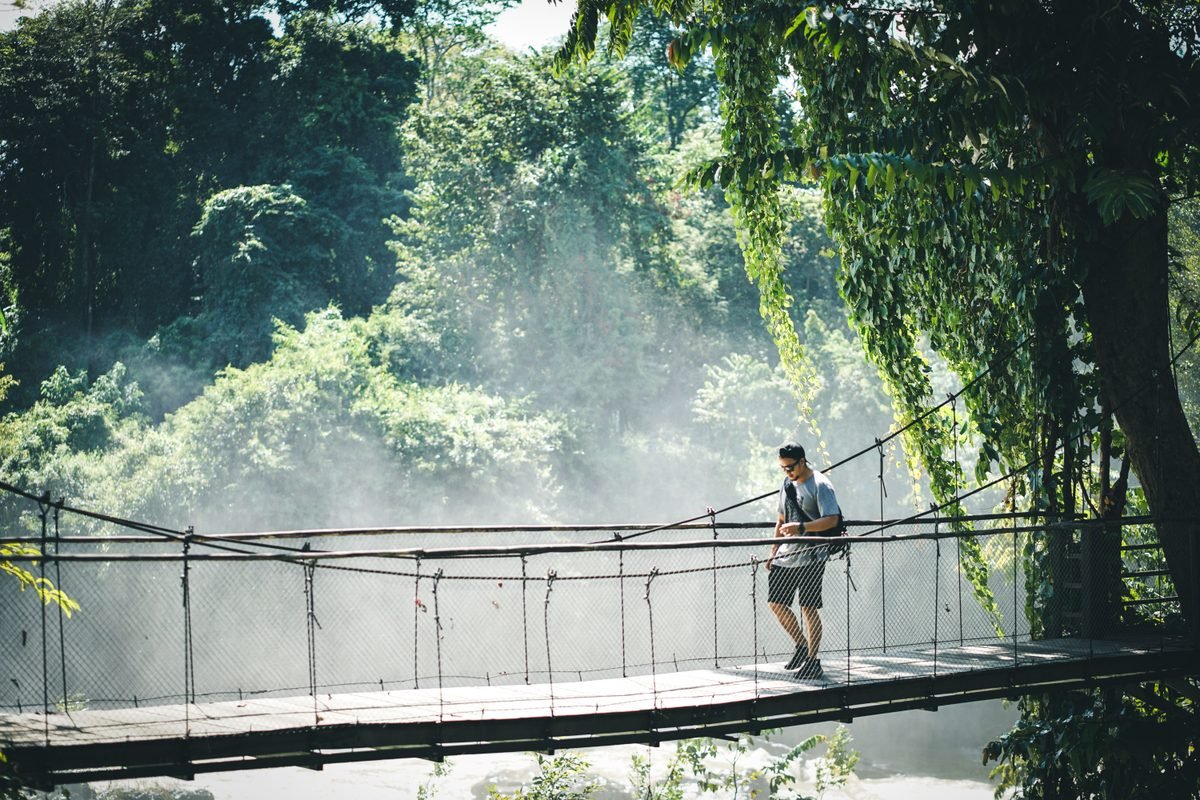
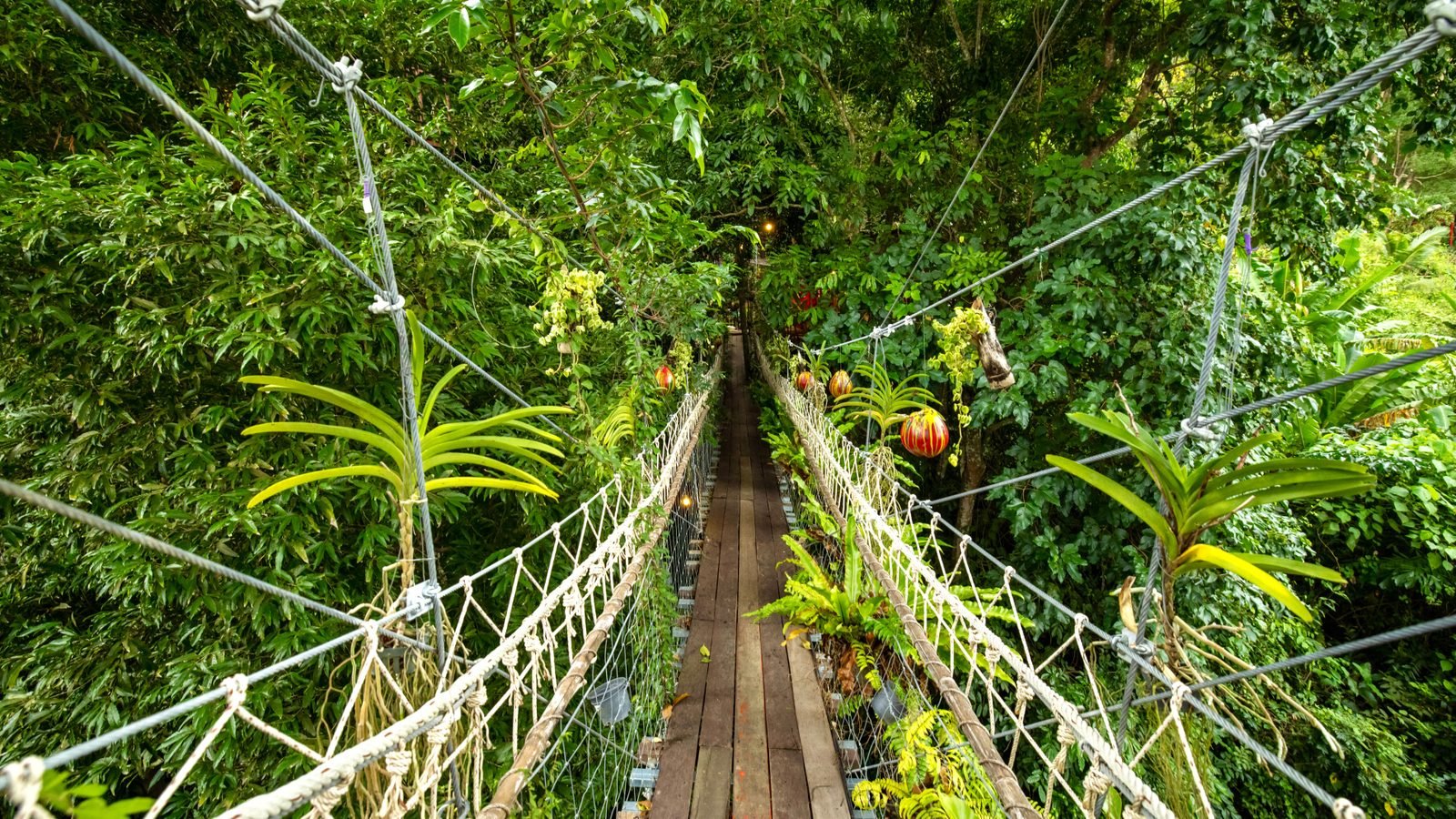
To truly see the biodiversity of the cloud forest, you need to get into the canopy. Several parks offer series of hanging bridges that span deep canyons. Walking across these bridges puts you at eye level with the birds and monkeys that rarely descend to the forest floor. This is the best place to search for the Resplendent Quetzal. These birds are famous for their long green tail feathers and bright red chests. They are most active during their breeding season from March to July, but they remain in the area year-round. A guided birding tour starting at 06:00 is your best bet for a sighting.
Night tours in the forest
When the sun goes down, a different set of creatures emerges. Night walks are a staple of the Monteverde experience. Guides use specialized flashlights to find sleeping birds, tarantulas, scorpions that glow under UV light, and even the occasional kinkajou. These tours typically take place in private reserves like Curi-Cancha. The cost is usually around ₡15,600 (about $30) per person. It is a silent, focused experience where you rely on your ears as much as your eyes. Since these tours take place on uneven ground in the dark, check your travel insurance for cover on organized outdoor activities before you book — our travel insurance guide explains what card cover usually leaves out.
From a local: Wind and Mist
Monteverde is famous for its ‘pelo de gato’ or cat’s hair—a very fine, horizontal mist driven by the wind. Standard umbrellas are useless here; a high-quality poncho is the local choice.
Wildlife rules at Manuel Antonio
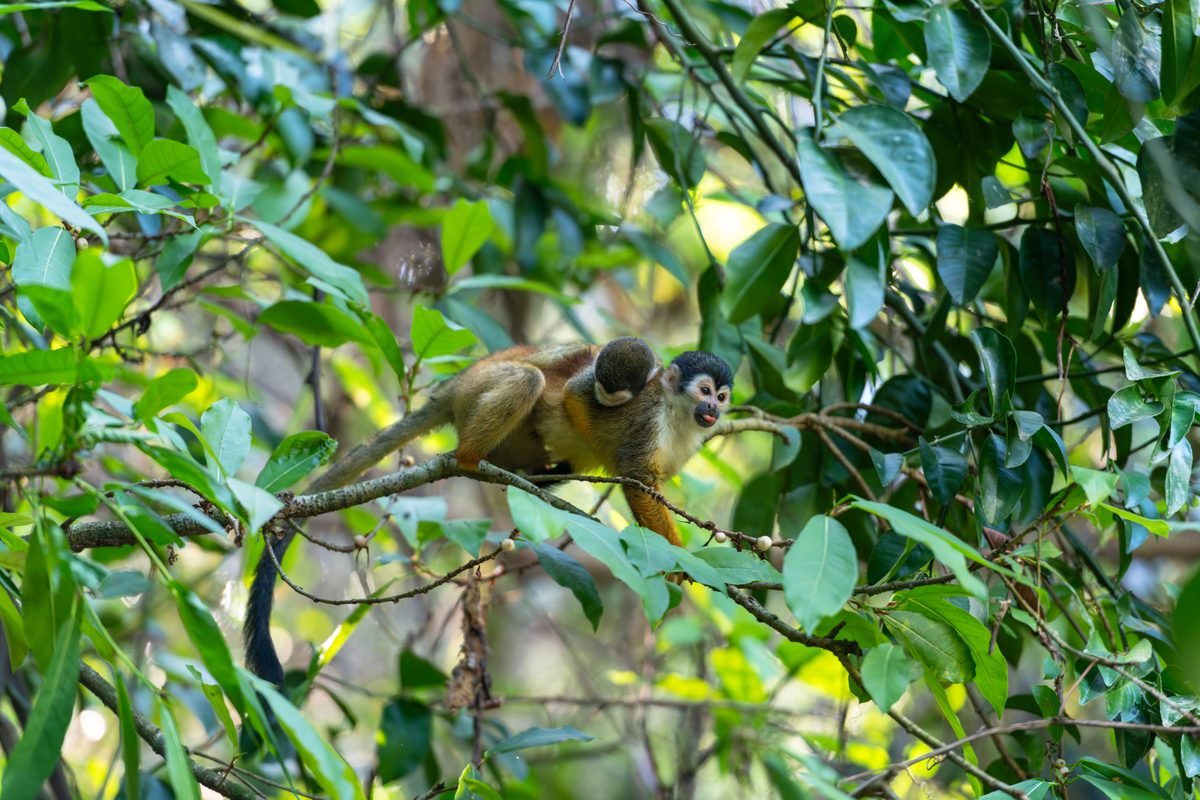
Manuel Antonio is the smallest national park in Costa Rica, but it is also one of the most popular. The combination of white-sand beaches and primary forest makes it a magnet for wildlife. You are almost guaranteed to see white-faced capuchin monkeys, howler monkeys, and sloths here. However, because of its popularity, the park has very strict rules to protect the animals. You are not allowed to bring any food into the park. Guards will search your bags at the entrance. This rule was implemented to stop monkeys from stealing snacks and becoming aggressive toward humans. There is a small cafeteria inside the park where you can buy sealed food if you get hungry.
Booking your entry
Tickets must be purchased online in advance through the official SINAC website. They do not sell tickets at the gate. Entry for adults is about ₡9,350 (about $18). The park is closed on Tuesdays, so plan your itinerary accordingly. Because the number of daily visitors is capped, tickets often sell out weeks in advance during the peak dry season. Book these tickets early. Once inside, the main trail is flat and accessible, leading directly to the beach. For a quieter experience, take the Sendero Los Congos or the Sendero Puerto Escondido, which are steeper but far less crowded.
Hiring a guide at the gate
Dozens of guides will approach you in the parking lot or near the entrance. While some are independent, it is best to hire a certified ICT (Costa Rican Tourism Institute) guide. They carry high-powered spotting scopes that allow you to see the tiny details of a bat’s fur or a lizard’s eye from fifty meters away. Without a scope, you will likely walk right past half the animals in the forest. A group tour usually costs about ₡13,000 (about $25) per person, while a private guide might charge ₡41,500 (about $80) for a small family. It is worth every colon for the educational value they provide.
Book ahead: Park Ticket Deadlines
Book your Manuel Antonio tickets at least 3 weeks in advance for visits between December and April. Use the official sinac.go.cr portal only.
Why you need a naturalist guide
The biggest mistake many independent travelers make is trying to spot wildlife on their own. Tropical forests are incredibly dense. Most animals have evolved sophisticated camouflage to hide from predators. A sloth looks exactly like a clump of dead leaves or a termite nest from the ground. A guide’s trained eyes can pick up the slightest movement or a specific shape that signals an animal’s presence. They also understand the behavior of the animals. They know which trees are currently fruiting and which birds are likely to be nesting in a specific area. This knowledge transforms a simple walk in the woods into a deep dive into ecology.
The equipment advantage
Professional guides use tripod-mounted spotting scopes. These are far more powerful than standard binoculars. Most guides are also experts at taking photos through the scope using your smartphone. These ‘digiscoped’ images are often better than what you could get with a professional camera lens. Seeing a tiny strawberry poison dart frog magnified through a lens reveals colors and patterns you would never see with the naked eye. Beyond the gear, guides provide context. They explain the symbiotic relationship between acacia ants and the trees they protect, or why certain butterflies only fly at dusk. This context helps you understand the ecosystem.

Tip: Verify Credentials
Check for the ICT (Instituto Costarricense de Turismo) badge on your guide’s shirt or lanyard. This ensures they have passed rigorous exams on biology and history.
Essential tips for the green season
Costa Rica has two main seasons: the dry season (December to April) and the green season (May to November). The green season (May to November) is an excellent time for a nature itinerary. The landscape is lush, the dust on the roads is gone, and the prices for lodging are significantly lower. Usually, it rains for a few hours in the afternoon, leaving the mornings clear for hiking. October is the rainiest month on the Pacific side, but it is the driest month on the Caribbean coast. If you travel during this time, just be prepared for flexible plans. Nature moves at its own pace, and a heavy storm might delay a boat tour or close a trail for a few hours.
Packing for the humidity
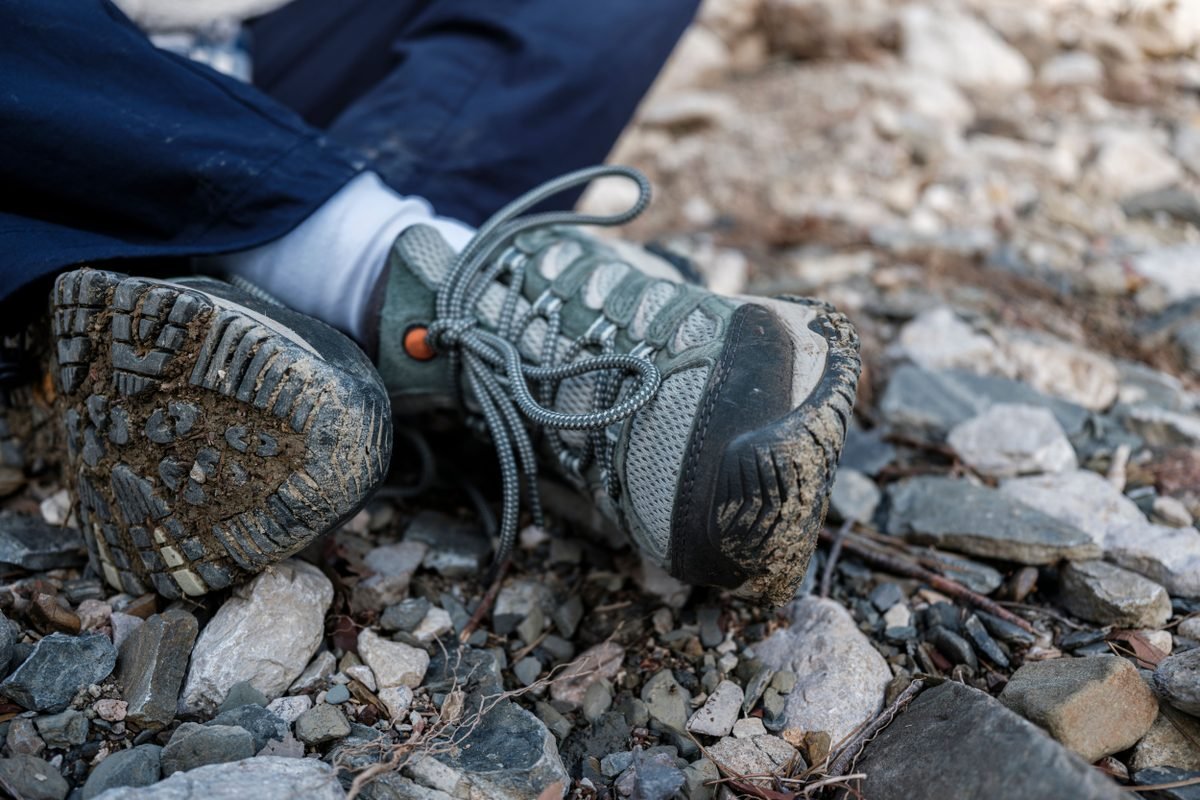
The humidity in the rainforest is often above eighty percent. Clothes do not dry easily here. Avoid heavy cotton t-shirts and jeans. Instead, pack lightweight, moisture-wicking synthetic fabrics. Quick-dry socks are essential to prevent blisters if your feet get wet. You should also bring a waterproof dry bag for your electronics and camera gear. Even a short walk can end in a sudden downpour. A good pair of waterproof hiking shoes with deep treads is better than heavy boots, as you will want something breathable. Don’t forget a high-quality insect repellent with DEET or Picaridin, especially for evening walks when the mosquitoes are most active.
Health and safety
Tap water is generally safe to drink in most parts of Costa Rica, including the major tourist hubs like La Fortuna and Monteverde. However, if you are in a very remote rural area, stick to filtered water. Sun protection is critical. Because Costa Rica is so close to the equator, the sun is much stronger than in the US or Europe. You can burn in less than twenty minutes even on a cloudy day. Apply sunscreen early and often. Finally, always keep a safe distance from wildlife. Never try to touch or feed an animal, no matter how ‘friendly’ a monkey or coati may seem. It is illegal and dangerous for both you and the animal.
What it costs in Costa Rica
| Item | Local price | USD |
|---|---|---|
| Mid-range 4×4 Rental | ₡41,500 | $80 |
| National Park Entry (Average) | ₡9,350 | $18 |
| Guided Naturalist Tour (per person) | ₡13,000–₡18,200 | $25–$35 |
| Mid-range Lodge Night | ₡78,000 | $150 |
| Casual Meal (Soda) | ₡6,250 | $12 |
| Full Day Budget (per person) | ₡104,000 | $200 |
Prices checked October 2026. Always confirm with the provider before you book.
Where to stay in Costa Rica
Budget
Quepos, for proximity to Manuel Antonio
This town is just seven minutes by bus from the park entrance and offers hostels and small guesthouses for ₡26,000 to ₡41,500 ($50–$80) per night. It has a local feel with affordable grocery stores and sodas.
Mid-range
Santa Elena, for Monteverde cloud forest access
The village is the hub for all cloud forest activities, with many eco-lodges located within walking distance of the main square. Expect to pay ₡62,400 to ₡93,600 ($120–$180) for a room with a forest view.
Splurge
La Fortuna, for Arenal volcano views
Stay in a resort with private hot spring access and direct views of the volcano cone. These properties usually cost ₡156,000 to ₡312,000 ($300–$600) per night and include extensive private trail networks.
Mistakes to avoid
- Driving after dark on unlit mountain roads.
- Trying to spot wildlife without a professional guide and scope.
- Bringing food into Manuel Antonio National Park.
- Underestimating the humidity and packing heavy cotton clothing.
- Not booking national park entry tickets weeks in advance.
FAQ
Is a 4×4 really necessary for a Costa Rica wildlife and nature itinerary?
Yes, for many parts of the country. While main roads are paved, the access roads to Monteverde and many private lodges in the Arenal area are steep and unpaved. A 4×4 provides the necessary traction and clearance to navigate deep potholes and muddy slopes safely.
When is the best time to see sloths?
Sloths can be seen year-round, but they are easier to spot during the dry season (December to April) when the canopy is slightly less dense. However, the best time of day is always early morning, around 07:00, before they move into thicker shade to sleep through the heat of the day.
Can I see the Resplendent Quetzal without a guide?
It is extremely difficult. These birds live in the high canopy of the cloud forest and their green feathers blend perfectly with the moss and leaves. A guide knows their specific nesting trees and can hear their distinct calls from a distance, which is usually the only way to locate them.