Best eSIM for Europe travel: A practical guide

Landing at a European airport with zero bars and no way to load a transit map is one of the most avoidable travel headaches there is. Finding the right eSIM for Europe travel before you step onto the plane completely changes how you experience your trip.
This guide is for independent travelers planning a multi-country European adventure who want to avoid massive roaming bills. We will cover the differences between regional and single-country plans, real costs for a typical two-week trip, EU roaming rules, hotspot limits, and exactly how to set everything up before your flight.
How to choose an eSIM for Europe travel
Choosing the right digital data plan can feel overwhelming with dozens of providers flooding the market. The first decision you need to make is whether to buy a single-country plan or a regional Europe-wide plan. It depends on your route. If you are spending your entire two-week vacation in France, a single-country plan is your best option. Single-country plans cost less. They also tend to offer faster connection speeds because your data routes directly through a local network operator like Orange or SFR. When you buy a regional plan, your data often routes through a central server in another country, which can cause annoying delays when loading web pages.
However, if you plan to board a train from Paris to Brussels and then on to Amsterdam, a regional eSIM is incredibly convenient. You do not have to buy a new profile or swap settings every time you cross an invisible border. Providers like Airalo, Nomad, and Holafly offer regional packages that cover up to 39 European nations. Just make sure the country list matches your itinerary before you pay.

What to set up before your flight lands
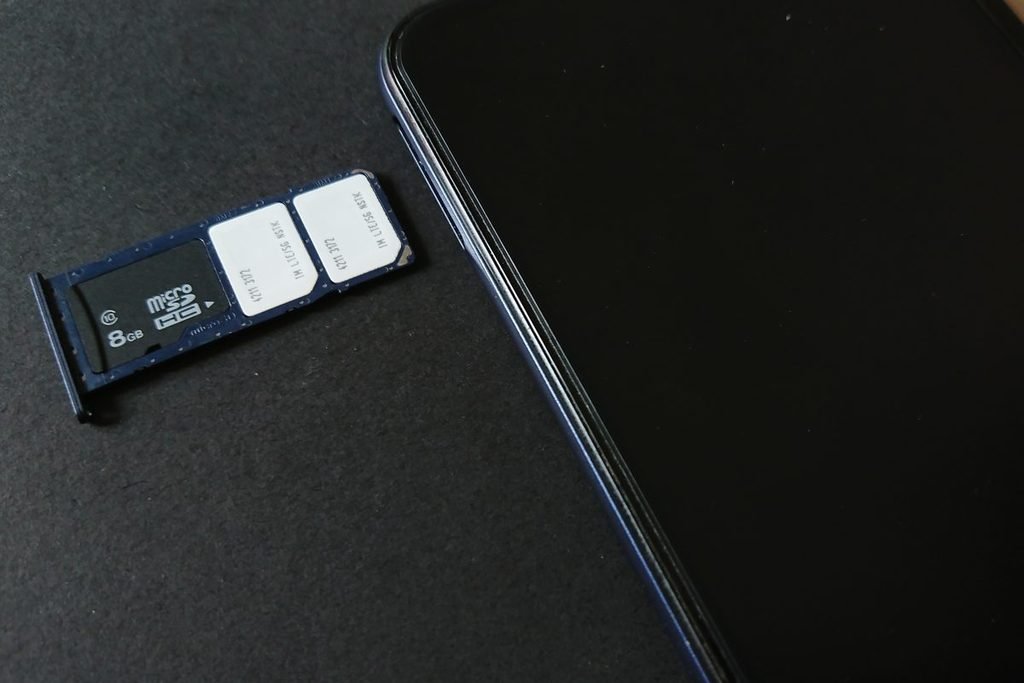
Do not wait until arrival. This is the single most important rule of using digital data plans. You need solid Wi-Fi. Installing an eSIM profile requires a stable, fast internet connection to download the security certificates from the carrier. Trying to do this on spotty airport Wi-Fi while standing in a long immigration line is a recipe for frustration.
I highly recommend purchasing and installing your plan the night before you depart. Most modern smartphones allow you to store multiple profiles simultaneously, so you can have your European plan loaded and ready to go alongside your home SIM. During the setup process, your phone will ask you to label each line. I suggest naming your home line “Primary” and your new line “Travel” or “Europe” to keep things clear.
Once the profile is installed, keep the line turned off until your plane touches down in Europe. When you land, go into your cellular settings, turn off data roaming on your primary home line to avoid surprise charges from carriers like Verizon, and turn on data roaming for your travel line. Within a couple of minutes, your phone will search for local towers and connect to the network. It is that simple.

Book ahead: Install your profile before departure
Always download and activate your eSIM profile while you are still at home on your private Wi-Fi network. This guarantees a smooth setup without relying on slow public networks.
Real costs for two weeks of data
Data is surprisingly cheap here. You do not need to spend a fortune to stay connected while exploring historic streets or navigating train stations. For a typical two-week trip, a moderate data user will consume between 5GB and 10GB of data. This assumes you are using maps, checking translation apps, posting photos, and occasionally streaming music. If you plan to stream high-definition video or upload large video files, you will need more.
Let us look at some concrete prices. A regional 10GB plan valid for 30 days from Airalo costs about €34 (about $37). If you prefer unlimited data, Holafly offers a 15-day unlimited regional plan for roughly €43 (about $47). Keep in mind that some “unlimited” plans have fair usage policies that slow your speeds down if you consume too many gigabytes in a single day. If you only need a single-country plan, the prices drop significantly. A 10GB plan for Spain can cost as little as €13.50 (about $15).
Compare this to your home carrier’s international day pass, which often costs €9 (about $10) per day. Over two weeks, that adds up to €128 (about $140) per person. By switching to a digital travel plan, you easily save over €91 (about $100) that you can spend on fresh pastries or museum tickets instead.


Understanding EU roaming rules and hotspot limits
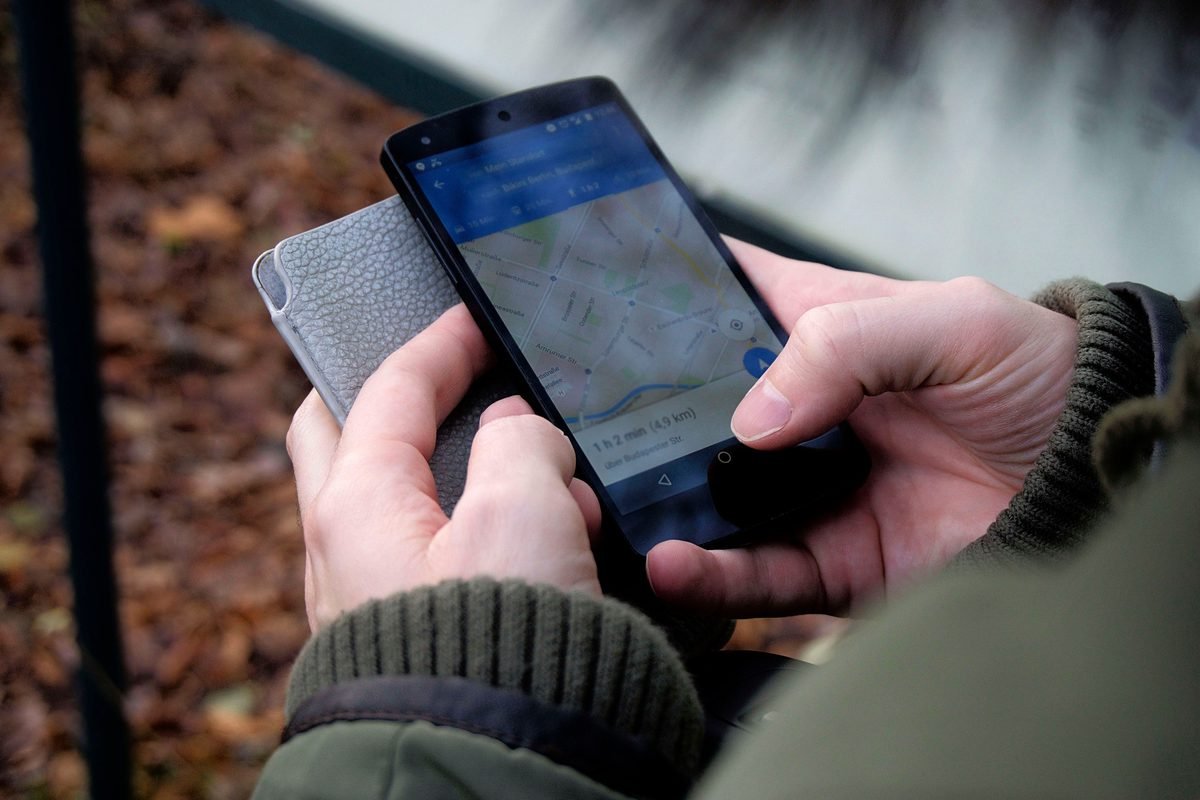
European Union regulations have made mobile roaming incredibly fair for locals, but tourists need to understand how these rules apply to travel plans. Under the “Roam Like at Home” initiative, European residents can use their domestic mobile plans across all EU member states without extra charges. However, prepaid travel eSIMs bought from third-party apps do not always follow these exact guidelines. You must read the product details carefully.
Check the fine print first. Some cheap single-country plans will completely block data roaming if you step across the border. If you buy a cheap plan for Italy and take a day trip to Switzerland, you might find yourself with zero service. Switzerland is especially tricky because it is not an EU member, and many regional plans exclude it entirely or charge premium rates for Swiss data.
Another critical factor is hotspot sharing. If you plan to work on your laptop from a cozy café or share your data connection with a travel partner, you need to verify that tethering is allowed. Some unlimited data plans explicitly block hotspot sharing to prevent network congestion. If you need to connect multiple devices, look for plans that specify a fixed data limit, as these almost always allow you to share your connection freely.


Heads up: Beware of Swiss borders
If your European itinerary includes Switzerland, verify that your regional plan specifically covers Swiss networks. Many EU-only plans will charge high roaming fees or block data entirely there.

How to fix a dropped eSIM connection
Even the best technology occasionally glitches. When you cross a border or exit a deep underground subway station, you might find your phone displaying “No Service.” Do not panic. There are a few simple troubleshooting steps that solve ninety percent of all connection issues on the road.
Toggle airplane mode first. This forces your phone to disconnect from the current network and search for the strongest available signal nearby. If that fails, the next step is to check your Access Point Name, commonly known as APN settings. Sometimes, your phone does not automatically update the APN when switching networks. Your provider will list the correct APN in their installation instructions; you simply copy and paste it into your cellular network settings.
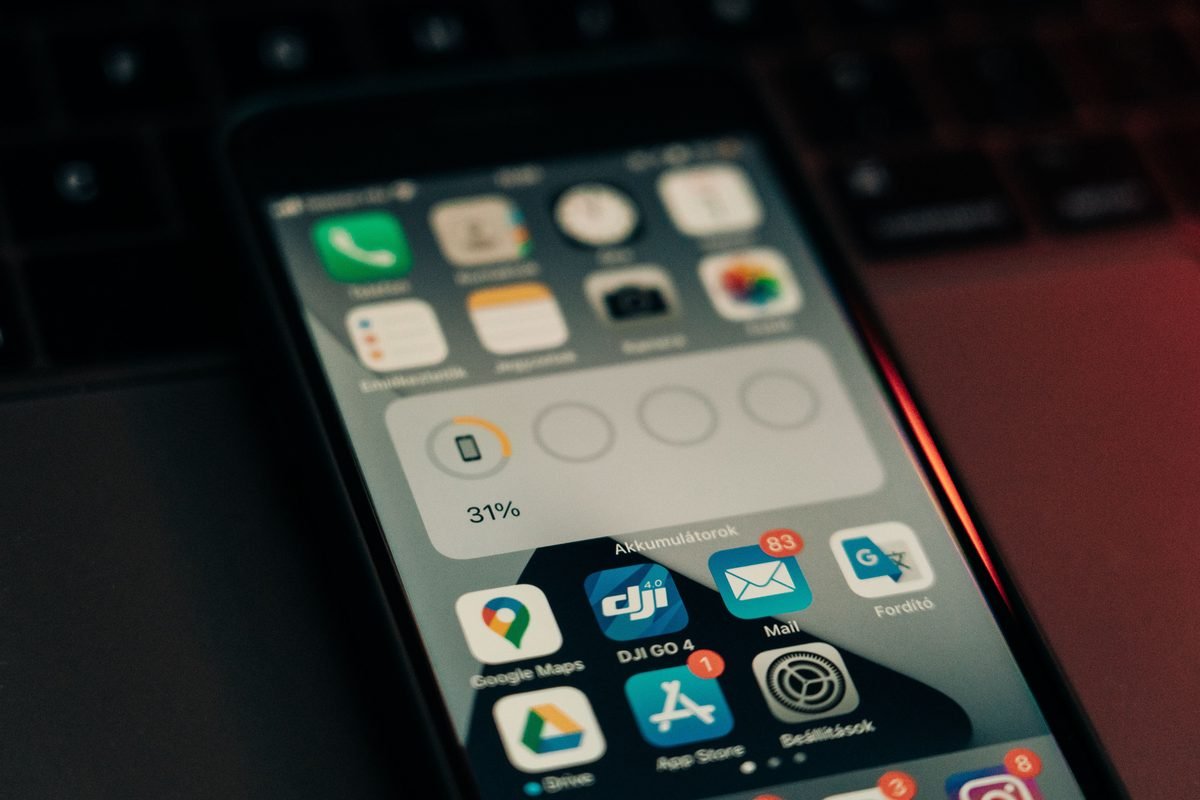
Another common issue is network selection. By default, your phone is set to “Automatic” network selection. If you are near a border, your phone might try to cling to a weak signal from the country you just left. Go into your cellular settings, turn off automatic selection, and manually choose one of the approved local partners listed by your eSIM provider. This simple step can instantly restore a fast 4G or 5G connection.

From a local: Manual network switching
If your signal drops near a border, turn off automatic network selection in your phone settings and manually choose a local partner network to force a connection.
Physical SIM cards versus digital travel profiles
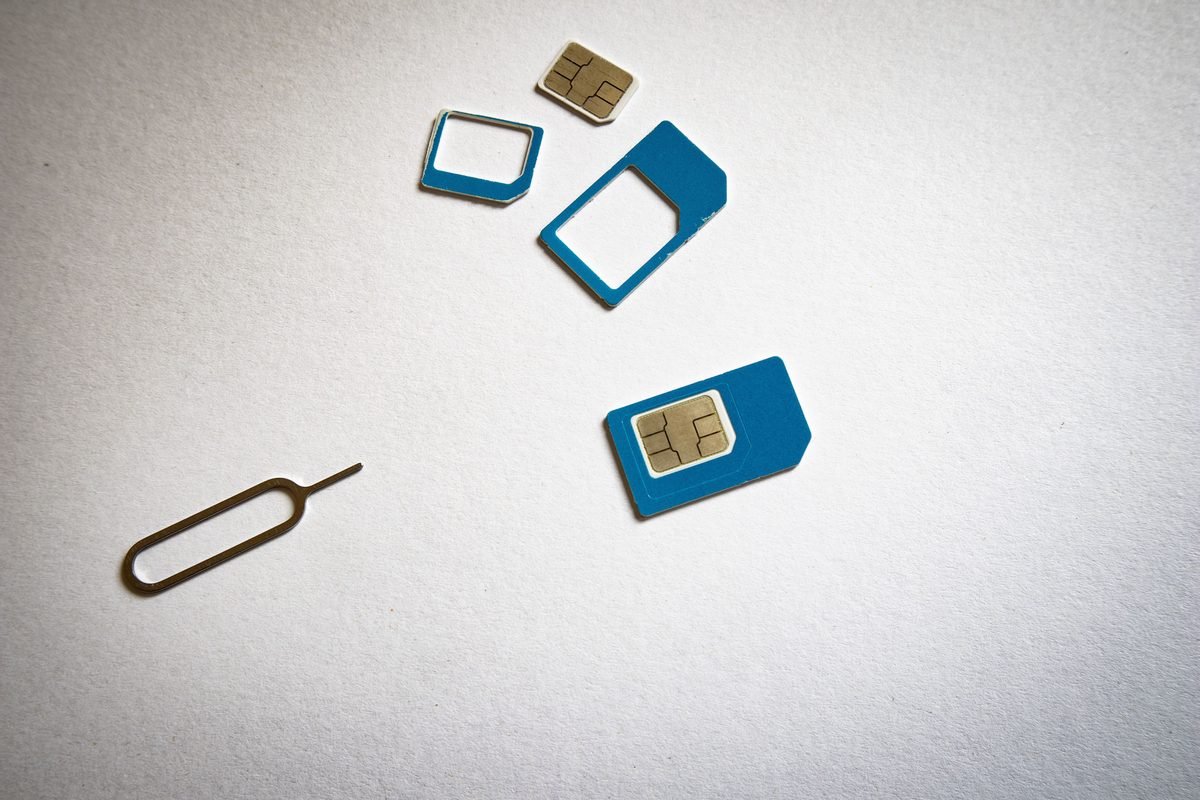
Airport kiosks are a rip-off. If you walk up to a mobile counter at Heathrow or Charles de Gaulle, you will likely pay double the standard rate for a physical plastic card. They prey on tired travelers who just want to get connected. Beyond the high cost, swapping physical cards carries a real risk of losing your tiny home SIM card, which is a massive headache to replace once you return home.
However, physical SIM cards bought from official carrier stores in city centers still have one major advantage: price per gigabyte. If you walk into a local Vodafone store in Madrid or a Telekom store in Berlin, you can purchase a local prepaid physical SIM card with massive amounts of data for very little money. A local plan might give you 100GB of data for just €20 (about $22). The downside is that you must wait in line, present your passport for registration, and physically swap the cards.
For most independent travelers, the sheer convenience of keeping your home SIM active for emergency text messages while using a digital profile for data is worth the slightly higher cost. You do not have to waste precious travel time searching for a phone shop on your first morning in a new city. You can simply step off the plane, turn on your phone, and start navigating immediately.

What an eSIM for Europe costs
| Item | Local price | USD |
|---|---|---|
| Regional eSIM (10GB, 30 days) | €34 | $37 |
| Single-country eSIM (5GB, 14 days) | €14 | $15.50 |
| Airport physical SIM card (10GB) | €45 | $49.50 |
| Local city prepaid SIM (100GB) | €20 | $22 |
| Typical home carrier daily roaming pass | €9 | $10 |
| Estimated two-week connectivity cost | €34 | $37 |
Prices checked September 2026. Always confirm with the provider before you book.
Mistakes to avoid
- Forgetting to turn off data roaming on your home carrier line before landing, which triggers automatic ten-dollar daily fees.
- Buying a single-country plan when your itinerary includes brief transits or day trips through neighboring nations.
- Attempting to install the digital profile using spotty airport public Wi-Fi instead of a secure home network.
FAQ
What is the best eSIM for Europe travel with unlimited data?
Holafly is widely considered the top choice for unlimited data in Europe, offering flexible duration plans that range from 5 to 90 days. However, keep in mind that these plans cap hotspot sharing at a small daily allowance (around 500MB per day), so they are a poor fit if you work from a laptop.
Can I use my eSIM in multiple European countries?
Yes, if you purchase a regional Europe plan from providers like Airalo or Nomad, your phone will automatically switch networks as you cross borders. Always verify that every country on your itinerary is listed in the plan’s coverage details.
Will my physical SIM card still work?
Yes, modern smartphones allow you to keep your physical SIM active alongside your digital travel profile. This is highly useful for receiving important two-factor authentication text messages from your bank while using the travel profile for cellular data.
Do I need a passport to buy an eSIM?
Most digital travel plans purchased through third-party apps do not require passport registration. This is a major advantage over local physical SIM cards, which legally require identity verification at the point of sale in most European nations.
Can I make phone calls with a travel eSIM?
Most travel-focused digital profiles are data-only and do not include a local phone number for traditional voice calls. You can easily make calls using internet-based applications like WhatsApp, FaceTime, or Skype instead.