Things to Do in Hita Japan: A Day Trip from Fukuoka

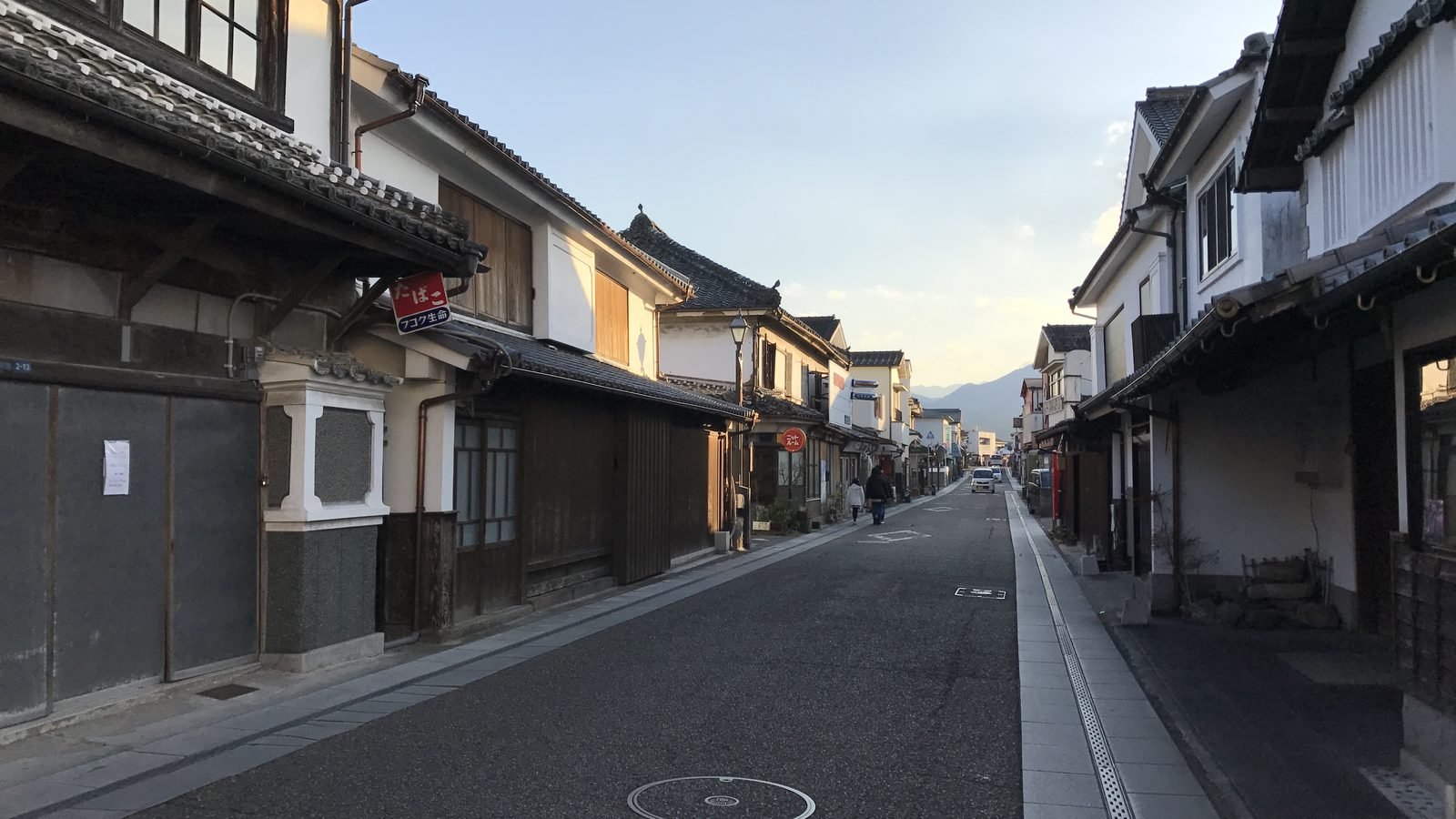
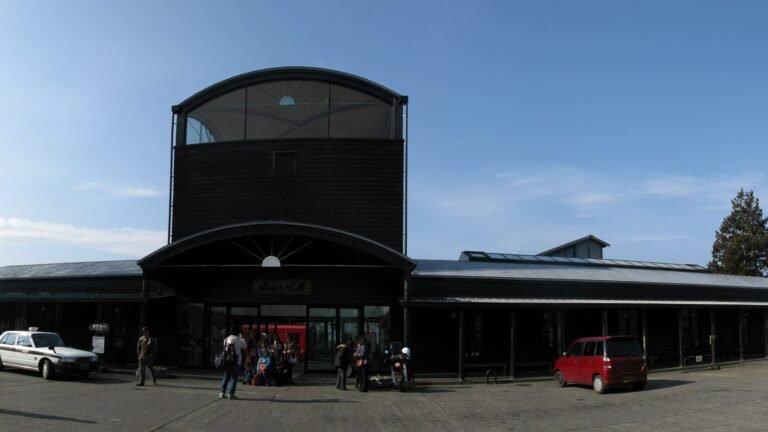
At 8:30 AM on a clear Tuesday morning, the limited express train pulls away from Hakata Station in Fukuoka and enters the deep green cedar valleys of western Oita Prefecture. Just an hour later, you step onto the quiet platform at Hita Station. Cool river air sweeps off the Mikuma River, carrying the faint aroma of cedar shavings from the local timber yards and sweet fermented rice mash from nearby breweries. This small city was once ruled directly by the Tokugawa shogunate as a financial stronghold, leaving behind a beautifully preserved merchant district that feels untouched by modern transit crowds.
If you are looking for an unhurried escape from Kyushu’s larger hubs, finding the right things to do in Hita Japan offers a window into authentic Edo-era heritage. This guide covers how to reach Hita on public transit, how to navigate the historic lanes of Mameda-machi, where to catch traditional summer cormorant fishing on the river, and what local specialties to eat along the way.
How to get there: Transit and things to do in Hita Japan
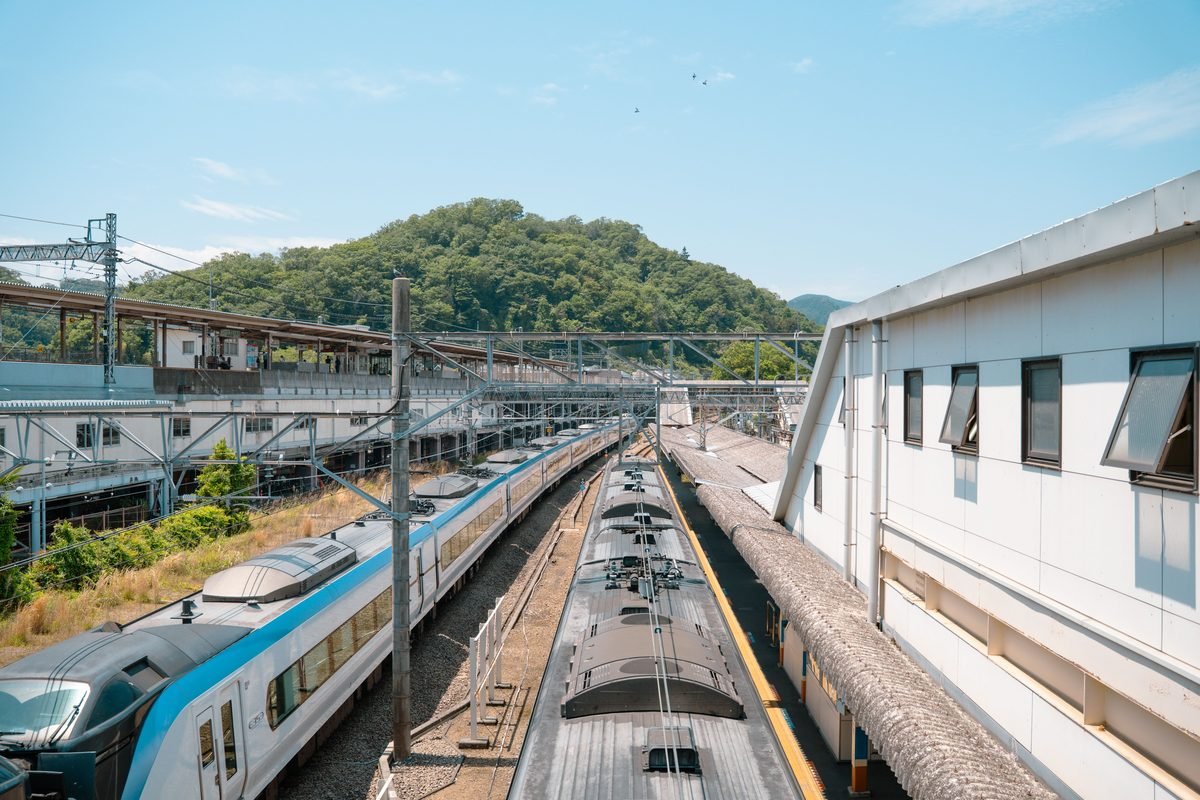
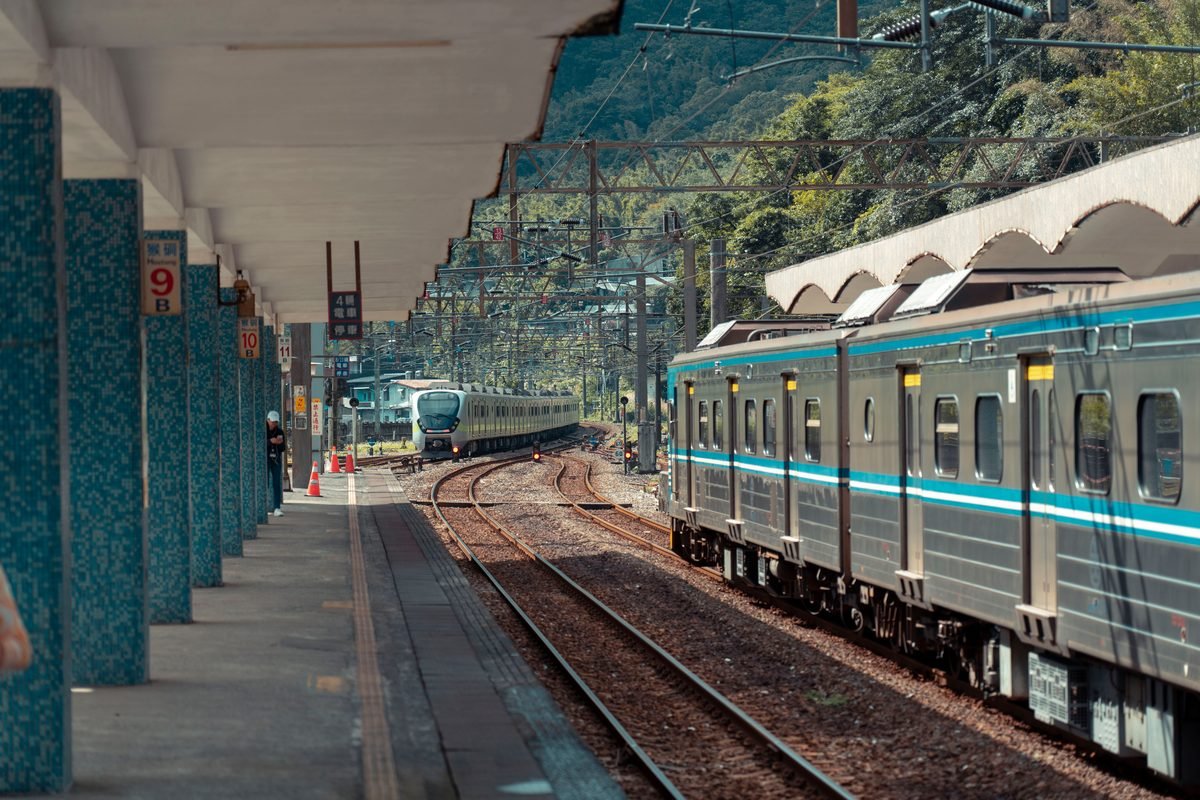
Hita sits in western Oita Prefecture near the border of Fukuoka and Kumamoto, making it one of the easiest small-town getaways in central Kyushu. The most scenic way to arrive is aboard the JR Kyudai Main Line. From JR Hakata Station in central Fukuoka, board the Yufuin no Mori or Yufu limited express train. The ride takes about one hour and fifteen minutes, costing ¥3,150 (about $21) each way for a reserved seat. The tracks trace the winding valleys of the Chikugo River basin, climbing gently into the hills.
Alternatively, highway express buses run directly from the Hakata Bus Terminal and Tenjin Bus Center straight to Hita Bus Terminal, located right in front of JR Hita Station. These highway buses depart every 30 to 45 minutes throughout the day, cost roughly ¥1,980 (about $13) one way, and take around one hour and thirty minutes depending on morning expressway traffic. If you fly directly into Fukuoka Airport, you can board an express highway bus straight from the international terminal without transferring through downtown.
Once you arrive at Hita Station, getting around is simple. The historic center of Mameda-machi sits roughly 1.2 kilometers north of the station. Walking there takes about fifteen minutes through flat residential streets. However, renting a city bicycle from the Hita Tourist Information Center inside the station is the most efficient choice. Standard city cruisers cost ¥1,000 (about $7) per day, while electric-assist bicycles cost ¥1,500 (about $10). Having wheels lets you switch between the northern historic quarter and the southern riverside district in under ten minutes.
Tip: Luggage Storage at the Station
Drop heavy bags at the tourist center inside Hita Station for ¥500 (about $3) if all coin lockers outside the turnstiles are full.
When to go: Seasons, festivals, and river evenings
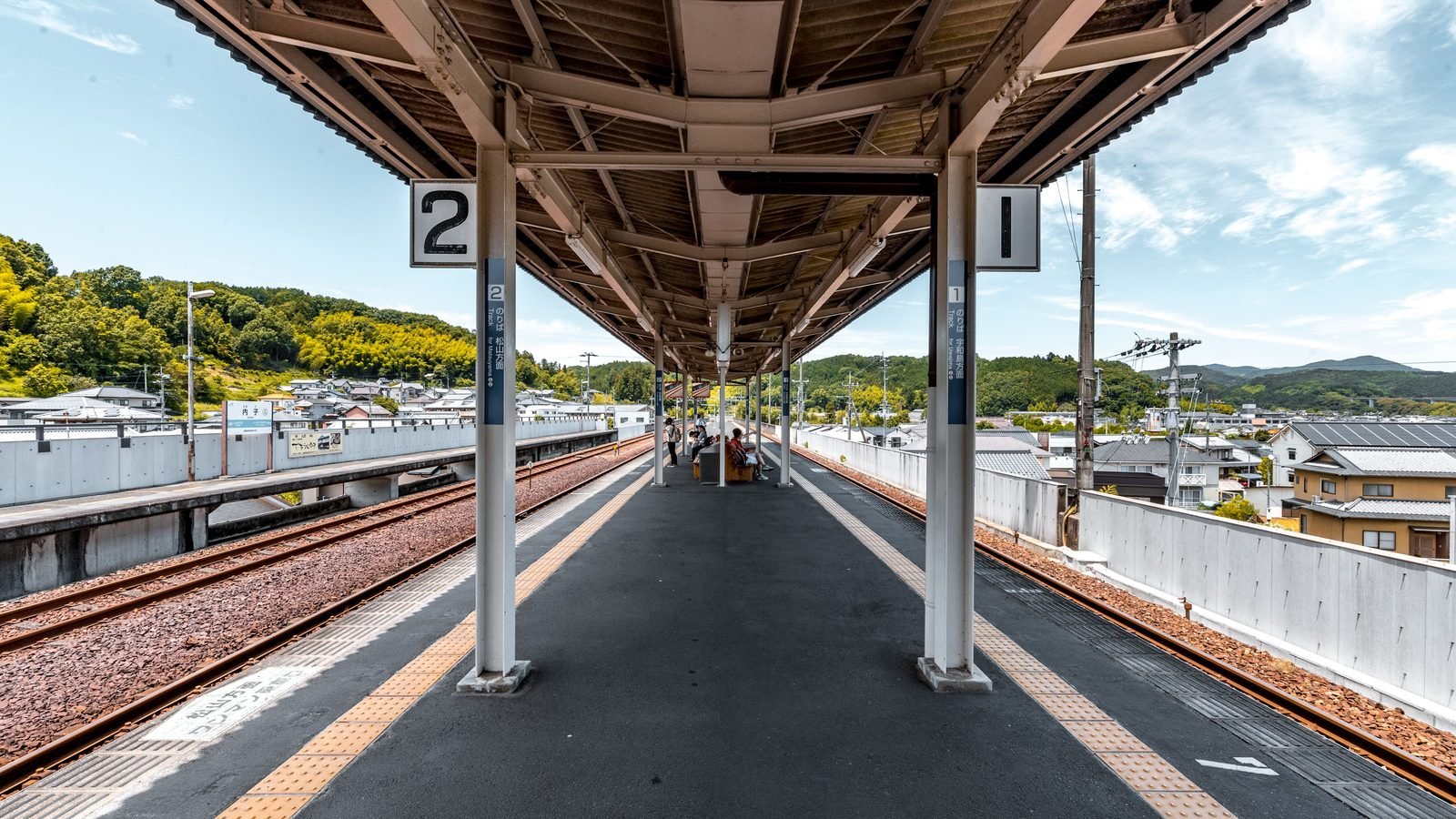
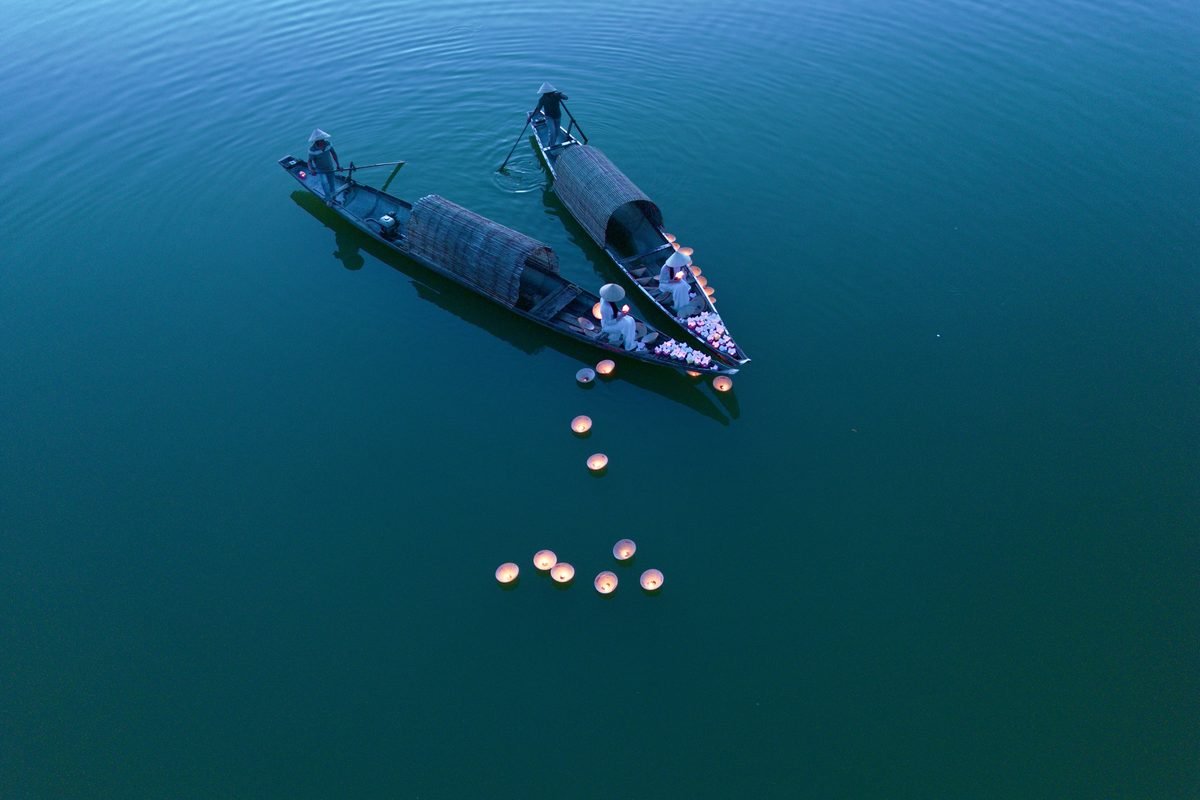
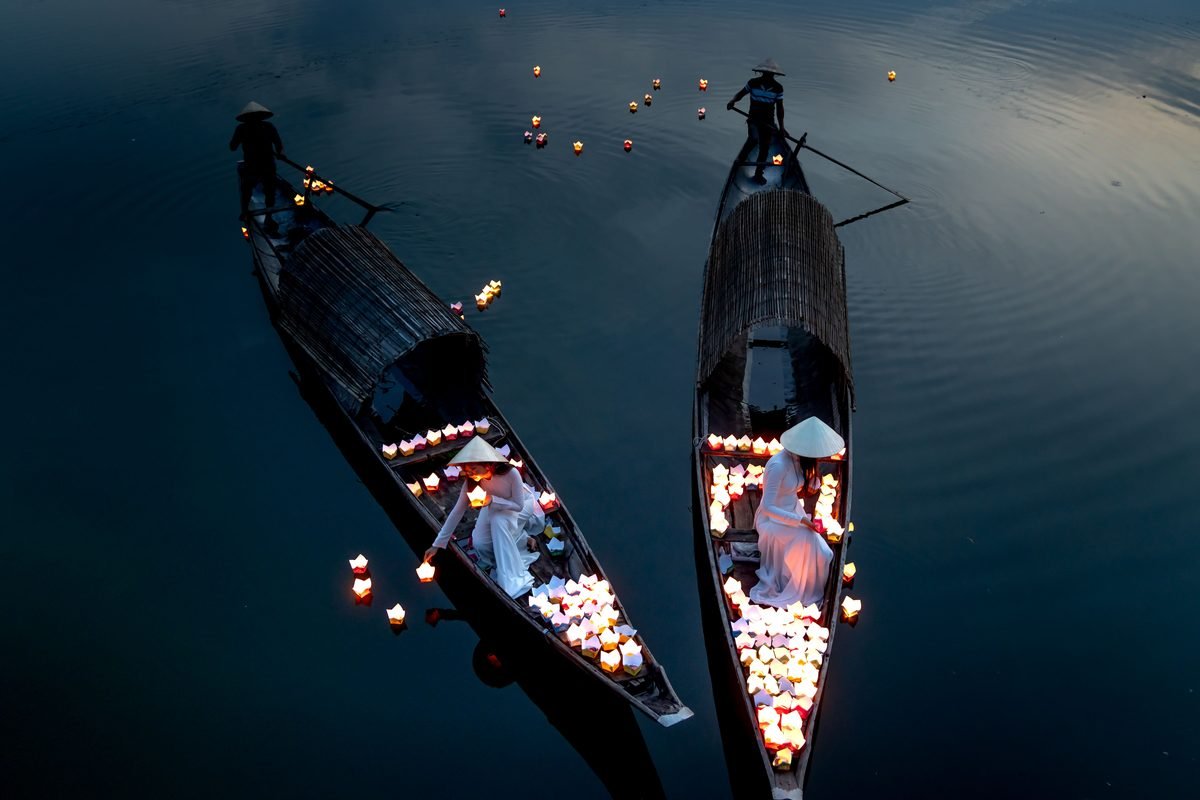
Hita occupies an inland basin, meaning its local climate swings more dramatically than coastal Fukuoka. The most popular season to visit runs from late May through late October, coinciding with the centuries-old tradition of ukai, or cormorant river fishing. Summer evenings bring lantern-lit wooden pleasure boats out onto the calm surface of the Mikuma River. The gentle river breeze provides welcome relief after hot sunny afternoons. Summer brings high heat. July and August temperatures frequently exceed 34°C (93°F) in the basin, so plan outdoor walking tours for morning hours.
Autumn is equally rewarding. From late October to late November, the cedar and maple trees covering the surrounding mountains turn copper and amber, and temperatures hover around a crisp 16°C to 20°C (61°F to 68°F). Late autumn also hosts the Tenryo Hita Festival in mid-November, where hundreds of residents dress in authentic Edo-period period costumes and parade through Mameda-machi under lantern lights to celebrate the town’s historical shogunate status.
Spring brings the celebrated Hita Tenryo Hina Festival, which runs from mid-February through late March. During this period, historic merchant homes, family museums, and public halls display thousands of heirloom doll sets passed down across generations since the 1700s. Winter remains relatively dry and quiet, though daytime temperatures average 6°C to 10°C (43°F to 50°F), making it an ideal season to soak in the town’s riverside hot spring baths without tourist crowds.
From a local: Morning Basin Mist
On clear autumn mornings, head to the Kizan Park riverbank before 7:30 AM to watch thick mountain mist roll off the Mikuma River.
Exploring Mameda-machi: Historic merchant quarter and local crafts
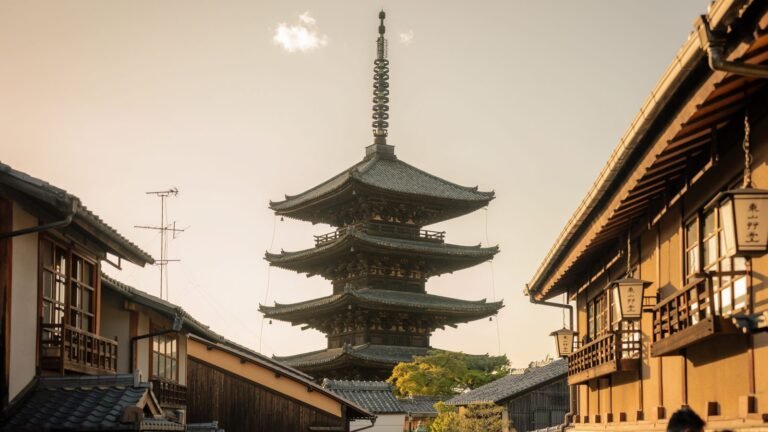
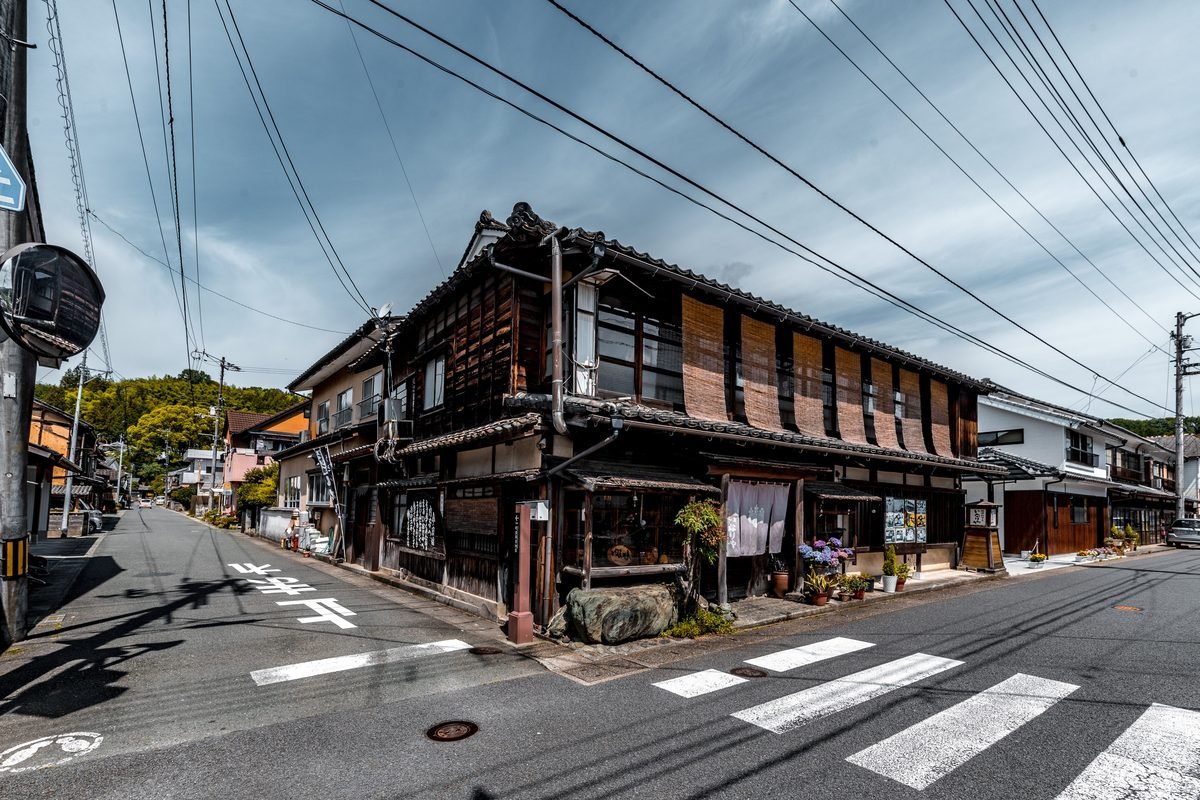
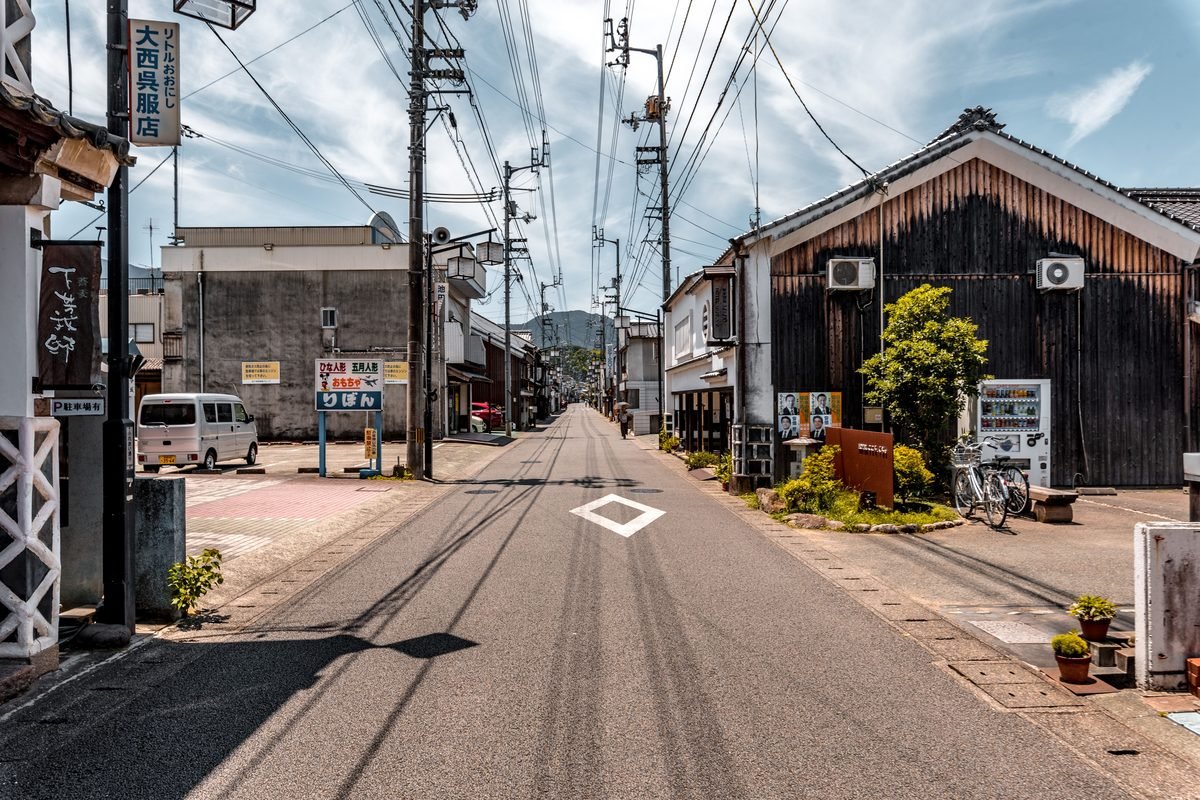
Mameda-machi was designated as a National Important Preservation District for Groups of Traditional Buildings, and walking its two main parallel avenues—Miyuki-dori and Kamimachi-dori—feels like stepping straight into the 18th century. Because Hita was an administrative territory governed directly by the Tokugawa shogunate, wealthy merchants built solid plaster-walled storehouses (kura) and residences topped with heavy dark tiles. Unlike some reconstructed historical streets in major tourist centers, these buildings remain active family businesses, workshops, tea rooms, and medicinal shops.
Start your walk at the Hirose Museum, the former residence and storehouse complex of Tansai Hirose, a prominent merchant and scholar. Admission is ¥450 (about $3), granting access to gardens, antique merchant ledgers, and intricate architectural woodwork. Nearby, drop into the Nihogan pharmacy storehouse, which has produced herbal digestive pills since 1887. The building features an observation tower overlooking the tiled rooftops across the valley, accessible for a modest ¥300 (about $2) entry fee.
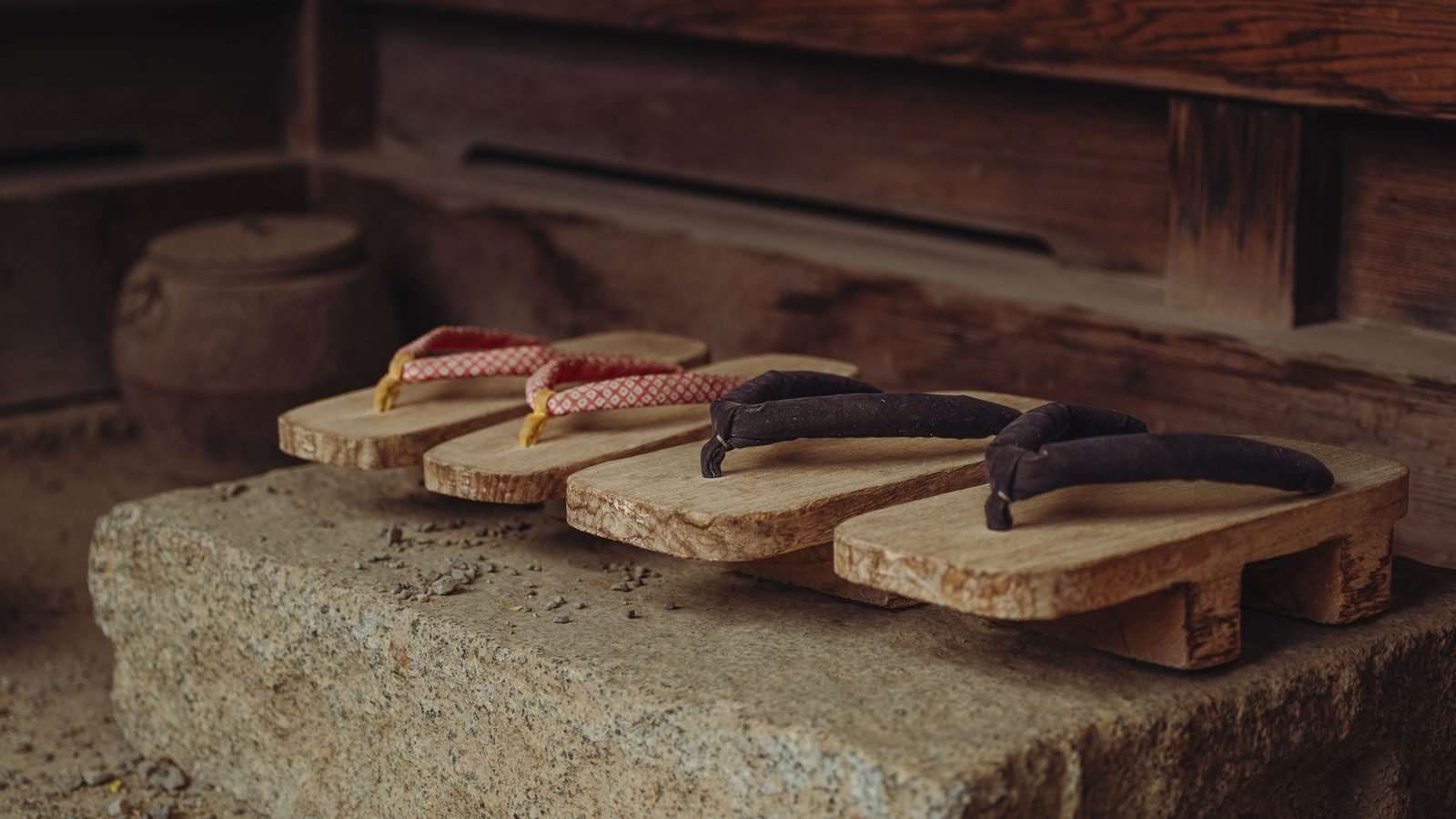
Hita is famous throughout Japan for woodworking, particularly traditional geta (wooden sandals) carved from thick blocks of local aromatic cedar. Along Kamimachi-dori, visit Motonaga Geta Workshop, where artisans chisel footwear by hand. You can purchase everyday cedar sandals starting at roughly ¥2,200 (about $15), or watch craftsmen custom-fit woven fabric straps to bare wooden soles. Take your time wandering the narrow connecting side alleys, where you will find small independent pottery studios and shops selling sweet soy sauce brewed in wooden vats.
Mikuma River cormorant fishing and historic sake breweries
Beyond its merchant streets, Hita’s identity revolves around clean mountain water and the wide Mikuma River. For over four centuries, local fishermen have practiced ukai, catching sweetfish (ayu) using trained cormorants controlled by hand ropes. From late May to late October, visitors can board shared wooden dining boats (yakatabune) from the riverfront ryokan district. A seat on an evening excursion typically runs around ¥4,400 (about $29) for the boat ride alone, or upwards of ¥9,000 (about $60) including a seasonal bento dinner featuring freshly grilled sweetfish salted over charcoal.
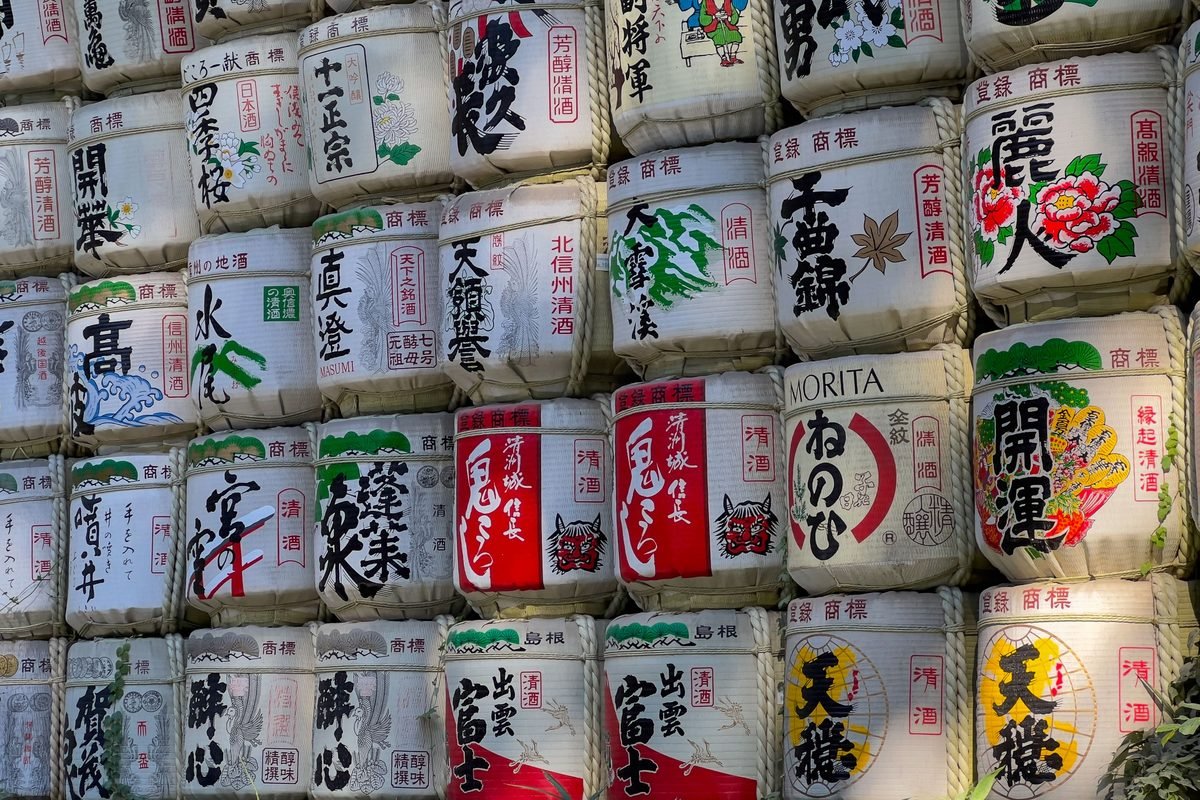
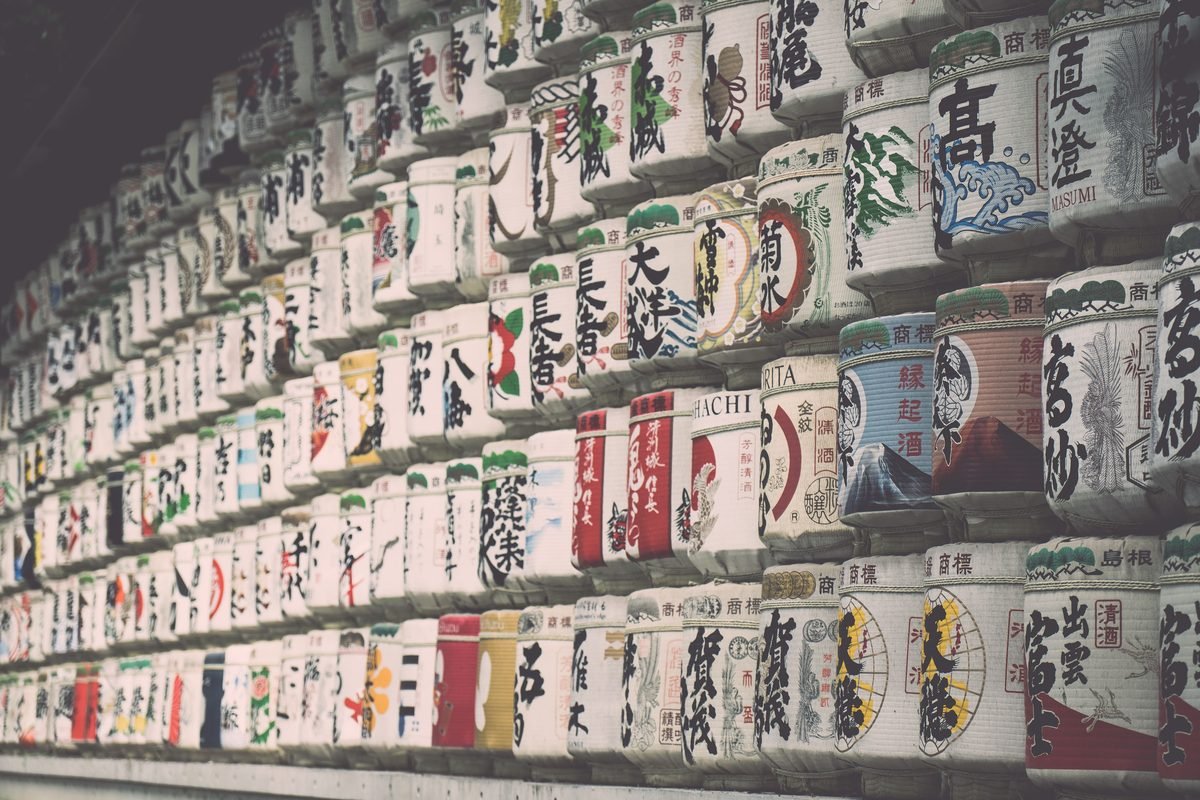
The pristine groundwater that feeds the river also sustains Hita’s celebrated brewing industry. In the northern quarter of Mameda-machi stands Kuncho Brewery, operated by the Inoue Shuzo company since 1804. Step inside the dim, cedar-scented warehouse to see giant historical fermentation vats and a compact museum tracing traditional brewing methods. Tastings of their signature ginjo sake and sweet amazake are available at the front counter, with bottles starting at ¥1,600 (about $11).
If you prefer shochu and fruit liqueurs, a short ride south leads to the Iichiko Hita Distillery, operated by Sanwa Shurui. Set among leafy landscaped grounds, the facility offers self-guided walkways through the distillation chambers and complimentary tastings of regional barley shochu and plum wines. For beer enthusiasts, the Sapporo Kyushu Hita Brewery sits perched on a hill above town, offering brewery tours and a tasting room with expansive panoramic views across the entire river valley.
Book ahead: Reserve Cormorant Boats in Advance
Weekend dinner cruises on the Mikuma River during July and August sell out weeks ahead; reserve your seat through the local tourism board at least three weeks early.
Where to eat: Hita yakisoba, sweetfish, and local citrus
Hita has developed its own distinctive culinary traditions shaped by river culture and local agriculture. The city’s most famous everyday dish is Hita yakisoba. Unlike soft, stir-fried noodles found elsewhere in Japan, Hita-style noodles are pressed onto a scorching flat-top griddle until the exterior turns deeply browned and crispy. The grilled noodles crunch. They are tossed with tender strips of pork, a mountain of fresh bean sprouts, green onions, and a tangy, Worcestershire-based dark sauce that caramelizes on high heat.
To taste the original recipe, visit Sofuren, the local institution that created the dish in the 1950s. A standard plate of yakisoba costs around ¥950 (about $6.50), served with pickled red ginger and a side of clear broth. The texture combines satisfying crunch and tender chew in every bite. Another beloved local spot is Mikuma Hanten, known for serving hearty plates of yakisoba alongside steaming bowls of rich tonkotsu ramen.
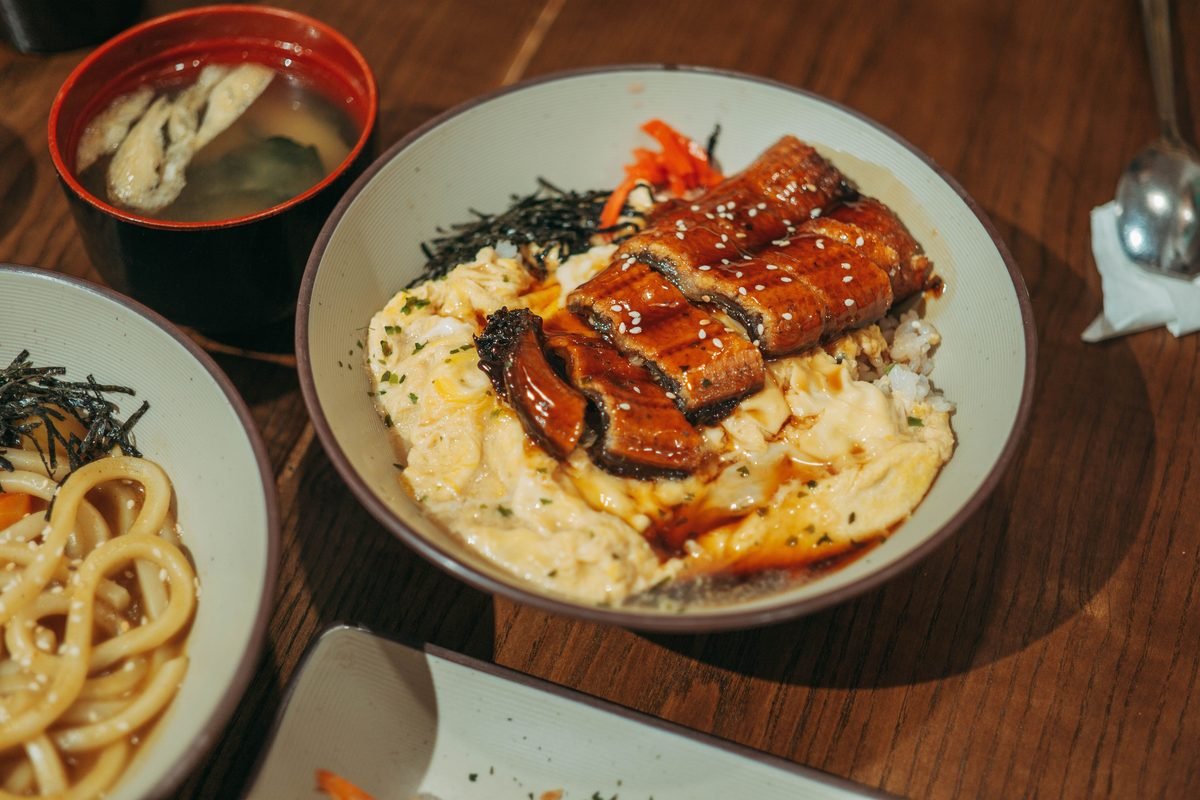
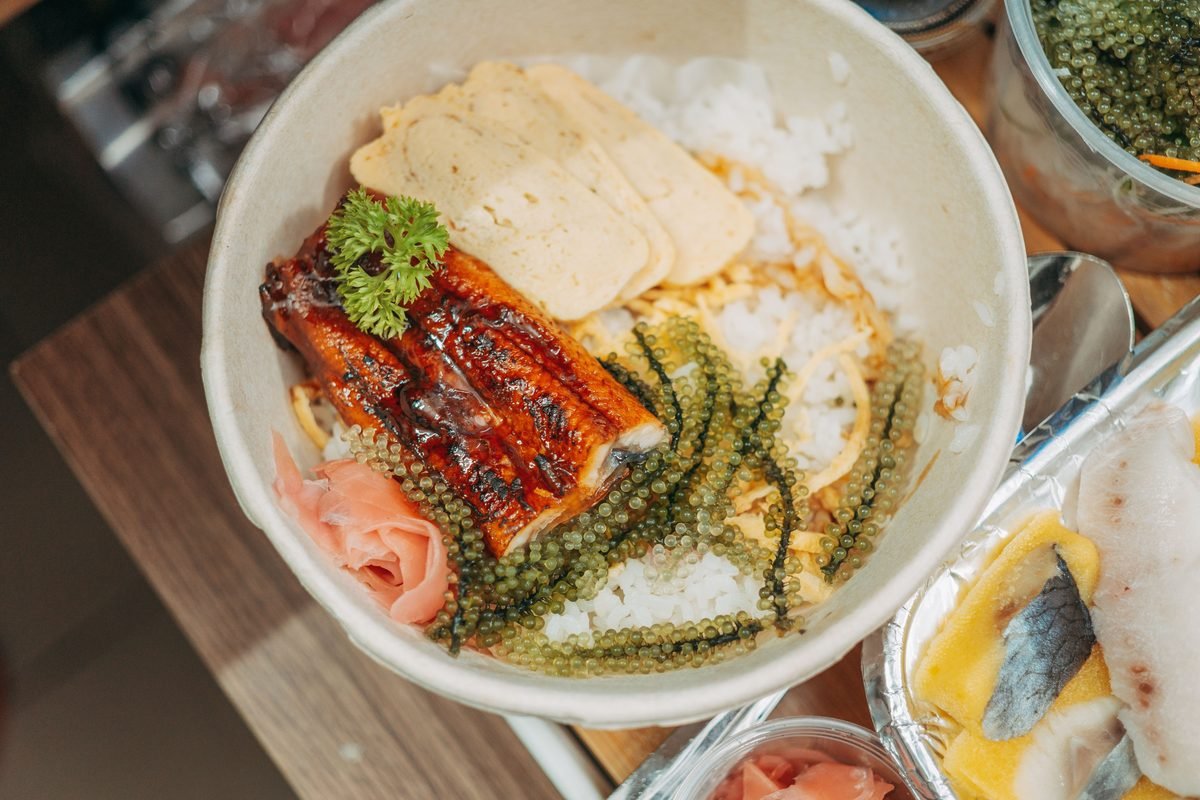
For a traditional sit-down lunch along the river, order ayu no shioyaki (salt-grilled sweetfish) or hitsumabushi (steamed and grilled freshwater eel served over rice). At Senya, a renowned unagi restaurant in Mameda-machi, an eel set costs around ¥3,600 (about $24). You eat the first third plain, mix the second third with wasabi and fragrant yuzu kosho (a spicy local citrus and chili paste), and finish the remainder by pouring hot dashi broth over the bowl. Keep room for sweet treats: street stalls sell sweet red bean kintsuba cakes and yuzu-flavored soft serve ice cream for ¥400 (about $2.70).
Practical tips: Bicycles, payments, and neighborhood etiquette
Planning your day in Hita requires minimal logistics, but a few practical adjustments will make your trip far smoother. Cash is still essential here. While modern chain convenience stores and major ticket offices accept IC cards and credit cards, dozens of traditional craft workshops, bakeries, and family-run noodle joints in Mameda-machi only take physical yen notes and coins. Carry at least ¥10,000 in cash for meals, entry tickets, and souvenirs.
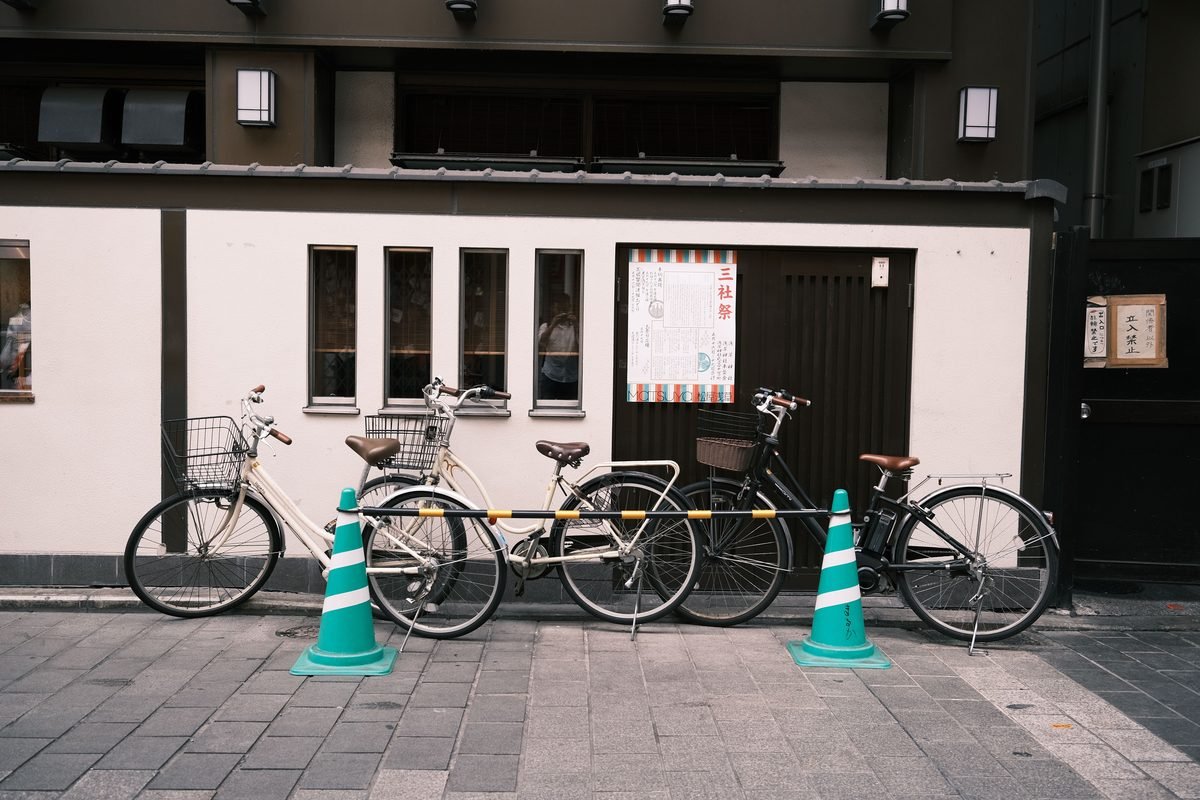
Rent a bicycle instead. Walking from Hita Station to Mameda-machi takes fifteen minutes, but biking allows you to easily connect the northern merchant quarter with the southern hot spring onsen inns along the Mikuma River. The bike rental counter at Hita Station provides a detailed English cycling map highlighting designated bicycle parking racks around the pedestrian-friendly historic lanes. Never park bikes directly in front of active shop entrances or narrow side alley doorways.
Opening hours in Mameda-machi lean traditional. Most craft shops and historic museum houses open at 9:30 AM and close promptly by 5:00 PM. If you plan to take a day trip from Fukuoka, catch a morning train arriving around 9:00 AM to give yourself a full day of sightseeing before storefront shutters close. After 5:30 PM, the historic northern district becomes quiet, shifting activity south to the riverfront restaurants and hot spring bathhouses along the water.
Heads up: Shop Closures on Wednesdays
Many small artisan studios, sake tasting counters, and family restaurants in Mameda-machi close on Wednesdays and Thursdays; visit Friday through Tuesday for full access.
What it costs in Hita
| Item | Local price | USD |
|---|---|---|
| Round-trip Highway Bus (Fukuoka to Hita) | ¥3,960 | $26 |
| Round-trip Limited Express Train (Fukuoka to Hita) | ¥6,300 | $42 |
| Full-day Standard Bicycle Rental | ¥1,000 | $7 |
| Mameda-machi Historic Museum Admissions (2 sites) | ¥750 | $5 |
| Hita Yakisoba Lunch at Sofuren | ¥950 | $6.50 |
| Sake Tasting & Snack in Mameda-machi | ¥1,200 | $8 |
| Evening Cormorant Fishing Boat Ride (Shared) | ¥4,400 | $29 |
| Mid-range Riverside Ryokan (Per person with dinner) | ¥18,000 | $120 |
| Realistic Daily Total (Day Trip with Train & Lunch) | ¥9,000 | $60 |
Prices checked September 2026. Always confirm with the provider before you book.
Mistakes to avoid
- Arriving after 3:00 PM on a day trip, leaving too little time before historic merchant houses and craft workshops close at 5:00 PM.
- Relying entirely on credit cards or mobile payment apps, as many generational shops in Mameda-machi remain strictly cash-only.
- Skipping the Mikuma riverbank district entirely to stay solely in Mameda-machi, missing the hot spring footbaths and cormorant boats.
FAQ
How many days should you spend in Hita?
One full day is plenty of time to explore Mameda-machi, tour a sake brewery, and enjoy lunch. However, staying overnight allows you to experience an evening cormorant fishing boat ride and soak in the riverside hot springs without rushing back to Fukuoka.
What are the best things to do in Hita Japan on a rainy day?
On rainy days, you can tour indoor storehouse museums like the Hirose Museum, sample sake inside Kuncho Brewery’s historic halls, browse wooden cedar crafts along Mameda-machi’s covered walkways, or relax in a day-use riverside hot spring bathhouse.
Is Hita easy to reach from Fukuoka without a car?
Yes, direct highway express buses depart Hakata and Tenjin bus centers every 30 to 45 minutes, taking about 90 minutes. JR limited express trains run directly from Hakata Station to Hita Station in roughly 75 minutes, making public transit very straightforward.
What is unique about Hita yakisoba?
Unlike typical Japanese stir-fried noodles which are soft and saucy, Hita yakisoba is grilled flat on high heat until the raw noodles become partially charred and crispy, then mixed with pork, green onions, crunchy bean sprouts, and dark sauce.
Is Mameda-machi pedestrian only?
Mameda-machi is not strictly pedestrian-only, and cars occasionally pass down the narrow streets at very low speeds. Walking and cycling are extremely easy, but you should keep to the sides of the street when vehicles approach.