Hanoi Street Food Guide: How to Eat Like a Local

At 6:30 AM on Hang Dong Street, the air smells of star anise and charred ginger. A grandmother lifts the lid off a ninety-liter pot, releasing bone-broth steam across the damp pavement. This is Hanoi waking up. You sit on a blue plastic stool, knees level with your chin, waiting for a steaming bowl of beef noodle soup. Eating on the street here is the main event.
This Hanoi street food guide is for independent travelers who want to skip sanitized restaurants and eat like locals. We will cover the daily culinary rhythm, from early-morning pho bo to midday bun cha, afternoon egg coffee, and dusk bia hoi sessions. You will learn the unwritten rules of stall etiquette, how to spot hygienic vendors, and what you should actually pay in local currency.
How to find the best spots with a Hanoi street food guide
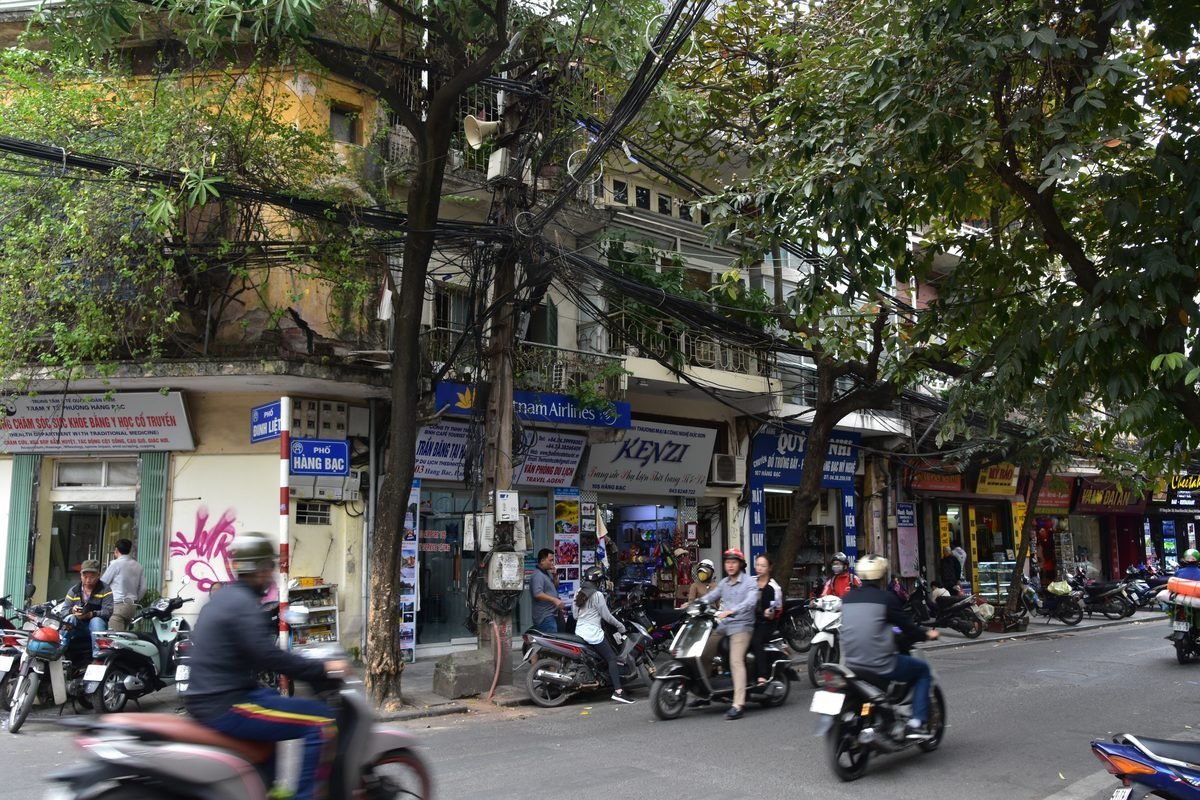
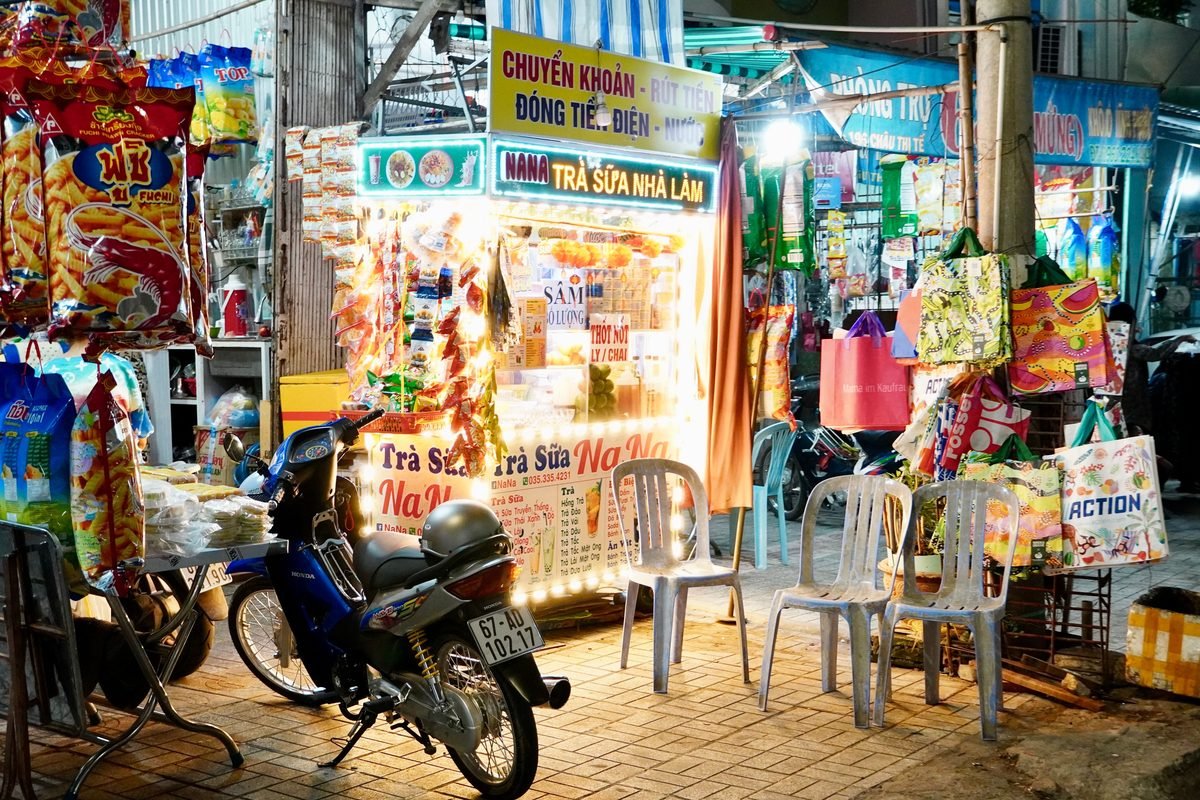
Navigating the maze of the Old Quarter requires a shift in how you read a city. Instead of looking for signs or storefronts, you must look at the sidewalks and the ground. The most successful food operations in Hanoi rarely occupy permanent indoor dining rooms; they spill out of narrow alleyways, residential entryways, or the ground floors of family homes. To find the real culinary landmarks, watch the movement of local residents during peak dining hours. If you see a crowd of office workers in smart trousers precariously balanced on tiny plastic stools at noon, you have found a winner. Do not hesitate.
Hygiene is a common concern for first-time visitors, but simple visual cues will keep your stomach safe. Look for high-turnover stalls where the food is cooked to order and the ingredients do not sit exposed to the elements. A good stall usually specializes in just one or two dishes, which means they go through their raw ingredients rapidly. Check the floor around the tables. In Hanoi, it is customary to throw used tissues, lime wedges, and herb stems directly onto the ground; a floor littered with papers actually indicates a high volume of recent customers. The staff will sweep it up periodically, but a clean floor during peak hours often means a lack of business. Also, inspect the metal surfaces. Stainless steel prep tables that are wiped down constantly are a sign of a diligent vendor. Avoid places where pre-cooked meats are piled high under glass cases with no steam rising, as these may have been sitting out for hours.
When traveling around the city, skip the standard taxis for short food hops. Walking is the best way to explore the Old Quarter, but for longer distances to districts like Ba Dinh or Truc Bach, use ride-hailing apps like Grab. A short motorbike ride across town costs about 20,000 VND (about $0.80) to 35,000 VND (about $1.40). It is fast, cheap, and saves you from negotiating fares on the street.
From a local: Spotting the Best Broth
If you see a giant aluminum pot bubbling away right on the sidewalk with bones sticking out, that is where you want to eat. Locals look for the size of the pot as a direct indicator of broth depth and quality.
When to eat pho bo and local specialties
To eat well in Hanoi, you must align your appetite with the city’s strict culinary clock. Stalls open and close with remarkable precision, often serving only one specific dish for a three-hour window before packing up completely. If you show up for pho bo at 2:00 PM, you will likely end up with mediocre, leftover broth or a closed metal shutter. Morning starts early in Hanoi. The best noodle soups are consumed between 6:00 AM and 9:00 AM when the broth has been simmering all night and is at its richest. By mid-morning, these breakfast vendors wash their pots and disappear, making way for the lunch crowd.
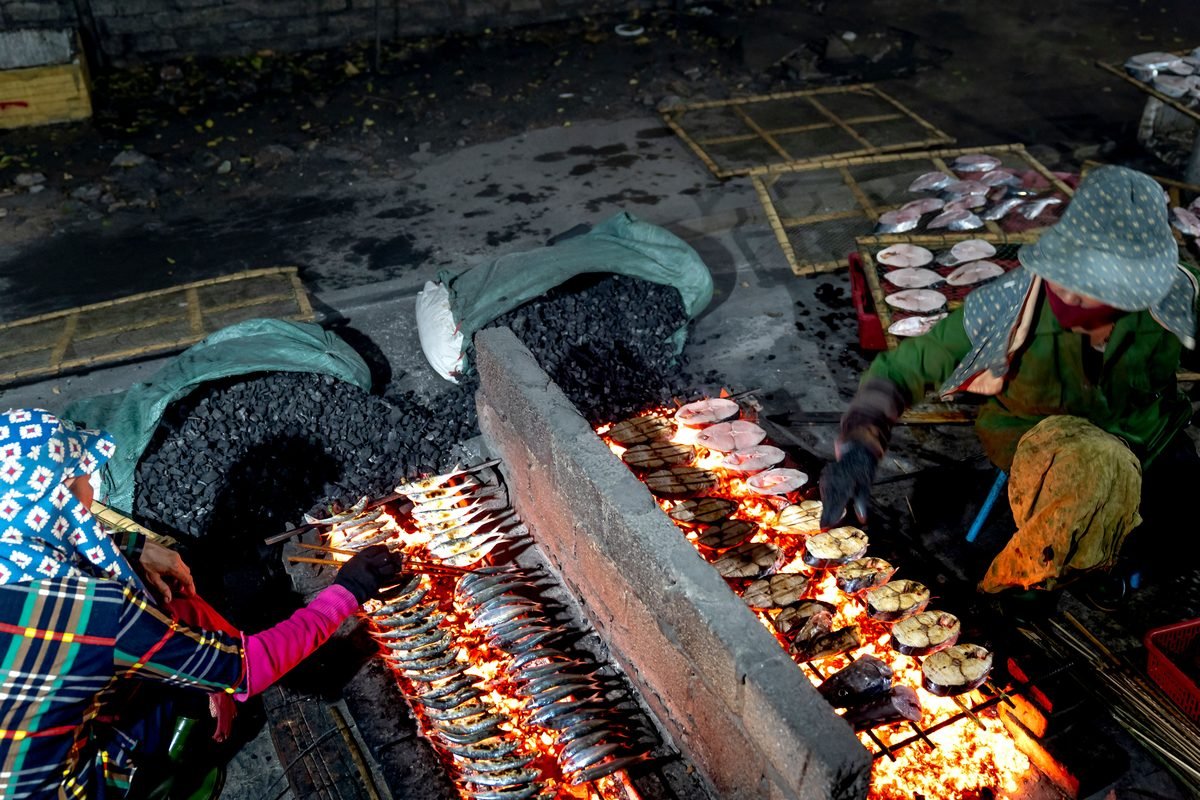
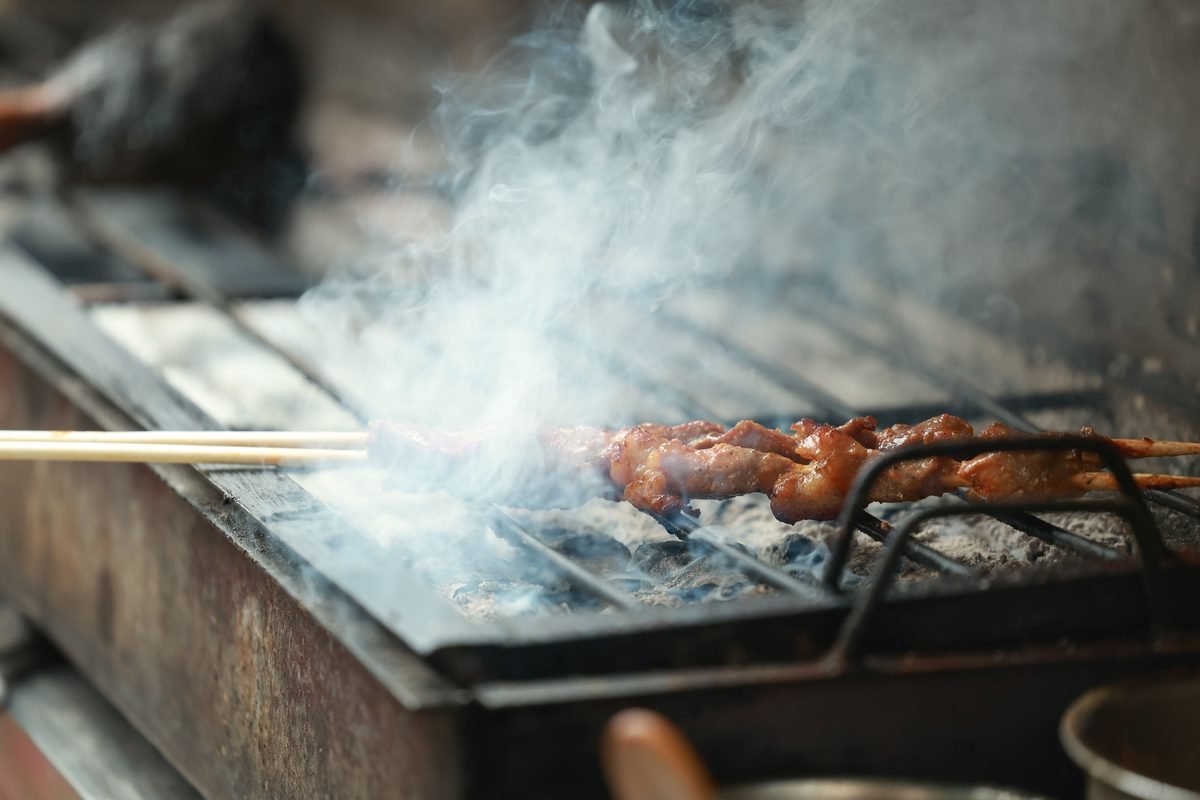
The midday shift belongs to bun cha and bun bo nam bo. From roughly 11:30 AM to 1:30 PM, charcoal grills are set up on the sidewalks, filling the air with sweet, smoky pork smoke. This is a heavy, savory meal designed to fuel the afternoon, and locals rarely eat it outside of these lunch hours. Trying to find authentic bun cha at 8:00 AM is nearly impossible, as the coals are not yet hot. After 2:00 PM, the city enters a quiet lull. This is the ideal time to seek out sweet snacks, fried pastries, or a slow coffee in a hidden courtyard.
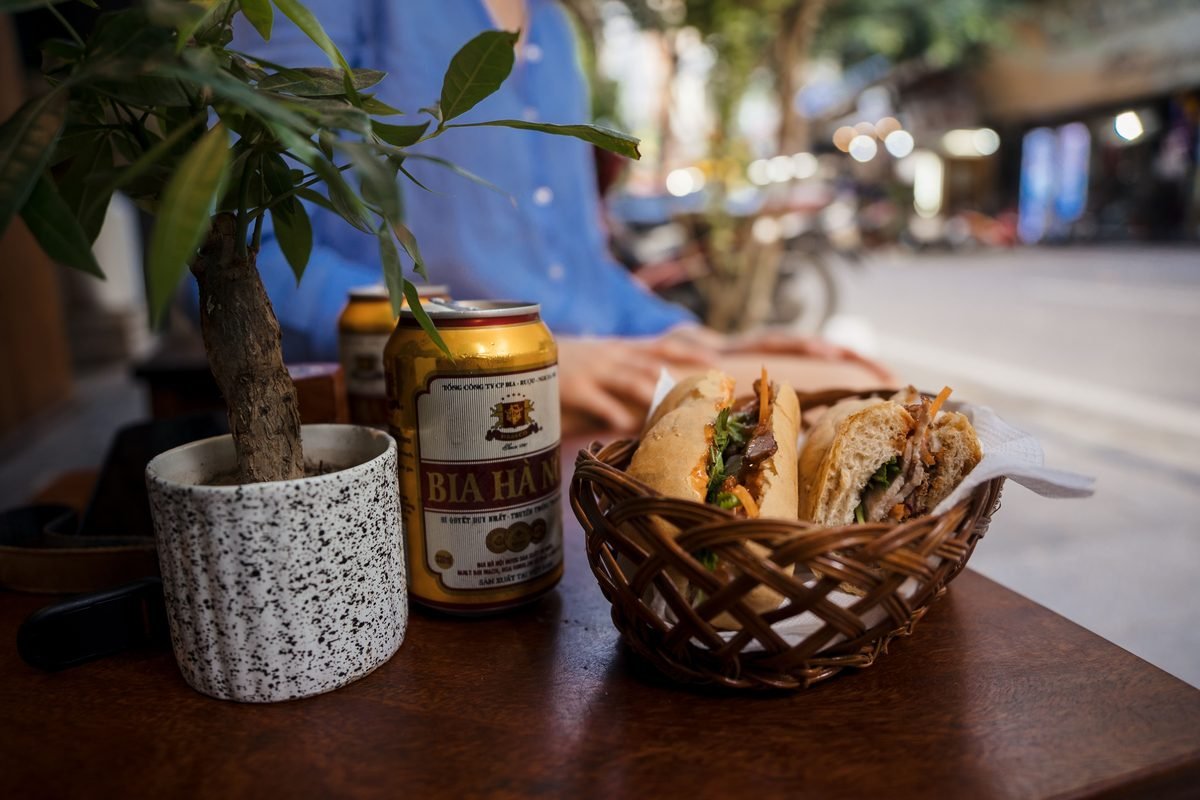
As dusk approaches around 5:30 PM, the culinary landscape shifts again. Snacking stalls offering banh mi, steamed buns, or sweet che desserts do a brisk trade as people leave work. By 6:30 PM, the focus moves toward communal dining. This is when the bia hoi corners fill up and groups gather for hotpots (lau) or grilled meats on paper-lined stoves. The evening meal is a leisurely affair, often stretching late into the night. If you want the freshest food, always eat at the start of each designated meal window.
What to order for breakfast and lunch
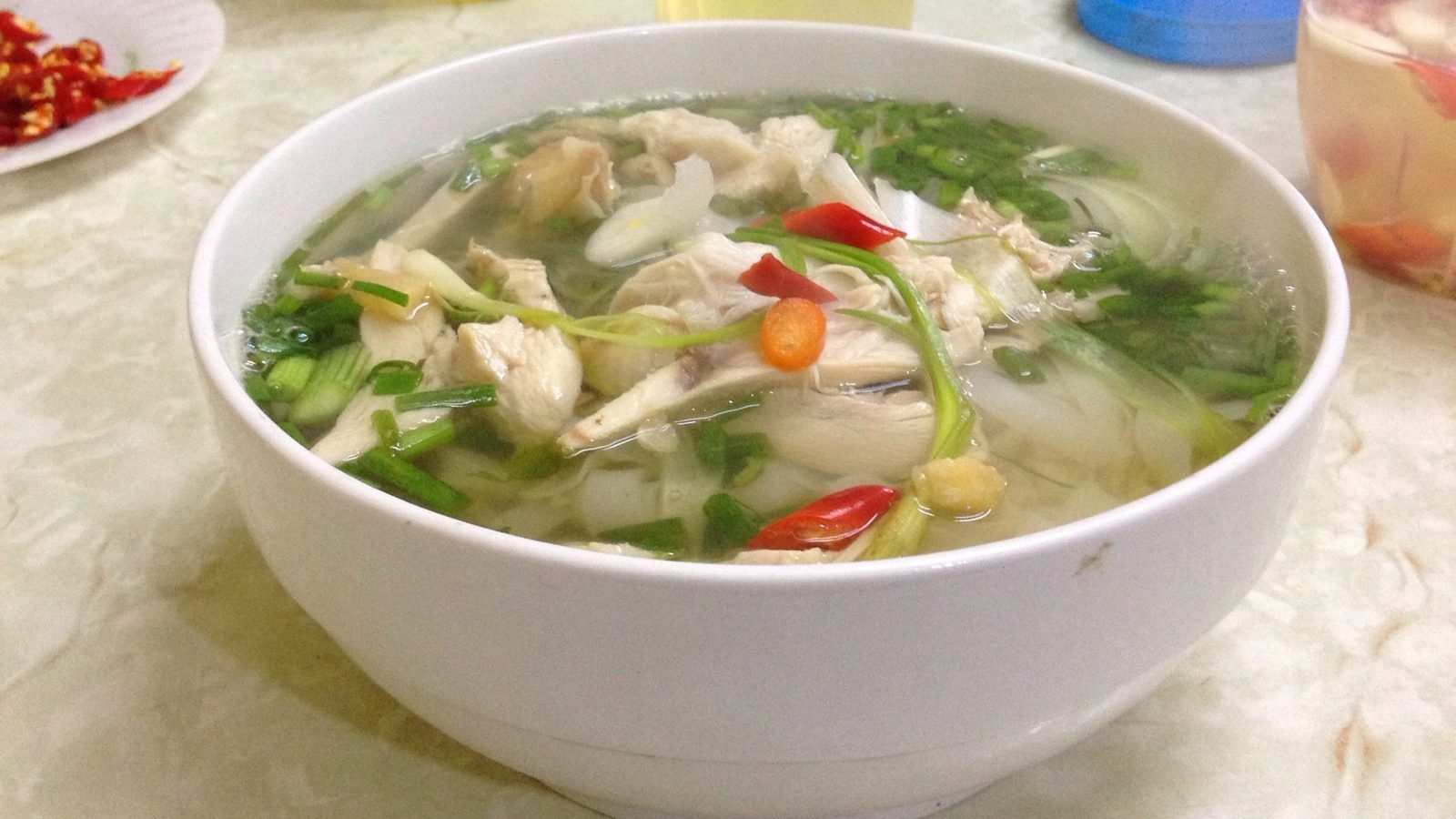
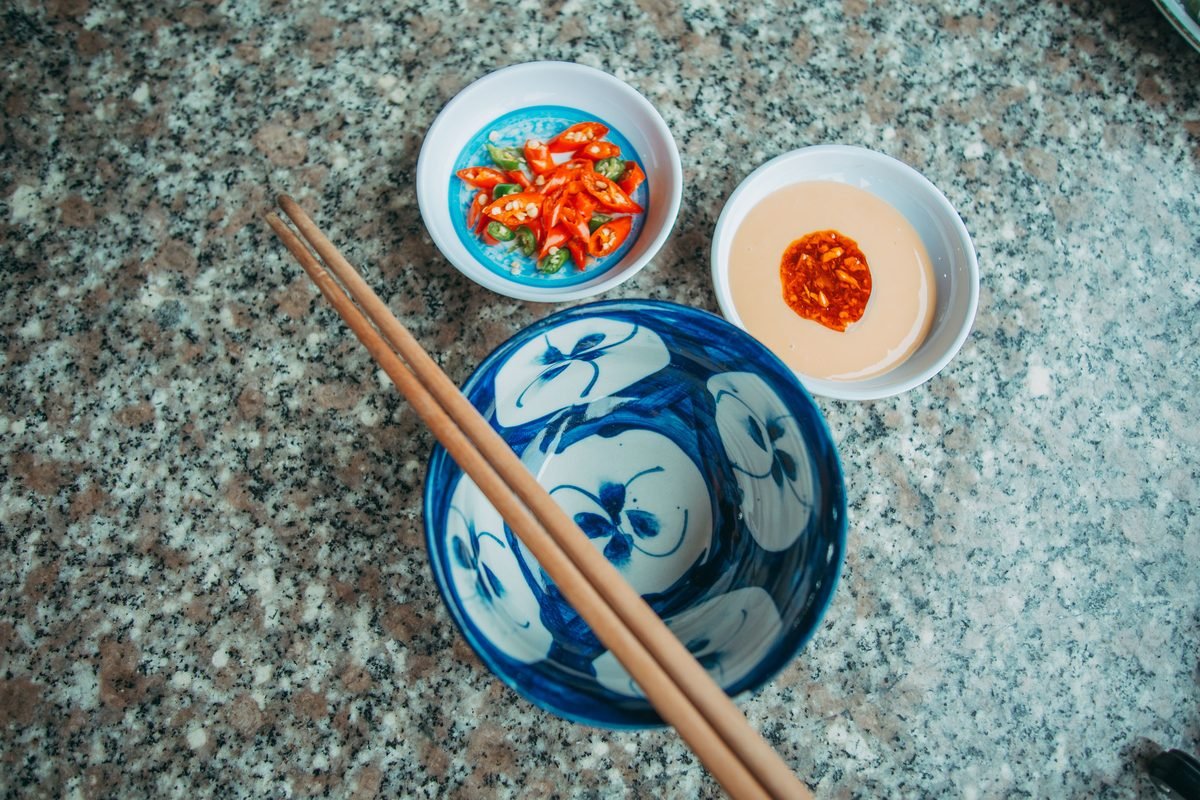
Your breakfast in Hanoi should almost always begin with a bowl of pho bo. The northern style of this famous noodle soup is minimalist compared to its southern counterpart. You will not find bean sprouts, hoisin sauce, or a mountain of Thai basil here. Instead, the focus is entirely on a clear, deeply savory beef broth, delicate rice noodles, and tender slices of beef. The broth is the star. It is seasoned simply with star anise, cinnamon, black cardamom, ginger, and fish sauce. When your bowl arrives, taste the broth first before adding anything. Then, customize it with a squeeze of fresh lime, a few slices of raw bird’s eye chili, or a splash of garlic vinegar. Order a side of quay, which are crispy, unsweetened fried dough sticks, for about 10,000 VND (about $0.40). Dip them into the broth until they soften.
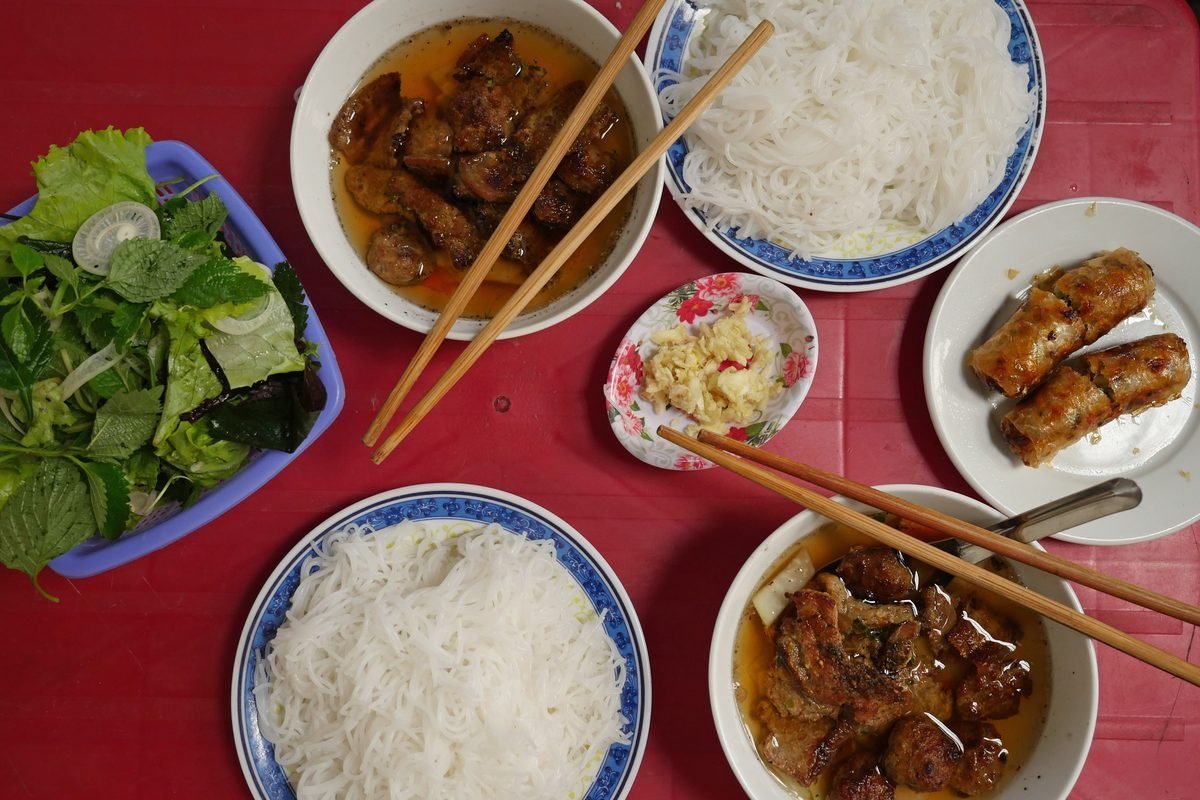
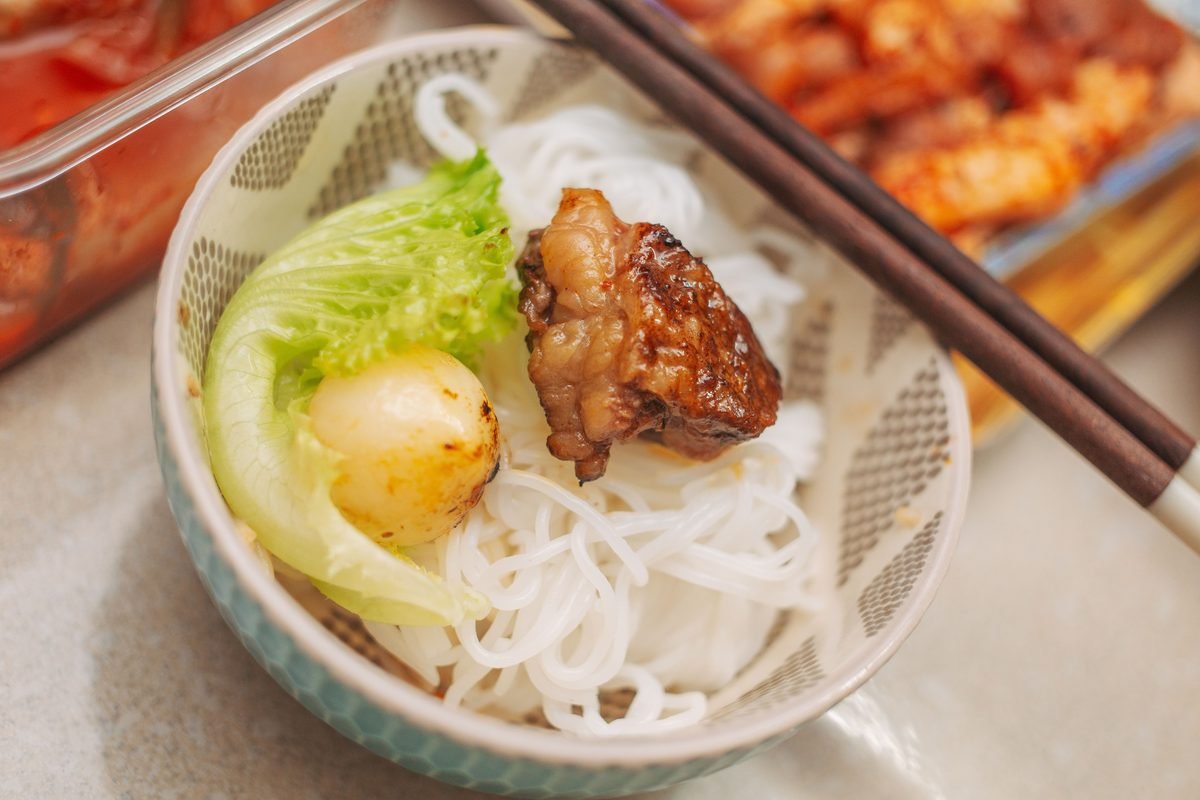
For lunch, seek out bun cha, the dish made famous globally by Anthony Bourdain. A standard serving costs roughly 50,000 VND (about $2.00) to 70,000 VND (about $2.80). It consists of a bowl of warm, sweet-and-savory broth containing grilled pork patties and slices of pork belly, served alongside a plate of cold rice vermicelli noodles and a mountain of fresh herbs like shiso, mint, and coriander. To eat it, grab a small bundle of noodles with your chopsticks, dip them directly into the pork broth, add some herbs, and eat everything in one bite. You can also order nem cua be, which are crispy, square crab spring rolls. Cut them into bite-sized pieces and dip them in the same broth. The contrast of hot, crispy roll and cool, sweet broth is unmatched. Look for vendors on Hang Manh Street or near the cathedral for some of the most consistent lunch preparations.
Heads up: Watch Out for Fake Stalls
Some highly rated bun cha stalls have copycat vendors set up right next door with almost identical signs. Double-check the exact street number before you sit down to avoid a mediocre meal.
Where to find egg coffee and afternoon treats
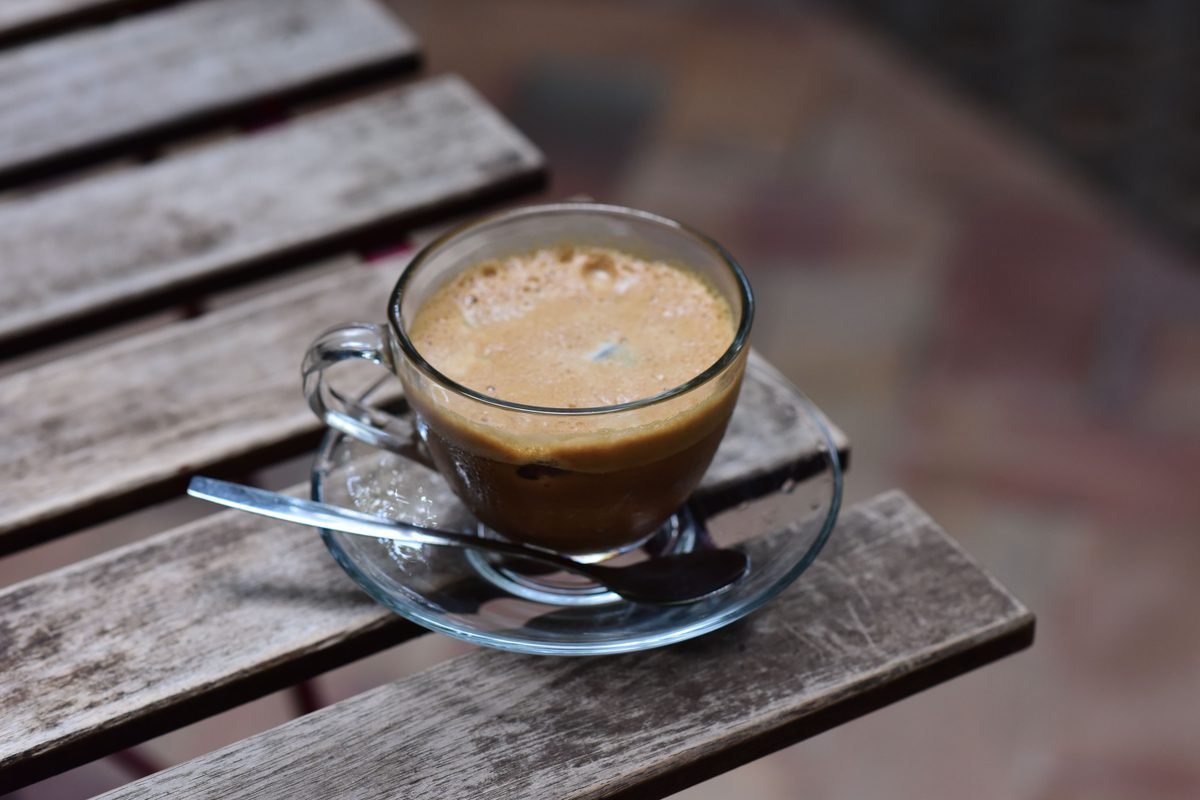
When the afternoon heat peaks, seek shelter in one of Hanoi’s historic cafes. The city’s most famous beverage is egg coffee, or ca phe trung. This rich drink was invented in the 1940s during a dairy shortage when condensed milk was scarce, prompting a clever bartender at the Sofitel Legend Metropole hotel to whip egg yolks as a substitute. The result is a thick, custard-like foam poured over intense, dark Vietnamese robusta coffee. Egg coffee is surprisingly rich. It tastes more like a liquid tiramisu than a standard morning beverage. You can find the original recipe at Cafe Giang on Nguyen Huu Huan Street, where a cup costs about 35,000 VND (about $1.40). Sit down.
If Cafe Giang is too crowded, walk over to Cafe Dinh on Dinh Tien Hoang Street. This lesser-known spot is located up a narrow, dimly lit staircase inside a traditional tube house. The atmosphere here feels frozen in time, with low wooden stools, peeling walls, and locals smoking cigarettes while listening to classic rock. To drink egg coffee properly, use a spoon to taste the sweet, creamy foam first, then gently stir the dark coffee from the bottom to create a balanced blend of bitter and sweet.
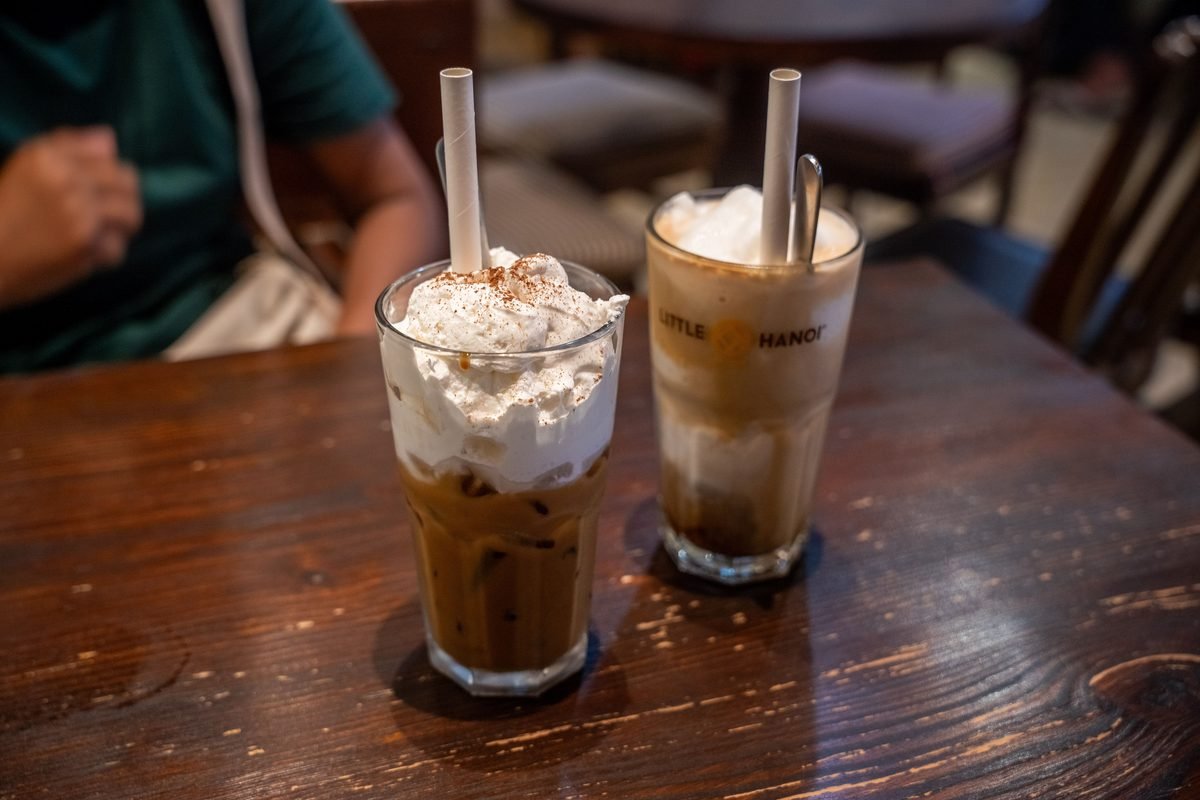
Pair your afternoon coffee with a light snack from a street vendor. Look for banh ran, which are small, fried glutinous rice balls coated in sesame seeds and filled with sweet mung bean paste, costing about 5,000 VND (about $0.20) each. Alternatively, try a bowl of che, a sweet dessert soup made with coconut milk, shaved ice, grass jelly, and various beans or lotus seeds. It is incredibly refreshing on a humid September afternoon. These cafes also serve traditional iced black coffee (ca phe da) or sweet condensed milk coffee (ca phe sua da) for around 25,000 VND (about $1.00). The robusta beans used are exceptionally strong, so sip them slowly to avoid an intense caffeine rush.
Where to drink bia hoi at dusk
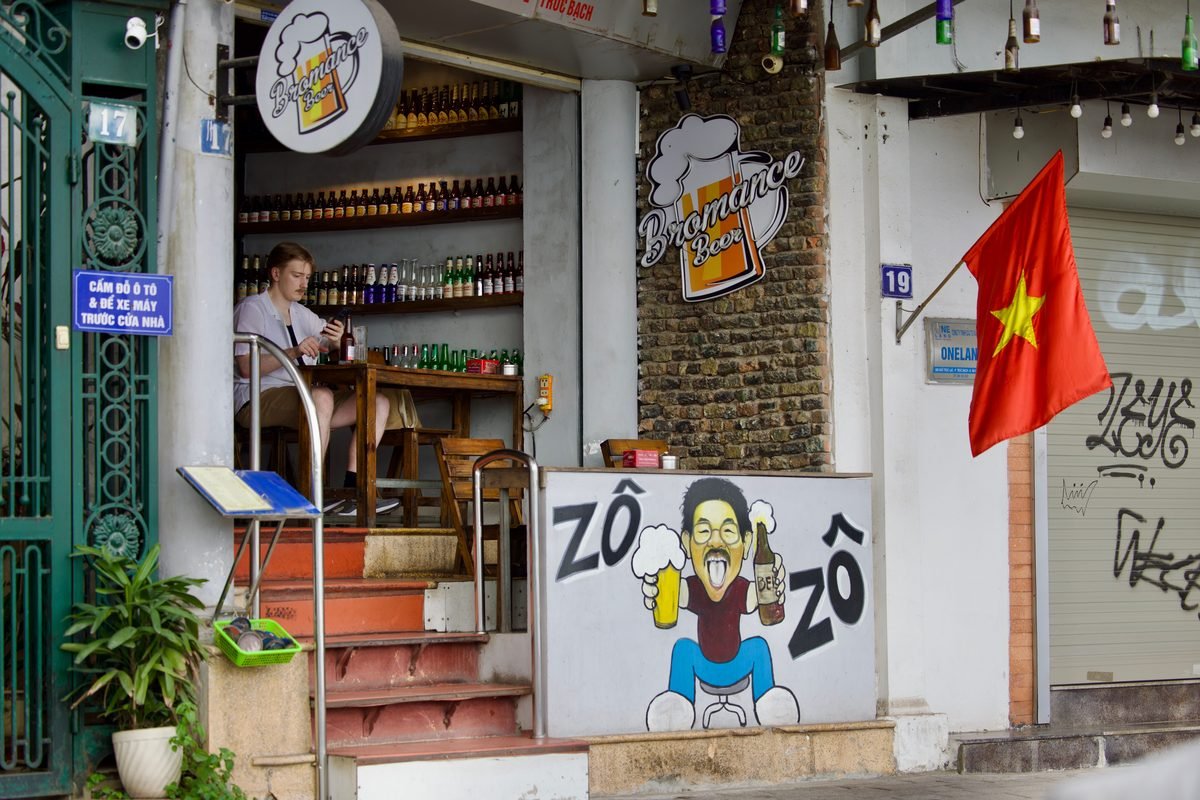
As the sun sets over the Hoan Kiem district, make your way toward the intersection of Ta Hien and Luong Ngoc Quyen streets. Known to travelers as Bia Hoi Corner, this area transforms into a massive open-air beer garden every evening. Bia hoi is a light, unpasteurized draft beer brewed fresh daily and delivered in metal kegs each morning. Because it contains no preservatives, it must be consumed within twenty-four hours. It is incredibly light, with an alcohol content of only around three percent, making it the perfect thirst-quencher after a long day of walking. At roughly 7,000 VND (about $0.28) to 11,000 VND (about $0.44) per glass, it is easily some of the cheapest beer in the world.
While Ta Hien is famous, it can get overwhelming with aggressive touts and high tourist prices for food. For a more local experience, walk a few blocks away to the quieter corners of Bat Dan or Hang Vai streets. Here, the beer is just as fresh, and you will sit alongside older Hanoian men discussing the day’s news. Ordering food is a key part of the bia hoi ritual. Do not just drink; order snacks to share. Try nem chua ran, which are lightly breaded and deep-fried fermented pork rolls, served with a spicy chili dipping sauce. Another classic accompaniment is lac luoc, simple boiled peanuts in their shells, or dry-roasted squid torn into thin strips. Expect to pay around 40,000 VND (about $1.60) for a plate of fried spring rolls or pork skewers to go with your drinks.
The atmosphere at these local corners is friendly and informal. You will often hear groups shouting ‘Mot, Hai, Ba, Yo!’ which translates to ‘One, Two, Three, Cheers!’ before clinking their thick, pale green recycled glass mugs. It is a highly social experience where strangers easily strike up conversations across the low tables.
Tip: Go Early for Bia Hoi
The fresh brew can actually run out at the most popular local corners by mid-evening. Aim to arrive around 5:30 PM to secure a stool and guarantee a fresh glass.
How to behave at Old Quarter street stalls
Eating on the sidewalk has its own set of unwritten rules. When you arrive at a busy street stall, do not wait at the entrance to be greeted or escorted to a table. If you see an empty plastic stool, simply point to it, make eye contact with a staff member, and sit down. Space is at a premium, so be prepared to share a small table with strangers. Keep your elbows tucked in and place your daypack on your lap or under your stool rather than taking up an extra seat.
When it comes to ordering, menus are rarely provided. Most stalls only make one thing, so you usually only need to specify how many portions you want. You can point to what another customer is eating or hold up your fingers to indicate the number of servings. If you are ordering pho, you might need to choose between pho bo tai (rare beef) or pho bo chin (well-done brisket). Once your food arrives, wipe your chopsticks and spoon with a clean paper tissue before eating. Many stalls provide fresh lime wedges on the table; squeezing a bit of lime juice onto your utensils acts as a traditional, mild disinfectant.
When you are finished eating, do not look for a bill on your table. Instead, catch the eye of the person who seems to be running the cash drawer—often an older family member sitting near the front with a waist bag. Say ‘thanh toan’ or simply make a writing gesture in the air. Cash is essential here. Most street vendors do not accept credit cards or international mobile payments. Try to pay with small bills, such as 20,000 VND or 50,000 VND notes. Handing over a 500,000 VND (about $20.00) note for a cheap bowl of soup is bad etiquette, as it drains the vendor’s change supply early in the day.
What it costs in Hanoi
| Item | Local price | USD |
|---|---|---|
| Bowl of Pho Bo (Old Quarter) | 55,000 VND | about $2.20 |
| Plate of Bun Cha with pork patties | 65,000 VND | about $2.60 |
| Cup of Egg Coffee at Cafe Giang | 35,000 VND | about $1.40 |
| Glass of fresh Bia Hoi | 9,000 VND | about $0.36 |
| Short Grab motorbike ride (2 km) | 25,000 VND | about $1.00 |
| Banh Mi with pâté and cold cuts | 30,000 VND | about $1.20 |
| Realistic daily street food budget | 250,000 VND | about $10.00 |
Prices checked September 2026. Always confirm with the provider before you book.
Mistakes to avoid
- Using large bills at small street stalls, which drains the vendor’s change and causes visible frustration.
- Adding hoisin sauce or bean sprouts to a bowl of northern pho bo, which offends the chef and ruins the delicate broth.
- Assuming every stall is open all day; many of the best local vendors operate only during very narrow morning or lunch windows.
FAQ
Is Hanoi street food safe to eat?
Yes, street food in Hanoi is generally safe if you follow some basic guidelines. Look for busy stalls with high turnover where the food is cooked fresh in front of you. Avoid raw vegetables that look like they have been sitting in tap water, and always wipe your utensils before eating.
What is the best Hanoi street food guide for beginners?
The best Hanoi street food guide is to follow the local crowds during peak meal times like 7:00 AM for pho and 12:00 PM for bun cha. Stick to specialized single-dish stalls, keep small cash bills handy, and use ride-hailing apps to reach different neighborhoods.
How much does street food cost in Hanoi?
Street food is incredibly affordable, with most single dishes costing between 30,000 VND (about $1.20) and 70,000 VND (about $2.80). A daily budget of 250,000 VND (about $10.00) is more than enough to eat incredibly well. Always carry small cash notes as card payments are rarely accepted.
Where can I find the best egg coffee in Hanoi?
The most authentic egg coffee is found at Cafe Giang on Nguyen Huu Huan Street, where the recipe was first created. For a slightly quieter but equally historic atmosphere, try Cafe Dinh on Dinh Tien Hoang Street. Both serve the drink for around 35,000 VND (about $1.40).
What are the lunch hours for bun cha in Hanoi?
Bun cha is strictly a lunchtime dish in Hanoi, typically served between 11:30 AM and 1:30 PM. Grills are fired up on the sidewalks just before noon, and vendors usually pack up and close once the lunch rush ends. Do not expect to find authentic bun cha during breakfast or late dinner hours.