An Easy Andong Hahoe Village Day Trip from Seoul

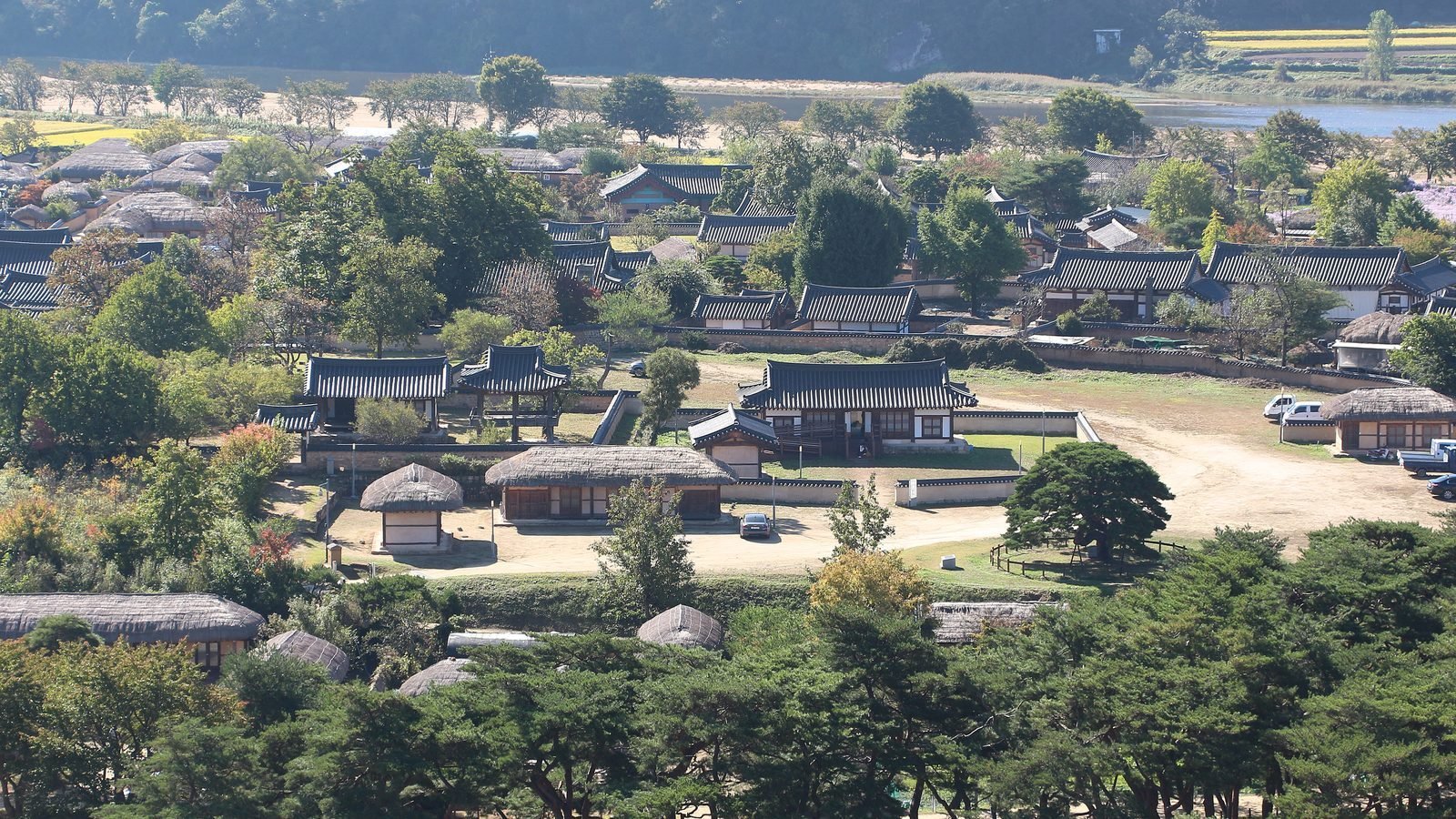
At 7:00 AM, East Seoul Bus Terminal is cold and smells of diesel. I bought a ticket for ₩22,000 (about $16) and watched the city fade into rolling green hills. Andong feels like a different century, especially when the morning mist hangs over the Nakdong River.
This guide is for independent travelers who want to plan an Andong Hahoe Village day trip from Seoul without booking an expensive group tour. We will cover bus routes, mask dance showtimes, village layouts, where to find the best braised chicken, and what you should skip to save time.
How to travel from Seoul for an Andong Hahoe Village day trip
Getting to Andong is straightforward, but you need to choose between the train and the express bus. The KTX-Eum train departs from Cheongnyangni Station in northeastern Seoul and arrives at Andong Station in just over two hours. A standard ticket costs ₩25,100 (about $18). The train is faster. However, Andong Station was relocated outside the city center, meaning you still need to transfer to a local bus or grab a taxi to reach the historic areas.
The alternative is the express bus from East Seoul Bus Terminal (Dong Seoul), located right next to Gangbyeon Station on Subway Line 2. Buses depart regularly starting early in the morning. A one-way ticket costs roughly ₩22,000 to ₩25,000 (about $16 to $18) depending on the seat class, and the three-row udeung coach is worth the small premium. The bus ride is easy. It takes about two and a half hours, dropping you off at the Andong Intercity Bus Terminal.
Once you arrive at either the train station or the bus terminal, your immediate goal is to catch local Bus 210. This is the main local bus that runs directly to Hahoe Village. The bus fare is ₩1,500 (about $1.10) if you tap your standard T-money transit card. Be aware that Bus 210 only runs about ten times a day. You must check the timetable posted at the bus stop immediately upon arrival. If you miss a bus, a taxi from the terminal to the village entrance will cost about ₩20,000 (about $14.50) and takes twenty minutes. If you are traveling with a partner or a small group, splitting a taxi is highly efficient and saves valuable morning hours. The taxi drivers are generally honest and will use the meter. Make sure you have the destination written in Korean (하회마을) to show the driver, as English proficiency can vary among local drivers in this region.
From a local: Taxi Sharing Tip
The local bus 210 can get incredibly crowded on weekends. If you see a long queue, don’t hesitate to share a taxi with other travelers heading to the village entrance.
Best times and mask dance schedules
Timing is everything when planning your day. The absolute center of any trip here is the traditional Hahoe Byeolsingut Talnori, a masked dance drama that dates back to the Goryeo Dynasty. The performance takes place at the dedicated open-air theater located just outside the main village entrance, near the market stalls. The show starts at 14:00 and lasts for about an hour. It runs every day except Mondays. In September, the weather is warm but pleasant, making the outdoor wooden benches comfortable. Best of all, the performance is completely free if you have purchased a village admission ticket, which costs ₩5,000 (about $3.60).
Because the show is at 14:00, you should structure your entire day around this hour. I highly recommend arriving at the village no later than 10:30. This gives you plenty of time to explore the historic homes, walk along the river, and eat lunch before the theater doors open. If you arrive too late, you will find yourself rushing through the historic alleys just to make the show, which ruins the peaceful mood of the clan estate.
After the performance ends at 15:00, the crowd immediately rushes to the bus stop. To avoid the long lines, plan to head toward the Buyongdae Cliff or walk down to the pine forest immediately after the show. Alternatively, you can use this time to catch a taxi to the nearby Byeongsan Seowon, a historic Confucian academy that is much quieter in the late afternoon. By planning your transport around these peak movement windows, you will avoid standing in crowded bus aisles. The final bus back to the city terminal leaves around 18:00, so keep a close eye on your watch to avoid getting stuck.
Book ahead: Book Train Tickets Early
The KTX-Eum train tickets from Seoul to Andong sell out quickly on weekends and holidays. Book your train tickets about one month in advance on the official Korail website.
Exploring the Hahoe Village layout and Byeongsan Seowon
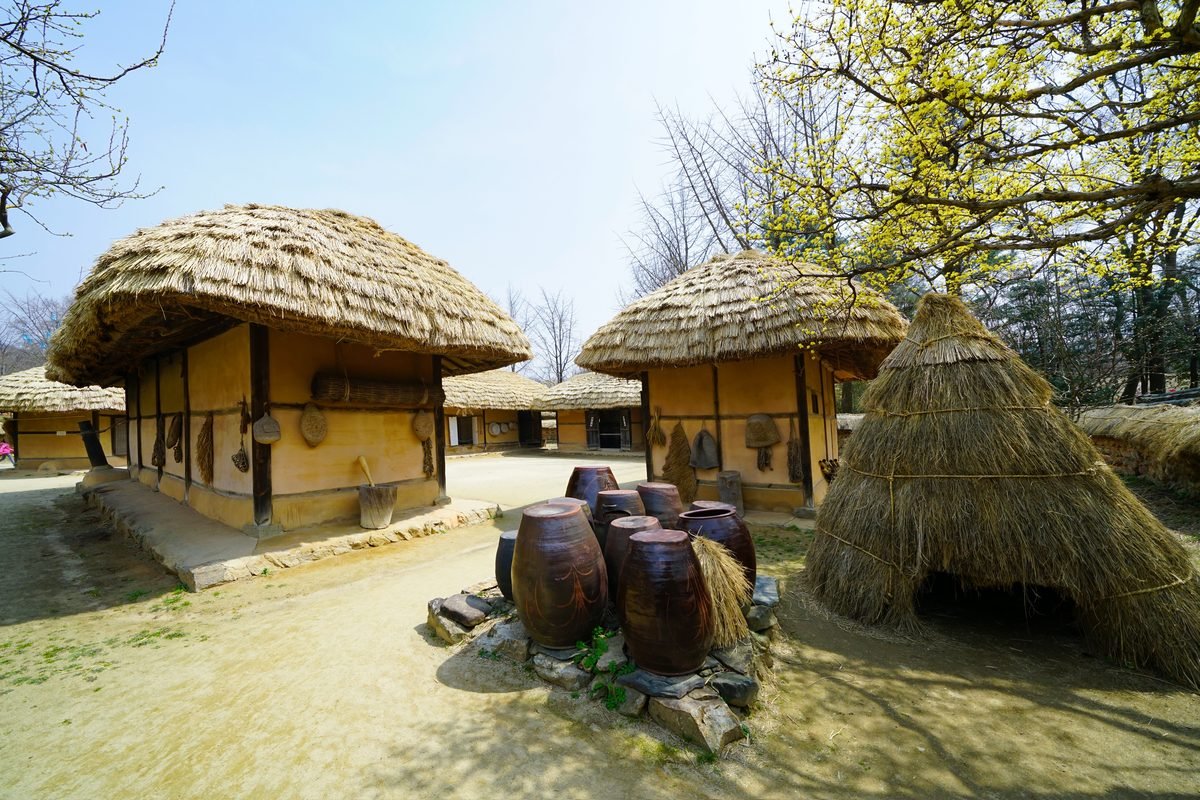
Hahoe Village is not an open-air museum; it is a living, breathing community where descendants of the Ryu clan still reside. The village layout is shaped like a flower or a spinning top, cradled by the Nakdong River. At the very center of the village stands a majestic, 600-year-old zelkova tree called Samsindang. Visitors write wishes on small strips of paper and tie them to the ropes surrounding the trunk. From this central tree, narrow dirt paths branch out like a maze toward the outer ring of thatched-roof houses where the commoners historically lived, while the grand tile-roofed estates of the nobility sit closer to the center.
To get the best view of this unique layout, you must cross the river to Buyongdae Cliff. A small wooden boat still ferries passengers across for about ₩10,000 (about $7.20) round trip, but it mostly runs at weekends and you may have to call the number painted on the hull. Bring cash for the ferry, and have a backup plan if nobody answers. From the sandy banks, a steep but short ten-minute trail leads up the cliffside. From the summit, the entire village reveals itself, perfectly framed by the winding river and the surrounding mountains.
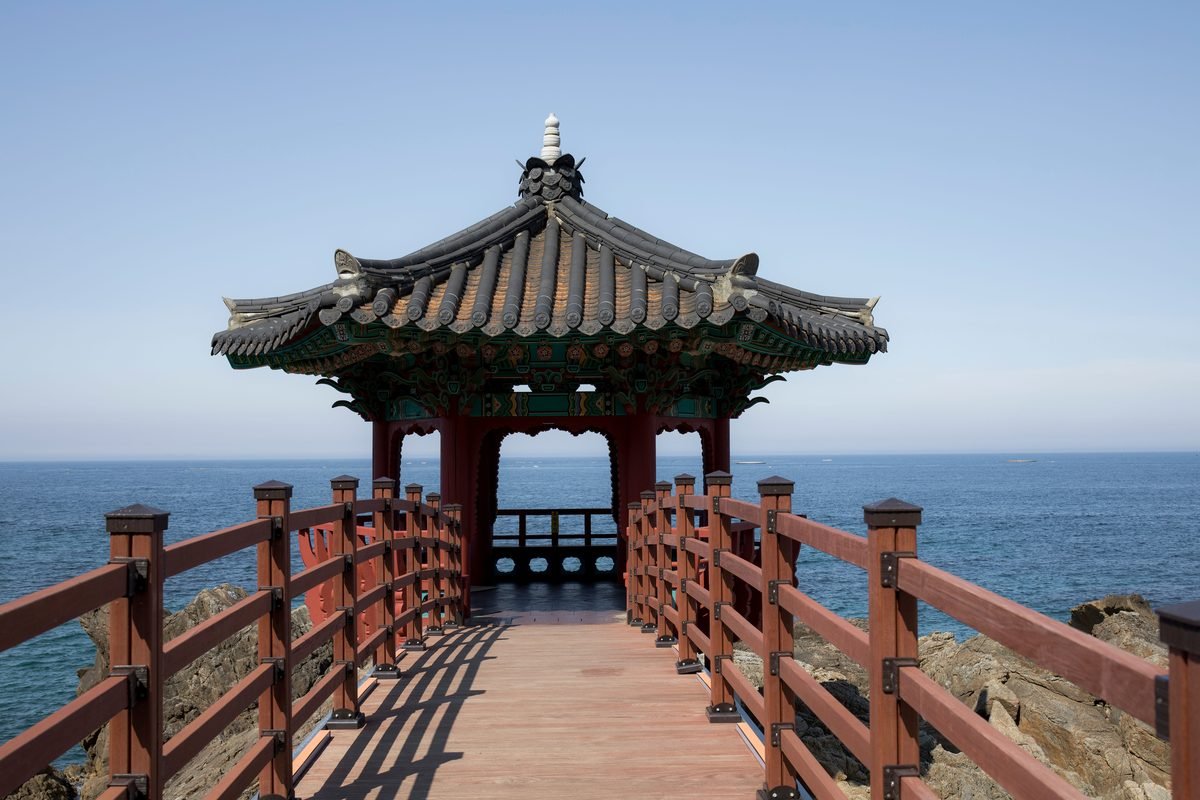
Just four kilometers down the road lies Byeongsan Seowon. This Confucian academy is widely considered one of the finest examples of traditional Korean architecture. The highlight is the Mandaeru Pavilion, a long, open-sided wooden structure. When you sit on the wooden floorboards, the open pillars frame the river and the cliffs like a series of living landscape paintings. We sat on the floor. It is quiet, cool, and feels completely disconnected from the modern world. You can reach the academy by taking Bus 210 from the village entrance, though walking the dirt path along the river is a beautiful alternative if you have an extra hour. The academy charges no admission fee, making it an incredibly rewarding addition to your itinerary.
Where to eat authentic Andong jjimdak
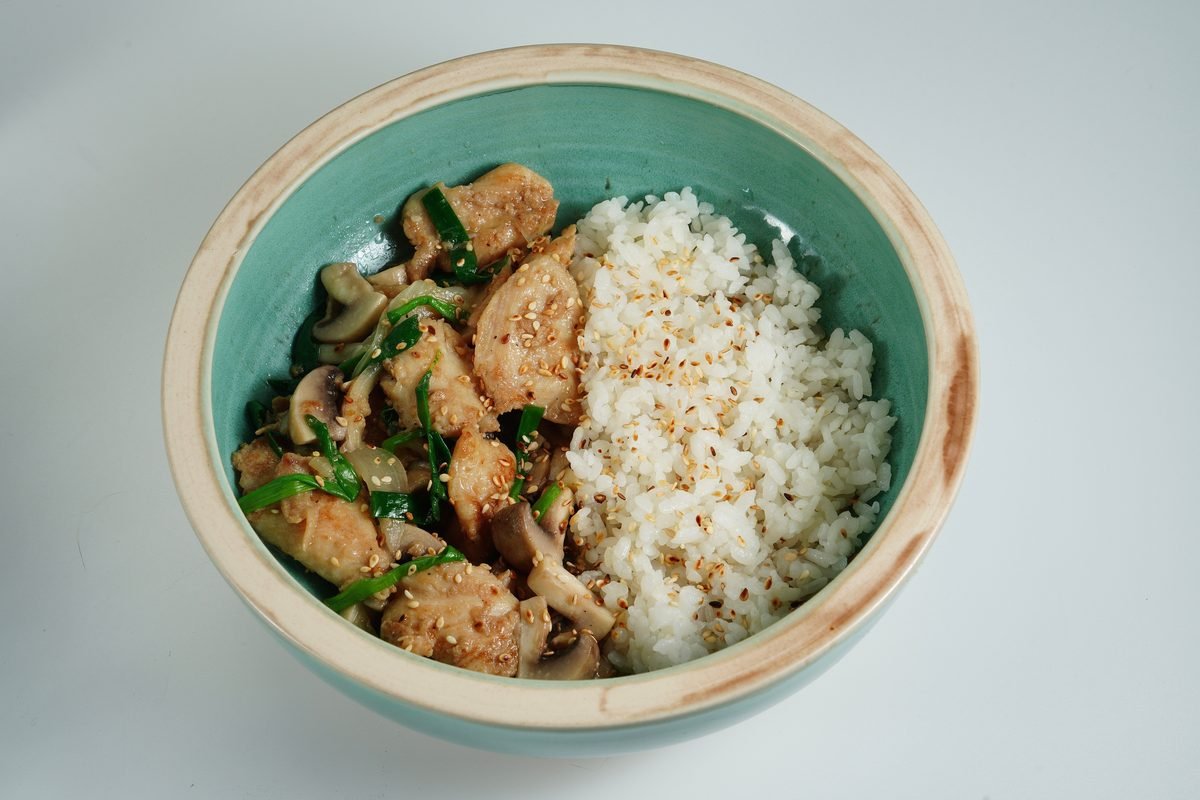
After a long morning of walking, you will be hungry. Andong is famous across Korea for its culinary heritage, most notably Andong jjimdak. This dish consists of chicken braised in a sweet, savory, and slightly spicy soy-based sauce, tossed with thick glass noodles, potatoes, carrots, and green onions. It tastes sweet and spicy. The best place to eat this is the Jjimdak Alley inside the Andong Gu Market in the center of town.
The alley is lined with dozens of small restaurants, each claiming to be the original. They all prepare the dish in massive black woks right at the storefront. A standard medium order costs about ₩32,000 (about $23). This portion is massive and easily feeds three hungry adults. If you are traveling solo, ask if they can prepare a half-portion, though many places only sell the standard size.
While the food is excellent, there are several things you should skip to keep your day trip efficient. First, skip the modern, overpriced Western-style cafes near the village ticket office. They sell average coffee at premium prices. Instead, wait until you are inside the village and look for a traditional tea house serving ginger tea or sikhye, a sweet rice beverage. Second, skip the salted mackerel (gan-godeungeo) restaurants if you are short on time. While it is another local specialty, the preparation takes longer, and the experience is less unique than sharing a steaming wok of braised chicken in the lively market alley. Finally, do not waste time trying to visit the Andong Soju Museum on a single-day trip. It is located far from the main transport hubs and requires a significant detour. Focus your limited time on the village and the market instead.
Practical tips for your Andong day trip
To make your excursion seamless, you must download Naver Map or KakaoMap before leaving Seoul. Google Maps does not provide walking or transit directions in South Korea, and relying on it will leave you stranded at the bus terminal. Naver Map will show you the exact real-time location of Bus 210 and help you navigate the winding dirt pathways inside the historic village.
Wear flat, comfortable walking shoes. The pathways in Hahoe are made of packed earth, gravel, and sand. You will easily walk over ten thousand steps during your visit, especially if you climb the trail to Buyongdae Cliff or walk to the Confucian academy. Do not rent a cart. You will see small electric golf carts for rent near the ticket office. They are expensive, often costing ₩20,000 (about $14.50) per hour, and they are actually banned from entering the historic core of the village to preserve the quiet atmosphere. Walking is the best way to experience the true charm of the area.
Carry some physical cash. While almost every restaurant and ticket booth accepts foreign credit cards, the small wooden ferry boat that crosses the river to the cliff often requires cash or a direct bank transfer. Having ₩10,000 (about $7.20) in bills will save you from a disappointing walk back. Finally, remember that Andong is significantly cooler than Seoul in the early mornings and late evenings during September. Pack a light windbreaker or a sweater in your daypack. You will appreciate the extra layer during the breezy bus ride home. If you plan to continue your journey south, consider checking out our Gyeongju 2-day itinerary for another taste of ancient Korean history.


Heads up: Avoid Google Maps
Do not rely on Google Maps for navigation in Andong. It does not show local bus routes or walking paths; download Naver Map instead.
The history of the Hahoe mask collection
Beyond the architecture and the dramatic landscape, Andong is the spiritual heart of Korean mask culture. The traditional masks, known as Hahoe-tal, are carved from alder wood and represent various social archetypes from the Joseon Dynasty, such as the scholar, the aristocrat, the bride, and the fool. Unlike many other traditional Korean masks which are made of paper and burned after a single performance, the Hahoe masks are treated as sacred relics and preserved for generations. In fact, several of the oldest surviving masks are designated as National Treasures of South Korea.
While you will see these masks during the afternoon performance, you can explore their history in depth at the Hahoe Mask Museum, located near the village ticket office. The museum showcases not only local Korean masks but also traditional performance masks from all over the world, including Africa, Europe, and Southeast Asia. Admission to the museum is ₩3,000 (about $2.20) for adults. It is a fantastic place to spend forty-five minutes before boarding the bus back to the city center.
If you want a unique souvenir, avoid the cheap plastic reproductions sold at the tourist stalls. Instead, look for small, hand-carved wooden mask keychains or wall hangings made by local artisans who keep the traditional carving techniques alive. These authentic pieces cost around ₩15,000 (about $11) and support the local community. They serve as a wonderful physical reminder of your journey into Korea’s cultural past, far more meaningful than any generic souvenir you might find in the major shopping districts of Seoul.
What it costs in Andong
| Item | Local price | USD |
|---|---|---|
| Express bus ticket (one way) | ₩22,000 | ($16.00) |
| Local bus fare (one way) | ₩1,500 | ($1.10) |
| Hahoe Village entry fee | ₩5,000 | ($3.60) |
| Buyongdae Cliff ferry (round trip) | ₩10,000 | ($7.20) |
| Andong Jjimdak (per person, shared) | ₩16,000 | ($11.50) |
| Traditional ginger tea | ₩6,000 | ($4.30) |
| Estimated daily total | ₩60,500 | ($43.70) |
Prices checked September 2026. Always confirm with the provider before you book.
Mistakes to avoid
- Renting an electric cart at the village entrance, which is expensive and banned from the quietest historic streets.
- Trying to visit both Hahoe Village and Woryeonggyo Bridge in a single day using only public buses, which results in hours of waiting.
- Visiting on a Monday when the famous traditional mask dance performance does not take place.
FAQ
Is an Andong Hahoe Village day trip from Seoul worth the travel time?
Yes, it is highly rewarding if you plan your transport carefully. The KTX-Eum train gets you there in just two hours, leaving plenty of time to explore the village, watch the mask dance, and enjoy local food before returning to Seoul.
What time is the traditional mask dance performance?
The Hahoe Byeolsingut Talnori performance takes place daily at 14:00 except on Mondays. It lasts for one hour and is free to watch with your village admission ticket.
How do I get from Andong Station to Hahoe Village?
You can take local Bus 210 directly from the station, which costs ₩1,500 (about $1.10) and takes about 40 minutes. Alternatively, a taxi costs around ₩20,000 (about $14.50) and takes 20 minutes.
Can you buy food and drinks inside Hahoe Village?
Yes, there are several traditional restaurants and tea houses inside the village serving local dishes like salted mackerel and sikhye. However, for the famous braised chicken, you should head to the Jjimdak Alley in the city center.
Is Hahoe Village wheelchair accessible?
The main pathways are flat and made of packed dirt, making them relatively easy to navigate, but some historic homes have high wooden thresholds and stone steps. The trail up to Buyongdae Cliff is steep and not accessible for wheelchairs or strollers.