Yeosu Travel Guide: Night Views and Coastal Flavors

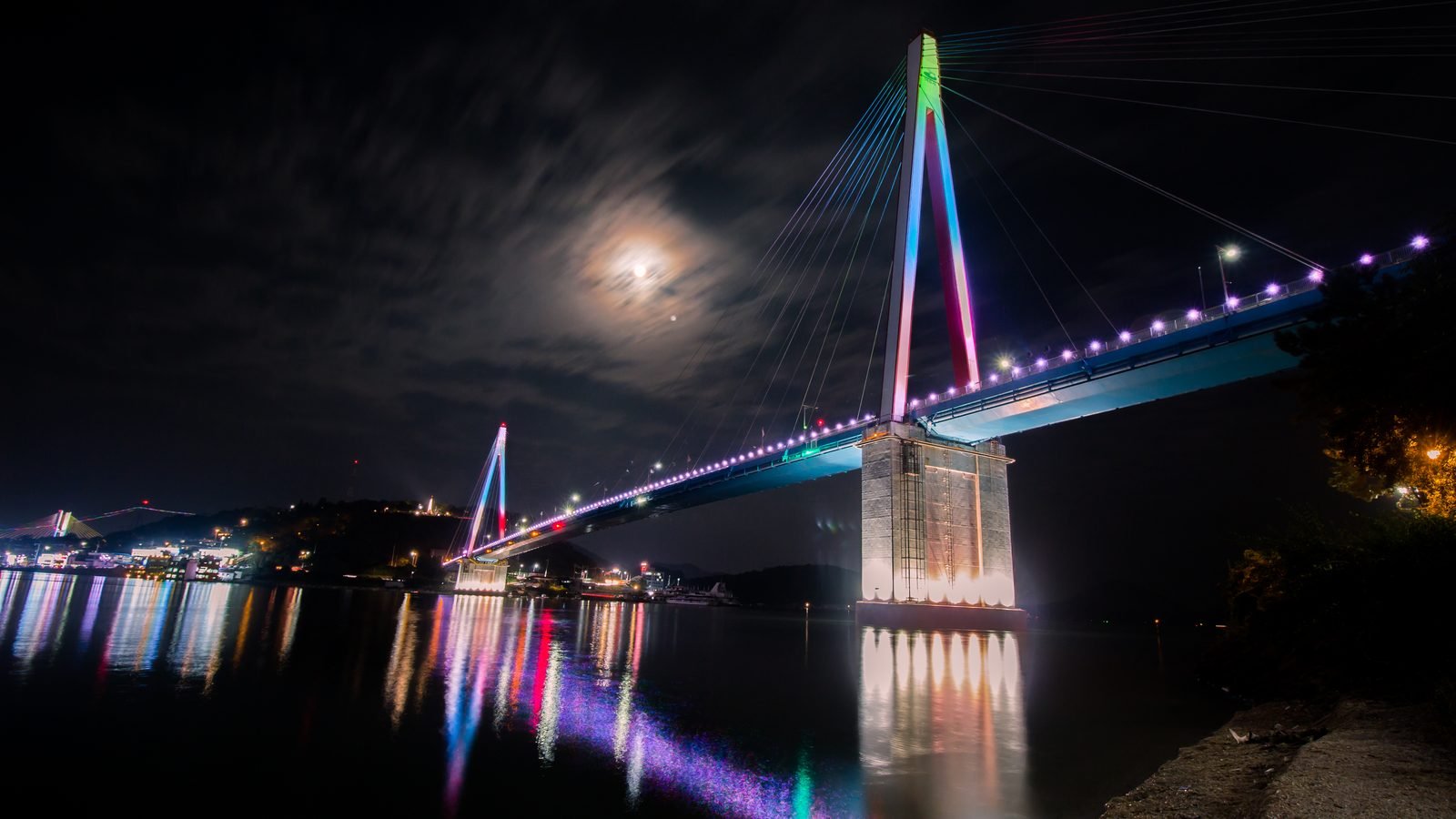
The lights of Dolsan Bridge flicker across the water as the evening ferry horn sounds in the distance. Yeosu sits on the southern edge of the Korean peninsula, a city defined by its jagged coastline, 365 islands, and a romantic reputation cemented by a famous indie pop song. While many travelers stick to the northern cities, coming down here reveals a different side of the country where the pace slows and the air smells of salt and drying seaweed.
This guide is for independent travelers looking to explore the best things to do in Yeosu over a two or three-day trip. I will cover how to reach this coastal hub from Seoul, the logistics of the maritime cable car, where to find the most authentic seafood, and how to navigate the islands without a rental car. Whether you are here for the sunset views or the pungent mustard kimchi, Yeosu offers a maritime charm that feels distinct from the rest of Korea.
How to get to Yeosu from Seoul
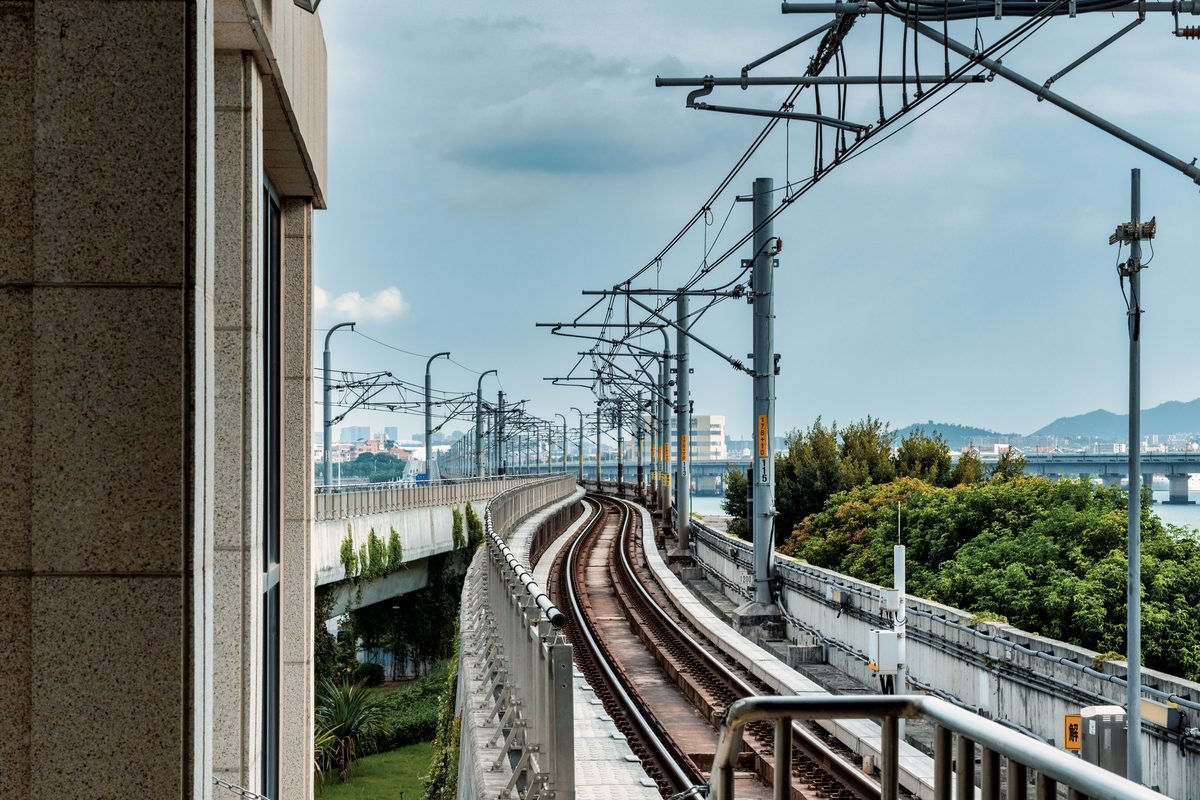
Reaching the south coast is straightforward thanks to the high-speed rail network. The train leaves Yongsan frequently. Most travelers take the KTX-Sancheon from Yongsan Station in Seoul, which terminates at Yeosu Expo Station. The journey takes roughly 3 hours and 10 minutes, cutting through the mountainous heart of the country before opening up to the rice paddies of Jeolla province. A standard one-way ticket costs ₩47,200 (about $35). It is wise to book these seats at least a week in advance, especially for weekend travel, as Yeosu is a popular getaway for Seoul residents.
Alternatively, you can take the SRT from Suseo Station in southern Seoul, which is convenient if you are staying in Gangnam or Jamsil. The SRT also takes about 3 hours and costs roughly ₩46,500 (about $34). If you are coming from Busan, the train route is less direct, often requiring a transfer; in that case, the intercity bus is often a better choice. The bus from Busan Central Bus Terminal takes about 2 hours and 30 minutes and costs roughly ₩22,000 (about $16). The buses are comfortable, with wide reclining seats, though they lack the speed and snack carts of the KTX.
Once you arrive at Yeosu Expo Station, you are already in the heart of the action. The station was built for the 2012 World Expo and sits right next to the major hotels and the aquarium. You do not need a taxi immediately upon arrival if you are staying in the Expo area. Everything is walkable from the platform. For those arriving by air, Yeosu Airport (RSU) handles domestic flights from Gimpo and Jeju, but the train remains the most reliable and scenic way to reach the city center.
Book ahead: Book Your Return Early
The Sunday afternoon KTX trains back to Seoul sell out days in advance. Use the KorailTalk app or website to secure your return seat as soon as your plans are firm.
When to visit Yeosu for the best weather
September brings cooler coastal breezes. It is arguably the best month to visit because the oppressive humidity of the Korean summer has finally broken, but the water remains warm enough to influence the evening air. Daytime temperatures usually hover around 24°C (75°F), making it comfortable for the long walks required at Odongdo or the steep climb to Hyangiram Hermitage. The skies are often clear in the autumn, which is vital for seeing the distant islands from the various observatory points around the city.
If you visit in late spring, around May, you will catch the tail end of the camellia season on Odongdo Island, though the peak bloom is usually in March. Summer, particularly July and August, is the peak domestic vacation season. During this time, prices for accommodation can double, and the popular Nangman Pocha food stalls become incredibly crowded. The heat can also be intense, often exceeding 30°C (86°F) with high humidity, which makes outdoor sightseeing a sweaty endeavor. Winter is quiet and cold, but rarely sees the heavy snow found in Gangwon-do.
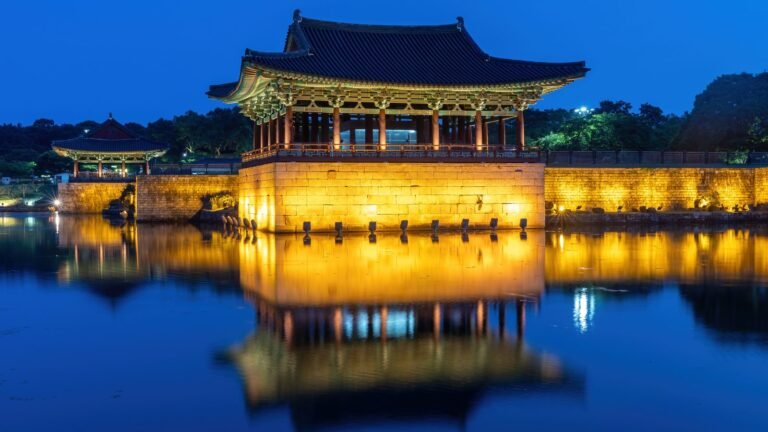
The night view is iconic. Regardless of the month, Yeosu is a city that truly wakes up after dark. The local government has invested heavily in lighting up the bridges and coastal walkways. This means that even in the shorter days of late September or October, your sightseeing does not end when the sun goes down. Most of the maritime attractions, including the cable car and the Big-O show at the Expo site, are designed specifically to be enjoyed under the glow of the city’s evening lights.
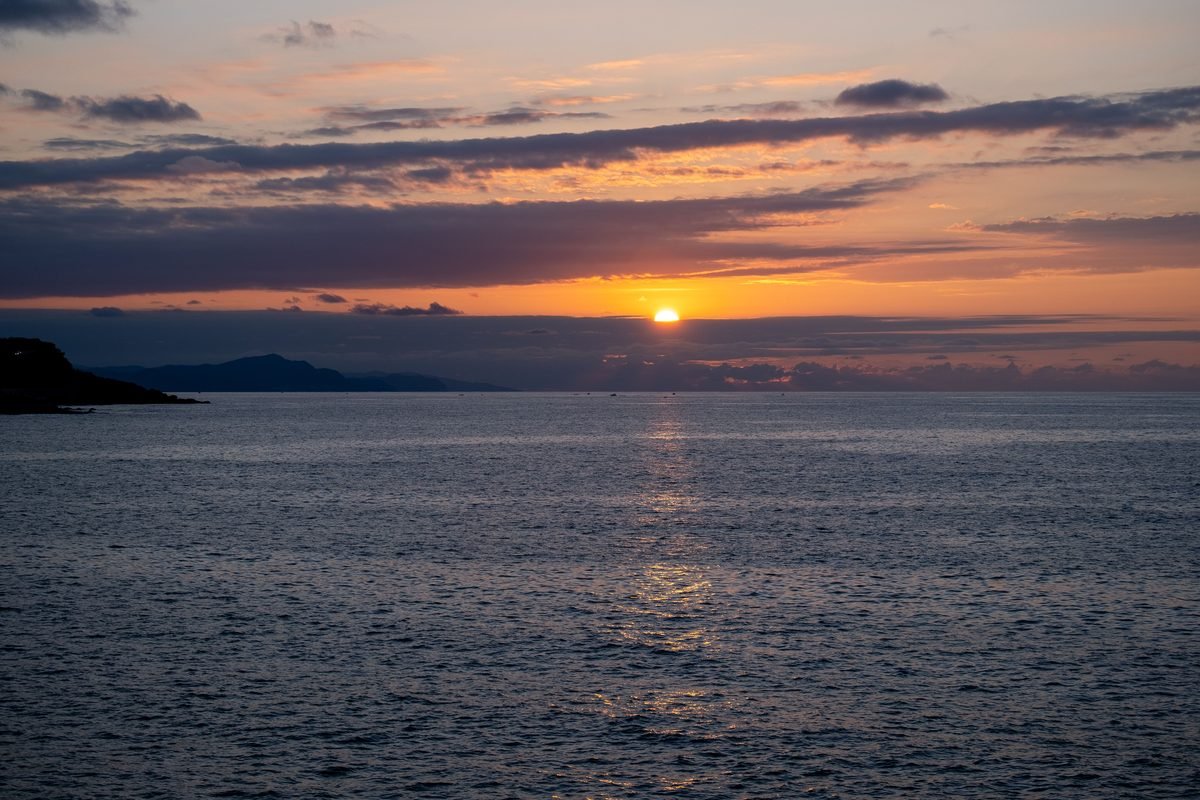
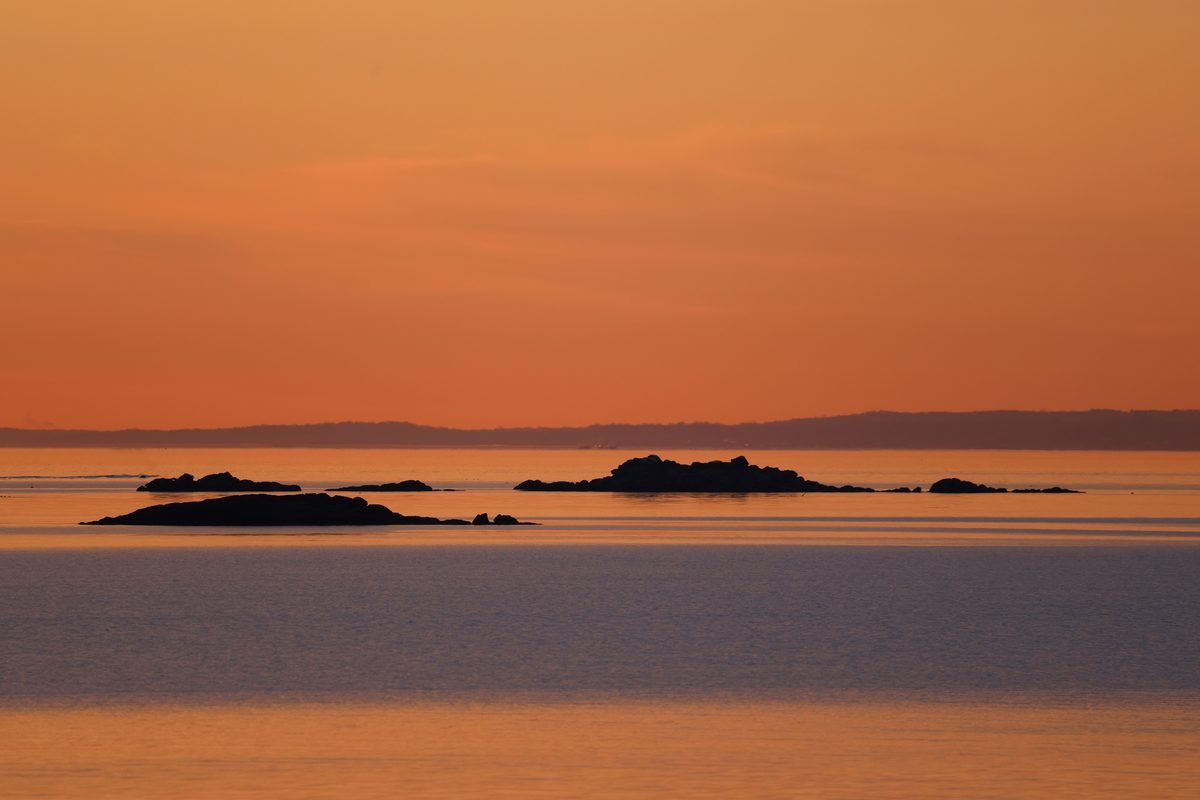
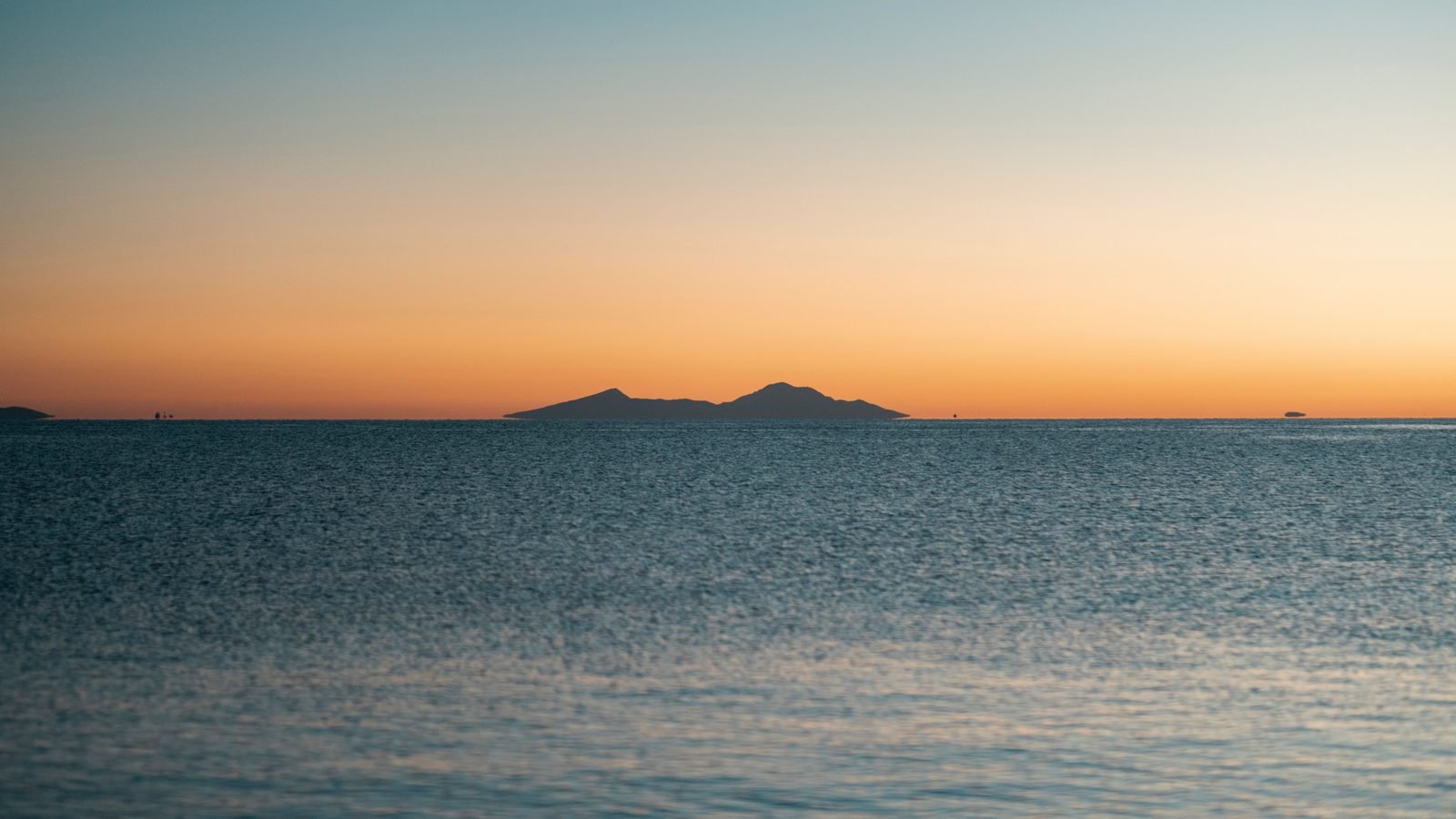
Exploring Odongdo Island and the Expo Park
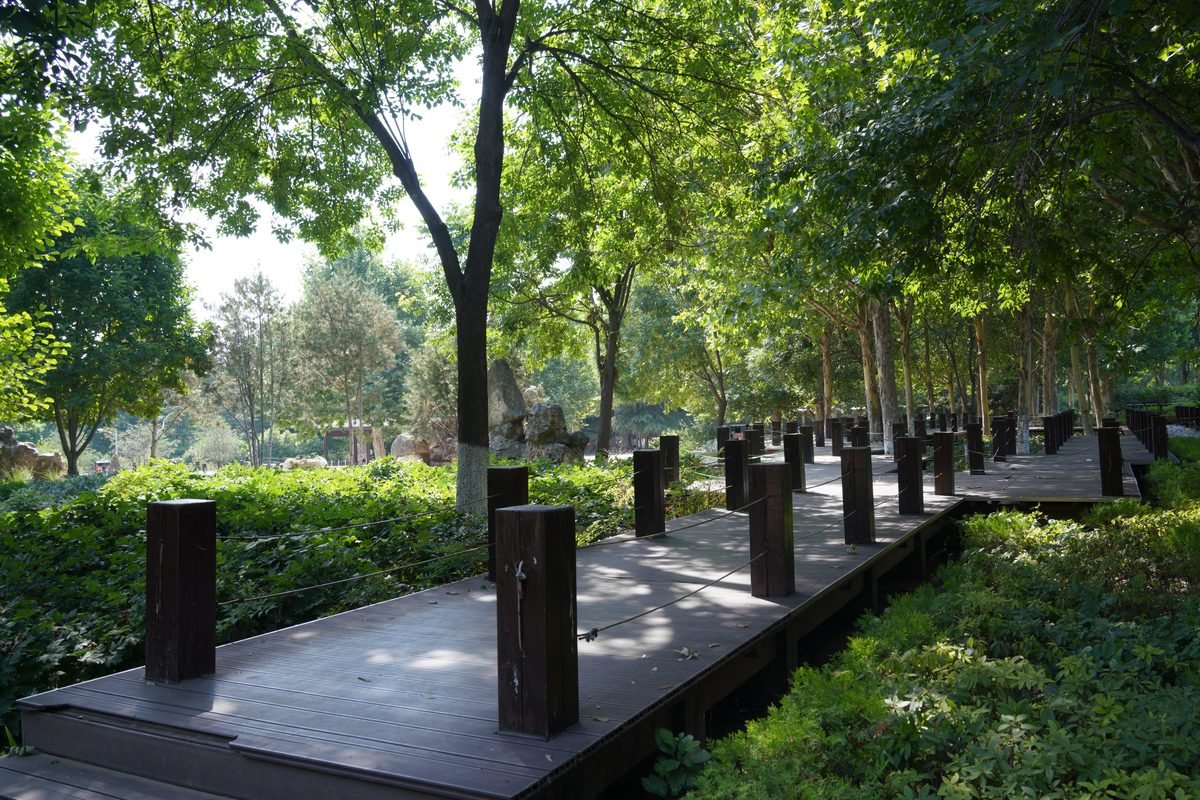
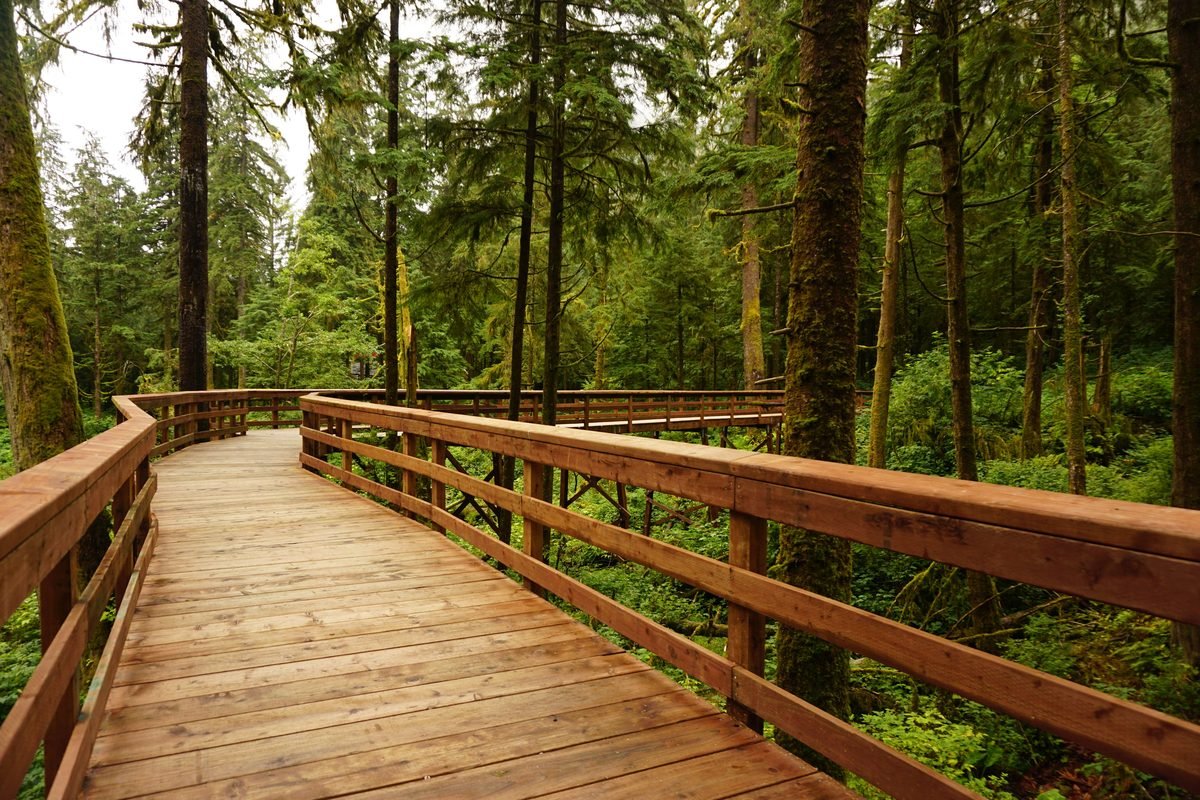
Odongdo Island is the natural centerpiece of the city’s waterfront. It is not a separate island in the sense that you need a ferry; it is connected to the mainland by a long breakwater that you can walk across in about 15 minutes. Alternatively, you can ride the “Camellia Train,” a small shuttle that costs ₩1,000 (about $0.75) each way. The island is covered in dense forest, primarily camellia trees and bamboo. A network of wooden boardwalks leads you to various cliffs and sea caves. The walk is quite steep in some sections, so wear sturdy shoes. Look out for the Dragon Cave (Yong-gul), where the waves crash against the rocks in a rhythmic thrum.
Near the entrance to Odongdo is the Yeosu Expo Ocean Park. This area was the site of the 2012 World Expo and has been repurposed as a public leisure space. The most striking feature is the Big-O, a massive circular structure in the water that hosts a light and water show in the evenings. Even during the day, the park is a great place to walk. You can visit the Hanwha Aqua Planet Yeosu, which is one of the largest aquariums in the country. Admission is roughly ₩32,000 (about $24) for adults. It is a good indoor option if you encounter a rainy afternoon.
For a bit of local history, walk toward the Sky Tower. These are former cement silos converted into an observation deck and a giant pipe organ. The view from the top gives you a clear layout of the harbor and the various islets dotting the horizon. It costs about ₩2,000 (about $1.50) to go up. The organ plays at specific times on weekends, and the sound carries across the entire park. The area is flat and easy to navigate, making it a perfect starting point for your first day in the city.
From a local: The Musical Fountain
On the way to Odongdo, the musical fountain near the breakwater operates on a schedule. It is a simple, free pleasure that locals love, especially when the K-pop hits start playing.
The Yeosu Maritime Cable Car and Hyangiram
The Yeosu Maritime Cable Car is the most popular of all things to do in Yeosu. It connects Dolsan Park on the island of Dolsando to Jasan Park on the mainland. You have the choice between a standard cabin or a “Crystal Cabin” with a transparent glass floor. The crystal version costs ₩24,000 (about $18) for a round trip, while the standard is ₩17,000 (about $13). The ride takes about 15 minutes and offers a bird’s-eye view of the busy shipping lanes and the colorful roofs of the coastal villages. I recommend starting at Jasan Park and ending at Dolsan Park just before sunset to watch the Dolsan Bridge light up.
Once you are on Dolsan Island, you should make the trip further south to Hyangiram Hermitage. This Buddhist temple is perched high on a cliff overlooking the sea. To get there, take bus 111 or 116 from the city center; the ride takes about 45 to 60 minutes. The bus fare is ₩1,500 (about $1.10) with a transit card. The climb to the temple is famous for its narrow rock passages. You have to squeeze through cracks in the stone to reach the main halls. The name Hyangiram means “hermitage facing the sun,” and it is one of the premier sunrise spots in Korea.
The temple grounds are filled with small stone carvings of monks. Some cover their eyes, some their ears, and some their mouths. This represents the Buddhist teaching of see no evil, hear no evil, and speak no evil. The architecture is integrated directly into the jagged rock face, and the view of the South Sea from the main terrace is expansive. Entry to the temple is now free, following the national policy change in 2023. Even if you are not religious, the hike and the coastal scenery make this a highlight of any trip to the region.
Heads up: Steep Inclines
The path to Hyangiram is very steep and consists of many stairs. If you have mobility issues, take the shuttle bus from the lower parking lot if it is operating, or take the sloped path rather than the stairs.
Where to eat: Seafood and Gat-kimchi
Yeosu is a pilgrimage site for food lovers, specifically those who appreciate bold, fermented flavors. The city’s most famous export is Dolsan gat-kimchi, made from mustard greens grown in the salty soil of Dolsan Island. Try the spicy mustard greens at any local restaurant. It has a pungent, peppery kick that is much sharper than standard cabbage kimchi. You will see dozens of shops selling it in large containers near the fish market; most will offer a small sample if you look interested. It is the perfect accompaniment to the heavy, fatty meats often served in Korean meals.
Gejang, or marinated raw crab, is another local specialty you cannot miss. Specifically, Yeosu is known for kkotgejang (blue crab) and dolgejang (small stone crab). Many restaurants in the Bongsan-dong Gejang Alley offer a gejang-baekban (set meal) for roughly ₩15,000 to ₩20,000 (about $11 to $15). This usually includes both the soy-marinated and the spicy chili-marinated versions, along with a dozen side dishes. Gejang is an acquired taste due to its jelly-like texture, but for many Koreans, it is known as a “rice thief” because the sauce is so savory you end up eating multiple bowls of rice.
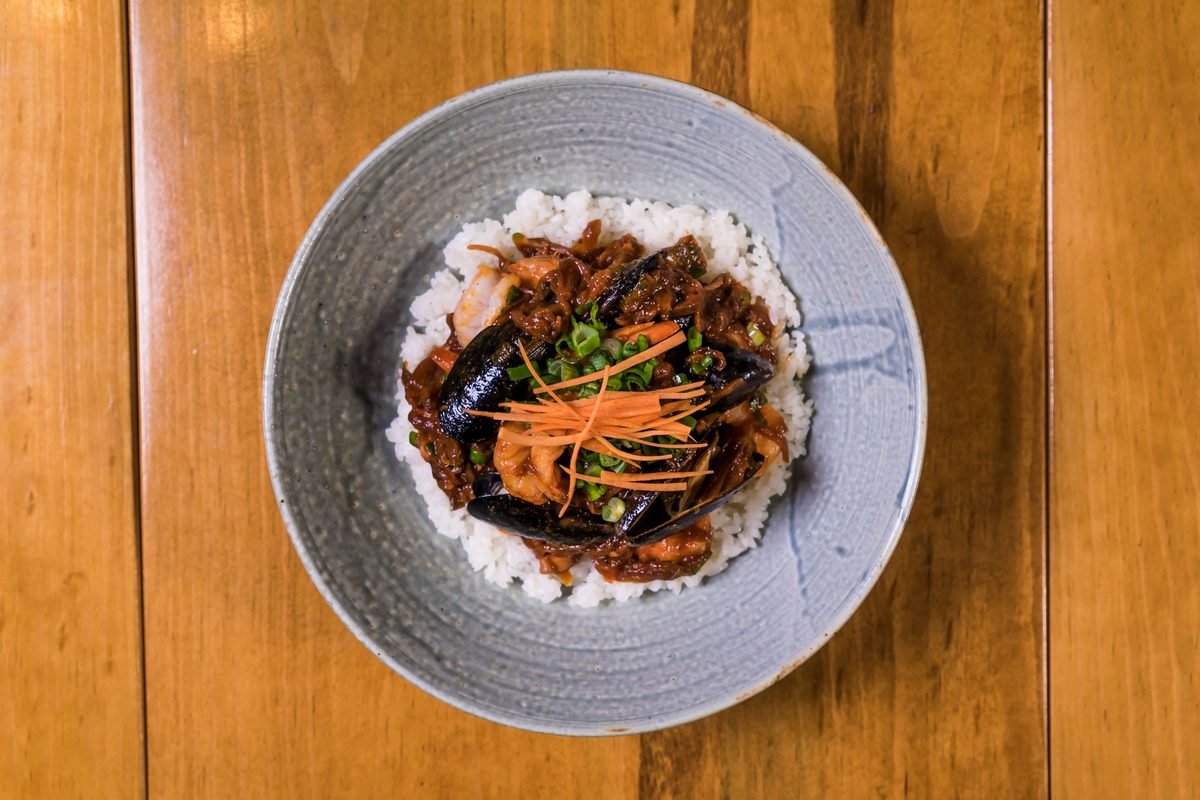
For a more casual evening, head to the Nangman Pocha (Romantic Carts) area near the Hamel Lighthouse. These are outdoor food stalls that serve seafood platters and sea squirt bibimbap. The most famous dish here is the seafood samhap, a stir-fry of pork belly, octopus, and that famous gat-kimchi. A large plate for two costs about ₩40,000 (about $30). While it is a bit touristy, the atmosphere of eating by the water with the bridge lights reflecting on the waves is a quintessential Yeosu experience. If you prefer a more traditional market vibe, the Yeosu Fish Market near the ferry terminal offers fresh sashimi plates that you can take to a second-floor restaurant to eat for a small service fee.
Tip: Refill Policy
In many of the dedicated gejang restaurants in Bongsan-dong, you are allowed one free refill of the crab. Check the signage or ask the staff ‘ri-pil doe-na-yo?’
Practical tips for your Yeosu trip
Navigating Yeosu is relatively easy, but you should rely on Naver Map or KakaoMap rather than Google Maps, which does not provide accurate walking or transit directions in Korea. The city bus system is extensive, but the routes can be confusing for first-timers. Most major attractions are connected by the number 2, 666, or 111 buses. If you are traveling in a group of two or more, taxis are often more efficient. A 10-minute taxi ride across the downtown area will cost roughly ₩6,000 to ₩8,000 (about $4.50 to $6). Taxis are plentiful near the station and major hotels.
When choosing where to base yourself, I recommend the area around the Yeosu Expo Station or the nearby Jongpo Marine Park. This puts you within walking distance of the cable car, Odongdo, and the Nangman Pocha carts. If you want a more secluded, resort-style experience, there are many high-end pensions and hotels on Dolsan Island. However, staying on the island means you will be more dependent on taxis or buses to get back to the mainland for most dining and sightseeing. The central city area is quite compact, so you are never far from the water regardless of where you stay.
For connectivity, ensure you have a local SIM or an eSIM. Most public areas in Yeosu, including the Expo Park and major cafes, offer free Wi-Fi, but having data is essential for checking bus schedules in real-time. If you plan on visiting the smaller islands like Sado or Geumodo, check the ferry schedules at the Yeosu Coastal Ferry Terminal. Ferries are subject to weather conditions, and sailings are often canceled during high winds or heavy fog. Always have a backup plan for a mainland activity if you are visiting during the typhoon-prone months of late summer.
What it costs in Yeosu
| Item | Local price | USD |
|---|---|---|
| KTX Round Trip (Seoul-Yeosu) | ₩94,400 | $70 |
| Mid-range Hotel (per night) | ₩120,000 | $89 |
| Maritime Cable Car (Crystal) | ₩24,000 | $18 |
| Gejang Baekban Meal | ₩18,000 | $13 |
| Seafood Samhap (for two) | ₩40,000 | $30 |
| City Bus / Taxi Budget | ₩25,000 | $19 |
| Total Daily Average | ₩160,000 | $118 |
Prices checked September 2026. Always confirm with the provider before you book.
Where to stay in Yeosu
Budget
A guesthouse near Yeosu Expo Station
Ideal for solo travelers who want to be steps away from the KTX and the main waterfront attractions for about ₩35,000 ($26) a night.
Mid-range
A modern hotel in Jongpo Marine Park
Perfect for couples who want balcony views of the Dolsan Bridge and easy access to the evening food carts for ₩110,000-₩150,000 ($81-$111).
Splurge
A luxury resort on Dolsan Island
Best for those seeking an infinity pool overlooking the South Sea and a quieter, more upscale atmosphere for ₩250,000+ ($185+).
Mistakes to avoid
- Taking a taxi to Odongdo Island instead of walking the scenic breakwater path or taking the shuttle train.
- Visiting the Nangman Pocha carts on a Saturday night without expecting a long wait for a table.
- Forgetting to check the wind forecast before heading to the Maritime Cable Car, as it closes during high winds.
FAQ
What are the best things to do in Yeosu at night?
The best things to do in Yeosu after dark include riding the Maritime Cable Car to see the city lights, walking along Jongpo Marine Park, and eating at the Nangman Pocha food stalls near the bridge.
Is Yeosu worth visiting from Seoul?
Yes, especially if you enjoy seafood and coastal scenery; the 3-hour KTX journey makes it an easy weekend trip that feels significantly different from the capital.
How many days should I spend in Yeosu?
Two full days are usually enough to see the main sights like Odongdo, the cable car, and Hyangiram, but add a third day if you want to take a ferry to outlying islands.
Can I get around Yeosu without a car?
Absolutely, the city is well-served by taxis and buses, and the main tourist hub around the Expo Park is very walkable.
What is the best food to try in Yeosu?
You must try the marinated raw crab (gejang) and the local Dolsan gat-kimchi, which is a spicy mustard leaf variety unique to this region.