Incheon Wolmi-do Theme Park and Ferry Guide: A Local Trip

The smell of salt water and burnt sugar hits you the moment you step off the bus at Wolmi-do. Below the pier, the Yellow Sea churns against concrete blocks, and above, the screaming of teenagers on the Viking ship competes with the squawking of hundreds of seagulls. I have spent many Saturday afternoons here, escaping the density of central Seoul for a few hours of sea air and slightly questionable carnival rides. It is not a polished resort, but a grit-and-neon playground that feels authentically Korean. The gulls are hungry.
This Incheon Wolmi-do theme park and ferry guide covers everything you need for a successful day trip from the capital. I will explain how to navigate the subway to the coast, which rides are actually worth your money, and how to feed the local gulls without losing a finger. We will also look at the best spots for grilled shellfish and how to combine this trip with a visit to the historic Chinatown nearby. Whether you are looking for a cheap thrill or a quiet ferry ride, this coastal pocket of Incheon delivers a unique atmosphere you won’t find in the city center.
How to reach the Wolmi-do waterfront from Seoul
Getting to Wolmi-do is a straightforward journey on Seoul Subway Line 1. You want to take the dark blue line all the way to the final stop, Incheon Station. Be careful when boarding in central Seoul, as Line 1 forks toward either Incheon or Sinchang; always check the display for the Incheon destination. From Seoul Station, the trip takes roughly 70 minutes and costs ₩2,150 (about $1.60) with a transit card. The ₩1,550 base fare only covers the first 10 kilometers, and Incheon Station is about 39 kilometers out, so the distance surcharge adds ₩600. Once you arrive at Incheon Station, you are still about two kilometers from the actual waterfront of Wolmi-do. You have several options to bridge this final gap.
Taking the Local Bus
The most efficient way is to walk out of Exit 1, cross the street toward Chinatown, and find the bus stop for Bus 45 or 23. These buses run frequently and will drop you right at the entrance of the Wolmi Culture Street in about ten minutes. I always recommend using Naver Map for this, as Google Maps does not provide accurate transit directions or real-time bus arrivals in South Korea. The bus fare is ₩1,500 (about $1.15) and allows for a free transfer if you have just stepped off the subway.
The Wolmi Sea Train
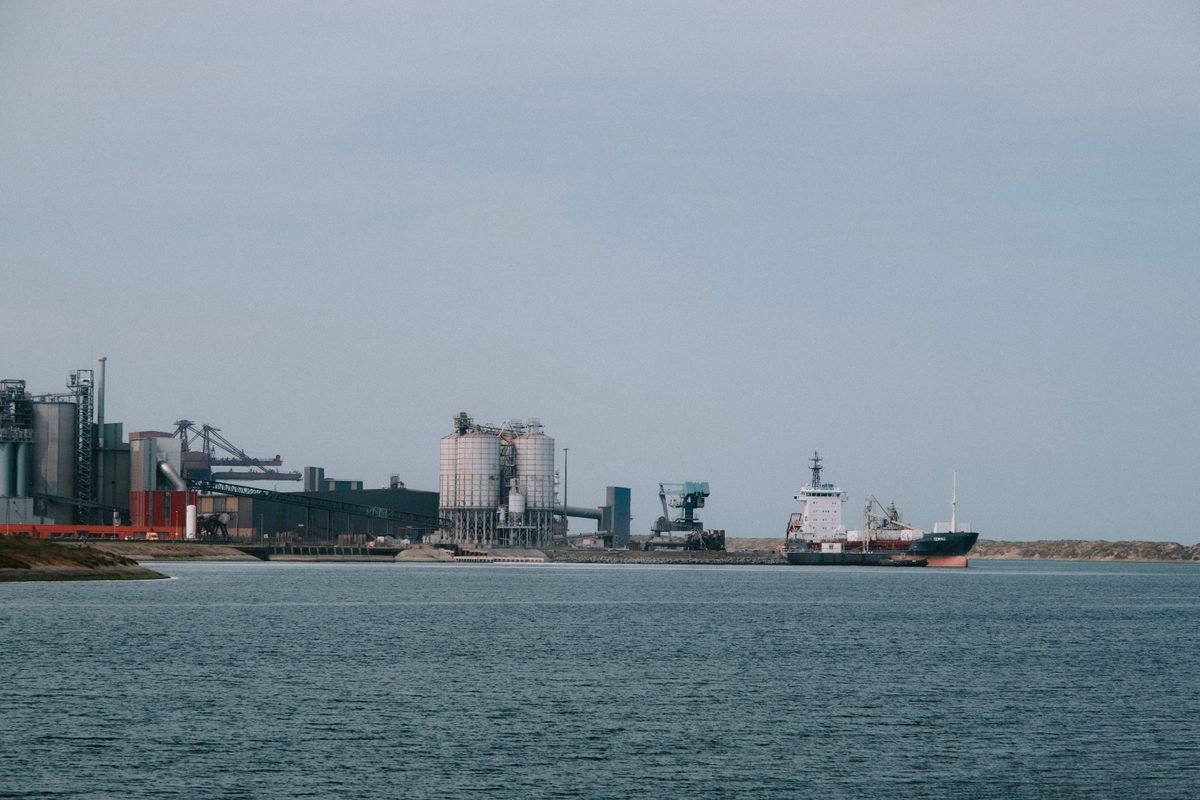
If you prefer a more scenic arrival, the Wolmi Sea Train station is located right next to Incheon Station. This monorail circles the island and offers elevated views of the massive industrial port and the grain silos. An adult ticket is ₩11,000 (about $8.25) on weekdays and ₩14,000 (about $10.50) at weekends. The ₩8,000 fare quoted on many older pages is the Incheon residents’ rate, so do not count on it. The line is closed every Monday. While it is slower than the bus, it provides a unique perspective on Incheon’s history as a major trading hub. You can get off at the Wolmi Culture Street station to start your theme park visit. Walking is also an option, but the route passes through industrial zones and lacks shade. The walk is long. I suggest saving your energy for the park itself.
Tip: Check the Train Destination
Always ensure your Line 1 train is bound for Incheon Station, not Sinchang or Cheonan, to avoid a long detour.
Riding the legendary Viking ship and theme park attractions
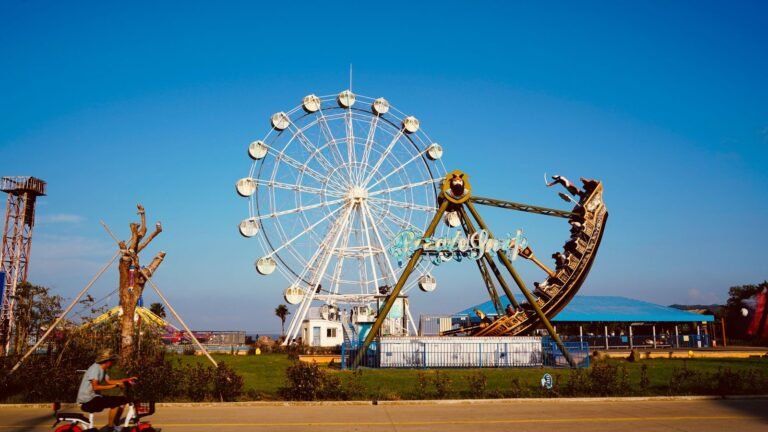
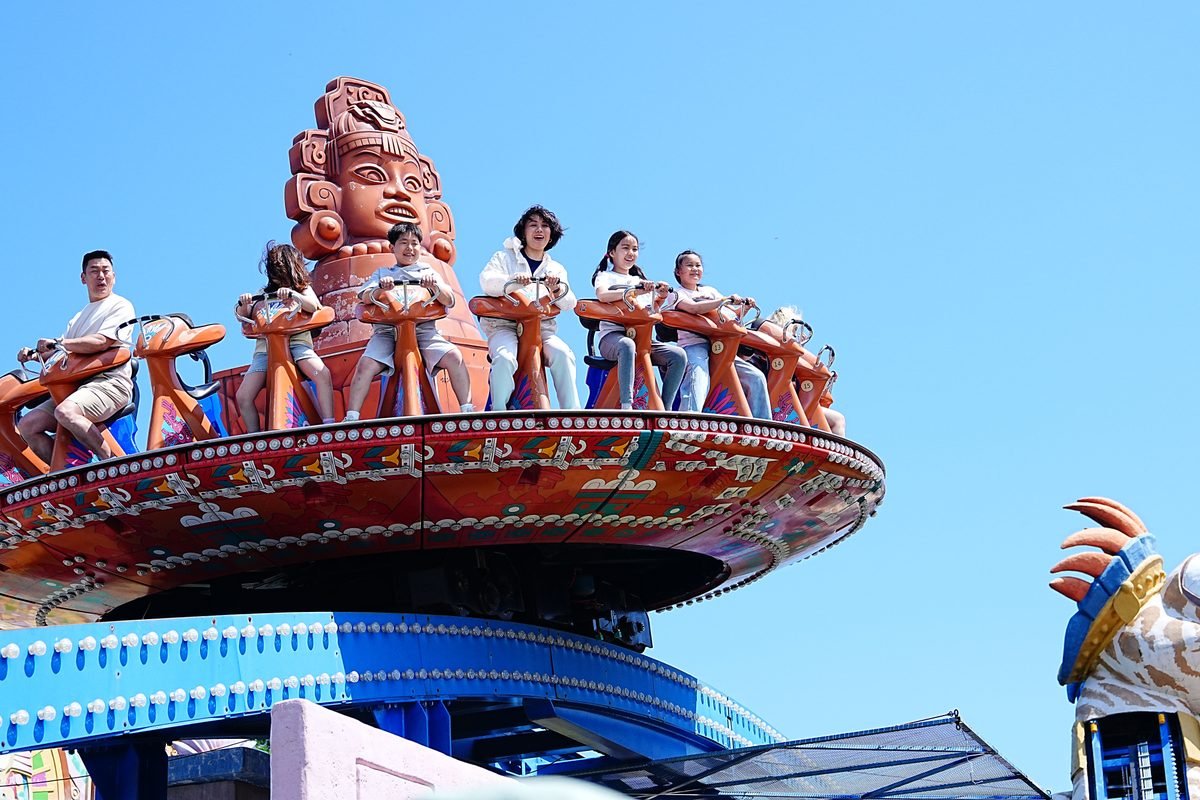
Wolmi-do is home to two main amusement areas: My Land and Wolmi Theme Park. While they sit right next to each other, My Land is where you will find the most famous ride in the country. The Viking ship here is legendary among locals for being genuinely terrifying. Unlike the sanitized versions in major parks like Lotte World, this Viking ship swings at an angle that feels like it exceeds 90 degrees. At the peak of the arc, you are looking straight down at the pavement or the sea. Safety bars feel loose. The ride is vertical. It is a rite of passage for students and thrill-seekers in the Gyeonggi area. Each ride costs roughly ₩6,000 (about $4.50) per person.
Another staple of the Wolmi experience is the Disco Pang Pang. This is a large, spinning circular sofa that bounces violently to the beat of loud K-pop. However, the real draw is the DJ. The operator spends the entire time narrating the ride, cracking jokes, and playfully mocking the passengers. It is a spectator sport; you will often see crowds of people standing around the fence just to watch the DJ target a specific group of friends or a couple. If you decide to ride, hold on tight to the railing behind you. If you let go, you will likely slide across the floor into the center of the disc while the crowd laughs.
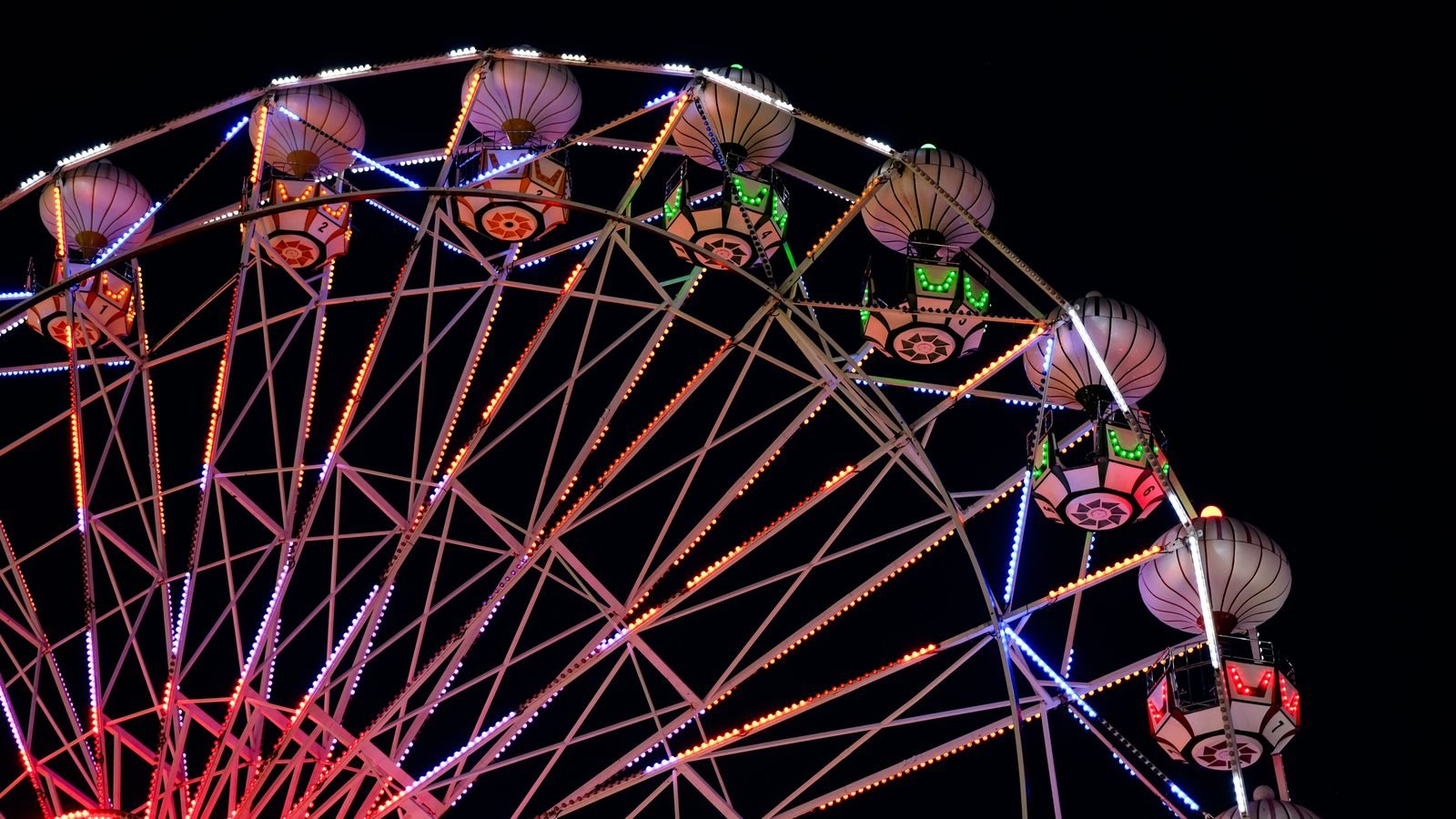
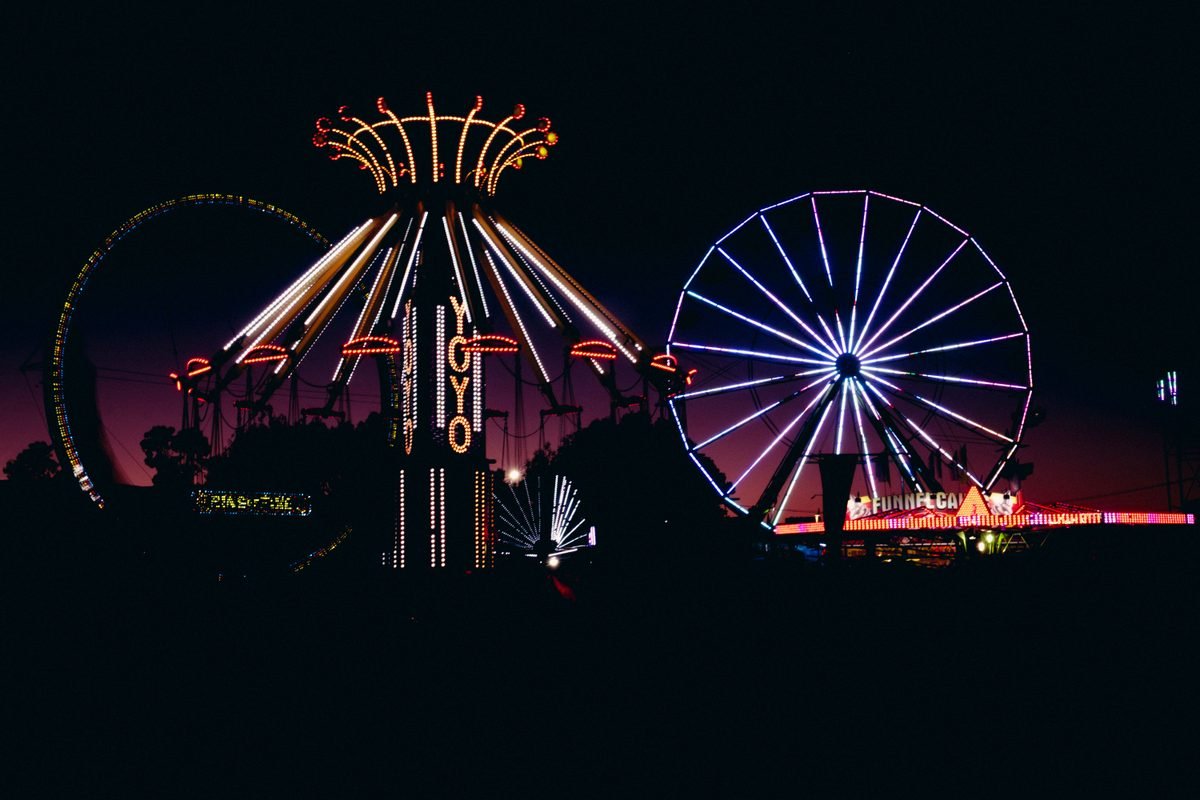
For those traveling with children, the newer Wolmi Theme Park section offers more traditional rides like a Ferris wheel and a double-decker carousel. The Ferris wheel provides a great vantage point for photos of the coast, especially during the golden hour. Most rides are priced individually, so you do not need to pay a high entrance fee just to walk around. You can buy tickets at the small kiosks scattered throughout the park. Bring some cash. Some older machines still prefer physical bills over international credit cards.
Heads up: Loose Belongings
The Viking ship swings so high that phones and wallets frequently fly out of pockets; secure everything in a zipped bag before boarding.
Feeding seagulls on the Yeongjong-do ferry
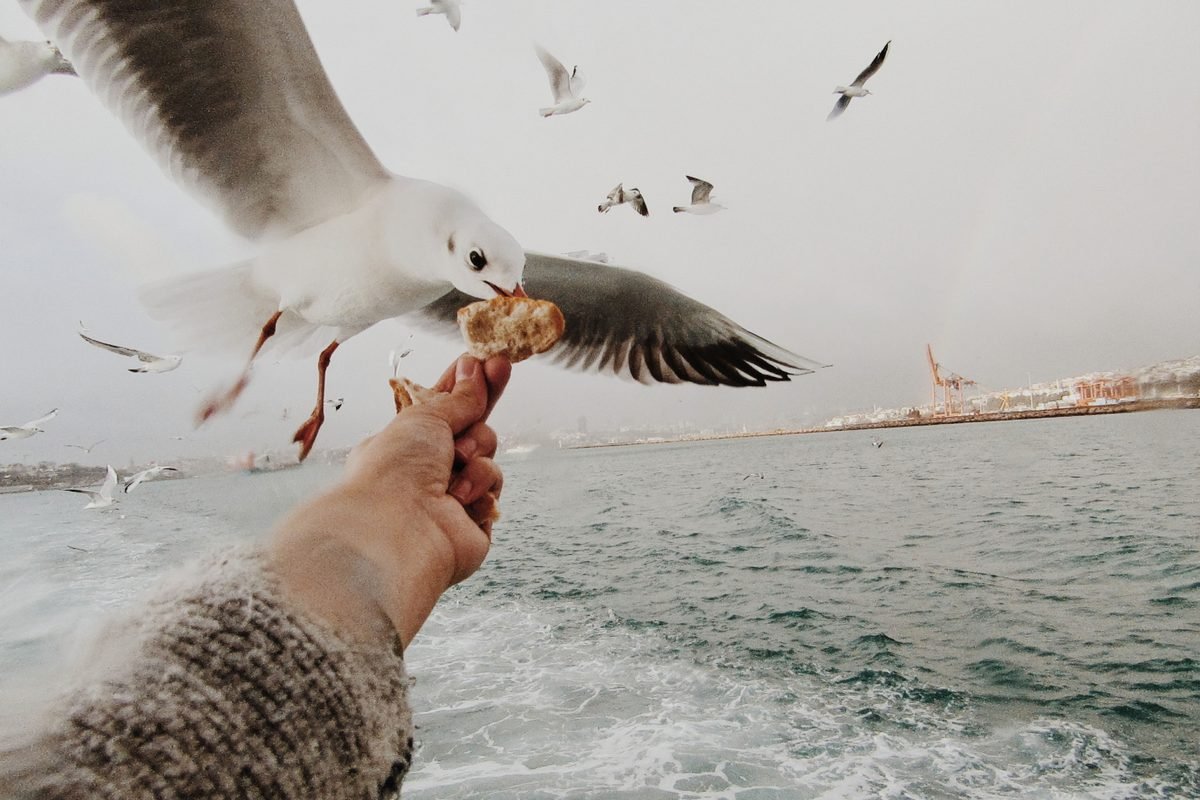
One of the most traditional things to do at Wolmi-do is to take the car ferry across the water to Yeongjong-do. The ferry terminal is located at the southern end of the boardwalk. This boat ride is short, lasting only about 15 minutes, but it is a highlight for many visitors. The fare for a foot passenger is ₩3,500 (about $2.60) one way. While the destination—a quiet pier on the island where the airport sits—is nice for a walk, the journey itself is the main event. As soon as the engines start, hundreds of seagulls begin to swarm the upper deck of the boat.
To participate in the local ritual, you must buy a bag of Saewookkang, which are salty shrimp crackers. You can find them at the terminal convenience store or on the boat for about ₩2,000 (about $1.50). Travelers stand along the railings and hold the crackers out between their fingers. The gulls are remarkably precise; they will swoop down and pluck the cracker from your hand while they are in full flight. It is a chaotic, noisy, and slightly messy experience, but it makes for great photos. The wind is cold. Be prepared for the birds to get very close to your face.
Once you arrive at Gueup-baetteo pier on Yeongjong-do, you can explore the various cafes and seafood restaurants that have popped up there. It is much quieter than the Wolmi side. If you are not staying long, you can simply wait for the next return ferry. On the way back, you get a clear view of the Incheon Bridge, a massive engineering feat that stretches across the horizon. The ferry runs roughly every hour, and the season matters: on the winter timetable, from mid-October to mid-February, the last boat leaves Wolmi-do at 17:00 rather than 18:00. It is a relaxing way to feel the sea breeze and escape the loud music of the theme parks for a moment.
From a local: The Best Cracker Brand
Only buy the original red-bag Saewookkang; locals swear the gulls can tell the difference between the brand name and the cheaper store versions.
Where to eat grilled shellfish and local seafood
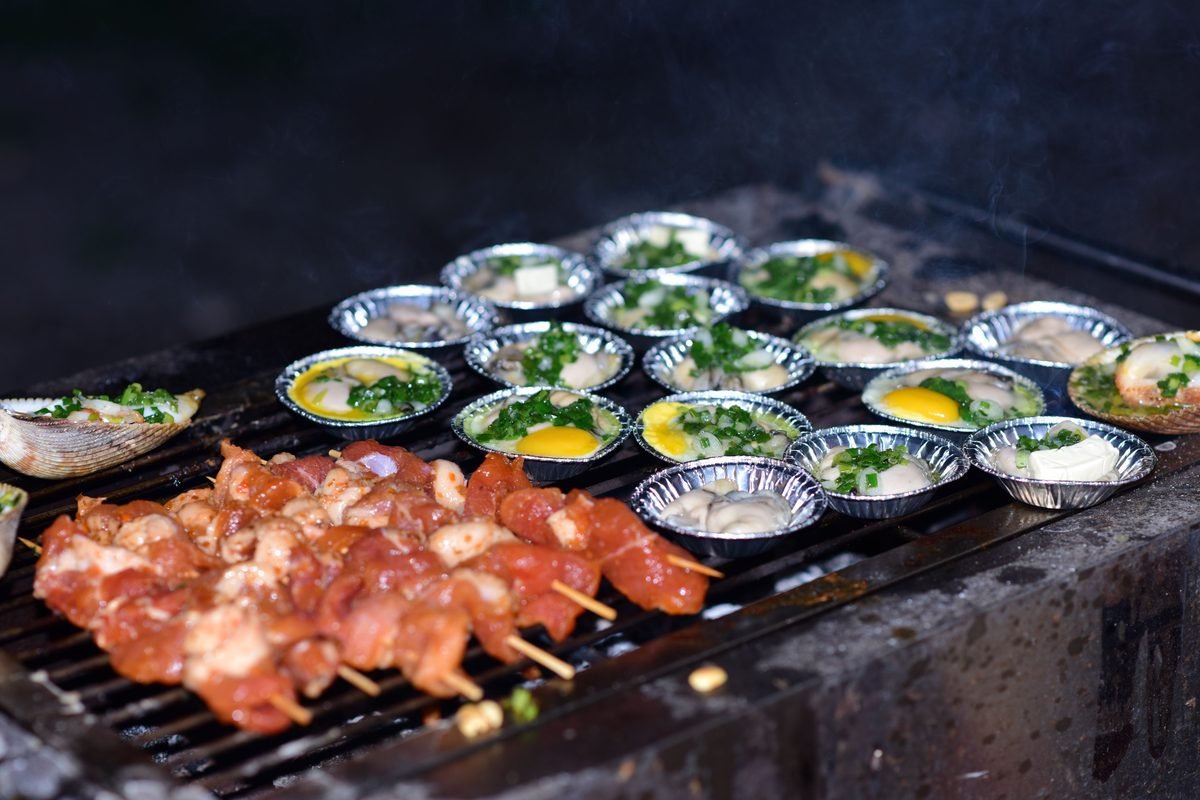
You cannot visit Wolmi-do without noticing the rows of seafood restaurants lining the waterfront. The specialty here is jogae-gui, or grilled shellfish. Outside each restaurant, you will see large glass tanks filled with live clams, scallops, oysters, and sometimes abalone or sea squirts. The atmosphere is casual and often loud, with the sound of shells popping on charcoal grills. Eating here is a communal experience. Most places offer sets based on the number of people in your party. A medium set suitable for two or three people usually costs around ₩45,000 (about $34), which works out at roughly ₩18,000 (about $13.50) a head.
When you sit down, the staff will bring a bucket of assorted shellfish and a tray of side dishes, which usually includes corn cheese, spicy noodles (bibim-guksu), and sometimes a small bowl of steamed eggs. You are responsible for grilling the clams yourself. Place them on the wire rack over the hot coals and wait for them to pop open. Once open, give them another minute or two, then use tongs to pull the meat out. Be careful of the hot liquid inside the shells. If a clam refuses to open after several minutes, discard it; it was likely dead before it hit the grill. The meat is usually dipped in chogochujang, a sweet and spicy vinegar-based pepper paste.
To finish the meal, most locals order a bowl of haemul kalguksu, which are handmade wheat noodles served in a rich seafood broth. It is the perfect way to fill up if the shellfish wasn’t quite enough. I recommend choosing a restaurant on the second floor with a window facing the sea. Watching the sunset over the Yellow Sea while the grill smokes is one of the best ways to end a day trip. Keep in mind that your clothes will smell strongly of smoke and seafood afterward. It is part of the experience. Most restaurants provide plastic bags to hide your jackets and bags from the smell.
From a local: The Table Fee
Check if the restaurant charges a sangcharimbi (table-setting fee) per person, which is common if you are buying seafood from a nearby market stall instead of the restaurant’s own stock.
Exploring the Wolmi Sea Train and surroundings
The Wolmi Sea Train is more than just a way to get to the park; it is a tourist attraction in its own right. It holds the record for the longest urban monorail in South Korea, covering a 6.1-kilometer loop around the island. The train moves slowly, at about 10 kilometers per hour, allowing you to take in the industrial scenery. One of the most impressive sights is the Incheon Port Grain Silo. This massive structure is covered in a mural that entered the Guinness World Records as the largest outdoor mural in the world. It depicts a young boy growing into a man through the seasons, painted across sixteen silos.
The monorail has four stations: Incheon Station, Wolmi Park, Wolmi Culture Street, and Museum. Your ticket allows two boardings — the first ride plus one re-entry on the same day. This means you can start at Incheon Station, get off at Wolmi Park to hike the hill, and then use your second boarding to go from Culture Street back to the start. The Wolmi Park station is the gateway to a much quieter side of the island. Here, you can find a restored traditional Korean garden based on historical palace designs. It is a stark contrast to the neon lights and loud speakers of the theme park just a few hundred meters away.
If you have the energy, hike up to the Wolmi Observatory. It is a relatively easy climb on paved paths, and the view from the top is the best in Incheon. You can see the entire port, the Incheon Bridge, and on clear days, even the skyscrapers of Songdo International City. The monorail is slow. It can get very crowded on weekends, so I recommend booking your ticket online in advance through the official Incheon Transit Corporation website if you are visiting on a Saturday or Sunday. If you show up without a reservation, you might have to wait an hour for the next available time slot.
Book ahead: Weekend Reservations
Book Sea Train tickets at least three days ahead for weekend visits, as the limited capacity often leads to sell-outs by mid-morning.
Combining Wolmi-do with Incheon Chinatown
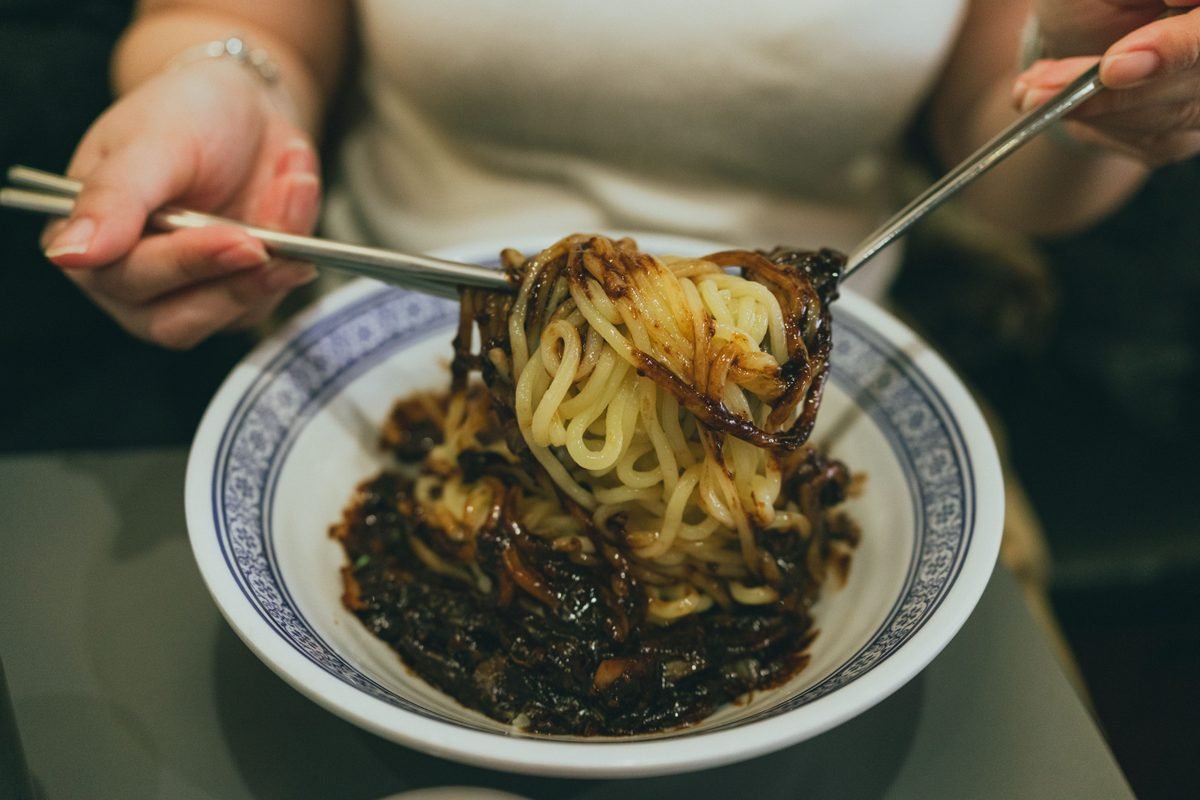
Since you have to pass through Incheon Station anyway, it is a mistake not to spend a few hours in Chinatown. This area was established in 1883 following the opening of Incheon Port and is the only official Chinatown in South Korea. The entrance is marked by a massive red Chinese gate (paifang) right across from the station exit. The streets here are steep and lined with restaurants serving a localized version of Chinese cuisine. The most famous dish is Jajangmyeon, or black bean noodles. While you can find this everywhere in Korea, it was invented right here at a restaurant called Gonghwachun.
You can visit the Jajangmyeon Museum, housed in the original Gonghwachun building, for a small fee of ₩1,000 (about $0.75). It is a fun, quick look at how the dish became a national favorite. After lunch, walk up the hill to the Samgukji Mural Street, which depicts scenes from the Romance of the Three Kingdoms. The murals are detailed and provide a great backdrop for photos. At the top of the hill is Jayu (Freedom) Park, which features a statue of General MacArthur and offers a wide view of the harbor. It is a peaceful place to sit before the chaos of Wolmi-do.
For snacks, look for vendors selling gonggal-ppang, hollow baked pastries about the size of a grapefruit, lined with a thin layer of caramelized sugar and filled with nothing but air. They shatter the moment you bite into one, and they are a Chinatown institution you will not find in Seoul.
From a local: The Best Snack
Try the mooncakes or the white-based Jajangmyeon for a flavor profile you won’t find in the standard versions sold in Seoul.
What it costs in Incheon
| Item | Local price | USD |
|---|---|---|
| Subway (Seoul to Incheon Round Trip) | ₩4,300 | ($3.20) |
| Wolmi Sea Train Adult Ticket (weekday) | ₩11,000 | ($8.25) |
| Theme Park Single Ride (Viking) | ₩6,000 | ($4.50) |
| Yeongjong-do Ferry (Round Trip) | ₩7,000 | ($5.25) |
| Bag of Shrimp Crackers | ₩2,000 | ($1.50) |
| Grilled Shellfish Set (per person, sharing a medium set) | ₩18,000 | ($13.50) |
| Jajangmyeon in Chinatown | ₩8,000 | ($6.00) |
| Total per person | ₩56,300 | ($42.29) |
Prices checked October 2026. Always confirm with the provider before you book.
Where to stay in Incheon
Budget
Incheon Station area, for easy access to Line 1 and Chinatown
This area is perfect for those who want to be first in line for the Sea Train or the Jajangmyeon restaurants. Expect simple guesthouses and business hotels priced between ₩45,000 and ₩70,000 ($34-$52).
Mid-range
Wolmi-do Waterfront, for sea views and nightlife
Staying on the island itself means you can enjoy the theme park and seafood until late without worrying about the last subway. Modern hotels with harbor views range from ₩80,000 to ₩130,000 ($60-$97).
Splurge
Songdo Central Park, for luxury skyscrapers and parks
Located about 25 minutes south by taxi, Songdo offers high-end international hotels and a futuristic skyline. Nightly rates for five-star properties typically fall between ₩180,000 and ₩350,000 ($135-$262).
Mistakes to avoid
- Taking the wrong Line 1 train branch and ending up in Suwon or Sinchang instead of Incheon.
- Visiting on a Monday when the Wolmi Sea Train and some local museums are closed for maintenance.
- Buying shrimp crackers inside the ferry terminal for a higher price than at the mainland convenience stores.
- Wearing expensive shoes to eat grilled shellfish, as the charcoal and salt water can be messy.
FAQ
How should I structure my timing for a day trip to Wolmi-do and Chinatown?
I recommend arriving at Incheon Station by 11:00 AM to explore Chinatown and have lunch first. Head to Wolmi-do by 2:00 PM for the ferry and theme park rides, aiming to be on the boardwalk for a sunset dinner of grilled shellfish.
Can I use my T-money card for the theme park rides?
No, T-money is only for transportation; you must purchase individual ride tickets or multi-ride passes at the ticket booths within My Land or Wolmi Theme Park.
Is the Viking ride safe for children?
The ‘famous’ Viking at My Land is very intense and has a height requirement; however, the nearby Wolmi Theme Park has a smaller ‘Mini Viking’ specifically designed for younger kids.