
The Ultimate Korean Street Food Guide

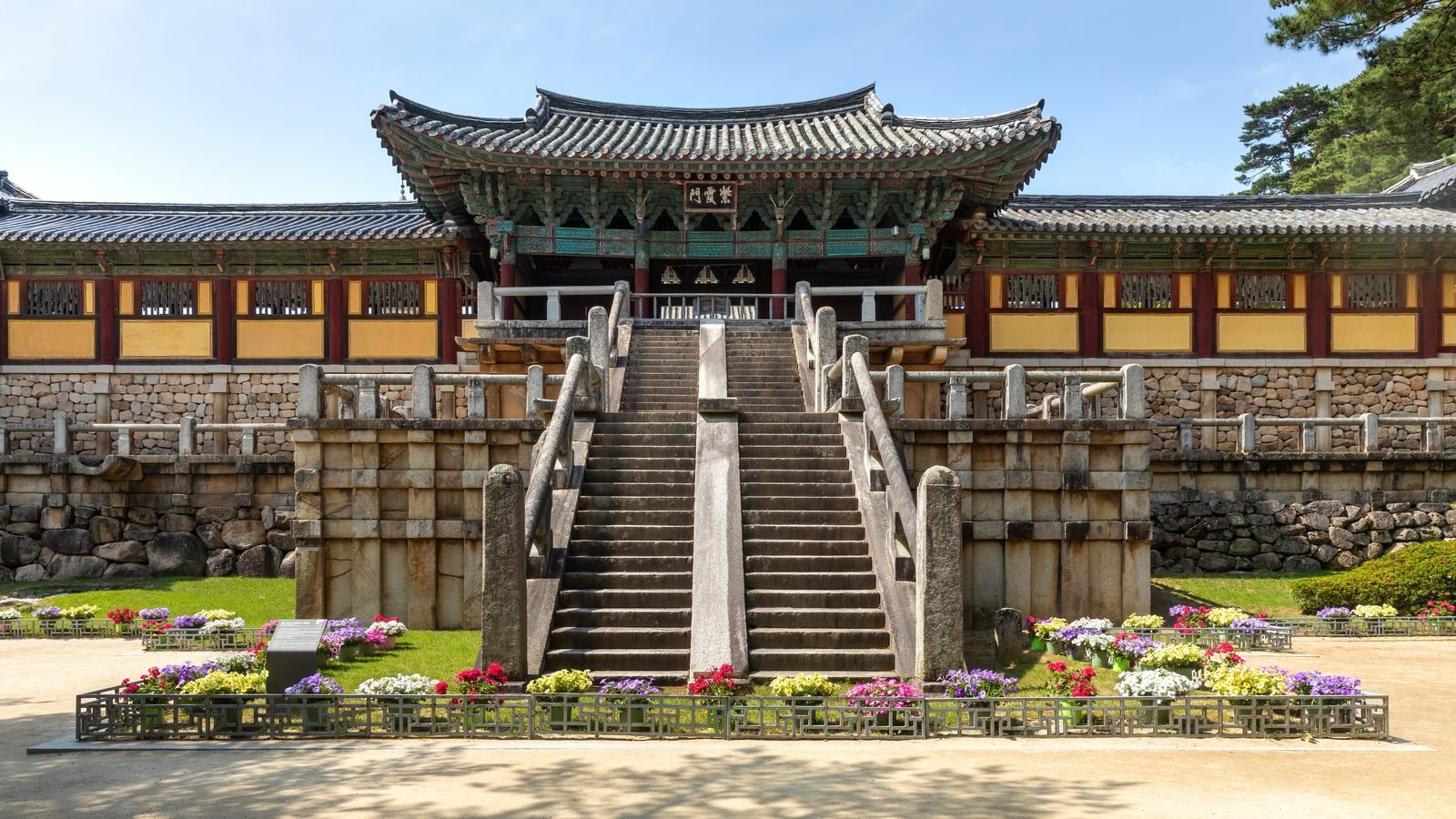
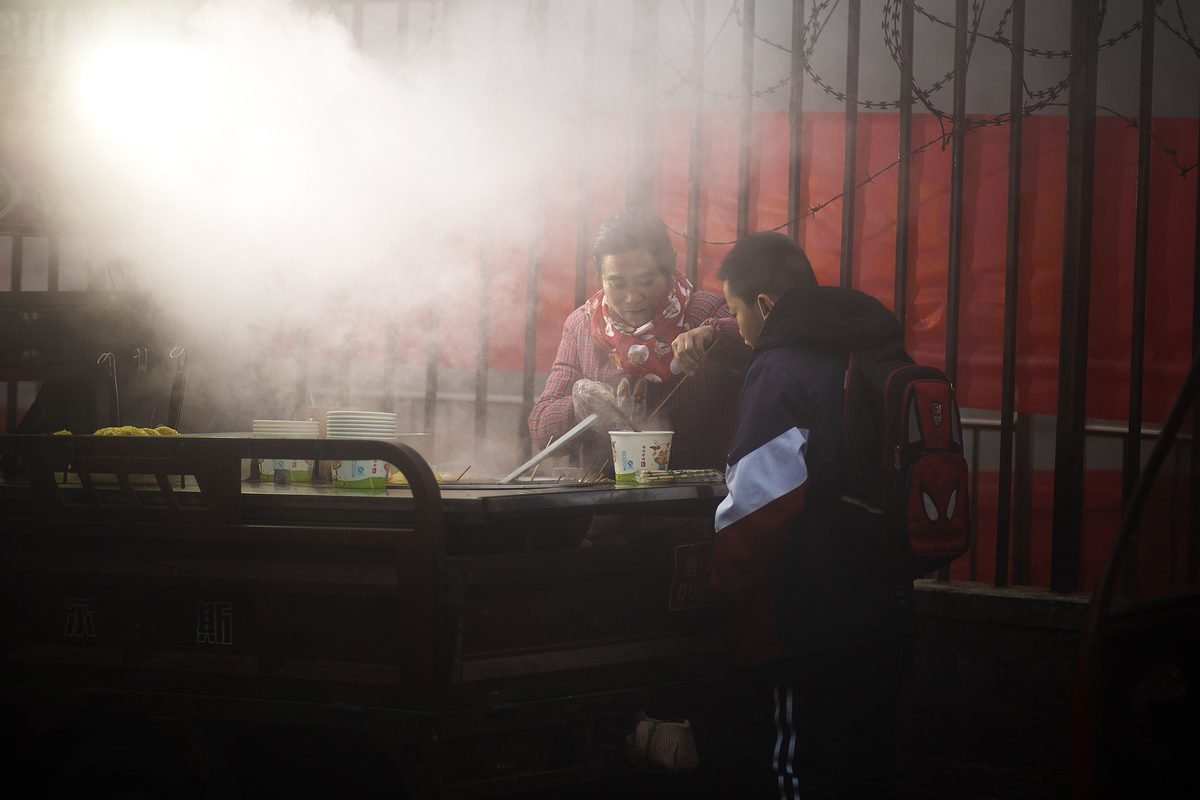
A cold November evening in Seoul, steam rising from a metal cart parked outside Exit 4 of Jongno 3-ga Station. For ₩1,500 (about $1.10), a paper cup filled with piping hot fish cake broth and a skewer of odeng warmed my frozen hands. This is the heart of daily life in Korea, where the street cart is a communal living room.
If you are planning your first trip to Seoul or looking to venture beyond tourist zones, this comprehensive Korean street food guide is for you. We will break down the essential sweet and savory bites, typical prices, seasonal availability, local etiquette, and how to navigate the heat levels without burning your tongue.
Seasons of Street Food: When to Find What
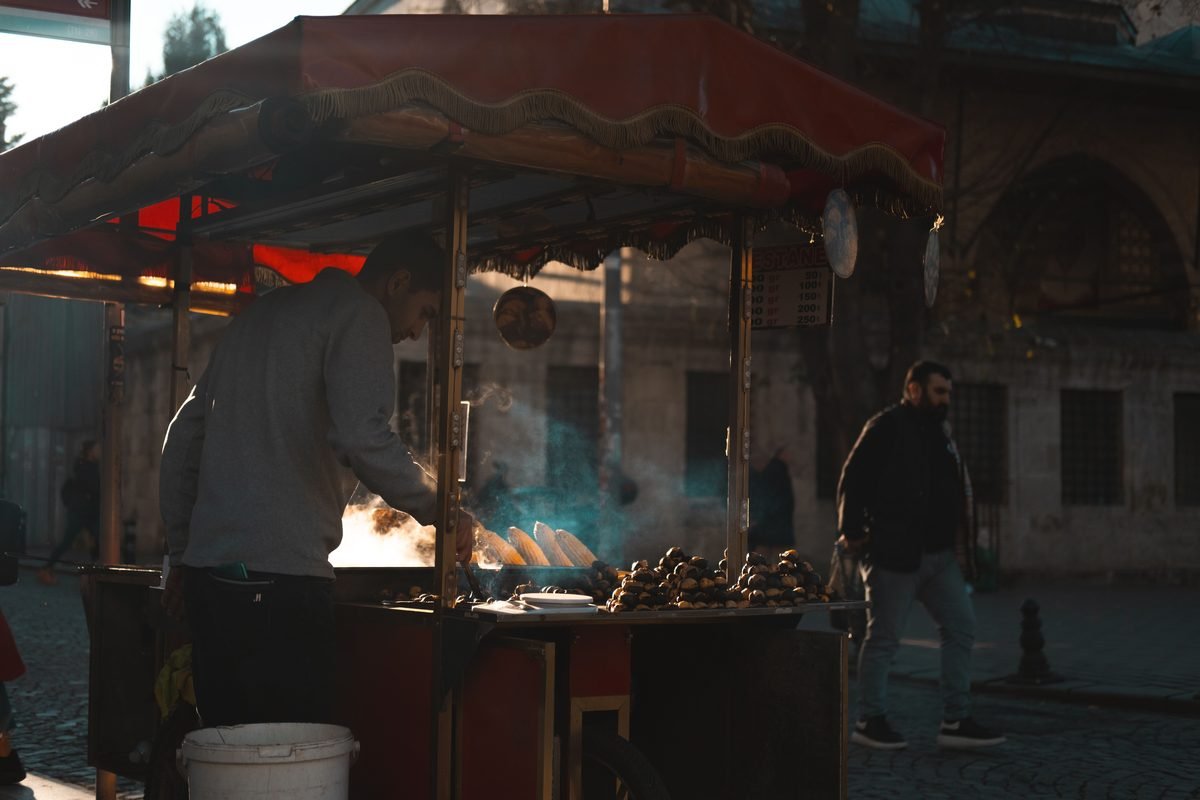
Street food in Korea is highly seasonal. While you can find spicy rice cakes year-round, many of the most beloved treats only emerge when the autumn wind begins to bite. In September, you will start to see the transition. The heavy metal griddles for hotteok are polished, and the cast-iron fish molds for bungeoppang are pulled out of storage. By November, every subway exit has its own resident vendor wrapped in a heavy winter coat, surrounded by a cloud of white steam.
Winter is the undisputed golden age of Korean street food. Cold temperatures make standing beside a roaring gas burner incredibly appealing. The warmth of a paper bag filled with fresh pastries is both a snack and a hand warmer. This is when sweet red bean fillings and hot cinnamon syrups reign supreme. Locals will crowd around the carts, sharing space under plastic tarps to escape the wind.
When spring arrives in April, these winter carts quietly pack up. If you are planning a wider trip, perhaps down south using our Jeju Island bus travel tips, you will find different regional specialties. In Seoul, they are replaced by vendors selling fresh fruit skewers, grilled chicken skewers (dakkochi) slathered in sweet soy glaze, and cups of ice-cold lemonade. Summer street food is all about survival. You will find soft-serve ice cream piled thirty centimeters high in Myeongdong, or cup-bingsu (shaved ice with condensed milk and sweet red beans) served in plastic cups.
To experience the full variety, aim to visit between October and March. The crisp air makes the rich, fried, and doughy snacks taste infinitely better. However, even in the sweltering heat of July, night markets like those along the Han River keep the savory food scene alive with modern fusion bites. It is a dynamic cycle that reflects the changing Korean calendar.
From a local: The Winter App Trick
Koreans use a crowdsourced app called ‘Bungeoppang Map’ (가슴속 3천원) to track down active winter street food carts in real-time based on user reports.
The Sweet Classics: Hotteok, Bungeoppang, and Gyeranppang
If you have a sweet tooth, Korean street stalls are paradise. The king of sweet snacks is hotteok. This is a yeast dough ball stuffed with brown sugar, cinnamon, and chopped nuts, then shallow-fried on a greased griddle. As it cooks, the vendor presses it flat with a circular iron tool. The sugar inside melts into a molten, caramelized syrup. Be careful on your first bite; the syrup is incredibly hot and easily burns the roof of your mouth. A single hotteok usually costs between ₩1,500 and ₩2,500 (about $1.10 to $1.85). Some vendors offer savory versions filled with glass noodles, but the sweet original remains the favorite.
Next is bungeoppang, the iconic fish-shaped pastry. It is made by pouring a thin batter into waffle-like iron molds, adding a generous scoop of sweetened red bean paste, and cooking until golden brown and crispy on the outside. Modern variations include vanilla custard (chou-cream), chocolate, or sweet potato. It is customary to buy these in bags of three or four, costing around ₩2,000 to ₩3,000 (about $1.50 to $2.20) for a bag. I always look for vendors who keep the edges of the fish untrimmed, as those crispy, paper-thin borders are the best part.
For something that blurs the line between sweet and savory, look for gyeranppang, or egg bread. This is a small, oblong loaf of sweet, vanilla-scented cake batter with a whole egg cracked on top. It is baked in specialized individual metal cups. The contrast between the sweet, fluffy cake and the savory, slightly salty egg yolk is perfect. A single gyeranppang costs about ₩2,000 (about $1.50) and makes a surprisingly filling breakfast on the go. You can find them near major university districts like Hongdae or Sinchon, where students grab them on their way to morning lectures.
Heads up: Beware the Molten Sugar
The molten sugar inside hotteok stays hot long after the dough has cooled. Let it sit for at least two minutes before taking your first bite to avoid painful tongue burns.
The Savory Staples: Tteokbokki, Sundae, and Odeng
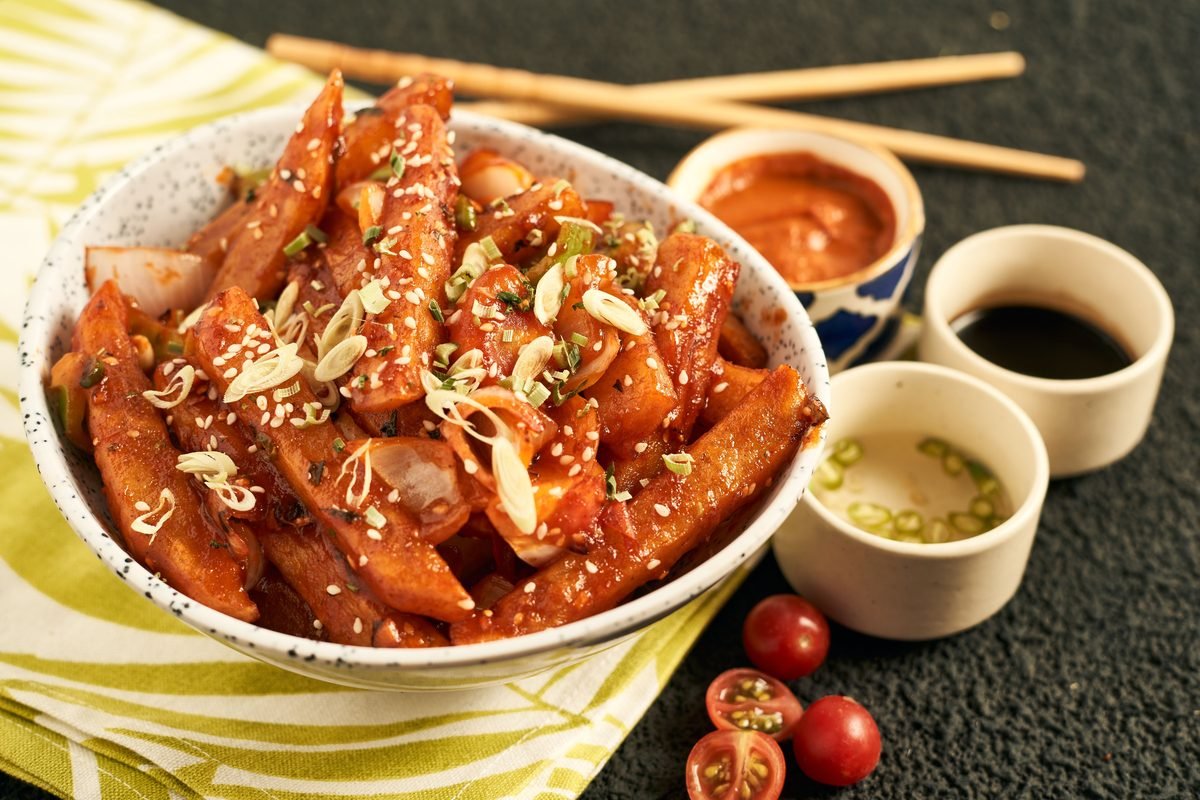
For many locals, the ultimate comfort meal is the classic trio of tteokbokki, sundae, and odeng. Tteokbokki consists of chewy, cylindrical rice cakes simmered in a thick, bright red sauce made from gochujang (chili paste) and gochugaru (chili flakes). It is sweet, savory, and can range from mildly spicy to sweat-inducing. A portion costs around ₩4,000 (about $3.00). The sauce often includes thin sheets of fish cake and boiled eggs. If you want to eat like a local, order a side of sundae to dip in the red sauce.
Sundae is Korean blood sausage. It is made by stuffing cow or pig intestines with glass noodles (dangmyeon), barley, and pork blood, then steaming it. It is sliced into thick rounds and served with steamed offal like liver (gan) and lung (heopa). It has a chewy texture and a mild, earthy flavor. Do not let the name intimidate you; it is incredibly comforting, especially when dipped in the salt mixture provided or drenched in spicy tteokbokki sauce. A plate of sundae is usually about ₩4,500 (about $3.30).
To balance the heat, you need odeng, also known as eomuk. These are thin sheets of fish cake skewered in a zigzag pattern and simmered in a light, savory broth made from anchovies, kelp, and radish. A single skewer is roughly ₩1,000 to ₩1,500 (about $0.75 to $1.10). The best part of eating odeng is the broth. Vendors keep paper cups nearby, and you are welcome to ladle yourself as much hot soup as you want for free. It is the ultimate palate cleanser between bites of spicy rice cakes, and on a freezing January night, it feels like a lifesaver.
Tip: Odeng Dipping Etiquette
When eating odeng, do not dip your skewer back into the communal sauce container after taking a bite. Instead, use the provided plastic brush to paint the soy sauce onto your fish cake.
Where to Eat: The Best Markets and Street Food Hubs
While street food carts are scattered across every neighborhood, a few dedicated markets offer concentrated culinary adventures. Gwangjang Market in Jongno is the historic heart of Seoul’s food scene. If you are following our Gwangjang Market guide, you know this is the place to try bindaetteok, thick, crispy pancakes made from ground mung beans and pork, shallow-fried in bubbling oil for ₩5,000 (about $3.70). You should also try mayak gimbap, mini seaweed rice rolls stuffed with carrot and pickled radish, served with a sharp mustard dipping sauce. Sitting on a wooden bench here is an intense sensory experience.
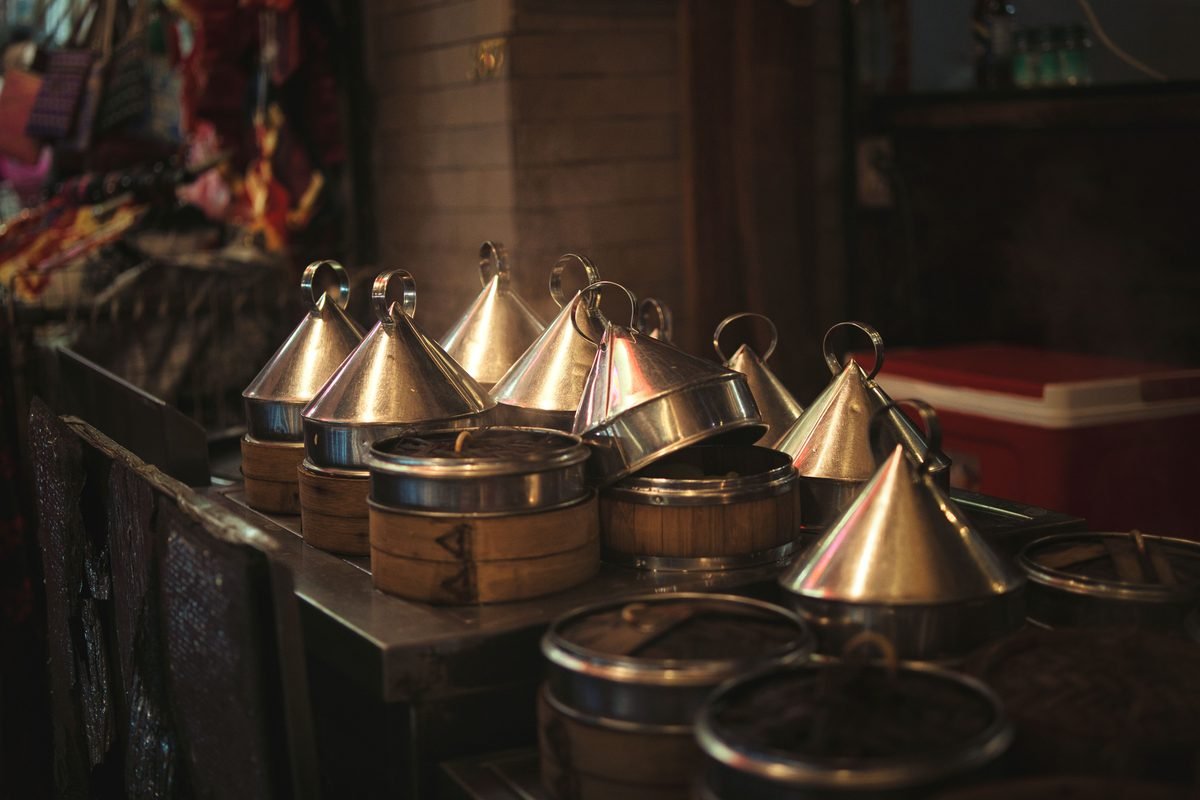
For a unique experience, head west to Tongin Market near Gyeongbokgung Palace. This market is famous for its “Yeopjeon Dosirak” (brass coin lunchbox) cafe. You exchange modern cash for traditional brass coins, then wander the market stalls, filling a black plastic tray with small portions of food like oil tteokbokki (a crispy, stir-fried version) and mini potato pancakes. It is a fantastic way to sample dozens of dishes without getting too full.
If you want modern fusion street food, Myeongdong Night Market is the most famous spot. While prices here are higher and it caters heavily to tourists, it offers creative snacks you will not find elsewhere, such as grilled lobster tails with cheese, cabbage-filled okonomiyaki, and baked cheese skewers. For a more traditional vibe, Namdaemun Market is fantastic for hotteok. The famous vegetable hotteok stall near the Gate 2 entrance sells savory pastries stuffed with glass noodles and vegetables for ₩2,000 (about $1.50). It is always surrounded by a long queue of hungry locals.
Book ahead: Tongin Market Hours
Tongin Market’s coin lunchbox cafe operates from 11:00 to 16:00 and is closed on Mondays and the third Sunday of each month. No advance booking is needed; just buy coins at the entrance.
Practical Tips: Etiquette, Spice Levels, and Payments
Navigating Korean street food stalls is simple once you know the basic rules of engagement. First, let us talk about money. While physical shops in Seoul are almost entirely cashless, many traditional street food carts still prefer cash or bank transfers. Always carry a few ₩1,000 and ₩5,000 notes with you. In larger tourist areas like Myeongdong, card payments are widely accepted, but a small discount is sometimes offered for cash.
When it comes to spice, do not underestimate the heat. Korean chili paste (gochujang) has a slow, building burn. If you are sensitive to spice, ask the vendor for “sun-han-mat” (mild flavor) rather than “mae-un-mat” (spicy flavor). If you accidentally eat something too hot, do not reach for water. Grab a cup of warm odeng broth instead; the savory, salty liquid neutralizes the capsaicin much faster than cold water.
Trash disposal is another common hurdle. Seoul has very few public trash cans on the street. If you buy food from a cart, the polite thing to do is eat it near the stall and hand the wooden skewer or paper cup back to the vendor for disposal. Walking down the street while eating is generally frowned upon, as you risk bumping into someone and staining their clothes with red sauce.
Finally, download Naver Map or KakaoMap before you head out. Google Maps does not provide reliable walking or transit directions in South Korea, making it easy to get lost in the winding alleys of older markets.
What it costs in Korea
| Item | Local price | USD |
|---|---|---|
| Tteokbokki (Spicy Rice Cakes) | ₩4,000 | $3.00 |
| Bungeoppang (3 pieces) | ₩2,000 | $1.50 |
| Hotteok (Sweet Griddle Cake) | ₩2,000 | $1.50 |
| Odeng (Fish Cake Skewer) | ₩1,200 | $0.90 |
| Gyeranppang (Egg Bread) | ₩2,000 | $1.50 |
| Sundae (Blood Sausage) | ₩4,500 | $3.30 |
| Estimated Daily Snack Budget | ₩15,000 | $11.20 |
Prices checked September 2026. Always confirm with the provider before you book.
Mistakes to avoid
- Using Google Maps to find street food alleys, which will lead you to dead ends because the app does not support local walking directions.
- Throwing away your wooden skewers in random street corners instead of returning them to the vendor or holding onto them until you find a subway station trash bin.
- Assuming every street food cart accepts credit cards, leaving you unable to buy snacks from older vendors who only take cash or local bank transfers.
FAQ
Is Korean street food safe to eat?
Yes, Korean street food is extremely safe to eat. The high turnover rate means ingredients are fresh, and vendors operate under strict municipal hygiene standards. Stick to stalls that are busy with locals for the absolute freshest bites.
What is the best Korean street food guide tip for vegetarians?
Vegetarians should be cautious as many savory dishes contain hidden fish broth or pork fat. Always ask ‘gogi eops-eo-yo?’ (is there no meat?) and stick to sweet options like hotteok, gyeranppang, or plain red bean bungeoppang.
How much cash should I carry for street food in Seoul?
Carrying about ₩15,000 to ₩20,000 (about $11 to $15) per person is plenty for a full evening of snacking. This will easily cover three or four different treats and a couple of drinks at most traditional markets.
Can I find street food in Korea during the summer?
Yes, though the menu changes significantly. While hot soups and heavy doughs are less common, you will find grilled chicken skewers, cold noodles, fresh fruit cups, and shaved ice desserts to help you beat the heat.
Do street food vendors in Seoul accept credit cards?
While modern stalls in tourist hotspots like Myeongdong accept cards, smaller neighborhood carts usually require cash or a domestic bank transfer. It is always safest to carry physical Korean won notes when exploring local markets.


One Comment