Kyoto 3 Day Itinerary: The Practical First-Timer Guide

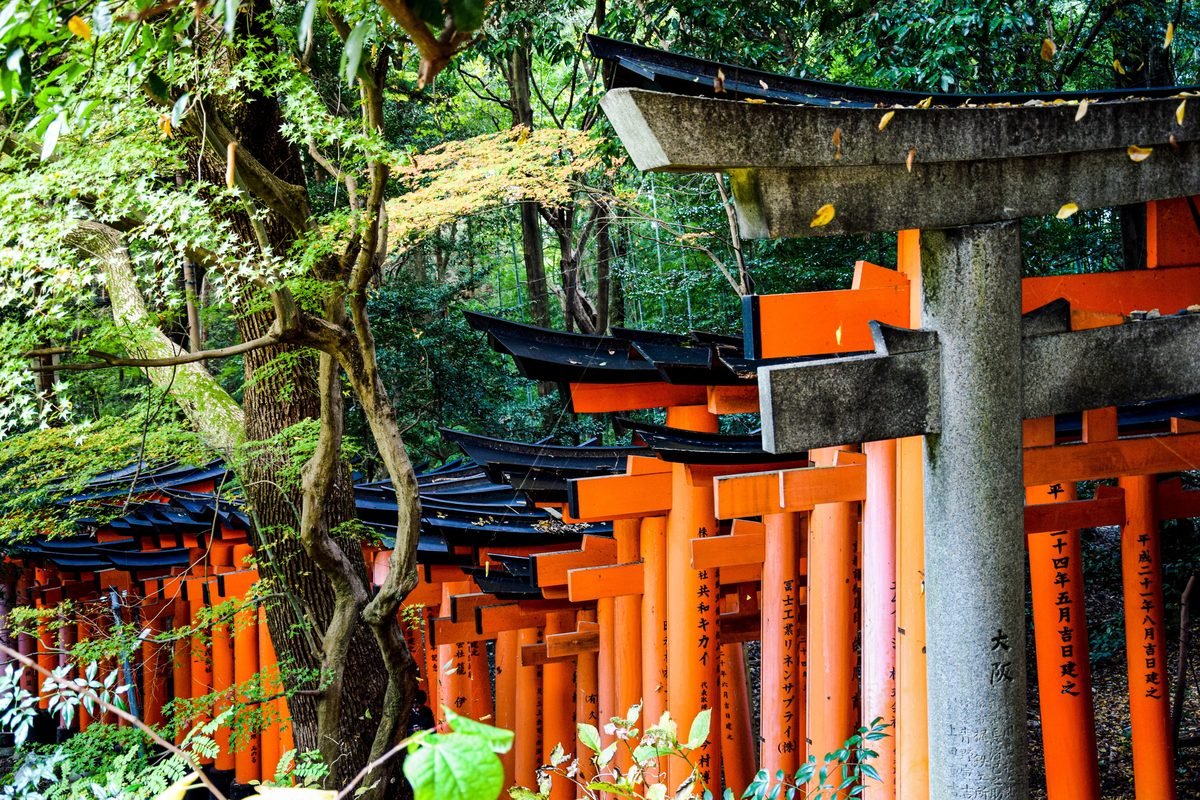
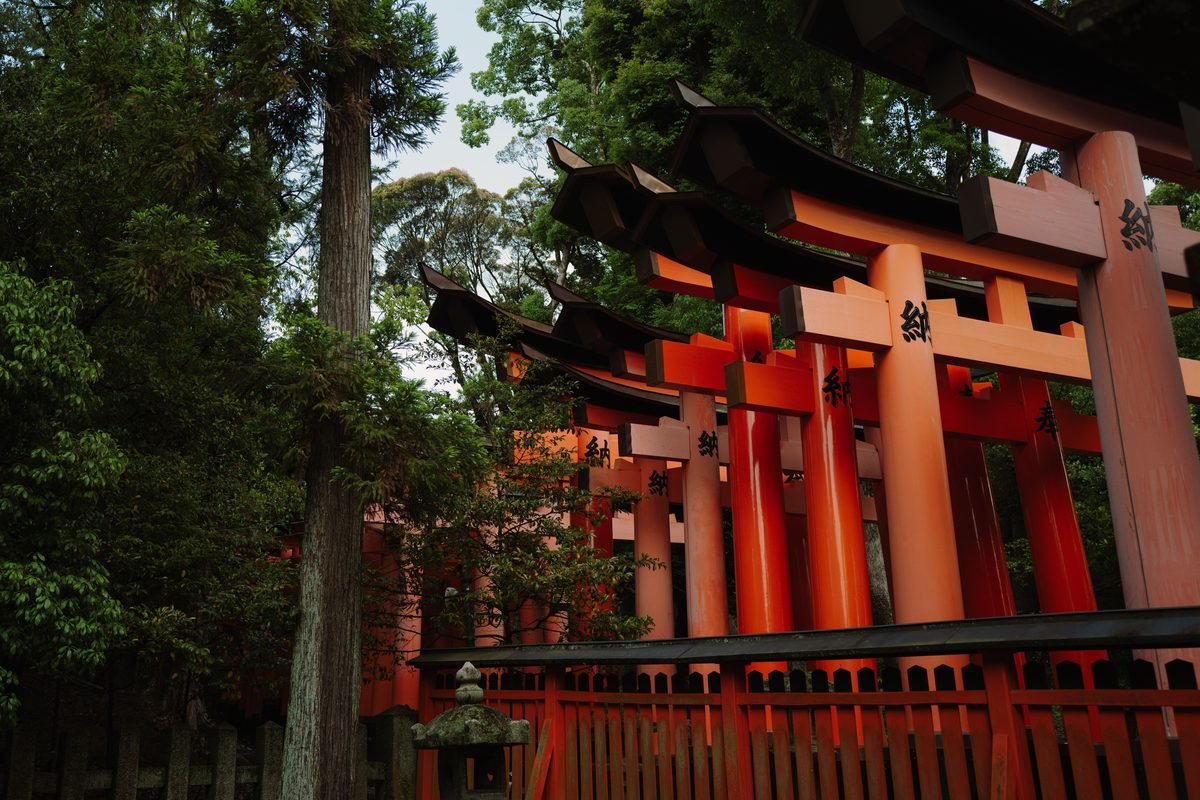
At 5:45 AM, the orange torii gates at Fushimi Inari Taisha stretch into the mountain mist without a single tour group in sight. By 9:00 AM, thousands of visitors crowd the lower pathway, but if you step off the train before sunrise, you hear only crow calls and bamboo leaves shifting overhead.
This guide is for independent travelers who want to experience Japan’s former capital without getting stuck in pedestrian jams. Across this realistic Kyoto 3 day itinerary, we cover early-morning timing strategies, navigating buses versus subways, avoiding Gion photography fines, and taking an easy afternoon trip to Nara.
How to plan your Kyoto 3 day itinerary: Transport and timing
Many first-time visitors expect Kyoto to run on a sprawling subway network like Tokyo, but the city actually relies on just two main subway lines: the Karasuma Line running north-south and the Tozai Line running east-west. For most daily sightseeing, you will rely on a smart combination of city buses, private rail lines like Keihan and Hankyu, and regional JR trains.
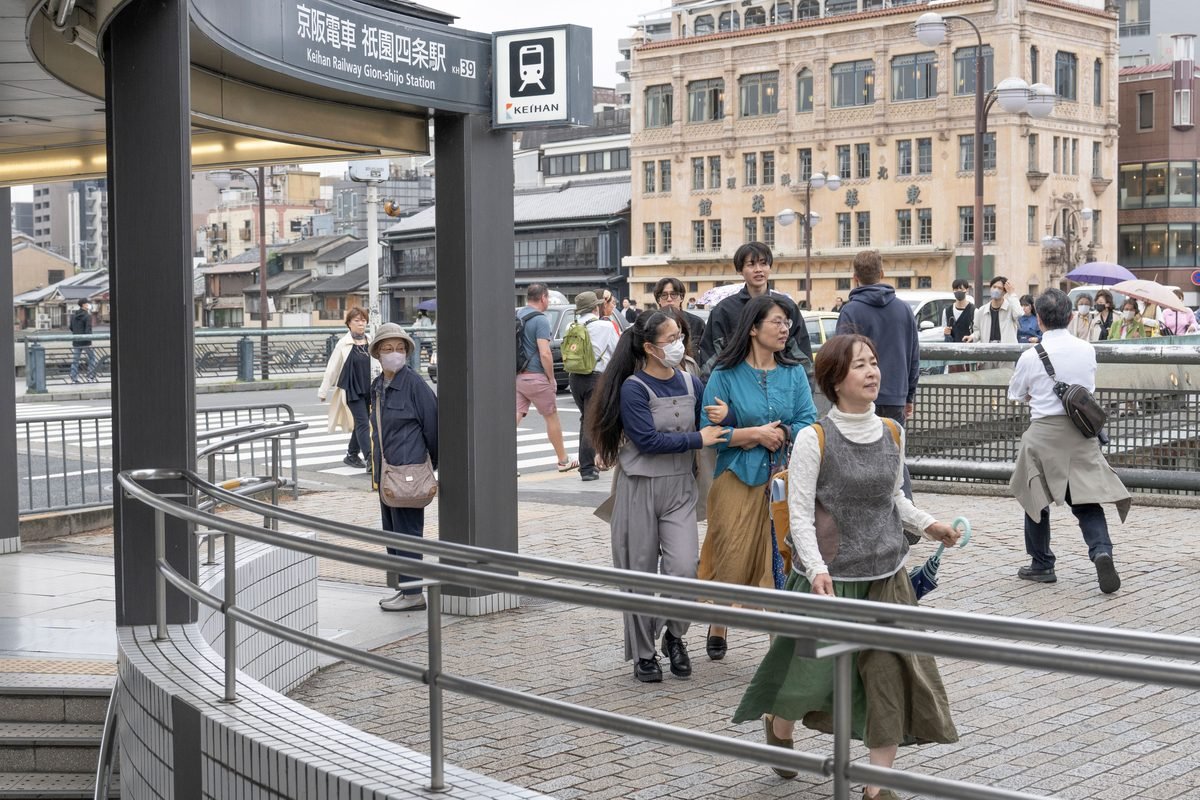
Kyoto City Buses charge a flat fare of ¥230 (about $1.50) per adult ride within the central urban zone. Take the train instead. Buses running along popular sightseeing corridors like Bus #206 toward Kiyomizu-dera frequently get trapped in dense road traffic between 10:00 AM and 4:00 PM. Substituting rail transit wherever possible saves hours of standing in street traffic. For example, taking the Keihan Main Line from Gion-Shijo Station to Fushimi-Inari Station takes just 9 minutes and costs ¥220 (about $1.45), completely bypassing gridlocked roads.
Timing is equally critical when building a solid Kyoto 3 day itinerary. Kyoto welcomes tens of millions of visitors every year, and major landmarks bottleneck rapidly after breakfast hours. Splitting your sightseeing into three distinct windows—early morning before 8:00 AM for popular shrines, mid-day for quiet residential streets or museums, and late afternoon for traditional dining districts—is the real secret to a pleasant journey. Always buy and load an ICOCA or Suica transit card with at least ¥3,000 (about $20) at Kyoto Station on your first morning to skip ticket vending queues at every rail station.
If you plan to visit neighboring hubs like Osaka, you can easily connect via the Hankyu Kyoto Line from Karasuma Station for ¥410 (about $2.70), making multi-city travel simple. Check an Osaka food guide for ideas if you take an evening trip across Kansai.
Tip: Get an ICOCA Card
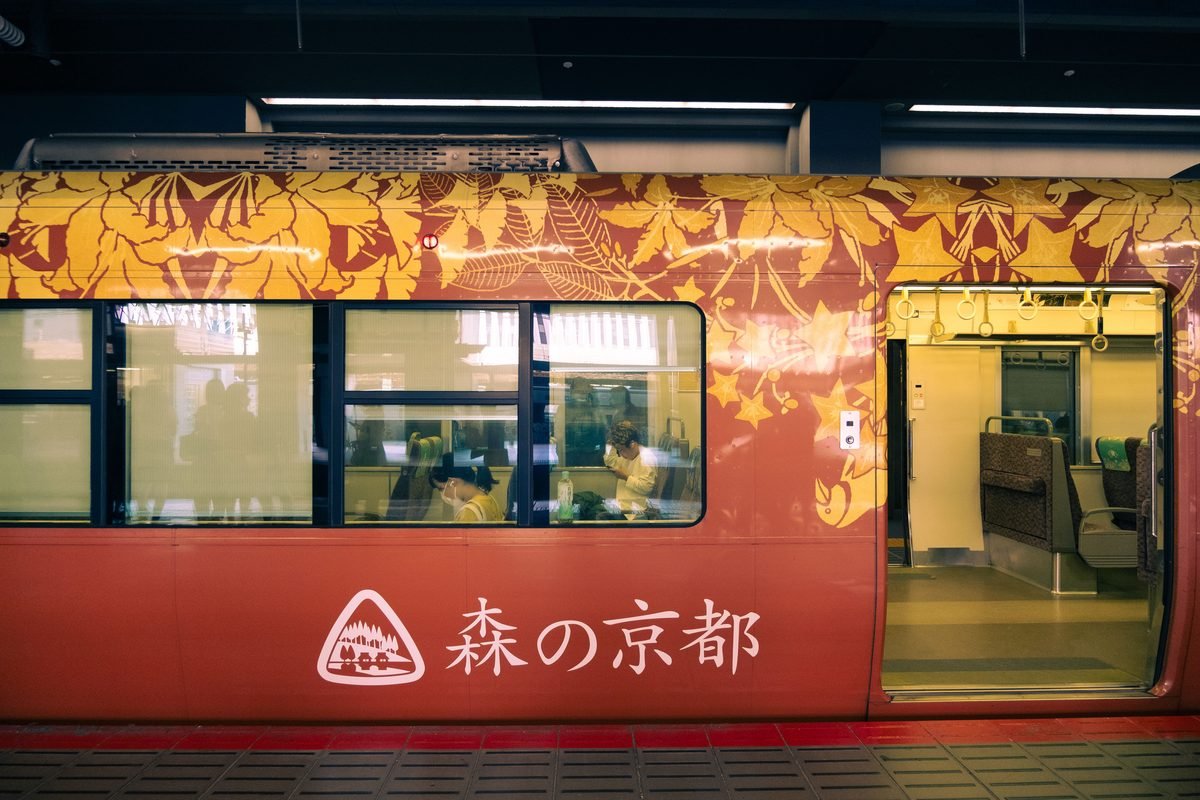
Buy a rechargeable ICOCA card at Kyoto Station for ¥2,000 (about $13), which includes a ¥500 refundable deposit. Tap it on all subways, buses, and private train lines without buying paper tickets.
Day 1: Dawn at Fushimi Inari, Kiyomizu-dera, and southern Higashiyama
Start your first morning at Fushimi Inari Taisha before 6:30 AM. Located directly outside JR Inari Station on the JR Nara Line—a quick 5-minute ride from Kyoto Station for ¥150 (about $1.00)—this world-famous shrine dedicated to the Shinto deity of rice is open 24 hours a day with free admission. Walking through the thousands of vermilion torii gates at dawn provides a peaceful atmosphere that completely disappears by 8:30 AM when tour buses arrive. Hike up to the Yotsutsuji viewpoint for a sweeping panorama across southern Kyoto, then descend to enjoy a steaming bowl of kitsune udon topped with sweet fried tofu at a traditional shop for about ¥800 (about $5.30).
By 9:00 AM, hop on the Keihan Main Line at Fushimi-Inari Station and ride north to Kiyomizu-Gojo Station for ¥220 (about $1.45). Walk 15 minutes uphill through historic residential lanes to Kiyomizu-dera Temple. Adult admission to the timber main hall and famous wooden veranda costs ¥400 (about $2.65). From the cliffside stage, you enjoy open views across forested valleys toward the city skyline.
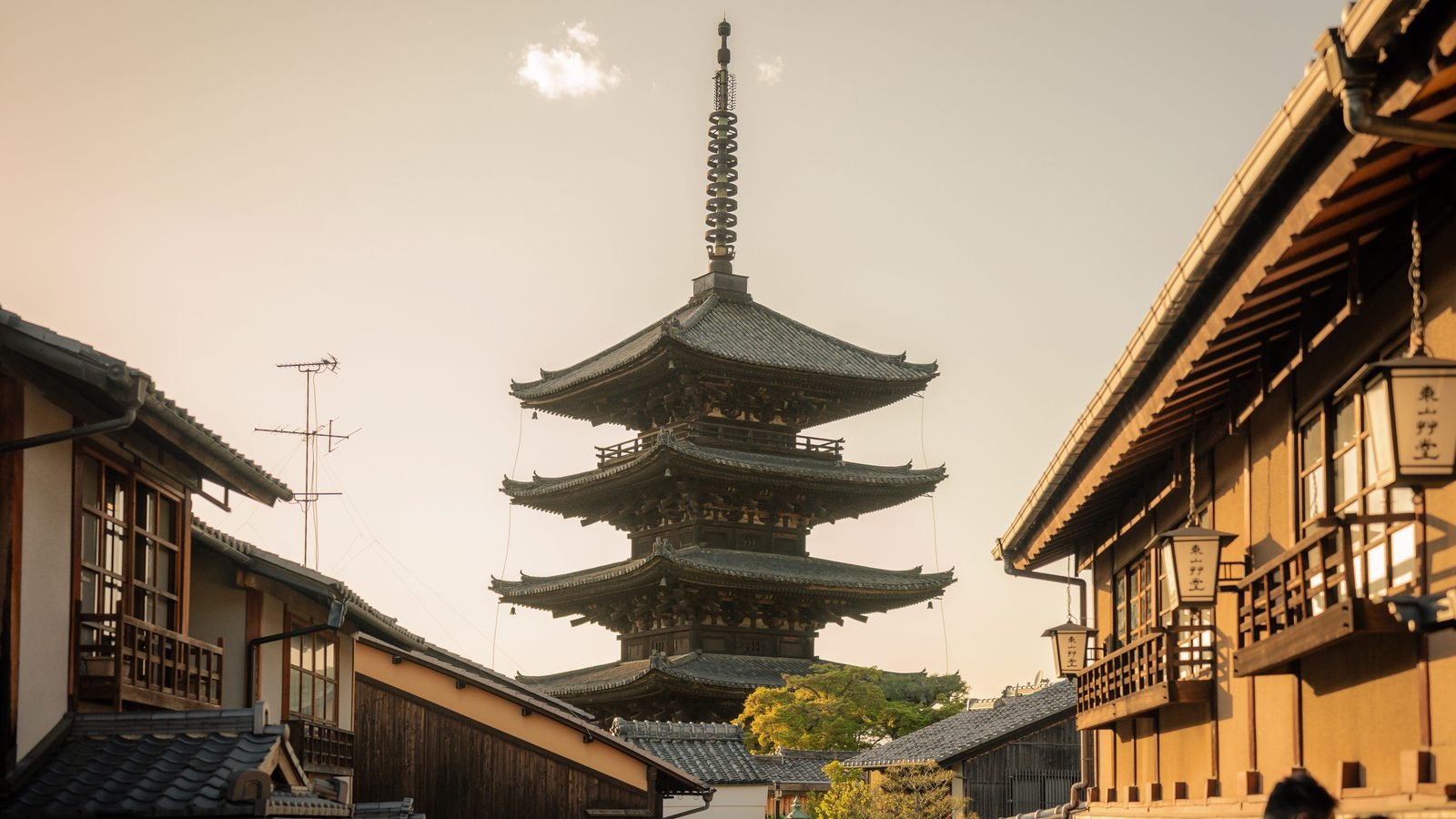
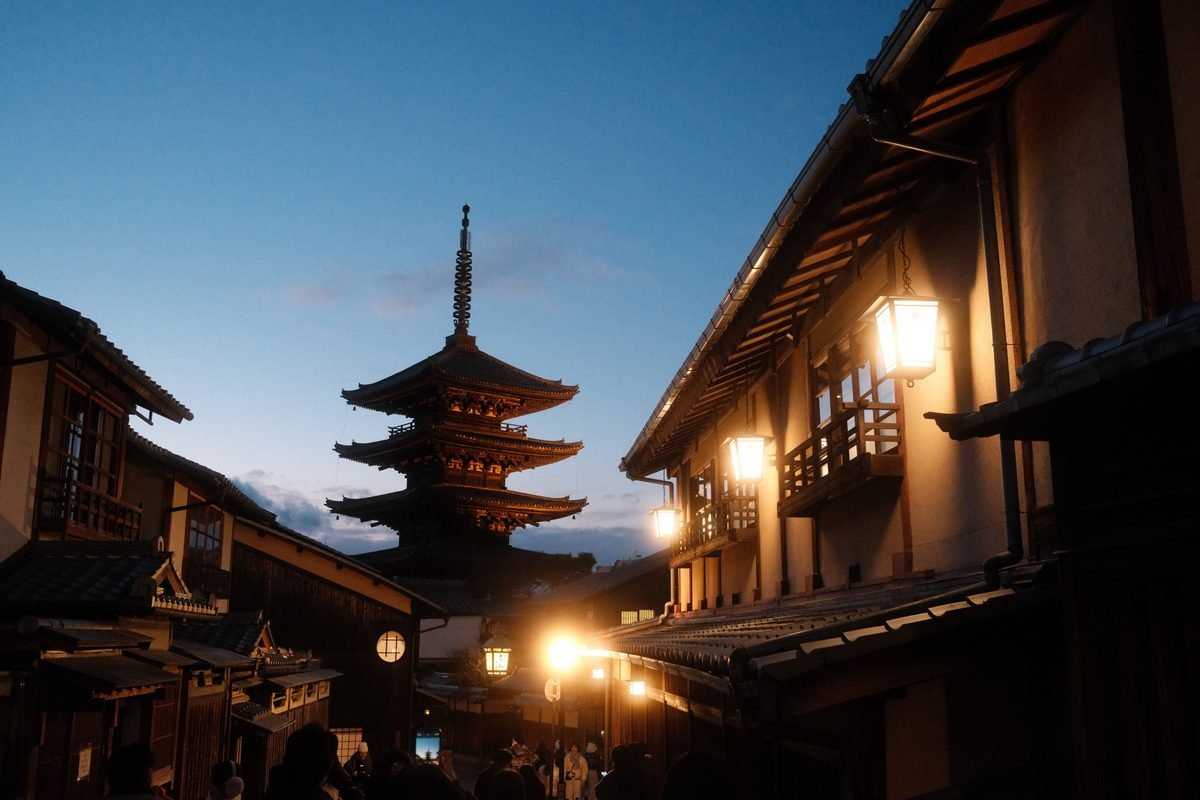
Spend your early afternoon strolling downhill along Ninenzaka and Sannenzaka. These stone-paved pedestrian paths are lined with traditional wooden storefronts serving matcha soft-serve ice cream for ¥450 (about $3.00) and selling roasted green tea. Continue walking north past the soaring wooden structure of Yasaka Pagoda into Maruyama Park. Conclude your afternoon in the historic Higashiyama area by visiting quiet Zen temple grounds like Kodai-ji, where garden entry costs ¥600 (about $4.00).
End your first day with a quiet walk down to the Kamo River banks near Sanjo Bridge, where locals sit by the water at sunset before grabbing dinner.
From a local: Skip the Lower Gate Jam
Walk past the first dense cluster of torii gates for 15 minutes up to the Yotsutsuji intersection; 90 percent of tourists turn back early, leaving the upper loops quiet.
Day 2: Arashiyama Bamboo Grove early morning and Kinkaku-ji
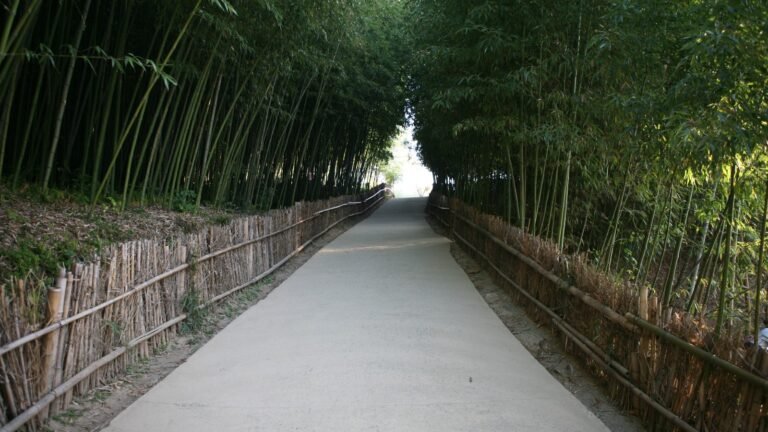
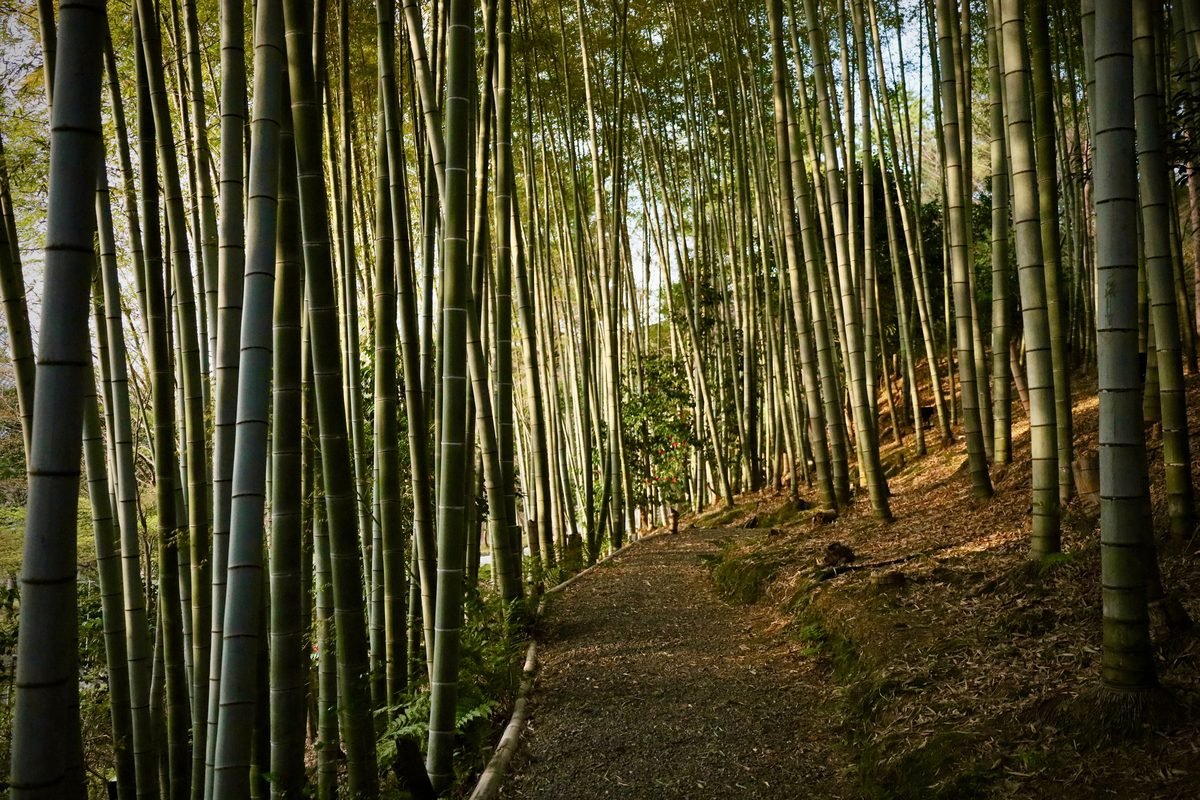
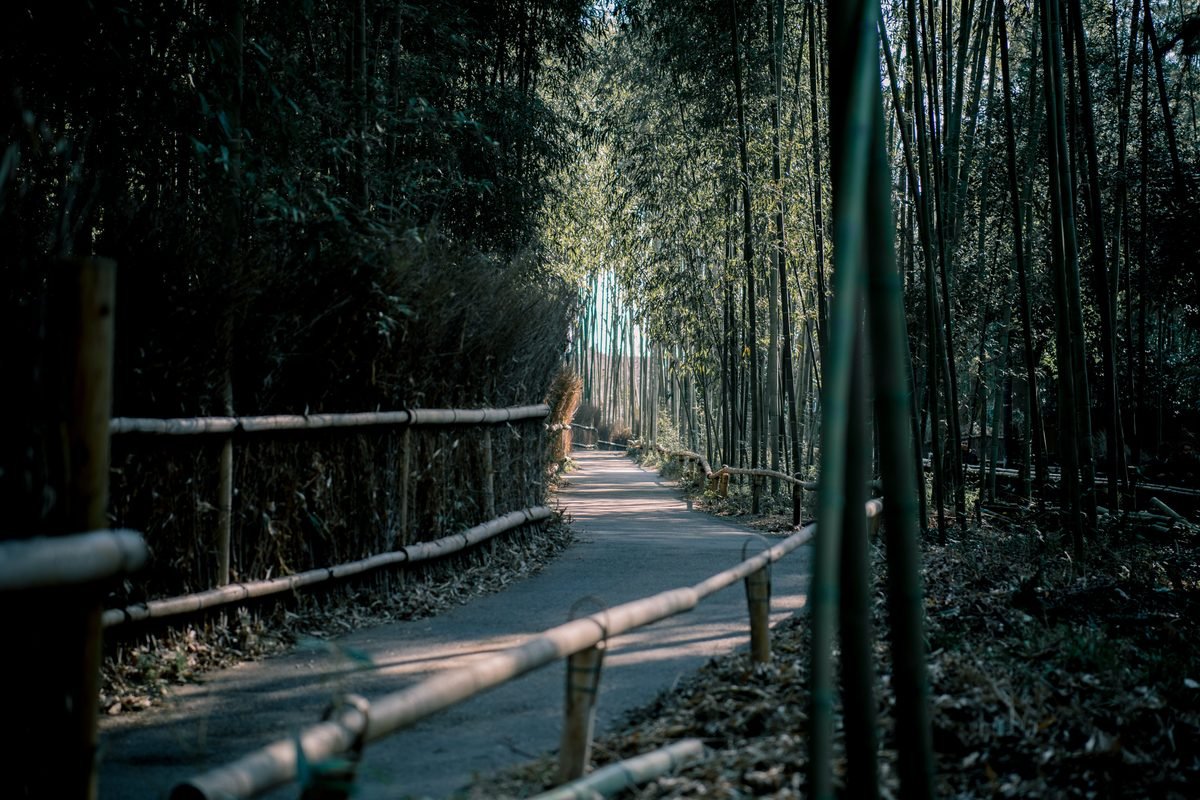
On your second morning, head straight to western Kyoto to beat the heavy crowds at Arashiyama. Board the JR San-in Line (Sagano Line) from Kyoto Station to Saga-Arashiyama Station, which takes 17 minutes and costs ¥240 (about $1.60). Walk 10 minutes through quiet neighborhood streets to reach the Arashiyama Bamboo Grove. Arriving before 7:30 AM is essential if you want pictures of the towering bamboo stalks without hundreds of visitors in the frame. Dawn is your friend.
Located right next to the bamboo trail is Tenryu-ji Temple, a major Zen complex established in 1339. The Sogenchi garden entry fee costs ¥500 (about $3.30) and features a tranquil central pond framed by the surrounding Arashiyama mountains. After exploring the garden paths, stroll south across Togetsukyo Bridge, a classic timber-framed bridge spanning the wide Katsura River.
At 11:00 AM, walk to the Randen Keifuku Electric Railroad’s Arashiyama Station. Board the small tram on the Arashiyama Line to Katabiranotsuji, transfer to the Kitano Line, and ride to Kitanohakubaicho Station for a flat fare of ¥250 (about $1.65). From there, take Kyoto City Bus #205 or walk 20 minutes north to Kinkaku-ji, the famous Golden Pavilion. Admission costs ¥500 (about $3.30).
The upper stories covered in leaf gold reflect brightly across the surrounding mirror pond. After touring the manicured garden grounds, stop at a nearby tea house for matcha shaved ice priced around ¥750 (about $5.00) before heading back toward central Kyoto. If you have extra time in the late afternoon, take the Randen tram line east toward Ryōan-ji to view its famous rock landscape garden for ¥600 (about $4.00).
Book ahead: Tenryu-ji Garden Opening
Buy your Tenryu-ji garden ticket for ¥500 (about $3.30) right when the gates open at 8:30 AM to enter the bamboo forest directly from the garden exit.
Day 3: Nara afternoon day trip and evening in Gion
Dedicate the morning and early afternoon of Day 3 to a side trip to Nara, Japan’s ancient capital situated just south of Kyoto. Board the Kintetsu Express train from Kyoto Station to Kintetsu-Nara Station, taking 45 minutes for ¥760 (about $5.00) each way. Kintetsu-Nara Station places you within a quick 10-minute walk of Nara Park, saving you the longer trek required from the JR station.
Nara Park contains over 1,000 free-roaming sika deer, protected as divine messengers in local tradition. Deer will chase crackers if you wave them around, so bow politely before offering a biscuit. Purchase approved shika-senbei crackers from park vendors for ¥200 (about $1.30). Walk through the forested park grounds to Todai-ji Temple, one of the largest wooden buildings on earth. Entry to the Great Buddha Hall costs ¥600 (about $4.00) and houses a magnificent 15-meter bronze Buddha statue. Continue up the stone lantern path to Kasuga Taisha Shrine, where entry to the inner sanctuary is ¥500 (about $3.30).
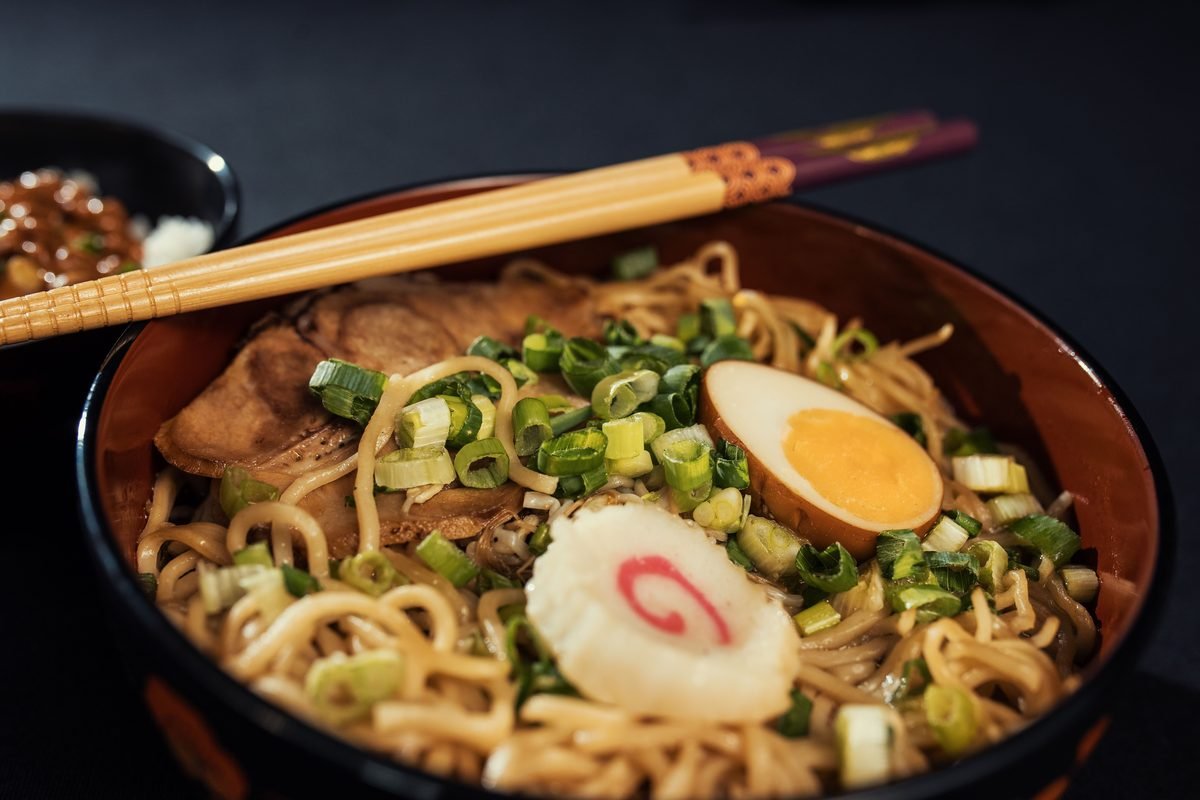
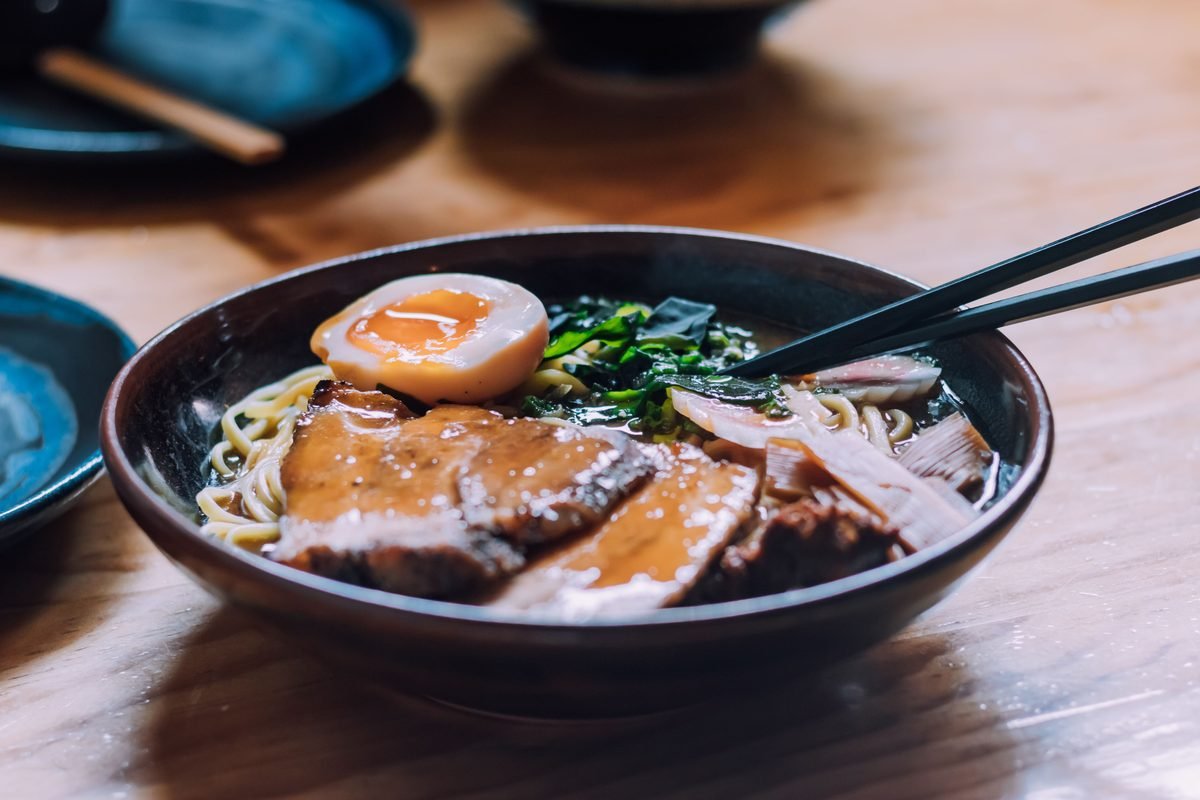
Return to Kyoto around 4:00 PM and head into the historic Gion district. Walk down Hanamikoji Street, where classic timber ochaya (teahouses) line stone lanes. Do not touch geiko. As night falls around 6:00 PM, lanterns illuminate the wooden canal bridges along Shirakawa Canal. Observe quietly from public paths and respect local privacy rules. End your day with a rich bowl of shoyu ramen near Sanjo Station for ¥1,000 (about $6.60).
If you want another memorable ancient capital journey on your Kansai travel list, consider booking a Gyeongju 2-day itinerary across the sea in South Korea for similar temple heritage.
Heads up: Nara Deer Etiquette
Only feed deer official shika-senbei crackers sold at park stalls for ¥200 (about $1.30); conceal food in bags because deer will chase crackers and nibble paper maps.
Where to eat in Kyoto on a budget
Kyoto is internationally renowned for high-end kaiseki multi-course dining, but eating delicious local food on a budget is surprisingly easy. Start your morning with a traditional kissaten (coffee shop) breakfast set. Classic neighborhood cafes around Sanjo and Kawaramachi serve thick cut toast with butter, a soft-boiled egg, and dark drip coffee for about ¥600 (about $4.00).
For a rewarding midday food tour, stroll down Nishiki Market, a historic five-block covered arcade known as Kyoto’s Kitchen. While some stalls cater heavily to tourists with high price tags, traditional vendors sell fresh tamagoyaki (dashi egg omelet skewers) for ¥200 (about $1.30), grilled squid skewers for ¥500 (about $3.30), and sweet soy dango rice cakes for ¥180 (about $1.20). If you prefer a seated lunch, visit a neighborhood noodle shop near Ginkaku-ji for hand-cut wheat udon served with mountain vegetables for ¥1,400 (about $9.20).
When evening comes, head to the restaurant floors inside Kyoto Station or the narrow lanes of Pontocho Alley. On the 10th floor of Kyoto Station, Kyoto Ramen Street features popular regional shops serving rich pork tonkotsu and clear chicken-shoyu ramen for ¥900 to ¥1,200 (about $6.00 to $8.00). Along Pontocho Alley, casual izakayas serve obanzai—Kyoto’s traditional home-style small dishes featuring seasonal root vegetables, handmade tofu, and simmered fish. Expect to spend around ¥3,000 (about $20) per person including a cold draft beer or local Kyoto sake.
To keep snack expenses low between sight-seeing stops, grab rice balls (onigiri) and green tea from 7-Eleven or Lawson convenience stores for under ¥350 (about $2.30) combined.
Kyoto travel tips and local etiquette
Navigating Kyoto with ease requires understanding local rules and social etiquette that keep this historic city comfortable for both residents and visitors. First and foremost is respectful behavior in Gion. In recent years, local ward council committees introduced strict photography bans on private side streets connected to Hanamikoji. Look for posted warning signs; taking photos on designated private lanes can incur a fine of up to ¥10,000 (about $66). Always stick to photographing public streets like Shijo-dori or the public wooden footbridges along Shirakawa River.
Boarding and exiting city buses can also confuse first-time tourists. In Kyoto, passengers enter the bus using the rear door and exit through the front door beside the driver. You do not pay when getting on. Instead, tap your ICOCA card on the reader or drop exact cash into the fare box at the front when stepping off. Tap your ICOCA card. If paying cash, use the change machine built into the driver unit before paying, as drivers cannot provide manual change while operating the vehicle.
Finally, handling trash while walking around requires forethought. Public trash bins are rare throughout Japan outside convenience stores and train platforms. Carry a small trash bag inside your daypack for empty wrappers and plastic bottles. When buying street food at Nishiki Market or temple food stalls, eat your dish directly beside the stall where you bought it, then return the empty container to the vendor before walking away.
If you are travelling from Japan’s capital, check details on Tokyo to Kyoto train travel to ensure you book Shinkansen luggage spaces ahead for large baggage.
What it costs in Kyoto
| Item | Local price | USD |
|---|---|---|
| JR & Subway transit (3 days) | ¥3,000 | $20 |
| Fushimi Inari & temple entry fees | ¥2,000 | $13 |
| Kintetsu round-trip train to Nara | ¥1,520 | $10 |
| Daily casual meals & snacks | ¥12,000 | $80 |
| Mid-range hotel (2 nights, twin share) | ¥24,000 | $160 |
| Total realistic budget | ¥42,520 | $283 |
Prices checked September 2026. Always confirm with the provider before you book.
Where to stay in Kyoto
Budget
Kyoto Station area, for affordable business hotels within five minutes of JR lines
Ideal for travelers prioritizing transit convenience and early morning departures to Arashiyama and Nara. Rooms run roughly ¥7,000 to ¥12,000 (about $46 to $80) per night.
Mid-range
Karasuma Oike, for boutique hotels along subway lines in central Kyoto
Perfect for easy walking access to Nishiki Market, central restaurants, and both subway lines. Nightly rates average ¥14,000 to ¥22,000 (about $93 to $146).
Splurge
Higashiyama, for traditional ryokan near historic temples and Gion
Best for travelers seeking classic tatami rooms, private garden views, and multi-course kaiseki dinners. Nightly prices range from ¥45,000 to ¥85,000 (about $300 to $565).
Mistakes to avoid
- Taking city buses everywhere during peak afternoon hours instead of riding trains or subways.
- Visiting Fushimi Inari Taisha and Arashiyama Bamboo Grove after 9:00 AM when crowds peak.
- Photographing geiko or stepping into private alleys in Gion despite posted ban signs.
FAQ
How many days do you need in Kyoto?
Three days is the ideal amount of time for a first trip to Kyoto. This timeframe lets you cover major sites like Fushimi Inari, Arashiyama, and Higashiyama while leaving room for an easy day trip to Nara.
Is a Kyoto 3 day itinerary enough for first-time visitors?
Yes, a well-planned Kyoto 3 day itinerary allows you to see iconic temples, bamboo groves, and historic quarters without burning out. By starting early each morning, you can experience top highlights before afternoon crowds arrive.
Should I buy a Kyoto bus pass?
Kyoto discontinued its 1-Day Bus Pass in 2024 to reduce bus overcrowding and encourage subway travel. Today, using an ICOCA or Suica card on subways and trains is cheaper and much faster than relying purely on buses.
How do I travel from Tokyo to Kyoto?
The fastest option is the JR Tokaido Shinkansen (bullet train) from Tokyo Station or Shinagawa Station to Kyoto Station. The Nozomi train takes about 2 hours and 15 minutes, costing roughly ¥14,000 (about $93) one way.
What is the best month to visit Kyoto?
Late October through November offers comfortable autumn weather and vibrant foliage across temple gardens. March and April are also popular for cherry blossoms, though accommodation prices and crowd levels reach their highest peaks.