The Best Kuala Lumpur 3 Day Itinerary: A Complete Guide

The humidity hits your skin the moment you step out of the airport doors at KLIA. It is a thick, tropical warmth that carries the scent of rain and spices. Kuala Lumpur is a city that never seems to stop moving, where gleaming glass skyscrapers stand right next to century-old temples and wooden houses. I have visited this city many times over the last decade, and every trip reveals a new layer of its complex character. It is one of the most accessible cities in Southeast Asia, but it requires a bit of strategy to navigate the heat and the traffic.
This guide is for independent travelers who want to see the icons without getting stuck in tourist traps. This Kuala Lumpur 3 day itinerary covers the logistics of getting from the airport, the best time to visit the Batu Caves, and where to find the most authentic food in Chinatown and Brickfields. I will also explain how to balance using the modern rail system with the convenience of ride-hailing apps. By the end of this guide, you will have a clear plan to maximize your 72 hours in the Malaysian capital.
Planning your Kuala Lumpur 3 day itinerary
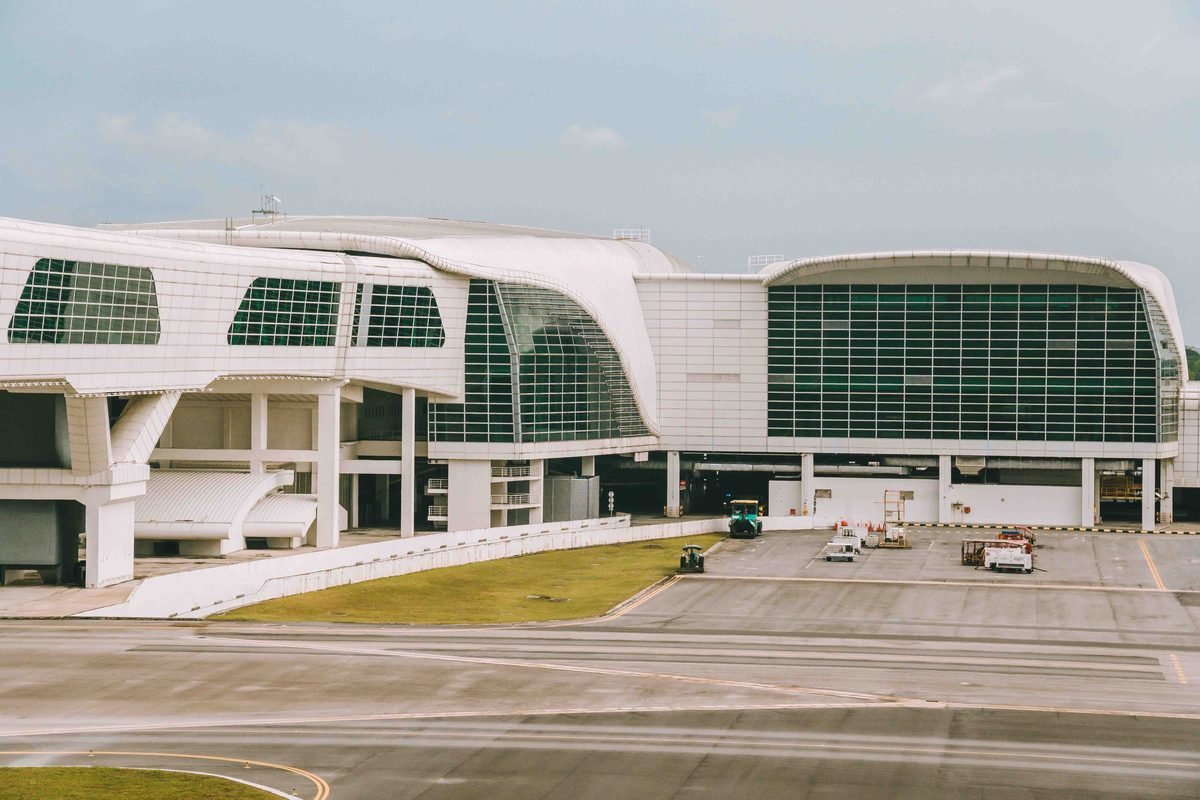
Kuala Lumpur International Airport sits about 60 kilometers south of the city center. This distance is the first thing you need to manage when you land. You have three main options to reach the heart of the city. The KLIA Ekspres is the fastest method, taking about 28 minutes to reach KL Sentral for RM 55 (about $13). It is clean, reliable, and air-conditioned. If you are traveling in a group, a Grab car might be more cost-effective. A Grab ride usually costs between RM 65 and RM 80 (about $15 to $19), including tolls, and takes about an hour depending on the notorious KL traffic. The train is very fast. For those on a strict budget, airport buses run every 30 minutes and cost roughly RM 15 (about $3.50), though they can take up to 90 minutes during peak hours.
Once you arrive at KL Sentral, you are at the city’s main transit hub. From here, you can connect to the LRT, MRT, and Monorail lines. Understanding the rail map is essential for any Kuala Lumpur 3 day itinerary. The city is spread out, and walking between major districts is often difficult due to the heat and lack of continuous sidewalks. I recommend buying a Touch ‘n Go card at a convenience store or the station. The card itself costs RM 10 (about $2.30) and you can load it with credit to tap in and out of all trains and buses. It saves you from queuing at ticket machines for every single trip. Grab is your best friend. It is often the easiest way to bridge the gap between a train station and your final destination, especially when the afternoon rain starts.
When to go and what to pack
KL is hot and humid year-round. Temperatures rarely drop below 24°C (75°F) and often climb above 32°C (90°F). It rains almost every afternoon. The heaviest rains usually occur from October to January, but you should carry a small umbrella regardless of when you visit. Light, breathable clothing is a necessity. However, remember that Malaysia is a Muslim-majority country. You should dress modestly when visiting religious sites. A light scarf or sarong in your bag is helpful for covering shoulders or legs at short notice. Comfortable walking shoes are vital, but choose ones that are easy to slip off, as you must remove your shoes before entering mosques and many temples.
Tip: Buy your train tickets online
You can save 10% on the KLIA Ekspres fare by purchasing your tickets through their official app or website instead of at the counter.
Day 1: Chinatown and the Night Market
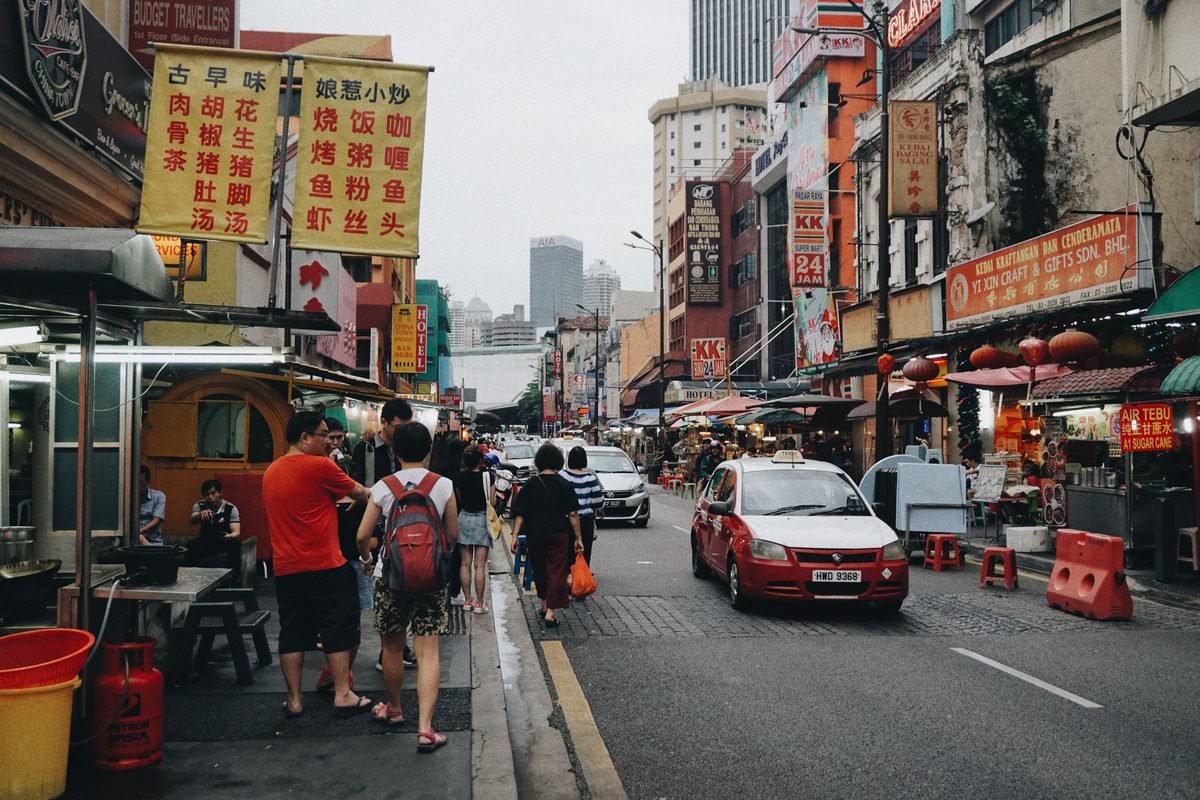
Starting your first day in Chinatown helps you see the older side of the city. This area is centered around Petaling Street, a covered pedestrian way filled with stalls selling everything from imitation watches to local snacks. While the market itself can be loud, the surrounding streets hold the real treasures. Visit the Sri Mahamariamman Temple, the oldest Hindu temple in the city. Its colorful tower is covered in intricate carvings of deities. Just a few minutes away is the Guan Di Temple, a beautiful Taoist site where the air is thick with incense. Entry to both is free, but you should leave a small donation and remember to remove your shoes. KL is a big city. Moving through these historic streets feels like stepping back in time before the skyscrapers took over.
For lunch, head to the Central Market, also known as Pasar Seni. This art deco building was once a wet market but now houses local crafts and small eateries. It is a great place to escape the midday heat. Try a bowl of Curry Laksa or Nasi Lemak at the food court for about RM 10 (about $2.30). The food is very cheap. After lunch, take a short walk to Merdeka Square. This is where Malaysia declared its independence in 1957. The square is surrounded by grand colonial-style buildings, including the Sultan Abdul Samad Building with its distinctive copper domes. It is a wide-open space that offers a great perspective on the city’s architectural history.
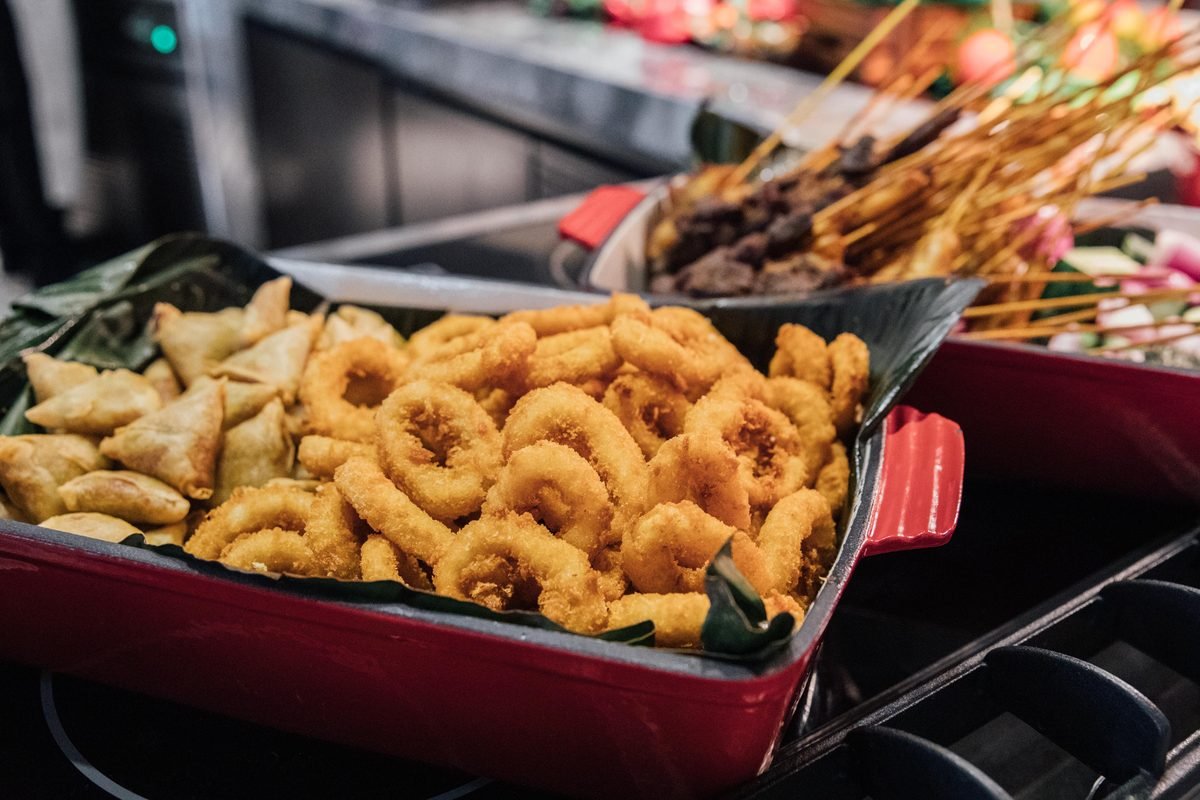
As evening falls, make your way to Jalan Alor in the Bukit Bintang district. This is one of the most famous food streets in the world. It is not a place for a quiet dinner; it is energetic, smoky, and crowded. Plastic tables spill out onto the road, and the smell of grilled meat is everywhere. I always go to Wong Ah Wah at the end of the street for their famous charcoal-grilled chicken wings, which cost about RM 4 (about $1) per wing. Satay is sold by the stick. You can easily eat a full meal here for RM 30 (about $7). It is the perfect introduction to the city’s diverse culinary scene.
From a local: The secret to Jalan Alor
Look for the stalls with the longest queues of locals; the food is fresher because the turnover is so high. Don’t miss the coconut ice cream for dessert.
Day 2: Batu Caves and the Twin Towers
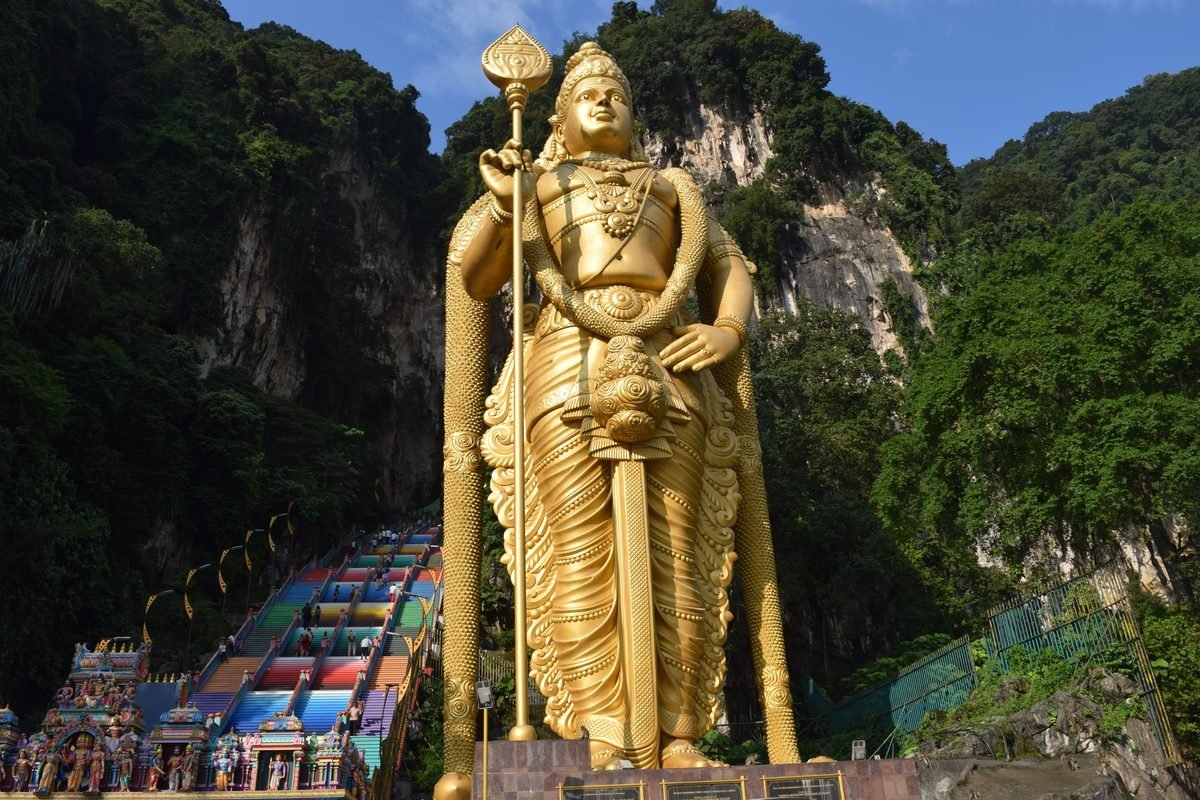
Morning at the Batu Caves requires an early start to beat the crowds and the heat. I recommend arriving by 7:30 AM. You can take the KTM Komuter train from KL Sentral directly to the Batu Caves station for about RM 3 (about $0.70). The most striking feature is the massive gold statue of Lord Murugan standing at the entrance. To reach the main cave, you must climb 272 steps, which were painted in bright rainbow colors a few years ago. Water is essential here. The climb is steep, and the humidity makes it feel harder than it is. Be careful of the macaques. These monkeys are experts at stealing food, water bottles, and even sunglasses from unsuspecting tourists. Keep your belongings tucked away in your bag.
Inside the main Cathedral Cave, the ceiling rises high above you, and shafts of light filter through holes in the limestone. It is a spiritual place, so please remain quiet and respectful. After descending, you can explore the Ramayana Cave, which features dioramas of Hindu epics. The entry fee for the main cave is free, but the smaller caves may charge a few ringgit. By 10:30 AM, the tour buses arrive in force, which is your cue to head back to the city. If you have time, Southeast Asia packing list items like a handheld fan will be your best friend during this excursion.
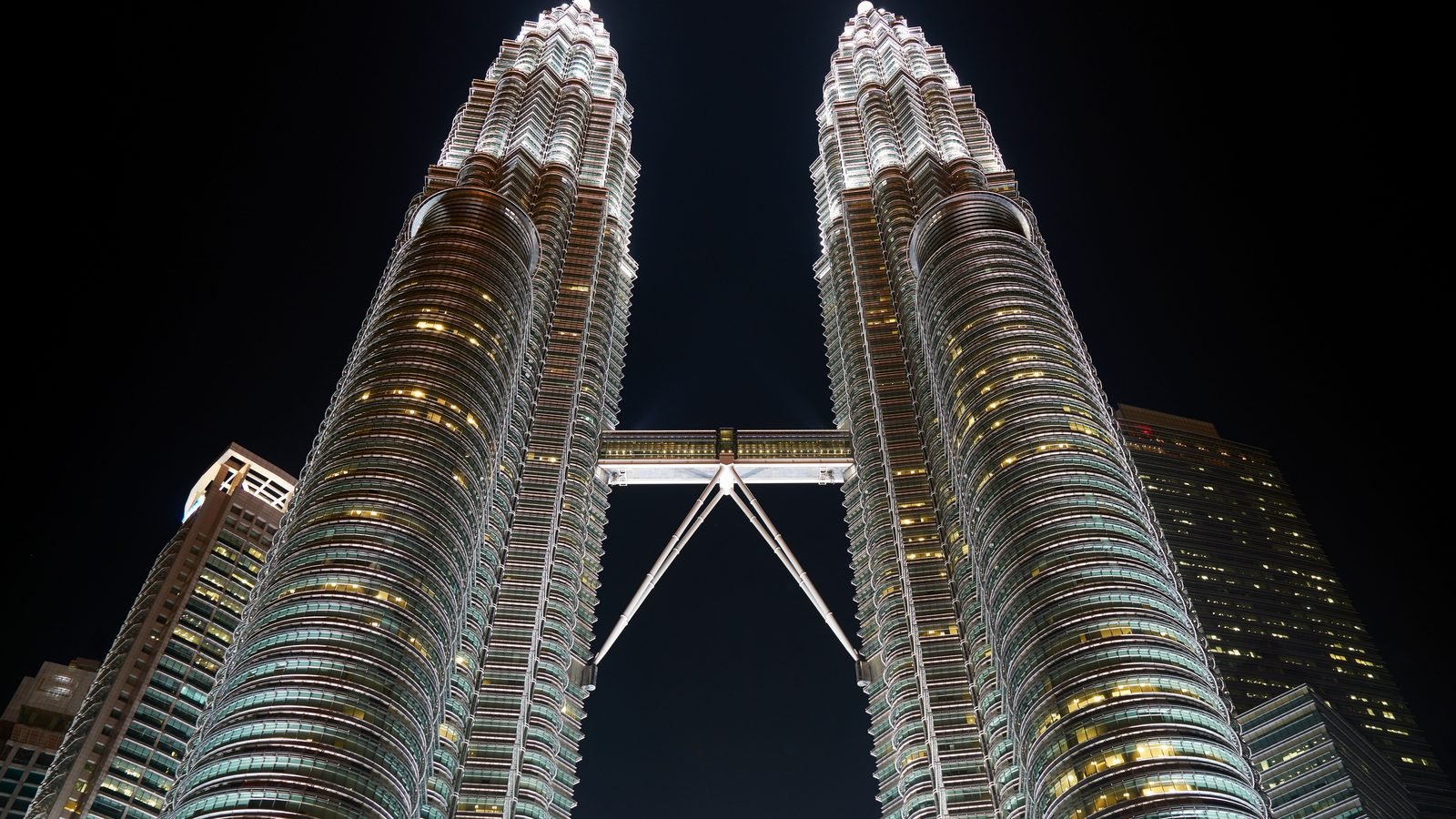
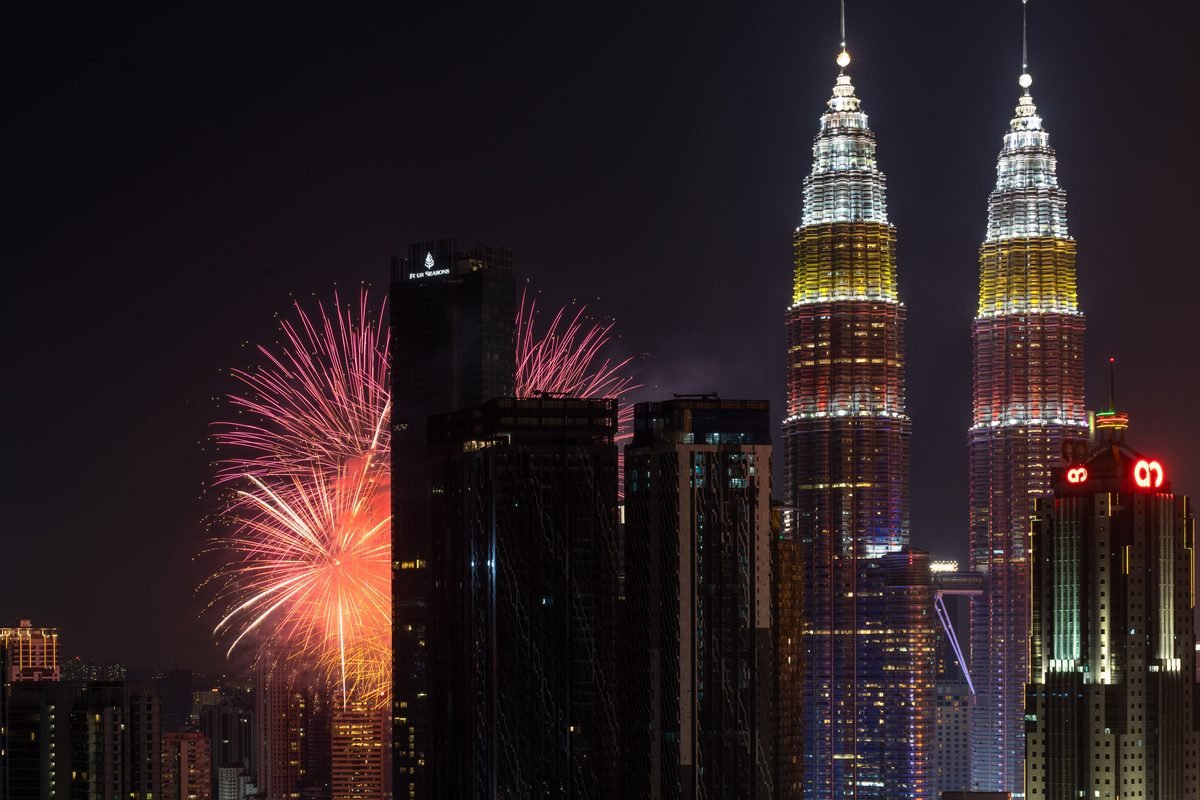
In the afternoon, head to the KLCC area to see the Petronas Twin Towers. These were once the tallest buildings in the world and remain the symbol of Malaysia. If you want to go up to the Skybridge and Observation Deck, you must book your tickets at least two weeks in advance. Tickets cost RM 98 (about $23) for adults. If you miss out on tickets, don’t worry. The view from the ground in KLCC Park is just as impressive, especially at night. For a different perspective, I often suggest the Menara KL (KL Tower) instead. It sits on a hill, and the observation deck is actually higher than the one in the Petronas Towers. It also offers a better view of the Twin Towers themselves, which you obviously can’t see when you are standing inside them.
Book ahead: Secure your tower slots
Petronas Twin Towers tickets sell out daily. Book on the official website exactly when your dates open to secure a sunset slot.
Day 3: Brickfields and Botanical Gardens
Brickfields offers a different sensory experience compared to the rest of the city. Known as Little India, this neighborhood is a riot of color, music, and the scent of jasmine garlands. The main street is lined with shops selling sarees, spices, and sweets. It is a great place to wander on your final morning. For an authentic breakfast, find a local spot serving Thali or Banana Leaf Rice. You will be served a mound of rice on a fresh banana leaf, accompanied by various curries, pickles, and papadums. Eating with your hands is encouraged here, though cutlery is always available. A full meal here usually costs around RM 15 (about $3.50). Dress modestly for the temples. You will find several beautiful churches and Buddhist temples tucked into the side streets of Brickfields as well.
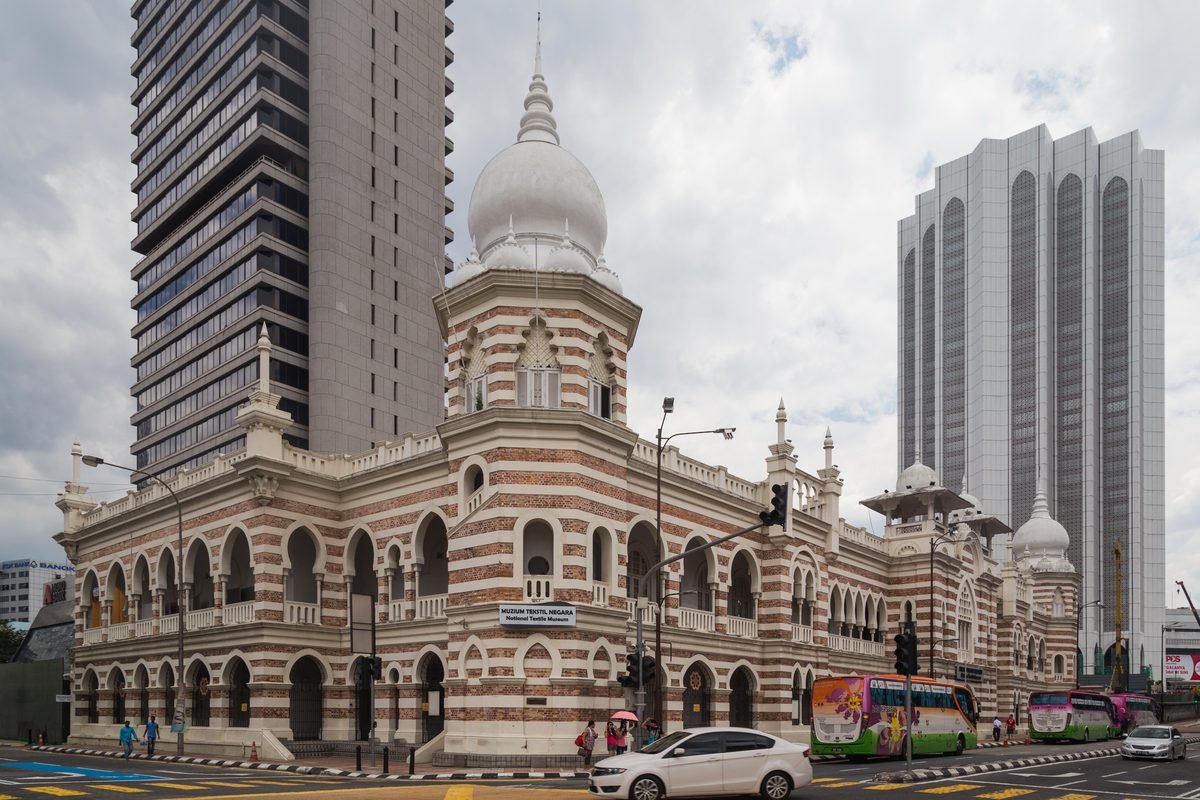
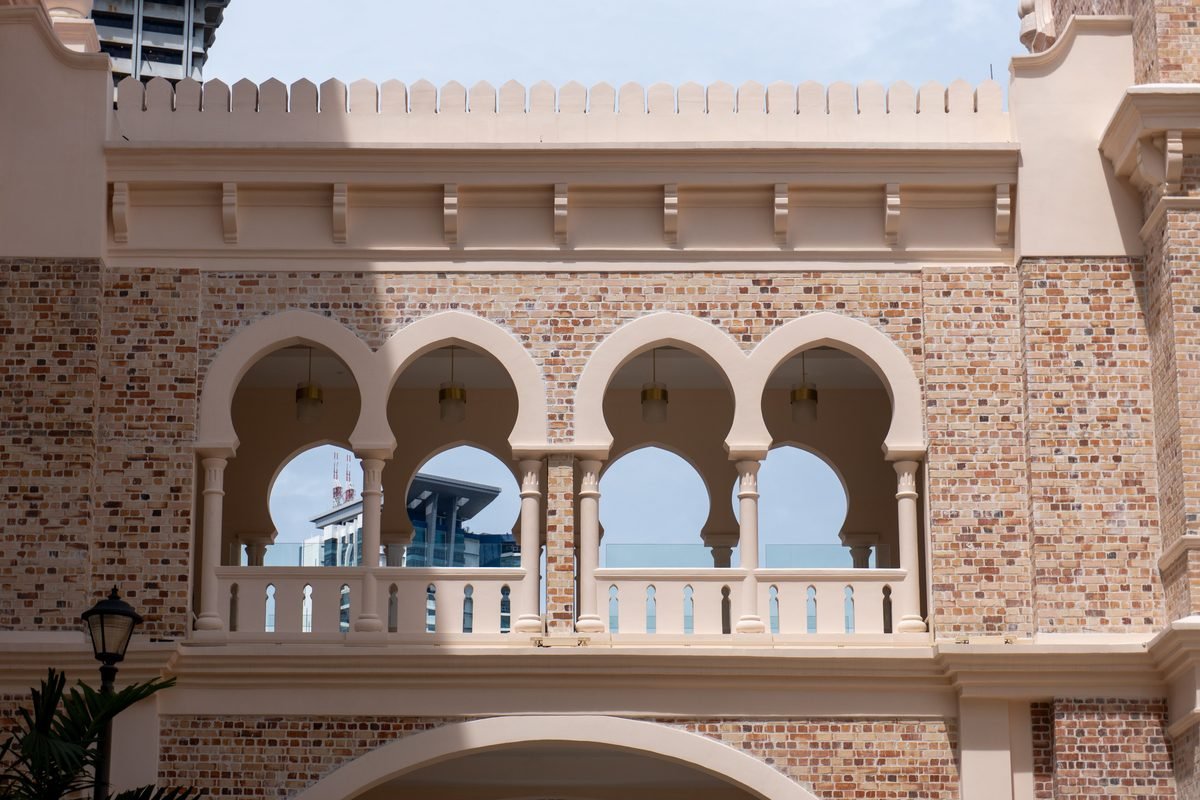
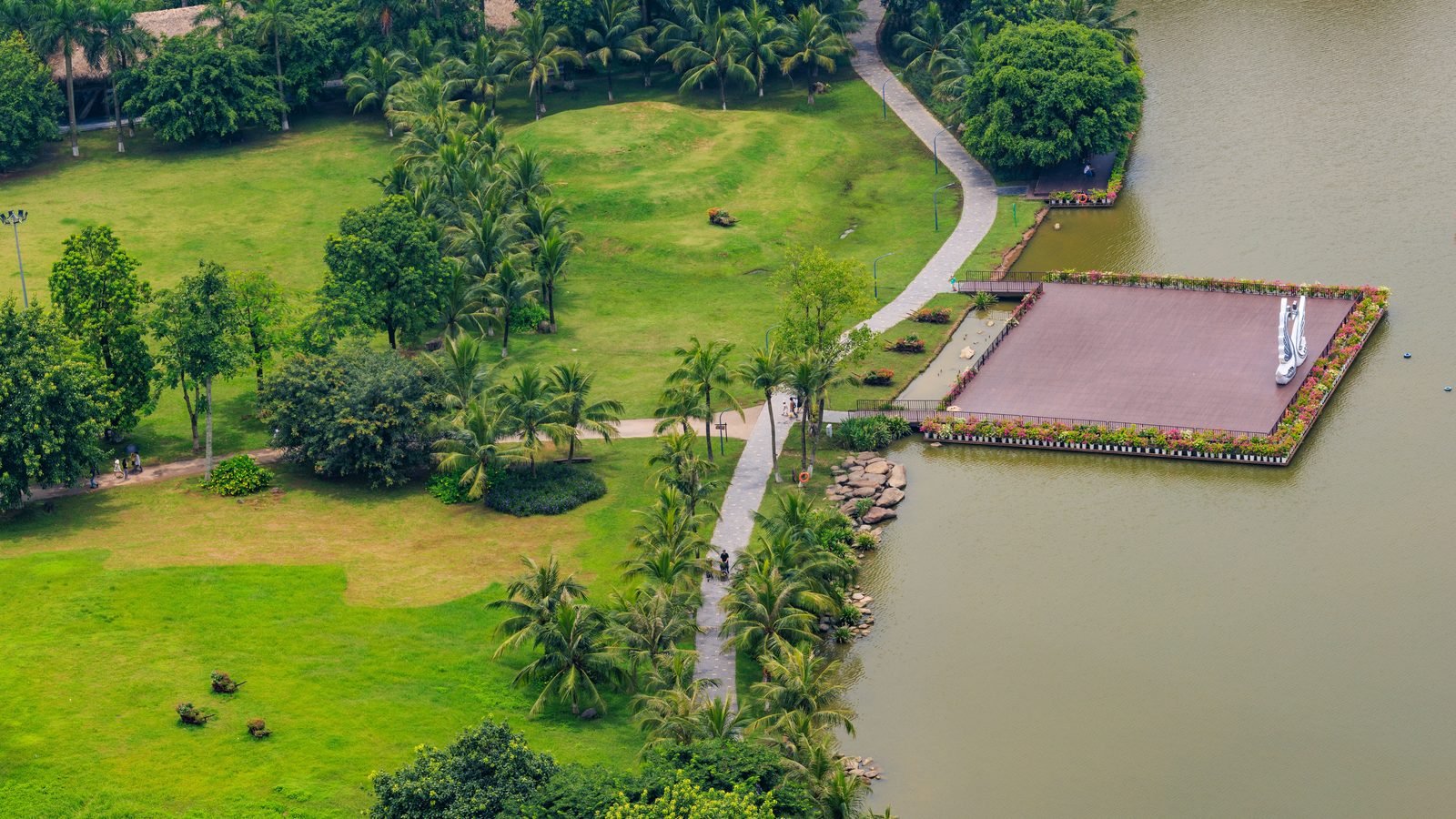
After the sensory intensity of Little India, spend your afternoon in the Perdana Botanical Garden. This is the city’s green lung, and it is surprisingly large. You can take a Grab there from KL Sentral in less than ten minutes. The gardens include a hibiscus park, an orchid garden, and a large lake. It is a peaceful place to walk, though I recommend visiting after 4:00 PM when the sun is less intense. Within the same park complex, you will find the Islamic Arts Museum Malaysia. This is one of my favorite museums in the world. The building itself is a masterpiece, with turquoise tiled domes and bright, airy galleries. The collection includes intricate scale models of famous mosques and ancient Qurans. Entry is RM 20 (about $4.70).
For your final evening, head back toward Bukit Bintang or the nearby Changkat area. While Jalan Alor is for food, Changkat is for atmosphere and drinks. However, if you want a more local experience, look for a ‘Mamak’ stall. These are open-air eateries run by Indian Muslims that stay open 24 hours. Order a Roti Canai (flaky flatbread) and a Teh Tarik (pulled tea). It is the quintessential KL experience. The tea is poured between two containers to create a frothy top and cool it down. It costs about RM 2.50 (about $0.60). Keep your phone charged. You will want it to call a Grab back to your hotel after a long day of exploring.
From a local: The best museum view
The Islamic Arts Museum has a fantastic terrace café that serves Middle Eastern food with a view of the National Mosque’s blue umbrella roof.
Where to eat in Kuala Lumpur
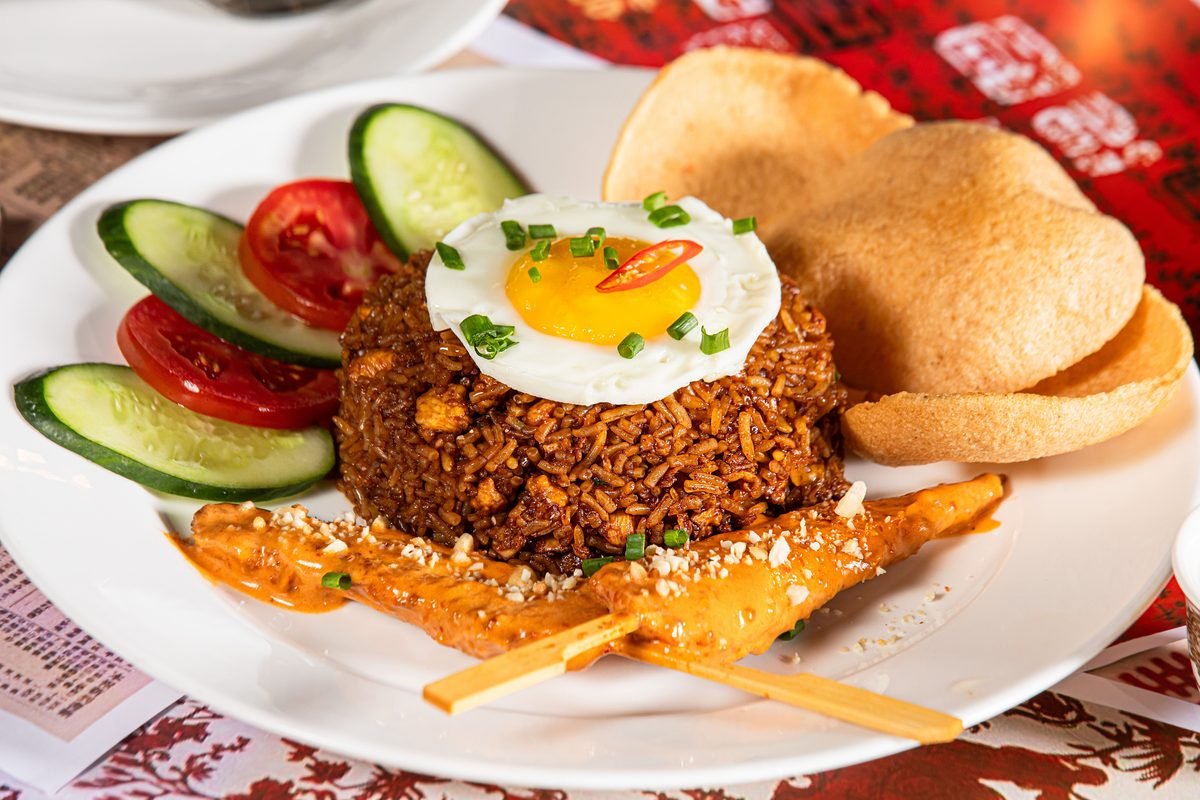
Eating in Kuala Lumpur is a sport that lasts twenty-four hours a day. The city’s food scene is a mix of Malay, Chinese, and Indian influences, and you haven’t truly experienced KL until you’ve tried all three. For Malay food, Nasi Lemak is the national dish. It consists of coconut milk rice, spicy sambal, fried anchovies, peanuts, and a hard-boiled egg. You can find basic versions wrapped in brown paper for RM 5 (about $1.20) at street stalls, or more elaborate versions with fried chicken for RM 15 (about $3.50) in cafes. I recommend checking out Village Park Restaurant in the Uptown area if you are willing to take a Grab; many locals consider it the best in the city.
Chinese food in KL is diverse, ranging from the herbal Bak Kut Teh (pork rib soup) to Hokkien Mee (thick noodles in dark soy sauce). For the best Hokkien Mee, look for stalls that still use charcoal fires, which gives the noodles a distinct smoky flavor. Kim Lian Kee in Chinatown is a famous spot that has been serving this dish for generations. A plate will cost you about RM 12 (about $2.80). If you are looking for something lighter, try Chee Cheong Fun, which are steamed rice noodle rolls served with sweet and spicy sauces. The food is very cheap and usually served very quickly.
Don’t overlook the shopping mall food courts. In many cities, mall food is an afterthought, but in KL, places like Lot 10 Hutong or the Suria KLCC food court host famous street food vendors in an air-conditioned environment. This is a great way to try multiple dishes without melting in the midday sun. You can find high-quality roasted duck, dim sum, and various noodle soups all in one place. Prices in malls are slightly higher than on the street, but still very reasonable, usually around RM 18 to RM 25 (about $4 to $6) for a main meal and a drink. Always carry some tissues, as many smaller stalls do not provide napkins.
Heads up: Be careful with spicy levels
Malaysian sambal can be significantly hotter than what you might find in Europe or the US. Ask for it on the side if you are sensitive to heat.
Navigating the city like a local
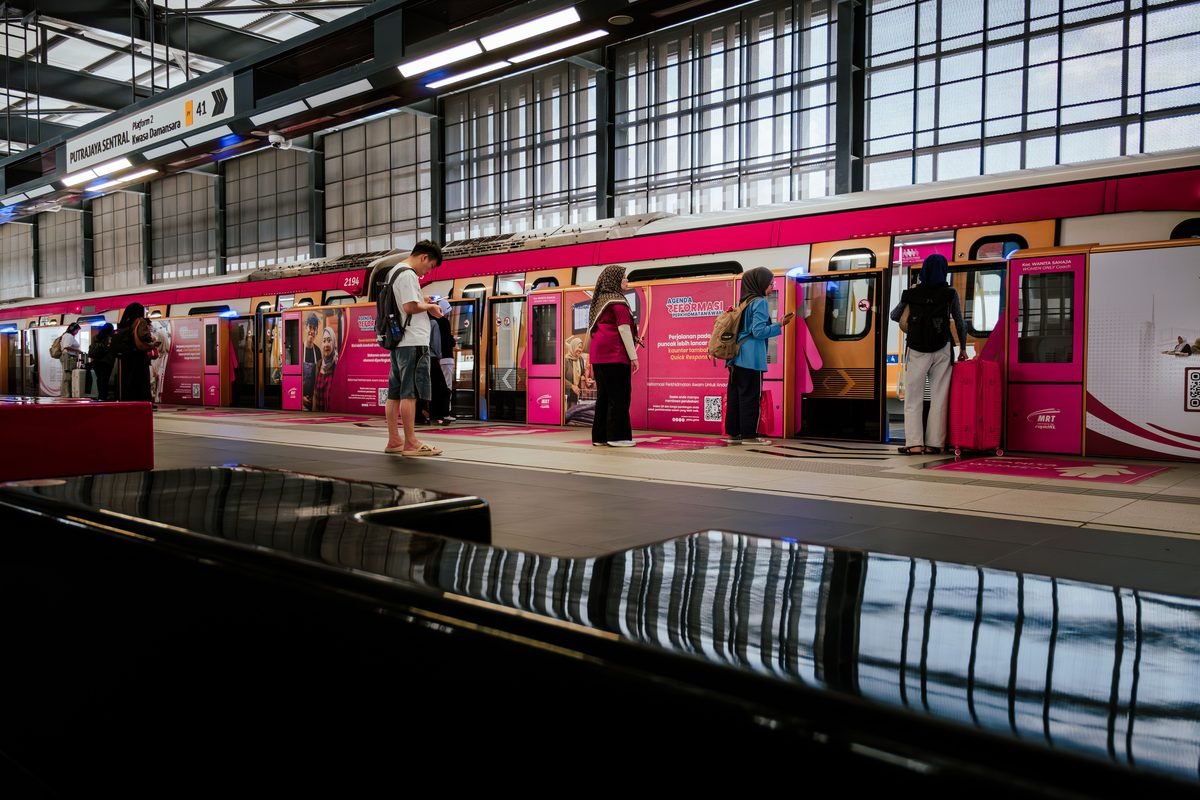
Navigating the city requires a mix of trains, walking, and ride-hailing apps. The public transport system is excellent but can be confusing because different lines are operated by different companies. The LRT (Light Rail Transit) and MRT (Mass Rapid Transit) are the most useful for tourists. They are fast, elevated, and provide great views of the city. The Monorail is smaller and serves the Bukit Bintang area, but it can get very cramped during rush hour. I avoid the trains between 8:00 AM and 9:30 AM, and again between 5:00 PM and 7:00 PM. During these times, the platforms are packed, and you might have to wait for several trains before you can fit on one.
Grab is the dominant ride-hailing app in Malaysia and is much more reliable than traditional taxis. I always recommend downloading the app before you arrive. You can link your credit card to it, so you don’t have to worry about carrying small change. Grab drivers are generally friendly and most speak good English. A typical 15-minute ride across the city will cost you between RM 10 and RM 20 (about $2.30 to $4.60). It is often faster than the train if you are not traveling during rush hour. However, be aware that when it rains, Grab prices can double and it may take much longer to find a driver. In those cases, the train is your best bet.
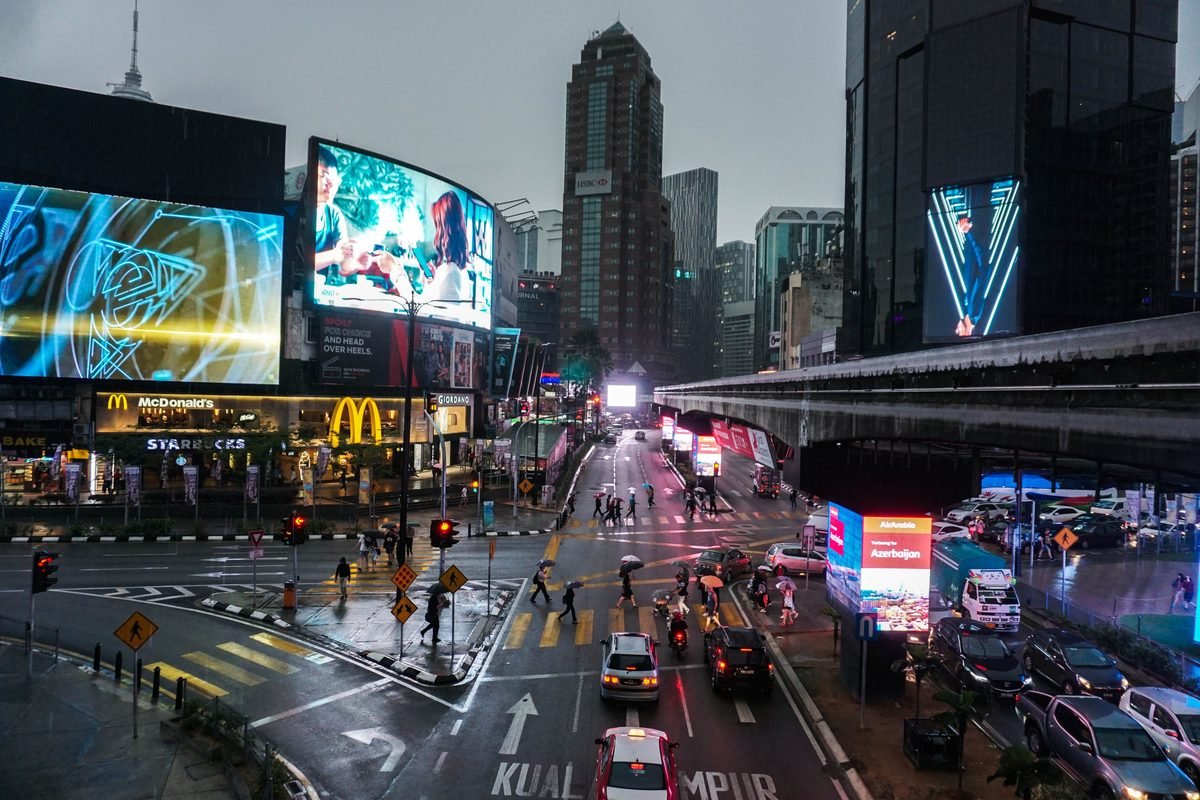
Walking is possible in areas like KLCC and Bukit Bintang thanks to the elevated, air-conditioned walkways. The most famous one connects the Pavilion Mall to the Kuala Lumpur Convention Centre. It allows you to walk for about 15 minutes in cool comfort, high above the traffic. Outside of these specific areas, walking can be a challenge. Sidewalks often disappear or are blocked by parked motorbikes. Always use a navigation app like Google Maps or Waze, but be prepared for the ‘walking’ directions to be a bit optimistic about the quality of the path. If a destination is more than a 15-minute walk away, I usually just call a Grab to save my energy for sightseeing.
Tip: Use the Go KL City Bus
There are several free or very cheap bus lines called Go KL that loop around major tourist spots. Look for the bright purple buses.
What it costs in Kuala Lumpur
| Item | Local price | USD |
|---|---|---|
| KLIA Ekspres Round Trip | RM 100 (Online price) | $23 |
| Petronas Towers Entry | RM 98 | $23 |
| Mid-range meal with drink | RM 25 | $6 |
| Street food dinner (Jalan Alor) | RM 35 | $8 |
| Short Grab ride (within city) | RM 15 | $3.50 |
| Daily transit card top-up | RM 10 | $2.30 |
| Islamic Arts Museum Entry | RM 20 | $4.70 |
| Average daily total (excl. lodging) | RM 220 | $51 |
Prices checked September 2026. Always confirm with the provider before you book.
Where to stay in Kuala Lumpur
Budget
Chinatown, for proximity to Pasar Seni and historic sites
This area is perfect for those who want to be in the heart of the old city with easy access to the LRT and MRT. You can find clean, basic guesthouses and boutique hostels for RM 100 to RM 150 per night.
Mid-range
Bukit Bintang, for shopping and night markets
This is the city's entertainment hub, located within walking distance of Jalan Alor and the major malls. Expect to pay between RM 250 and RM 400 for a modern hotel with a pool.
Splurge
KLCC, for views of the Petronas Towers
If you want a luxury experience with a view of the skyline, this is the place to be. High-end international hotels here usually range from RM 600 to RM 1,000 per night.
Mistakes to avoid
- Buying Petronas Towers tickets on the day of arrival, as they are almost always sold out weeks in advance.
- Wearing shorts or sleeveless tops to Batu Caves, which will require you to rent a sarong at the entrance.
- Relying solely on walking to get between districts, which leads to heat exhaustion and frustration with the city’s layout.
FAQ
Is a Kuala Lumpur 3 day itinerary enough time?
Yes, 3 days is the perfect amount of time to see the major sights like Batu Caves and the Twin Towers while also enjoying the food scene. It allows for a balanced pace without feeling too rushed.
How do I get from KLIA to the city center?
The fastest way is the KLIA Ekspres train to KL Sentral (28 mins, RM 55). Alternatively, a Grab car costs about RM 75 including tolls and takes about an hour.
Is Kuala Lumpur expensive for tourists?
Compared to Singapore, KL is very affordable. You can eat well for $15 a day, and public transport is very cheap, though international-standard hotels and alcohol are priced similarly to Western cities.
What is the dress code for temples in Kuala Lumpur?
Both men and women should cover their shoulders and knees. At mosques, women will usually be provided with a robe and a headscarf at the entrance for free.
Can I use my credit card for everything in KL?
Major malls, hotels, and restaurants accept cards, but you will need cash (Ringgit) for street food stalls, small shops in Chinatown, and topping up your transit card.