How to Plan a Multi Country Europe Trip: A Logistics Guide


A single train ticket can carry you across three borders before lunch. For many travelers, the appeal of Europe lies in this density, where a two-hour ride shifts the language, the architecture, and the local currency. However, moving through twenty-seven different countries requires more than just a passport and a sense of adventure. You must navigate varying visa rules, complex rail networks, and a budget that can swing from affordable to exorbitant in a single afternoon.
This guide is for independent travelers who want to know how to plan a multi country Europe trip without hitting logistical walls. We will cover the critical Schengen 90/180 rule, how to map a route that minimizes backtracking, and when to choose a high-speed train over a budget flight. By the end of this article, you will have a clear framework for building an itinerary that is both ambitious and realistic.
Understanding the Schengen 90/180 Rule
The most important piece of paperwork for your trip is not a hotel booking, but the Schengen calculation. Most visitors from the US, UK, Australia, and Canada can enter the Schengen Area for up to 90 days within any 180-day period. It is a rolling window. This means you cannot simply leave for a weekend and come back to reset the clock. If you are standing in Berlin today, you must look back at the last 180 days and ensure your total time in the zone does not exceed 90 days. Overstaying can result in heavy fines or a multi-year ban from the region.
As of 2026, many travelers also need to apply for ETIAS (European Travel Information and Authorisation System) before arrival. This is an electronic link to your passport that costs €7 (about $8) and is valid for three years. Do not skip this step. While the application is usually processed in minutes, it can take up to 30 days if additional documentation is required. Always check the official portal at least a month before your flight to confirm your status.
It is also vital to distinguish between the European Union and the Schengen Area. They are not the same. For example, Ireland is in the EU but not in Schengen. Conversely, Switzerland and Norway are in Schengen but not in the EU. If you are nearing your 90-day limit, you can move to a non-Schengen country like the UK, Albania, or Montenegro to stop the clock. Use a tracking app to log every entry and exit. This saves significant time and stress at border crossings. Border officials in places like Germany or the Netherlands are known for their meticulous counting of passport stamps.

Heads up: The Rolling Window Trap
The 90-day limit is a rolling window, not a fixed calendar year. If you stay for 90 days straight, you must leave the entire Schengen Area for another 90 days before you can return.
How to plan a multi country Europe trip with logical routing
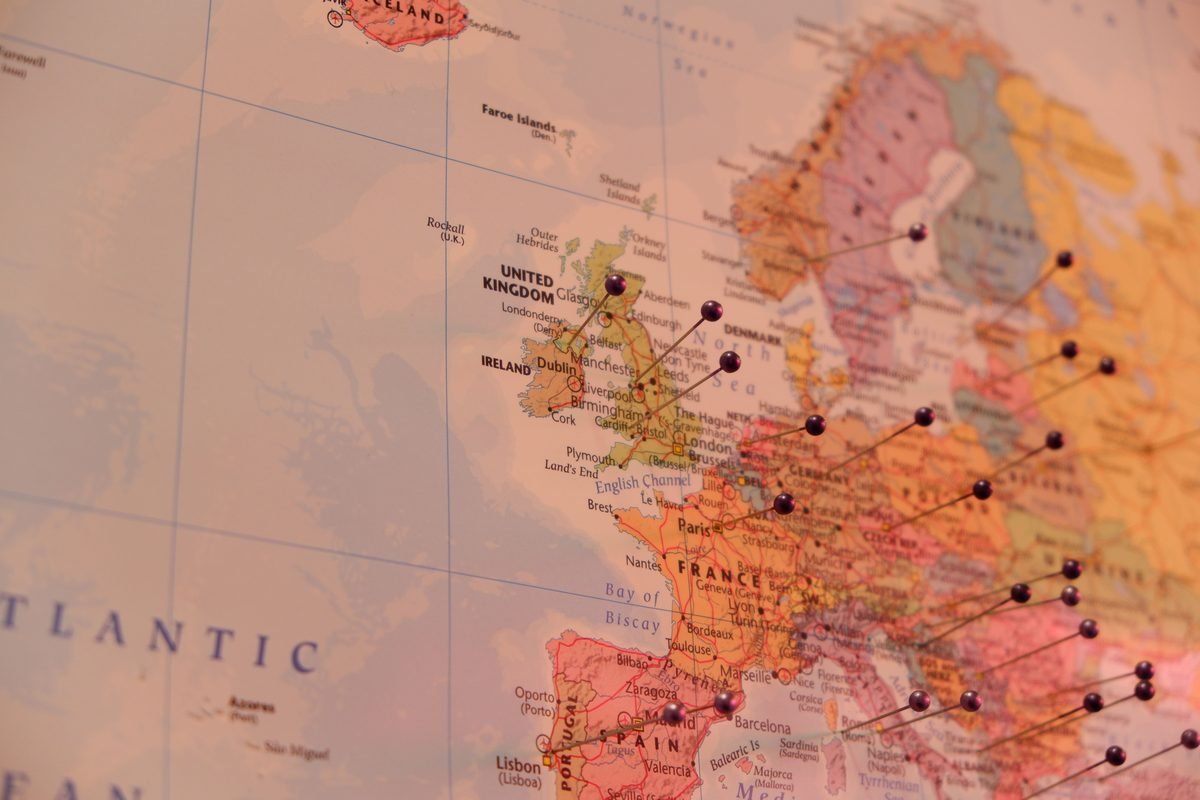
The biggest mistake in European planning is the zigzag. If you book a flight from London to Rome, then Rome to Paris, and then Paris to Munich, you are spending more time in security lines than in cafes. A logical route follows a geographic line or a loop. The most common path is the ‘Banana’ route, which starts in London, moves through the Netherlands and Belgium, enters Germany, and heads south through Switzerland into Italy. This path is served by high-speed rail and requires very little backtracking.
Consider an ‘Open Jaw’ flight to save money and time. This involves flying into one city, such as Madrid, and flying home from another, like Athens. This eliminates the need to return to your starting point at the end of the trip. While the initial ticket might look slightly more expensive, you save the cost of a cross-continental train or flight and an entire day of travel. Plan your route early. Look at a map and group cities by their proximity. For instance, Prague, Vienna, and Budapest form a natural triangle that can be covered easily by train in under four hours per leg.
When mapping your journey, account for the ‘Transit Day Tax.’ Every time you change cities, you lose roughly half a day to packing, checking out, getting to the station, the actual travel, and finding your new hotel. If you visit six countries in twelve days, you will spend half your vacation in transit. Aim for at least three nights per major city. This allows for one full day of sightseeing and one day for a slower-paced local experience. If a city is just a stopover, consider if it is worth the effort of a hotel change or if a day trip from a central base would be more efficient.


Choosing between trains, planes, and buses
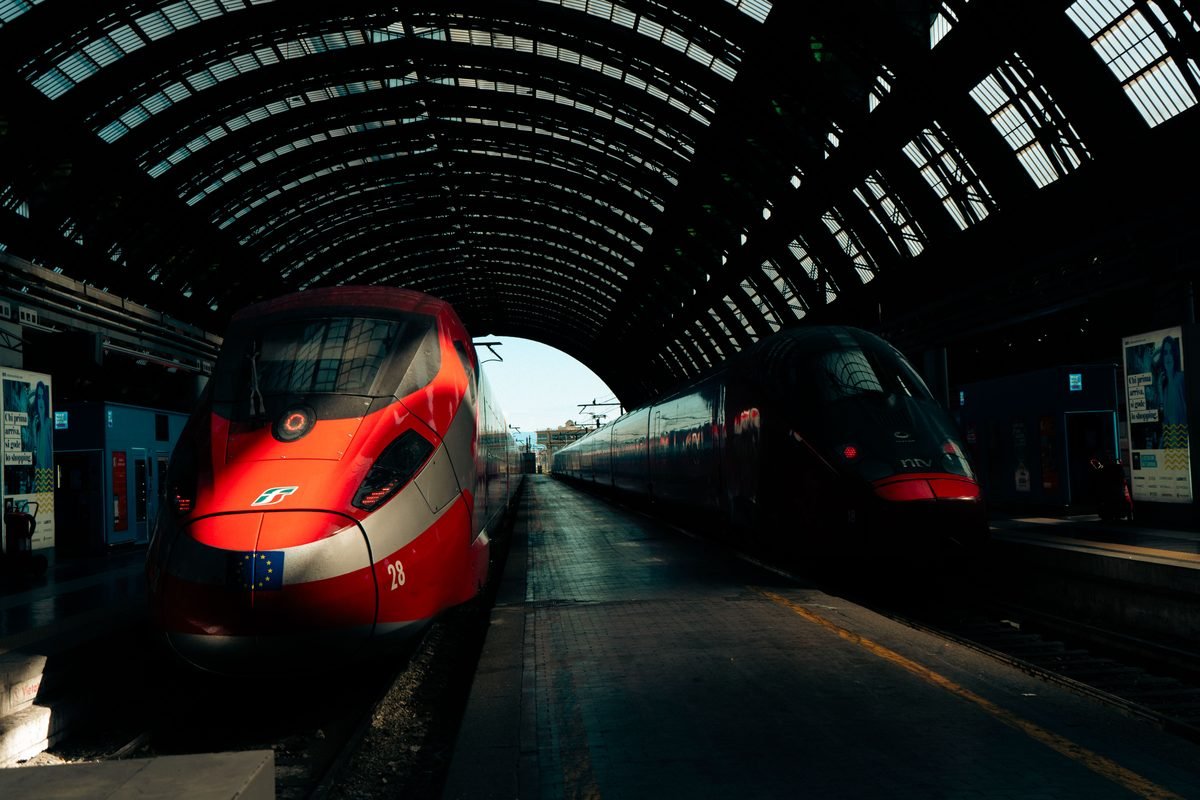
Europe has the most sophisticated rail network in the world, but it is not always the best option. For distances under five hours, the train is almost always superior. You travel from city center to city center, avoiding the €40 (about $44) taxi rides and two-hour security waits associated with airports. High-speed services like the French TGV or the Italian Frecciarossa are efficient and comfortable. However, for long hauls—like Lisbon to Berlin—a budget flight is often cheaper and much faster. Carriers like Ryanair and EasyJet offer fares as low as €30 (about $33) if you book in advance.
Be careful with budget airlines and their baggage rules. A €20 (about $22) ticket can quickly become a €70 (about $77) ticket if your carry-on is an inch too large. Also, check which airport the airline uses. For example, Paris Beauvais is actually 85 kilometers from Paris, and the shuttle bus costs €17 (about $19) each way. This can turn a ‘cheap’ flight into a logistical headache. Trains are often faster when you factor in the total travel time. In France, SNCF paper tickets no longer need validation in machines, but in Italy, you must still validate regional paper tickets in the yellow or green machines on the platform before boarding to avoid a fine.
For those on a strict budget, long-distance buses like FlixBus are the most affordable way to move between countries. A trip from Amsterdam to Paris might cost only €15 (about $17) compared to €100 (about $110) for the Eurostar train. Buses take longer and are subject to traffic, but they often offer power outlets and Wi-Fi. If you plan to take many trains, the Eurail Global Pass can be a great value. It covers 33 countries and allows for flexibility. However, many high-speed and night trains still require a seat reservation fee, which can range from €10 (about $11) to €30 (about $33) per person.

Tip: The City Center Advantage
Always calculate the total cost of airport transfers. A €9 (about $10) metro ride from Athens airport is fine, but some cities require expensive taxis that negate your flight savings.
Budgeting for different European regions
Europe is not a monolith when it comes to costs. You can divide the continent into three broad price tiers. Northern and Western Europe—including Switzerland, Norway, the UK, and France—are the most expensive. In Zurich, a basic lunch might cost 30 CHF (about $35). Western European capitals generally require a budget of €150 (about $165) per day for a mid-range experience. Central and Southern Europe, such as Italy, Spain, and the Czech Republic, are more moderate. In Prague, a 30-minute transit ticket is only 39 Kč (about $1.70), and a 24-hour pass is 150 Kč (about $7).
Eastern Europe and the Balkans offer the best value for money. In countries like Poland, Romania, or Bulgaria, your money goes twice as far as it does in London. A hearty meal in a local tavern might cost 40 zł (about $10), and high-quality lodging is often half the price of Western equivalents. If you are trying to balance a budget, spend more time in the East and use the savings to fund a few days in more expensive hubs like Paris or Copenhagen. Carry some spare cash in local currencies when leaving the Eurozone, though most places in major cities now accept contactless payments.
Do not forget to account for entry fees, which have risen significantly. For example, entry to the Acropolis in Athens is now €30 (about $33) during the peak season. Most major museums in London are free, but those in Paris or Amsterdam can cost €20 (about $22) or more. To save money, look for ‘City Passes’ that bundle transport and entry fees, but only buy them if you plan to visit at least two museums a day. Dining out also varies; in Lisbon, a single metro ticket is €1.80 (about $2), and you can find excellent seafood for under €20 (about $22). In contrast, a similar meal in Oslo could easily exceed €50 (about $55).


Setting a realistic travel pace
The temptation to see everything is the fastest way to ruin a trip. Many travelers attempt to visit five countries in ten days, which results in a blur of train stations and hotel lobbies. A realistic pace is vital for long-term enjoyment. Following the ‘3-night rule’ ensures you have time to actually see the sights you traveled for. The first day is for arrival and orientation. The second day is for your main objective, like the Louvre or the Colosseum. The third day is for wandering, side streets, and local food. This rhythm prevents travel burnout.
If you are traveling for more than two weeks, schedule a ‘buffer day’ every seven days. This is a day with zero planned activities. Use it to do laundry, catch up on sleep, or simply sit in a park. Without these breaks, the sights start to look the same, and your patience will wear thin. Regional flights are cheap, but they are exhausting. If you have a choice between a four-hour train and a one-hour flight, take the train. By the time you travel to the airport, wait for security, and travel from the destination airport, the train is often faster and much more relaxing.
Consider the season when setting your pace. In the winter, days are short, and you may only have six or seven hours of usable daylight in Northern Europe. In the summer, the heat in Southern Europe can be intense, making a mid-afternoon break essential. If you are visiting popular spots like the Sagrada Familia or the Anne Frank House, you must book weeks in advance. If you don’t, you will spend your limited time standing in four-hour lines. Planning a multi country trip is about managing your energy as much as your itinerary. A slower pace allows for the spontaneous moments that often become the highlight of the journey.
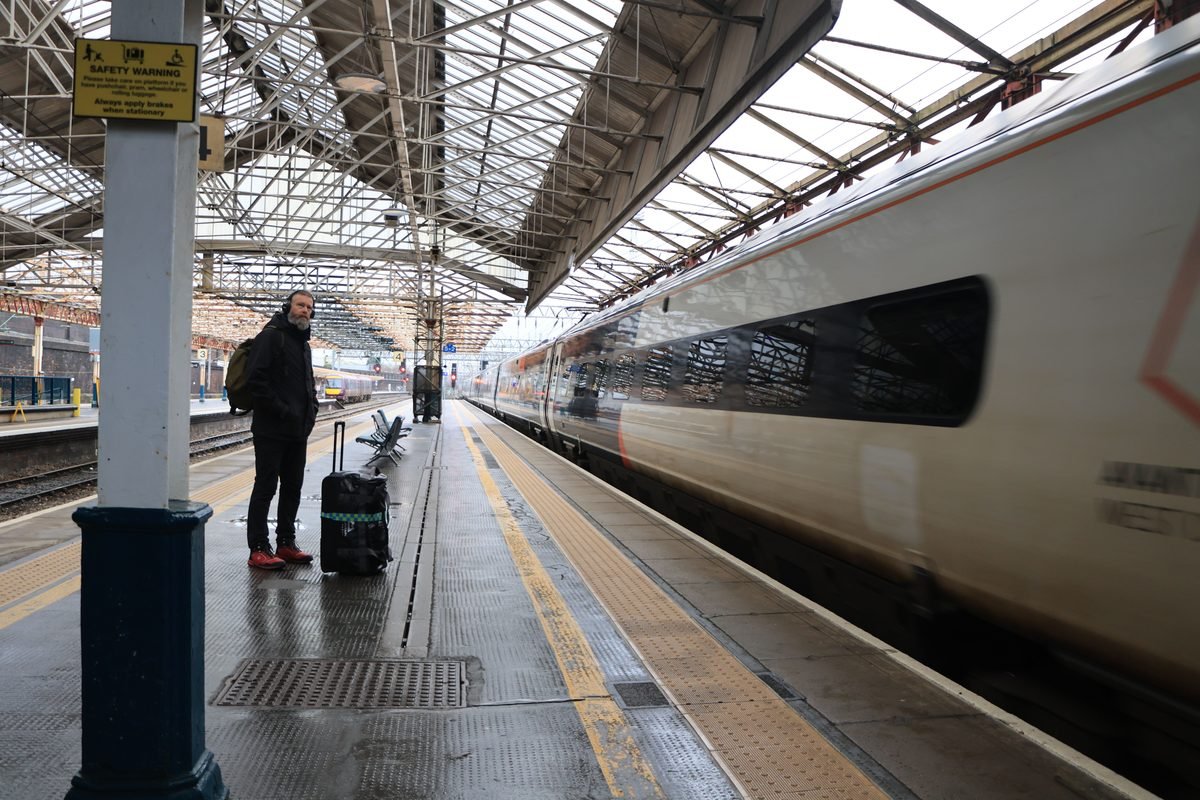

From a local: The Laundry Reality
Most European hotels charge per item for laundry. Look for a ‘Lavanderia’ or self-service laundromat in local neighborhoods to wash a full load for about €10 ($11).
The correct order for booking your trip
Booking in the wrong order can lead to expensive mistakes. The first step should always be your long-haul flights into and out of Europe. Once your start and end dates are locked, apply for your ETIAS if required. Next, map out your internal route and check for major events. If you are trying to book a hotel in Munich during Oktoberfest or in Cannes during the film festival without knowing it, you will find prices tripled or everything sold out. Check local holidays and festivals before committing to specific dates for each city.
After the main flights, book your accommodation. In Europe, the best-value boutique hotels and well-located apartments disappear four to six months in advance. Use a flexible booking site that allows for cancellations in case your plans shift. Once your beds are secured, turn your attention to transport between cities. Eurostar and high-speed rail operators like SNCF or Renfe usually open sales 4 to 6 months ahead. Booking on the day of travel can cost four times as much as an advance ticket. For example, a London to Paris Eurostar ticket might be €50 (about $55) months out, but €200 (about $220) on the day.
Finally, book your ‘must-see’ attractions. The demand for the Eiffel Tower, the Alhambra, or the Vatican Museums is so high that tickets are often gone a month before. If you wait until you arrive, you will be forced to buy expensive ‘skip the line’ tours from third-party vendors. Use a tracking app or a simple spreadsheet to keep all your confirmation numbers and dates in one place. Having a digital and a physical copy of your itinerary is a smart backup. Regional flights should be booked last, but keep an eye on baggage policies as they can change. This systematic approach ensures that the most expensive and rigid parts of your trip are secured first.


Book ahead: Train Reservation Window
Most European high-speed rail tickets go on sale 120 to 180 days in advance. Set a reminder to book early for the lowest ‘Saver’ fares.
What it costs across Europe
| Item | Local price | USD |
|---|---|---|
| ETIAS Authorization Fee | €7 | ($8) |
| Eurail Global Pass (4 days in 1 month) | €258 | ($284) |
| Intra-Europe Budget Flight | €45 | ($50) |
| Average Mid-range Daily Food | €65 | ($72) |
| Athens Acropolis Entry | €30 | ($33) |
| Prague 24-hour Transit Pass | 150 Kč | ($7) |
| Lisbon Metro Single Ticket | €1.80 | ($2) |
| Daily Total (Low-Mid Range) | €115 | ($127) |
Prices checked September 2026. Always confirm with the provider before you book.
Mistakes to avoid
- Counting the 90-day Schengen limit incorrectly by forgetting it is a rolling 180-day window.
- Assuming budget airlines are always cheaper without factoring in the cost and time of airport transfers.
- Failing to validate regional train tickets in countries like Italy, leading to immediate on-board fines.
FAQ
How many countries should I visit in two weeks?
For a two-week trip, aim for no more than three or four countries. This allows you to spend three to four days in each major hub, reducing travel fatigue and transit costs.
How to plan a multi country Europe trip on a budget?
Focus your time in Eastern and Central Europe, use FlixBus for travel between cities, and book all high-speed trains at least three months in advance to secure the lowest fares.
Do I need a separate visa for every European country?
No, a single Schengen visa or ETIAS authorization covers 29 European countries. However, you must check the specific entry requirements for non-Schengen nations like the UK or Turkey.
Is the Eurail pass worth it?
It depends on your flexibility. If you want to hop on trains without planning, the pass is great. If you have a fixed itinerary, booking point-to-point tickets in advance is usually cheaper.
Can I use my phone across all European countries?
Most EU-based SIM cards offer ‘Roam Like at Home’ within the EU, but this may not apply to non-EU countries like Switzerland or the UK. An eSIM from a provider like Airalo is often the easiest solution.