The Perfect Seville 3 Day Itinerary

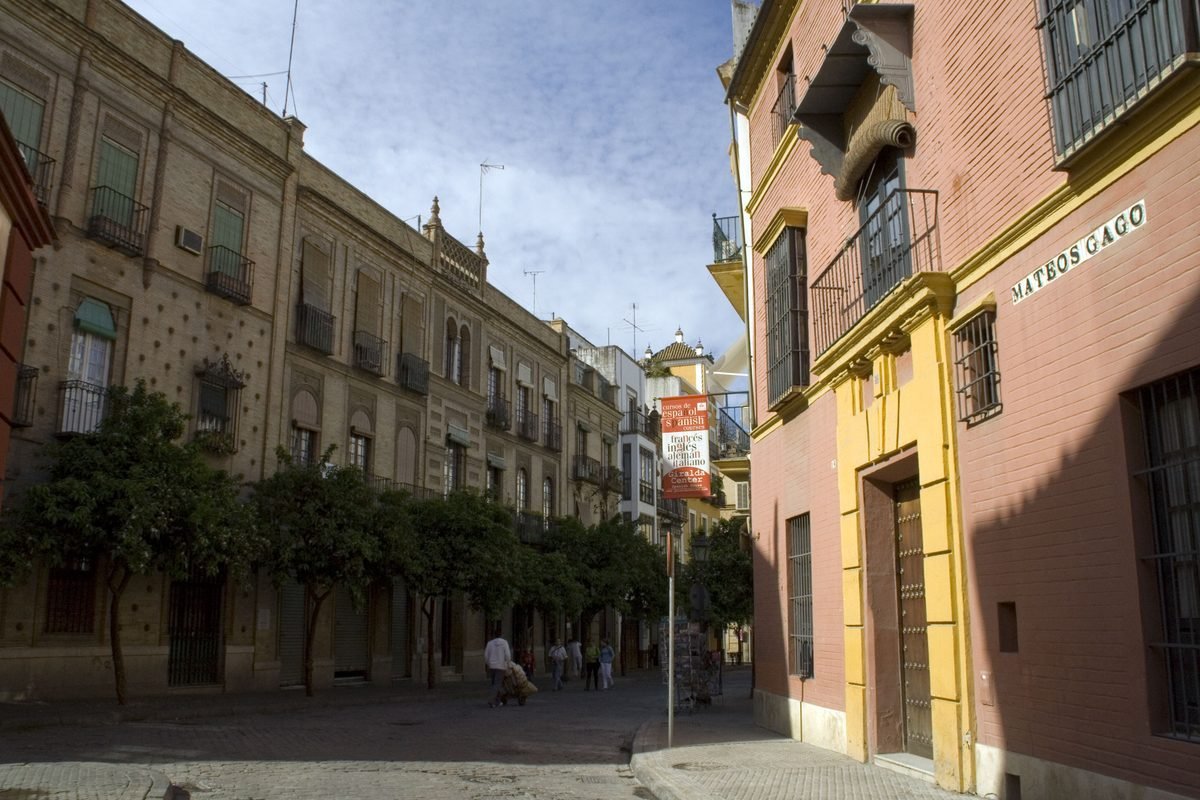
The thermometer on the side of the bank reads 42°C (108°F) at five in the afternoon, and the streets of the Santa Cruz quarter are completely empty. Seville does not merely experience summer; it survives it. Planning a trip to this Andalusian capital requires careful timing, strict afternoon naps, and booking major sights months before you pack a bag.
This guide is for independent travelers who want to explore the city without falling into tourist traps or melting in the midday sun. We will cover booking windows for the top monuments, authentic flamenco venues, a Triana food route, a day trip, and a realistic Seville 3 day itinerary.
How to structure your Seville 3 day itinerary
A Balanced Three-Day Rhythm
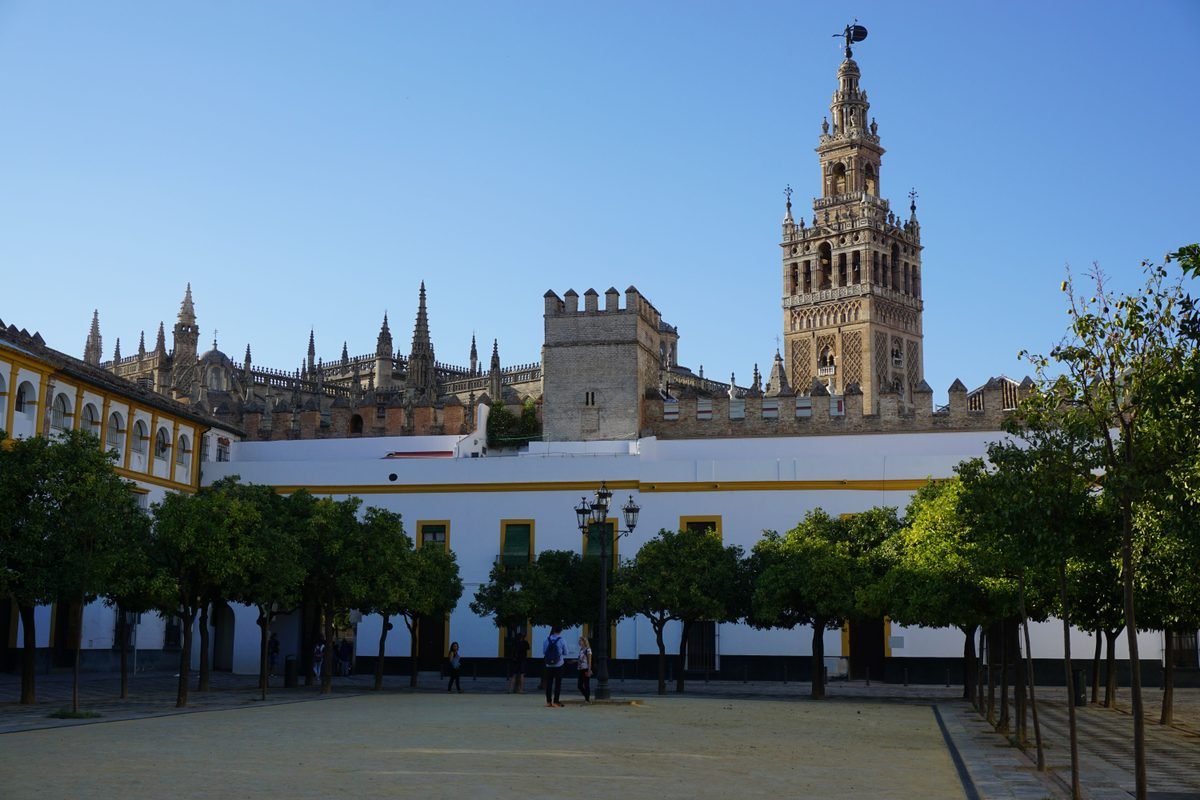
To get the most out of your visit, you must adapt to the local schedule. A successful Seville 3 day itinerary balances heavy sightseeing in the cooler mornings with slow, shaded afternoons. On your first day, focus entirely on the historic core of Santa Cruz. This is where you will find the monumental cathedral, the Giralda tower, and the winding medieval alleys of the old Jewish quarter. Keep walking to an absolute minimum during the peak heat of the afternoon. Seville is incredibly hot in summer. Because of this, scheduling a long lunch followed by a rest in your hotel is not lazy; it is a necessity.
Day Two and Day Three Planning
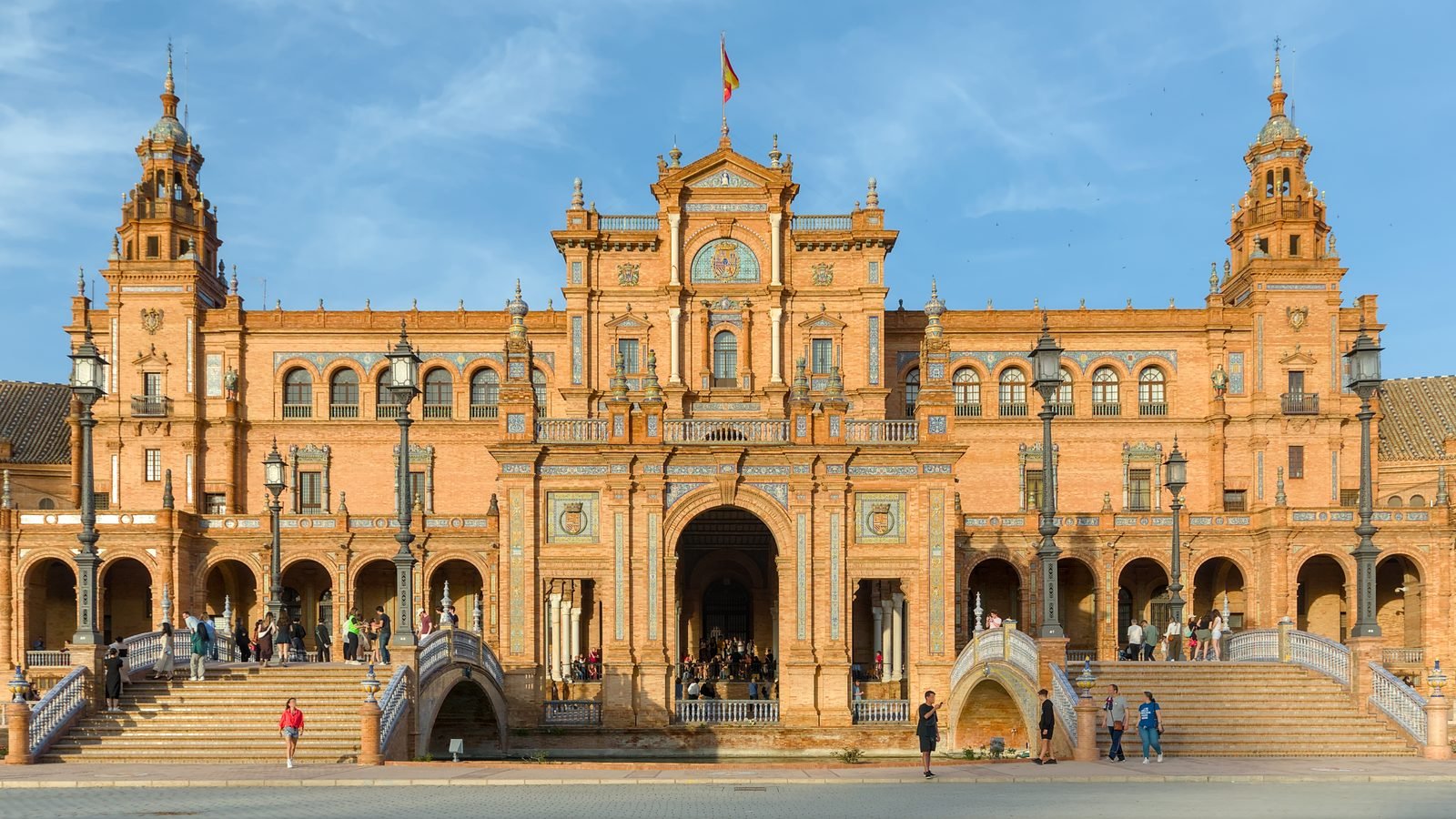
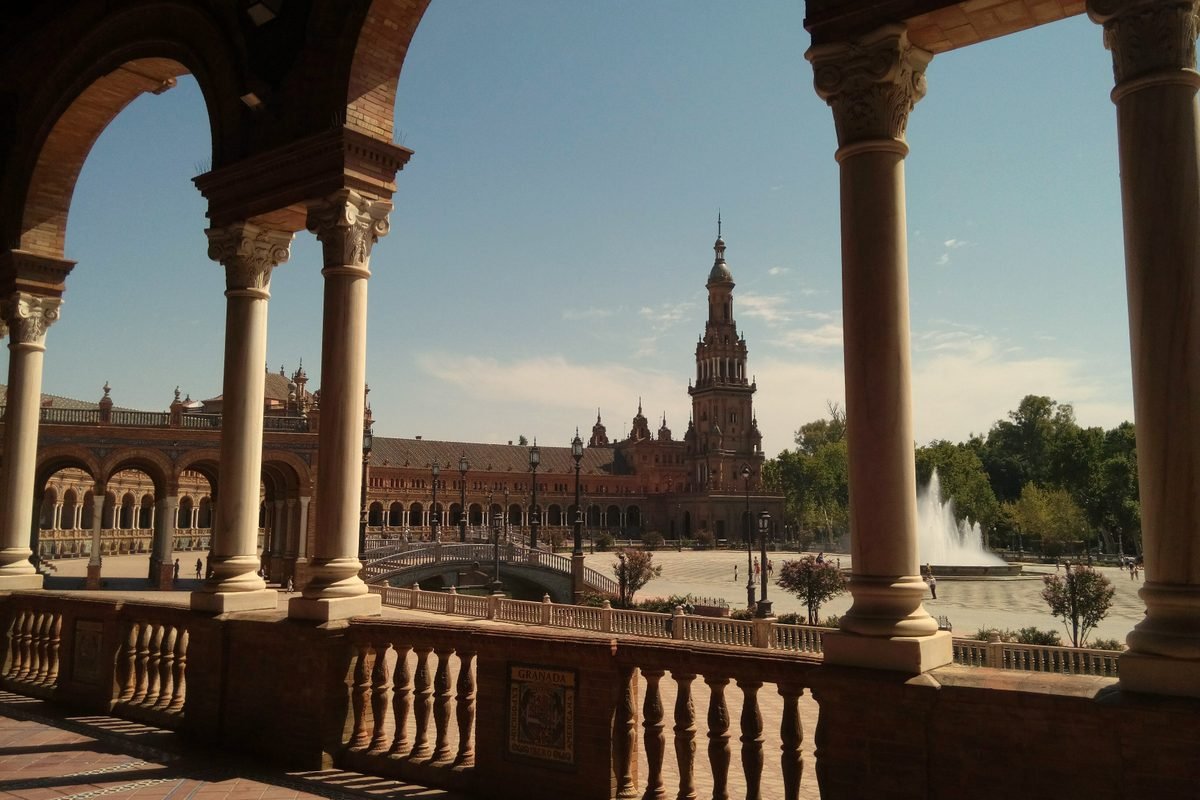
On your second day, head south to the parklands. Walk through the shaded paths of Parque de María Luisa to reach the massive Plaza de España. In the afternoon, cross the river to explore the ceramic-making heritage of Triana. Save your third day for a deeper dive into local palaces like the Palacio de las Dueñas, which costs €10 (about $11) to enter, or use it for an easy excursion out of the city. Most local shops close between 14:00 and 17:00, reopening late into the evening when the breeze finally picks up.
Structuring Your Evenings
Dinner in Andalusia rarely starts before 21:30. Plan your evenings around late-night walks and tapas. The city comes alive after dark, with families sharing plates on outdoor terraces until midnight. By pacing yourself this way, you can see all the major landmarks without burning out by day two.
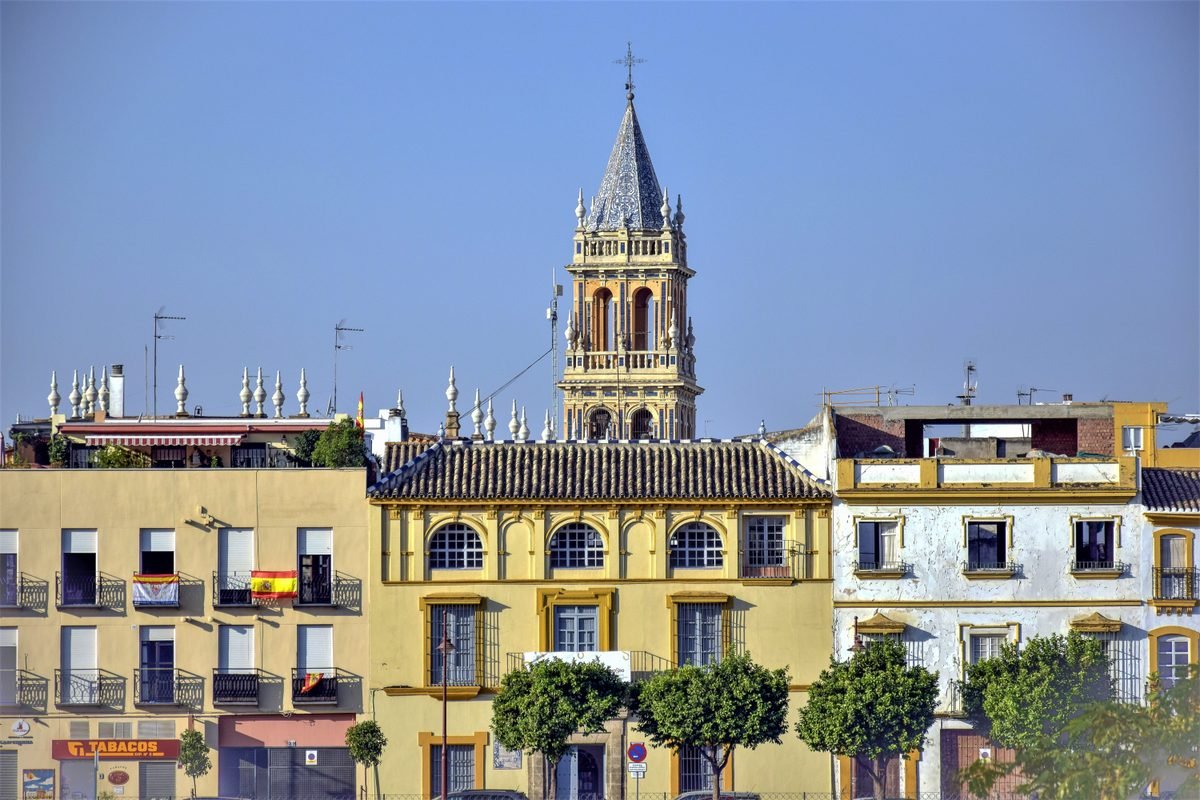
Best time to visit Seville and heat strategies
Understanding the Andalusian Climate
Seville has some of the warmest weather in continental Europe. If you visit in July or August, daily temperatures routinely exceed 40°C (104°F). This intense heat alters how the city functions. During these peak summer months, outdoor sightseeing during midday is virtually impossible and highly discouraged. If you have flexibility, plan your trip for the shoulder seasons. April, May, September, and October offer warm, sunny days with much more manageable temperatures ranging from 25°C to 32°C (77°F to 90°F).
The Winter Alternative
Winter is an excellent time to visit if you prefer cooler weather. From November to February, daytime temperatures hover around 16°C (61°F). While the nights can feel chilly, the orange trees are full of fruit, and the streets are blissfully uncrowded. You will also find lower rates on accommodation during these months, except during major holiday periods.
How to Survive the Heat
If you do find yourself here during a hot spell, you must adopt the local heat strategy. Drink water constantly and carry a hand fan. Seek out air-conditioned museums during the afternoon, such as the Museum of Fine Arts, which costs just €1.50 (about $1.60) for non-EU visitors. Stick to the shady sides of the streets; many of the narrow lanes in the old town have canvas awnings stretched overhead to block out the sun. Finally, never schedule outdoor walking tours between 13:00 and 18:00.
Heads up: Summer Afternoon Closures
Do not expect to find open shops, cafes, or active street life between 14:00 and 17:30 in July and August. Plan to stay indoors under air conditioning during these hours.
How to book the Royal Alcázar and Cathedral
Securing Your Entry Early
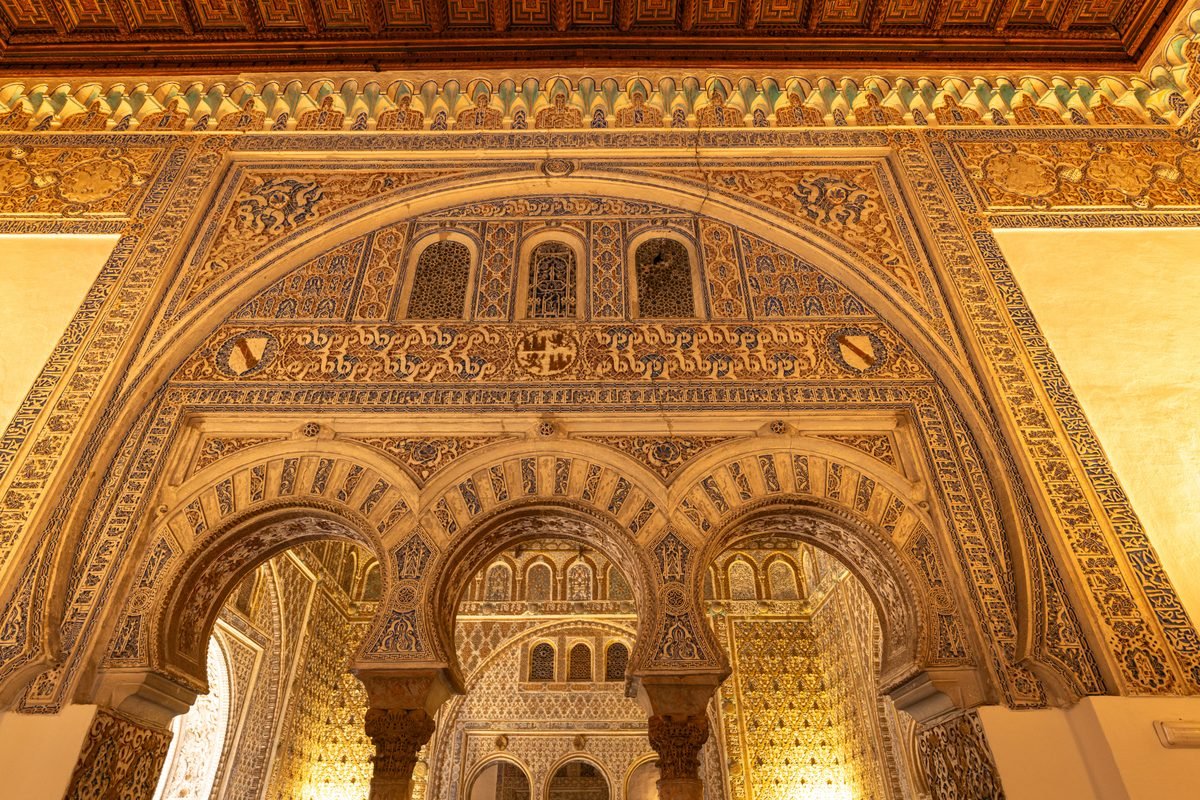
The Royal Alcázar and the Seville Cathedral are the two most popular sights in the city. You cannot simply show up and expect to buy a ticket at the gate without waiting in line for hours. Book your entry tickets early. For the Royal Alcázar, the official ticket portal opens up to 90 days in advance. A general admission ticket costs €14.50 (about $16). If you want to visit the upper royal apartments, you must purchase an additional ticket for €5.50 (about $6).
Visiting the Cathedral and Giralda
Directly across the square sits the Seville Cathedral, the largest Gothic church in the world. The church is truly massive. Admission tickets include entry to the main cathedral, the Treasury, and the climb up the Giralda bell tower. Buying your ticket online in advance costs €12 (about $13) and saves you from the grueling ticket lines in the open plaza. Be sure to select an early morning time slot to climb the Giralda before the interior ramps become crowded and warm.
Crucial Booking Windows
During peak travel seasons like spring and autumn, general admission tickets for both sites can sell out three to four weeks in advance. If you miss the online booking window, your only remaining option is to join an expensive guided tour, which can cost upwards of €45 (about $50). Avoid this unnecessary expense by planning ahead and securing your entry times as soon as your travel dates are confirmed.

Book ahead: Book 30 Days Ahead
Secure your Royal Alcázar tickets at least 30 days in advance during spring and autumn peak seasons to guarantee your preferred morning entry time.
Finding authentic flamenco in Seville
Avoiding the Tourist Traps
Seville is the birthplace of flamenco, but this status means the city is filled with commercialized shows designed solely for tourists. Many large venues charge high prices for mediocre food and performances that lack genuine emotion. To experience the real art form, look for smaller, intimate venues known as peñas flamencas. These are cultural clubs where local enthusiasts gather to watch artists perform in close quarters. Flamenco is serious art here.
Intimate Venues to Consider
If you prefer a structured show without the commercial fluff, book a performance at Casa de la Memoria. This cultural center hosts daily shows in a small, 18th-century courtyard. Tickets cost about €22 (about $24) and must be booked several days in advance. Another excellent option is La Carbonería, a former coal yard turned tavern where musicians and dancers perform informally. There is no cover charge at La Carbonería, but you are expected to buy a drink, with beers costing around €4 (about $4.40). The atmosphere is casual, and the performances are raw and unscripted.
Performance Etiquette
When watching a live performance, respect the artists by following local etiquette. Do not take photos or record videos during the show; flash photography is highly disruptive to the dancers and guitarists. Keep conversations to an absolute minimum. The crowd is expected to remain quiet and attentive, saving their applause and shouts of encouragement, like a hearty “¡ole!”, for the end of a song or a particularly intense footwork sequence.
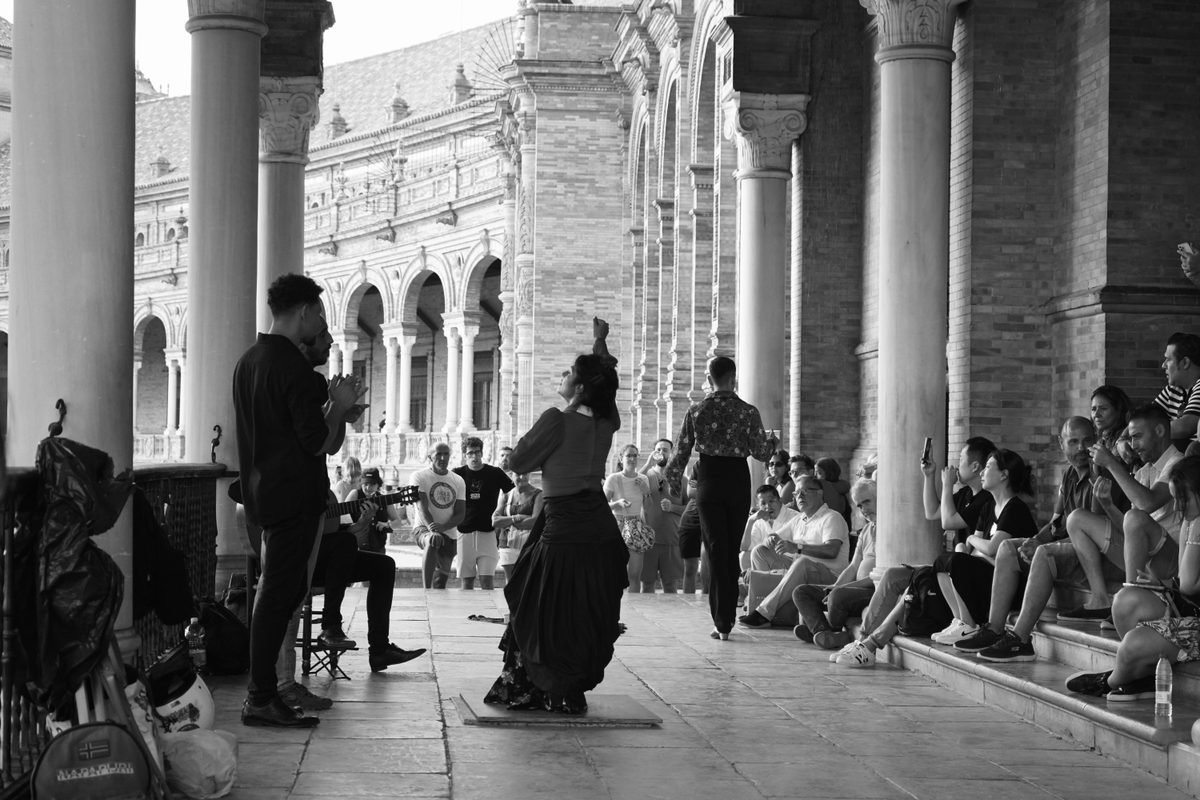
From a local: Peña Etiquette
In traditional peñas, absolute silence is expected during the song. Whispering or clinking glasses during a quiet vocal solo is considered highly disrespectful.
A self-guided Triana tapas crawl
Crossing the Guadalquivir
Triana is across the river. To reach this historic neighborhood, walk across the iconic Puente de Isabel II, also known as the Triana Bridge. Historically home to sailors, potters, and flamenco artists, Triana has a distinct identity separate from the rest of Seville. It is one of the best areas in the city for an authentic tapas crawl. Start your evening at the Mercado de Triana, where you can sample local olives, cured meats, and cheeses at the small stalls inside.
The Tapas Route
After leaving the market, walk down Calle Alfarería or Calle San Jacinto to find traditional taverns. Look for places with standing-room-only crowds spilling onto the sidewalk. Order a glass of dry manzanilla sherry for about €2.50 (about $2.75) and pair it with local specialties. Try the espinacas con garbanzos (spinach cooked with chickpeas and cumin) or solomillo al whisky (tender pork loin seared in a garlic and whiskey sauce). A typical plate costs between €3 and €5 (about $3.30 to $5.50).
How to Order Like a Local
Do not sit down at a formal table if you want the true tapas experience. Stand at the bar where the action is. Order one or two tapas at a time, then move on to the next tavern. This style of eating is called tapear. It allows you to sample a wide variety of dishes across three or four different venues in a single evening. Keep track of what you order, as bartenders often write your tab directly on the wooden bar in chalk.

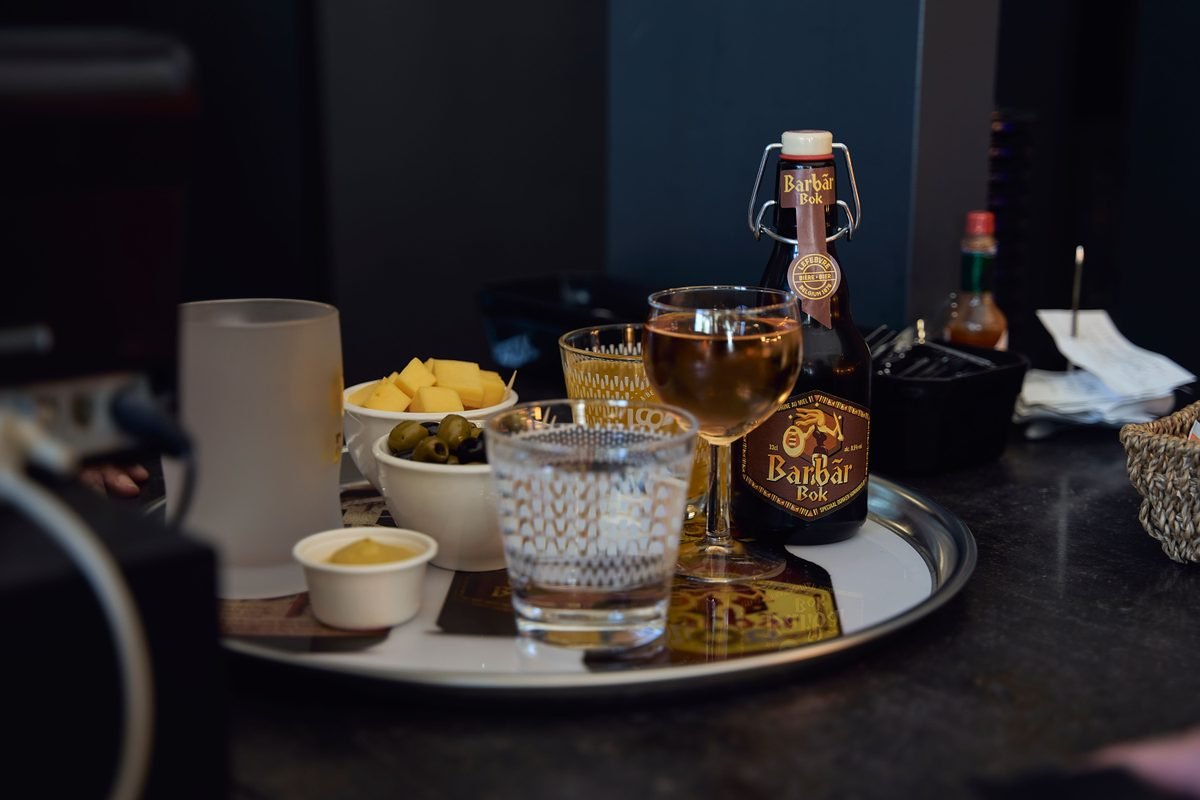
From a local: Chalk on the Bar
Do not be alarmed if the bartender writes your order in chalk on the wooden counter right in front of you. This is the traditional way of tracking your bill before you pay.
Planning a day trip to Córdoba
The High-Speed Connection
Córdoba makes an ideal day trip from Seville. Take the high-speed train. The Renfe Avant or AVE trains run frequently between the two cities, taking just 40 minutes to reach Córdoba Central station. A round-trip ticket generally costs between €30 and €50 (about $33 to $55) depending on how far in advance you purchase it. Booking your train tickets online at least two weeks ahead of time secures the best rates and guarantees your preferred departure times.
Exploring the Mezquita
The main draw in Córdoba is the Mezquita-Catedral, a spectacular mosque-cathedral famed for its endless forest of red-and-white striped arches. Admission to the monument costs €13 (about $14). If you wish to climb the bell tower for a panoramic view of the city, it costs an additional €3 (about $3.30). The monument is incredibly popular, so booking your entry time online before you arrive in Spain is highly recommended to avoid long queues.
Wandering the Jewish Quarter and Tasting Local Food
After visiting the Mezquita, spend your afternoon wandering through the Judería, the historic Jewish quarter. This area is famous for its narrow, whitewashed alleys decorated with hanging flower pots. Stop by the Calleja de las Flores for a classic photo opportunity, and visit the medieval synagogue, which is free to enter for most international visitors. For lunch, try the local salmorejo, a thick cold tomato soup topped with jamón, or a flamenquín, which is rolled pork loin stuffed with cheese and ham. Finish your day with a walk across the Roman Bridge before catching your evening train back to Seville.
What it costs in Seville
| Item | Local price | USD |
|---|---|---|
| Royal Alcázar General Entry | €14.50 | about $16.00 |
| Seville Cathedral and Giralda Entry | €12.00 | about $13.00 |
| Casa de la Memoria Flamenco Show | €22.00 | about $24.00 |
| Average Tapas Dinner (with drinks) | €20.00 | about $22.00 |
| High-Speed Train to Córdoba (round-trip) | €40.00 | about $44.00 |
| Palacio de las Dueñas Entry | €10.00 | about $11.00 |
| Estimated Daily Budget (excluding lodging) | €65.00 | about $71.50 |
Prices checked September 2026. Always confirm with the provider before you book.
Where to stay in Seville
Budget
Santa Cruz, for guesthouses in historic alleys
This area is ideal for travelers who want to step out of their door directly into Seville's medieval heart. Simple rooms in converted historic homes here generally range from €60 to €90 (about $66 to $99) per night.
Mid-range
El Arenal, for boutique hotels near the river
This neighborhood offers a slightly quieter atmosphere while remaining within easy walking distance of major sights. Comfortable, mid-range boutique hotels here typically cost between €110 and €170 (about $121 to $187) per night.
Splurge
Triana, for upscale hotels with rooftop terraces
Staying on this side of the river provides excellent views of the old city skyline and easy access to top tapas bars. Premium accommodations with pool terraces here range from €220 to €400 (about $242 to $440) per night.
Mistakes to avoid
- Booking a flamenco show that includes a full sit-down dinner, which is almost always overpriced and of poor quality compared to local tapas bars.
- Attempting to tour both the Cathedral and the Royal Alcázar back-to-back in the afternoon, leading to severe physical exhaustion in the heat.
- Relying on buying monument tickets at the physical ticket windows, which often results in waiting for hours under the direct sun or being turned away.
FAQ
Is a Seville 3 day itinerary enough time to see the city?
Yes, three days is the perfect amount of time to explore the historic core, visit the major monuments, and experience the local food culture. It also leaves enough room for a quick day trip to nearby Córdoba.
How far in advance should I book Alcázar tickets?
You should book your tickets at least three to four weeks in advance, especially if you are visiting during the peak spring or autumn seasons. General admission tickets sell out quickly, leaving only expensive guided tours.
Where can I find authentic flamenco in Seville?
Look for small cultural centers like Casa de la Memoria or traditional peñas flamencas rather than large commercial dinner theaters. These smaller venues offer raw, intimate performances without the tourist gimmicks.
What is the best way to get from Seville to Córdoba?
The best way is to take the high-speed Renfe Avant or AVE train from Santa Justa station, which takes only 40 minutes. Buses are cheaper but take significantly longer, making them less suitable for a day trip.
How do locals handle the summer heat in Seville?
Locals stay indoors during the peak heat hours from 14:00 to 18:00, keeping their windows shuttered. They drink plenty of water, schedule their main meals for late afternoon, and do not socialize outside until late in the evening.