Split and Dubrovnik guide: Planning your Croatia itinerary

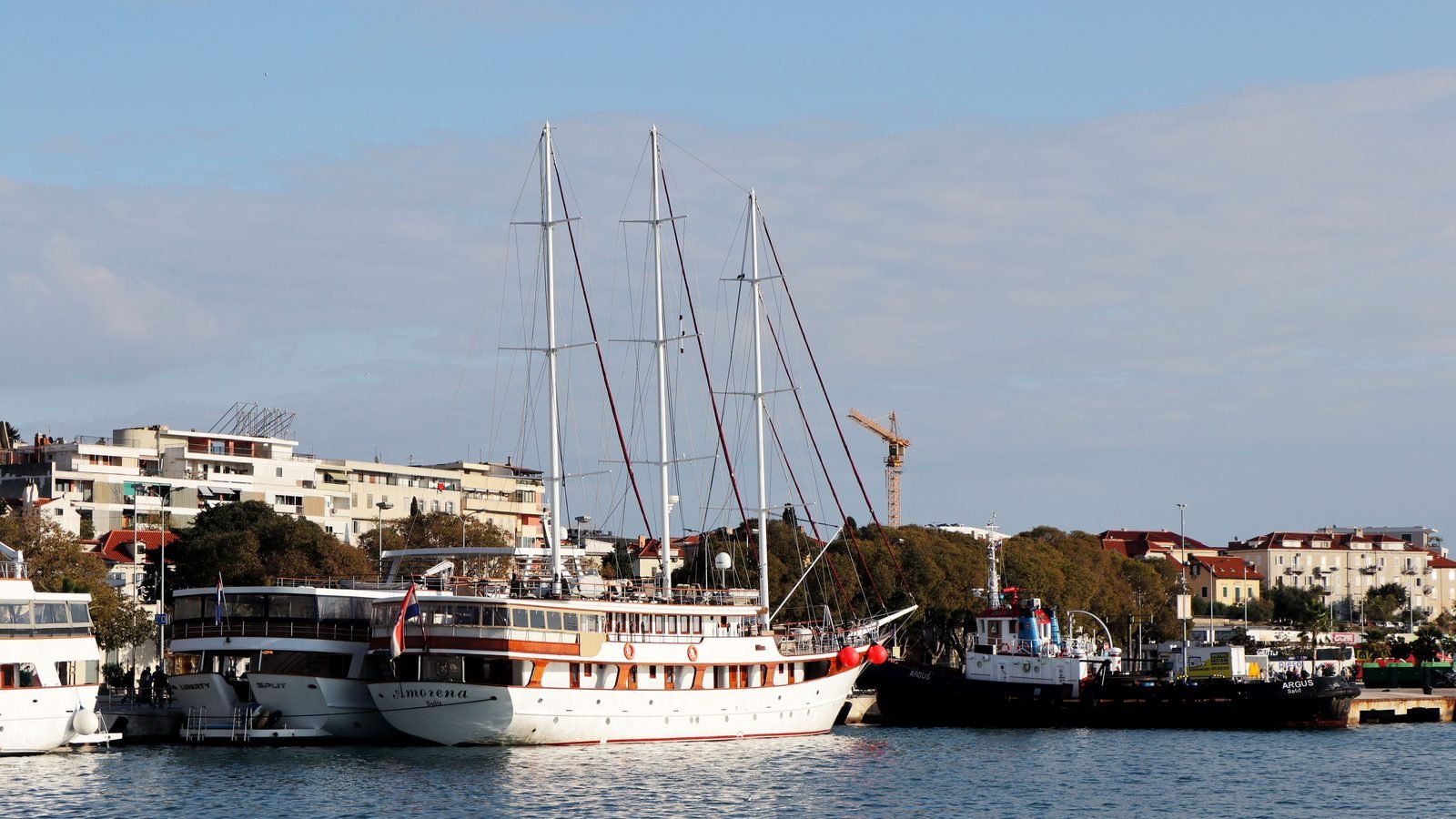
A one-way bus ticket from Split to Dubrovnik costs roughly €22 (about $24) and takes about four hours along the coast. This stretch of the Adriatic is the most popular route for travelers visiting Croatia, connecting a living Roman palace with a fortified medieval city. The transition from the rugged mountains of the Dalmatian coast to the deep blue of the sea defines the journey between these two hubs.
This Split and Dubrovnik guide is for independent travelers who want to manage their own logistics without booking expensive tours. We will cover how to choose your transport, how to navigate Diocletian’s Palace on your own, which filming locations are worth the entry fee, and how to time your visit to avoid the massive groups that arrive on cruise ships every morning.
Transport options for your Split and Dubrovnik guide
Choosing between the bus and the catamaran is the first major decision for this route. The bus station in Split is located right next to the ferry port, making transfers simple if you are coming from the islands. Buses run frequently throughout the day and cost between €20 and €25 (about $22-$27). It is a long walk. If you choose the bus, try to sit on the right-hand side when traveling south toward Dubrovnik to get the best views of the Makarska Riviera. Most buses now use the Pelješac Bridge, which means you no longer have to cross the Bosnian border at Neum, saving significant time on passport checks.
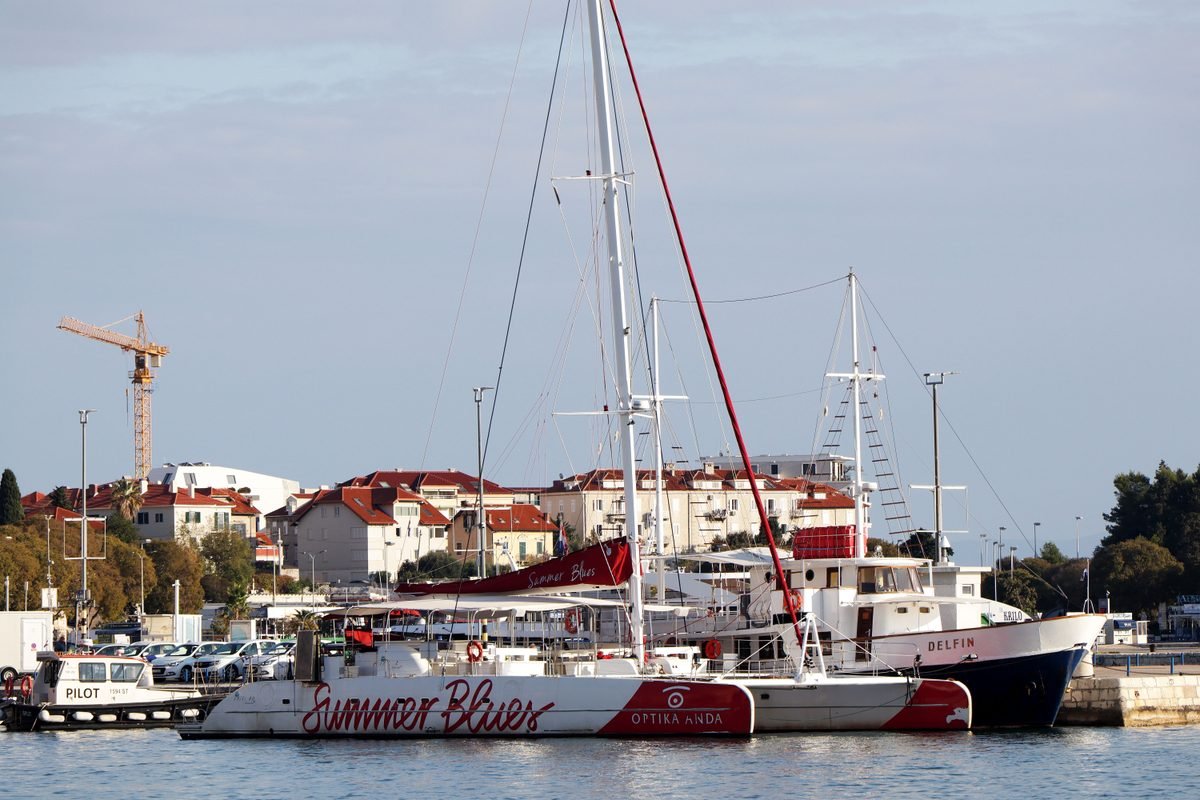
The catamaran is the faster and more scenic alternative, though it is more expensive. Companies like Krilo and Jadrolinija operate high-speed vessels that cost approximately €45 (about $49) per person. These boats take about four to five hours depending on how many islands they stop at along the way. The catamaran is often more comfortable than the bus, offering more legroom and a small bar for coffee or snacks. However, these boats can sell out days in advance during the peak summer months and into October.
If you have a larger budget, a private transfer or a rental car allows for stops in smaller towns like Omiš or the Baćina Lakes. Driving yourself gives you the freedom to explore the coastline at your own pace, but parking in both Split and Dubrovnik is notoriously difficult and expensive. Most travelers find the public catamaran or the intercity bus to be the most efficient way to move between the two cities without the stress of navigating narrow stone streets or finding a parking spot that costs more than a meal.
Tip: Luggage on Buses
If you take the bus, expect to pay the driver roughly €1 to €2 (about $1.10-$2.20) in cash for each large bag placed in the hold below the bus.
Exploring Diocletian's Palace without a tour
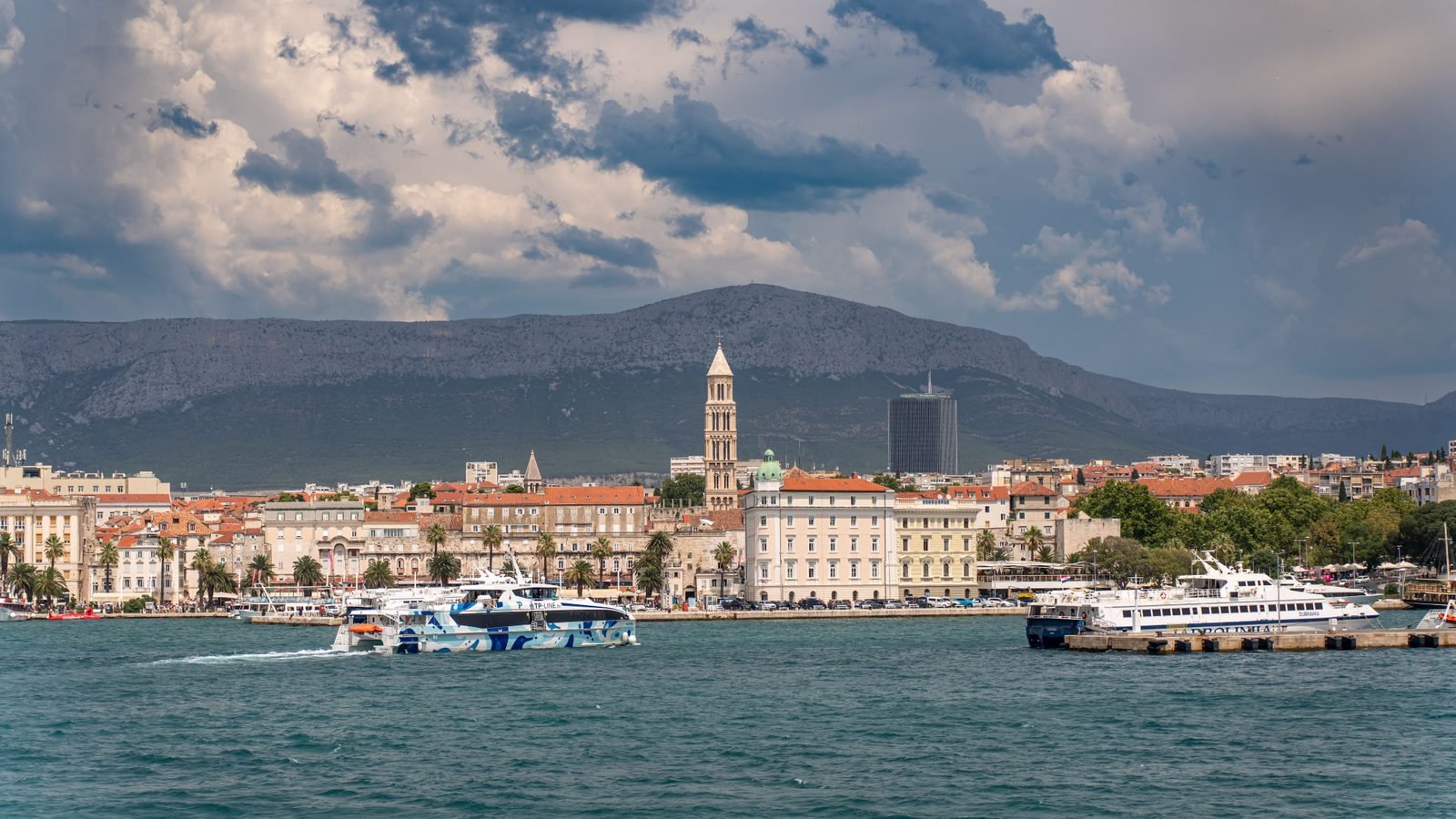
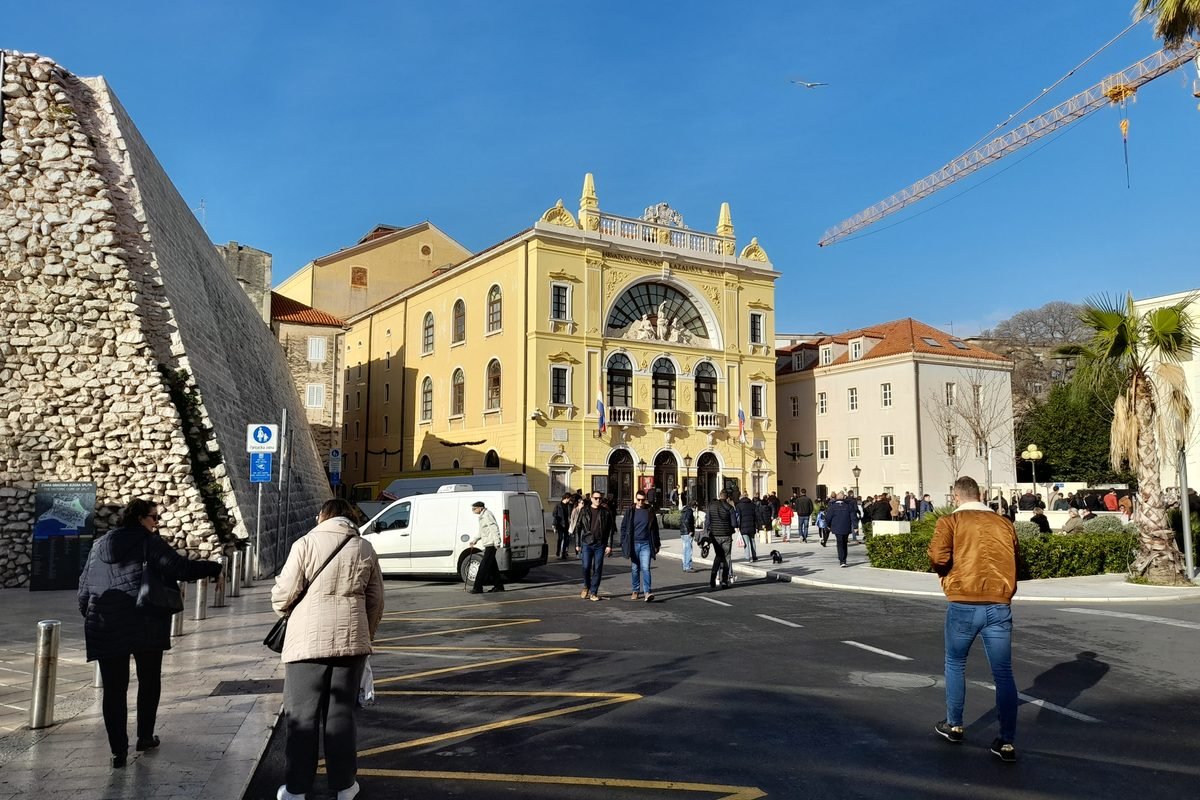
Diocletian’s Palace in Split is not a traditional museum with a single entrance; it is the heart of the city. You can walk through the massive Roman gates for free at any time of day. The complex was built for the Roman Emperor Diocletian in the 4th century and today houses hundreds of shops, apartments, and cafes. To understand the layout, start at the Peristyle, the central square where the emperor would appear to his subjects. You can sit on the steps here, but be aware that the cafes in this specific square charge a premium for the location.
While the streets are free, several specific sites within the palace require a ticket. The Cathedral of St. Domnius, originally the emperor’s mausoleum, costs about €10 (about $11) for a combined ticket that includes the crypt, the treasury, and the Temple of Jupiter. The bell tower is a separate climb and offers a wide view over the red roofs of Split and the harbor for about €7 (about $8). The stairs are steep and narrow, so it is best to go early in the morning before the heat and the crowds pick up.
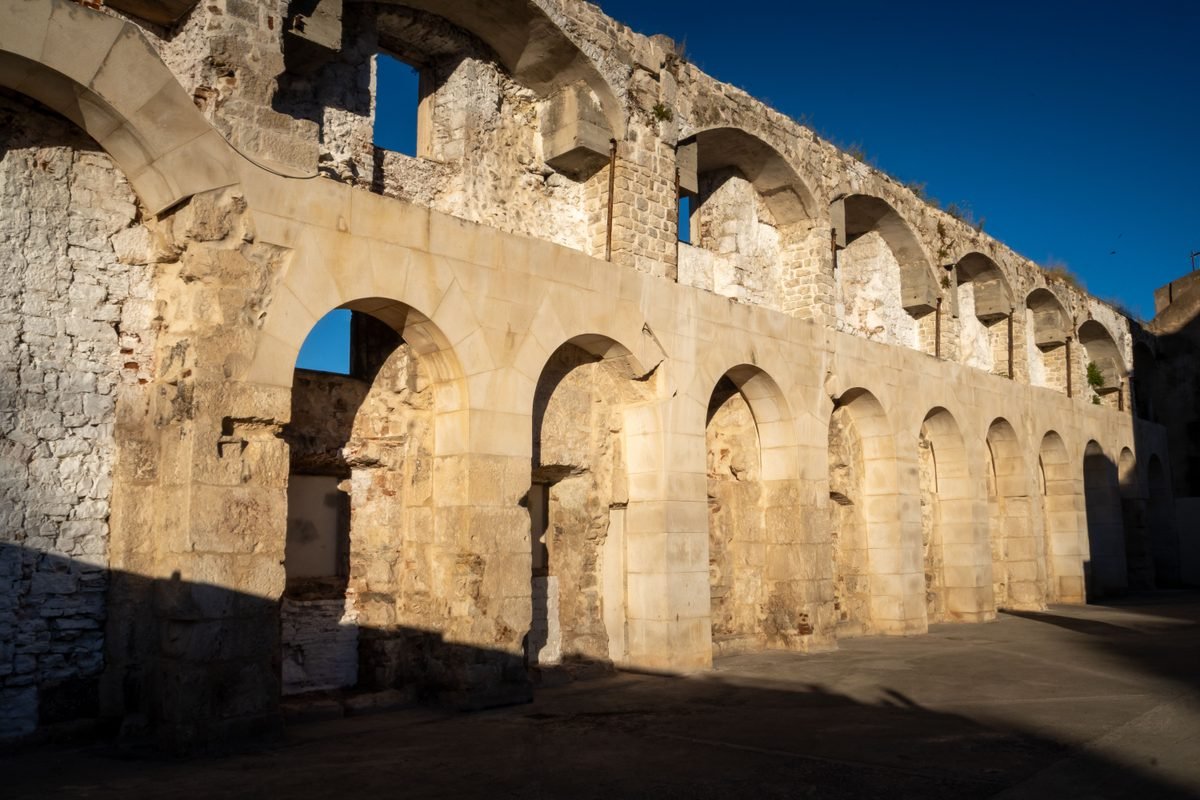
The Substructures, or the Palace Cellars, are another essential stop. You can walk through the central hall of the cellars for free to reach the Bronze Gate, but the excavated rooms on either side require a fee of roughly €8 (about $9). These rooms are remarkably well-preserved because they were used for centuries as a waste dump, which protected the original Roman walls. Walking through these cool, damp halls gives you a sense of the sheer scale of the palace above. You do not need a guide to appreciate the masonry, as there are informative plaques in English throughout the site.
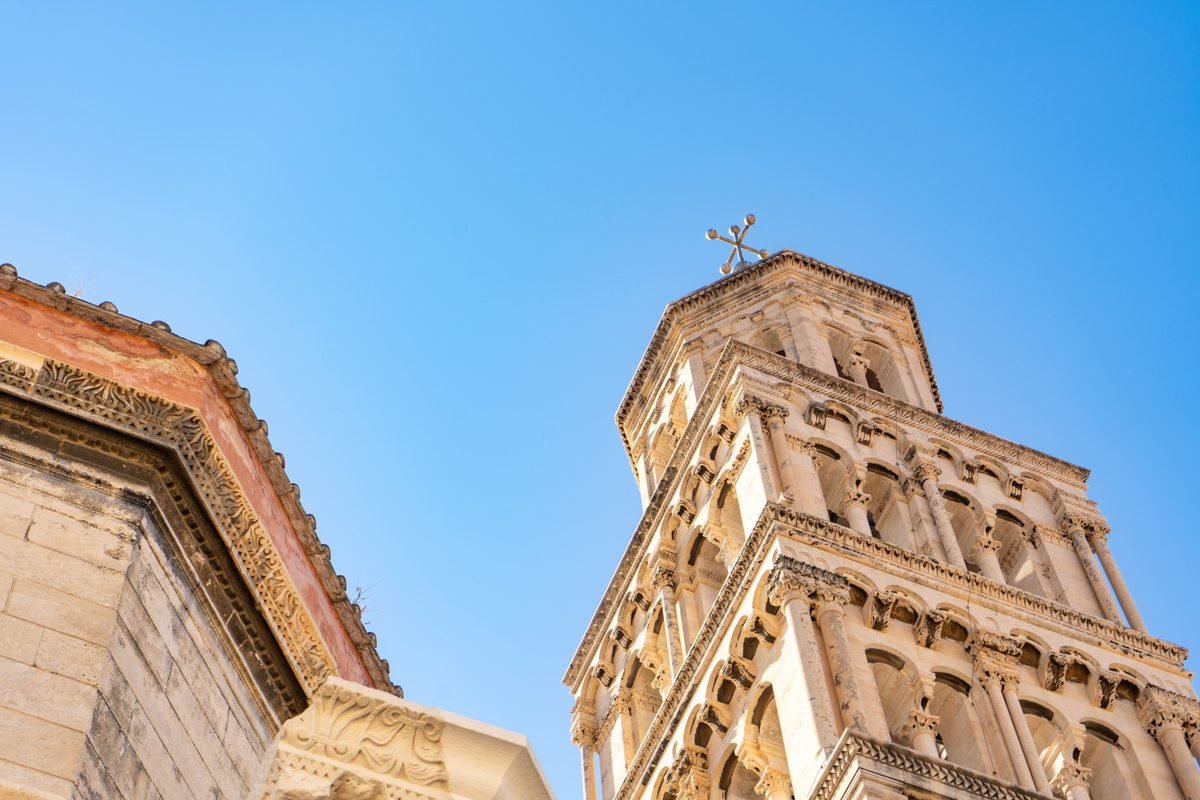
From a local: Egyptian Sphinxes
Look for the 3,500-year-old black granite sphinxes in the Peristyle; Diocletian brought them from Egypt to decorate his palace.
Filming locations worth the entry fee
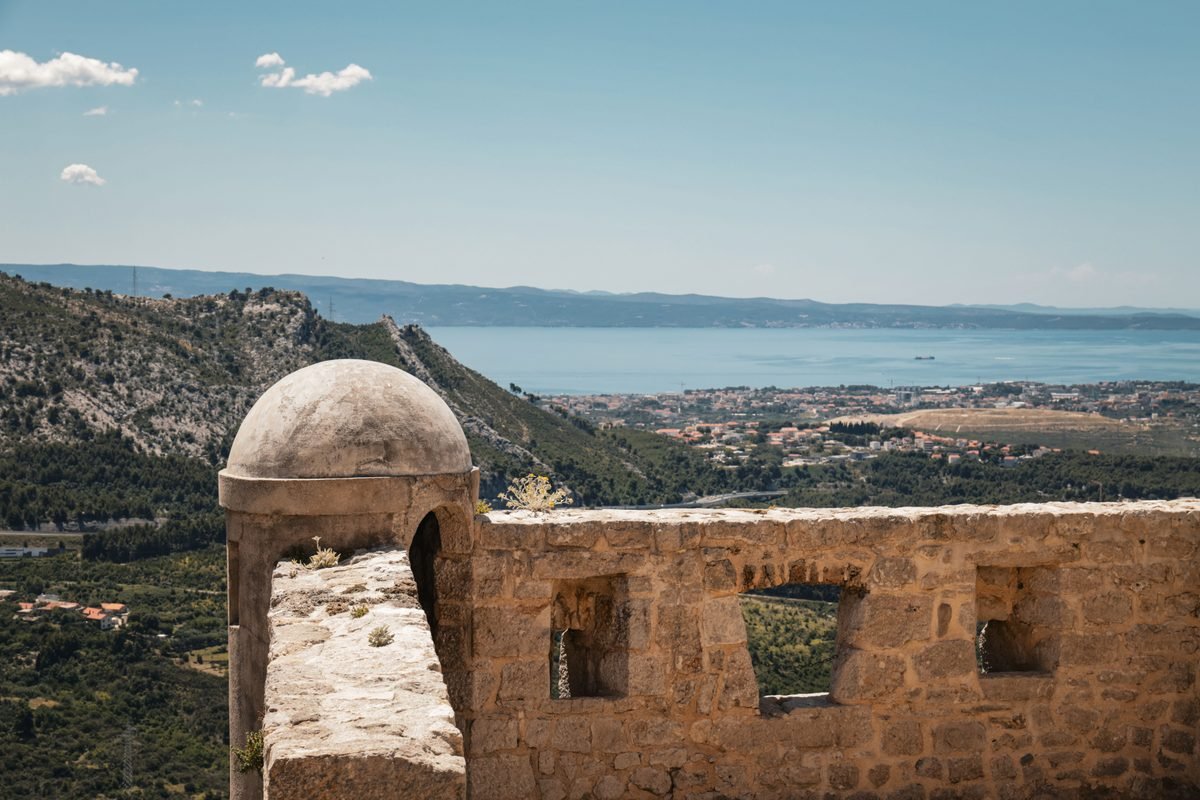
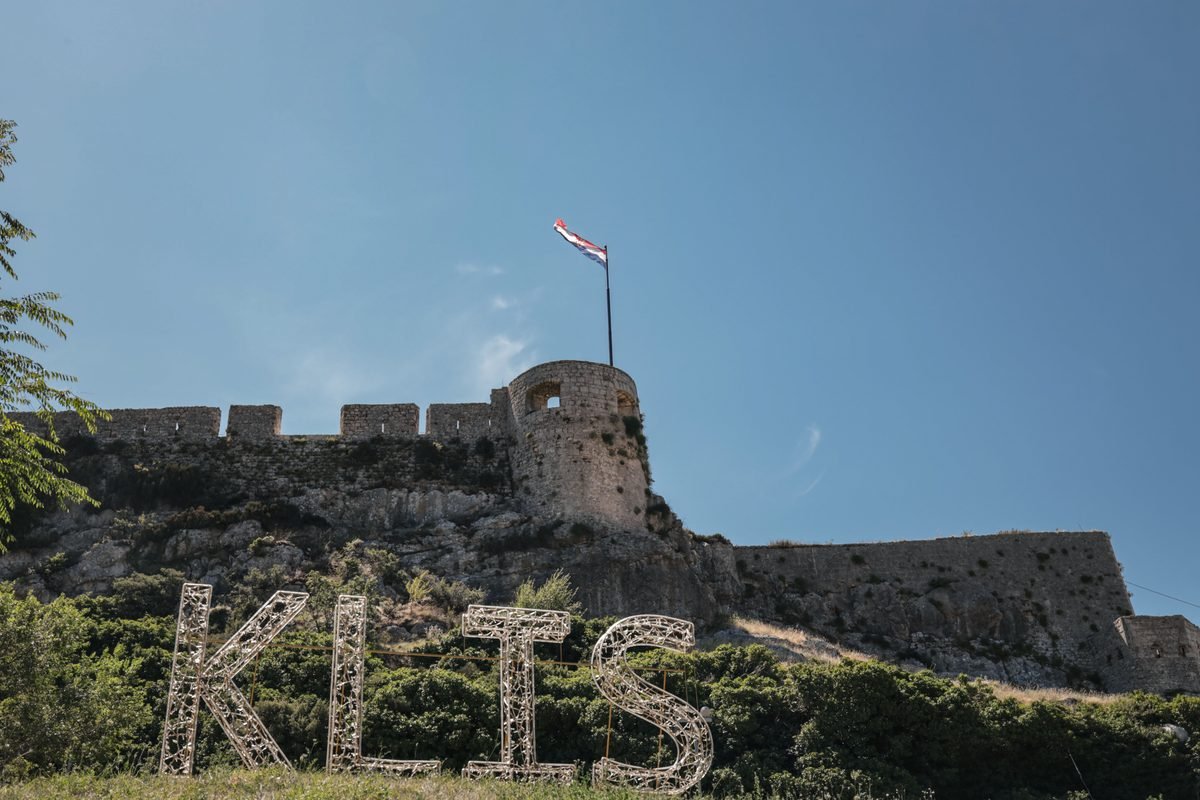
Both cities served as major filming locations for Game of Thrones, but not every spot is worth a paid tour. In Split, the most significant site is Klis Fortress, located about 20 minutes outside the city by bus. This fortress served as the city of Meereen. Entry is roughly €10 (about $11). Unlike the crowded city center, Klis often feels empty and provides a rugged, authentic look at Dalmatian military architecture. You can walk along the ramparts and see exactly where the filming took place without the distraction of modern shops.
In Dubrovnik, the city walls are the most famous filming site, representing the ramparts of King’s Landing. A ticket to walk the full 2-kilometer circuit costs €35 (about $38). While expensive, it is the best way to see the city’s layout and the iconic terracotta roofs. The ticket also includes entry to Fort Lovrijenac, which sits on a cliff outside the walls. This fort is another major filming location and offers a great perspective of the Old Town from across the water. If you only pay for one attraction in Dubrovnik, the walls should be it.
Another location worth a short trip is the Trsteno Arboretum, about 18 kilometers north of Dubrovnik. This served as the palace gardens in the show. Entry is about €10 (about $11). You can reach it by taking local bus 12 or 15 from the Gruž port area. The gardens are filled with ancient plane trees, fountains, and pergolas overlooking the sea. It is a peaceful alternative to the crowded streets of the Old Town and offers a look at one of the oldest arboretums in this part of Europe. Most of the other filming ‘sites’ in the city are just public stairs or squares that you will see for free while walking around.
Planning island day trips from Split
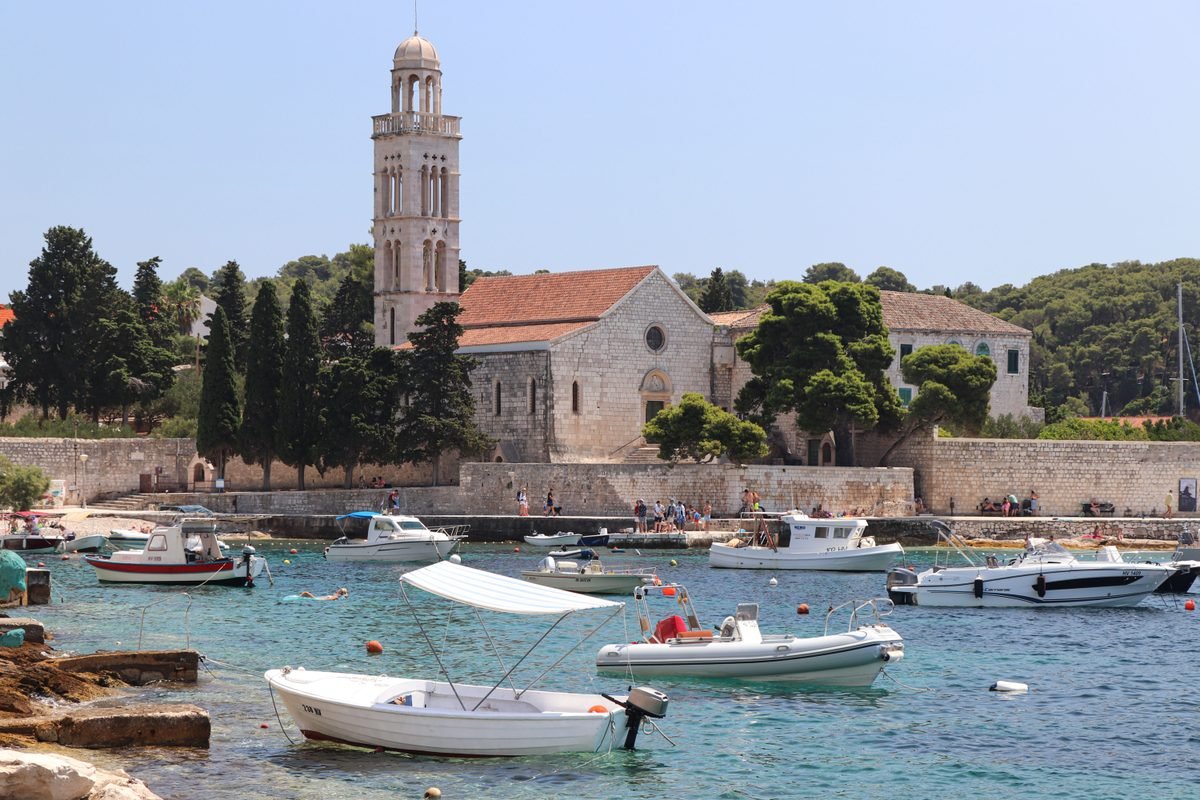
Split is the primary gateway to the central Dalmatian islands, and a day trip is a great way to see the clear Adriatic water. Hvar is the most popular destination. A return catamaran ticket to Hvar Town costs about €40 (about $44). Once there, you can walk up to the Fortica Fortress for a view of the Pakleni Islands or swim at the beaches near the town center. The sun sets earlier in the autumn. Hvar Town can be very expensive, so many travelers prefer to visit Stari Grad on the same island for a quieter experience and lower prices at local konobas (taverns).
Brač is another excellent option, famous for the Zlatni Rat beach in Bol. To get there, you can take a ferry from Split to Supetar for about €6 (about $7) and then a local bus across the island, or a direct catamaran to Bol for about €20 (about $22). Brač is known for its white stone, which was used to build Diocletian’s Palace. The island is less glitzy than Hvar and offers better opportunities for hiking and visiting small olive oil museums.
For those looking for a longer adventure, the Blue Cave on Biševo island is a common target. Most people book a ‘Five Island Tour’ for this, which typically costs between €100 and €120 (about $109-$131). These tours are long and involve several hours on a speedboat. While the cave itself is beautiful when the light hits the water, the experience can feel rushed as you are often limited to five or ten minutes inside the cave due to the number of tour boats waiting. If you prefer a slower pace, I would suggest picking one island like Vis or Šolta and spending the whole day there using the public ferry system.
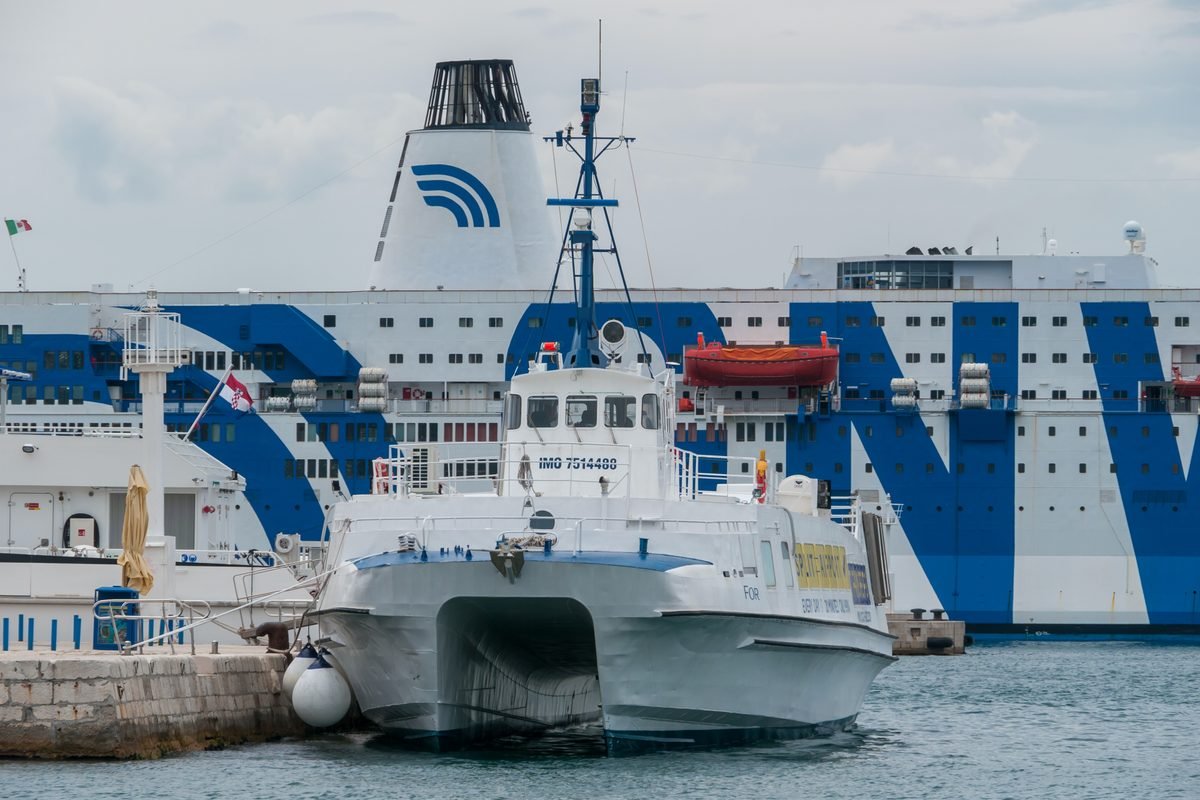
Book ahead: Ferry Reservations
Book your catamaran tickets at least 48 hours in advance during the summer and early autumn, as the most popular morning departures often sell out.
How to time your visit to avoid cruise ship crowds
Dubrovnik is one of the busiest cruise ports in the Mediterranean, and the crowds can be overwhelming between 10:00 and 16:00. To have a better experience, aim to walk the walls as soon as they open at 08:00. By the time the large groups from the ships reach the Pile Gate, you will be finishing your circuit. Alternatively, wait until after 17:00 when the cruise passengers begin returning to their ships. The light in the late afternoon is much better for photography, and the temperature is more manageable.
The city of Dubrovnik now uses a ‘Respect the City’ initiative which includes a website that tracks the number of visitors expected each day. I would check this schedule before planning your main sightseeing day. If you see that three or four large ships are docking on a Tuesday, use that day to head out to the Elafiti Islands or the Konavle valley instead. The Old Town streets like Stradun become difficult to navigate when thousands of people are moving through the same narrow gates at once.
In Split, the cruise impact is slightly less intense because the city is larger and the palace is more spread out, but the Riva (waterfront) still gets very busy. Most cruise groups follow a very specific path: the Bronze Gate, the Cellars, and the Peristyle. If you find the central areas crowded, head into the residential parts of the palace near the Silver Gate or the Iron Gate. These alleys are just as historic but see a fraction of the foot traffic. Walking through the Varoš neighborhood just outside the palace walls is another great way to escape the midday rush while still enjoying the traditional stone architecture.
Heads up: Stradun Prices
Avoid eating on the main street (Stradun) in Dubrovnik; prices are often double what you will find in the side alleys just two minutes away.
Where to eat in Split and Dubrovnik
Dalmatian cuisine is focused on fresh seafood, olive oil, and slow-cooked meats. In Split, you should look for Pasticada, a traditional beef dish marinated in vinegar and spices for days and then braised with prunes and red wine. It is usually served with homemade gnocchi. A good plate of Pasticada in a mid-range konoba will cost roughly €18 to €22 (about $20-$24). For a lighter lunch, try a piece of Soparnik, a savory pie filled with swiss chard and garlic, which is a local specialty from the nearby Poljica region.
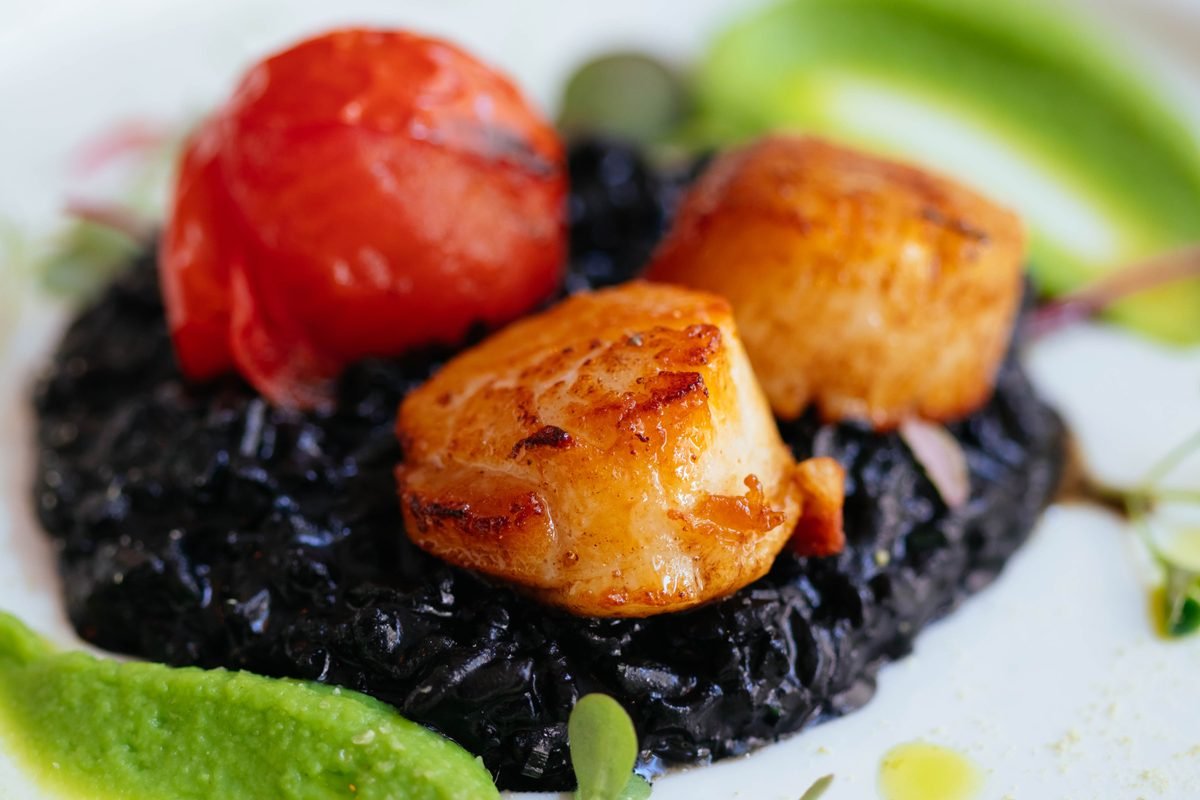
Seafood is the main attraction in Dubrovnik, particularly the oysters from nearby Mali Ston. You can find these at many wine bars in the Old Town for about €3 to €5 (about $3.30-$5.50) per oyster. Black Risotto, colored with cuttlefish ink, is another staple you will find on almost every menu. It is rich and salty, usually costing around €20 (about $22) for a generous portion. Because the coast is so close, the fish is usually caught the same day, though you should always check the price per kilogram for ‘first-class’ fish to avoid a surprise on the bill.
For a quick and cheap meal, look for a ‘pekara’ (bakery). These are open late and sell Burek, a flaky pastry filled with meat or cheese, for about €3 (about $3.30). It is a filling option that is popular with locals. If you want a sit-down experience with a view without the high prices of the Old Town, consider taking a bus to the Lapad peninsula in Dubrovnik. The restaurants along the pedestrian promenade there cater more to long-stay tourists and locals, often offering better value than the tourist-heavy spots inside the city walls.
What it costs in Split
| Item | Local price | USD |
|---|---|---|
| Bus from Split to Dubrovnik | €22 | $24 |
| Catamaran (high-speed ferry) | €45 | $49 |
| Dubrovnik City Walls entry | €35 | $38 |
| Split Cathedral combined ticket | €10 | $11 |
| Klis Fortress entry | €10 | $11 |
| Mid-range dinner with wine | €30 | $33 |
| Night in mid-range lodging | €120 | $131 |
| Total daily estimate (excluding lodging) | €110 | $120 |
Prices checked October 2026. Always confirm with the provider before you book.
Where to stay in Split
Budget
Varoš, for traditional stone houses near the palace
This neighborhood is a five-minute walk from the Split waterfront and offers small guesthouses and hostels. You can find a basic room or dorm bed for roughly €35 to €60 (about $38-$65) per night.
Mid-range
Lapad, for hotels with sea views and bus access
Located about 10 minutes by bus from Dubrovnik's Old Town, this area has a great pedestrian zone and beaches. Expect to pay between €100 and €150 (about $109-$164) for a comfortable hotel room.
Splurge
Ploče, for boutique properties overlooking the Old Town
This area offers the most iconic views of the Dubrovnik harbor and the city walls. High-end rooms here usually start at €300 (about $327) and place you within walking distance of the Revelin Fortress.
Mistakes to avoid
- Buying separate tickets for Fort Lovrijenac when it is already included in your Dubrovnik city walls ticket.
- Visiting the Blue Cave on a windy day, as the small entrance often closes for safety even if the sun is shining.
- Using Google Maps for walking directions inside the palace walls; the narrow alleys and stone walls often cause GPS to jump, so use landmarks instead.
FAQ
How many days does this Split and Dubrovnik guide recommend?
I would suggest at least three days in Split to include an island trip and three days in Dubrovnik to see the walls and the nearby towns. If you have a full week, you can comfortably see both without rushing.
Is it better to stay in Split or Dubrovnik?
Split is better for island hopping and has a more local feel, while Dubrovnik is more scenic and better for history and photography. If you prefer a faster pace, use Split as your base; if you want romance and views, choose Dubrovnik.
Can I pay with credit cards in Croatia?
Yes, most restaurants, hotels, and large shops accept major credit cards. However, you will still need some Euro cash for small bakeries, bus luggage fees, and some smaller souvenir stalls.
What is the best month to visit?
May, June, September, and October are the best months. The weather is still warm enough for swimming, but the extreme heat and the largest cruise ship crowds of July and August have subsided.
Do I need to book the Dubrovnik walls in advance?
You do not usually need to book a specific time slot, but buying the Dubrovnik Pass online can save you time and includes entry to several other museums and public transport.