Copenhagen on a Budget: The Ultimate Saving Guide

A single cup of black coffee in Denmark can easily cost 45 kr. (about $6.50). This reality often scares away independent travelers who want to explore the Danish capital without emptying their bank accounts. However, experiencing Copenhagen on a budget is entirely possible if you change how you move, eat, and explore. By skipping the tourist traps and adopting local habits, you can keep your daily spending remarkably low.
This guide is written for curious travelers from the US, UK, Australia, and Europe who plan their own trips. We will break down the actual math of bike rentals versus transit cards, locate the best free harbour swimming spots, map out cheap eats beyond standard open-faced sandwiches, explain the strict rules of Freetown Christiania, and plan a budget-friendly day trip across the bridge to Sweden.
How to get around Copenhagen on a budget
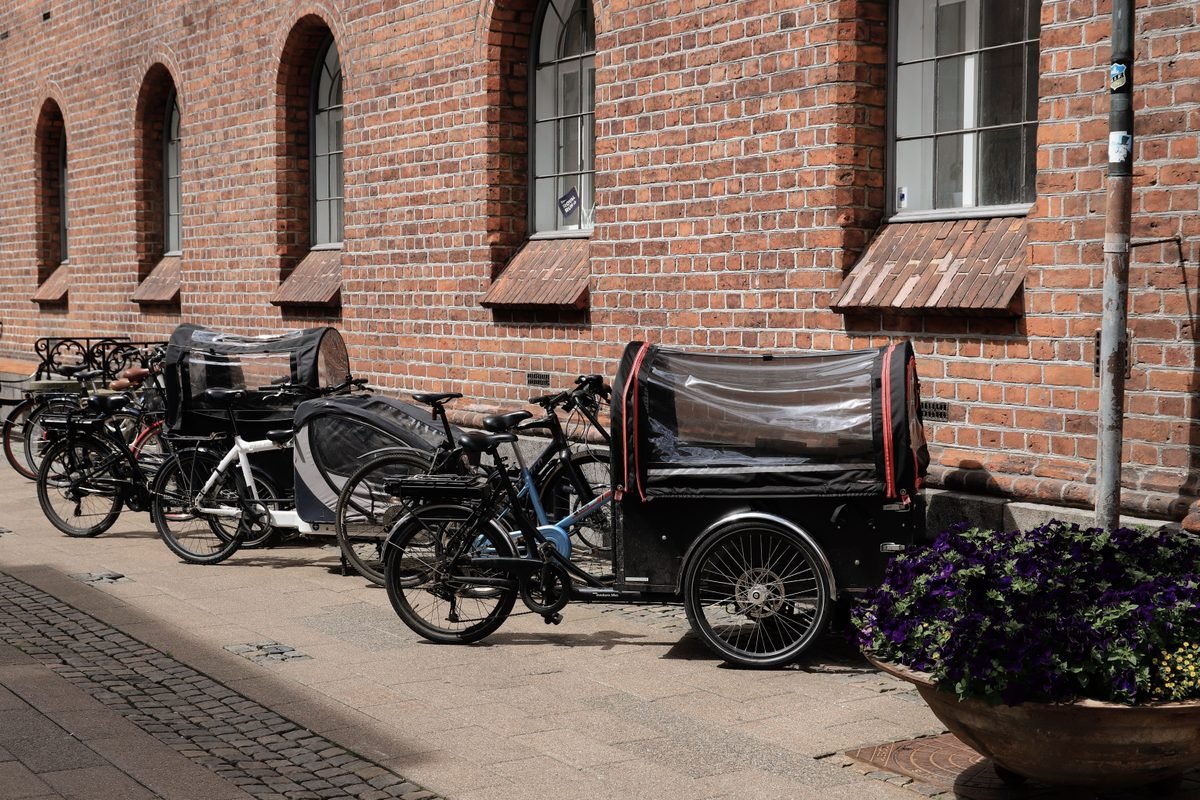
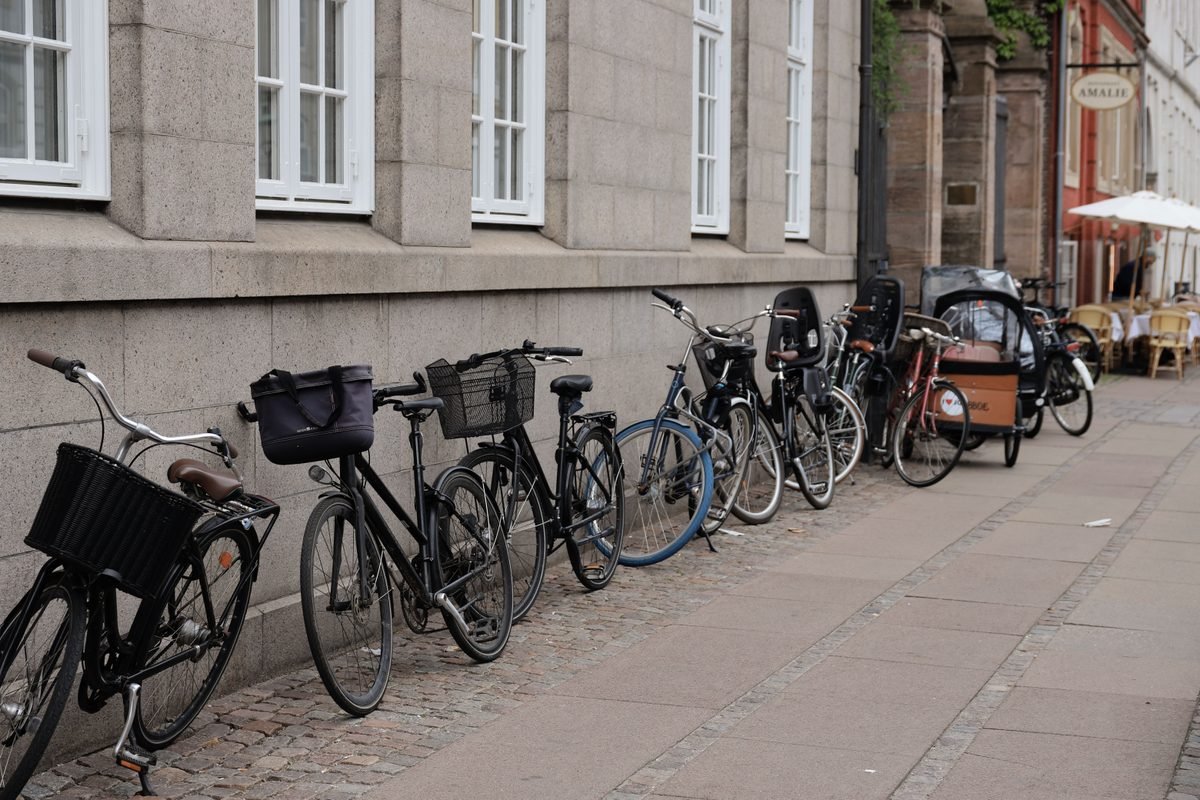
Copenhagen is a city built for wheels. Bikes rule the streets here. Renting a bicycle is almost a rite of passage, but you must look at the actual math before you pay. A standard city bike rental from a local shop typically costs around 120 kr. (about $17) per day. If you plan to ride everywhere, this is an excellent investment. It gives you total freedom to navigate the cobblestone streets at your own pace. However, if the weather turns wet, those two wheels become a liability.
Alternatively, the public transit system is incredibly efficient. A single zone-based ticket starts at 24 kr. (about $3.50). If you plan to mix transit and walking, a 24-hour City Pass Small costs 90 kr. (about $13). This pass covers unlimited travel on the metro, buses, and harbor buses in zones 1 to 4, which includes the airport. A 72-hour pass costs 220 kr. (about $31.50).
If you only plan to ride a bike occasionally, use the Donkey Republic orange bikes. You download an app, find a bike on the street, and pay as you go. A short 15-minute ride costs roughly 18 kr. (about $2.60). This is far cheaper than a full-day rental if you only need to bridge a gap between metro stations. For most budget travelers, the best strategy is a combination of walking and a multi-day City Pass, reserving bike rentals for a single, dedicated cycling day when the weather forecast is clear. This saves you from paying for a wet bike that sits unused outside your hostel.
From a local: Ride the Harbour Bus
The harbour bus (havnebus) is a public ferry covered by the standard City Pass. It offers a cheap scenic cruise along the main canal for the price of a regular transit ticket.
When to visit Copenhagen for free harbour swimming
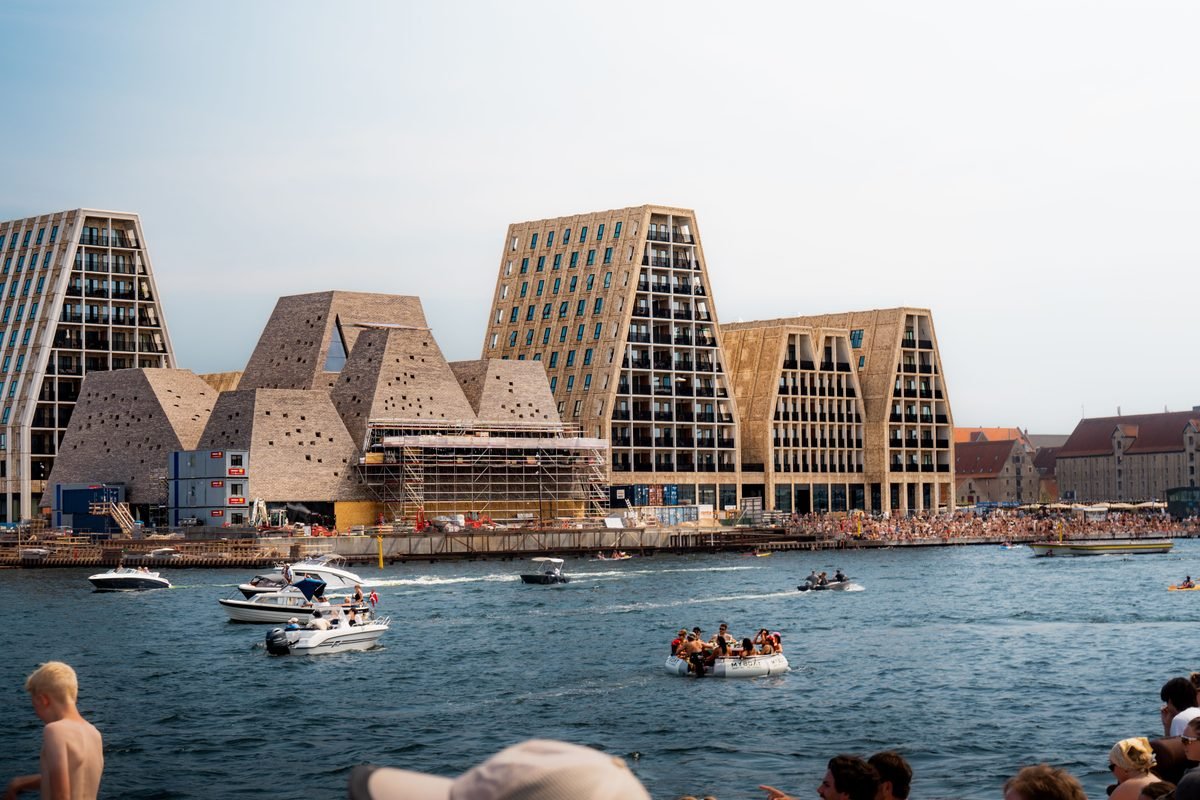
Visiting during the warmer months completely changes your budget equation. From June through August, the sun stays up until late evening, and the city’s cleanest public spaces open up for free. Copenhagen is one of the few capitals in the world where the harbor water is clean enough for swimming. The city has built several designated harbour baths, which are completely free to enter and fully staffed by lifeguards during the summer season.
The most famous spot is the Islands Brygge Harbour Bath. It features five pools, including a children’s pool and a diving tower. On a warm July afternoon, this wooden deck becomes a lively public park. If you prefer a slightly quieter scene, head north to Sandkaj Harbour Bath in the modern Nordhavn district. Here, you can plunge into the deep water and sunbathe on the wooden boardwalks. Another excellent option is Copencabana at Fisketorvet, which has three pools and three diving boards.
While summer accommodation rates are higher, the abundance of free outdoor activities makes up for the cost. You can spend your days swimming, picnicking in the King’s Garden (Kongens Have), and walking along the ramparts of Kastellet without spending a single krone. If you visit in late spring or early autumn, the water will be cold, but the harbor baths remain open for winter bathing clubs. Be sure to bring your own towel and swimwear from home, as buying these items in local shops will instantly derail your budget.
Heads up: Stay in Safe Zones
Only swim in designated harbour baths. The canal traffic is heavy, and swimming in the shipping lanes is both illegal and highly dangerous.
What to do in Copenhagen on a budget
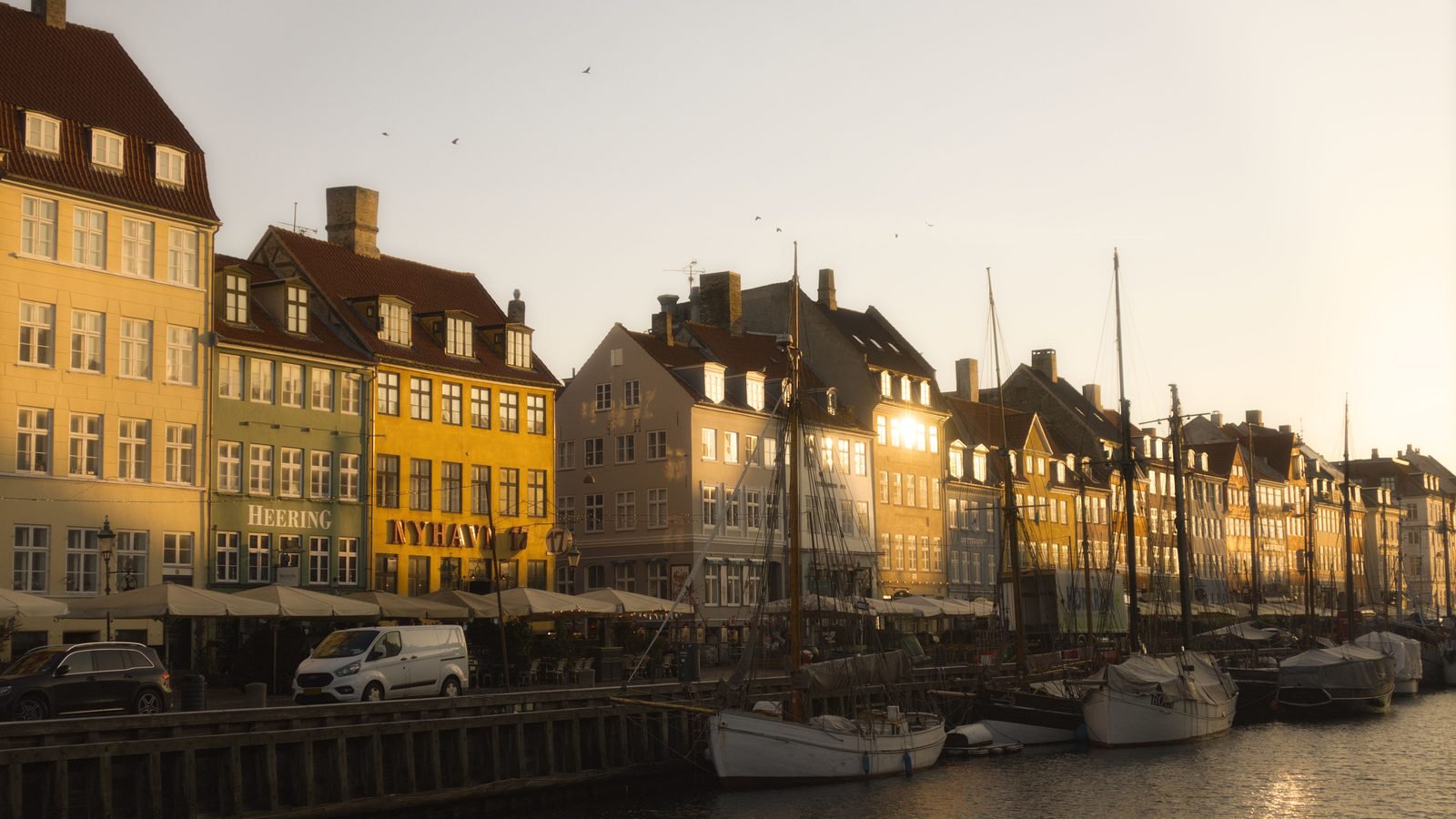
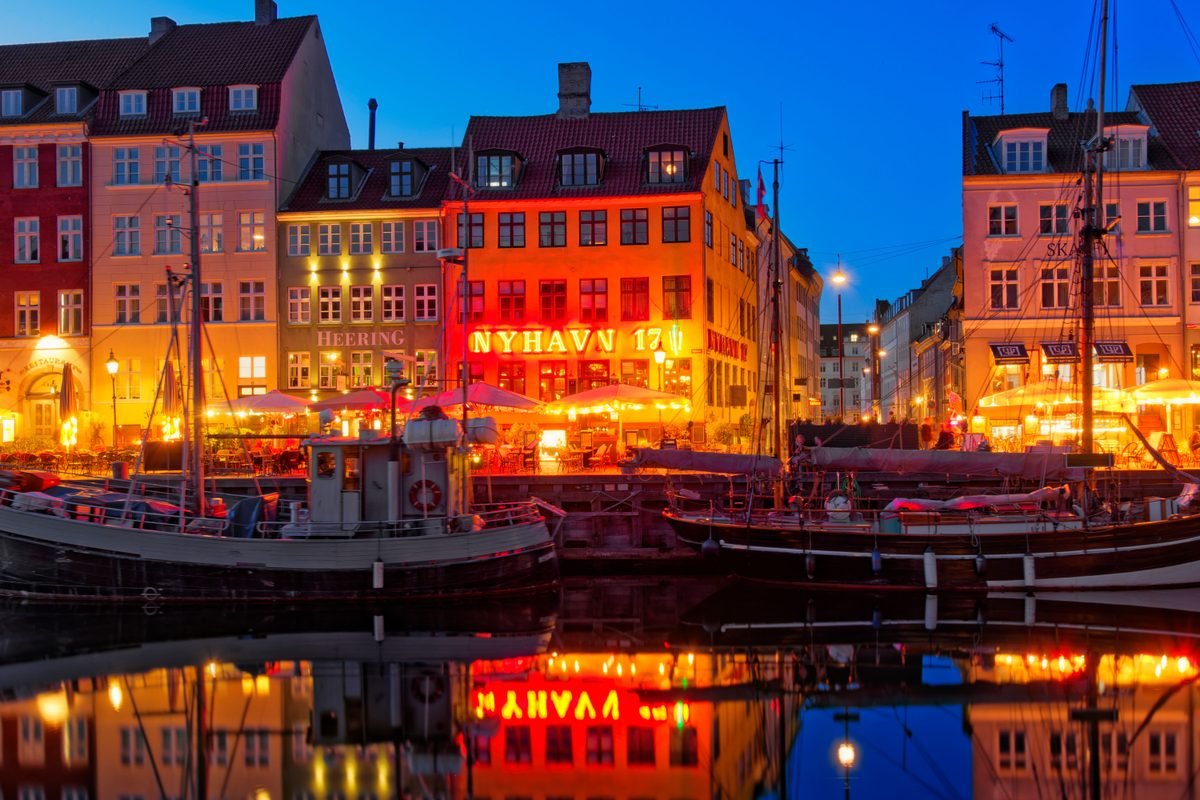
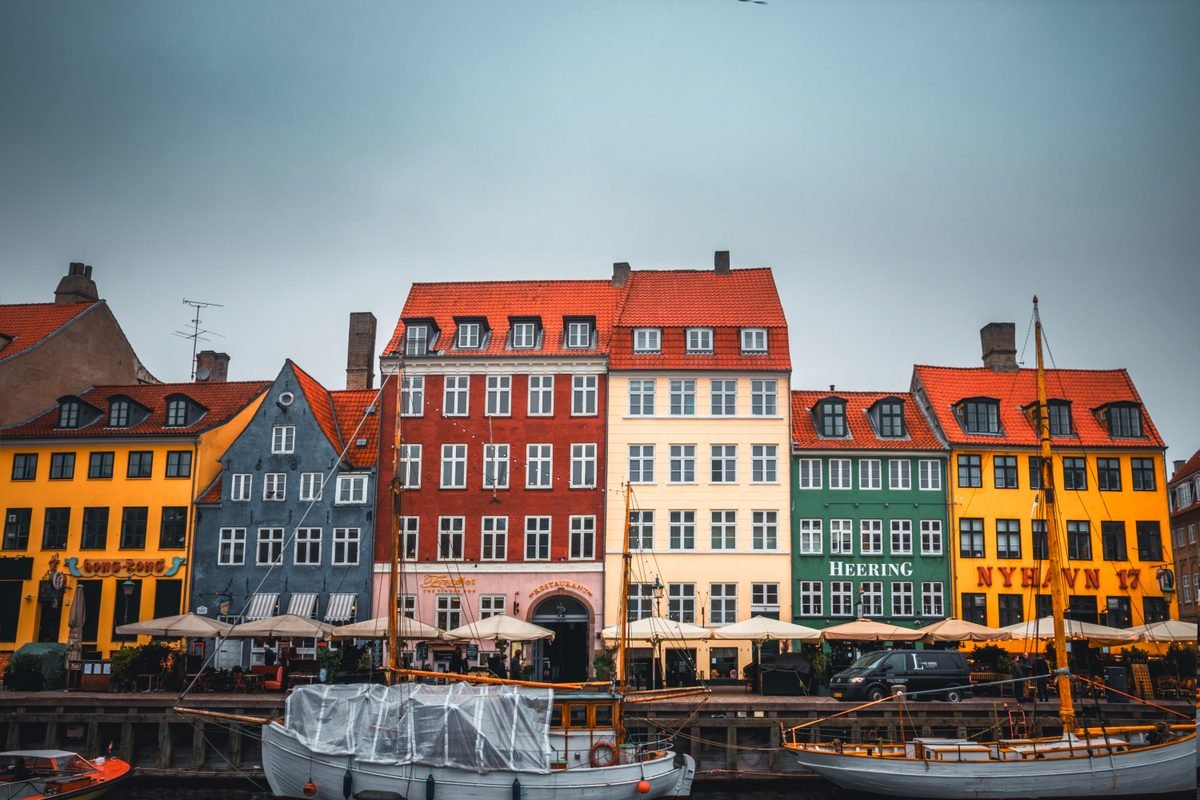
You do not need a high budget to experience the culture of the city. Many of the most iconic landmarks are entirely free to enjoy. Walking through Nyhavn to see the historic, colorful townhouses costs nothing. You can sit on the wooden quay and enjoy the atmosphere just like the locals do. For green spaces, the Botanical Garden (Botanisk Have) is free to enter, though the historic Palm House glasshouse requires a ticket costing 70 kr. (about $10).
A unique cultural experience is Freetown Christiania, an intentional community established in 1971 on abandoned military barracks. Walking through this self-governing neighborhood is free and fascinating. However, you must respect their strict community rules. Residents dug up Pusher Street in April 2024 to end the organised hash trade, and the lane is now an ordinary thoroughfare with cafes and small art shops; in winter it becomes a public ice rink. Photography is still unwelcome in parts of Christiania, so look for the posted signs and keep your camera away where they ask. Do not run, as running can cause panic among the residents who might think there is a police raid.
Beyond Christiania, you can climb the tower at Christiansborg Palace for free. It is the highest tower in the city, offering panoramic views over the copper roofs and canals. You only need to pass through a security check to access the lift. Additionally, the National Museum of Denmark offers free entry for children under 18, while adult tickets cost 130 kr. (about $18.50). To save money, plan your museum visits around free days or focus entirely on the city’s magnificent public parks, historic streets, and architectural marvels that require no entry tickets at all.
Tip: Use Free Audio Guides
Download the free ‘Useeum’ app before you go. It provides free, high-quality audio guides for several historic sites and walking routes around the city center.
How to take a cheap day trip to Malmö
One of the best value additions to a Danish itinerary is a quick journey across the Øresund Strait to Sweden. Sweden is just across the water. The city of Malmö is highly accessible and offers a different cultural perspective at a slightly lower price point. The train ride is scenic. Trains depart from Copenhagen Central Station (København H) every 20 minutes, crossing the famous Øresund Bridge.
A round-trip train ticket to Malmö Central Station costs roughly 210 kr. (about $30). The journey takes only 35 minutes each way. Because Sweden uses the Swedish Krona (SEK), which is historically weaker than the Danish Krone, your purchasing power increases the moment you step off the train. Coffee, meals, and shopping in Malmö are noticeably cheaper than in Copenhagen.
Once in Malmö, you can easily explore the historic old town (Gamla Väster) on foot. Visit the modern art museum, Moderna Museet Malmö, which is free to enter. Walk through the sprawling Kungsparken and visit the exterior of Malmö Castle. If you want to try traditional Swedish food, grab a lunch special (dagens rätt) at a local cafe. These lunch specials typically cost around 115 SEK (about $11) and include a main dish, salad, bread, and coffee. This is far cheaper than any sit-down lunch you will find in Denmark. Remember to bring your physical passport on this day trip. The Swedish authorities frequently conduct border checks on the trains arriving from Denmark, and digital IDs are not accepted.


Book ahead: Buy Tickets at the Station
Do not buy your train tickets in advance. The prices are fixed, and buying them at the station ticket machines on the day of travel gives you maximum flexibility with the weather.
Where to eat cheap food in Copenhagen
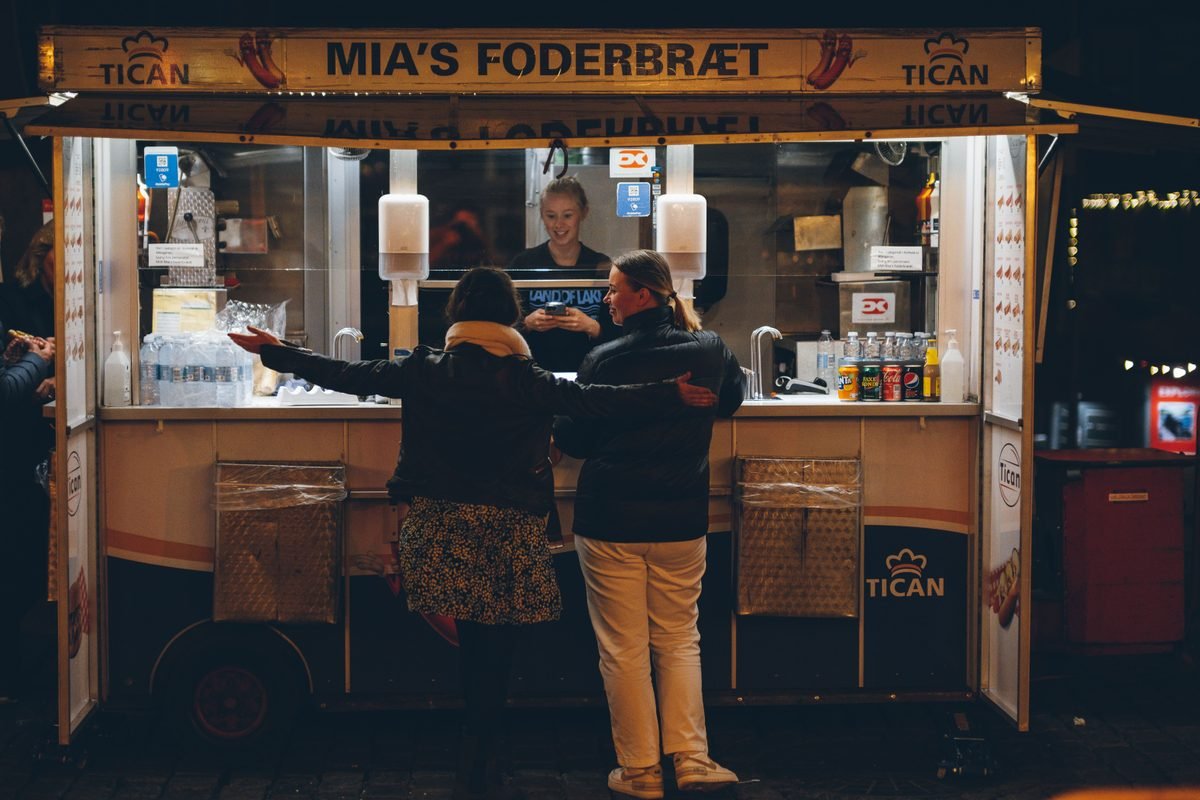
Dining out is the fastest way to drain your wallet in Denmark. Traditional sit-down restaurants charge premium prices, but you can eat well if you know where to look. Skip the high-end cafes and head to the local pølsevogn (hot dog stands) scattered across the city. A classic Danish hot dog topped with pickles, crispy onions, and mustard costs around 35 kr. (about $5). It is a warm, satisfying snack that has fed locals for a century.
For a more substantial meal, head to the multicultural district of Nørrebro. This neighborhood is the epicenter of cheap, delicious food. Along Nørrebrogade, you will find numerous falafel and kebab shops. A massive, freshly baked falafel wrap costs about 45 kr. (about $6.50). These wraps are packed with fresh herbs, pickled vegetables, and tahini, offering some of the best nutritional value in the city.
If you want to try traditional open-faced sandwiches (smørrebrød) without the restaurant markup, visit a local supermarket like Netto, Lidl, or Føtex. These stores have excellent grab-and-go sections. You can buy pre-packaged smørrebrød, rye bread, cheese, and cold cuts for a fraction of the price. Take your haul to the nearest park or canal side for a classic Danish picnic. Don’t forget to pack light using our Scandinavia packing list. For a sweet treat, skip the tourist-heavy bakeries and buy a fresh cinnamon roll (kanelsnegl) from a local bakery chain like Lagkagehuset for around 25 kr. (about $3.60). It is high quality and far cheaper than a full sit-down dessert.

Practical tips for saving money in Copenhagen
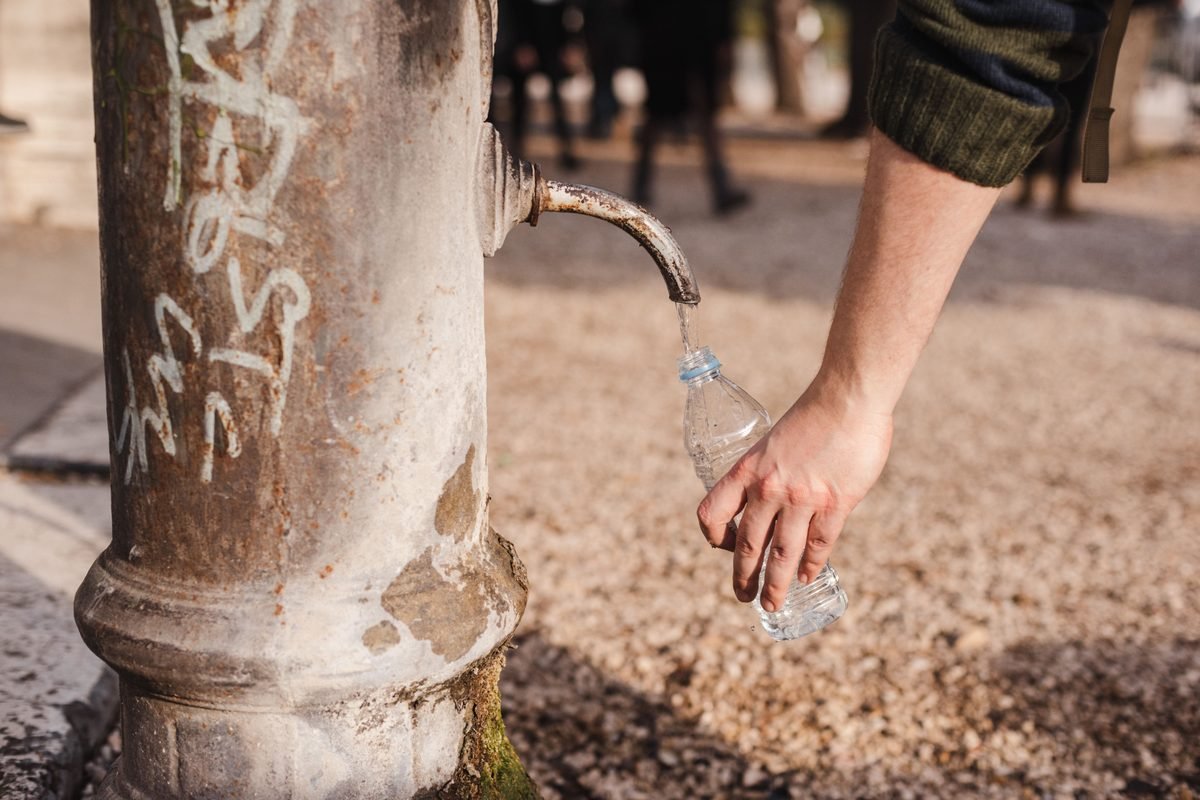
To survive Copenhagen on a budget, you must master a few practical daily habits. First, do not buy bottled water. Danish tap water is among the cleanest and best-tasting in the world. It is perfectly safe to drink. Bring a reusable water bottle from home and refill it at your hostel or any public tap. This simple habit will easily save you 30 kr. (about $4.30) per day.
Second, understand how payments work. Denmark is practically a cashless society. You can pay for everything, even a single hot dog, with a credit card or mobile payment. However, foreign transaction fees can quietly add up. Use a card that offers zero foreign transaction fees to avoid losing money on every single tap. Always choose to be charged in Danish Krone (DKK) rather than your home currency if the payment terminal asks, as the local conversion rate is always better.
Finally, calculate whether the Copenhagen Card is actually worth it for your travel style. The card costs 479 kr. (about $69) for a 24-hour adult pass. It includes entry to over 80 attractions and free public transit. If you plan to visit Tivoli Gardens, the Round Tower, and several museums in a single day, it can save you money. However, if you prefer to wander the historic streets, swim in the harbor, and eat cheap falafel in Nørrebro, the card is a waste of money. Plan your itinerary first, add up the individual entry fees, and compare them to the card price before making a purchase.
What it costs in Copenhagen
| Item | Local price | USD |
|---|---|---|
| City Pass Small (24-hour transit) | 90 kr. | about $13 |
| Single Metro Ticket (2 zones) | 24 kr. | about $3.50 |
| Danish Hot Dog (Pølsevogn) | 35 kr. | about $5 |
| Nørrebro Falafel Wrap | 45 kr. | about $6.50 |
| Round-trip Train to Malmö | 210 kr. | about $30 |
| Hostel Dorm Bed (Nørrebro) | 250 kr. | about $36 |
| Estimated Daily Budget (Low) | 450 kr. | about $65 |
Prices checked October 2026. Always confirm with the provider before you book.
Where to stay in Copenhagen
Budget
Nørrebro, for social hostels and budget guesthouses
This neighborhood is perfect for solo travelers and budget-conscious couples who want to be near cheap dining options. You can easily walk to the city center or take the Metro M3 loop line, with hostel dorm beds running around 250 kr. (about $36) per night.
Mid-range
Vesterbro, for trendy local hotels near the central station
It suits travelers who want quick transit access and a lively nightlife scene without paying premium inner-city prices. You are within walking distance of the main train station and the meatpacking district, with double rooms costing roughly 900 kr. (about $129) per night.
Splurge
Indre By, for historic properties near Nyhavn
This central area is ideal for those who want to step out directly onto cobblestone streets and historic canals. You can walk to almost all major sights within fifteen minutes, with premium hotel rooms starting around 1,800 kr. (about $258) per night.
Mistakes to avoid
- Buying bottled water instead of drinking the exceptionally clean tap water.
- Taking taxis from the airport instead of the 15-minute metro ride which costs a fraction of the price.
- Photographing people in Freetown Christiania where signs ask you not to, which breaks local community rules and can lead to confrontation.
FAQ
Is it really possible to enjoy Copenhagen on a budget?
Yes, absolutely. By focusing on free attractions like the harbour baths, walking or using public transit, and eating at local Nørrebro falafel shops, you can experience Copenhagen on a budget without feeling deprived.
How much does a meal cost in Copenhagen?
A meal at a sit-down restaurant can easily cost 200 kr. (about $29) or more. However, you can buy street food like hot dogs for 35 kr. (about $5) or falafel wraps for 45 kr. (about $6.50).
Should I buy the Copenhagen Card?
It is only worth it if you plan to visit multiple high-cost museums, castles, and Tivoli Gardens in a single day. If you prefer walking, swimming, and outdoor sights, it is much cheaper to pay as you go.
Is public transit expensive in Copenhagen?
Single tickets are relatively expensive at 24 kr. (about $3.50), but buying a 24-hour City Pass Small for 90 kr. (about $13) offers great value with unlimited rides.
Can I use cash in Copenhagen?
Almost everywhere is cashless. You will rarely need physical cash, as even street vendors and public toilets accept credit cards with contactless payment.