Buyeo Baekje Historical Site Guide: A Local Day Trip

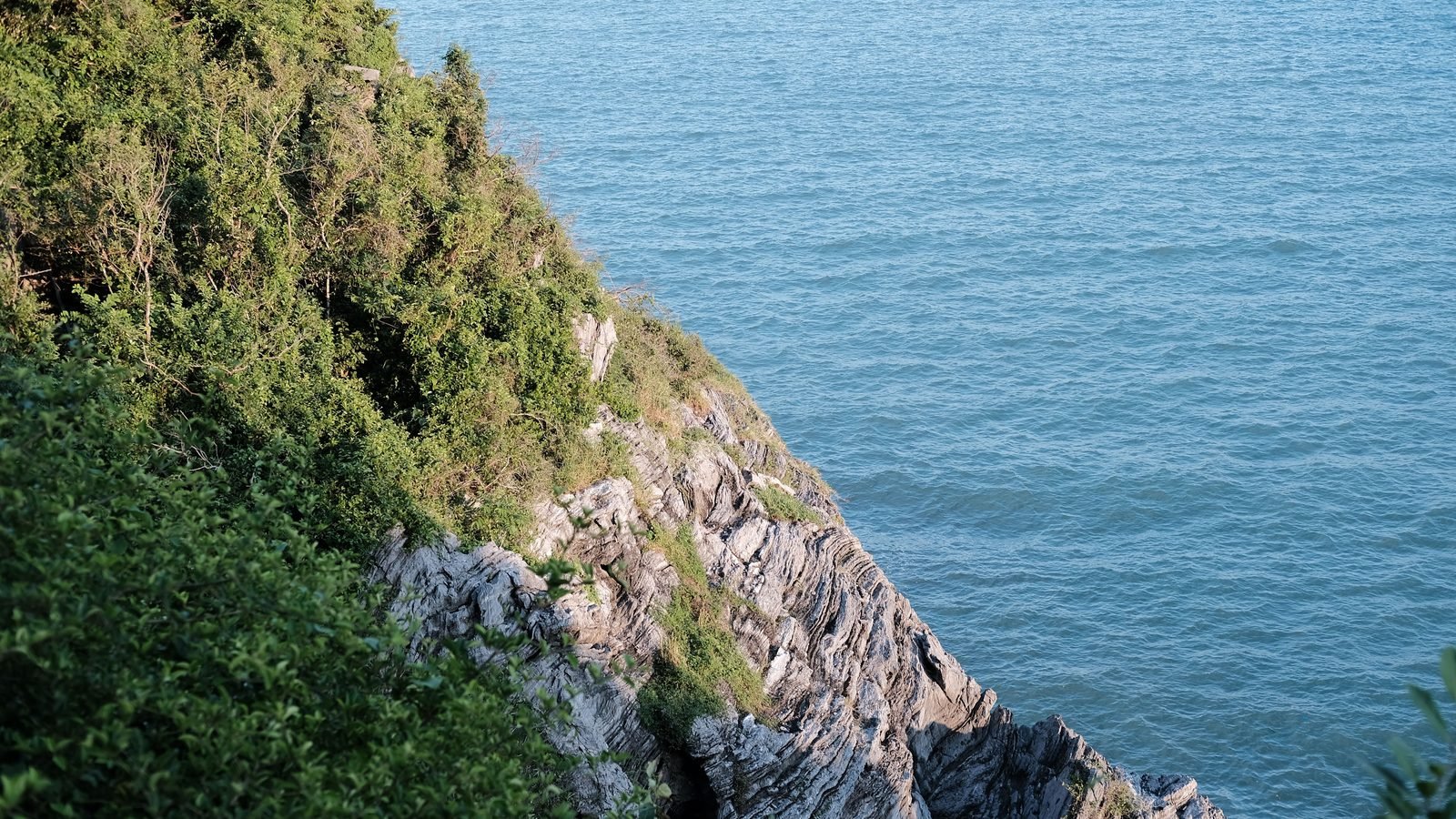
We stand on the wooden deck of Nakhwaam Cliff, looking down at the slow, muddy waters of the Baengma River. A cool autumn breeze shakes the pine needles above us, carrying the faint scent of wild chrysanthemums. This quiet county in Chungcheongnam-do was once Sabi, the grand final capital of the ancient Baekje Kingdom.
This complete Buyeo Baekje historical site guide is written for independent travelers who want to escape the crowded streets of Seoul. We will cover how to ride the express bus, walk the fortress paths, board a traditional wooden boat, and eat a classic local lunch wrapped in lotus leaves.
How to get to Buyeo from Seoul
Heading south from Seoul to Buyeo is a straightforward journey, but it requires a shift in planning. There are no direct high-speed KTX trains to Buyeo itself. Instead, the most convenient option is the express bus. I always catch the bus from Seoul Nambu Terminal, located in the southern part of the city. Buses depart regularly throughout the day, starting early in the morning. A one-way ticket costs roughly ₩17,100 (about $13) for a standard seat, or up to ₩22,200 (about $17) for a spacious premium bus.
The ride takes about two hours and ten minutes. You will watch the tall apartment blocks of Seoul give way to flat rice paddies and rolling green hills. Take the bus. It is simple. The bus drops you off at the Buyeo Intercity Bus Terminal, which sits right in the center of the town. From here, almost every major historical site is within walking distance or a very short taxi ride. If you prefer trains, you can take a KTX train to Gongju or Nonsan Station first. From there, you must transfer to a local city bus, which adds an hour of travel time. I do not recommend this route. The direct bus from Seoul is far more efficient and comfortable.
Once you arrive at the terminal, do not open Google Maps. It does not work well for walking routes in Korea. Instead, download Naver Map or KakaoMap before you leave Seoul. These local apps will show you exact walking paths, bus numbers, and real-time taxi locations. Taxis are highly affordable here, with a base fare of ₩4,000 (about $3). You can easily flag one down outside the terminal.
Tip: Book Your Bus Tickets Early
If you plan to travel on a weekend or during the autumn foliage season, book your bus tickets a day or two in advance on the Intercity Bus T-money app to secure a seat.
Exploring Busosanseong Fortress and Nakhwaam Cliff
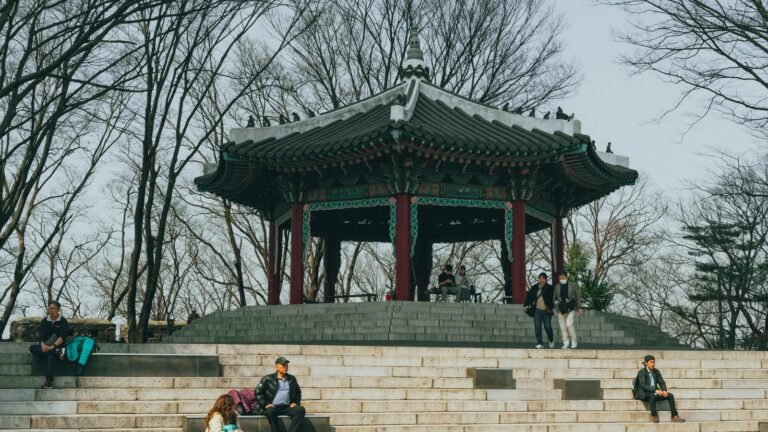
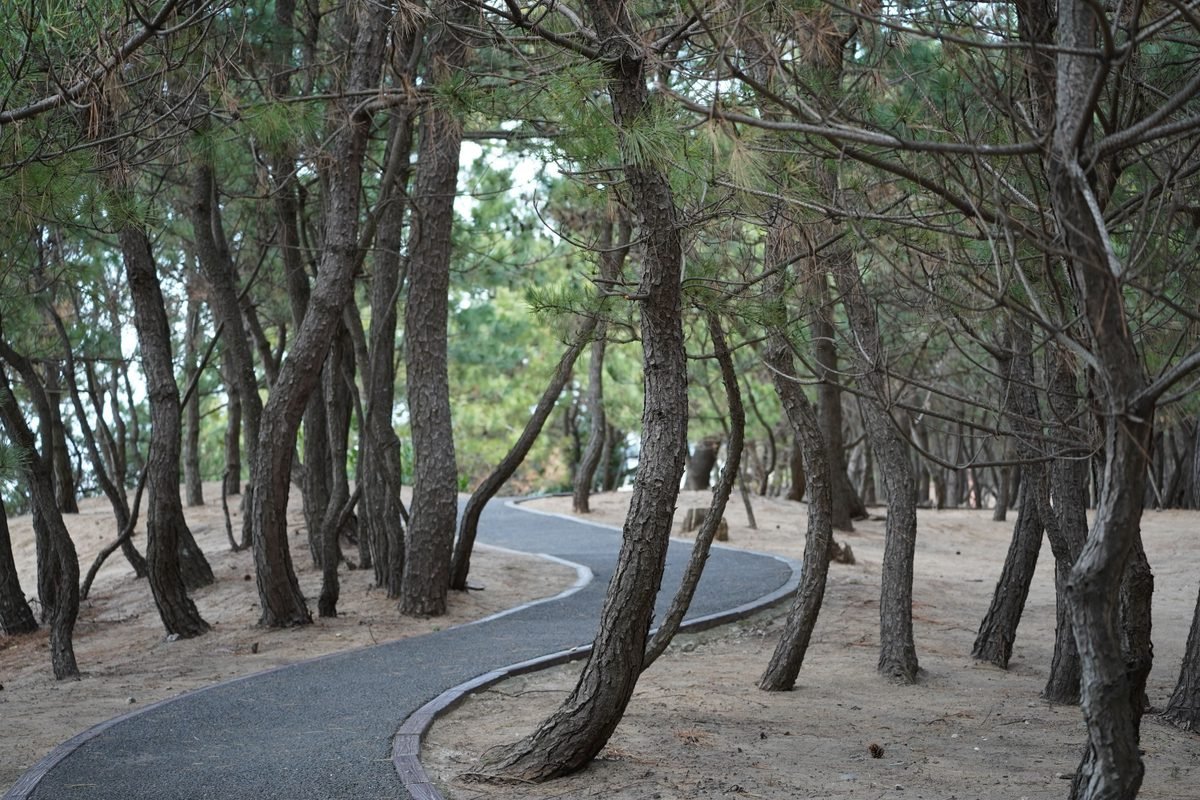
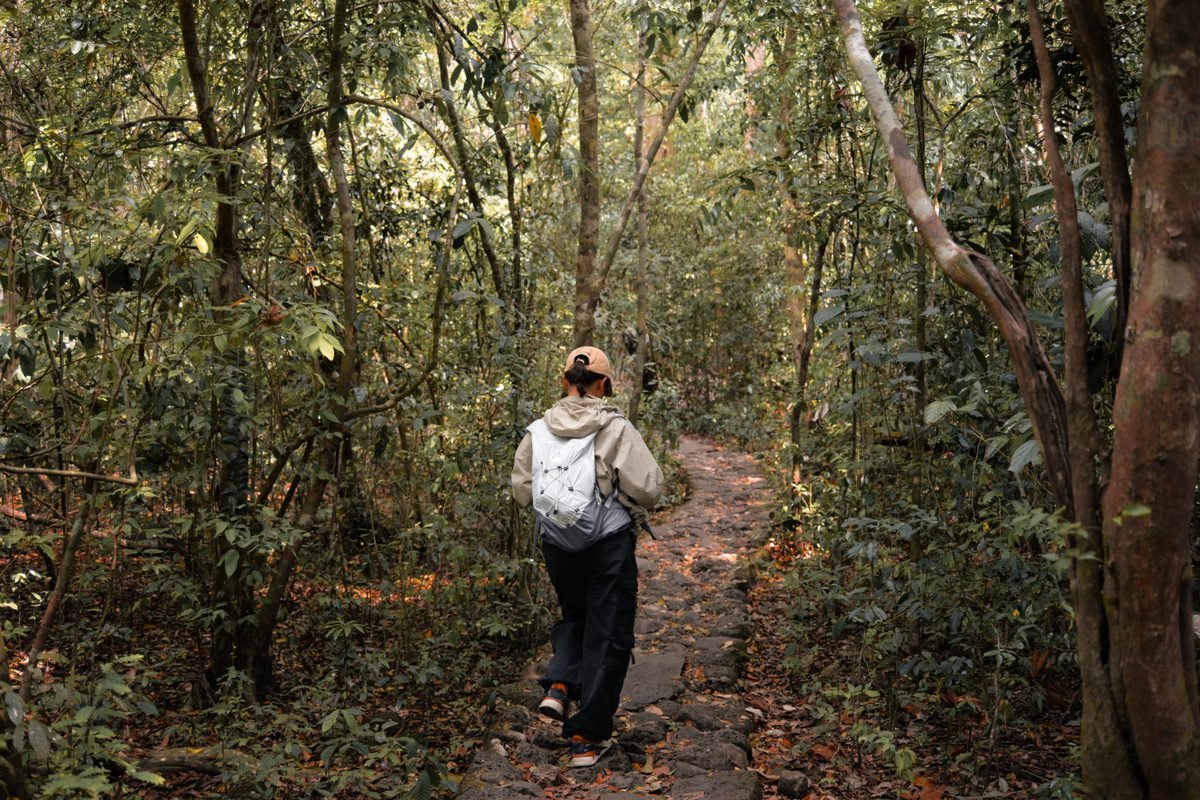
The heart of your historical exploration begins at Busosanseong Fortress. This ancient earthen wall once protected the Baekje royal palace. Today, it is a peaceful wooded park filled with dirt paths, ancient pavilions, and towering pine trees. Entry to the fortress grounds costs ₩2,000 (about $1.50) for adults. The walk up the hill is gentle but steady.
As you follow the main trail for about forty minutes, you will reach Nakhwaam Cliff. This sheer rock face overlooks the Baengma River. The name translates to “Cliff of Falling Flowers.” According to legendary accounts, three thousand royal court ladies leaped from this cliff into the river below when the fortress fell to the allied forces of Silla and Tang China in 660 AD. They chose death over surrender. Standing on the small wooden pavilion at the edge of the cliff, you can feel the heavy weight of this tragic history.
Just below the cliff sits Goransa Temple. This tiny Buddhist temple is famous for its mineral spring. Legend says that drinking a single cup of this water makes you three years younger. The spring water is cool and sweet. You can use the communal plastic ladles to take a sip. Behind the temple, you will find the path leading down to the river dock. This is where you will catch the boat back to the town center. The entire walk through the fortress to the dock takes about two hours at a slow pace.
Heads up: Wear Sturdy Shoes
The dirt paths inside Busosanseong can become slippery after rain, especially on the steep descent toward Goransa Temple.
Riding the Hwangpo Dotbae Ferry
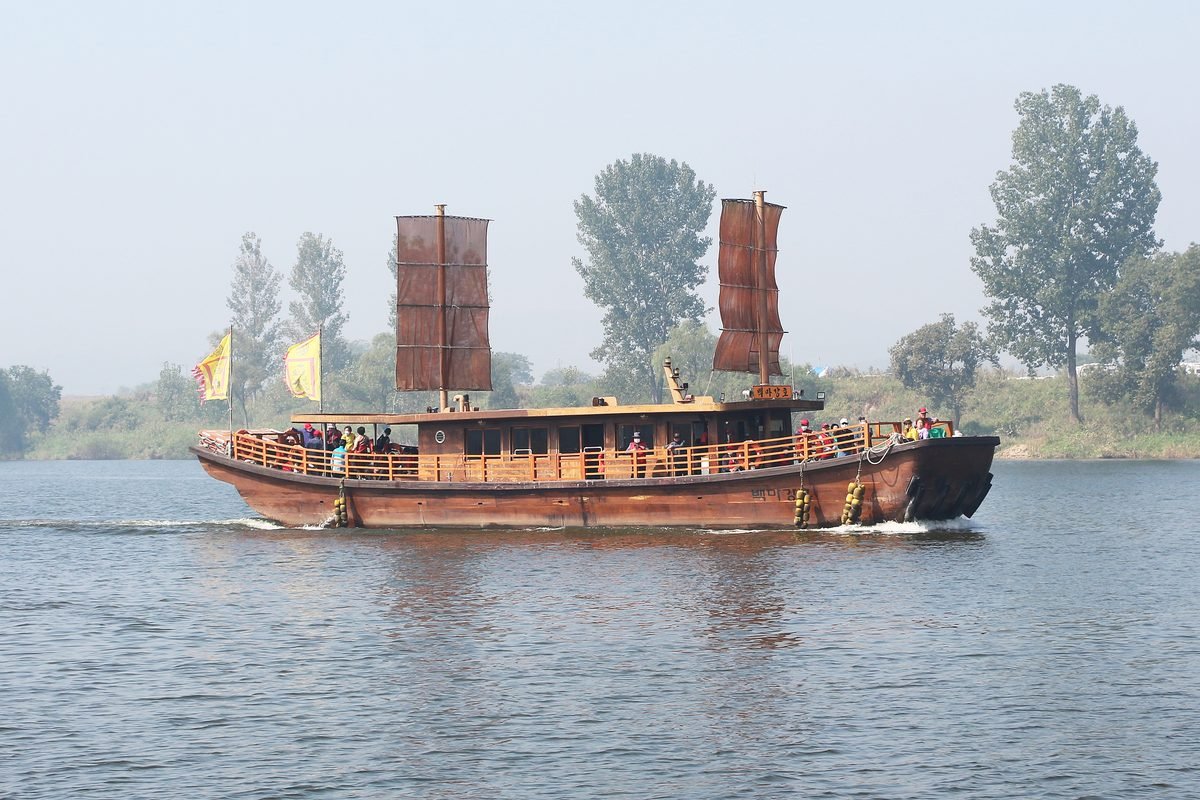
After walking through the forest, the best way to return to the town center is by water. From the dock below Goransa Temple, you can board the Hwangpo Dotbae. This is a traditional-style wooden ferry with a large yellow sail. The ferry runs often. It operates as a shuttle service, carrying visitors along the Baengma River back to the Gudurae Wharf. A one-way ticket costs ₩6,000 (about $4.50) for adults.
The boat ride takes about fifteen minutes. It offers a completely different perspective of Nakhwaam Cliff. Looking up at the massive rock face from the water, you can see the red characters for “Nakhwaam” carved directly into the stone. The captain often plays traditional Korean trot music over the speakers, which adds a quirky, local charm to the journey. The river itself is calm and wide. On a sunny afternoon, the water sparkles under the sun.
Once you land at Gudurae Wharf, you will find yourself in a spacious riverside park. This park is famous for its sculpture garden and open grassy fields. It is a popular spot for local families to fly kites and have picnics. From the wharf, it is a flat, fifteen-minute walk back to the historic center of Buyeo. If you are tired, you can easily find a taxi near the park entrance to take you to your next stop.
Visiting Gungnamji Lotus Pond
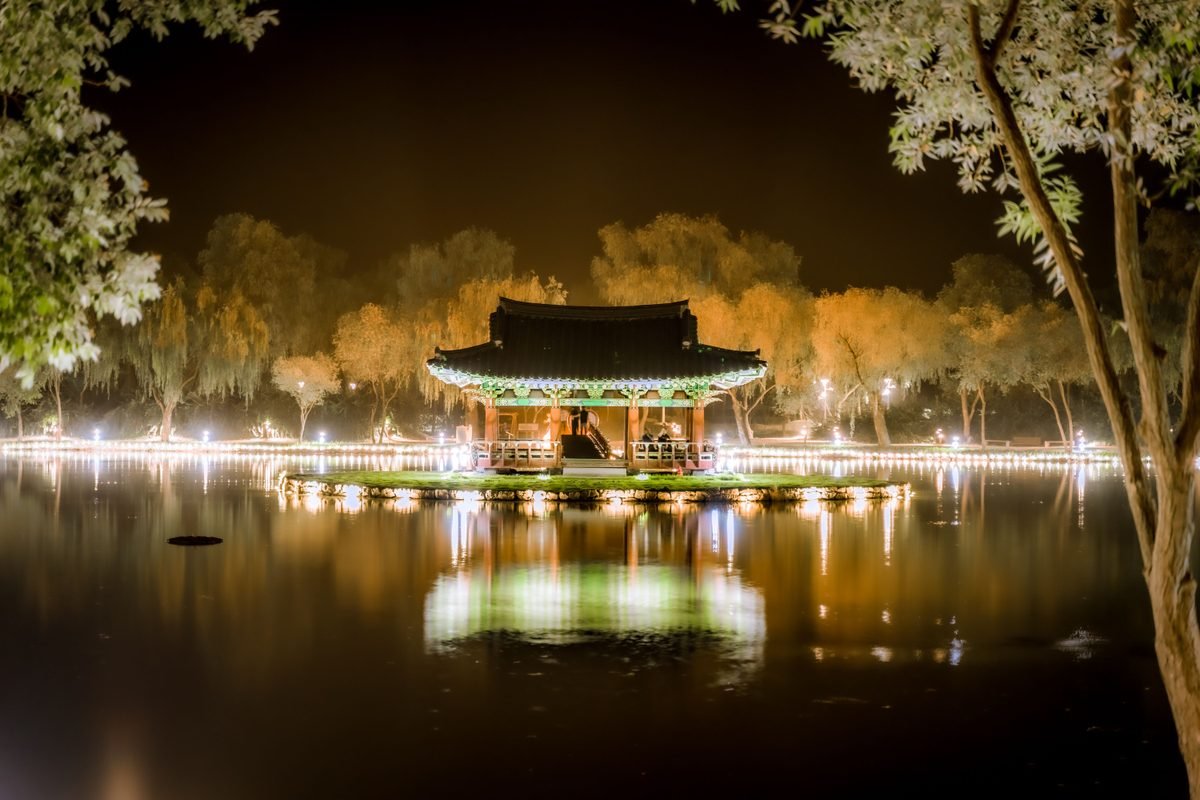
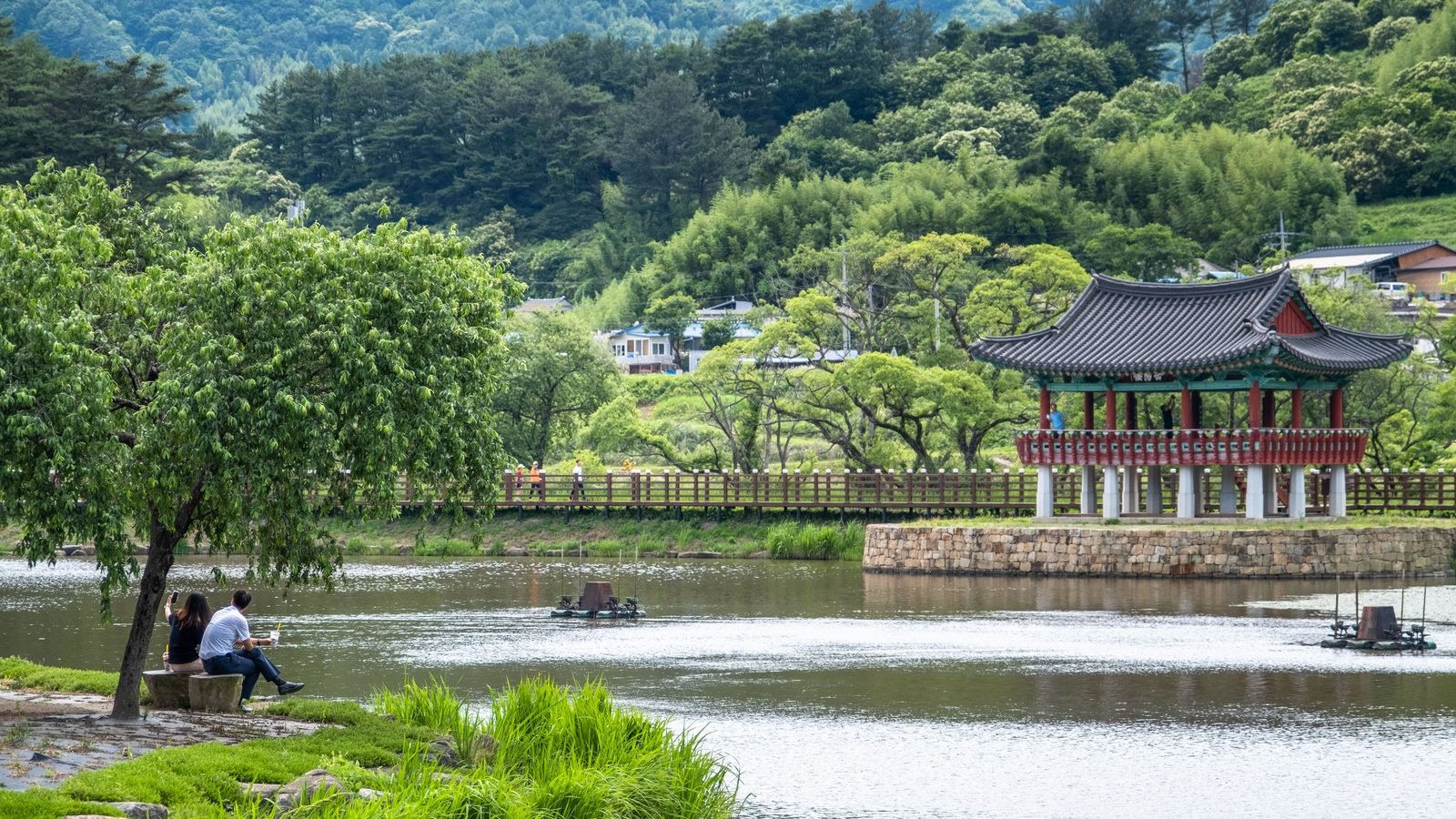
Your next stop should be Gungnamji Pond, located on the southern edge of the town center. This is the oldest artificial lotus pond in Korea, constructed during the reign of King Mu of Baekje. The park is free. You can wander the willow-lined paths at any hour. In the center of the massive pond sits a small wooden pavilion called Poryongjeong, connected to the shore by a long, graceful wooden bridge.
If you visit during July, the entire pond is covered in thousands of blooming pink and white lotus flowers. It is a spectacular sight. However, even in October, the pond has a quiet, melancholic beauty. The giant green lotus leaves begin to dry and bend, reflecting the changing seasons. Weeping willows drape their long branches into the water, swaying gently in the breeze.
The walk around the perimeter takes about thirty minutes. You will see small wooden piers extending into the muddy water, where frogs and small fish splash. Local couples and families walk slowly along the wooden boardwalks. It is a wonderful place to sit on a bench and rest your feet after a long day of walking. The pavilion in the center is particularly beautiful at sunset, when the sky turns deep orange and the wooden bridge is illuminated by soft yellow lights.
From a local: Best Time for Sunset Photos
Visit Gungnamji just before dusk to see the reflection of the lit pavilion on the still water, which makes for incredible photos without the daytime heat.
Where to Eat in Buyeo: Lotus Leaf Rice
All this walking will make you hungry, and Buyeo has a culinary specialty that you cannot miss. This is Yeonipbap, or lotus leaf rice. Since the town is famous for its lotus ponds, local cooks have spent centuries perfecting this dish. I always order this. It is a healthy, fragrant meal that feels like a celebration of the local landscape.
When you order Yeonipbap, you will receive a large package wrapped in a thick, dark green lotus leaf. The leaf is tied with a small string. When you untie it and peel back the warm layers, steam escapes, carrying the herbal aroma of the leaf. Inside, you will find sticky purple rice cooked with chestnuts, gingko nuts, jujubes, and pine nuts. The rice absorbs the subtle, earthy flavor of the lotus leaf during the steaming process.
The meal is served as a set, costing about ₩18,000 (about $14) per person. It comes with a table full of small side dishes, known as banchan. You will get grilled fish, savory soybean stew, pickled lotus root, and various seasoned wild vegetables. Some restaurants also serve a sweet lotus root pancake as part of the spread. It is a filling, comforting meal that represents the slow-paced lifestyle of the region. You can find several excellent Yeonipbap restaurants clustered just north of Gungnamji Pond.

Practical Tips for Your Buyeo Baekje Historical Site Guide
To make the most of your trip, start your day early. The first express bus from Seoul leaves early in the morning, which gets you to Buyeo before mid-morning. This gives you plenty of time to explore the fortress before the midday heat or the weekend crowds arrive. Buyeo is quiet. It does not have the fast-paced energy of Seoul, so take your time and enjoy the slower rhythm.
If you want to extend your journey, consider combining Buyeo with a trip to nearby Gongju, another ancient Baekje capital. You can easily catch a local bus between the two towns, which takes about forty minutes. Alternatively, you can head further south to experience the food culture shown in our Jeonju Hanok Village guide.
When packing for Buyeo, comfortable walking shoes are essential. You will easily walk over ten thousand steps navigating the fortress trails and the paths around Gungnamji Pond. Bring a light jacket if you are traveling in autumn, as the temperature drops quickly once the sun goes down behind the mountains. Keep some cash on hand for the ferry ride, though credit cards are widely accepted at the ticket booths and restaurants.
Book ahead: Beat the Lunch Rush
The most popular lotus leaf rice restaurants near Gungnamji get very busy during the peak lunch hour on weekends, so aim to arrive a bit early to avoid waiting in line.
What it costs in Buyeo
| Item | Local price | USD |
|---|---|---|
| Express Bus from Seoul (One-Way) | ₩17,100 | $13 |
| Busosanseong Fortress Entry | ₩2,000 | $1.50 |
| Hwangpo Dotbae Ferry (One-Way) | ₩6,000 | $4.50 |
| Yeonipbap (Lotus Leaf Rice Lunch) | ₩18,000 | $14 |
| Local Taxi Rides (Average) | ₩8,000 | $6 |
| Mid-range Hotel Nightly Rate | ₩90,000 | $68 |
| Total Estimated Budget | ₩141,100 | $107 |
Prices checked October 2026. Always confirm with the provider before you book.
Where to stay in Buyeo
Budget
Near Buyeo Intercity Bus Terminal, for convenient motels
This area is ideal for travelers arriving late or leaving early by bus. You will find several clean, simple motels and local guesthouses within a five-minute walk of the terminal, with rates ranging from ₩45,000 to ₩60,000 per night.
Mid-range
Near Gungnamji Pond, for modern business hotels
Staying here puts you within walking distance of the beautiful lotus pond and the best local restaurants. Modern business hotels in this district offer quiet rooms and convenient access to taxi stands, costing roughly ₩80,000 to ₩110,000 per night.
Splurge
Baekje Cultural Land, for upscale resort stays
Located slightly outside the main town, this area features high-end resort accommodations and traditional design elements. It is perfect for families who want to explore the massive Baekje Cultural Land theme park next door, with rates between ₩150,000 and ₩250,000 per night.
Mistakes to avoid
- Trying to navigate the walking paths of Busosanseong using Google Maps instead of Naver Map.
- Arriving at Goransa Temple after the last ferry has departed, forcing a long walk back up the hill.
FAQ
How do I use this Buyeo Baekje historical site guide for a day trip?
To make this guide work as a day trip, take an early morning express bus from Seoul Nambu Terminal, walk Busosanseong Fortress in the morning, ride the ferry to lunch, and spend your afternoon at Gungnamji Pond before catching an evening bus back.
Is there a train station in Buyeo?
No, Buyeo does not have its own train station. The easiest way to reach the town is by direct express bus from Seoul, or by taking the KTX to Gongju or Nonsan and transferring to a local bus.
When is the best time of year to visit Buyeo?
July is the best time to see the lotus flowers in full bloom at Gungnamji Pond, while October offers comfortable walking temperatures and beautiful autumn foliage along the fortress trails.