Busan Seafood Market and Raw Fish Guide: Eat Like a Local

Saltwater sloshes across rubber boots at six in the morning behind Jagalchi Station. Merchants slice flounder with terrifying speed while aerators hiss into blue plastic basins filled with live flatfish, octopuses, and sea squirts. Eating fresh catch here is one of the essential rituals of South Korea’s southern coast, but the indoor halls can feel completely overwhelming if you have never pointed at a swimming fish and negotiated its preparation on the spot.
This busan seafood market and raw fish guide covers how to choose your catch, how the upstairs table-setting system works, and how to avoid tourist markups. Whether you are arriving on the train after reading our Seoul to Busan KTX Guide or planning meals around a broader Busan 3 Day Itinerary, this walkthrough explains the mechanics of buying, prepping, and eating fresh fish from Jagalchi to Gwangalli.
Busan Seafood Market and Raw Fish Guide: Navigating Jagalchi
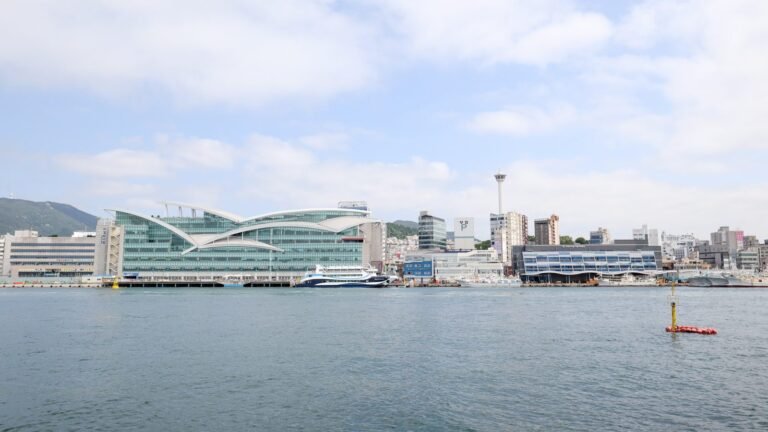
Jagalchi Market is South Korea’s largest seafood market, sitting right on the edge of Nampo Port. Most visitors make the mistake of assuming the modern, gull-wing-shaped main building is the only section worth seeing. The ground floor of the main Jagalchi complex features neat rows of illuminated numbered stalls, wide tiled aisles, and clear signage. It is tidy, accessible, and accustomed to foreign cards, but its prices reflect that convenience. Expect to pay a modest premium for the comfort of wide paths and English-speaking vendors.
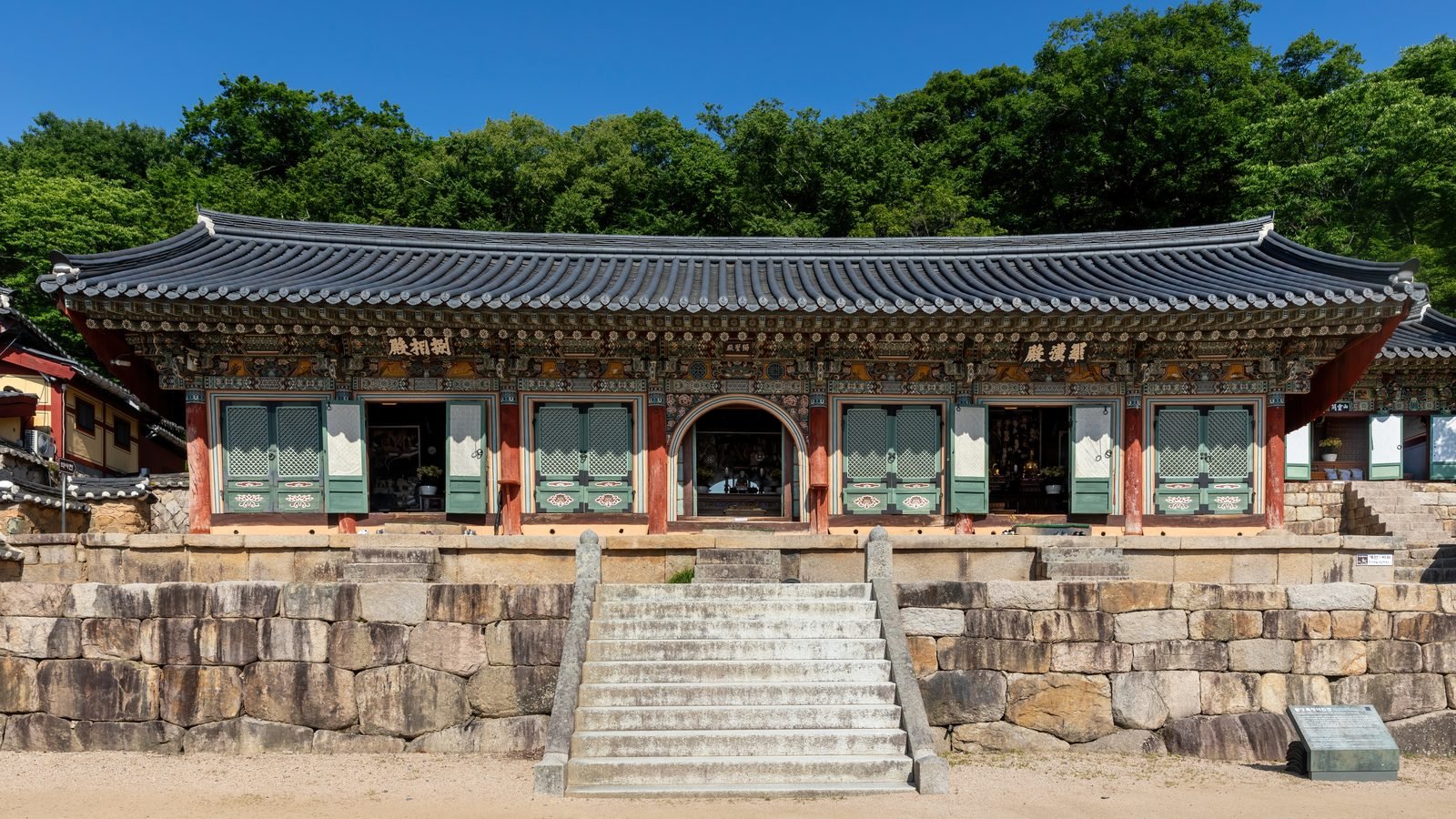
Step outside the back doors toward the pier, however, and you enter the older outdoor market. Wooden stalls and plastic tubs stretch along Jagalchi-ro 38beon-gil, run largely by the famous Jagalchi ajumma (older women) who have worked these docks for decades. Here you will find eels writhing in metal trays, skate cured on wooden racks, and fresh mackerel packed in crushed ice. Prices in the alleyways are often twenty to thirty percent lower than inside the glass-and-steel building. Bring cash if you wander these exterior rows.
To explore properly, arrive between 09:00 and 11:00 or after 14:00 to dodge peak lunch crowds. Walk through the ground floor of the indoor hall first to get a benchmark on species and weight costs. Then check the outdoor lanes near the water to compare. If you want maximum comfort and elevator access to dining floors, buy inside. If you want salt-caked authenticity, buy from the outdoor tubs.
Tip: Pick Your Hall Wisely
The indoor stalls offer English labels and card machines, while the outdoor alley stalls usually offer better bargains if you have cash and basic Korean numbers ready.
How to Order at the Live Tanks: Selection, Weight, and Pricing
Ordering raw fish (hoe, pronounced roughly like ‘hweh’) begins at the water tank. You are not buying from a printed menu; you are buying by species and weight. The most common baseline fish for beginners is flatfish, known as gwang-eo (olive flounder) or urok (rockfish). Both have firm, mild white meat that is resilient and clean. A standard gwang-eo weighing around one kilogram costs between ₩35,000 and ₩45,000 (about $26 to $34) and easily feeds two people.
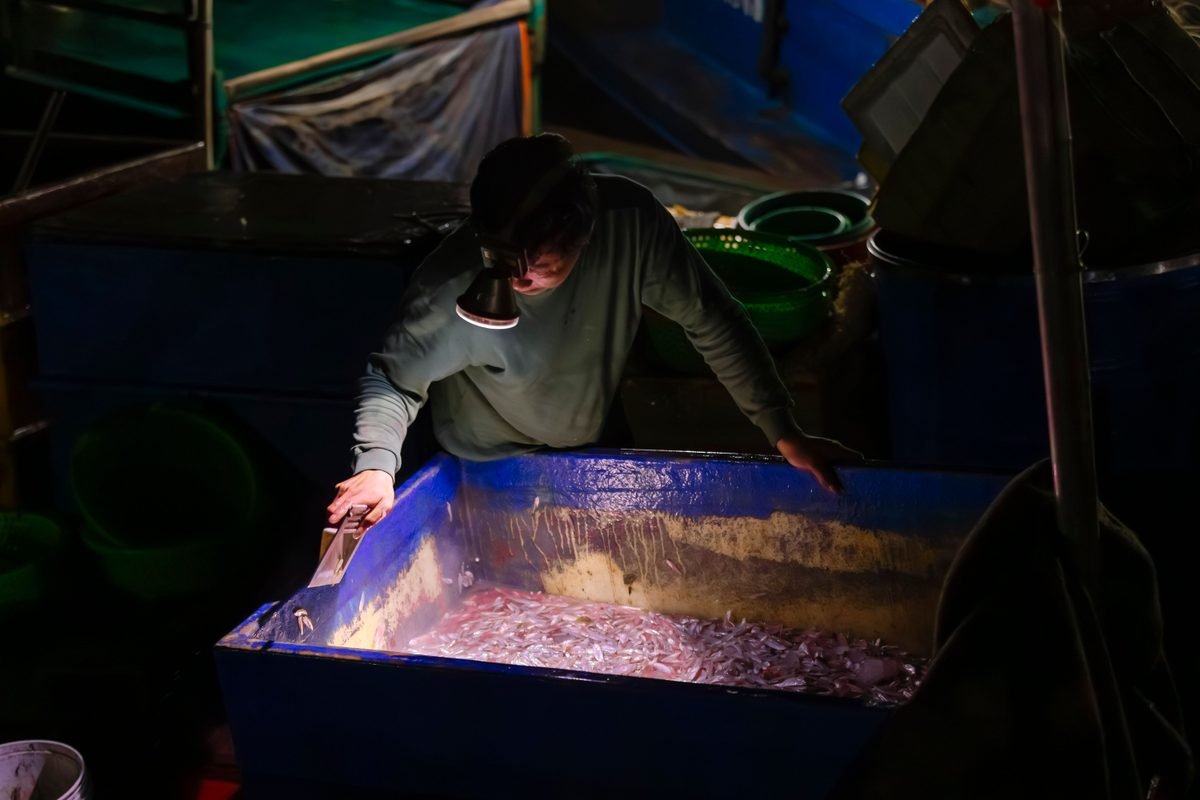
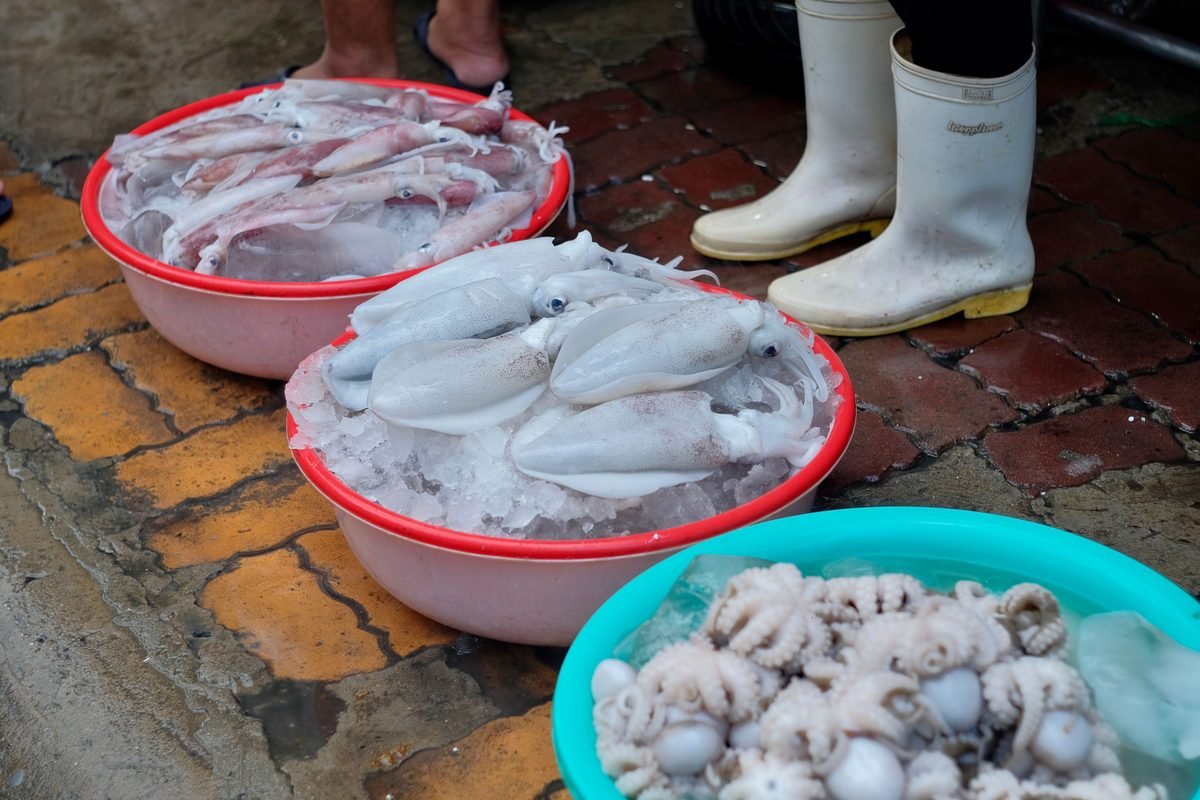
Look for active fish swimming near the middle or bottom of the tank. Clear eyes and intact fins indicate healthy, lively stock. Once you point to your fish, the merchant will net it, place it in a blue plastic basket, and weigh it on a digital scale. Watch the scale carefully. Make sure the merchant tares the scale so you are not paying seafood prices for three hundred grams of wet plastic basket. Honest vendors do this automatically, but keeping your eyes on the display keeps everyone sharp.
If you want variety, ask for a seasonal mixed plate, known as modeum hoe. In autumn, plump seasonal gizzard shad (jeoneo) appears everywhere, served whole with bones soft enough to chew. Spring brings sea bream (dom), while yellowtail (bangeo) dominates the colder months from November through February. You can also add small live side items by the piece: two live abalones (jeonbok) typically run ₩10,000 (about $7.50), and a wriggling small octopus (sannakji) usually costs around ₩10,000 to ₩15,000 (about $7.50 to $11.20).
Heads up: Watch the Scale
Always confirm the scale reads zero before your netted fish hits the tray, ensuring you pay only for the weight of the catch itself.
The Chojangjip Table Fee System: How the Market Prepares Your Fish
Once you pay for your fish at the tank, you do not sit on the wet concrete floor to eat it. The market operates on a two-tier division of labor. The fish vendor butchers, skins, and slices your purchase into neat portions on a wooden cutting board, packing it onto plastic trays garnished with shredded radish or cellophane noodles. Then, an attendant will lead you upstairs or hand you a numbered token for a designated dining hall, universally known as a chojangjip (dipping sauce restaurant) or yangnyeomjip (seasoning house).
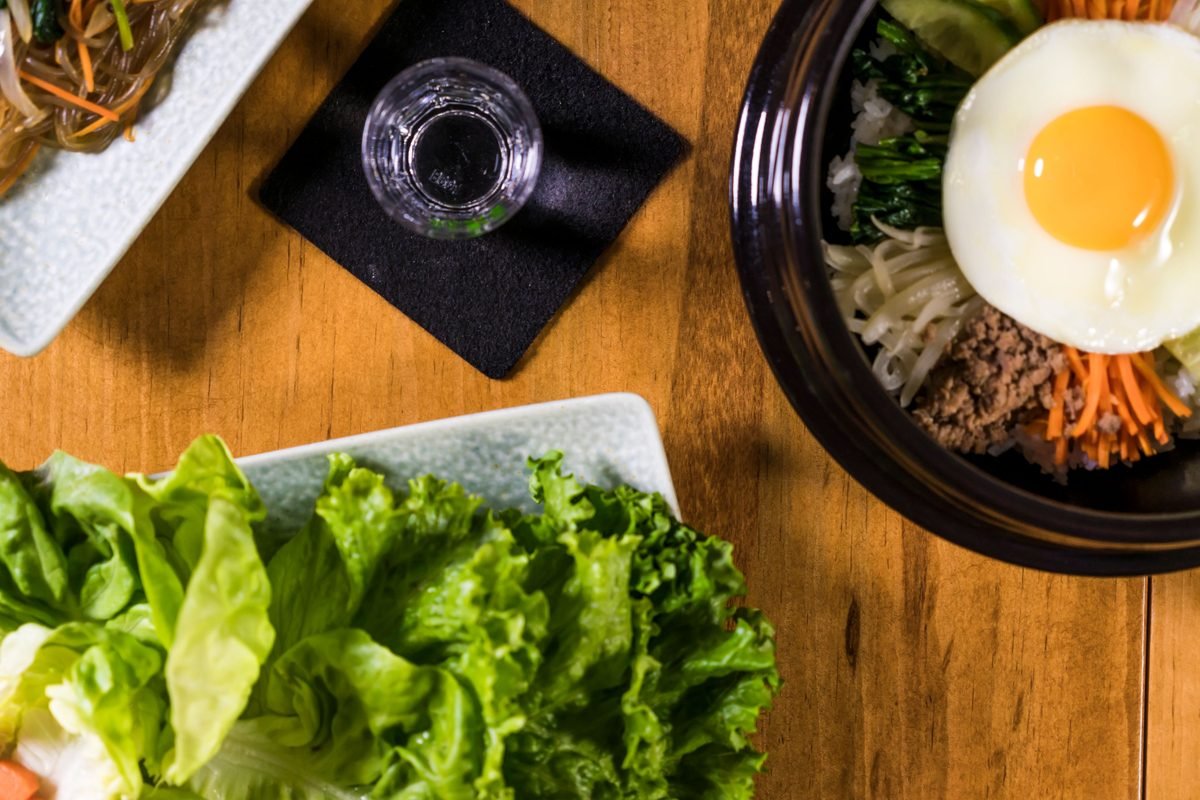
These upstairs dining halls provide floor cushions or tables, propane burners, lettuce, perilla leaves, garlic, sliced chilies, and condiments. For this service, every diner pays a mandatory per-person table-setting fee, locally called sangcharim-bi or colloquially referred to under traditional market preparation tabs. In Busan, this base fee is standard across almost all halls: roughly ₩5,000 to ₩6,000 (about $3.75 to $4.50) per adult.
If you bought seafood that requires cooking rather than raw slicing—such as large tiger prawns, king crab legs, or sea snails—the dining hall charges an extra preparation fee. Steaming (jjim) or grilling (gui) typically costs ₩8,000 to ₩12,000 (about $6 to $9) per kilogram of seafood handled. At the end of your meal, the hall will bill you separately for the table fee, any cooking services, soft drinks, beer, and your post-fish stew. You pay the fishmonger downstairs for the raw animal, and you pay the restaurant upstairs for the seat and heat.
From a local: Two Separate Payments
Remember that the ground-floor fish vendor and the upstairs dining hall are separate businesses; keep receipts for both transactions.
The Art of Hoe: Fish Cuts, Texture, and Dipping Sauces
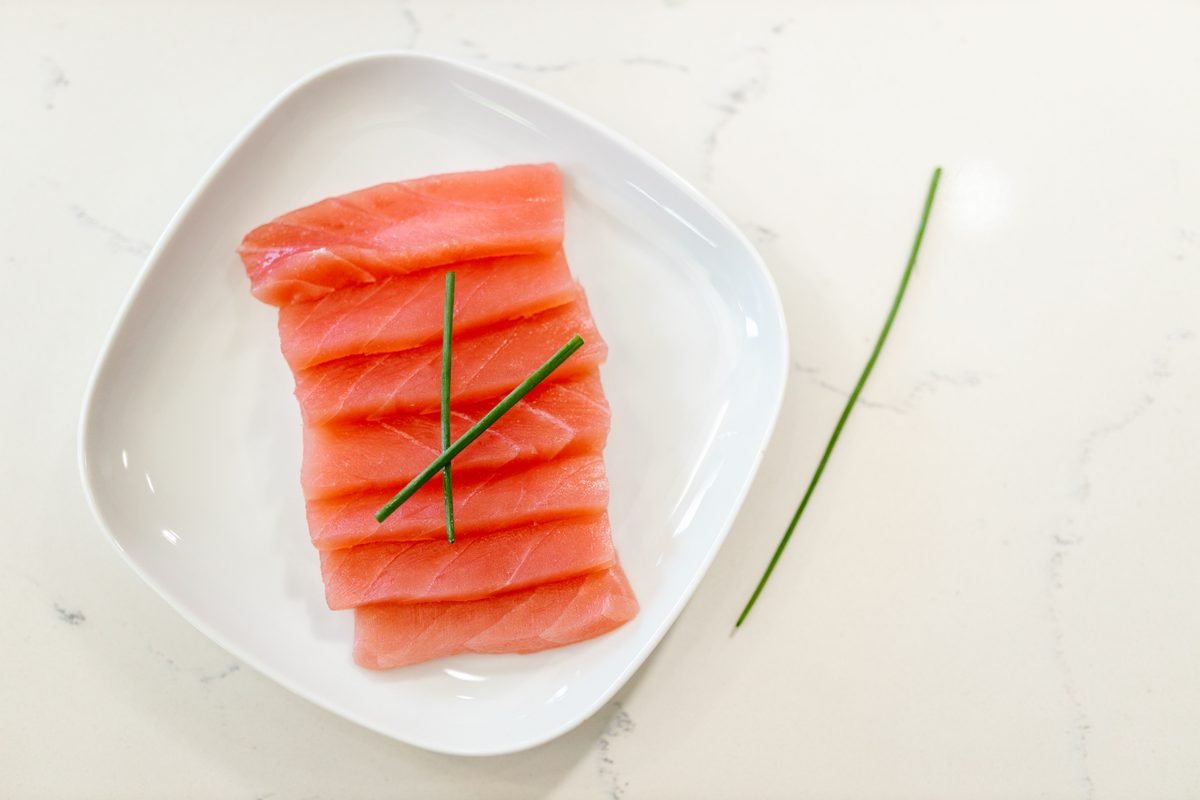
Korean hoe differs fundamentally from Japanese sashimi in both texture and handling. Japanese chefs often age fish for hours or days to relax muscle fibers and develop deep umami flavors. Korean raw fish prioritizes instant freshness and mechanical chewiness, a textural quality prized locally as chaljida (springy and firm). The fish is slaughtered, cleaned, and sliced within ten minutes of leaving the tank. The meat is translucent, crisp, and slightly sweet from residual oceanic salinity.
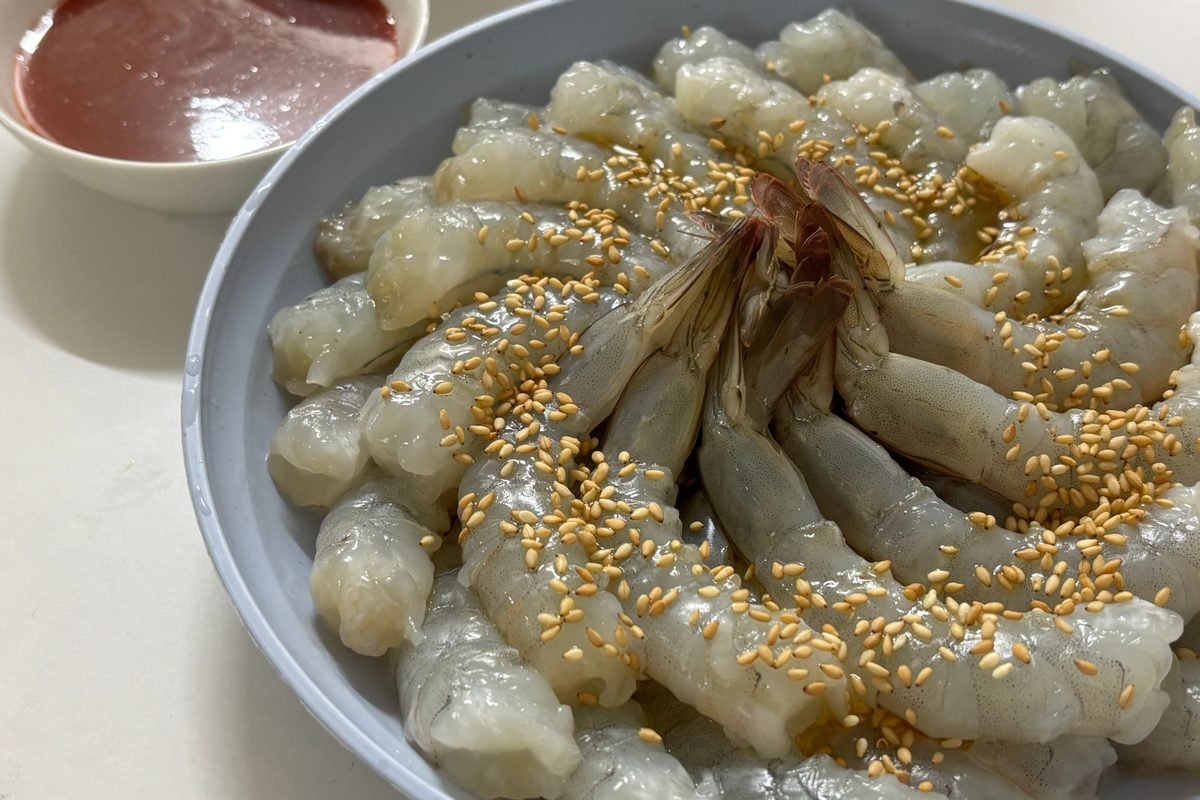
Your table setup will include three primary condiments. Mastering their pairing elevates the meal completely. The first is chojang, a bright red sauce blending fermented red pepper paste (gochujang), rice vinegar, sugar, and toasted sesame seeds. Its sweet acidity cuts through oily fish like mackerel or salmon. The second is traditional Japanese soy sauce (ganjang) with wasabi, best reserved for delicate white meat like sea bream or flounder when you want to taste pure fish flesh.
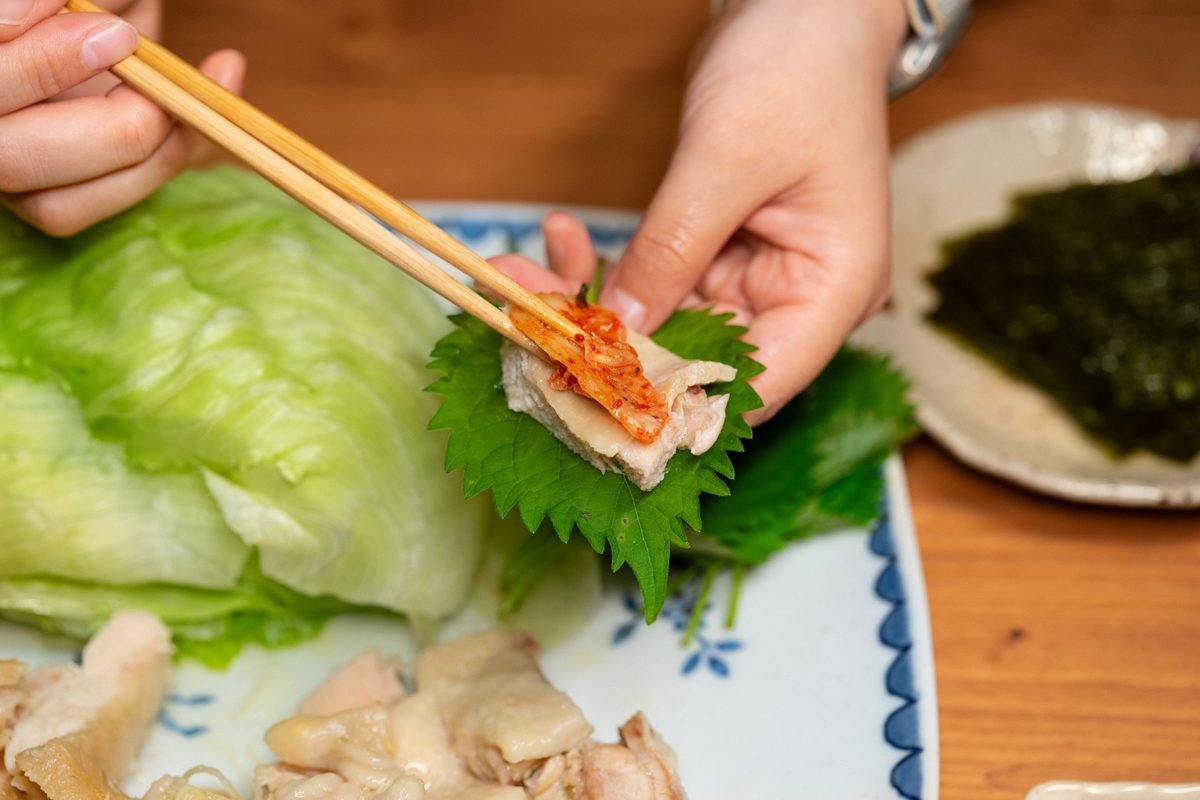
The third sauce is the local secret: ssamjang mixed tableside. Your tray will arrive with a dish of seasoned soybean paste. Busan locals immediately dump minced raw garlic, chopped fiery cheongyang peppers, and a generous drizzle of toasted sesame oil directly into the paste, stirring it into an aromatic, pungent sludge. Coat a slice of flounder in this customized paste, wrap it inside a crisp perilla leaf (kkaennip) with a sliver of raw garlic, and eat the entire bundle in one bite. The peppery, minty bite of the perilla leaf balances the savory fermented paste perfectly.
Millak Raw Fish Market and Waterfront Dining Rules
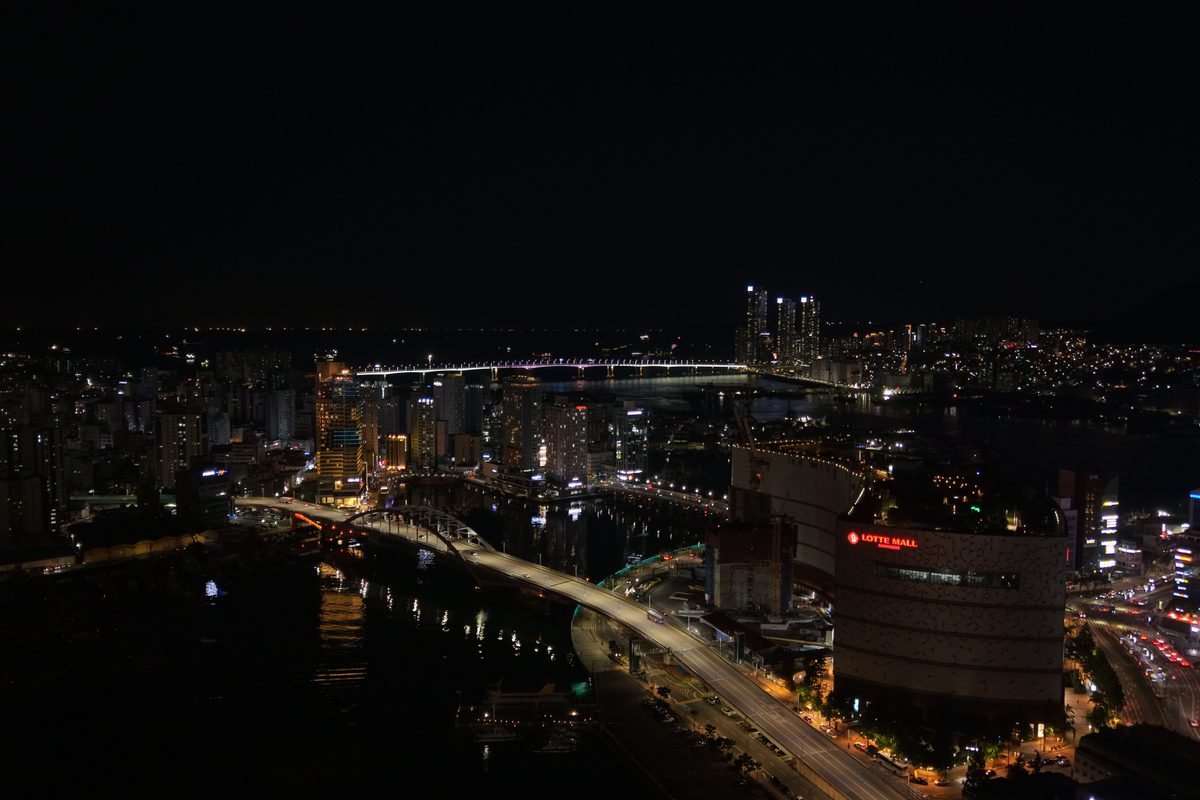
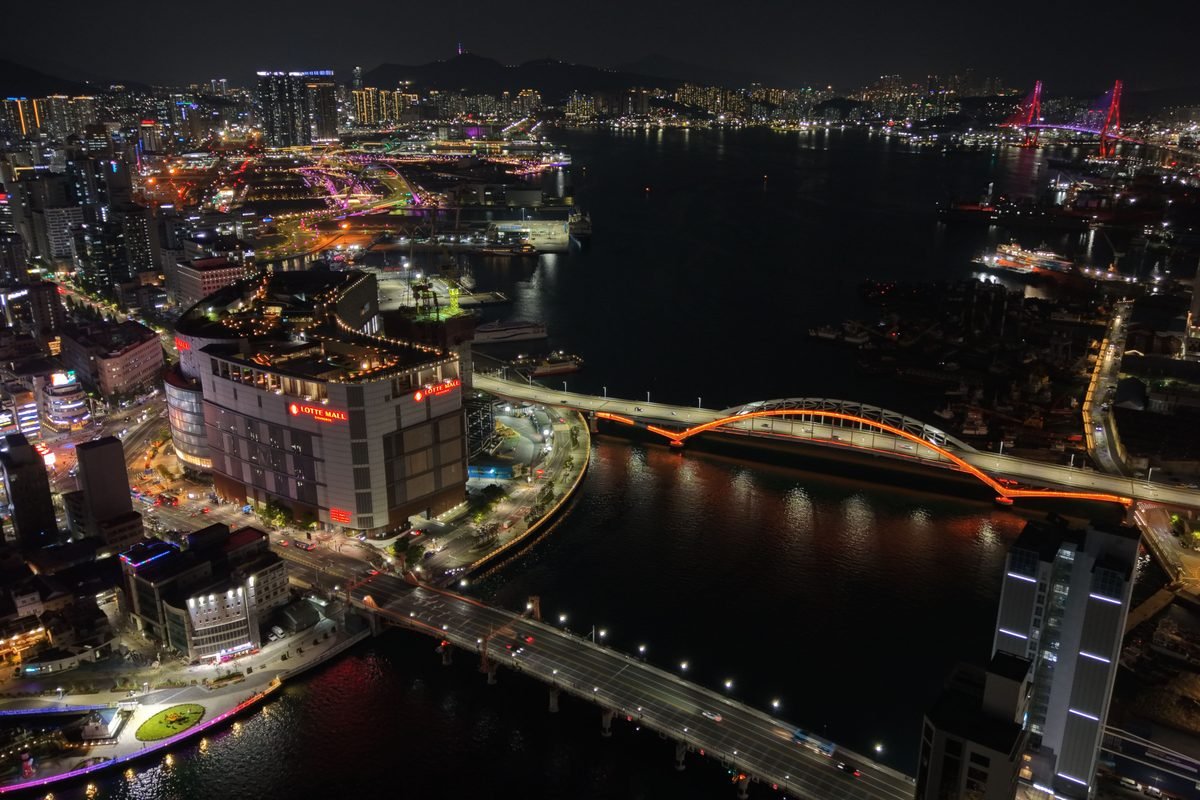
If Jagalchi represents Busan’s historic, gritty maritime soul, Millak Raw Fish Market in Gwangalli is its modern youth counterpart. Located at the eastern curve of Gwangalli Beach, the Millak complex houses dozens of raw fish vendors on its ground floor. Prices here are competitive with Jagalchi, and the packaging is optimized for portable takeout. Ordering a standard tray of sliced flounder or rockfish to go typically takes under eight minutes and costs roughly ₩25,000 to ₩35,000 (about $19 to $26).
For years, travelers gathered at adjacent Millak Waterfront Park to eat takeout fish directly on the wide concrete seaside steps while gazing at the illuminated Gwangan Bridge. However, a major municipal regulation permanently altered this ritual. In July 2023, the local district banned all alcohol consumption at Millak Waterfront Park to eliminate nighttime rowdiness and litter. Police actively patrol the concrete promenade; drinking beer or soju there will land you a brisk ₩50,000 (about $37.50) fine on the spot.
You can still sit on the waterfront steps to eat your raw fish with non-alcoholic drinks, tea, or soda. But if you want to enjoy cold soju alongside your meal as covered in our Korean Drinking Culture Guide, do not set up shop on the forbidden concrete slabs. Instead, take your packaged styrofoam boxes back to an ocean-view hotel room, or head up to the high-floor indoor restaurants inside the Millak Town building. These upper-floor dining rooms feature floor-to-ceiling glass windows overlooking the glittering bridge spans, allowing you to drink legally in heated comfort.
Heads up: Strict Alcohol Ban at Millak Park
Never consume alcohol outdoors at Millak Waterfront Park; the public drinking ban is strictly enforced by municipal patrols with ₩50,000 fines.
Finishing the Meal: Maeuntang and Essential Etiquette
Never leave a raw fish restaurant after clearing the raw slices. The standard, non-negotiable conclusion to every Korean raw fish feast is maeuntang, a bubbling spicy fish stew. When the fishmonger cuts your fish downstairs, they retain the head, backbone, and collar fins. These scrap cuts travel upstairs with your order. Once your raw fish platter is down to its last few slices, flag down the server and say ‘maeuntang juseyo’ (spicy stew, please).
The kitchen simmers the carcass in an iron pot with radish, soybean sprouts, aromatic crown daisy leaves (ssukgat), garlic, and a fiery red pepper broth. This stew costs roughly ₩8,000 to ₩12,000 (about $6 to $9) for the pot, which easily serves two to three people. Order a bowl of steamed white rice (gonggibap) for ₩1,000 (about $0.75). The hot, bracing broth cuts right through the rich, oily mouthfeel of raw fish and soothes your stomach before stepping back out into the coastal wind.
Regarding etiquette, keep in mind that raw fish platters are communal. Use chopsticks to pick up your slices cleanly without rifling through the plate. If you have leftover raw slices when the bubbling pot arrives, you can slip them directly into the boiling soup; they poach into tender, delicate poached morsels within thirty seconds. When settling the bill upstairs, pay at the counter near the exit rather than waving a card from your table. Cash or local credit cards are accepted seamlessly across all upper dining rooms.
From a local: Drop Extra Slices in the Broth
If raw fish gets warm or you feel too full to finish it raw, drop the remaining slices into the boiling stew for quick, tender poached fish.
What it costs in Busan
| Item | Local price | USD |
|---|---|---|
| Live Olive Flounder (Gwang-eo, ~1kg) | ₩40,000 | $30.00 |
| Live Octopus (Sannakji, 1 portion) | ₩12,000 | $9.00 |
| Upstairs Table Setting Fee (Per Person) | ₩6,000 | $4.50 |
| Spicy Fish Bone Stew (Maeuntang) | ₩10,000 | $7.50 |
| Steamed White Rice (1 bowl) | ₩1,000 | $0.75 |
| Bottle of Soju (Upstairs Dining Hall) | ₩5,000 | $3.75 |
| Realistic Total for Two People | ₩74,000 | $55.50 |
Prices checked October 2026. Always confirm with the provider before you book.
Where to stay in Busan
Budget
Nampo-dong, for guesthouses within five minutes of Jagalchi Station
This area puts Jagalchi Market, BIFF Square, and the Busan Port piers right at your doorstep without needing morning subway transfers. Simple private rooms and modern hostel dorms here typically cost between ₩35,000 and ₩65,000 (about $26 to $49) per night.
Mid-range
Gwangalli Beach, for ocean-view business hotels along the coastal road
Ideal for travelers who want immediate walking access to the Millak raw fish centres and night views of the lit Gwangan Bridge. Reliable mid-tier hotel rooms with partial or full sea views generally run from ₩85,000 to ₩150,000 (about $64 to $112) per night.
Splurge
Haeundae, for full-service international towers overlooking the eastern bay
Suited for visitors wanting luxury amenities, high-end hotel spas, and easy access to both Haeundae traditional food market and the coastal trails of Dongbaekseom. Nightly rates for upscale seafront rooms generally span ₩250,000 to ₩480,000 (about $188 to $360).
Mistakes to avoid
- Drinking alcohol outside at Millak Waterfront Park, which triggers an automatic ₩50,000 police fine under municipal anti-disorder laws.
- Forgetting to check the digital scale before the vendor drops the fish basket, accidentally paying raw fish rates for excess water and plastic tare weight.
- Leaving the restaurant without ordering maeuntang (spicy fish stew), which uses the paid-for fish carcass and completes the traditional meal cycle.
- Drowning delicate white fish exclusively in thick chojang rather than trying the classic Busan blend of ssamjang, sesame oil, and garlic.
- Assuming the ground-floor vendor payment covers table seating, leading to confusion when presented with a second bill upstairs.
FAQ
How does this busan seafood market and raw fish guide recommend ordering if I don't speak Korean?
You do not need fluent Korean. Use your fingers to indicate the specific fish in the tank, ask ‘eolmayeyo?’ (how much is it?), and confirm the weight on the digital scale before nodding. The vendor will slice it and lead you directly to an upstairs dining room.
Is eating raw fish at Jagalchi Market safe for tourists?
Yes, it is exceptionally safe. The fish are kept alive in continuously aerated seawater tanks until the exact moment you order them, ensuring the meat is completely fresh and cleanly prepared on commercial cutting stations.
Can I pay for seafood at Busan fish markets with a foreign credit card?
Inside the main modern Jagalchi building and at Millak Hoe Centre, virtually all stallholders and second-floor restaurants accept Visa and Mastercard. However, if you wander into the outdoor street alleys behind Jagalchi, carry cash in Korean won.
What is the difference between Jagalchi Market and Millak Raw Fish Market?
Jagalchi is historic, lively, and centrally located next to Nampo port, offering both raw fish and dried goods. Millak is situated at Gwangalli Beach, catering heavily to evening visitors who want takeout sashimi boxes to eat while viewing the illuminated bridge.