South Korea Spring Wildflower Festival Guide

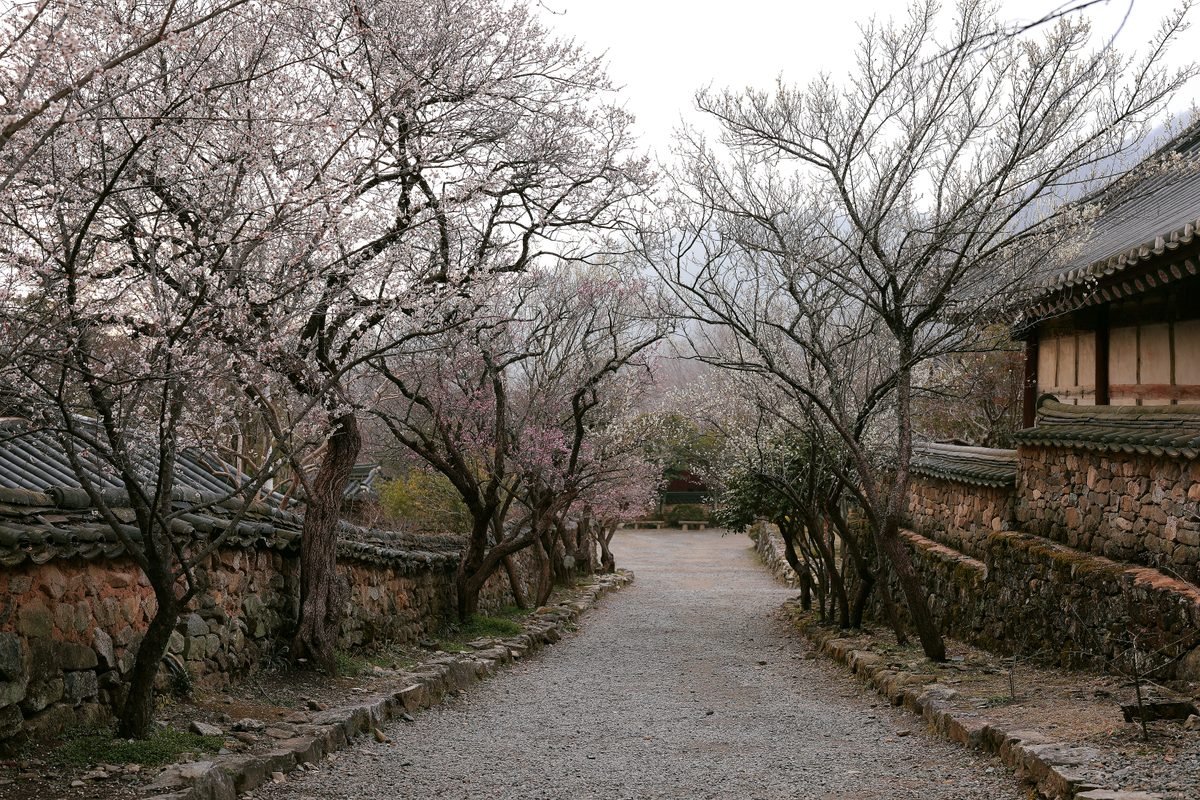
Every March, before the first pale cherry blossom opens along the Han River in Seoul, South Korea’s southern valleys turn brilliant yellow and stark white. Wild cornus fruit trees light up the foothills of Jirisan, plum orchards spill down the banks of the Seomjin River, and yellow brassica blankets the black volcanic dirt of Jeju Island. Spring arrives early in the south.
This South Korea spring wildflower festival guide walks you through the country’s earliest floral spectacles, focusing on the Gurye Sansuyu Village, the coastal canola fields of Jeju, and mountain azalea ridges. You will find exact bloom windows, regional bus connections, and practical transit advice to help you build an independent spring itinerary across South Korea without renting a car.
South Korea Spring Wildflower Festival Guide: The Early Bloom Circuit
Most international travelers pin their entire spring trip to late March or early April cherry blossom forecasts. If you land in Korea between early March and mid-April, however, you can catch an entirely different floral season that many overseas visitors completely miss. The southern provinces—Jeollanam-do, Gyeongsangnam-do, and Jeju Island—warm up weeks before the central peninsula shakes off sub-zero night temperatures.
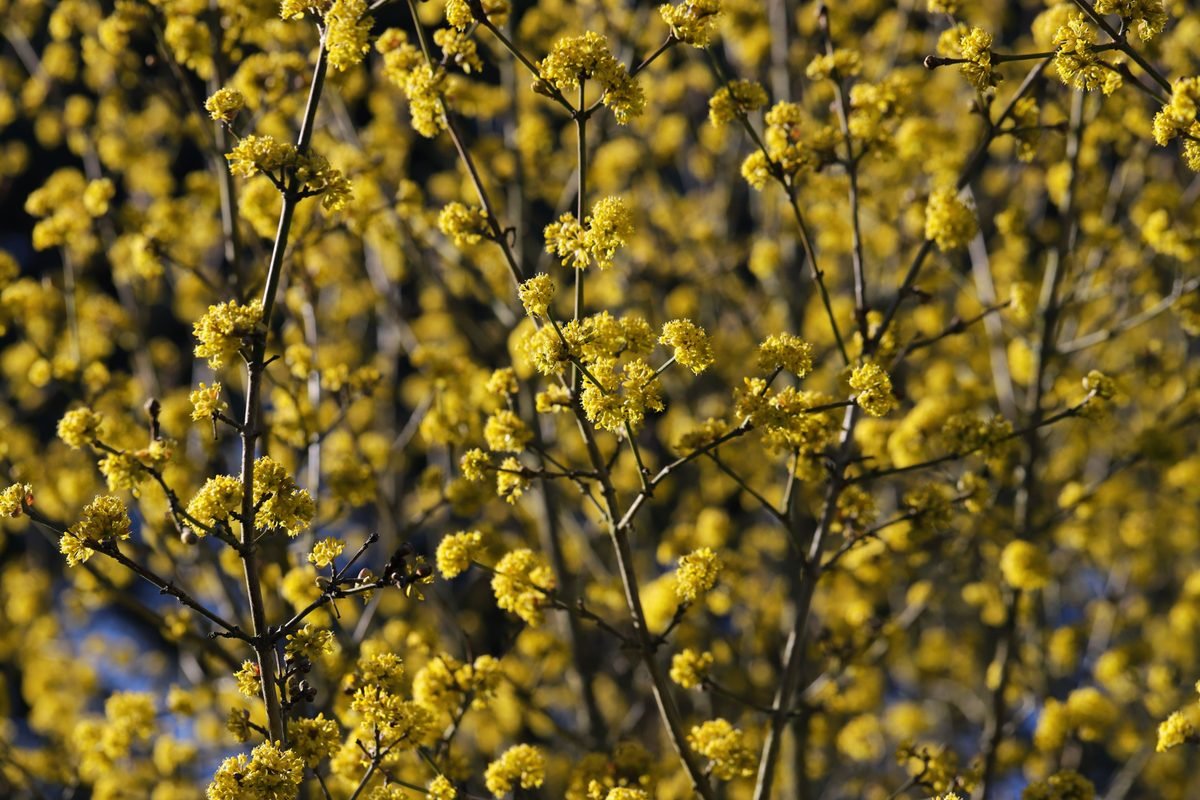
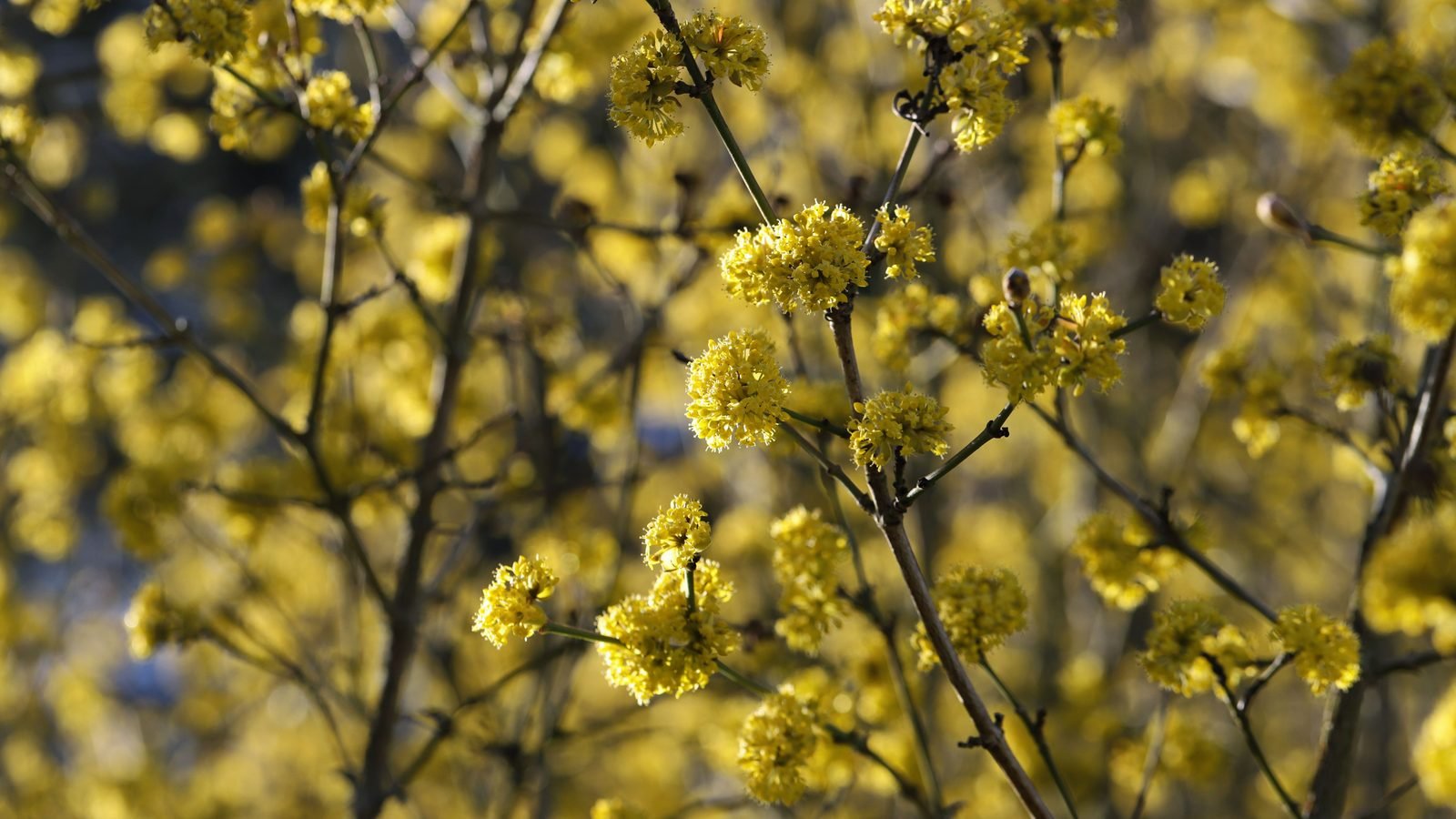
The spring wildflower and orchard bloom begins in late February on Jeju Island with brassica napus (canola or rapeseed) and hardy coastal wild camellias. By the first week of March, the southern mainland follows suit. The tiny village clusters around Mount Jirisan erupt in dense yellow clouds of sansuyu (Cornus officinalis, or Japanese cornelian cherry fruit flowers), while hillside farms in Gwangyang burst into sweet-smelling maehwa (apricot and plum blossoms).
Spring moves north slowly. Catching this southern bloom circuit requires stepping slightly off the bullet-train trunk lines. While the KTX whisks you south from Yongsan to Suncheon or Yeosu in under three hours, reaching the mountain flower pockets requires regional intercity coaches and rural county loop buses. The reward is experiencing rural Korean hospitality, open mountain air, and roadside stalls dishing out freshly pressed sansuyu tea, wild mountain herb bibimbap, and sweet plum wine.
Before you pack, check our Korea cherry blossom guide to understand how early wildflower blooms dovetail into the subsequent cherry blossom wave. A well-timed ten-day loop allows you to photograph the yellow sansuyu valleys of Gurye, take a fast ferry or domestic flight to Jeju’s canola carpets, and finish in Seoul right as urban cherry trees begin opening.
Tip: Timing Your Circuit
Plan your mainland southern flower visits between March 12 and March 22. This window reliably overlaps both peak Gurye sansuyu and Gwangyang maehwa before strong winds strip the delicate petals.
Gurye Sansuyu Village: Yellow Blooms Under Mount Jirisan
Gurye County in Jeollanam-do produces over sixty percent of South Korea’s cornus fruit harvest. For eleven months of the year, Sandong-myeon is a quiet rural township tucked against the granite flanks of Jirisan National Park. In mid-March, more than one hundred thousand sansuyu trees burst into delicate, starry yellow flowers across villages like Sangwi, Hawi, and Ban-gok.
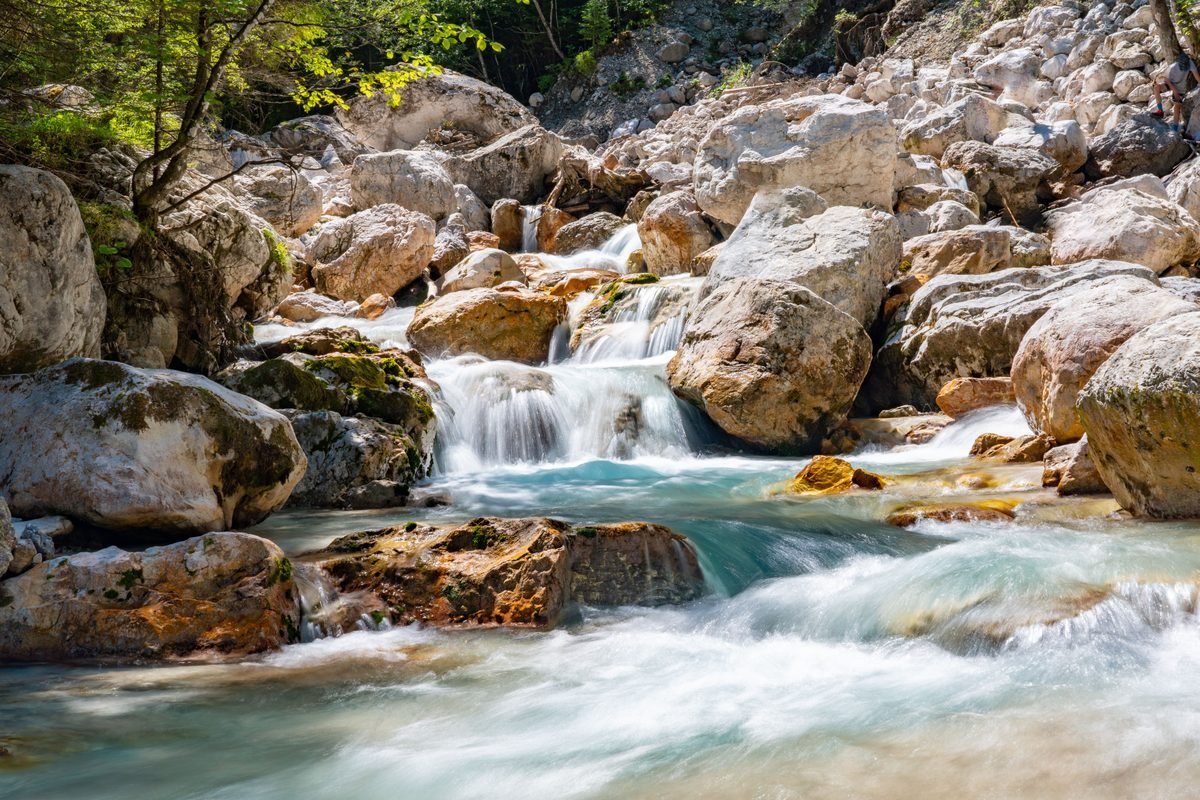
The focal point of the bloom is the Gurye Sansuyu Festival, centered around the Jirisan Hot Springs tourist district. Ban-gok Village is easily the most scenic corner of the valley. Here, crystal-clear mountain streams tumble over smooth granite boulders, edged on both sides by centuries-old stone walls and low-slung tile-roofed cottages. Yellow flowers frame the mountain creek, with snow often still visible on the high ridges of Nogodan peak above.
Walking trails link the farming settlements. The designated flower walking routes span roughly five kilometers along the Seosi Stream, paved with wooden boardwalks and packed earth. Footpaths stay relatively level, though good walking shoes help when stepping across granite stepping-stones. Entry to the outdoor village groves is completely free. Local farmers set up wooden tables along the main trail selling dried scarlet sansuyu berries, roasted cornus seed tea, and tart sansuyu makgeolli for about ₩4,000 ($3) per bottle.
Weekends bring heavy traffic. Tour buses from Gwangju, Busan, and Daejeon jam the two-lane highway entering the valley. Arriving before 09:00 on a weekday guarantees peaceful, empty village alleys and gentle morning sunlight filtering through the yellow branches.
From a local: Skip the Main Festival Tent
Walk past the crowded central festival parking lot directly uphill into Sangwi Village. The trees here are much older, and quiet stone pathways wind past family farm gates without pop music blaring.
Gwangyang Maehwa and Yeongchwisan Azaleas: Riverbanks to Pink Ridges
A short trip south of Gurye brings you to two distinct floral landscapes that form the classic southern spring route: Gwangyang Maehwa Village and the wild azalea ridge lines of Yeongchwisan in Yeosu. Both offer dramatic natural contrasts to Gurye’s golden cornus valleys.
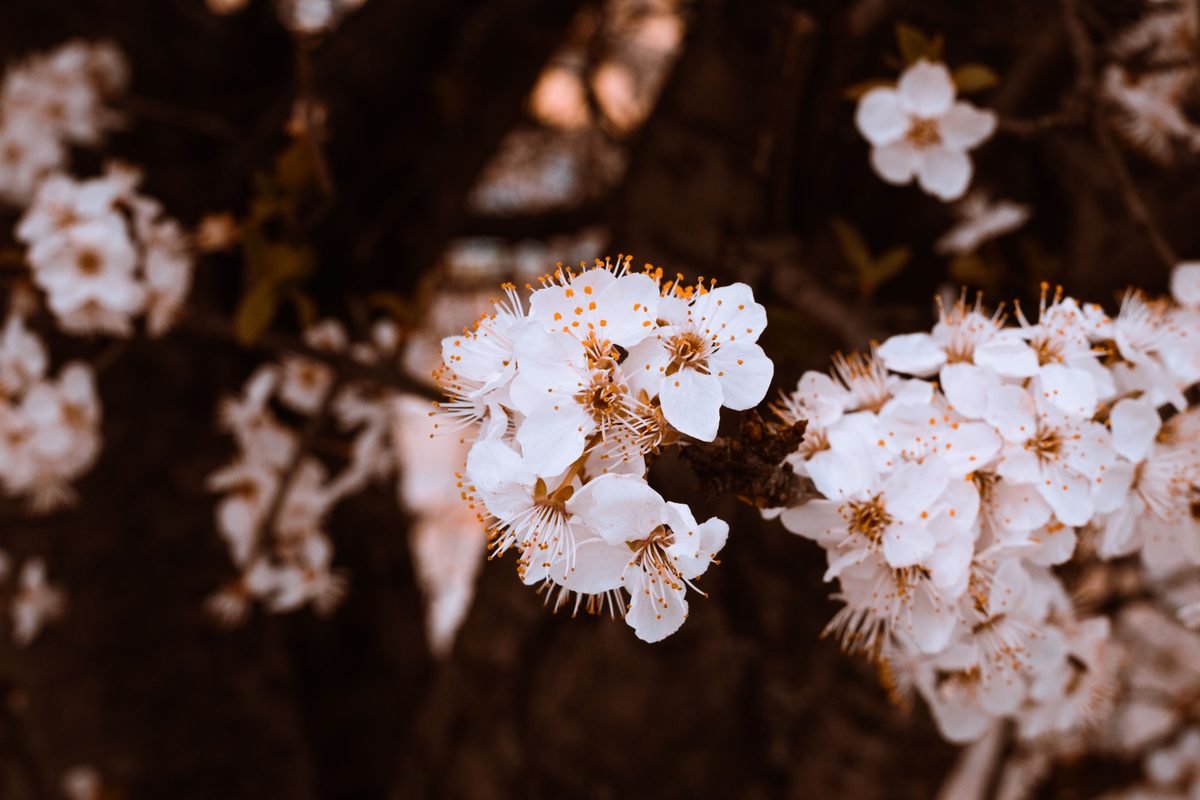
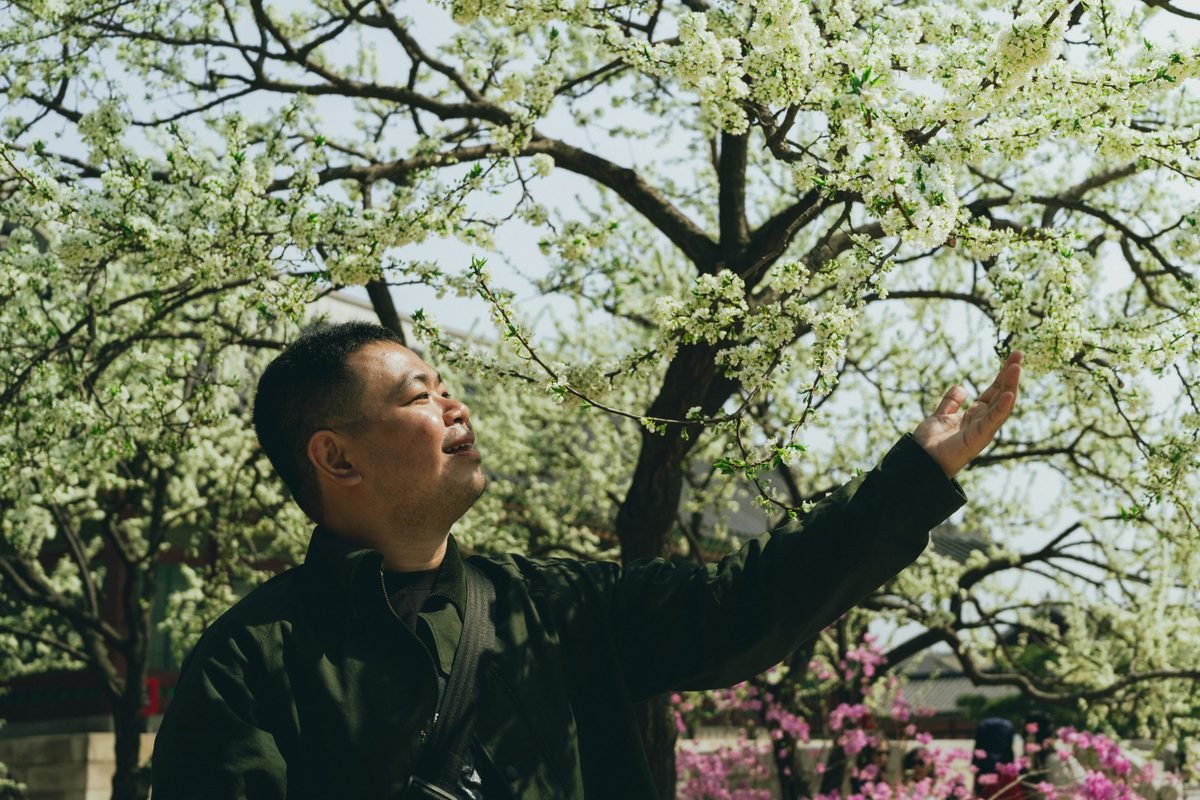
The Gwangyang Maehwa Festival takes over Seomjin Village along the northern shore of the Seomjin River. This sprawling hillside farm, originally cultivated by agricultural pioneer Hong Ssang-ri, holds thousands of flowering plum and apricot trees. From mid-March onwards, the entire hill turns frothy white and soft pink against dark ceramic onggi fermentation jars standing in neat rows. Walking through the grove costs nothing, though you should buy a cup of tart green-plum soft serve for ₩4,500 (about $3.30). River mist often cloaks the hillside at sunrise, making dawn the best hour for photography.
Two weeks after the plum blossoms peak, the wild azaleas take over the rocky peaks of Mount Yeongchwisan in neighboring Yeosu. Unlike planted orchard festivals, Yeongchwisan features dense swaths of native rhododendron (jindallae) that turn steep mountain slopes electric magenta from late March to early April. The trail begins near Heungguksa Temple and climbs steadily for about forty minutes to the main ridge saddle.
The contrast between the industrial Yeosu petrochemical complex on one side and the blooming wild ridges against the sea on the other is striking. The trail is moderately steep with wooden stairs and rocky paths, so pack light trail shoes. Admission to Mount Yeongchwisan and its trails is free.
Jeju Canola Flower Fields: Coastal Paths and Volcanic Cones
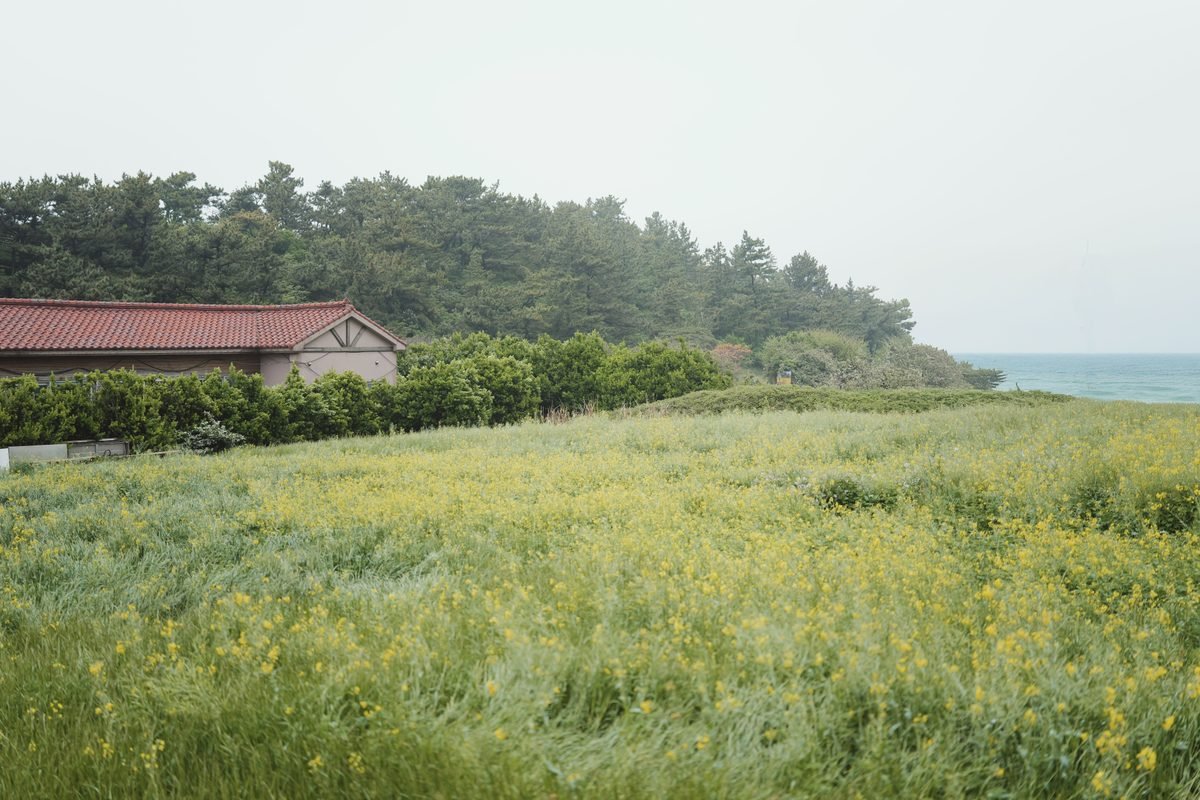
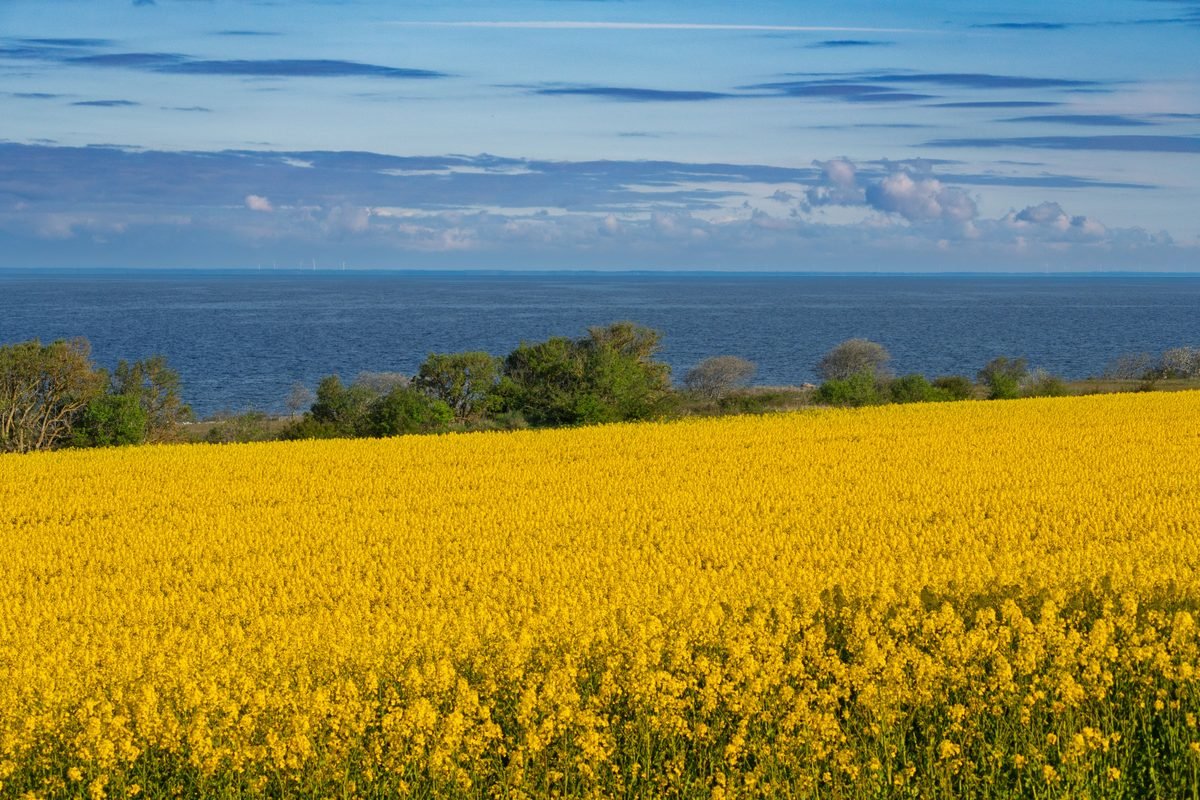
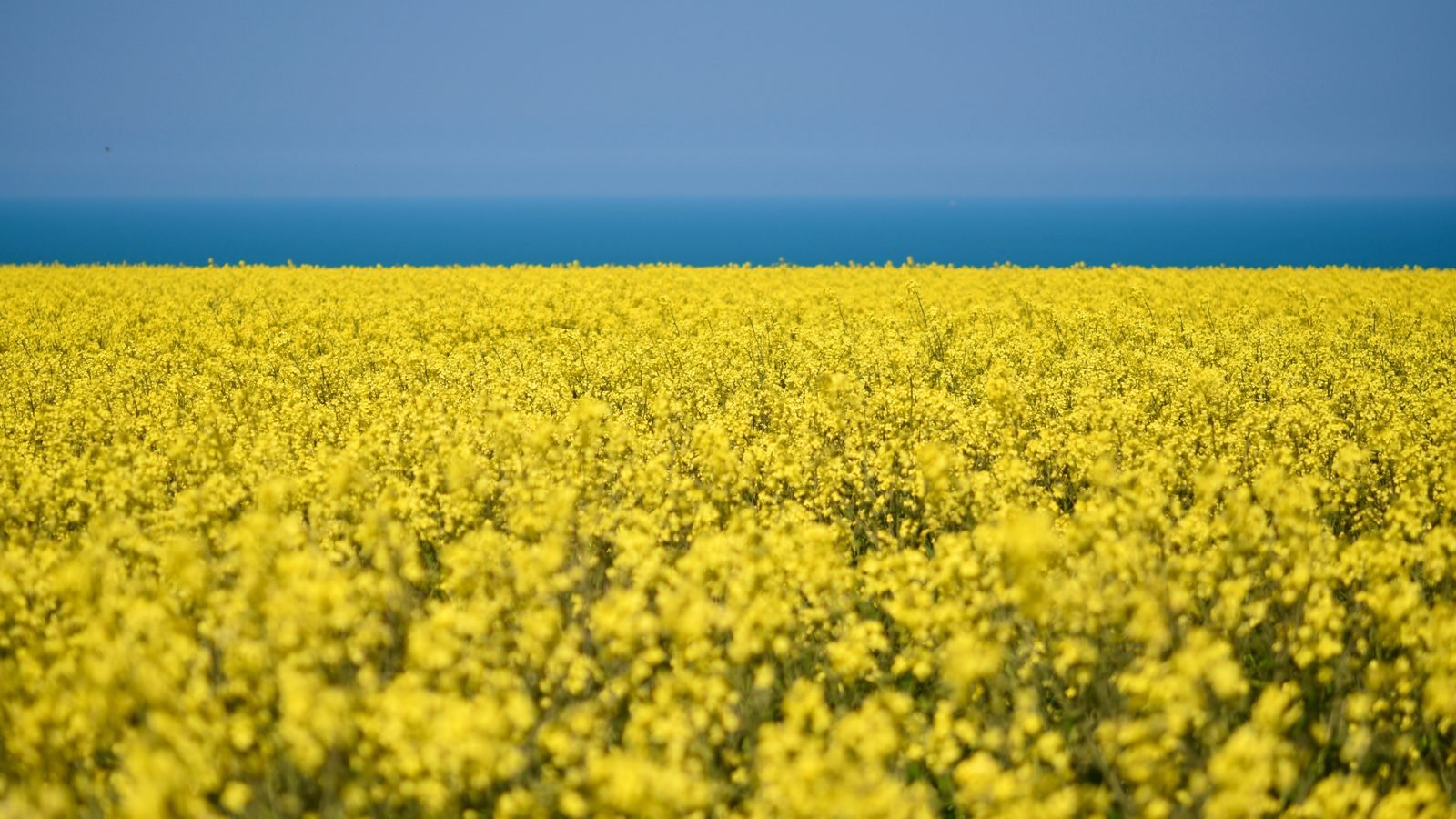
While the southern mainland flowers bud in mid-March, Jeju Island enters full yellow bloom as early as late February. The star of Jeju’s early spring is yuchae-kkot (canola flower), which grows in vast plots against charcoal-black basalt stone walls and emerald coastal waters. If you are planning an island trip, our Jeju 3 day itinerary without a car details the best routes along these shores.
Two main areas showcase the island’s best canola displays: the eastern coast around Seongsan Ilchulbong and the southern plains near Seogwipo. At Gwangchigi Beach, low tide exposes green moss-covered lava flats right across from wild canola meadows. The yellow petals against the dark volcanic cliff of Seongsan create one of Korea’s most distinctive coastal scenes. Farther inland, the Noksan-ro Canola Road near Gasi-ri runs for nearly ten kilometers, framed by yellow canola fields below and pale cherry trees above that bloom simultaneously during late March.
Several private farmland plots around Sanbangsan and Seongsan charge an entry fee of ₩1,000 cash (about $0.75) per person. Farmers cultivate these specific fields tightly for walking paths, bench props, and photography. The fee goes directly to land upkeep. Public fields along the coastal Jeju Olle Trail routes, particularly Route 1 and Route 7, are free to walk.
Spring winds on Jeju can be biting. Even under clear blue skies, sea breezes knock daytime temperatures down significantly. Pack a windproof jacket when walking the seaside fields.
Heads up: Private Farm Photo Plots
Carry small paper cash (₩1,000 bills) when exploring rural Jeju roadsides. Private farm gates do not accept credit cards or transit card taps for photography access.
Peak Bloom Windows and How to Track Forecasts
Planning around wildflowers requires more flexibility than tracking urban festivals. Blossom opening dates shift by up to ten days year-to-year depending on late February cold snaps and rainfall. Keeping an eye on reliable regional forecasts helps you adjust your travel days.
The Korea Meteorological Administration (KMA) and the Korea Forest Service issue preliminary spring flowering forecasts in mid-February. These updates track cumulative temperatures across key regional monitoring stations. As a rule of thumb, use these historical peak bloom windows when drafting your itinerary:
- Jeju Island Canola: February 25 to March 25 (Noksan-ro blooms later, typically March 28 to April 8).
- Gwangyang Maehwa: March 10 to March 20.
- Gurye Sansuyu: March 12 to March 22.
- Yeongchwisan Mountain Azaleas: March 28 to April 8.
- Hwangmaesan Royal Azaleas: Late April to early May (a later, higher-altitude highland bloom).
Use local mapping platforms for real-time visual updates. Korean travelers constantly post geotagged photos on Naver Map blog reviews and Instagram using specific hashtags. Search for #구례산수유마을 (Gurye Sansuyu Village) or #광양매화마을 (Gwangyang Maehwa Village) in Korean to see photos posted within the last twenty-four hours. This shows you whether the hillsides are still in tight green buds or shedding petals after heavy spring rain.
Spring rains in Korea are sudden. A single night of heavy downpours can knock fifty percent of mature plum and sansuyu petals off the branches. If you see full bloom announced on Korean news outlets, catch the next regional train rather than waiting for the weekend.
Regional Bus Schedules and Transit Hub Logistics
Getting to Korea’s rural wildflower valleys without a rental car is straightforward once you understand the regional transit hubs. Gurye, Suncheon, and Gwangju serve as the primary gateways for the southern floral trail. From Seoul, take a KTX from Yongsan Station directly to Guryegu Station in approximately two hours and fifteen minutes. Standard seats cost about ₩39,800 ($29).
Be aware that Guryegu Station is located several kilometers outside Gurye town center across the county line. City buses meet arriving KTX trains and take passengers to the Gurye Bus Terminal for ₩1,000 to ₩1,500 (about $0.75 to $1.10). You can tap your standard transit card; read our guide on how to use T-Money card Seoul for details on loading funds at convenience stores before leaving the capital. From Gurye Bus Terminal, rural county buses run to Sandong and the Sansuyu Village (Sandong route) roughly once every hour between 06:40 and 19:30, taking about thirty minutes.
For the Gwangyang Maehwa Festival, Suncheon or Hadong make the best bases. From Hadong Bus Terminal, local shuttle buses connect directly to Daap-myeon (Maehwa Village) in under twenty minutes during festival week. Alternatively, take an express coach from Busan’s Seobu Sasang Terminal to Hadong for ₩12,100 (about $9), which takes roughly two hours.
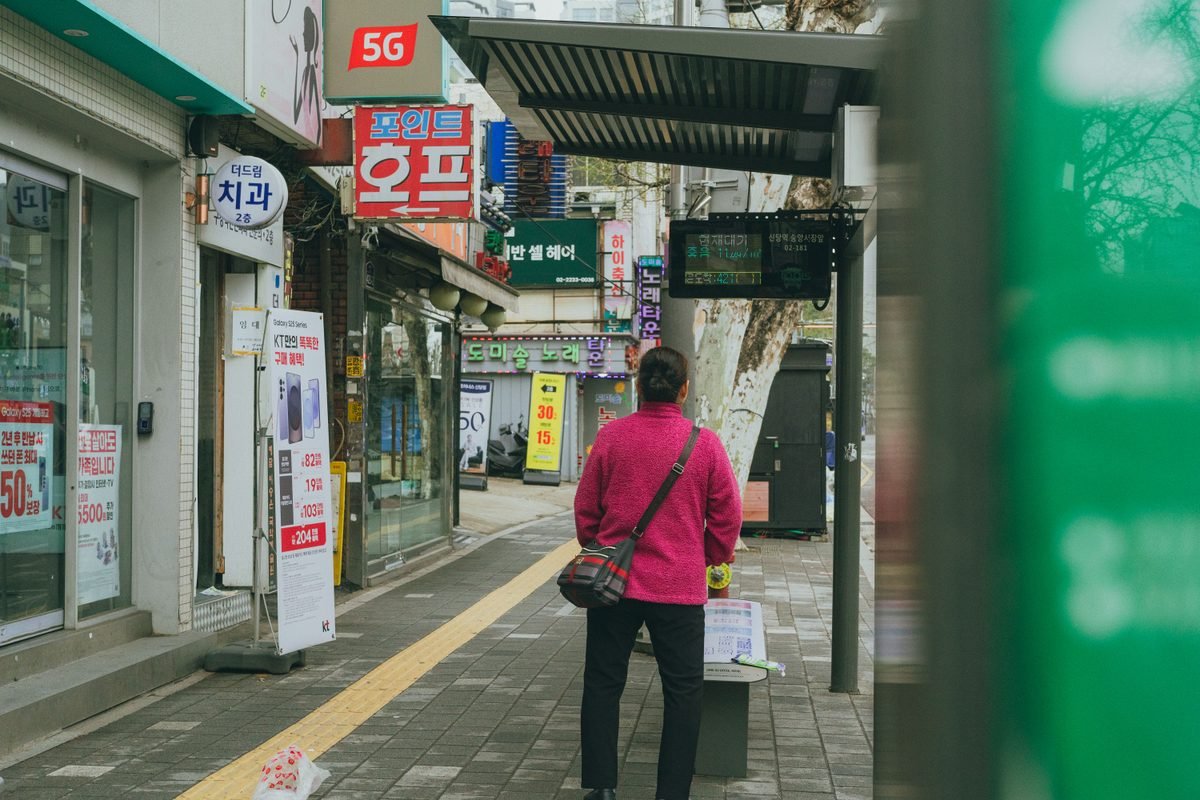
On Jeju, the public bus network connects all major canola fields reliably. Blue trunk bus 201 loops the eastern coastline from Jeju Intercity Bus Terminal to Seongsan for ₩1,150 ($0.85) when using a transit card. Red express bus 101 or 181 gets you from Jeju Airport across the island to Seogwipo in roughly seventy minutes for around ₩2,000 to ₩3,000 ($1.50 to $2.20).
Book ahead: Book KTX Tickets Ahead
Reserve weekend KTX trains to Guryegu and Suncheon four weeks in advance on the official Korail portal. Southern line tickets sell out fast during peak spring festival weekends.
What it costs in South Korea
| Item | Local price | USD |
|---|---|---|
| KTX Yongsan to Guryegu Station (one way) | ₩39,800 | $29.00 |
| Gurye rural county bus fare (one way) | ₩1,500 | $1.10 |
| Busan Sasang to Hadong express coach (one way) | ₩12,100 | $9.00 |
| Jeju trunk bus ride (card fare) | ₩1,150 | $0.85 |
| Private Jeju canola field entry fee | ₩1,000 | $0.75 |
| Sansuyu festival food (mountain bibimbap & tea) | ₩14,000 | $10.40 |
| Bottle of local sansuyu or maehwa fruit wine | ₩4,000 | $3.00 |
| Typical one-day rural transit & food total | ₩75,750 | $56.10 |
Prices checked October 2026. Always confirm with the provider before you book.
Mistakes to avoid
- Arriving at Guryegu KTX Station thinking you can walk to the flower village; the village is 15 kilometers farther north into the Jirisan mountains.
- Scheduling visits strictly on Saturdays or Sundays, which causes hours trapped in slow-moving regional road traffic.
- Assuming Google Maps provides walking paths or transit directions in rural Korean counties; you must use Naver Map or KakaoMap.
- Wearing slick sneakers on hillside plum farms and mountain azalea trails that feature damp red clay and loose granite gravel.
- Expecting flower field photo stands on Jeju Island to accept international credit cards instead of small won notes.
FAQ
What is the best month to see South Korea’s spring wildflowers?
March is the ideal month. The earliest canola fields in Jeju open in late February, while the famous sansuyu cornus blooms in Gurye and the maehwa plum orchards in Gwangyang peak between March 10 and March 22.
Do I need to pay entrance fees for the Gurye Sansuyu or Gwangyang Maehwa festivals?
No, both village festivals are held across open public agricultural lands and mountain walking trails, so general admission is completely free. You only pay for transport, festival snacks, farm goods, or occasional private photography fields on Jeju.
Can I visit Gurye and Gwangyang on a day trip from Seoul?
It is technically possible by taking an early 06:30 KTX train from Yongsan to Guryegu Station, spending four hours in the village, and returning by evening train. However, staying overnight in Gurye, Suncheon, or Hadong offers a far less rushed experience and allows you to catch the golden early morning light.