Jeonju Makgeolli Alley Drinking Guide: Local Tips

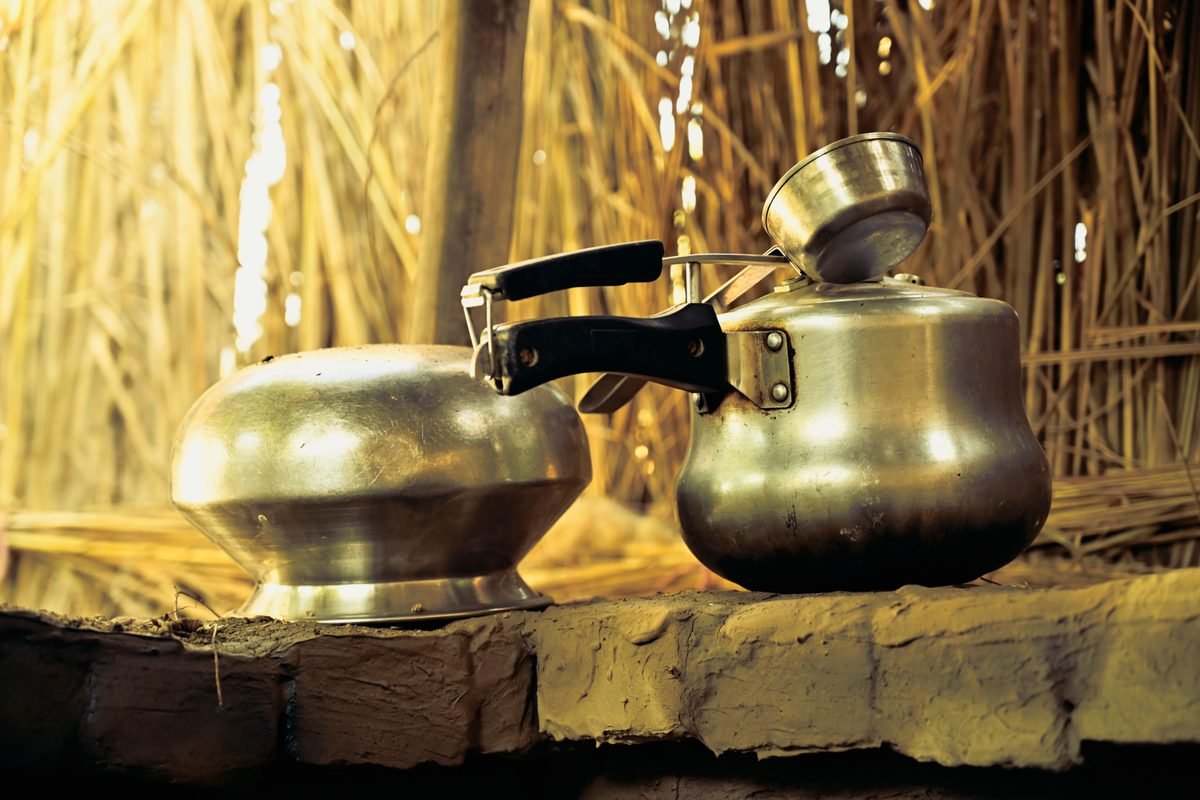
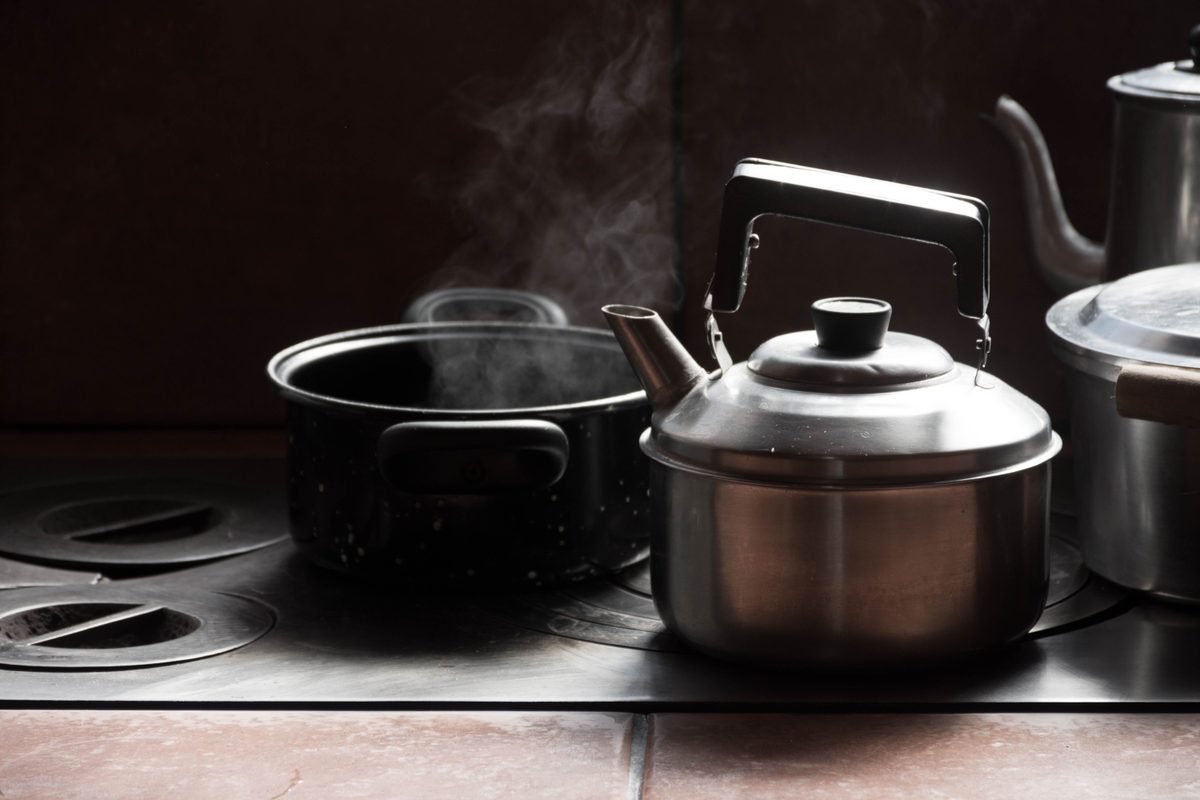
The sound of a dented brass kettle hitting a plastic table marks the start of a real Jeonju night. In the southern neighborhoods of this city, far from the manicured streets of the Hanok Village, the air smells of fermented rice and frying oil. You don’t order food here; you order a kettle of rice wine, and the table simply fills up around you. It is a chaotic, generous, and deeply local way to spend an evening that has remained unchanged for decades.
This guide is for independent travelers who want to venture beyond the tourist center to experience the famous makgeolli alleys. I will cover how the unique kettle system works, which neighborhoods offer the most authentic atmosphere, and the specific etiquette rules you need to follow to drink like a local. Whether you are a solo traveler or in a group, this is how you navigate the legendary Jeonju makgeolli scene.
Understanding the Jeonju Makgeolli Kettle System
The first thing you must understand about a Jeonju makgeolli house is that the wine is the currency. When you walk into a spot in Samcheon-dong or Seosin-dong, you don’t look for a food menu. Instead, you order your first ‘kettle’ or ‘jujeonja.’ This initial order usually costs between ₩25,000 and ₩30,000 (about $18 to $22). It includes roughly two liters of makgeolli and a staggering array of side dishes, known as anju. The food arrives fast. Within minutes, your table will be covered in small plates featuring everything from steamed silkworm larvae to spicy tofu and kimchi.
The magic happens when you order your second kettle. In a standard restaurant, you pay for more food. Here, you pay for more wine, and the restaurant rewards you with a ‘level up’ of dishes. The second round brings out the heavier hitters, such as savory pancakes (jeon) or grilled fish. By the third or fourth kettle, you might see premium items like ganjang gejang (raw crab marinated in soy sauce) or even small servings of octopus. It is a progressive feast that rewards those who can handle their rice wine. The food never stops as long as the wine keeps flowing.
For those new to the drink, makgeolli is a milky, sparkling rice wine with a low alcohol content, usually around 6%. It is unfiltered, which gives it a creamy texture and a slightly sweet, tangy profile. In Jeonju, the quality is exceptionally high because the city is a hub for traditional brewing. Most places will serve a local brand that is fresh and lively. If you are worried about the filling nature of the sediment, you can ask for ‘malgeun-sul,’ which is the clear liquid at the top of the brew. It is lighter on the stomach and less likely to cause a headache the next morning.
From a local: The Clear Wine Hack
Ask the server for ‘malgeun-sul’ if you want the clear, filtered version of makgeolli. It is much lighter than the cloudy version and allows you to eat more food without feeling bloated.
Where to Find the Best Makgeolli Alleys
Jeonju has several distinct clusters where these restaurants congregate, each with its own personality. The most famous is the Samcheon-dong Makgeolli Alley. This is the spiritual home of the tradition, located about a 15-minute taxi ride south of the Hanok Village. You will find over 20 shops lined up here. It is loud and crowded, especially on Friday and Saturday nights. Places like Yetchon Makgeolli have become famous through television appearances, but almost any shop with a crowd of locals inside will serve an excellent spread. It is the best place for the full, overwhelming experience.
If you prefer something slightly more modern and popular with local office workers, head to the Seosin-dong Makgeolli Alley. This area feels a bit more polished than Samcheon-dong but still follows the traditional kettle rules. The side dishes here often skew a bit more toward contemporary tastes, with more fried items and seafood. It is a great alternative if Samcheon-dong is too packed. For those who don’t want to leave the tourist center, there are makgeolli spots within the Hanok Village itself. However, be aware that these are often more expensive and the ‘level up’ system for side dishes is sometimes less impressive than in the residential neighborhoods.
Navigating these areas requires a bit of local tech. Since Google Maps is unreliable for walking directions in Korea, I recommend using Naver Map or KakaoMap to pin the specific alley locations. You can simply search for ‘Samcheon-dong Makgeolli Alley’ in English or ‘삼천동 막걸리 골목’ in Korean. A taxi from the Hanok Village to Samcheon-dong will cost roughly ₩8,000 (about $6); from Jeonju Station it is close to twice the distance, so expect to pay more. Most drivers will know exactly where to go if you just say ‘Makgeolli Golmok.’
Heads up: Avoid the Peak Hour Rush
Most popular makgeolli houses fill up by 7:00 PM. Arrive by 6:00 PM to secure a table, or be prepared to wait in line for at least 30 minutes on weekends.
The Progression of Side Dishes and Anju
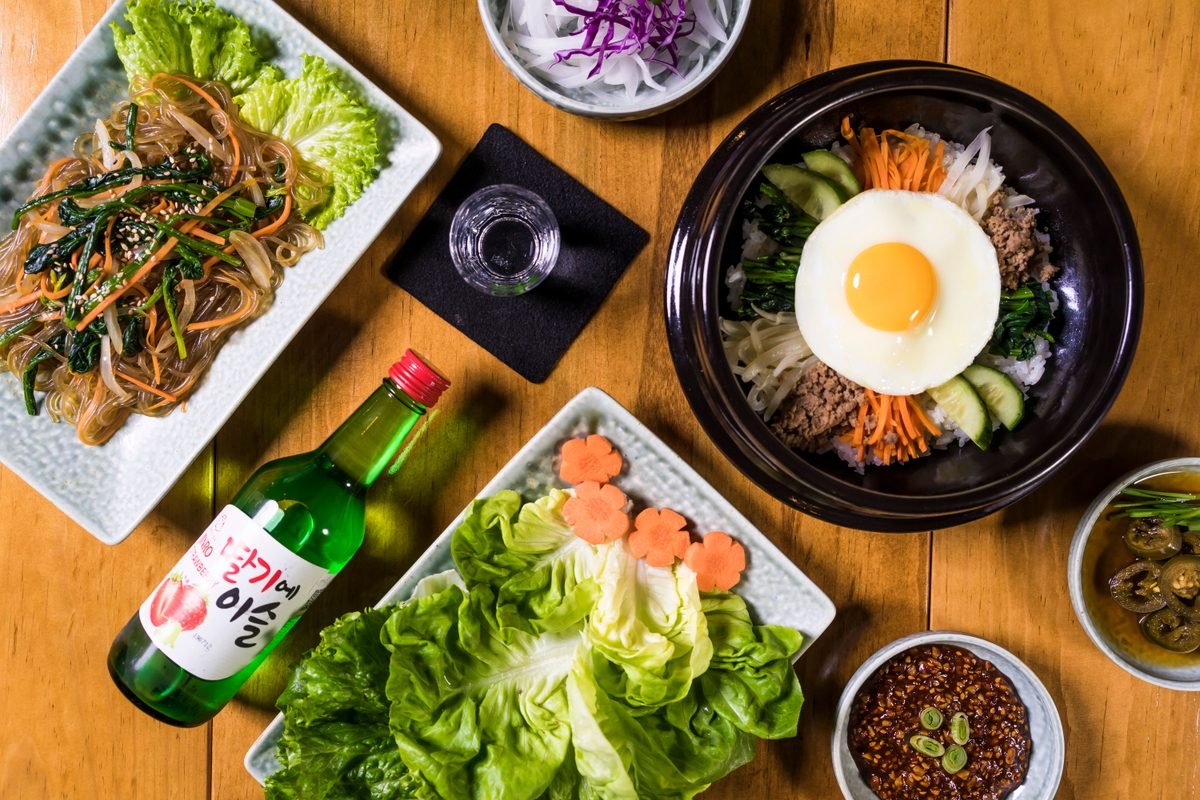
The food in a Jeonju makgeolli house is designed to complement the fermentation of the wine. In your first round, expect ‘light’ starters. This usually includes boiled quail eggs, acorn jelly (muk), seasoned seaweed, and perhaps some steamed corn. These are meant to line your stomach. As you move into the second kettle, the kitchen starts sending out hot dishes. You might get a steaming bowl of kimchi jjigae or a plate of kimchi-jeon (savory pancake). The contrast between the cold, fizzy wine and the hot, spicy soup is the core of the experience. It is a balance of temperatures and textures.
By the time the third kettle arrives, the table is usually a puzzle of overlapping plates. This is when the ‘specialties’ appear. In Jeonju, this often means samhap—a combination of fermented skate, boiled pork belly, and aged kimchi. It is a pungent, challenging dish that locals love. If you aren’t feeling brave, there are usually plenty of other options like grilled mackerel or spicy stir-fried pork. The beauty of the system is that you don’t have to choose; the food just appears. It is a great way to try things you would never think to order from a standard menu.
One thing to keep in mind is that the food is shared. This isn’t a place for individual portions. You pick from the communal plates using your chopsticks. If you have specific dietary restrictions, like being a strict vegetarian, the makgeolli alley can be difficult. While there are many vegetable-based side dishes, fish stock and tiny shrimp are used in almost everything. If you are a seafood lover, however, you will be in paradise. The variety of shellfish, dried fish, and raw preparations is immense. The food is salty and bold, designed to make you thirsty for more of that sweet rice wine.
Makgeolli Etiquette and Pouring Rules
Drinking in Korea is a social contract with specific rules. The most important rule is: do not pour your own drink. This is considered poor form. Instead, watch your companions’ bowls. When a bowl is nearly empty, offer to refill it. Always use two hands when pouring for someone else, especially if they are older than you. Similarly, when someone pours for you, hold your bowl with both hands as a sign of respect. These small gestures go a long way in showing you understand the local culture. For more details on these customs, check out my Korean drinking culture guide.
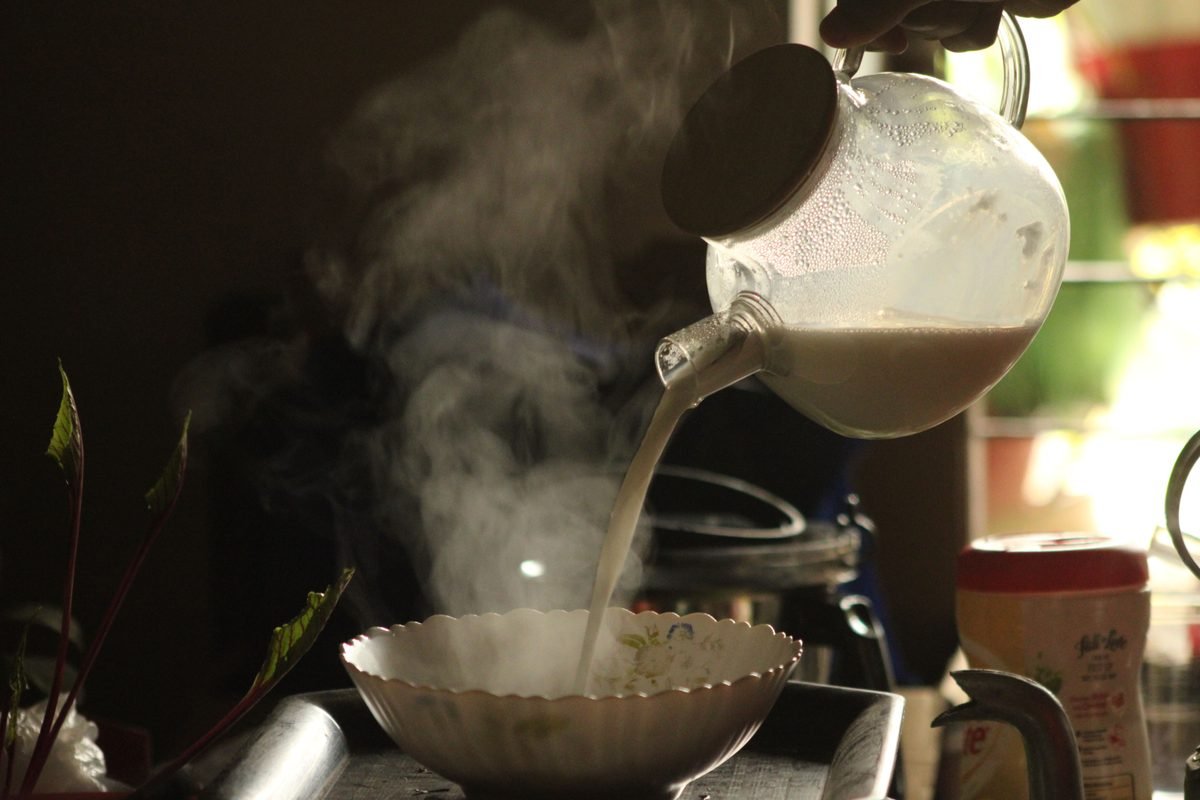
The vessel matters too. Makgeolli is almost always served in shallow brass or plastic bowls rather than glasses. Because the sediment settles at the bottom, you will often see locals gently shaking the bottle or stirring the kettle with a long spoon before pouring. If you are drinking the clear version, this isn’t necessary. When you toast, the word to use is ‘Geonbae!’ (pronounced gun-beh). It is customary to clink the rims of the bowls together. In Jeonju, the atmosphere is generally boisterous, so don’t be afraid to be a little loud with your cheers. It is a celebration of the day’s end.
If you are drinking with locals, you might notice people turning their heads away to take a sip. This is a sign of respect when drinking with someone of a higher social ‘rank’ or age. As a visitor, you aren’t strictly expected to do this, but doing it correctly will often earn you a smile and a nod of approval. Also, remember that the goal isn’t just to get drunk; it is to enjoy the pairing of the wine and the food. Pace yourself. With so many dishes arriving, it is easy to get full before the best food comes out in the later rounds. Take your time and enjoy the flow of the evening.
Tip: The Two-Hand Rule
Always use two hands when pouring or receiving a drink. It is the simplest way to show respect and is the cornerstone of Korean social drinking.
Clear vs Cloudy: Choosing Your Makgeolli Style
When the server asks what kind of makgeolli you want, you have a choice that will define your night. The standard ‘takju’ is the cloudy, milky version. It is rich, full-bodied, and contains all the probiotics and fiber from the rice. Many people find this version more flavorful, but it is very filling. If you plan on reaching the fourth or fifth kettle to see the premium side dishes, starting with the cloudy version can be a struggle. It feels like eating a bowl of rice with every drink. This is why many regulars eventually switch to the clear version.
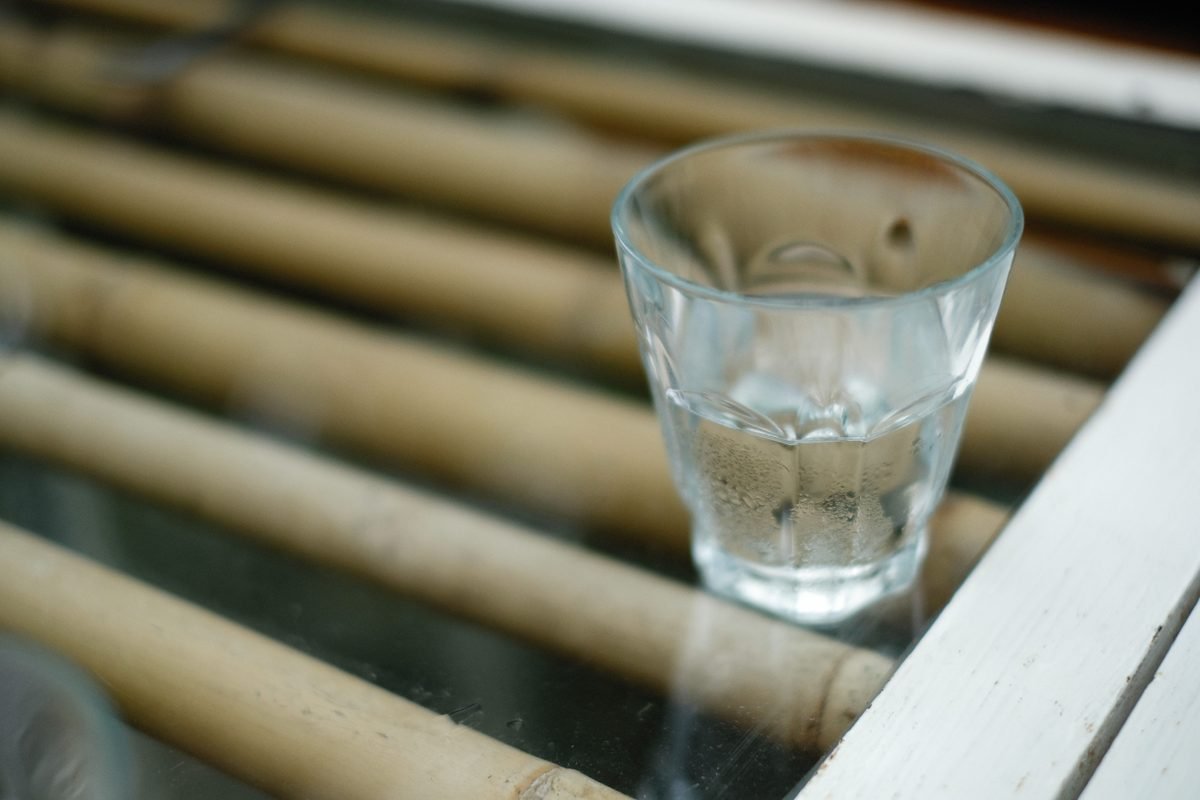
The clear version, ‘yakju’ or ‘malgeun-sul,’ is the liquid that rises to the top of the vat during fermentation. It is straw-colored and looks more like white wine or sake. It has a sharper, more refined acidity and lacks the thick mouthfeel of the cloudy version. It is much easier to pair with a long, multi-course meal. In Jeonju, you can simply tell the server ‘malgeun-geollo juseyo’ (please give me the clear one). Most shops will accommodate this without any extra charge. It is a sophisticated way to drink that many first-time visitors overlook.
There is also a third option in some specialized shops: flavored makgeolli. While the traditional alleys stick to the classic rice brew, you might occasionally find chestnut (bam) or corn (oksusu) makgeolli. These are much sweeter and have a distinct yellow tint. They are fun to try once, but they don’t always pair as well with the salty, spicy anju provided in the alleys. I recommend sticking to the house traditional brew for the most authentic experience. The house brew is usually made nearby and has a freshness that bottled versions from the supermarket can’t match. It is alive and continues to ferment in the kettle.
Logistics: Getting to Jeonju and the Alleys
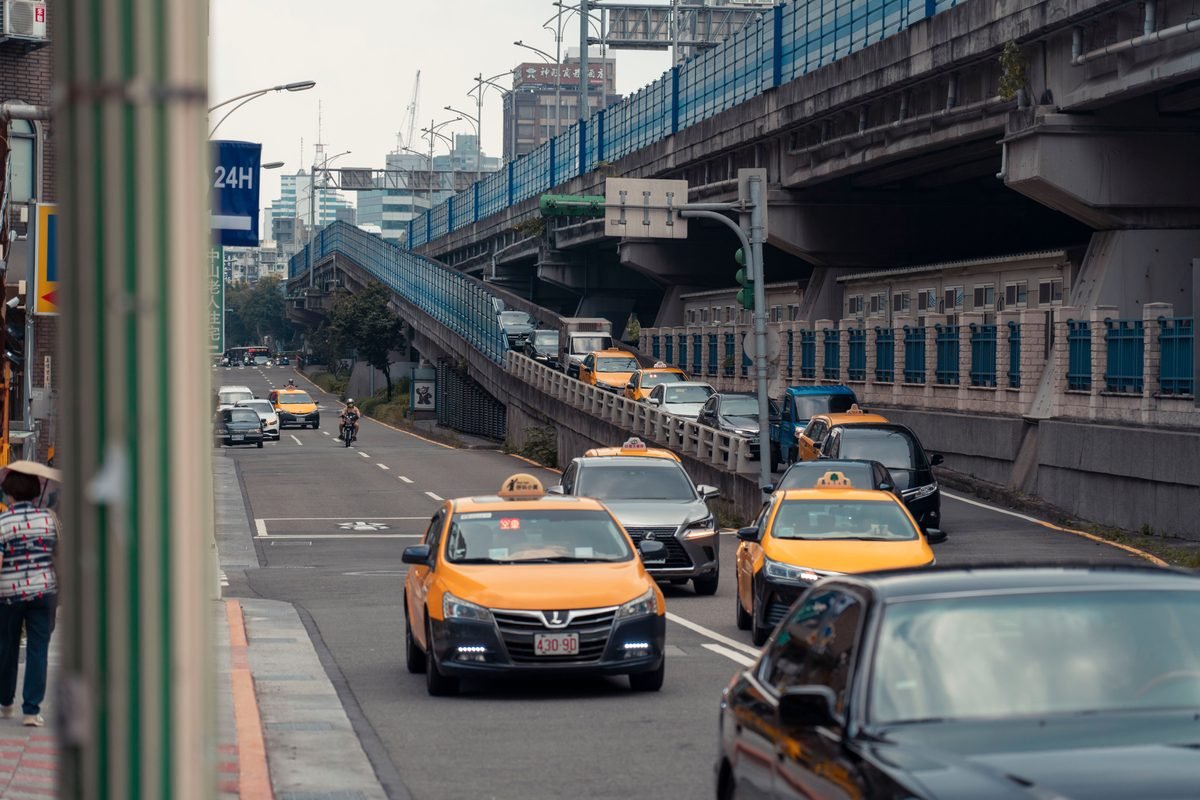
Jeonju is very accessible from Seoul, making it a popular weekend trip. The fastest way is the KTX train from Seoul Station or Yongsan Station. A standard seat costs about ₩31,600 (roughly $23) and takes about one hour and 45 minutes. You can read more about the process in my Seoul to Busan KTX guide, as the booking system is identical. Once you arrive at Jeonju Station, do not try to walk to the Hanok Village or the makgeolli alleys; the station is on the edge of town. Take a taxi from the rank right outside the exit.
If you are coming from other parts of Korea, the express bus terminal is also a central hub. From the Hanok Village, where most travelers stay, getting to the Samcheon-dong Makgeolli Alley is a simple 15-minute taxi ride. I don’t recommend taking the local buses for this specific trip unless you are very comfortable with the Korean transit apps, as the routes can be confusing at night. A taxi is affordable and much more efficient. Just show the driver the name of the alley or a specific restaurant on your phone. Most drivers in Jeonju are used to taking tourists to these spots.
For those staying overnight, which I highly recommend so you can drink freely, the city is very walkable once you are in a specific district. If you want to explore the historical side of the city before your drinking session, check out my Jeonju Hanok Village guide. The village is beautiful in the late afternoon, and you can easily catch a taxi from the main gate to the makgeolli alleys around 5:30 PM. This timing allows you to see the sunset over the traditional roofs before heading out for a heavy dinner. It is the perfect Jeonju transition from culture to culinary indulgence.
Book ahead: Book KTX in Advance
Jeonju is a top destination for domestic travelers. KTX tickets for Friday afternoons and Sunday evenings often sell out two weeks in advance, so book early on the Korail website.
What it costs in Jeonju
| Item | Local price | USD |
|---|---|---|
| First Makgeolli Kettle (with basic snacks) | ₩25,000 – ₩30,000 | ($18 – $22) |
| Additional Makgeolli Kettle (with better snacks) | ₩15,000 – ₩20,000 | ($11 – $15) |
| Taxi from Hanok Village to Samcheon-dong | ₩8,000 | ($6) |
| KTX Seoul to Jeonju (one way) | ₩31,600 | ($23) |
| Mid-range Hotel Night | ₩90,000 | ($65) |
| Total for a night out (per person in a pair) | ₩62,000 | ($45) |
Prices checked October 2026. Always confirm with the provider before you book.
Where to stay in Jeonju
Budget
Geumam-dong, near the Express Bus Terminal
This area is perfect for those arriving late or leaving early by bus. You will find many clean, no-frills business hotels and motels for roughly ₩50,000 ($36) per night.
Mid-range
Wansan-gu, near the Pungnammun Gate
This location puts you right between the Hanok Village and the local markets. It is a convenient base for walking to sights, with modern hotels priced around ₩90,000 ($65) per night.
Splurge
Hanok Village, for a traditional guesthouse
Sleeping on a heated floor (ondol) in a traditional wooden house is the quintessential Jeonju experience. Expect to pay ₩150,000+ ($108) for a high-quality, authentic stay.
Mistakes to avoid
- Ordering a full meal before going to a makgeolli house; the side dishes are enough for dinner.
- Going alone; the system is designed for groups of two or more, and some places may turn away solo diners during peak hours.
- Forgetting to shake the cloudy makgeolli; if you don’t mix it, you miss the flavor of the rice sediment.
- Taking a taxi to the wrong neighborhood; ensure you specify Samcheon-dong or Seosin-dong to the driver.
FAQ
Do I have to pay for the food separately in a Jeonju makgeolli house?
No, the food is included in the price of the makgeolli kettle. You only pay for the wine, and the side dishes are provided as an accompaniment (anju). Each subsequent kettle you order brings out more expensive and varied dishes.
Can I visit a makgeolli house if I don't drink alcohol?
It is possible, but the system is entirely based on ordering alcohol. You will still have to pay for the kettle to get the food spread. Some places might allow you to swap the makgeolli for soda, but it’s not the standard practice.
Is the food in the makgeolli alleys spicy?
Many of the dishes, like kimchi jjigae or spicy pork, have a significant kick. However, the spread is so large that there are always non-spicy options like boiled eggs, corn, and grilled fish available.