Namhae County Travel Guide: Road Trips & Coastal Peaks

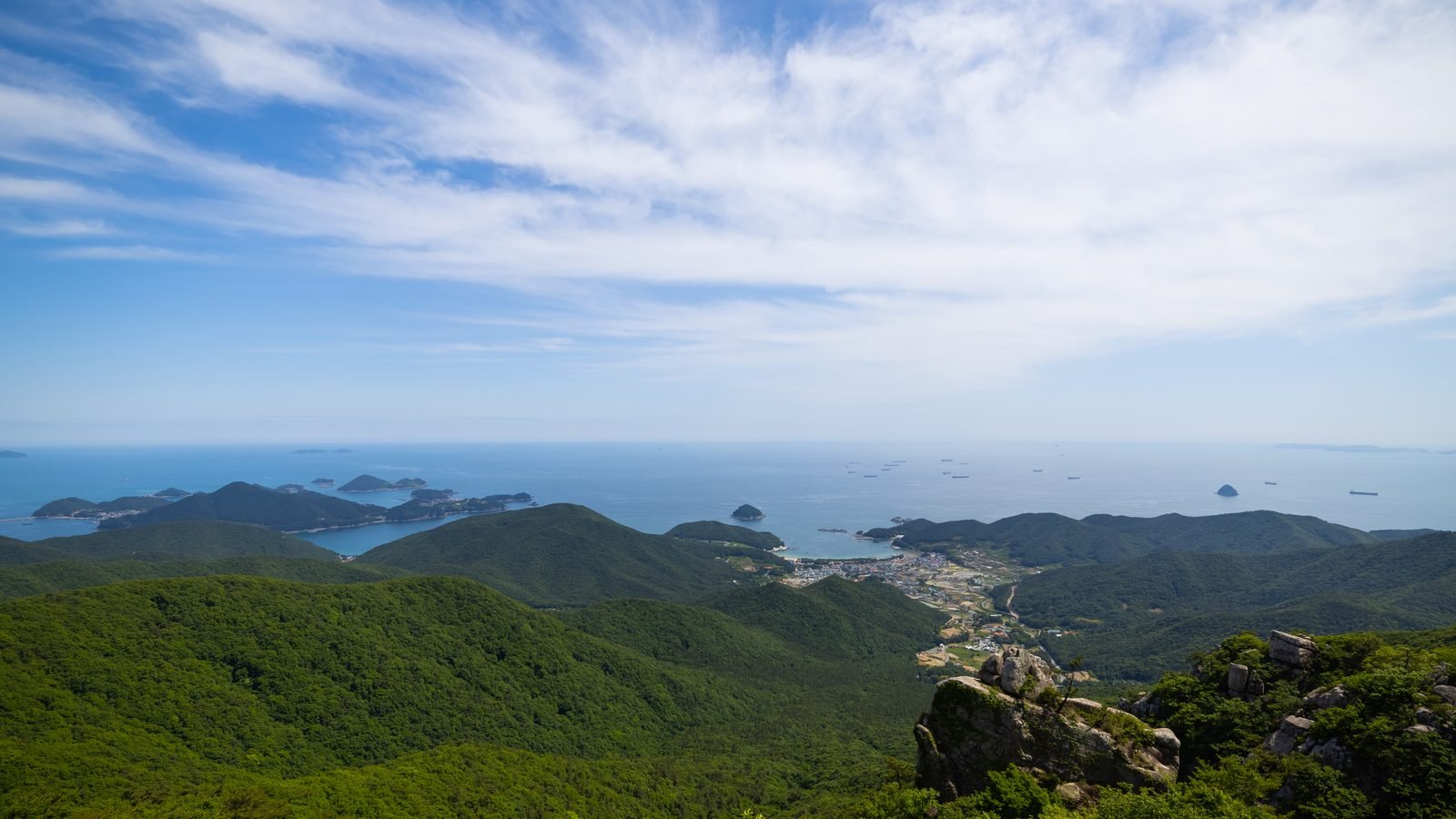
High above the South Sea, morning fog drifts past granite pinnacles on Geumsan Mountain, revealing island outlines scattered across blue water. Namhae County covers two large islands and dozens of tiny islets attached to the southern edge of South Korea by long suspension bridges. I live in Seoul and head down to this coastline whenever I need clean ocean air, winding coastal roads, and quiet fishing ports far from subway crowds.
This guide helps independent travelers explore Namhae County on a self-drive trip. I will explain how to catch the KTX train to Jinju, pick up a rental car, hike to the cliffside Boriam Temple, walk through the terraced rice fields at Darangee, and order a bowl of local anchovy stew.
How to get to Namhae County by KTX and rental car
Getting to rural coastal Gyeongsangnam-do is straightforward if you mix high-speed rail with a local rental car. Take the KTX train from Seoul Station or Yongsan Station directly down to Jinju Station. The train journey takes roughly three hours and fifteen minutes, with standard adult tickets costing about ₩53,000 (about $40) one way. Booking your seats a few weeks in advance via the official Korail+ app ensures you secure a window seat facing forward. If you plan to travel across multiple regions on your trip, review how to use a Korail Pass as a foreigner before buying single tickets.
Once you step off the platform at Jinju Station, walk directly to the rental desks outside the station exit. Operating your own vehicle is by far the best way to explore the county. Local buses run infrequent schedules between small coastal hamlets, making public transit frustrating for short trips. Major domestic rental companies like Lotte Rent-a-Car and SK Rent-a-Car operate directly out of Jinju. Read my practical advice on how to rent a car in South Korea as a foreigner to make sure you have your international driving permit and credit card ready before arriving.
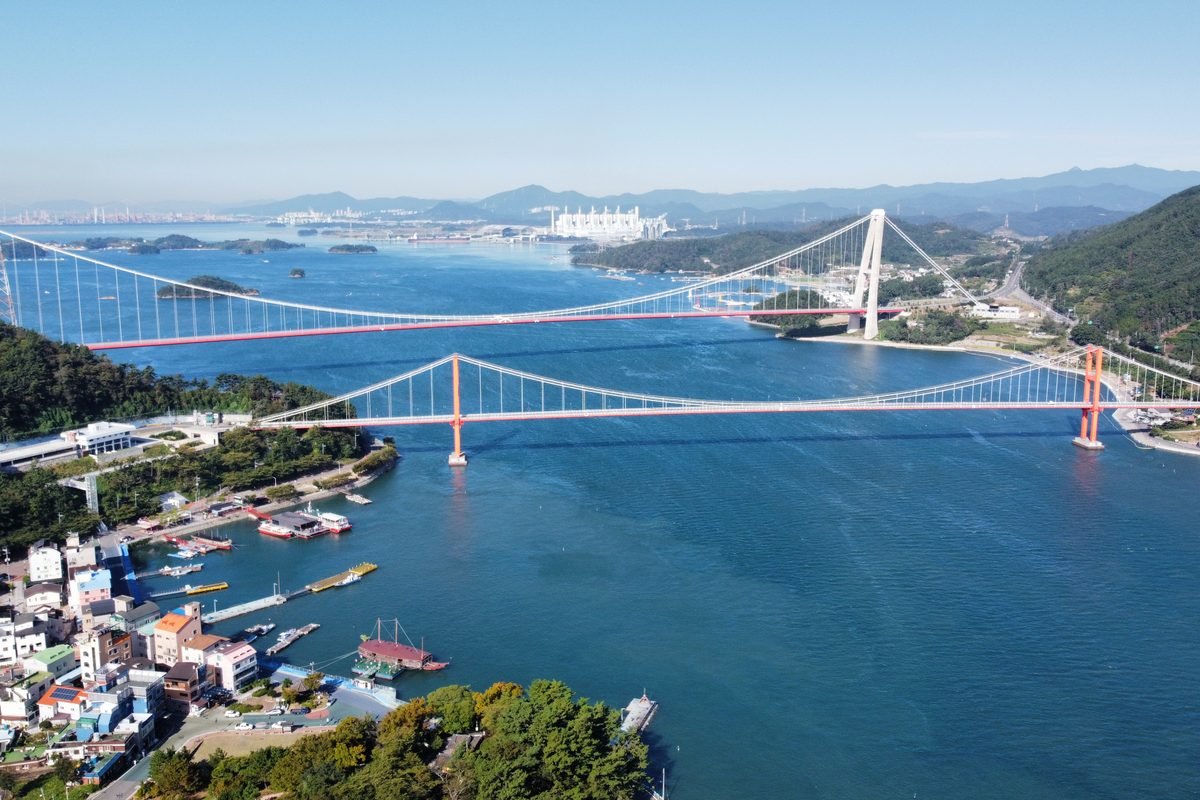
From Jinju Station, drive south on National Route 3 for roughly forty minutes and you cross the Changseon-Samcheonpo Bridge onto the eastern islands of the county. The red Namhae Bridge is a different approach: take the Namhae Expressway west, then come down National Route 19 through Hadong. Either bridge puts you on the island from the mainland. The roads are impeccably paved and easy to navigate with in-car GPS navigation. Gas prices across rural South Korea average around ₩1,850 (about $1.40) per liter for regular petrol. Driving yourself gives you complete freedom to stop at quiet coves, fruit stands, and mountain lookouts whenever you spot an interesting view.
Tip: Station Pickup
Pick up your rental car directly at Jinju Station to avoid heavy city traffic in larger hubs like Busan or Changwon.
When to visit Namhae County
Seasonal shifts alter the landscape in this southern coastal district. Autumn, spanning October and November, offers the crispest sky and most comfortable driving weather. Daytime temperatures stay around 15°C to 20°C (59°F to 68°F), ideal for hiking up Geumsan Mountain without overheating. Harvest season turns the terraced hillsides golden, while local persimmon trees heavy with orange fruit line the country roads. October is my personal favorite month to visit.
Spring brings brilliant cherry blossoms in April, lining the coastal drive along Highway 1024. Pink petals fall directly onto the blue water along the steep shoreline. May is equally pleasant, bringing fresh greenery and clear visibility across the bay before summer humidity sets in across the peninsula.
Summer runs from July through August, bringing hot weather averaging 28°C to 32°C (82°F to 90°F) alongside high humidity. Beachgoers flock to Sangju Silver Sand Beach and Songjeong Solbaram Beach during July and August. However, summer also brings frequent monsoon downpours and occasional typhoons, which can cause rockfalls or heavy fog on narrow coastal passes. Winter between December and February stays relatively mild compared to Seoul, rarely dropping below freezing during the day. Ocean winds feel bitey along unshielded cliffs. If you visit in late autumn or early spring, pack light layers, sturdy walking shoes, and a light windbreaker for coastal cliff walks.
Hiking Geumsan Mountain and visiting Boriam Temple
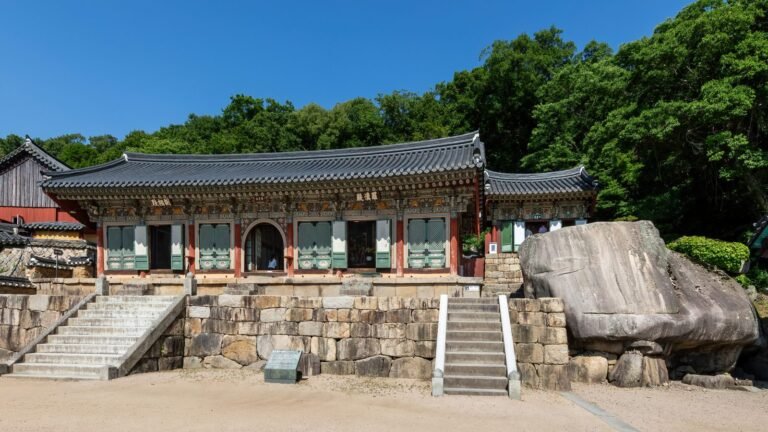
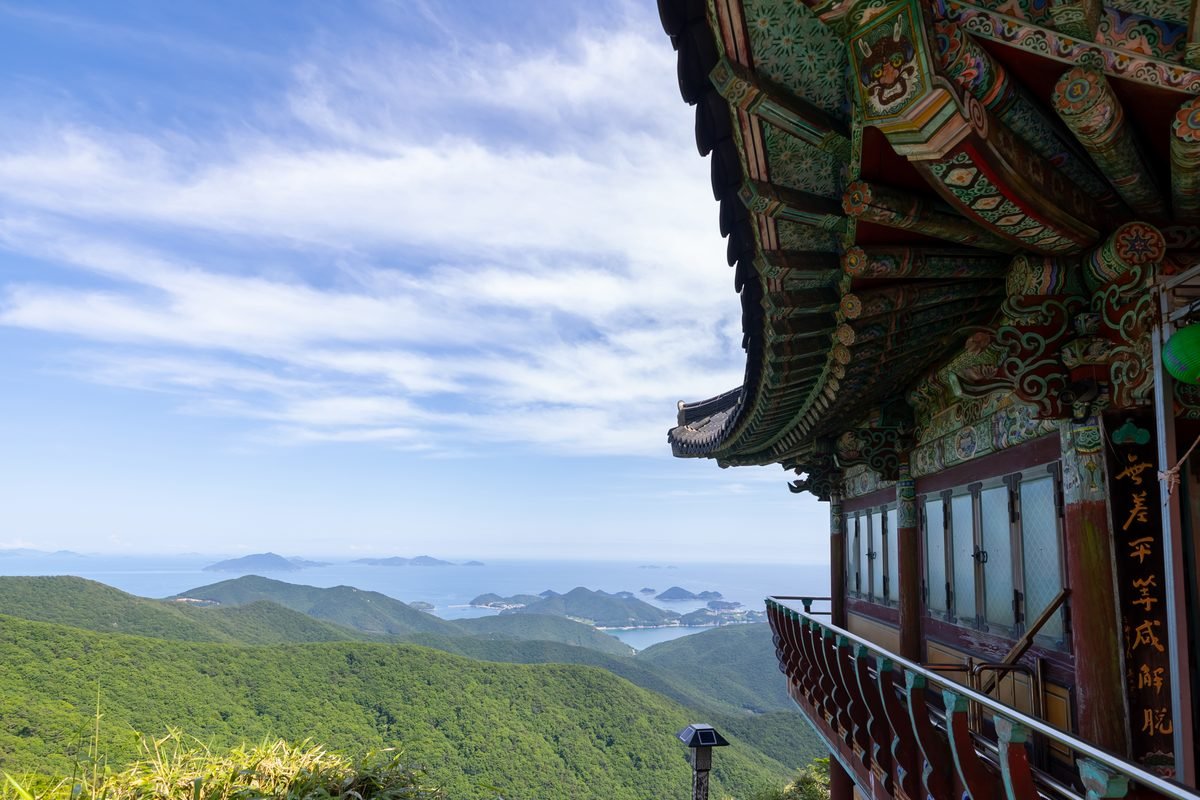
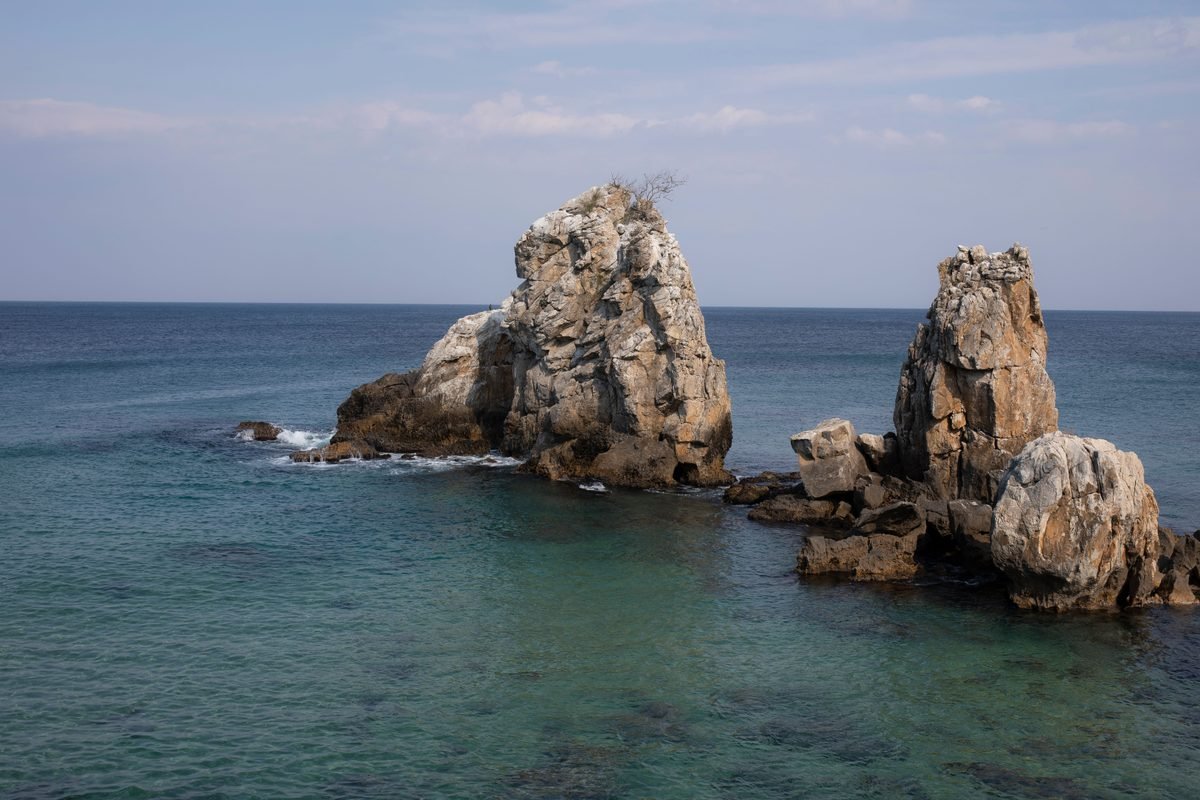
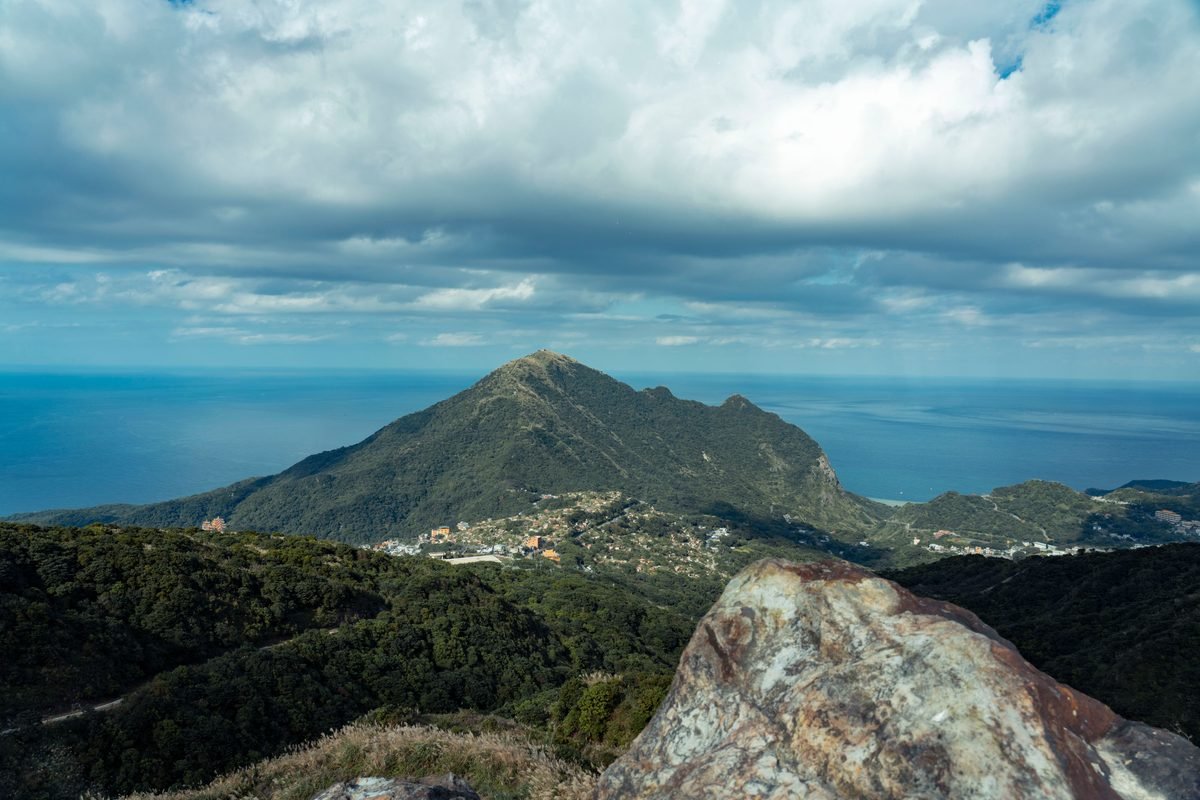
Boriam Temple sits on a steep ledge near the peak of Geumsan Mountain, looking over the blue waters of the South Sea. Founded in 683 AD by the monk Wonhyo, it remains a famous prayer site. Getting there requires making a choice at the base of the mountain. You can park at the lower lot and take the steep two-hour hiking trail up through the forest, or drive up the narrow access road to the upper parking lot.
The upper lot charges a parking fee of ₩5,000 (about $3.75). During busy weekends, private cars are held at the bottom, and visitors must ride the village shuttle bus for roughly ₩3,200 (about $2.40) round trip. From the upper lot, an asphalt path climbs steadily for fifteen minutes to the temple entrance. Entry to Boriam is free.
The path emerges onto stone staircases wedged between jagged granite rocks. The main courtyard features a large standing granite Buddha statue looking directly out across the maze of offshore islands. Early mornings offer mist swirling around the rock spires, creating an impressive atmosphere. Just above the main temple complex sits the Geumsan Mountain Hut (Geumsan Sanjang). This small wooden shelter serves simple bowls of hot cup ramen for about ₩3,000 (about $2.25) and cold soft drinks. Sitting on a wooden bench at the edge of a sheer cliff, eating hot noodles while gazing down at the coastline, is a memorable moment. Plan for at least two to three hours here to explore the stone shrines, pavilions, and nearby rock formations without rushing.
From a local: Cliffside Noodle Break
Order a bowl of hot cup ramen at Geumsan Sanjang near the summit for one of the best lunch seats on the island.
Exploring Darangee Village and rural coastal roads
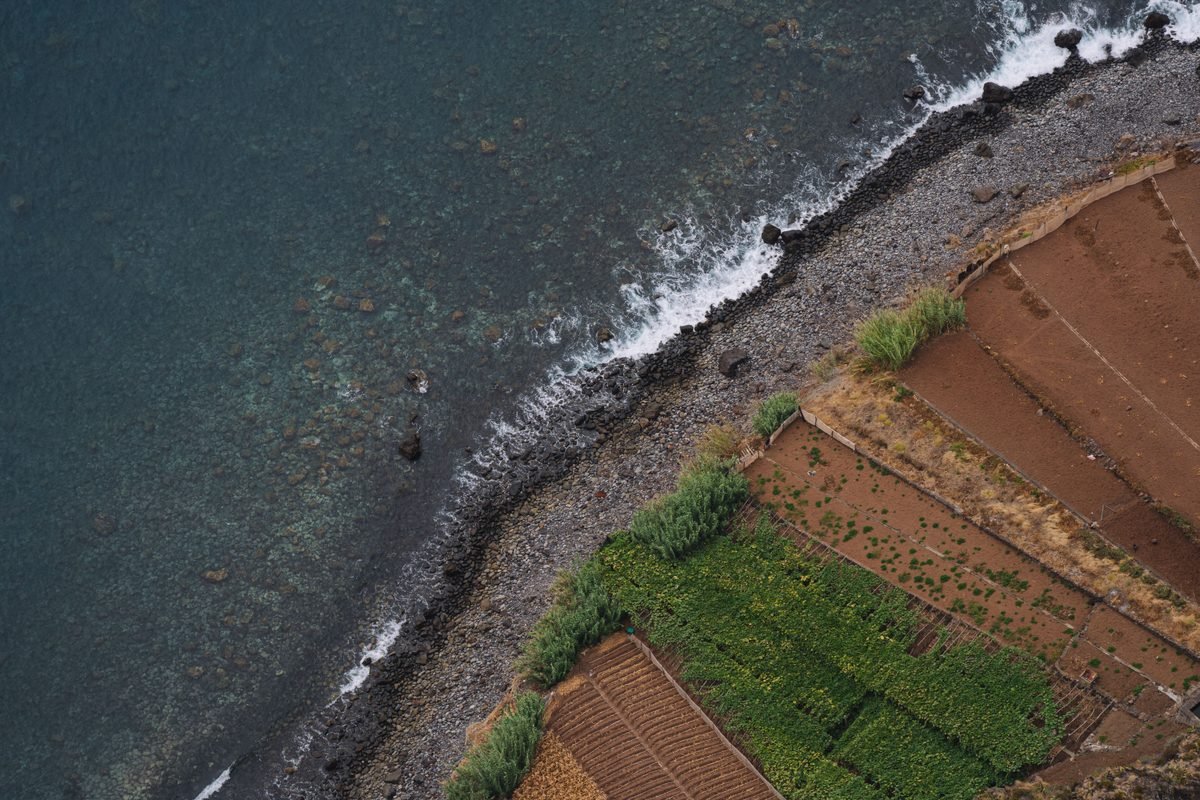
On the southwest tip of the island lies Darangee Village, locally known as Gacheon Darangee Maeul. Here, generations of farmers hand-carved more than one hundred steep terraced rice paddies down a mountain slope ending at ocean cliffs. The village slopes steeply toward the crashing waves below. Walking through the narrow alleyways takes you past slate-roofed cottages, stone walls, small cafes, and gardens filled with garlic and spring onions.
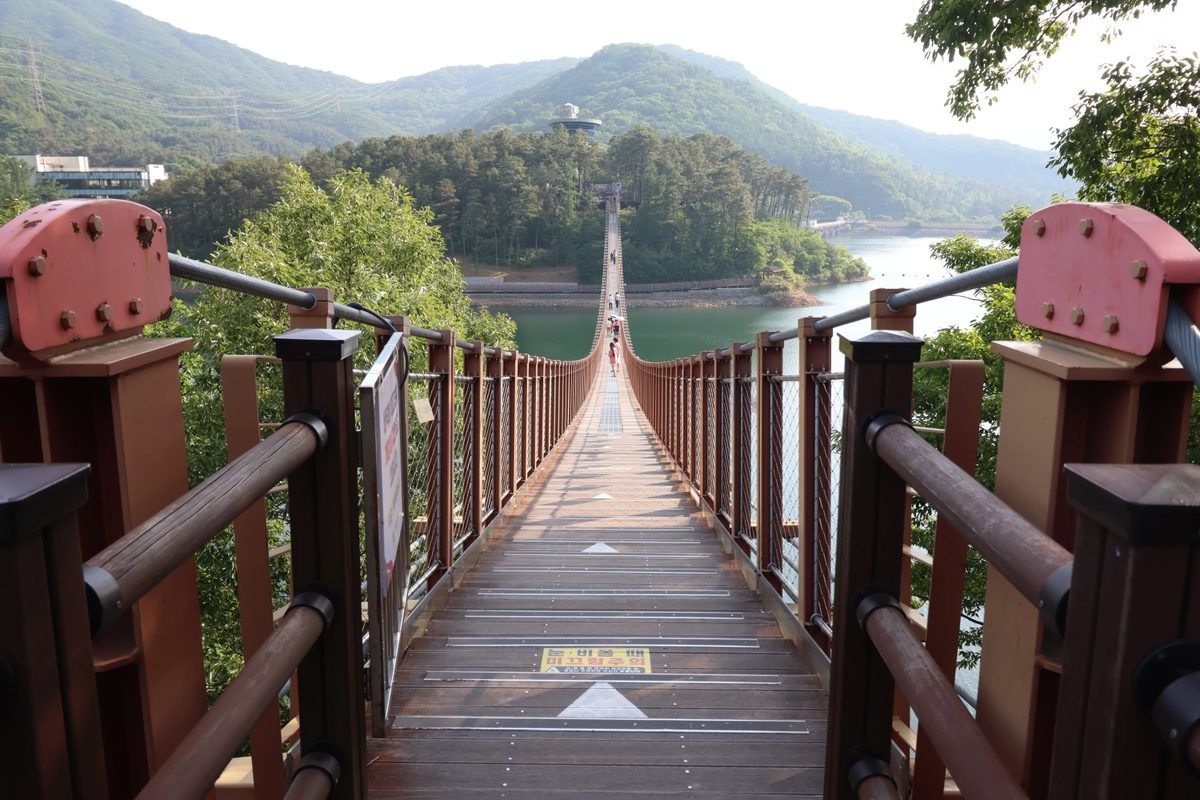
Park your car in the designated public lots along the upper main road. Driving inside the village itself is impossible due to tiny footpaths. Parking is free there. Follow the paved walking path down to the ocean edge, where a wooden suspension bridge spans a rocky gorge above the crashing foam. In late spring, the flooded terraces reflect the sky like mirrors. By late summer, they turn vibrant green, and autumn brings warm golden rice stalks ready for harvest.
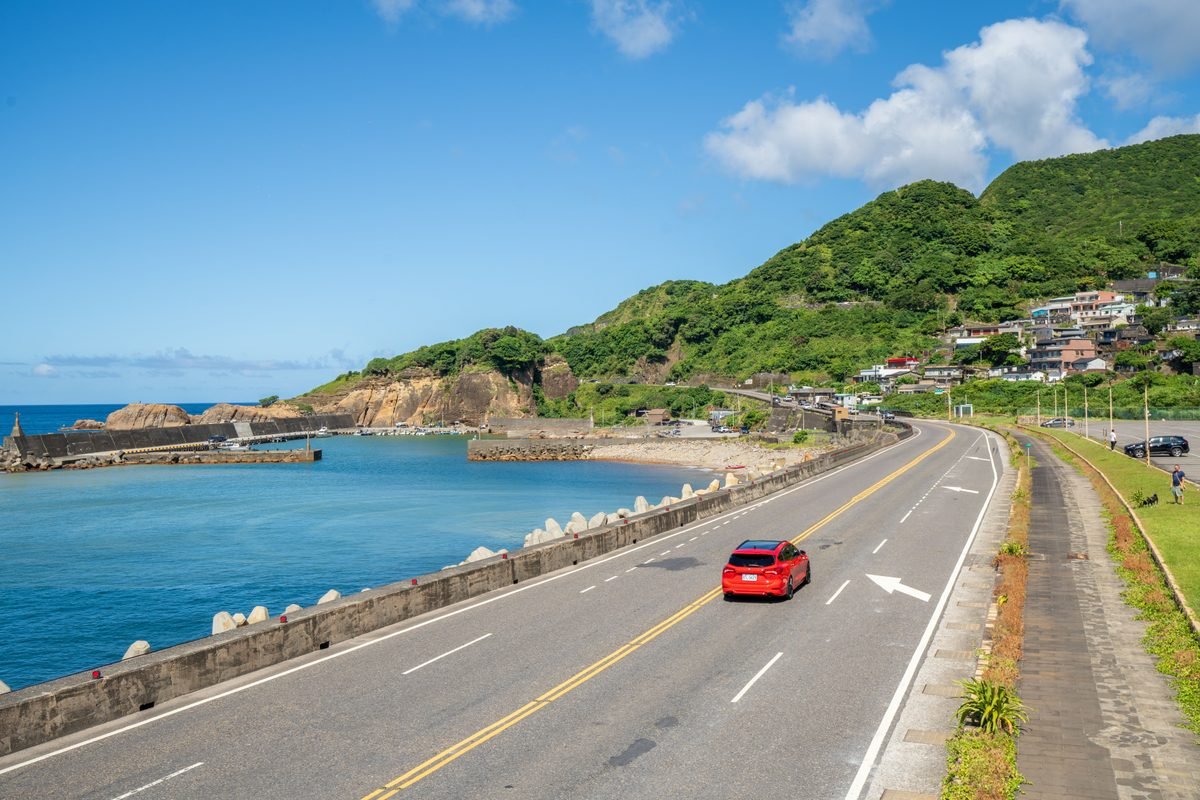
After exploring Darangee, drive along the southern loop road on Route 1024. This scenic coastal road hugs steep headlands, offering continuous views of quiet fishing harbors, oyster wooden racks floating in bays, and small pine groves. Traffic is light. Pull over at paved roadside rest stops to take photos or buy fresh local tangerines and garlic directly from farm stalls. To navigate these rural turns cleanly, ensure you rely on Naver Map vs KakaoMap for tourists rather than foreign map applications that lack updated driving lanes for rural South Korea.
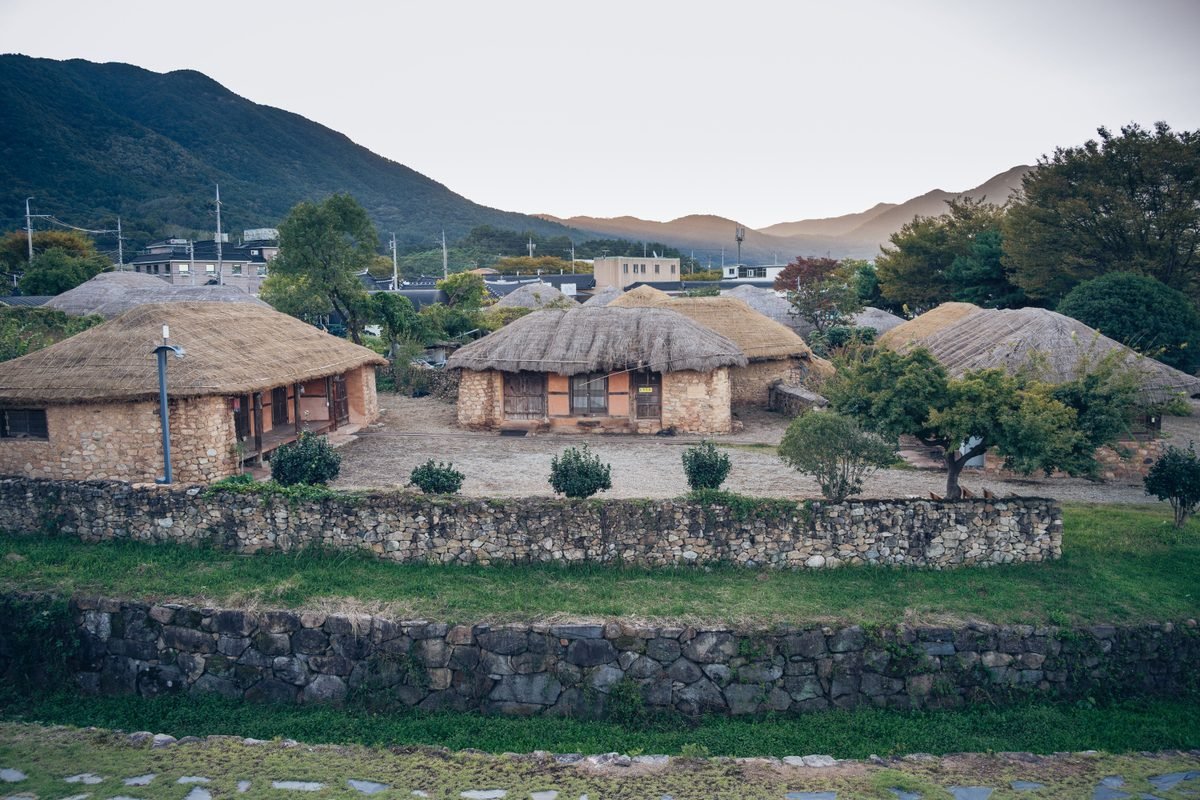
Where to eat local anchovy stew in Namhae
Food in this region revolves around fresh seafood, with raw anchovy dishes standing out as the ultimate regional specialty. In the fishing port of Jijok-ri, fishermen use traditional wooden V-shaped fish traps called jukbangryeom to catch ocean anchovies without damaging their scales. These plump, sweet anchovies form the foundation of myeolchi ssambap (braised anchovy wrap meal).
A typical order of myeolchi ssambap costs between ₩13,000 and ₩15,000 (about $9.75 to $11.25) per person. Cooks simmer fresh, full-sized anchovies in a stone pot filled with soybean paste, red chili powder, garlic, and fresh vegetables until thick and savory. To eat like a local, spoon the braised anchovy stew onto a fresh lettuce or sesame leaf, add a dollop of rice and fermented chili sauce, wrap it up, and eat it in one bite. The bones of these large anchovies are tender enough to eat whole.
If you prefer uncooked fish, try myeolchi hoe-muchim, a dish of raw anchovies tossed with crunchy cabbage, Korean pear, and a spicy-sour vinegar dressing for roughly ₩30,000 (about $22.50) for a shared plate. For non-seafood eaters, local restaurants also specialize in Namhae garlic-fed pork belly and grilled fish sets served with abundant seasonal side dishes. Head to Samdong-myeon or the harbor front at Jijok-ri around noon to find regional eateries packed with local drivers and seafood lovers.
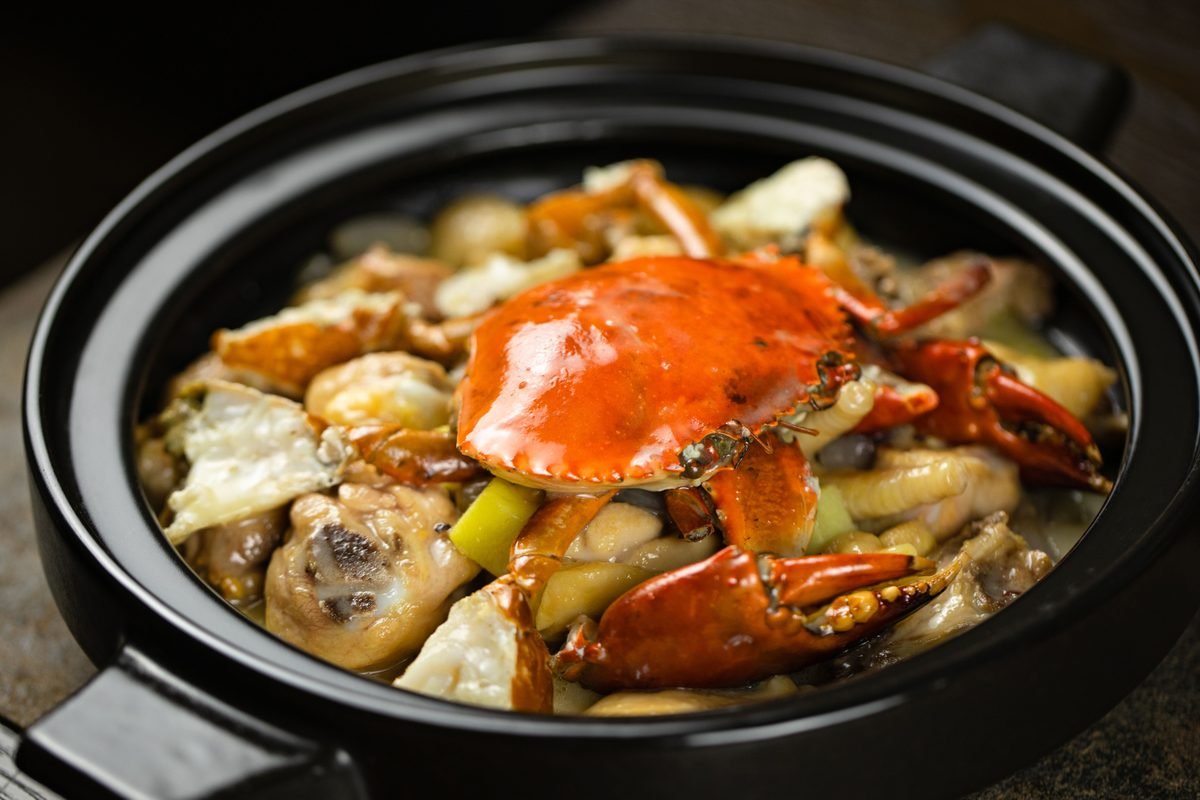

Heads up: Seasonal Freshness
Fresh anchovy harvesting runs from spring through late autumn. Winter visits may mean frozen fish in some smaller village kitchens.
Practical tips for driving in rural Namhae
Navigating rural roads in southern Gyeongsang Province is relaxing, provided you prepare for minor local quirks. First, rural speed cameras are abundant. Speed limits shift frequently from 60 km/h on open coastal strips down to 30 km/h through small villages and school zones. Korean navigation apps issue loud audio chimes whenever a camera approaches, so pay close attention to the visual alerts on your screen.
Gas stations are plentiful along main roads, but smaller village stations close early around 19:00. Fill up your tank early near Jinju or Namhae Town before heading out to remote southern capes for the night. Payment at gas pumps requires a card. Foreign credit cards work fine at automated self-service pumps if you select the English language toggle on screen.
Narrow village streets in spots like German Village (Dogil Maeul) or American Village can get clogged with tourist traffic on sunny afternoons. Always park in marked public lots on the edge of tourist sites rather than steering into residential alleys. Tunnels across the county are toll-free, though major bridges connecting to the mainland near Sacheon may carry minor toll fees around ₩1,000 to ₩2,000 (about $0.75 to $1.50). Keep a credit card handy in your door compartment to tap at automated toll gates. Watch out for slow-moving farm vehicles when rounding blind mountain curves along coastal routes.
What it costs in Namhae County
| Item | Local price | USD |
|---|---|---|
| KTX train ticket (Seoul to Jinju, standard seat) | ₩53,000 | (about $40) |
| Compact rental car (per day) | ₩65,000 | (about $49) |
| Regular petrol (per liter) | ₩1,850 | (about $1.40) |
| Boriam Temple upper parking fee | ₩5,000 | (about $3.75) |
| Geumsan Sanjang summit cup ramen | ₩3,000 | (about $2.25) |
| Myeolchi ssambap meal (per person) | ₩14,000 | (about $10.50) |
| Mid-range coastal pension (per night) | ₩110,000 | (about $82.50) |
Prices checked October 2026. Always confirm with the provider before you book.
Where to stay in Namhae County
Budget
Namhae Town, near the central bus terminal
Ideal for travelers who want easy access to local supermarkets, cheap eateries, and central island roads. Nightly rates for clean guesthouses and small motels range from ₩45,000 to ₩65,000 (about $34 to $49).
Mid-range
Sangju Beach, along the southern shore
Perfect for coast lovers wanting seaside walks, pine groves, and quick morning drives to Boriam Temple. Mid-range coastal pensions run between ₩90,000 and ₩140,000 (about $68 to $105) per night.
Splurge
German Village (Dogil Maeul) hill slope
Offers sweeping ocean views over East Yu-dong bay with architecture patterned after European cottages. High-end ocean-view pensions cost around ₩180,000 to ₩280,000 (about $135 to $210) per night.
Mistakes to avoid
- Relying on public buses to explore the county, which run only once every one to two hours between small hamlets.
- Driving down into the narrow residential alleys of Darangee Village instead of using the main upper road parking lots.
- Using Naver Map or KakaoMap for driving directions rather than Naver Map or KakaoMap, leading to missing new bypass bridges and coastal roads.
- Arriving at Jijok-ri for anchovy stew after 19:30, when most traditional local kitchens close up for the night.
FAQ
How many days should I spend exploring Namhae?
Two full days are ideal to drive the coastal loop, hike up to Boriam Temple, and explore Darangee Village without rushing. If you enjoy slow scenic drives and quiet beaches, three days allow extra time for remote capes and seafood markets.
Can I visit the area without renting a car?
While local intercity buses run from Jinju to Namhae Town, getting between coastal attractions like Boriam Temple and Darangee Village on public transit takes significant time. Renting a car from Jinju Station saves hours of waiting at rural bus stops.
What does myeolchi ssambap taste like?
The stew is rich, savory, and mildly spicy with a deep soybean flavor. The full-sized anchovies are tender and wrapped in sesame or lettuce leaves with garlic, rice, and chili sauce.