Shipping Unaccompanied Luggage to South Korea: A Guide

Shipping a 30kg trunk halfway across the world is often cheaper than paying airline excess baggage fees at the check-in counter. If you are moving to Seoul for a year or simply bringing more gear than a standard suitcase can hold, the air cargo system is your best friend. This process allows your belongings to travel as personal effects rather than commercial freight, which saves you a significant amount in import duties and taxes.
This guide covers everything you need to know about sending unaccompanied luggage to South Korea. I will explain how to handle the paperwork at Incheon International Airport, what the current fee structures look like, and the specific customs rules you must follow to avoid heavy fines. Whether you are a student, an expat, or a long-term traveler, these logistics will help you move your life across borders without the stress of carrying five suitcases through the subway.
How to send unaccompanied luggage to South Korea
The process of sending unaccompanied luggage to South Korea begins long before you board your flight. You must choose an air cargo service or a specialized international moving company in your home country. Most major carriers like DHL, FedEx, and UPS offer personal effects shipping, but smaller freight forwarders often provide better rates for large, heavy boxes. When you book the service, you must clearly label the shipment as “Unaccompanied Baggage” or “Personal Effects.” This distinction is vital because it signals to Korean Customs that these items are not for sale and should be eligible for tax exemptions under the moving goods category.
Once you drop off your boxes, the shipping company will provide you with an Air Waybill (AWB). Keep this document safe. It is your proof of ownership and contains the tracking number needed to locate your items once they arrive at the Incheon cargo terminal. Most air cargo takes between three and seven days to reach Korea. You should aim to have your luggage arrive either a few days before or a few days after you land. If it arrives too early, you will face daily storage fees at the airport warehouse. If it arrives too late, you might have to make a separate trip back to the airport to clear it through customs.
It is a simple process. However, the timing is everything. You must be physically present in South Korea to clear the goods. You cannot have the items cleared while you are still sitting in London or New York. The customs officers require your passport and your immigration entry record to verify your status. If you are planning a complex move, check our Korea Travel Budget Per Day to see how these shipping costs fit into your overall relocation or travel finances for 2026.
From a local: Local Shipping Secret
If you are shipping from within East Asia, look for ‘door-to-door’ specialized services which often include customs clearance in their flat fee, saving you a trip to Incheon.
Navigating customs declaration for personal effects
The most critical step in the entire process happens the moment you land at Incheon Airport. When you walk through the arrivals hall, you will see a desk for Customs Declaration. Even if you have nothing in your hands but a backpack, you must fill out the Customs Declaration Form for Personal Effects. On this form, there is a specific checkbox for “Unaccompanied Baggage.” You must check “Yes” and indicate how many pieces of luggage are arriving separately. If you walk through the “Nothing to Declare” green channel without marking this, you lose your right to the tax-free allowance for those shipped items.
After you hand the form to the officer, they will stamp it and return a copy to you or log it in their system. Do not lose that form. When your luggage eventually arrives at the cargo terminal, you or your agent will need to present this proof of arrival. For most travelers, personal effects are tax-exempt if they have been owned and used for at least six months and the total value does not exceed $800. However, if you are entering on a long-term visa (D-series, E-series, or F-series), your allowance for “moving goods” is much more generous, often covering used furniture and appliances without tax.
Be prepared for a physical inspection. Korean Customs is very thorough, especially regarding restricted items. If you are shipping electronics, ensure they do not look brand new in original packaging, as this might trigger a commercial tax. If you need help navigating the airport after landing, our Incheon Airport to Seoul Guide explains the layout of the terminals and where the administrative offices are located. Remember that the customs office for cargo is usually in a separate building from the passenger terminal, often requiring a short shuttle bus ride.
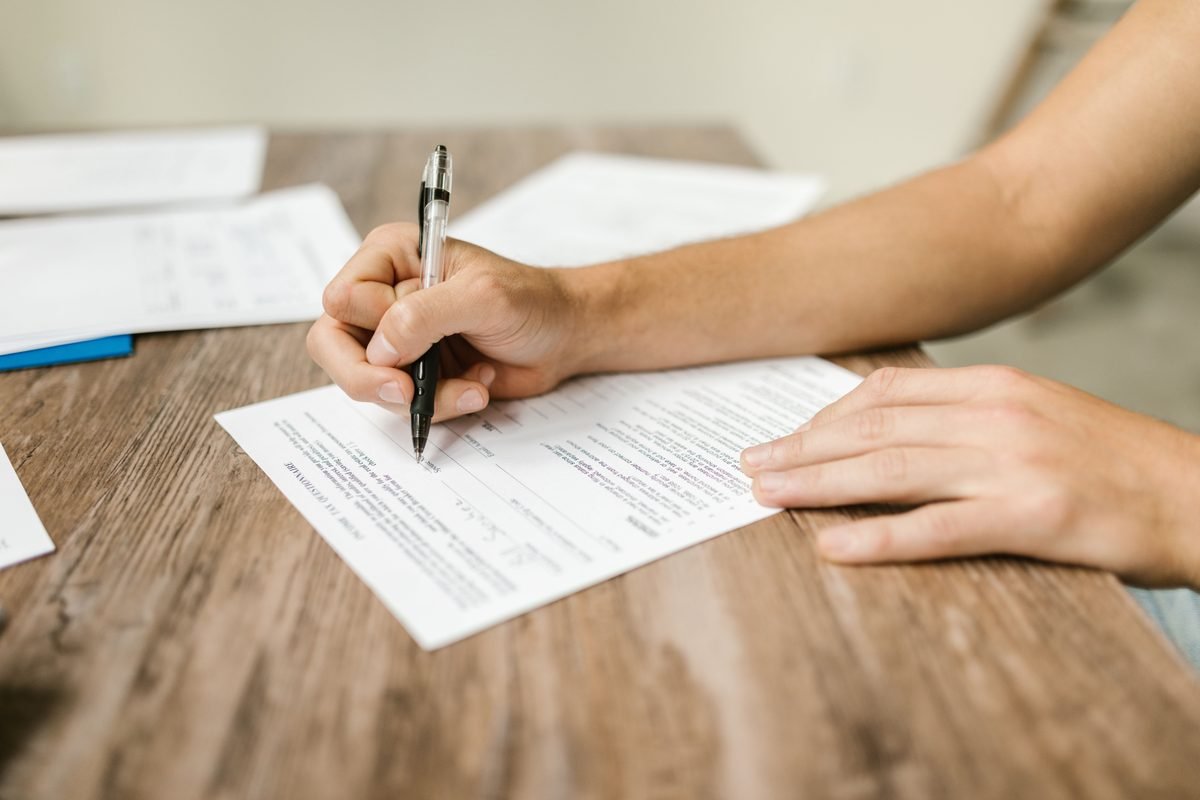
Heads up: The Golden Rule
If you fail to declare your unaccompanied luggage on your customs declaration form at the airport, you will likely be charged a 20% import tax on the estimated value of everything in the box.
Incheon airport baggage counters and pick-up
Once your tracking number shows that your boxes have cleared the initial flight manifest, they will be moved to a bonded warehouse. At Incheon International Airport, these warehouses are operated by companies like Hanjin Express (한진택배) or Korea Post. You will typically receive a text message or a phone call in Korean or English notifying you that your shipment is ready for clearance. If you are handling the pick-up yourself, you need to head to the Cargo Terminal area, which is distinct from the passenger wings of Terminal 1 and Terminal 2. You can reach this area via the airport shuttle bus or a taxi.
At the warehouse, you will first pay a handling fee and a storage fee. Handling fees are usually around ₩20,000 (about $15), while storage fees accrue daily. Most warehouses give you 24 to 48 hours of free storage, after which it costs roughly ₩10,000 (about $7.50) per day depending on the size and weight. After paying the warehouse fees, you take your paperwork to the onsite customs office. They will verify your passport and your arrival declaration. If everything matches, they will issue a release order. You take this back to the warehouse loading dock, and they will bring your boxes out to you.
If you do not have a car, you can arrange for a domestic courier to pick up the boxes from the warehouse and deliver them to your final address in Korea. This is a common service offered by Hanjin. They can ship a large 20kg box anywhere in the country for about ₩15,000 (about $11.25). This is often much easier than trying to fit a massive air cargo box into a standard taxi. For those looking for more help with local bags, see our guide on Does Korea Have Luggage Forwarding? which covers smaller-scale domestic moves.

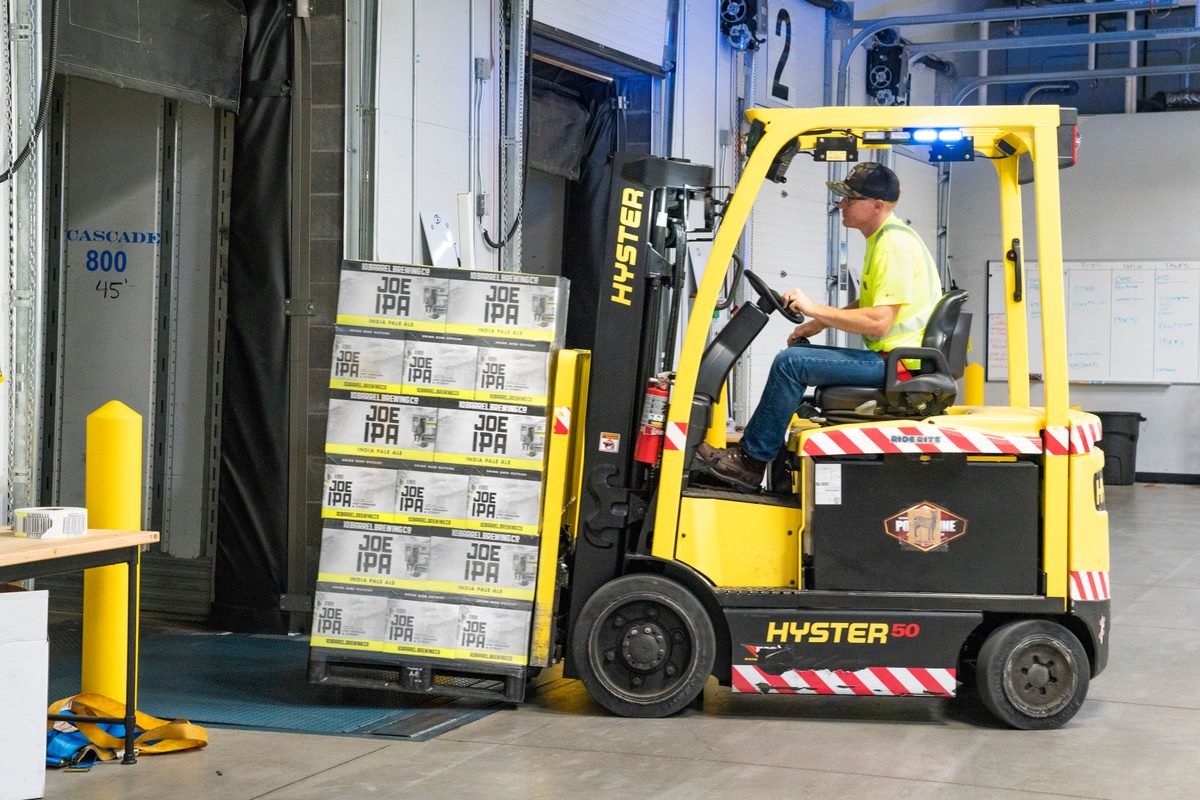
Book ahead: Warehouse Timing
Try to clear your luggage on a Tuesday or Wednesday. Warehouses are often backed up on Mondays with weekend arrivals, leading to longer wait times at the loading dock.
Sizing limits and fee structures for air cargo
Weight is the main factor when calculating air cargo costs. Most international services use a “chargeable weight” system, which is either the actual weight or the volumetric weight (Length x Width x Height / 5000), whichever is higher. For unaccompanied luggage, the most common box size is the “No. 5” or “No. 6” heavy-duty cardboard box. A No. 6 box is roughly 52cm x 48cm x 40cm. If you pack this box to the limit, it usually weighs between 20kg and 25kg. Shipping one of these boxes from the US or Europe to Korea typically costs between ₩160,000 and ₩220,000 (about $120 to $165) depending on the speed of the service.
In addition to the shipping freight, you must budget for the “landside” fees in Korea. These are the costs that the airline and the warehouse charge for the privilege of touching your box. Expect a documentation fee of about ₩35,000 (about $26.25) and a terminal handling charge. If your shipment is valued at over $2,000 or contains many different types of items, you might be required to hire a customs broker. A broker will charge a flat fee of around ₩50,000 (about $37.50) to handle the electronic filing for you. This is often worth the price to avoid the headache of navigating the Korean Customs Service portal, which can be technically challenging for foreign users.
Most boxes are standard sizes. If you are shipping something irregular, like a bicycle or a surfboard, the fees increase significantly because these items cannot be easily stacked on standard pallets. A bicycle in a proper shipping box can cost upwards of ₩300,000 (about $225) to ship via air cargo. Always double-check the maximum dimensions allowed by your chosen carrier, as anything exceeding 150cm in any single dimension may require a specialized “oversize” freight service that costs double the standard rate.
Prohibited items and packing requirements
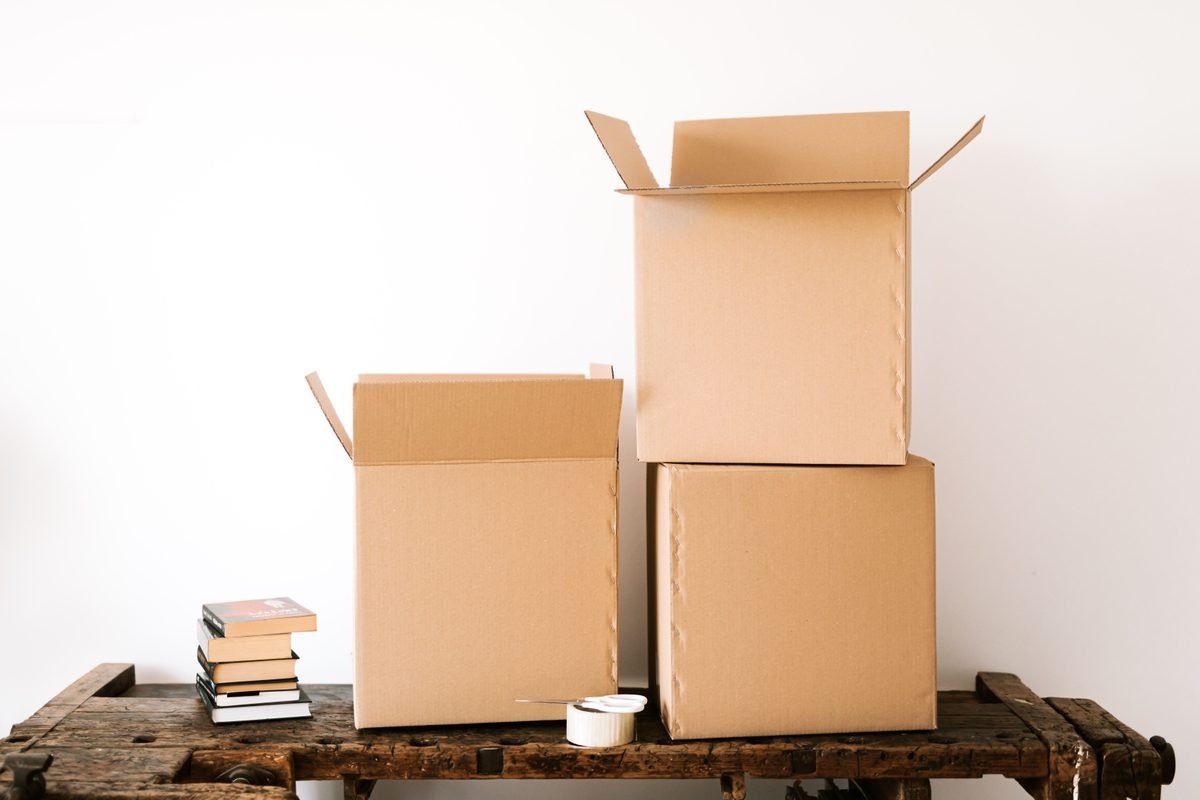
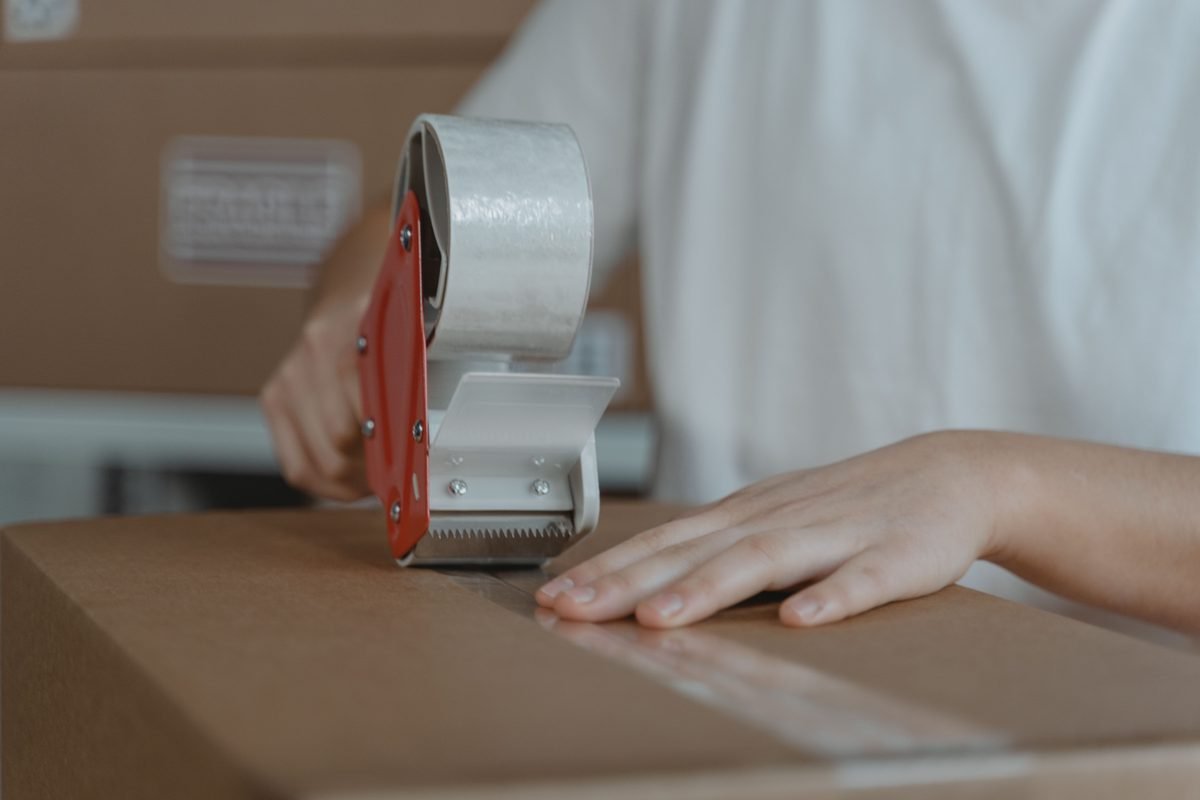
Packing for air cargo is different from packing a suitcase. Your boxes will be stacked, tossed, and possibly exposed to temperature fluctuations in a cargo hold. Use double-walled cardboard boxes and reinforce every seam with fiberglass-reinforced tape. Avoid using old grocery store boxes; they are too thin and will collapse under the weight of other shipments. Inside the box, wrap fragile items in multiple layers of bubble wrap and fill any gaps with packing peanuts or crumpled paper. If items can shift inside the box, they are likely to break during the flight.
The list of prohibited items for unaccompanied luggage is strict. You cannot ship lithium batteries, which means you must carry your laptop, power banks, and tablets in your carry-on luggage. Aerosols, perfumes, and flammable liquids like nail polish remover are also banned. Do not pack food items, especially meat products or fresh seeds, as these will trigger a mandatory quarantine inspection by the Animal and Plant Quarantine Agency. This inspection can delay your shipment by weeks and may result in a fine or the destruction of the entire box. Even dried spices can sometimes cause issues if they are not professionally sealed.
Labeling is your last line of defense. Write your name, Korean phone number, and destination address in both English and Korean on at least two sides of the box. Use a waterproof permanent marker. It is also a good idea to put a sheet of paper with your contact details inside the box, just in case the exterior labels are scraped off during transit. If you do not have a Korean phone number yet, use the number of a friend or your workplace, as the delivery drivers will not deliver the box without a confirmed phone call first.
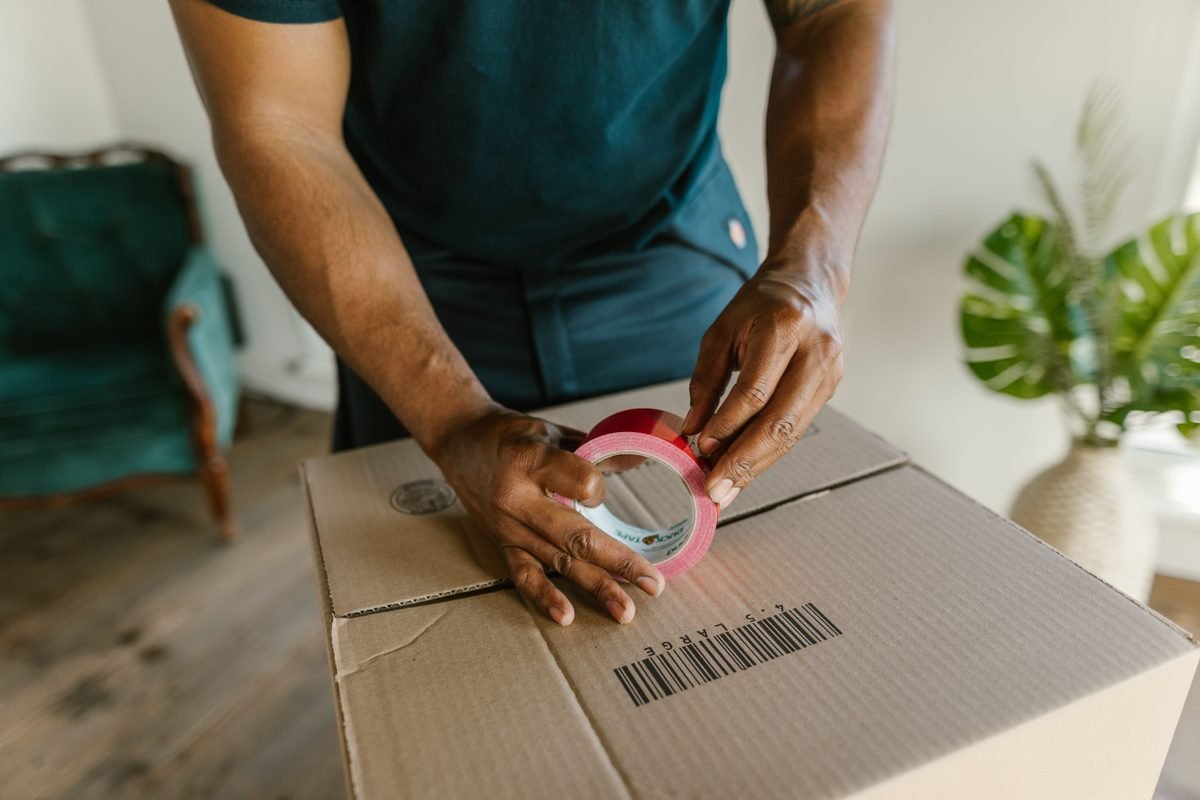
Tip: Battery Check
Double-check all electronics. Even a small rechargeable toothbrush or a wireless mouse contains a lithium battery that can cause your entire shipment to be rejected at the origin airport.
What to do if your luggage is delayed or missing
While the air cargo system is generally reliable, delays can happen due to weather, customs backlogs, or paperwork errors. If your tracking number has not updated in 48 hours, contact the airline’s cargo office at Incheon directly. Each airline has a dedicated cargo phone number. If the delay is on the Korean side, it is usually because the customs officers require more information about the contents of your box. They may send a notice to your provided address or call your Korean phone number. This is why having a working local SIM card immediately upon arrival is so important.
If a box arrives damaged, do not sign the release form at the warehouse until you have documented the damage. Take clear photos of the box from all angles before opening it. If items inside are broken, you must file a claim with the shipping company and the airline. Most air cargo comes with a basic level of insurance based on weight (usually around $20 per kg), but this rarely covers the full value of expensive items. If you are shipping high-value goods, it is always wise to purchase additional third-party insurance before the box leaves your home country.
In the rare event that a box is missing entirely, the airline will conduct a “ramp search” at both the origin and destination airports. This can take up to two weeks. If the box cannot be found, you will be asked to provide an itemized list of the contents and their original receipts to process a claim. To make this easier, take a photo of the contents of every box before you seal it. Having a visual record of what was inside—and how well it was packed—will significantly speed up any insurance payouts or customs disputes.
What it costs in South Korea
| Item | Local price | USD |
|---|---|---|
| Air Cargo Freight (USA/Europe to Korea) | ₩180,000 | ($135.20) |
| Incheon Warehouse Documentation Fee | ₩35,000 | ($26.28) |
| Warehouse Handling Fee | ₩20,000 | ($15.02) |
| Warehouse Storage (per day after 48h) | ₩10,000 | ($7.51) |
| Domestic Delivery within Korea (Large Box) | ₩15,000 | ($11.27) |
| Total Estimated for One 20kg Box | ₩260,000 | ($195.28) |
Prices checked October 2026. Always confirm with the provider before you book.
Mistakes to avoid
- Forgetting to check the unaccompanied baggage box on the customs declaration form at the airport.
- Packing lithium batteries or power banks in the shipped boxes.
- Using weak, single-walled cardboard boxes that collapse during transit.
- Not having a local Korean phone number for the delivery driver to call.
- Shipping food or meat products that trigger a quarantine delay.
FAQ
How long can I store unaccompanied luggage to South Korea at the airport?
Most bonded warehouses at Incheon Airport provide 48 hours of free storage. After that, you will be charged a daily fee based on the weight and volume of your boxes, typically starting at around ₩10,000 (about $7.50) per day.
Can I clear customs for my shipped bags at a local post office?
No, unaccompanied baggage sent via air cargo must be cleared at the port of entry, which is usually the Incheon Airport Cargo Terminal. You can hire a broker to do it for you, but the physical goods remain at the airport until cleared.
Do I need a special visa to ship personal effects to Korea?
No, anyone who has legally entered the country can ship unaccompanied luggage, but those on long-term residency visas (like D, E, or F visas) often qualify for higher tax-free allowances for used household goods.