Gangneung to Seoul KTX Guide: Booking, Fares and Station Tips

The sound of the East Sea waves usually stays with you until you step into the cool, circular lobby of Gangneung Station. After a few days of eating soft tofu and walking along the pine-fringed coast, the transition back to the capital starts right here on the edge of the city. The ride from Gangneung to Seoul is one of the most efficient journeys in the country, cutting through the granite spine of the Taebaek Mountains in just under two hours. It is a route I take whenever I need a quick escape from the Seoul humidity or a weekend of fresh salt air.
This guide is for independent travelers who want to navigate the return leg of their Gangwon-do trip without any stress. I will cover how to use the updated booking app, where to find the best coffee while you wait, and how to handle your bags so you aren’t dragging them through the station. Whether you are heading to the center of the city or catching a connection at Cheongnyangni, these practical details will help you move like a local.
How to book tickets from Gangneung to Seoul
Securing a seat on the KTX-Eum is the first step for a smooth trip. In August 2026, the national rail operator merged its booking systems into the Korail+ (코레일+) app, which is now the only official platform you should use. I recommend downloading it a few days before your trip to get familiar with the interface. Tickets go on sale exactly 30 days before departure at 10:00 AM. For a weekend return from Gangneung to Seoul, you really need to book at least a week in advance. Sunday afternoon trains often sell out completely by Friday morning because locals head back to the city for work. Check your seat number twice.
A standard adult ticket from Gangneung to Seoul Station costs ₩27,600 (about $20.70). If your final destination is in eastern Seoul, such as Dongdaemun or Seongsu, you can save a little money and time by booking to Cheongnyangni Station instead, which costs ₩26,000 (about $19.50). The app allows you to select your own seat from a digital map. I prefer the window seats on the left side when heading toward Seoul; you get a few final glimpses of the coast before the train plunges into the long tunnels. If you are traveling with a How to Use Korail Pass as a Foreigner (2026 Guide), you still need to use the app to reserve your specific seat, as a pass alone does not guarantee you a spot on a specific train.
Payment within the app is straightforward for most international cards, though you should ensure your bank’s 3D Secure verification is active. If the app feels finicky, you can visit the manned ticket window at the station. The staff there usually speak enough English to handle a basic transaction. Just keep in mind that by the time you reach the counter on a busy Sunday, the most convenient time slots might already be gone. Most trains leave on time.
Book ahead: Book Early for Weekends
Sunday afternoon tickets from Gangneung to Seoul are the most competitive in the country. Book exactly 30 days out if you want a specific time.
Navigating the Gangneung Station layout
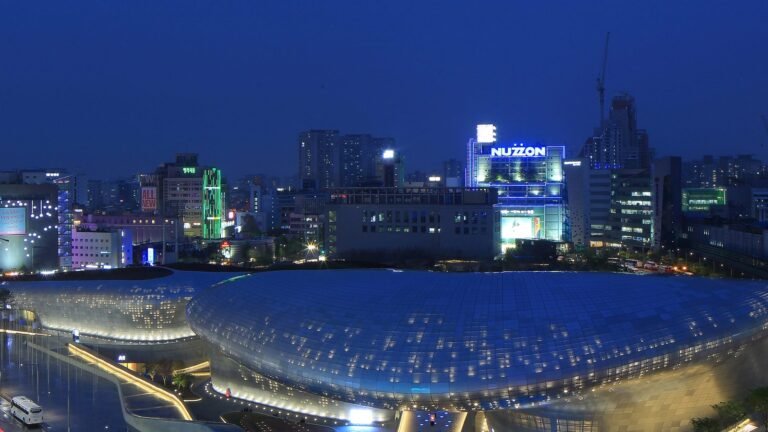
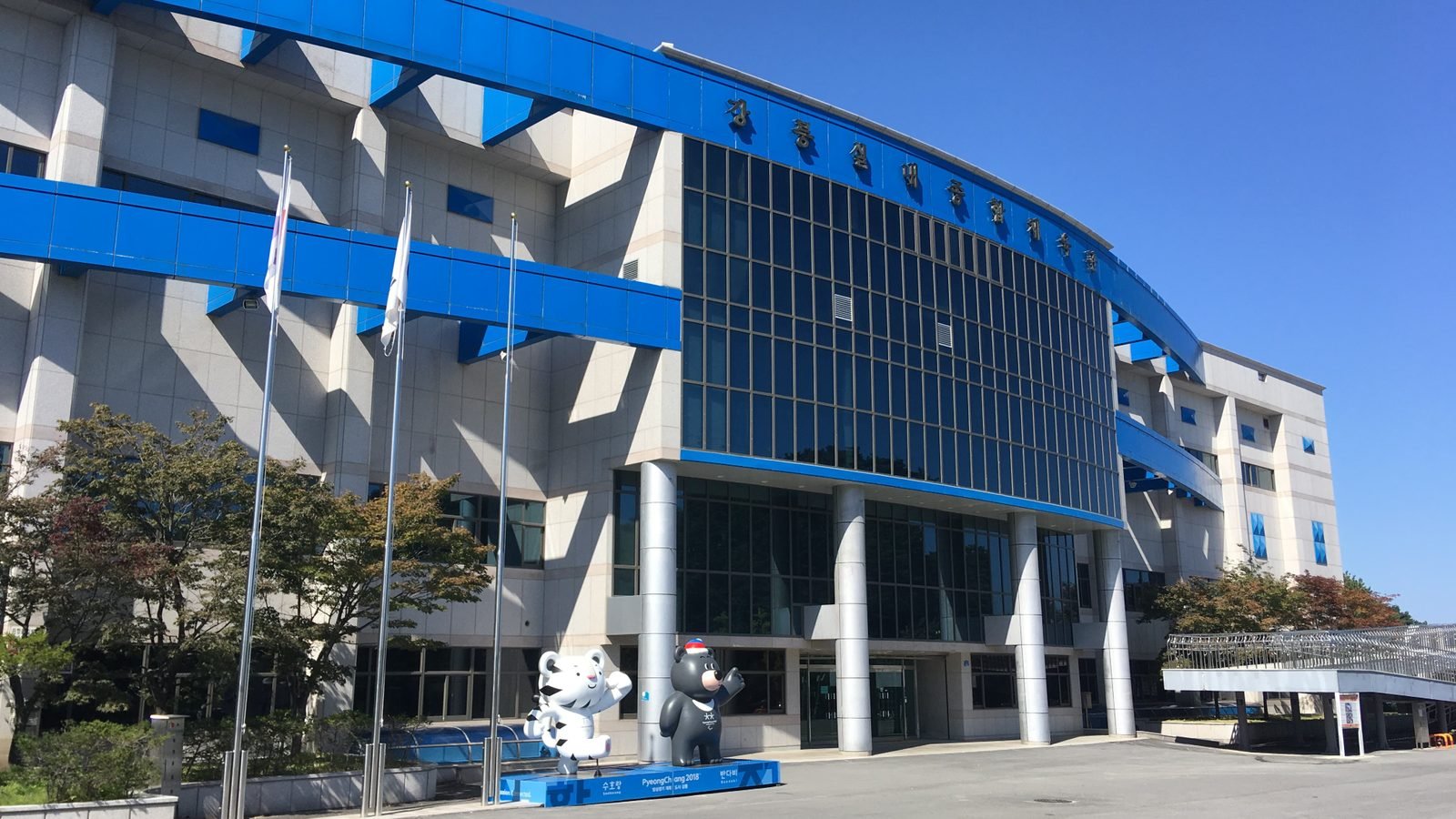
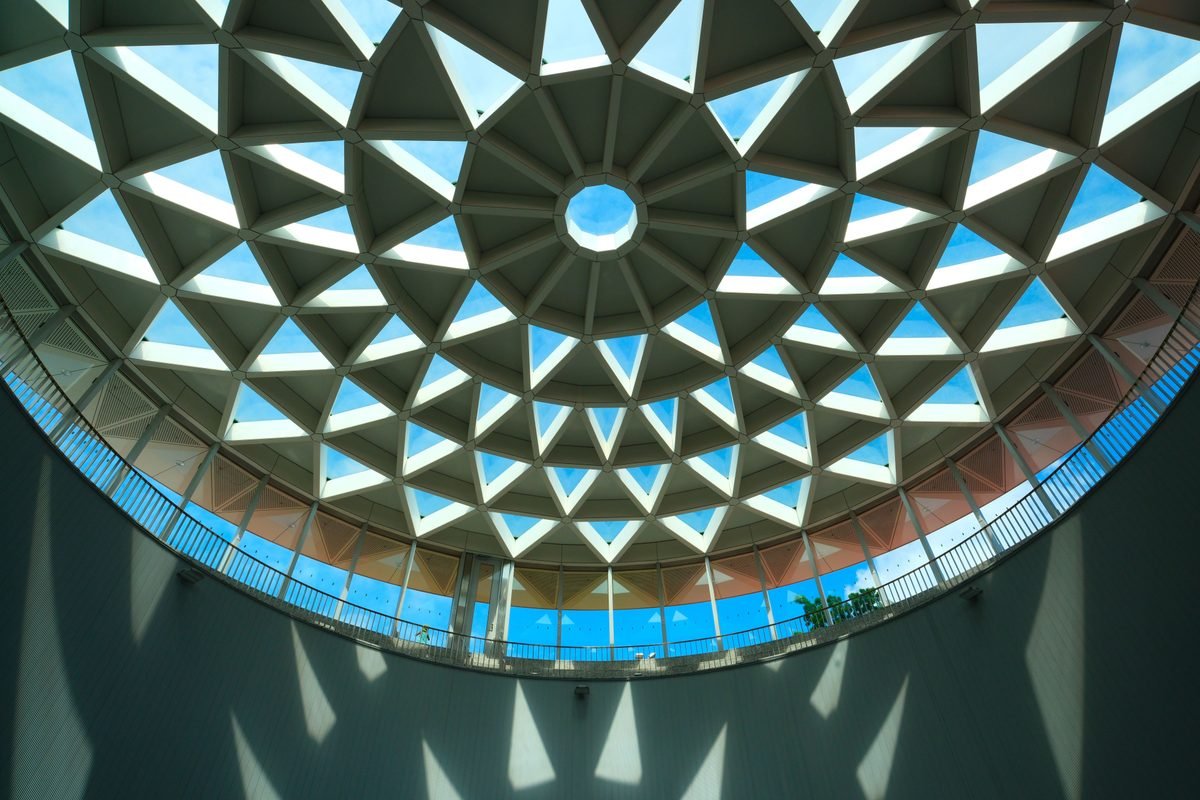
Gangneung Station is a relatively new facility, rebuilt for the 2018 Winter Olympics, and its architecture is quite distinct. The building is a massive, silver-clad ring that looks a bit like a landed spacecraft from the outside. Once you walk through the main doors, you will find yourself in a wide, sunlit concourse. The station is very easy to navigate. Everything you need—the ticket office, the restrooms, and the convenience stores—is located around the perimeter of this central circle. There is even a public piano in the middle of the hall that locals often play while waiting for their departure.
The platforms are located one level below the main concourse. You do not need to pass through a ticket barrier to reach the waiting area, but you must have a valid ticket or QR code ready for the staff who occasionally check on the platform. Escalators and elevators are clearly marked and located near the center of the ring. Usually, the train to Seoul departs from platforms 1 or 2, but always check the large digital hanging signs that list the train number and destination in both Korean and English. The station is compact, so you only need about five to ten minutes to get from the front door to your seat.
If you arrive early, the tourist information center near Gate 2 is a great resource. They have physical maps of the city and can help you call a taxi if you don’t have a local app. There are also plenty of benches scattered around the hall, though they fill up quickly in the thirty minutes leading up to a major departure. I like to stand near the glass walls on the south side of the building, which offer a view of the tracks and the surrounding hills. It is a calm place to organize your things before boarding.
Managing luggage and storage lockers
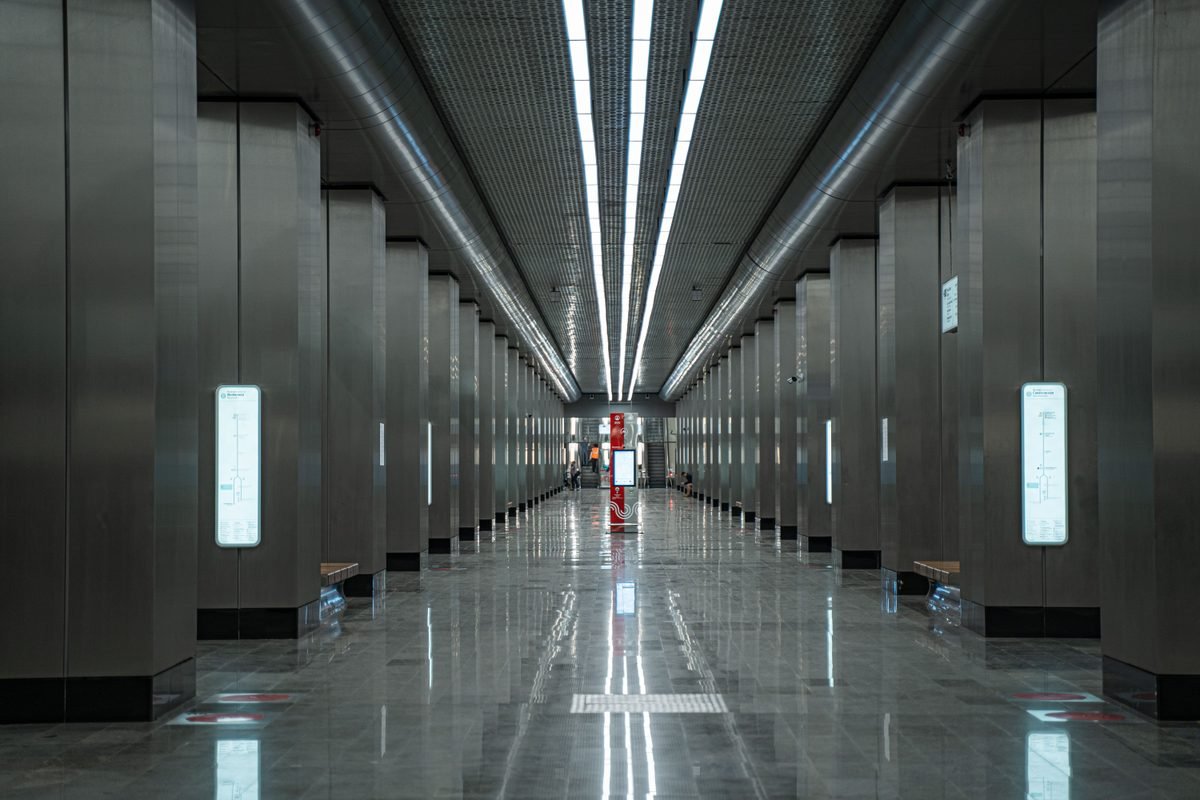
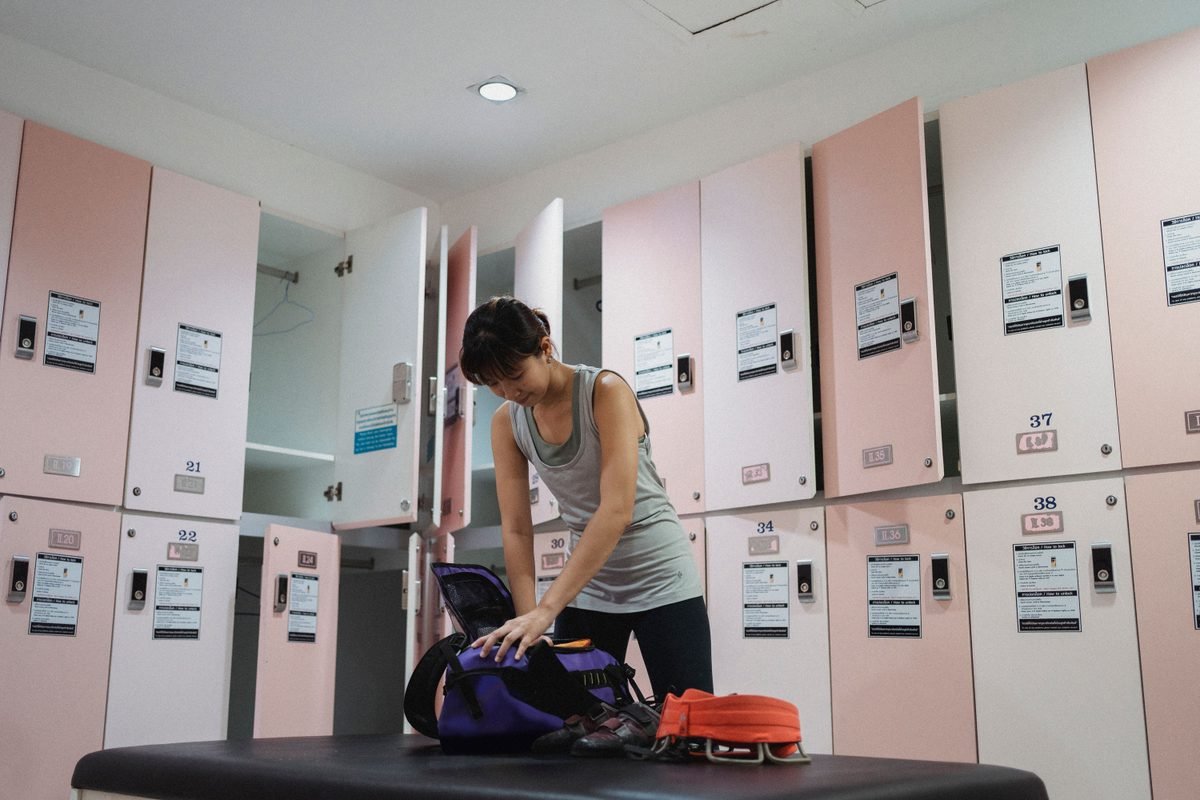
If you have checked out of your hotel at 11:00 AM but your train isn’t until 4:00 PM, you will need a place for your bags. Gangneung Station is equipped with a large bank of T-Locker units located near the restrooms and the convenience store. These lockers use a simple touch screen with an English language option. You select an empty locker, create a four-digit passcode, and pay via credit card or a transit card like T-money. The lockers use a simple touch screen. A small locker, which fits a backpack or a small carry-on, starts at ₩2,000 (about $1.50) for the first four hours. Large lockers for full-sized suitcases are about ₩4,000 (about $3.00).
During peak autumn weekends, these lockers can fill up by noon. If you find them all occupied, don’t panic. You can use an app called Lugstay to find nearby shops or cafes that offer luggage storage for a small fee. This is often a lifesaver when the station is crowded. Also, remember that the KTX-Eum trains have dedicated luggage racks at the end of every car. These racks are free to use and can accommodate large suitcases that won’t fit in the overhead bins. If you have a lot of gear, I suggest boarding as soon as the platform opens—usually 15 minutes before departure—to snag a spot in the rack closest to your seat.
For those who don’t want to carry anything at all, you might consider a delivery service. While you can’t easily send a suitcase directly to the train, you can use services mentioned in Does Korea Have Luggage Forwarding? Yes, From About $18 to send your bags from your Gangneung hotel directly to your next stay in Seoul. This allows you to spend your final afternoon hands-free, perhaps visiting a Local Gangneung Chodang Tofu Village Guide spot for one last meal before you head to the station. Just ensure you arrange the pickup at least 24 hours in advance.
Tip: Locker Payment
The T-Lockers at the station do not accept cash. Ensure your T-money card is topped up or have your international credit card ready.
The best station coffee and snacks
Gangneung is famous across Korea as the capital of coffee, and this reputation extends even to the train station. You won’t just find generic vending machine brews here. Inside the main concourse, there are several kiosks selling locally roasted beans and specialty drinks. Coffee is a big deal. If you have time, I recommend grabbing an Americano from the local cafe branch inside the station for about ₩4,500 (about $3.40). The quality is significantly higher than what you would find in a typical transit hub. Many travelers also pick up bags of “Gangneung Coffee Bread,” which are small, coffee-flavored pastries that make for a great snack during the ride.
For a more substantial pre-train meal, there is a GS25 convenience store that stays well-stocked with gimbap, sandwiches, and bento boxes. Since the KTX-Eum no longer has a trolley service moving through the aisles, buying your food before you board is essential. You are allowed to eat at your seat, provided the food doesn’t have a very strong odor. I usually grab a triangle gimbap for ₩1,300 (about $1.00) and a bottle of corn tea. There is also a small bakery near the ticket counter that sells hot manju (custard-filled cakes) which are perfect if you are traveling during the cooler October weather.
If you have an hour to spare, walk five minutes outside the station to the small cafes lining the nearby streets. You will find quieter spots where you can sit and look over your photos from the trip. Just keep an eye on the time; while the station is small, you don’t want to be sprinting back for your 2:30 PM departure. The station’s own seating area is fine, but it can get quite loud when multiple trains are boarding. Bringing your own headphones is a smart move if you want to relax before the journey begins.

From a local: The Coffee Bread Souvenir
The coffee-shaped manju sold in the station isn’t just a snack; it’s the most popular souvenir from the region. Grab a box for ₩10,000 to take back to Seoul.
What to expect on the KTX-Eum ride
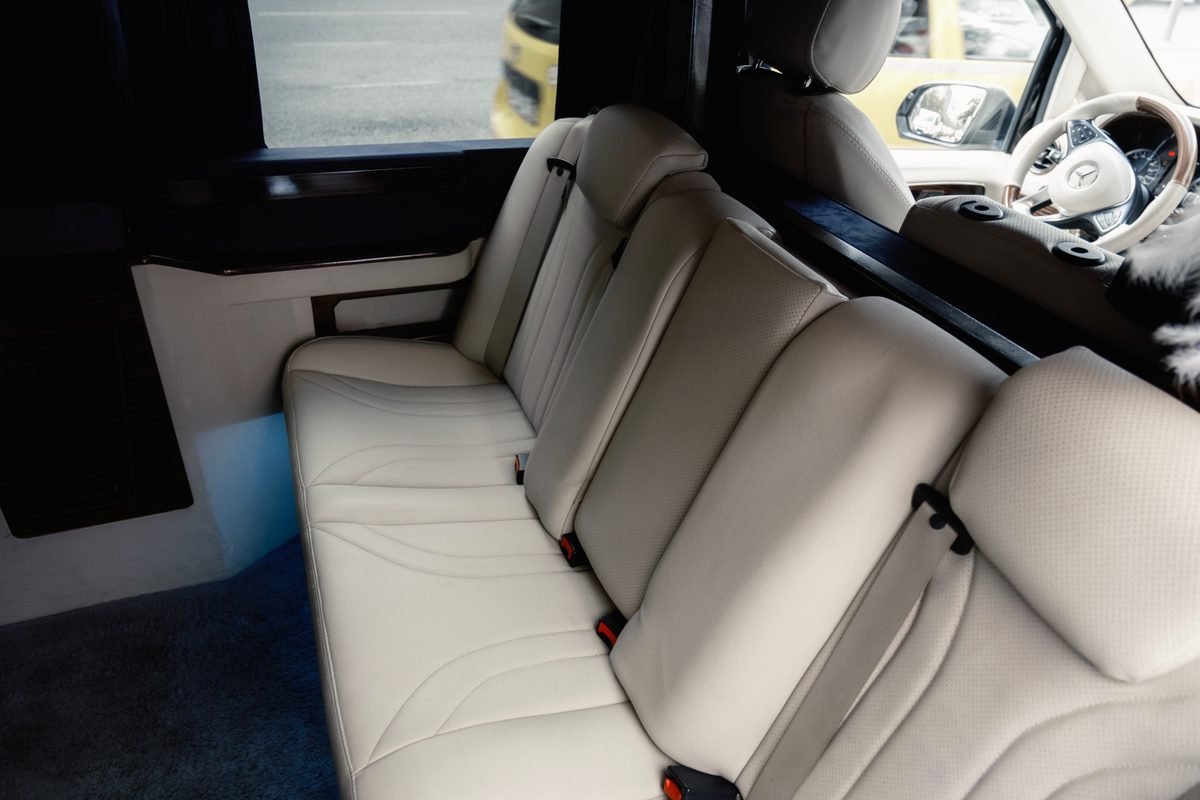
The KTX-Eum is Korea’s first domestic high-speed train using distributed traction, which basically means it accelerates faster and handles the mountainous terrain of Gangwon-do better than the older models. The interior feels very modern and clean. Each seat is equipped with an individual window, which is a major upgrade from the shared long windows on older KTX trains. This means you can lower your sunshade without bothering your neighbor. The seats also feature wireless charging pads in the armrests, though they can be slow. I find it more reliable to use the USB ports and standard power outlets located between the seats. Tunnels make the ride fast.
The journey itself is a mix of engineering marvels and rural scenery. Shortly after leaving Gangneung, the train enters the Daegwallyeong Tunnel, which is over 21 kilometers long. You will spend a good portion of the first 30 minutes in darkness as the train carves through the mountains. Once you emerge, the landscape shifts to the rolling rice fields and small towns of Gyeonggi Province. The train usually makes stops at Manjong, Yangpyeong, and Sangbong before reaching the city center. If you are heading to the northern or eastern parts of the capital, you can use the Seoul Public Transport Transfer Discount Rules (2026) to switch to the subway at Cheongnyangni or Sangbong for free.
The ride is remarkably quiet and stable. Even at speeds of 250 km/h, you can easily work on a laptop or read a book. There is free Wi-Fi on board, though the signal can drop out briefly when passing through the longest tunnels. Announcements for each station are made in Korean, English, Japanese, and Mandarin, so you won’t miss your stop. As you approach Seoul, the urban density increases rapidly, providing a sharp contrast to the quiet beaches you left behind just ninety minutes ago. It is a very efficient way to travel.
Alternative: Taking the Express Bus to Seoul
While the KTX is the fastest way to get from Gangneung to Seoul, it is not your only option. If the train is sold out or if you are staying closer to the Gangneung Intercity Bus Terminal, the bus can be a comfortable alternative. The bus terminal is located about a 20-minute walk or a ₩5,000 (about $3.75) taxi ride from the train station. Buses run much more frequently than trains, often departing every 15 to 20 minutes throughout the day. There are two main destinations in Seoul: the Express Bus Terminal (Gyeongbu line) in Seocho-gu and the Dongseoul Terminal near Gangbyeon Station.
I recommend booking an “Udeung” or Excellent-grade bus. These have three seats across instead of four, giving you significantly more legroom and a deeper recline. A ticket for an Udeung bus to Seoul costs roughly ₩24,000 (about $18.00). The journey takes about 2 hours and 40 minutes, though this can stretch to four hours or more on a Sunday evening due to heavy traffic on the Yeongdong Expressway. The bus will always stop once at a highway rest area for 15 minutes, which is a great chance to try some Korean street food like walnut cakes or grilled potatoes.
The main advantage of the bus is the price and the availability. If you decide to leave Gangneung on a whim, you can almost always find a bus seat, whereas the KTX requires planning. However, if you are prone to motion sickness or want to avoid the unpredictable Seoul traffic, the train remains the superior choice. Most buses now allow you to book via the Intercity Bus or T-money GO apps, but you can also just walk up to the automated kiosks at the terminal. The kiosks have English menus and accept most foreign credit cards. It is a reliable backup for any traveler.
Heads up: Traffic Delays
Never take the bus on a Sunday evening if you have a flight to catch. Traffic into Seoul can be unpredictable and may add two hours to your trip.
What it costs in Gangneung
| Item | Local price | USD |
|---|---|---|
| KTX Standard Seat (to Seoul Station) | ₩27,600 | ($20.70) |
| KTX Standard Seat (to Cheongnyangni) | ₩26,000 | ($19.50) |
| Express Bus (Udeung/Excellent Grade) | ₩24,000 | ($18.00) |
| Station Locker (Small, 4 hours) | ₩2,000 | ($1.50) |
| Station Locker (Large, 4 hours) | ₩4,000 | ($3.00) |
| Americano at Gangneung Station | ₩4,500 | ($3.40) |
| Taxi from Gyeongpo Beach to Station | ₩7,500 | ($5.60) |
| Total for one person (Train + Snack + Locker) | ₩34,100 | ($25.60) |
Prices checked October 2026. Always confirm with the provider before you book.
Where to stay in Gangneung
Budget
Gangneung Station area, for hostels and guesthouses
Staying within a ten-minute walk of the station is ideal for those with early morning departures to Seoul. You can find clean, simple guesthouses for about ₩45,000 to ₩60,000 per night.
Mid-range
Gyeongpo Beach, for hotels with sunrise views
This area is a 15-minute taxi ride from the station and offers the classic Gangneung experience near the water. Expect to pay between ₩90,000 and ₩150,000 for a room with a partial sea view.
Splurge
Anmok Beach, for high-end boutique stays
Located at the end of the famous Coffee Street, these properties offer premium amenities and immediate access to the best cafes. Nightly rates usually range from ₩200,000 to ₩350,000.
Mistakes to avoid
- Booking a ticket to Seoul Station when your hotel is actually closer to Cheongnyangni Station.
- Arriving at the station without a booking on a Sunday afternoon and finding all KTX trains sold out.
- Forgetting to buy food or drinks before boarding, as there is no longer a snack trolley on the KTX-Eum.
- Assuming the Express Bus Terminal and the KTX Station are in the same building—they are about 2km apart.
- Not checking the platform number on the digital signs, as it can change shortly before departure.
FAQ
How early should I arrive at Gangneung Station before my train?
I recommend arriving at least 20 minutes before your scheduled departure. This gives you enough time to use the restroom, buy a snack, and find your platform, which usually opens for boarding 15 minutes before the train leaves.
Are there luggage storage lockers at Gangneung Station?
Yes, there are T-Locker units located inside the main circular concourse. They come in various sizes and can be paid for using a credit card or a T-money transit card, with prices starting at ₩2,000 for four hours.
Can I buy KTX tickets at the station instead of using the app?
You can buy tickets at the manned counters or automated kiosks at the station, but this is risky for the Gangneung to Seoul route. Trains often sell out days in advance, especially on weekends and holidays.
Is the KTX-Eum different from the regular KTX?
The KTX-Eum is a newer, more modern train used specifically on the Gyeonggang and Yeongdong lines. It features individual windows, wireless charging pads at each seat, and better acceleration for mountainous routes.