Gangneung Anmok Beach Coffee Roastery Guide

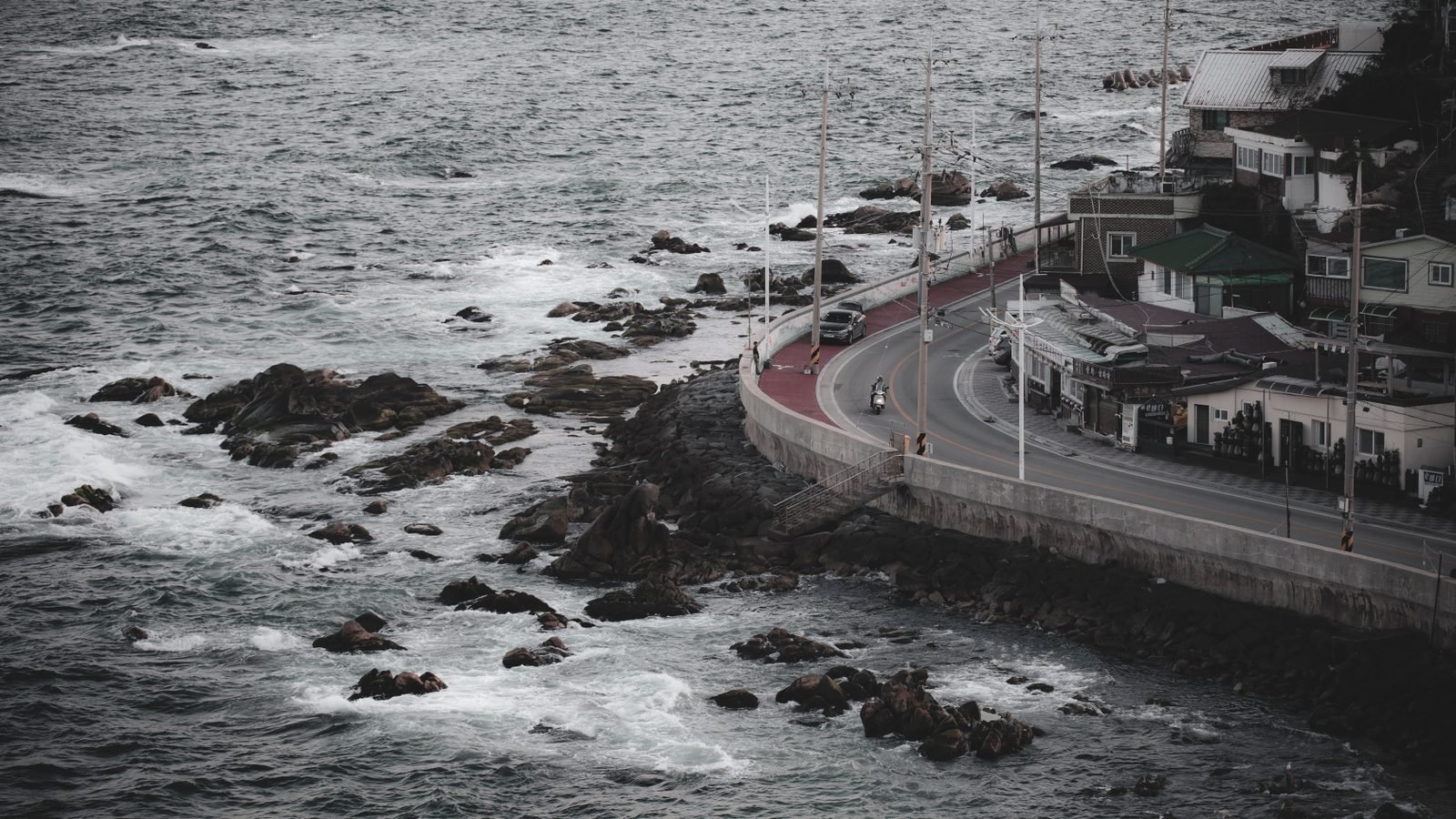
The sharp smell of roasted Arabica hits you before your shoes touch the sand. At Anmok Beach in Gangneung, five hundred meters of waterfront road hold dozens of multi-story cafes, specialty bean roasters, and glass-fronted tasting rooms facing the dark blue waters of the East Sea. What started forty years ago as a humble row of beachside coffee vending machines popular with sailors and dating couples has grown into South Korea’s most famous coastal coffee strip.
This complete Gangneung Anmok Beach coffee roastery guide is written for independent travelers heading east from Seoul to taste proper single-origin filter roasts and take in breezy seaside terraces. Whether you want to escape Seoul’s concrete canyons for a day or plan an unhurried weekend along Gangwon Province’s rugged coastline, here is everything you need to know about navigating the cafes, choosing the best hand-drip spots, and timing your trip.
How to get to Anmok Beach and the coffee street
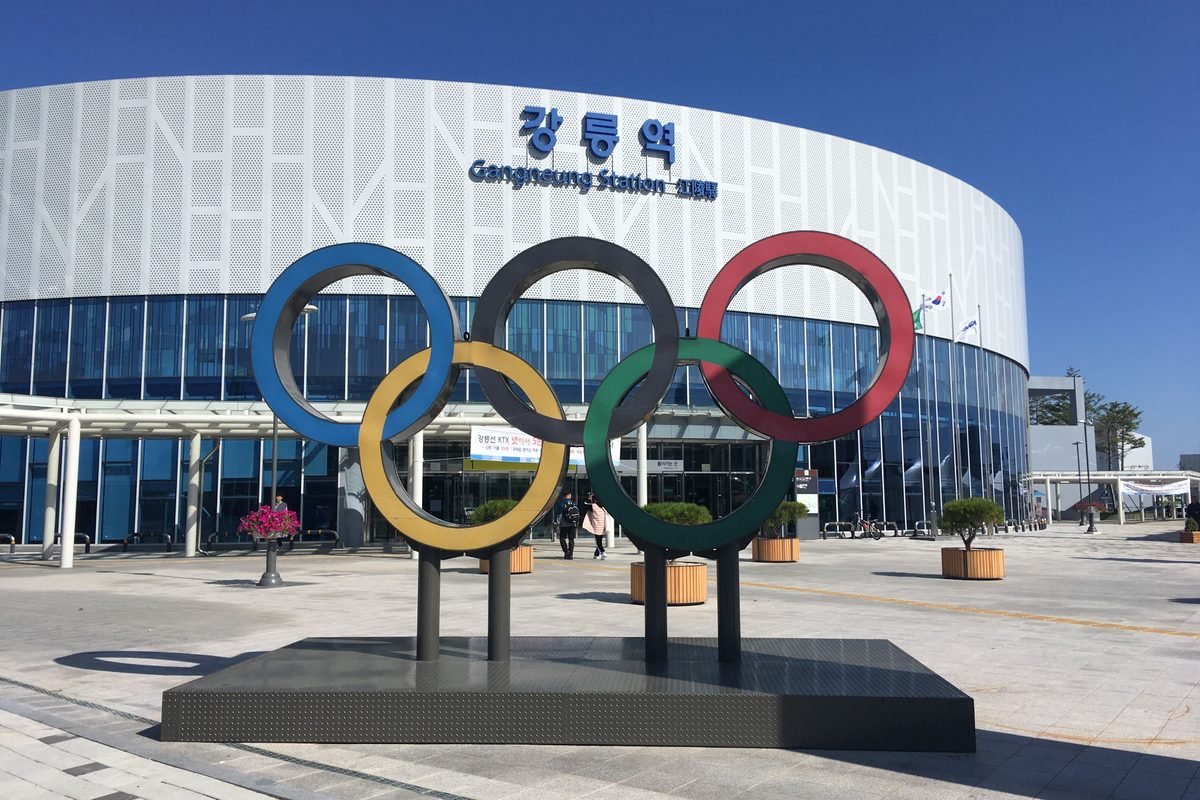
Getting to the coast from Seoul is remarkably fast on modern rails. The high-speed KTX-Eum train departs several times each morning from Seoul Station and Cheongnyangni Station, cutting straight through the Taebaek Mountains to Gangneung Station in roughly two hours. A standard-class one-way ticket costs ₩27,600 (about $20.70) from Seoul Station and ₩26,000 (about $19.50) from Cheongnyangni. If you plan to tour several regions by rail, remember to check how to use Korail Pass to see if a multi-day rail ticket saves you money on high-speed sectors. You can book individual tickets directly on the Korail+ app up to one month ahead of your departure date.
Once you exit Gangneung Station, you have two sensible ways to reach Anmok Beach. The simplest option is hailing a medium taxi from the station curb. The five-kilometer ride to Anmok Beach takes twelve to fifteen minutes and runs about ₩6,500 to ₩8,000 (about $4.90 to $6.00) depending on traffic lights. Taxis accept standard credit cards and T-money transit cards without fuss.
If you prefer public transit, city buses run from the stops right outside the station. Gangneung city buses charge a flat fare of ₩1,700 (about $1.25) in cash or ₩1,530 (about $1.15) when tapping a prepaid transportation card like T-money. Routes 223-1, 503, and 505 run toward the beach area, though city routes twist through local residential alleys. The bus ride takes twenty-five to thirty-five minutes. Tapping your card on the reader when boarding and alighting guarantees a free transfer within one hour if you switch buses. For navigation, download Naver Map or KakaoMap before boarding, as Western mapping apps do not provide reliable walking or bus tracking inside South Korea.
Tip: Board from the Right Seoul Terminal
Always check whether your KTX-Eum train leaves from Seoul Station or Cheongnyangni Station. Missing your train because you went to the wrong rail hub in Seoul will ruin your morning schedule.
When to visit the Gangneung coast for coffee
The East Sea coast experiences distinct seasonal shifts that completely change the cafe strip experience. Mid-spring and autumn are easily the best months to visit. From late September through early November, Gangneung enjoys crisp, dry days with daytime temperatures hovering around 16°C to 20°C (61°F to 68°F). The sea turns an intense deep indigo, the summer humidity vanishes, and sitting outside on an open-air third-floor deck is comfortable without shivering or sweating. October also brings the annual Gangneung Coffee Festival, which fills the Anmok waterfront and surrounding cultural centers with roaster pop-ups, barista competitions, and free public cupping sessions.
Winter offers its own stark appeal. From December through February, fierce winds howl off the open ocean, driving heavy surf against the seawall. The crowds thin out dramatically during weekdays. Watching white-crested swells slam against the tetrapods from behind heated, double-glazed floor-to-ceiling windows while holding a steaming mug of hot pour-over coffee is a classic Gangwon winter pastime. If you visit on a weekday morning in winter, you can often claim the prime front-row barstools for hours without feeling rushed.
Summer, especially mid-July through August, is peak holiday season. Domestic crowds descend upon Anmok’s shoreline to swim and sunbathe. The cafes run at maximum capacity, rooftop seats become blistering hot by noon, and finding a quiet table near the glass requires strategic patience. If your trip falls during the summer months, plan to visit early in the morning. Cafes generally open their doors around 08:30 or 09:00, giving you a quiet two-hour window before tour buses arrive. Avoid major Korean public holidays like Chuseok and Lunar New Year, when highway congestion spills into coastal avenues and train seats sell out weeks ahead.
The rise of Anmok: from vending machines to specialty roasters
Gangneung was not always an artisanal coffee capital. The city has no tropical climate suitable for growing commercial coffee plants. Its obsession with the bean started in the late 1980s through an unusual blue-collar tradition. Taxi drivers, harbor workers, and vacationers would park along the unpaved coastal stretch at Anmok to drink instant canned coffee from automated coin machines while gazing at the water. Local machine owners realized that custom powdered blends gave them a competitive edge. Vendors tweaked their ratios of instant grounds, powdered creamer, and sugar, advertising their proprietary recipes by vending machine serial numbers.
A profound shift occurred in the early 2000s when South Korea’s first-generation master roasters relocated from Seoul to Gangwon Province. Pioneers like Park Yi-chu of Bohemian Roasters sought cleaner air, stable spring water, and spacious coastal properties to install large drum roasters without disturbing urban neighbors. Roasteries such as Terarosa and Bohemian established serious roasting profiles, sourcing specialty green beans directly from African and Latin American estates. Their apprentices opened satellite cafes across the county, transforming the beach strip.
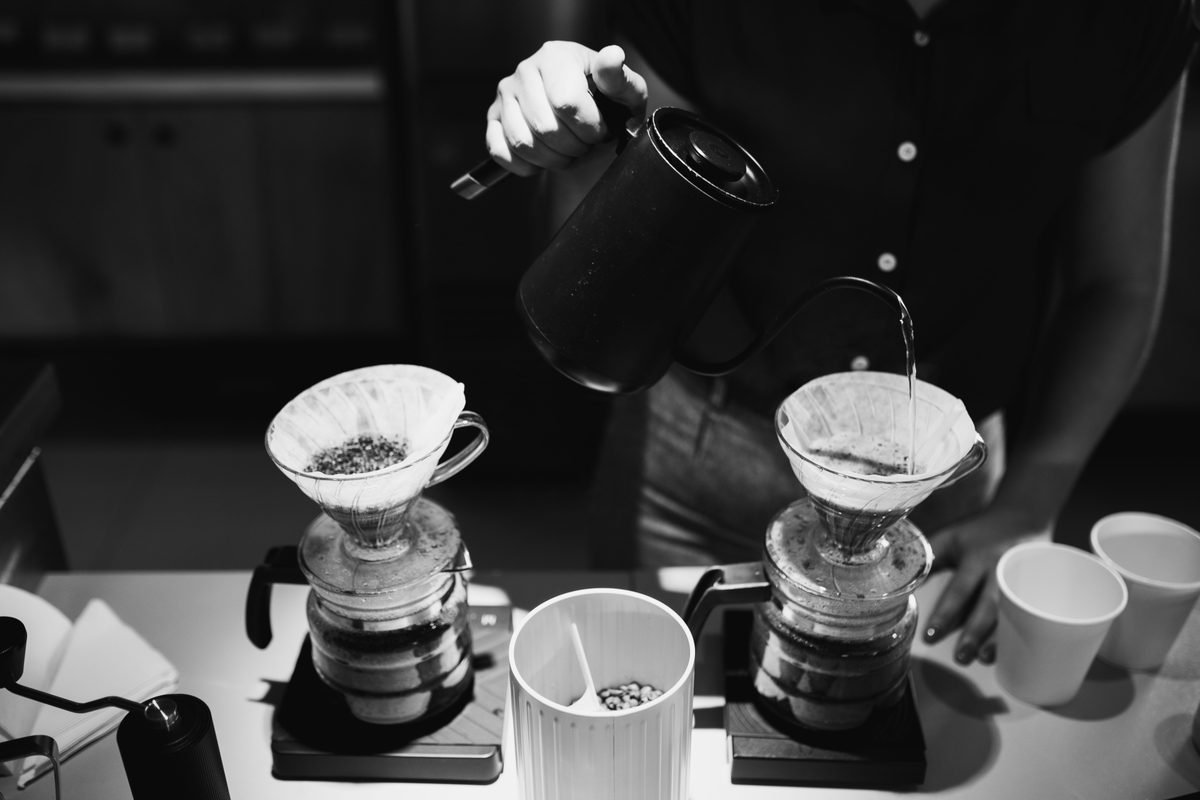
Before long, mom-and-pop convenience shacks and modest seafood shacks along Changhae-ro converted into multi-story glass cafes. Today, you will still spot a few preserved coin-operated coffee machines sitting stoically along the seawall as historic markers, serving sweet ₩500 (about $0.38) mix coffee. Yet mere paces away, professional baristas operate Dutch cold-drip towers, digital temperature-controlled kettles, and Italian espresso setups that rival any high-end roastery in Tokyo or Melbourne. The strip represents a fascinating evolution from quick roadside sugar hits to sophisticated origin-focused extraction.

From a local: Look for the Legacy Vending Machines
A few coin vending machines still stand on the sidewalk in front of the beach parking lot. Drop a ₩500 coin in for sweet hazelnut powdered coffee to experience how this strip actually started forty years ago.
Where to drink hand-drip coffee and ocean-view roasteries
Walking down Changhae-ro, the main oceanfront avenue at Anmok, presents dozens of storefront options. If you want pristine single-origin roasts matched with an unobstructed view, start at Bossa Nova Coffee Roasters. This four-story roastery features an on-site roasting lab on the lower level and tiered seating higher up. The fourth floor offers an open-air rooftop terrace sheltered by white canvas awnings, placing you directly above the pines with uninterrupted views of the open ocean. A cup of Ethiopian Yirgacheffe or washed Colombian single origin costs around ₩6,500 to ₩8,000 (about $4.90 to $6.00). The extraction is clean, delicate, and true to the bean’s origin profile.
Further along the strip stands Coffee Cupper, an institution deeply woven into Gangneung’s modern coffee history. Coffee Cupper runs its own coffee farm museum in the hills behind the city and was among the earliest craft roasters to invest in the beach strip. Their Anmok branch features warm brick interiors, rows of vintage brass hand grinders, and an extensive pour-over menu divided by roast profile. A smooth Kenya AA or Guatemala Antigua pour-over runs about ₩6,000 to ₩7,500 (about $4.50 to $5.65). Their outdoor patio lets you enjoy the sea spray on mild mornings while sampling house-baked almond scones.
For wide-angle panoramas and European bakery goods, AM Bread & Coffee provides towering glass frontages across three expansive floors. Grab an iced Americano for ₩5,500 (about $4.15) and head up to the covered third-floor patio. Santorini Coffee, identifiable by its bright white-and-cobalt facade, focuses on traditional Japanese-style hand-drip methods with darker, caramelized roast profiles. If your travels take you inland or north, our Seoul cafe hopping guide offers great context on how Korea’s mainland specialty coffee culture compares to these sprawling coastal outposts.

Local cafe specialties and sweet pairings to try
While single-origin hand-drip coffee remains the purist’s choice, Gangneung roasters have created unique regional signature drinks you will rarely encounter elsewhere. The most famous local creation is Gangneung Chodang corn coffee, often served as an un-stirred iced Einspänner. Baristas pull a rich espresso shot over fresh milk and top it with a thick, velvety sweet-corn cream crafted with locally harvested kernels. The cold sweet corn puree balances the dark bitterness of the coffee beans without tasting cloying. A glass generally costs ₩6,000 to ₩7,000 (about $4.50 to $5.25).
Another coastal favorite is black sesame cream latte (heukimja latte). Originating slightly inland near the pine groves, this beverage layers dense black sesame paste with cold milk and a concentrated ristretto shot. The drink delivers a nutty, toasted flavor that feels distinctly Korean. When sipping, do not use a plastic straw. Drink it directly from the rim of the glass so the bitter coffee cuts cleanly through the thick layer of aromatic sesame cream with every mouthful.
If you want a pastry pairing, look for coffee bean bread (keopi kongppang). These small, walnut-sized baked cakes are shaped exactly like roasted coffee beans and infused with espresso extract. Some versions feature sweet red bean filling, while others pack melted chocolate or cream cheese. A box of ten typically costs around ₩5,000 to ₩7,000 (about $3.75 to $5.25), making them the default souvenir box for visitors heading back to Seoul on the train. Alternatively, artisan bakeries along the beach bake garlic cream cheese baguettes, stuffed with pungent local sea-salted butter and sweet whipped cream.

Tip: Drink Cream Coffees Without a Straw
Baristas along Anmok Beach specifically design corn and sesame lattes to be consumed straight from the cup rim. Using a straw bypasses the dense top cream and ruins the balanced mouthfeel.
Where to eat near Anmok Beach: savory meals after coffee
Drinking several cups of strong single-origin pour-over coffee on an empty stomach will catch up with you quickly. Fortunately, Anmok Beach is positioned right beside some of Gangwon Province’s finest traditional food hubs. Just a three-kilometer ride north along the coastal road brings you to Chodang-dong, home to the nation’s most celebrated artisanal soft tofu quarter. For a deep dive into the area’s culinary history, consult our Gangneung Chodang Tofu Village guide to plan your route through its best stone-ground soup kitchens.
In Chodang, generational tofu masters make sundubu using pure sea brine drawn from the East Sea as a natural coagulant. The resulting curds are nutty, fluffy, and gentle on the digestion. A simple bowl of chodang sundubu (unseasoned warm curds served in clear soy broth with seasoned side dishes) costs about ₩10,000 to ₩12,000 (about $7.50 to $9.00). If you want something fiery after sweet lattes, order jjamppong sundubu at one of the village noodle houses. This regional specialty combines smoking spicy seafood broth, mussels, and squid with rich curdled tofu for roughly ₩12,000 to ₩14,000 (about $9.00 to $10.50).
If you prefer fresh seafood without leaving the beach, walk five minutes south toward Gangneung Port. The multi-story fish distribution center houses raw fish stalls where you can pick live flounder, rockfish, or red sea bream. The vendors slice the fish immediately and send you upstairs to dining halls that charge a modest table-setting fee (sangcharimbi) of ₩5,000 (about $3.75) per person. Another classic port meal is mulhoe, a bowl of thinly sliced raw sashimi tossed in a spicy, slushy chili-vinegar broth with cold noodles and shredded cabbage, usually priced around ₩16,000 to ₩20,000 (about $12.00 to $15.00).
Practical tips for exploring the Anmok cafe strip
Planning your physical movement along the shoreline ensures a relaxed day trip. The Anmok cafe strip stretches roughly six hundred meters from Gangneung Port north along Changhae-ro. The entire strip is flat, paved, and bordered by a wide wooden pedestrian boardwalk. Comfortable walking sneakers are ideal if you plan to stroll along the sand or venture north toward Songjeong Beach, where a dense belt of hundred-year-old coastal pine trees provides shade and wind protection.
Regarding seating etiquette, nearly all multi-floor roasteries require that every adult customer order at least one beverage before ascending to the upper balconies or roof decks. Takeout cups are legally banned for on-site consumption in South Korea; if you plan to drink on the terrace, confirm when ordering that you want a mug or glass (maejang-yong) rather than a disposable cup. When you finish your brew, carry your tray and glassware back down to the return station on the ground floor or designated drop areas.
Luggage can be an issue if you arrive straight from the train before hotel check-in. Gangneung Station has digital automated lockers right beside the tourist information desk, which cost about ₩2,000 to ₩4,000 (about $1.50 to $3.00) depending on locker dimensions. You can store large roller suitcases there and take a light daypack to Anmok Beach. If those lockers are full, private luggage storage facilities operate near the station exit. Restrooms inside all the major cafes are clean, heated in winter, and accessible to paying patrons via door codes printed on your purchase receipt.
Heads up: Save Your Store Receipt for Restroom Codes
Nearly every multi-level cafe on Changhae-ro locks its restrooms with numeric keypads. Look at the bottom of your paper payment slip to find the four-digit entry pin.
What it costs in Gangneung
| Item | Local price | USD |
|---|---|---|
| KTX-Eum train (Seoul Station to Gangneung, one way) | ₩27,600 | $20.70 |
| Taxi (Gangneung Station to Anmok Beach) | ₩7,000 | $5.25 |
| Single-origin hand-drip pour-over coffee | ₩7,000 | $5.25 |
| Signature sweet corn or sesame cream latte | ₩6,500 | $4.90 |
| Box of fresh coffee bean pastries (10 pieces) | ₩6,000 | $4.50 |
| Spicy seafood soft tofu (jjamppong sundubu) lunch | ₩13,000 | $9.75 |
| Mid-range seaside hotel room (one night off-peak) | ₩110,000 | $82.50 |
| Estimated daily total per person (excluding room) | ₩67,100 | $50.35 |
Prices checked October 2026. Always confirm with the provider before you book.
Where to stay in Gangneung
Budget
Gangneung Station and Okcheon-dong, for transit-friendly guesthouses
This central commercial neighborhood puts you within five minutes on foot of the KTX platforms and central city bus terminals. Modest private rooms and clean traveler hostels run ₩45,000 to ₩65,000 ($34 to $49) per night, making early train departures completely painless.
Mid-range
Anmok Beach oceanfront, for boutique hotels right on the cafe strip
Staying directly along Changhae-ro means you wake up right above the East Sea surf and can walk straight downstairs into premier roasteries before the midday crowds arrive. Modern ocean-facing double rooms typically cost ₩90,000 to ₩140,000 ($68 to $105) per night outside summer peak.
Splurge
Gyeongpo Beach and Pine Grove, for full-service luxury resorts
Located ten minutes north by taxi, this scenic sand spit between the sea and Gyeongpo Lake hosts high-end coastal towers with infinity pools and fine dining. High-floor ocean suites run ₩220,000 to ₩380,000 ($165 to $285) per night, offering panoramic sunrise views over the horizon.
Mistakes to avoid
- Discarding your cash register receipt immediately before noticing the four-digit keypad code required to enter the cafe restrooms.
- Relying on Western mapping applications for walking or bus directions instead of installing Naver Map or KakaoMap before arrival.
- Visiting in the middle of summer and expecting a tranquil specialty tasting session on the beachfront decks without crowds.
- Taking an empty stomach to a full afternoon of acidic pour-over tastings without stopping first for a bowl of local tofu or noodle soup.
- Ordering your drink in a disposable paper cup when you intend to sit down on the upper terrace, which violates Korean waste regulations.
FAQ
How much does a cup of coffee cost at Anmok Beach?
A standard Americano or espresso starts around ₩5,000 to ₩5,500 (about $3.75 to $4.15). Single-origin hand-drip filter roasts and specialty drinks like corn cream lattes generally cost between ₩6,500 and ₩8,000 (about $4.90 to $6.00).
Can you visit Anmok Beach as a day trip from Seoul?
Yes, it is an easy day trip. The KTX-Eum train reaches Gangneung in about two hours from Seoul Station, and a quick fifteen-minute taxi ride deposits you directly on the sand, leaving you six to eight hours to explore cafes before returning.
Are the cafes open early for the East Sea sunrise?
Most cafes on Changhae-ro open between 08:30 and 09:30, which is after sunrise for most of the year. However, a couple of chains and bakeries open by 07:00, and walking the beach at dawn before grabbing coffee is very popular.
How do you choose a roastery on this street?
Look for roasters displaying their drum machines and clear origin menus near the entrance, such as Bossa Nova or Coffee Cupper. Review the bean origin cards and roasting dates rather than picking a spot based purely on rooftop aesthetics.