Jeju Haenyeo Woman Diver Museum and Seafood Tasting Guide

At seven in the morning on the black volcanic coast of Hado-ri, you can hear a sharp, high whistling cutting through the surf. That sound is the sumbisori, the distinct breath released by Jeju’s elderly freedivers as they surface from ninety seconds underwater without oxygen tanks. Most divers working these rocky shallows are in their seventies and eighties. They harvest conch, sea cucumbers, and wild urchins from depths up to ten meters, carrying on an eco-conscious tradition that UNESCO inscribed as Intangible Cultural Heritage in 2016.
This field guide to the Jeju Haenyeo Woman Diver Museum and Seafood Tasting route is written for independent travelers heading to eastern Jeju. It covers navigating the Haenyeo Museum in Gujwa-eup, ordering fresh seongge-guk (sea urchin soup) in local fishery co-ops, understanding the biological seasons of the catch, and respecting the privacy of these remarkable matriarchs while they work.
How to Reach the Jeju Haenyeo Museum and Seafood Coast
The Haenyeo Museum sits on the low hills above Hado-ri and Sehwa-ri in the Gujwa district of northeastern Jeju. If you land at Jeju International Airport, you can reach the museum grounds by public transit in about eighty minutes. Board Express Red Bus 101 from platform 2 outside arrivals. The express bus charges a base fare of ₩2,000 (about $1.50) that climbs to ₩3,000 (about $2.25) depending on distance. Get off at the Sehwa-ri transfer stop, where you can either walk fifteen minutes east or switch to the Blue Trunk Bus 201 for one stop.
The coastal route on Bus 201 is slower but straightforward, charging a flat ₩1,150 (about $0.85) when you tap a transit card. If you plan to explore the narrow lanes around Hado village, renting a vehicle offers unmatched flexibility. You can read our advice on how to rent a car in South Korea as a foreigner to sort your International Driving Permit and insurance before arriving on the island.
Parking at the museum is free and spacious. From the parking lot, you look directly out over the basalt reefs where the Hado divers launch their floats. Taxis from Jeju City cost around ₩35,000 to ₩42,000 (about $26 to $31.50) one way. Medium taxis on Jeju start at ₩4,300 (about $3.25) for the initial distance. If you use Kakao T to hail a ride, make sure your app is set to pay the driver directly by card if you lack a domestic Korean payment card.
Tip: Bus Card Savings
Always tap your T-money card when exiting Jeju buses. Tapping off grants a free transfer within forty minutes, saving you extra transit fares along Route 201.
Best Seasons to Visit Hado-ri for Diver Culture and Catch
Haenyeo harvest the ocean year-round, but the seasonal rhythm dictates what ends up on your table. Autumn is an ideal window. October brings clear skies, crisp ocean air, and water temperatures that remain manageable for divers finishing their late-morning shifts. The summer typhoons have cleared, and the winter gales have not yet arrived.
Different marine species have strict closed harvesting windows set by village fisheries cooperatives to prevent overfishing. Sora (horned turban shell conch) has a harvest ban from June through August to protect spawning, meaning autumn and winter deliver the sweetest, crunchiest raw conch. Purple sea urchin (bora-seongge) peaks in late spring through early autumn. Red sea urchin (malttong-seongge), which has a richer, deeply savory flavor, is harvested through the chillier winter months.
The work is brutally physical. Bad weather immediately halts all diving. On days when the wind whips up whitecaps and gale warnings are posted, the divers remain indoors mending nets or farming their small garlic and carrot plots inland. If you want to see divers returning with full catch nets, aim for mid-morning on days with mild surf and low wind. Check the local marine weather app or ask your guesthouse host about coastal swell conditions before setting out early.
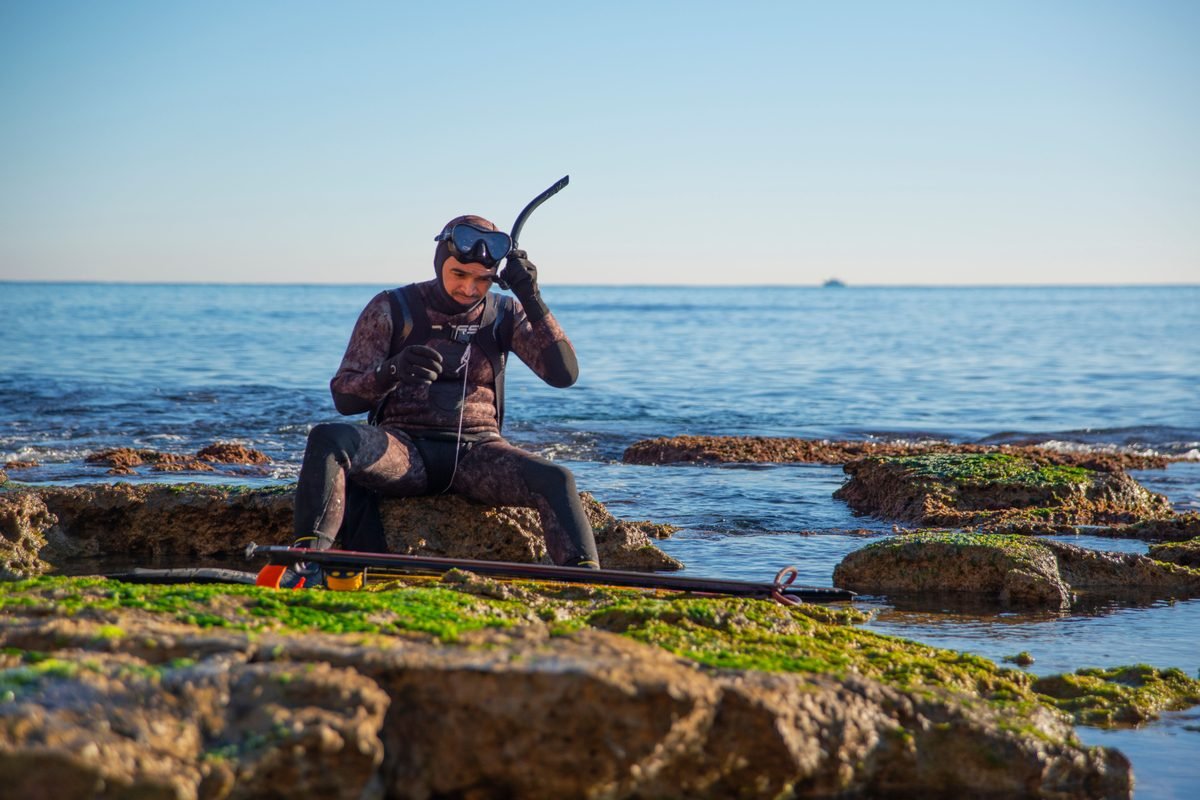
Inside the Haenyeo Museum Exhibits and Heritage
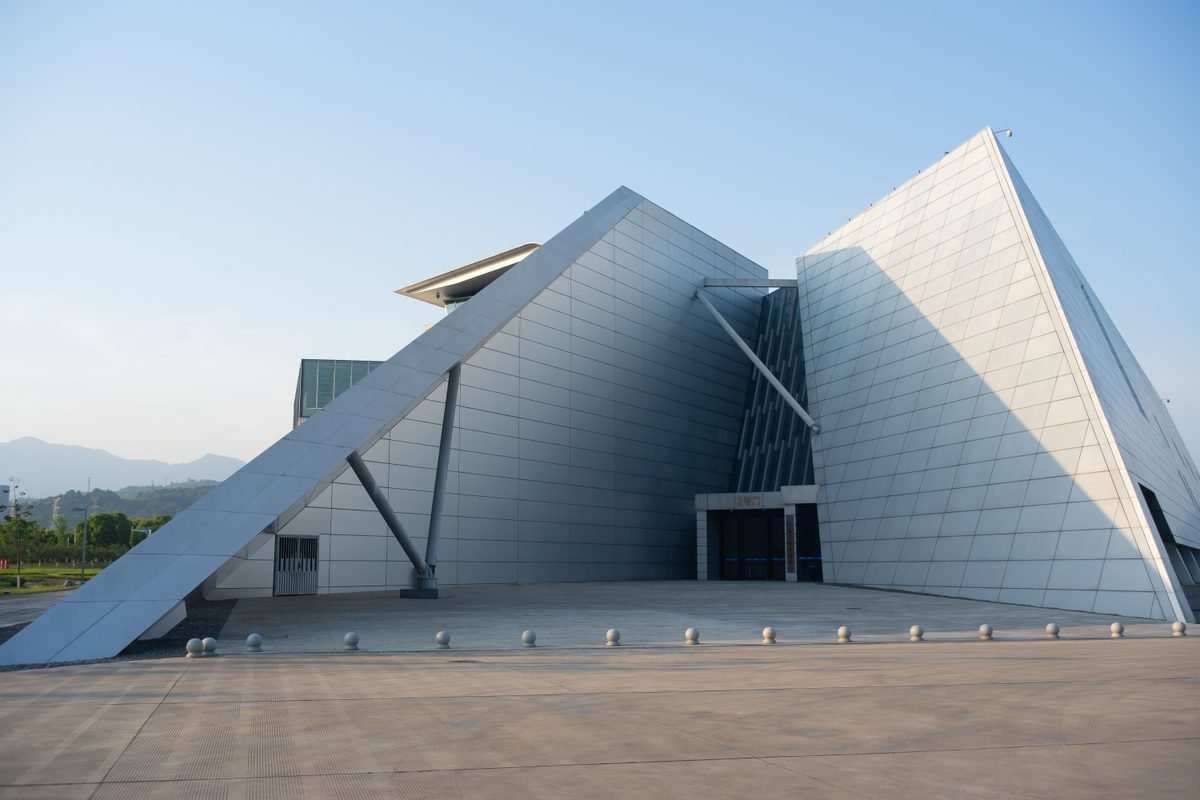
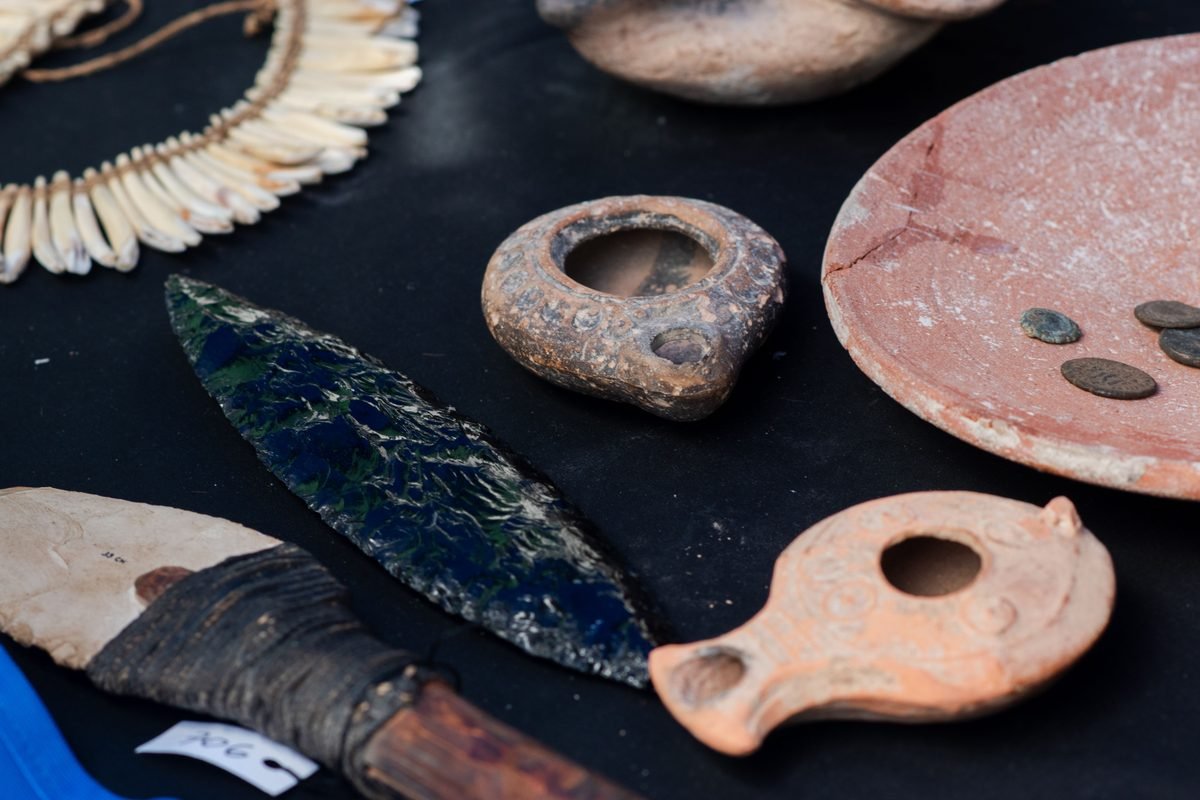
The Jeju Haenyeo Museum charges an admission fee of ₩1,100 (about $0.85) for adults, making it one of the most informative cultural values on the island. Spread across three expansive exhibition halls, the displays trace the history, daily life, and social structure of Jeju’s diving collectives. The first hall recreates a traditional Jeju fishing home from the early twentieth century, showing the simple stone hearths and sweet potato storage pits that sustained diving families through severe winters.
The second hall focuses on diving technology and equipment evolution. Here you will see the mul-ot, the traditional two-piece unbleached cotton diving costume worn until rubber wetsuits arrived in the 1970s. Divers wore thin cotton into freezing water, enduring bone-chilling cold that limited dives to under an hour. Beside the historic garments stand the round black goggles (nunkkeong), the tewak (originally a dried gourd, now bright orange styrofoam) that acts as a surface buoy, and the attached mangsaeng-i net bag used to store harvested mollusks.
Pay special attention to the scale replica of a bulteok. These circular, dry-stacked stone enclosures had an open fire in the center. Before modern communal bathhouses existed, the bulteok served as a dressing room, warming hut, and village council chamber where women shared safety tips and decided community catch limits. Outside, the museum memorializes the 1932 Haenyeo Anti-Japanese Resistance Movement, the largest female-led anti-colonial labor protest in modern Korean history, which started right here in Gujwa-eup.
From a local: Top Floor Lookout
Do not skip the museum’s third-floor observation deck. The glass lounge gives you panoramic views over Sehwa Bay, with binoculars pointed directly at the offshore reefs where active divers work.
Where to Eat Fresh Sea Urchin Soup and Raw Catch in Hado
After learning the cultural history, walk down the road to taste the harvest. In Hado-ri and adjacent Sehwa-ri, the best places to eat are the cooperative restaurants operated directly by local village divers, known as haenyeo-uijip. These unassuming coastal diners prepare seafood landed only hours earlier. Seating is casual, with linoleum tables and views of the harbor breakwater.
The signature dish to order is seongge-guk, often called sea urchin soup. For about ₩15,000 (about $11.25), you receive a piping hot earthenware bowl filled with wild Jeju sea mustard (miyeok) and delicate, sweet clusters of fresh sea urchin roe simmered in clear broth. Unlike heavy beef-based seaweed soups, this version is light, clean, and tastes deeply of the open sea. A drop of sesame oil highlights the natural sweetness of the urchin.
Other staples worth ordering include jeonbok-juk (abalone rice porridge simmered with nutrient-dense abalone liver, giving it a characteristic dark olive-green hue) for around ₩13,000 (about $9.75), and freshly sliced sora hoe (raw turban shell conch) for ₩20,000 (about $15). The raw conch is served over shaved cabbage with a side of pungent vinegared red pepper paste (chojang) and sesame oil. If you want a full day of island eating, pair this seafood lunch with an evening of hearty dining; check our guide to Jeju black pork barbecue for tips on local grilling etiquette.


Book ahead: Cash and Timing
Fishery co-op kitchens close early when the day’s catch runs out, often by 16:00. Arrive between 11:30 and 13:30 for the freshest selection, and keep some cash ready in case card machines drop signal on the coast.
Photography Rules and Etiquette Around Working Divers
Encountering haenyeo along the coastline requires thoughtful restraint. These women are skilled manual laborers performing strenuous, dangerous work, not performers staged for a photoshoot. Most divers are over seventy. They are climbing over slippery, jagged basalt rocks while hauling mesh sacks weighing up to thirty kilograms on their backs. The work demands intense physical concentration and breath control.
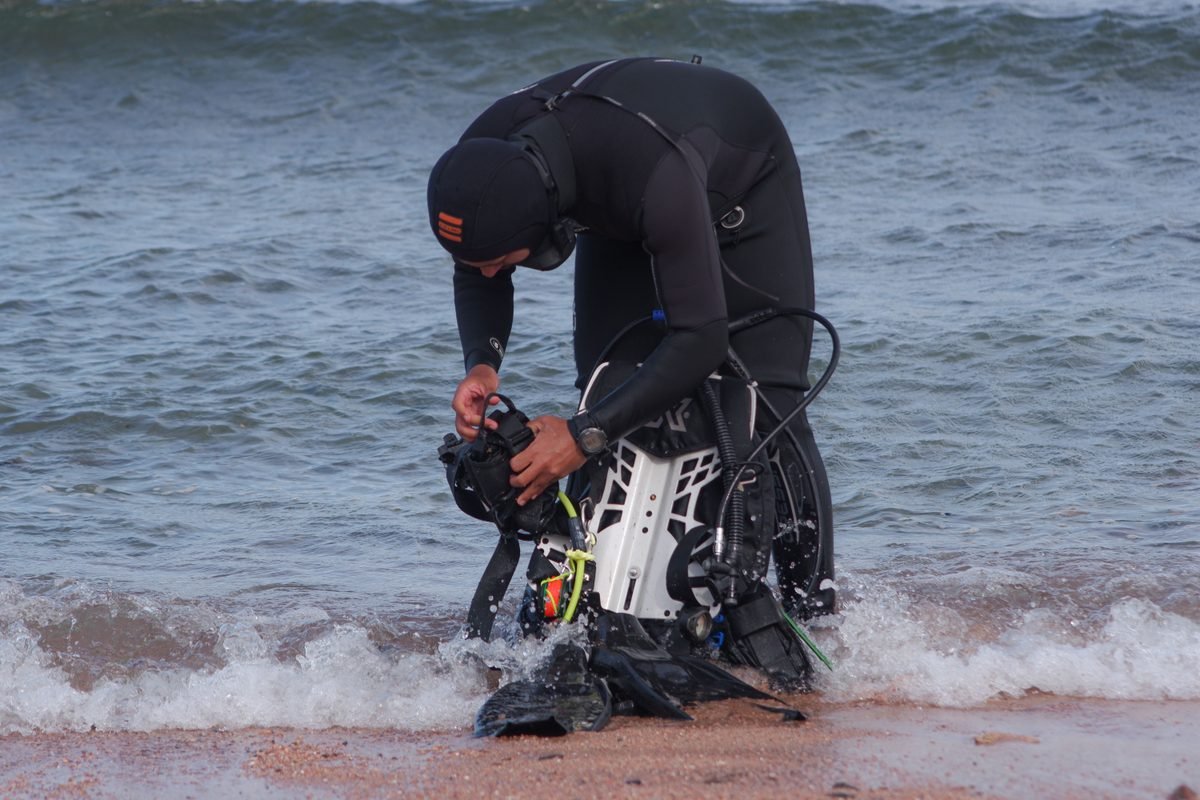
Never approach a diver while she is preparing her gear or stepping into the surf. Crowding someone on wet rocks creates a genuine slip-and-fall hazard. Do not shove a zoom lens into a woman’s face as she emerges from the water exhausted and coughing up salt spray. If you want to take a portrait from the seawall, ask first with a polite bow and the phrase, “Sajin jjigeodo doelkkayo?” (May I take a photo?). If she shakes her head, waves you away, or looks uncomfortable, put your camera away immediately.
Modern dressing houses along the ports have replaced the ancient stone bulteok. These concrete structures are private locker rooms where divers strip down, warm up, and shower. Do not loiter outside open doors, peer inside, or take photos of the entrances. Keep a respectful distance of at least fifteen to twenty meters when observing from shore, and consider bringing binoculars instead of an aggressive telephoto lens.
Heads up: Respect the Catch
Do not touch the divers’ catch sacks or floats resting on the slipway. Harvesting without a village cooperative permit is illegal on Jeju and carries steep fines under marine resource protection laws.
Walking Hado-ri Village: Stone Walls, Bulteok, and Coastline
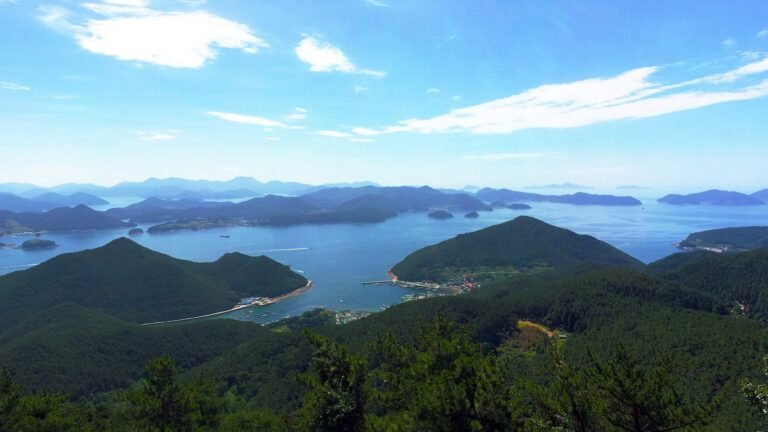
After finishing at the museum and eateries, spend the afternoon walking the quiet roads of Hado-ri. This village has preserved its traditional agricultural layout better than most towns on the island. Black basalt stone fences, known as doldam, zig-zag through sweet potato fields and carrot gardens, built without mortar to let high ocean winds pass harmlessly through the gaps. You can link this walk directly to our Jeju Olle Trail walking guide, as Route 21 runs right past the village coast.
Follow the coastline east toward Byeolbangjin Fortress. Built during the Joseon Dynasty in the early sixteenth century, this elliptical stone fortification protected Jeju residents and naval ships against coastal raids by Japanese pirates. Today, roughly one kilometer of the curved basalt ramparts remains standing. You can climb the stone steps onto the parapet wall for an elevated view across the harbor and Hado’s offshore kelp beds.
Along the rocky shore below Byeolbangjin, look for circular rings of black stone piled chest-high. These are preserved historic bulteok sites. Standing inside the cold rock circle, you can imagine how crucial that central fire was when divers stepped out of January waters wearing only thin cotton. Hado remains peaceful and quiet. The sea was dead calm during my last walk here, with only the distant whistle of working divers drifting in across the water.

What it costs in Jeju
| Item | Local price | USD |
|---|---|---|
| Haenyeo Museum adult admission | ₩1,100 | $0.85 |
| Express Bus 101 from Jeju Airport to Sehwa | ₩3,000 | $2.25 |
| Local coastal bus (Route 201 with card) | ₩1,150 | $0.85 |
| Fresh sea urchin soup (seongge-guk) lunch | ₩15,000 | $11.25 |
| Abalone rice porridge (jeonbok-juk) | ₩13,000 | $9.75 |
| Raw turban shell conch plate (sora hoe) | ₩20,000 | $15.00 |
| Mid-range seaside guesthouse in Gujwa (per night) | ₩90,000 | $67.50 |
| Estimated single-day budget (excluding room) | ₩40,250 | $30.10 |
Prices checked October 2026. Always confirm with the provider before you book.
Where to stay in Jeju
Budget
Sehwa-ri, for guesthouses near the coastal bus stops
This area suits solo travelers relying on Bus 201 who want quick walking access to Sehwa Beach, local convenience stores, and the Haenyeo Museum within twenty minutes on foot. Private rooms in simple guesthouses generally run between ₩45,000 and ₩65,000 (about $34 to $49) per night.
Mid-range
Hado-ri, for quiet seaside pensions behind stone walls
Ideal for couples and slow travelers looking to wake up right next to the historic diving reefs, Byeolbangjin Fortress, and village carrot fields. Comfortable independent pensions with kitchenettes and coastal balconies range from ₩85,000 to ₩130,000 (about $64 to $97.50) per night.
Splurge
Pyeongdae-ri, for detached designer pool villas and private hanok stays
Located just five kilometers west of the museum, this relaxed stretch of coastline features private stone cottages equipped with deep soaking tubs, quiet cafes, and floor-to-ceiling sea views. Nightly rates for private architectural stays range from ₩220,000 to ₩400,000 (about $165 to $300).
Mistakes to avoid
- Arriving at coastal diver co-op restaurants after 15:30 expecting full menus, when kitchens routinely close as soon as the daily catch sells out.
- Treating elderly working haenyeo as photo models by blocking their walking paths on slick basalt rocks or pointing telephoto lenses without greeting them first.
- Relying on Google Maps for walking routes or local bus transfers on Jeju Island instead of Naver Map or KakaoMap, which provide accurate schedules and footpath directions.
- Assuming every day offers diving sightings, forgetting that rough surf, gale warnings, and government conservation seasons keep divers on land.
- Attempting to touch or pick wild shellfish off the rocky intertidal zone, which violates strict village cooperative fishing laws and carries legal fines.
FAQ
What is the best time of day to watch the divers in Hado-ri?
Active diving typically takes place in the mid-morning between 08:30 and 11:30, depending on the tide and wind. Divers usually spend two to three hours in the water before bringing their harvest nets ashore to the village collection centers.
How does sea urchin soup taste if you are new to Korean seafood?
Seongge-guk is remarkably mild and comforting, with no fishy odor. The broth is flavored naturally by sea mustard and sesame oil, while the urchin melts slightly to give the soup a gentle, sweet ocean flavor.
Is the museum accessible if you do not speak Korean?
Yes, the exhibition halls at the Jeju Haenyeo Museum feature clear English translations across all primary displays, timelines, and video documentary rooms. Audio guides in English are also available at the front reception desk.
How can I combine the Jeju Haenyeo Woman Diver Museum and Seafood Tasting into one morning?
Arrive at the museum at 09:30 to explore the exhibits for ninety minutes, then take a short ten-minute walk down to the Hado harbor co-op for a hot bowl of seongge-guk right as the divers return with their morning catch at 11:30.