A Local Guide to Buyeo: Exploring the Baekje Kingdom

The morning fog often hangs low over the Geumgang River in Buyeo. While many travelers head to Gyeongju to see Silla history, the legacy of the Baekje kingdom offers a different, more intimate look at Korea’s past. It is a quiet town. Unlike the sprawling ruins of other ancient capitals, Buyeo feels manageable on foot or by bicycle, with its royal history woven directly into the modern streets and forested hills.
This guide is for independent travelers who want to escape the Seoul crowds and dig into the Sabi period of the Baekje dynasty. I will cover the best way to reach the city, how to navigate the fortress walls, where to find the most famous incense burner in the country, and what to eat near the riverside. Whether you are a history buff or just looking for a peaceful day in the countryside, Buyeo is a rewarding stop.
How to get to Buyeo from Seoul
Buyeo does not have its own train station, which keeps the crowds thinner than in nearby cities. Most visitors arrive by bus from Seoul Nambu Terminal. The journey takes about 2 hours and 10 minutes, and the buses are frequent and comfortable. I usually book an udeung (premium) bus for ₩18,700 (about $14) because the seats are wider and recline further for a morning nap. The bus leaves every hour. You can buy tickets at the terminal or use the Intercity Bus app, though the machines at the station have an English interface that works well with foreign cards.
If you prefer the train, you can take a KTX from Seoul Station to Gongju Station. A standard seat costs roughly ₩25,100 (about $19). However, Gongju Station is located quite far from both Gongju city and Buyeo. Once you arrive at Gongju Station, you will need to catch a local bus or a taxi to reach Buyeo, which can take another 30 to 40 minutes. For most travelers, the direct express bus from Seoul is the simpler and more cost-effective choice.
Once you arrive at the Buyeo Intercity Bus Terminal, you are already in the heart of the town. Most of the major historical sites, including the fortress and the central pagoda, are within a 15-minute walk from the terminal. If you are coming from Busan or Daegu, you will likely need to transfer at Daejeon. From Daejeon Seobu (West) Terminal, buses run to Buyeo roughly every 30 minutes for about ₩8,000 (about $6). The ride takes roughly an hour and offers a nice view of the rural Chungcheong landscape.
Tip: Direct Bus vs KTX
Take the direct bus from Seoul Nambu Terminal to save time and money. The KTX involves a long bus transfer from Gongju Station that often offsets the speed of the train.
How to see the legacy of the Baekje kingdom
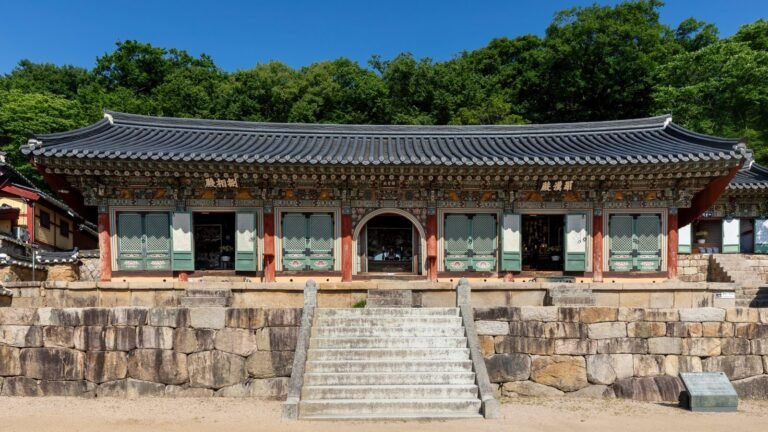
To understand the Baekje kingdom, you have to look at the Sabi period, which lasted from 538 to 660 AD. This was the final era of the Baekje dynasty before it fell to the Silla-Tang alliance. While Silla history in Gyeongju is often about gold and grandeur, Baekje history in Buyeo is celebrated for its refined, elegant, and somewhat understated aesthetic. You can see this in the curves of the roof tiles and the delicate carvings found in the local museums. History feels very close here.
Start your exploration at the Buyeo National Museum. It is free to enter and houses the Gilt-bronze Incense Burner of Baekje, which is widely considered one of the finest archaeological finds in East Asia. The museum is organized chronologically, making it easy to see how the kingdom’s art evolved after moving the capital from Gongju to Buyeo. The incense burner alone is worth the trip; the detail of the phoenix at the top and the musicians carved around the base is incredible. Entrance is very cheap. Actually, it is free.
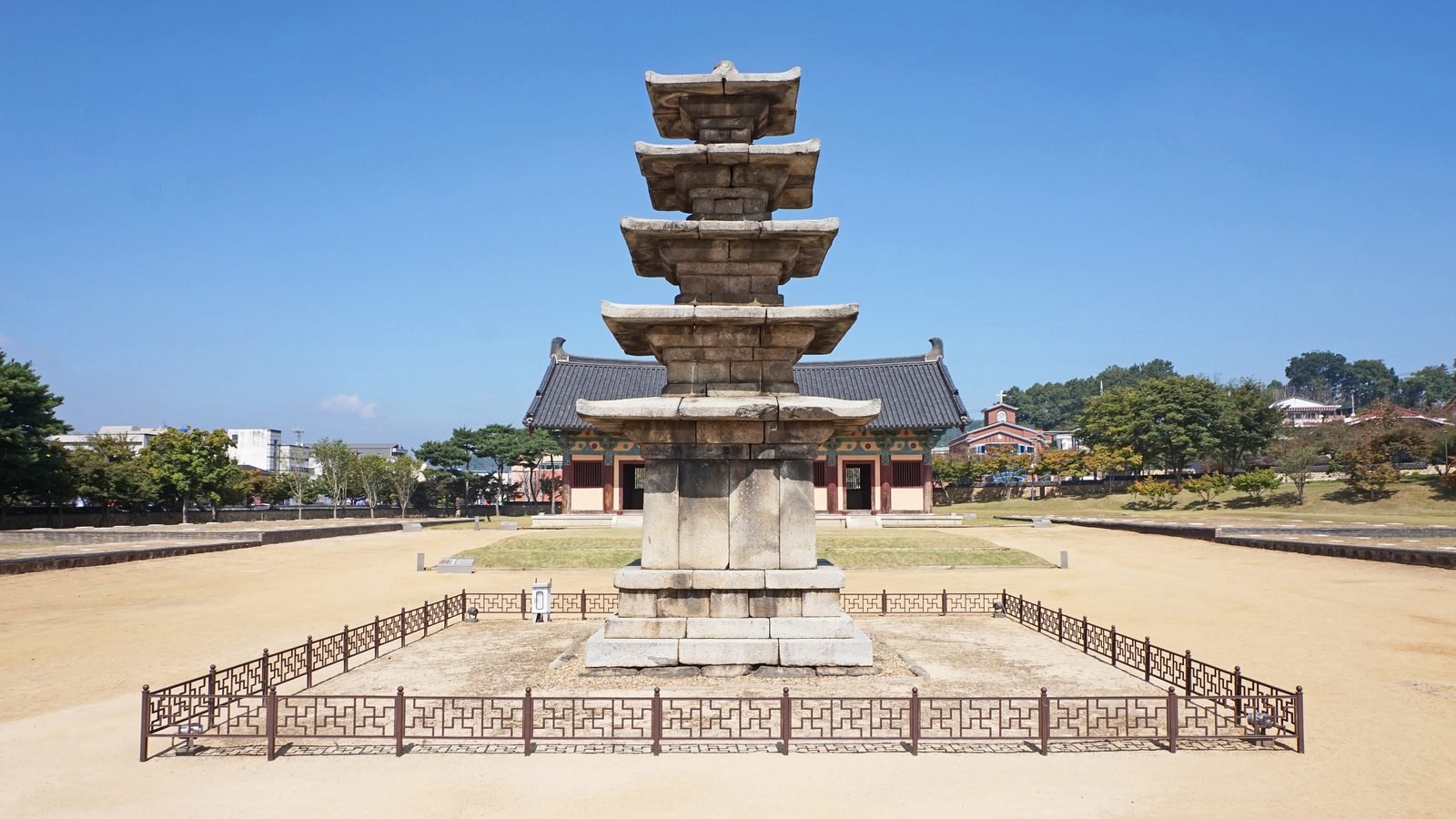
After the museum, walk over to the Jeongnimsa Temple Site. This was the central temple of the Sabi capital. All that remains today is a five-story stone pagoda and a seated stone Buddha, but the site is powerful in its emptiness. The pagoda is one of only two remaining Baekje-era stone pagodas in Korea. It costs ₩1,500 (about $1.15) to enter. Standing in the middle of the site, you can visualize where the massive wooden halls once stood. It is a stark contrast to the busy palaces in Seoul, offering a much quieter, more contemplative atmosphere.


From a local: The Incense Burner
The Gilt-bronze Incense Burner is the pride of Buyeo. Visit the museum early in the morning to see it without the school groups that often arrive after 10:30 AM.
Hiking the Busosanseong Fortress walls
Busosanseong Fortress served as the royal palace’s backyard and the city’s primary defense system. Unlike the stone walls you might see in a Suwon Hwaseong Fortress day trip, much of Busosanseong was originally built using rammed earth. Today, the fortress is a large, forested park with well-maintained walking trails that lead to various pavilions and historical markers. Entrance costs ₩2,000 (about $1.50) for adults. The trails are not particularly steep, but you will want comfortable shoes as the full loop takes about two hours.
As you walk along the ridge, you will find several pavilions that offer views over the Geumgang River. The most famous spot within the fortress is Nakhwaam Rock, or the “Rock of Falling Flowers.” According to legend, 3,000 court ladies jumped from this cliff into the river to avoid capture when the kingdom fell. While the number is likely an exaggeration from later historians, the site remains a somber and significant part of the local identity. There is a small pavilion at the top where you can sit and look down at the water.
Near the cliff is Goransa Temple, a small mountainside temple known for its mineral spring. Legend says that drinking the water from this spring will make you three years younger. You will often see locals lining up with small cups to take a sip. From Goransa, you can walk down to the riverbank to catch a ferry back to the town center. This saves you from having to hike back the way you came and provides a different perspective of the fortress walls from the water. The walk is very peaceful.

Riding the Geumgang river boat
Taking a boat ride on the Geumgang River is a classic Buyeo experience. The ferries are designed to look like traditional wooden vessels, though they are powered by modern engines. There are two main routes, but most travelers take the boat from Goransa (inside the fortress) to Gudeurae Wharf. A one-way ticket costs ₩5,000 (about $3.75), and the ride takes about 15 minutes. It is a short trip. The boat passes right beneath Nakhwaam Rock, allowing you to see the red calligraphy carved into the stone cliff face.
The river was once a major highway for the Baekje people, connecting the capital to the sea. Boats run until sunset. If you are visiting in the late afternoon, the light hitting the water and the fortress trees is particularly beautiful. The Gudeurae Wharf area is also home to a large sculpture park and several open green spaces where local families gather on weekends. It is a great place to rest your legs after hiking the fortress trails. Walk slowly along the river.
If you want a longer experience, you can book a return trip from Gudeurae to the Sabi region for ₩7,000 (about $5.25). However, I usually recommend the one-way trip because it integrates so well into a walking tour of the city. You enter the fortress at the main gate, hike through the woods to Nakhwaam and Goransa, and then take the boat back to the Gudeurae side of town where the restaurants are located. This flow makes the most sense geographically and keeps you from backtracking through the hills.
Heads up: Ferry Times
The ferries do not have a strict minute-by-minute schedule; they usually depart once they have enough passengers. During the quiet winter months, wait times can be longer.
Exploring the royal tombs and lotus ponds
A short bus or taxi ride from the town center will take you to the Baekje Royal Tombs in Neungsan-ri. Similar to the Gyeongju tomb mounds, these are large earth tumuli where the kings of the Sabi period are buried. There are seven tombs in total, and while they are smaller than the Silla tombs, the surrounding landscape is exceptionally quiet and well-manicured. Entrance is ₩1,000 (about $0.75). There is also a small museum on-site that explains the construction of the stone chambers inside the mounds.
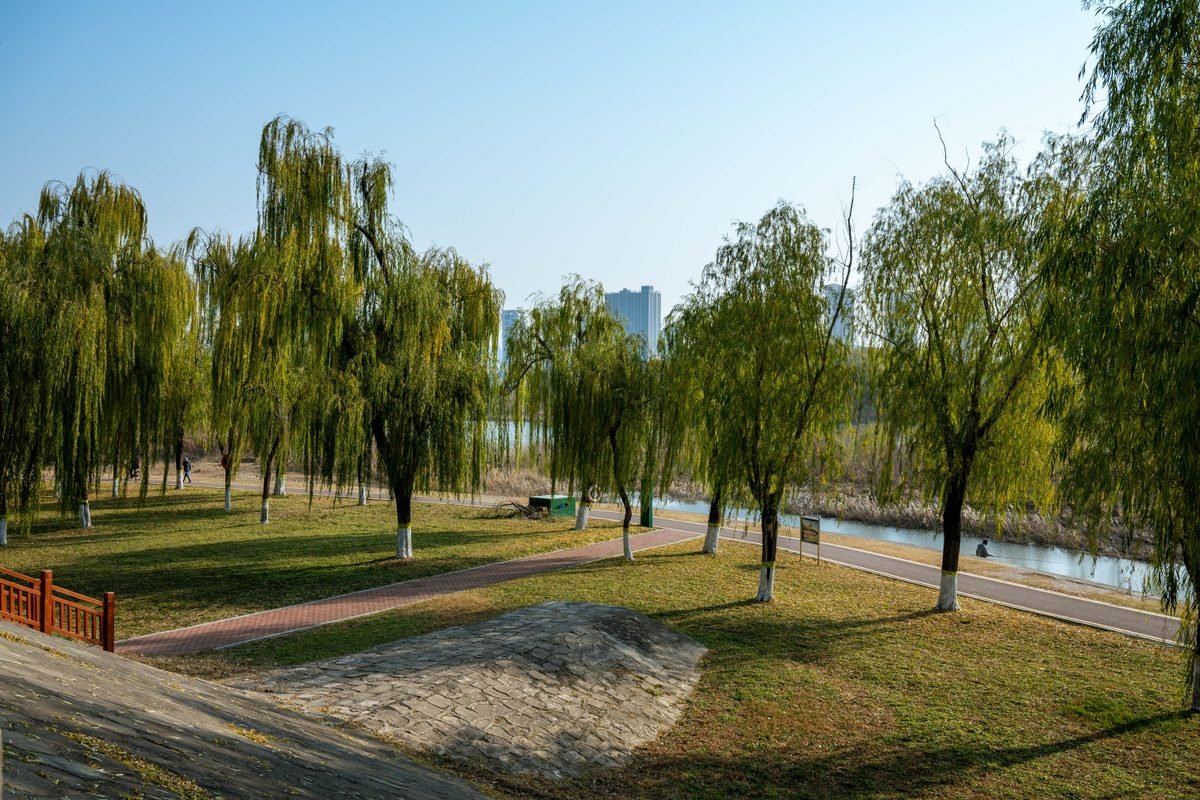
One of the most visual sites in Buyeo is Gungnamji Pond, the first known artificial pond in Korea. It was built during the reign of King Mu and is said to have served as a model for later garden designs in Japan. If you visit in July, the pond is covered in thousands of blooming lotuses for the Buyeo Seo-dong Lotus Festival. However, even in October, the willow trees hanging over the water and the wooden bridge leading to the central pavilion make it a great spot for a walk. The pagoda is very old.
The pond is free to enter and is located on the southern edge of the main town area. I recommend visiting Gungnamji in the late afternoon. The reflections of the pavilion in the water are excellent for photography, and the park stays open after dark with subtle lighting. It is about a 20-minute walk from the National Museum, or a very quick five-minute ride if you have a bicycle. The area around the pond is flat, making it accessible for everyone. It is a lovely spot.

Touring Buyeo on two wheels
Buyeo is one of the best places in Korea for casual cycling. The terrain is mostly flat, and the city has invested in wide riverside paths that connect the major historical sites. You can find rental shops near the Gudeurae Wharf or the Intercity Bus Terminal. While there isn’t a massive public system like the one described in my Seoul Public Bicycle Ttareungi rental guide, local private rentals are affordable, usually costing around ₩5,000 to ₩10,000 (about $4 to $7.50) for a few hours. Rent a bike for the day.
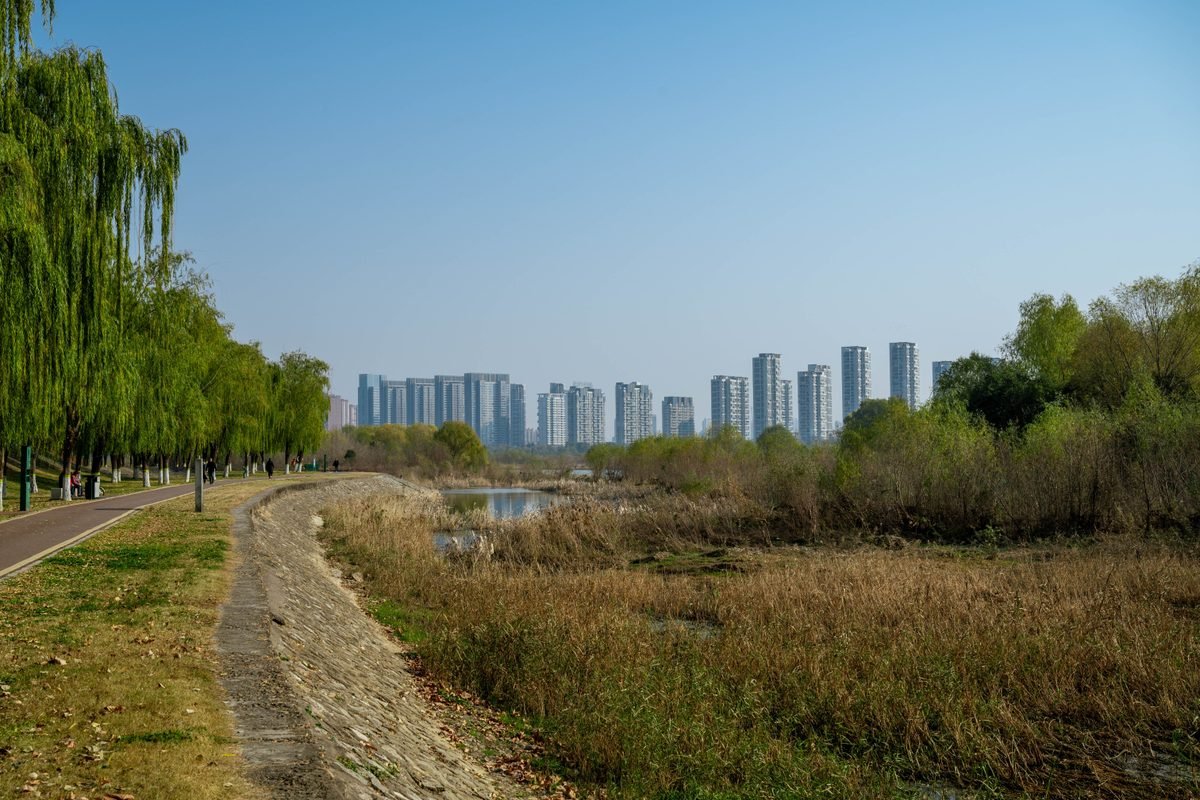
The best route starts at Gudeurae Wharf and follows the Geumgang River southward. You can ride all the way to the Baekje Cultural Land, a massive theme park and museum complex that features reconstructed palaces and villages. The ride takes about 20 to 30 minutes one way on a dedicated path away from car traffic. You will pass fields of wildflowers and local farms, giving you a real sense of the Chungcheong-do countryside. It is a refreshing break from the urban density of Seoul.
If you have the energy, you can also cycle to the Neungsan-ri tombs. The roads in the city center are generally quiet, but the riverside paths are much more relaxing. Just keep an eye on the wind; the breeze coming off the river can be surprisingly strong in the autumn. Most rental bikes are basic cruisers, so do not expect high-end mountain bikes. Make sure to check the brakes and tire pressure before you head out. Most shops will ask for a form of ID, like your passport or a Residence Card, to hold as a deposit.
Book ahead: ID for Rentals
Always carry your physical passport or Residence Card. Most local bike shops in Buyeo will not accept a digital copy as a deposit for the rental.
Where to eat in Buyeo
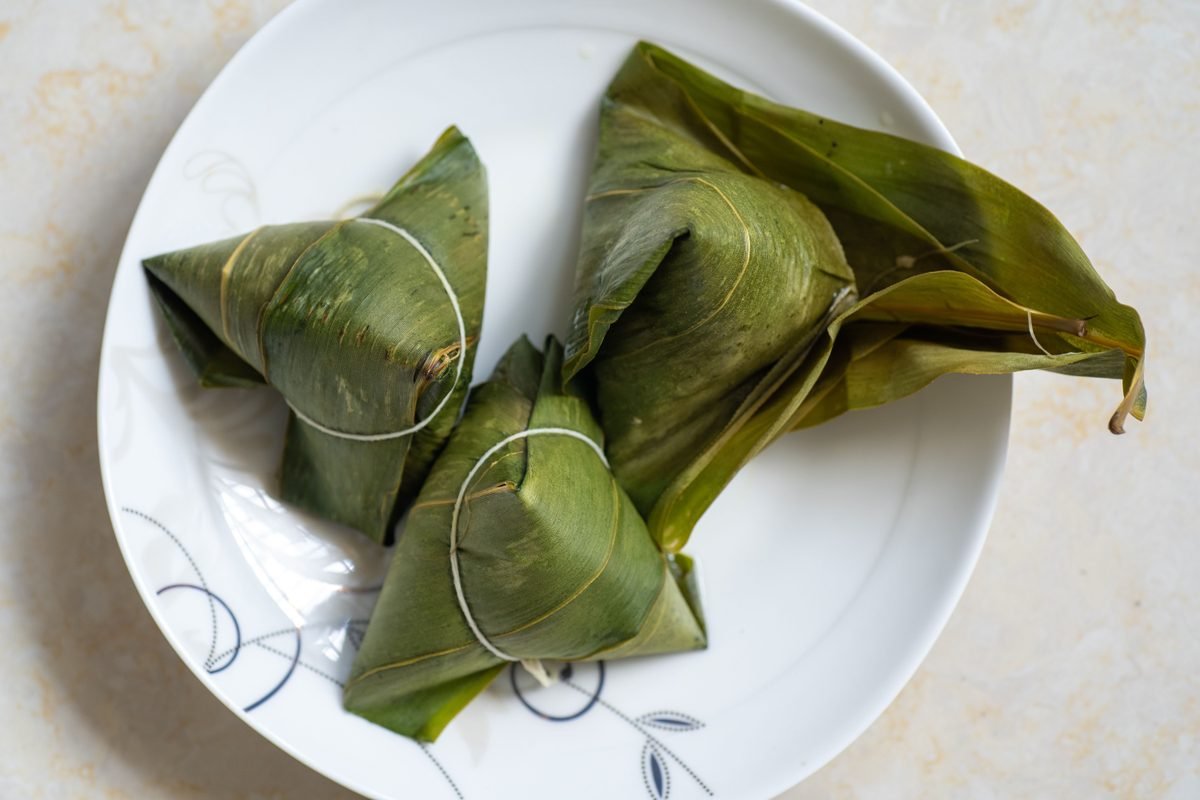
The specialty dish in Buyeo is Yeon-nip-bap, or lotus leaf rice. Since the city is famous for its lotus ponds, it makes sense that the seeds, roots, and leaves find their way into the local cuisine. The dish consists of glutinous rice mixed with chestnuts, jujubes, and lotus seeds, all wrapped in a large lotus leaf and steamed. When you unwrap the leaf, the scent of the lotus is incredible. I recommend the lotus rice. It is usually served as part of a set meal (jeongsik) with dozens of small side dishes, including grilled fish and seasonal vegetables.
Most of the best Yeon-nip-bap restaurants are clustered in the Gudeurae Food Street area, near the entrance to the fortress. Expect to pay between ₩15,000 and ₩20,000 (about $11 to $15) for a full set. One of the best parts of eating here is the quality of the vegetables; the surrounding Buyeo County is a major agricultural hub, so the banchan (side dishes) are always fresh. You might also find lotus root pancakes or lotus leaf tea on the menu, which are worth trying for the unique, earthy flavor.
For a quicker snack, look for shops selling Baekje-themed bread or crackers near the bus terminal. These are often shaped like the famous incense burner or the five-story pagoda. If you are visiting on a weekend, the area around the Gudeurae Wharf often has small stalls selling street food like hotteok (sweet pancakes) or roasted chestnuts. While the food scene is not as famous as the one in Jeonju, the focus on lotus and fresh local produce makes dining in Buyeo a memorable part of the trip. The portions are very generous.
From a local: Lotus Leaf Tea
After your meal, many restaurants serve a complimentary cup of lotus leaf tea. It is very light and helps with digestion after a heavy rice meal.
What it costs in Buyeo
| Item | Local price | USD |
|---|---|---|
| Intercity Bus (Seoul-Buyeo) | ₩18,700 | $14.05 |
| Busosanseong Fortress Entry | ₩2,000 | $1.50 |
| Jeongnimsa Temple Site | ₩1,500 | $1.13 |
| Gudeurae River Boat (One-way) | ₩5,000 | $3.76 |
| Yeonnip-bap (Lotus Leaf Rice Set) | ₩18,000 | $13.52 |
| Bicycle Rental (2 hours) | ₩5,000 | $3.76 |
| Mid-range Hanok Stay (Per night) | ₩90,000 | $67.59 |
| Estimated Daily Total | ₩140,200 | $105.31 |
Prices checked October 2026. Always confirm with the provider before you book.
Where to stay in Buyeo
Budget
Near Buyeo Intercity Bus Terminal
This area is best for those arriving late or leaving early, with several clean motels and guesthouses within a three-minute walk of the terminal. You can find rooms here for roughly ₩45,000 to ₩60,000 (about $34 to $45) per night.
Mid-range
Jeongnimsa and Central Buyeo
Staying near the central pagoda allows you to walk to most major sights and the Gudeurae food street. There are several traditional hanok-style guesthouses in this neighborhood costing about ₩80,000 to ₩120,000 (about $60 to $90).
Splurge
Baekje Cultural Land Area
This area on the outskirts of town features a large resort and upscale traditional stays overlooking the reconstructed palace. Expect to pay ₩180,000 to ₩300,000 (about $135 to $225) for high-end facilities and views of the park.
Mistakes to avoid
- Expecting a train station in the city center; you must use the bus or a long transfer from Gongju.
- Skipping the National Museum because it is free; it houses the most important artifacts of the era.
- Only visiting during the Lotus Festival; the town is much more peaceful and easier to navigate in the autumn.
- Not checking the ferry return times if you plan to take the boat back from Goransa late in the day.
FAQ
Is Buyeo worth a day trip from Seoul?
Yes, Buyeo is very doable as a day trip if you catch an early bus from Nambu Terminal. The main sites are concentrated in a small area, allowing you to see the fortress, the pagoda, and the museum in about six hours.
Why was the Baekje kingdom important?
The kingdom was the cultural and artistic heart of the Baekje dynasty, known for its refined crafts and for spreading Buddhism and architectural styles to ancient Japan. Its capital, Sabi, represents the peak of this sophisticated aesthetic before the dynasty ended.
Can I see the royal tombs for free?
No, the Neungsan-ri royal tombs charge a small admission fee of ₩1,000 (about $0.75). However, the Buyeo National Museum and Gungnamji Pond are free to enter.