How to Choose a Travel Backpack Size for Any Trip

Standing in an airport line while an agent points toward a rigid steel luggage sizer is a quick lesson in gear dimensions. A backpack that looks modest in your bedroom can suddenly feel like an oversized duffel bag when shoved under an overhead bin or weighed at a budget airline check-in desk. Choosing the wrong volume leads to unexpected gate fees or aching shoulders before you even reach your hotel.
This guide is written for independent travelers trying to find the exact balance between capacity, comfort, and airline compliance. We will look at standard carry-on limits, volume comparisons, load distribution, and practical packing strategies to help you figure out how to choose a travel backpack size for your next trip.
How to Choose a Travel Backpack Size Based on Airline Limits
Understanding airline size restrictions is the single most critical step in backpack selection. Most major international airlines allow carry-on bags measuring up to 55 x 35 x 23 cm (roughly 22 x 14 x 9 inches). These dimensions translate to a bag with an internal capacity between 35L and 40L. Bigger is not always better. When your pack exceeds 40 liters, you risk being forced to check your bag at the gate, adding unexpected fees and potential delays at baggage carousels.
Budget airlines in Europe and Asia enforce rules that go beyond physical dimensions. Carriers like Ryanair, EasyJet, and AirAsia enforce strict personal item limits, often capped around 40 x 20 x 25 cm for under-seat bags, or enforce a strict 7 kg (15.4 lbs) weight cap for overhead carry-ons. Weight limits vary by airline. An empty 40L bag made with heavy fabrics and thick frame stays can weigh up to 2.2 kg (4.8 lbs) on its own, consuming nearly a third of your weight allowance before you even pack a pair of socks.
If you plan to move between full-service carriers and low-cost regional airlines, aiming for a soft-sided 35L capacity provides the safest compromise. Soft fabrics can compress under metal sizing frames if not packed to bursting. If you need to carry heavy cold-weather gear, learning how to pack light for winter travel will help you stay within a 35L or 40L envelope without needing to upgrade to an unmanageable 55L pack.
Always check the specific carry-on sizing requirements for the primary regions you plan to visit before buying a pack. Domestic flights in South America, Southeast Asia, and Europe frequently use tighter dimensions than transpacific long-haul routes. Matching your pack size to the strictest carrier on your route keeps your trip smooth and stress-free.
Book ahead: Check Weight Limits First
Always check both the weight allowance and dimensional limits of budget carriers before packing. A 40L bag fits in overhead bins but can easily fail a strict 7 kg weight test.
Understanding Volume: From 28L Daypacks to 55L Haulers
Travel backpacks fall into distinct volume tiers, each suited to specific trip lengths and packing styles. Bags in the 28L to 32L range represent the true minimalist tier. These smaller bags easily fit under airplane seats as personal items on most airlines and encourage super-light packing for warm-weather trips lasting three to seven days. They are lightweight, agile, and force you to trim unnecessary items, but require frequent laundry stops on longer journeys.
The 35L to 40L bracket is widely considered the sweet spot for main carry-on bags. A 35L or 40L pack accommodates one to two weeks of clothing, an extra pair of shoes, toilet kit, and daily electronics without bulging past cabin restrictions. This size gives you enough flexibility to pack for multi-climate destinations without sacrificing your ability to navigate public transit or walk across cobble streets comfortably.
Bags in the 45L to 55L category push beyond standard carry-on limits. While a semi-empty 45L pack with compression straps can sometimes pass gate agents on generous international airlines, a fully loaded 55L hauler will almost always require hold baggage checking. These larger packs suit extended wilderness expeditions or multi-month winter trips where bulky physical gear cannot be avoided.
Remember that frame geometry affects usability. A stiff aluminum internal frame creates structured support but consumes interior space, whereas a frameless bag offers maximum volume for its exterior footprint while relying entirely on your packing structure for support. Choosing the right volume requires matching your trip duration, clothing requirements, and personal tolerance for carrying weight.
Clamshell Opening vs Top-Loading Backpacks
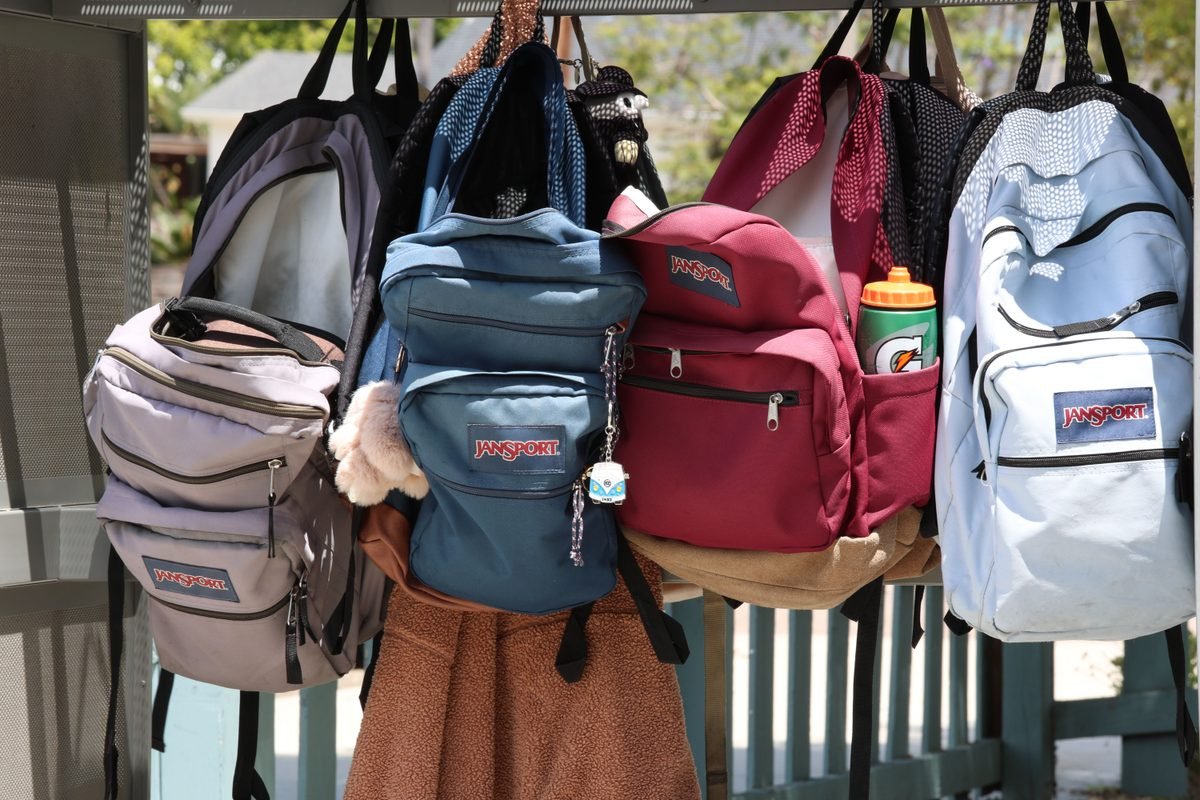
The method you use to access your gear impacts daily organization and travel efficiency. Travel backpacks generally divide into two main access styles: clamshell openings and top-loading designs. Clamshell packs open flat around three sides with a perimeter zipper, operating exactly like a traditional suitcase. This full panel opening gives you immediate visual access to all your contents without unpacking everything above it.
Clamshell designs excel when paired with packing cubes and organizers. Zipper quality is non-negotiable. Because clamshell zips carry high tension when a bag is packed full, heavy-duty YKK zippers with reinforced stitching are essential to prevent mid-transit blowouts. Many clamshell travel packs also incorporate separate mesh organizational dividers, dedicated padded laptop sleeves, and internal compression straps to hold clothes flat against the spine.
Top-loading backpacks draw their heritage from outdoor hiking packs. They feature a single drawstring or roll-top opening at the top, sometimes paired with a side access zipper. Top-loaders are structurally more durable because they feature fewer long zipper seams vulnerable to stress. They also excel in harsh weather conditions, as roll-top closures block rain and dust far better than exposed perimeter zippers.
However, top-loading packs make daily retrieval frustrating if the item you need rests at the bottom of the main compartment. Unless your top-loader includes a reliable side zipper or bottom sleeping bag hatch, you will frequently dump out your clothing on hotel beds just to reach a fresh pair of socks or a travel adapter. For urban travel and multi-city transit, clamshell openings remain the superior choice.
Weight Distribution and Hip Belt Comfort
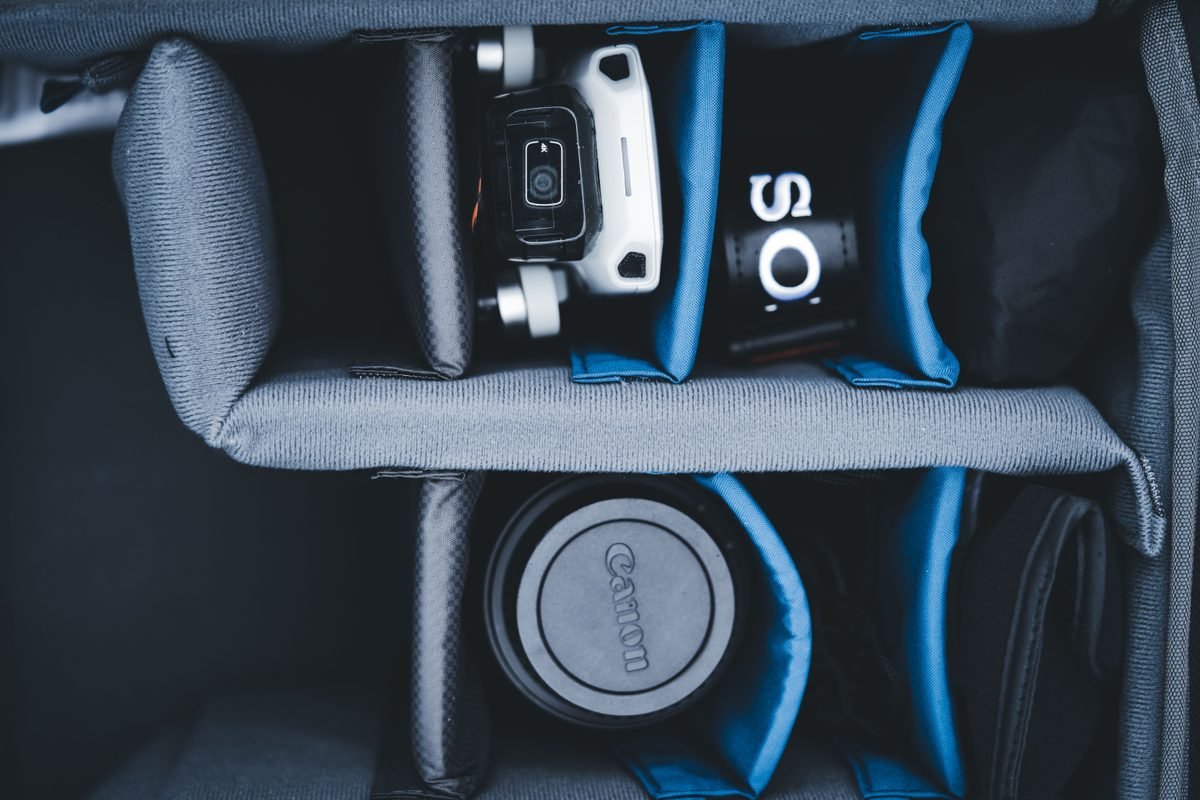
Carrying a 10 kg (22 lbs) backpack through crowded railway stations quickly reveals whether a pack supports your body properly. Effective load management relies on transferring weight away from your shoulders and down onto your skeletal structure through your hips. A properly designed load-bearing hip belt can carry up to 70 percent of the backpack’s total weight, reducing muscle strain on your neck and upper back.
Torso length determines comfort. Your total height is a poor indicator of backpack fit, as two people who stand 180 cm tall can have vastly different torso lengths. Measure your torso from your C7 vertebra at the base of your neck down along your spine to the top of your iliac crests on your hips. High-quality travel backpacks offer adjustable harness backplates or discrete frame sizes to ensure the hip belt sits directly over your hip bones rather than around your stomach.
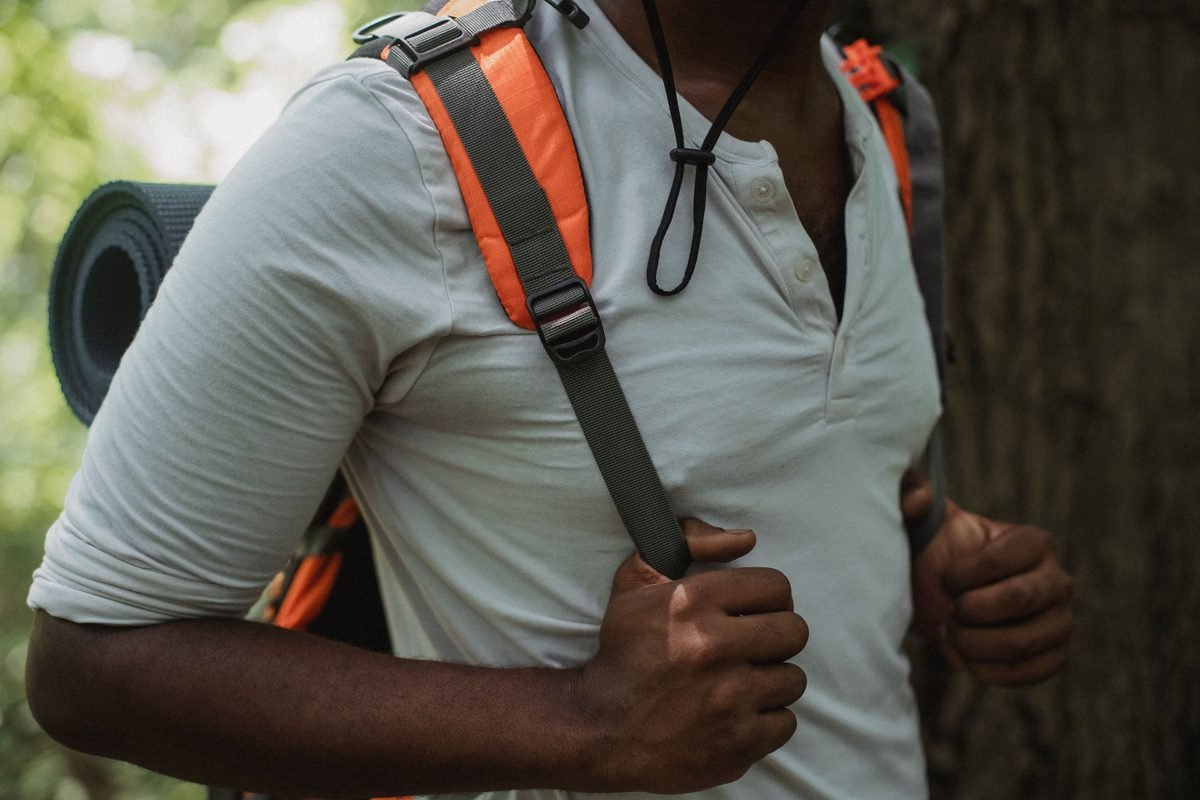
In addition to the hip belt, look for sternum straps and load lifter straps. Sternum straps connect your shoulder harnesses across your chest, preventing shoulder straps from slipping outward when walking. Load lifters are small adjustable webbings located at the top of the shoulder straps; pulling them tight draws the top of the pack closer to your center of gravity, preventing backward tilt.
Understanding these adjustment points prevents fatigue on long transit days. Taking time to adjust your harness before leaving home ensures that long transfers between terminal gates or walks to your accommodation remain painless. If you are managing long travel days and shifting time zones, knowing how to beat jet lag alongside proper gear adjustment keeps your energy levels steady throughout your journey.
Tip: Measuring Your Torso
Have a friend measure from your protruding neck bone down to the top of your hip bones. Match this exact measurement to backpack sizing charts rather than choosing by height.
Compression Packing Cubes and Torso Fit Strategy
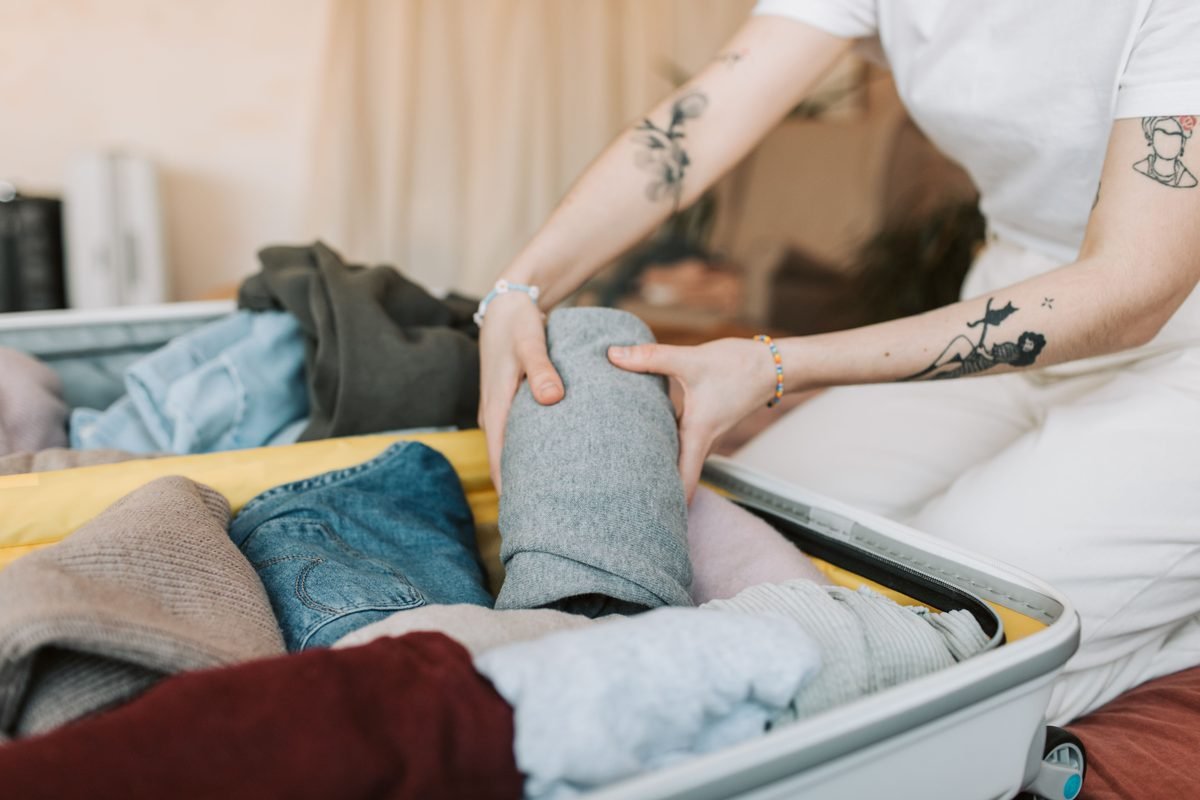
How you pack inside your bag directly influences how large a pack you actually need. Compression packing cubes use a secondary perimeter zipper to squeeze out air and compact soft clothing items by up to 40 percent. By compressing shirts, trousers, and mid-layers, you can easily fit two weeks of apparel into a 35L pack that would otherwise require a 45L bag.
However, compression increases density without changing mass. A highly compressed 35L bag filled with heavy denim and dense knitwear can easily weigh 12 kg (26 lbs), exceeding budget airline carry-on weight limits while appearing compact on the outside. Always monitor total weight on a portable luggage scale when using compression tools, especially on carriers with strict 7 kg limits.
Pack heavy items near your spine. Placing dense items like footwear, toiletries, and electronics high and close to your back keeps the bag’s center of gravity aligned with your torso. Stowing heavy gear far out in exterior pockets creates a pendulum effect, pulling you backward and putting unnecessary torque on your lower back and shoulders.
Bulging soft-sided packs can also fail rigid airline sizers. Over-packing a soft 40L bag causes the front panel to bow outward into a sphere, increasing its depth far beyond the standard 23 cm limit. Utilizing internal compression straps alongside structured cubes keeps the pack profile flat, boxy, and compliant with luggage sizers.
Heads up: Avoid Bag Bulge
Compression cubes make items smaller but do not reduce weight. Over-packing soft bags creates a rounded ball shape that fails rigid metal carry-on test frames at airport gates.
Key Features to Look For Before You Buy
Beyond volume and harness design, fine-grained construction details determine how well a travel backpack survives years of rigorous transit. Look for bags built with high-tenacity nylon or polyester fabrics, such as 420D to 1000D Cordura or recycled Ballistic Nylon. These fabrics offer superior abrasion resistance against rough baggage handling and concrete pavement without adding excessive dead weight to the pack structure.
Stowable harness systems add huge practical value when gate agents force you to check your bag. Shoulder straps and hip belts that tuck away into a zippered back panel prevent buckles and webbing from catching on conveyor belts or baggage handling machinery. Grab handles on top, side, and bottom also make pulling your bag from bus luggage holds or tight overhead lockers fast and effortless.
Dedicated tech storage is another vital consideration. A suspended laptop compartment keeps your computer raised several centimeters above the bottom of the bag, protecting it from hard impacts when setting your pack down on tile floors. Look for external water bottle pockets made from stretch mesh, lockable zipper sliders for main compartments, and subtle exterior security pockets for passport storage.
Finally, evaluate the manufacturer warranty and repair policy. Investing in gear from brands that support lifetime repairs ensures long-term reliability and reduces environmental waste. Before embarking on international trips, taking time to review a comprehensive travel insurance guide provides financial peace of mind alongside reliable gear preparation.
What this trip costs
| Item | Local price | USD |
|---|---|---|
| 28L-30L Personal Item Daypack | $120 | $120 |
| 35L Mid-Sized Carry-On Backpack | $170 | $170 |
| 40L Maximum Carry-On Travel Pack | $210 | $210 |
| 45L-50L Checked Travel & Trekking Pack | $250 | $250 |
| Set of 3 Compression Packing Cubes | $35 | $35 |
| Detachable Load-Bearing Hip Belt Upgrade | $30 | $30 |
| Handheld Digital Luggage Scale | $15 | $15 |
Prices checked October 2026. Always confirm with the provider before you book.
Mistakes to avoid
- Buying a 50L or larger bag assuming it will always pass as a carry-on on budget airlines.
- Selecting a backpack based entirely on your overall height instead of measuring your actual torso length.
- Over-packing soft compression cubes until the backpack bulges into a round shape that fails airport size check frames.
- Ignoring bag tare weight and buying a heavy 2.5 kg empty backpack when flying on airlines with 7 kg luggage limits.
FAQ
What is the best backpack size for carry-on travel?
For most international airlines, a 35L to 40L backpack is ideal. It fits within standard 55 x 35 x 23 cm dimensions while holding one to two weeks of clothing when combined with packing cubes.
Is a 40L backpack too big for a personal item?
Yes, a 40L backpack is usually too large for the personal item slot under airplane seats. Personal items are typically restricted to around 20L to 25L (roughly 40 x 20 x 25 cm).
How do I measure my torso for a travel backpack?
Measure along your spine from your C7 vertebra at the base of your neck down to the line across the top of your hip bones. When deciding how to choose a travel backpack size, match this measurement to the manufacturer harness sizing chart.
Are compression packing cubes worth using in a travel backpack?
Yes, compression cubes flatten soft clothes and save up to 40 percent of internal bag volume. However, they do not lessen weight, so monitor total bag mass on budget airlines.