How to Use Emergency Numbers in South Korea: A Local Guide

The sound of a siren in Seoul is distinct. It is a high-pitched, fast-paced wail that cuts through the hum of the city, usually coming from a red fire engine or a white 119 ambulance. While Korea is one of the safest countries you can visit, knowing how to use emergency numbers in South Korea is a basic skill that provides peace of mind when you are far from home. Whether you have a sudden medical issue or need help from the police, the system here is efficient and increasingly accessible for English speakers.
This guide covers the two main emergency digits you need to memorize, how to access 24-hour translation services, and where to find medical help for non-emergencies. I will also explain how to navigate the local clinic system and what to do when those loud emergency alerts start buzzing on your smartphone during your trip. Having lived in Seoul for years, I have seen how these services operate, and they are remarkably reliable for travelers who know what to do.
How to use emergency numbers in South Korea for police and fire
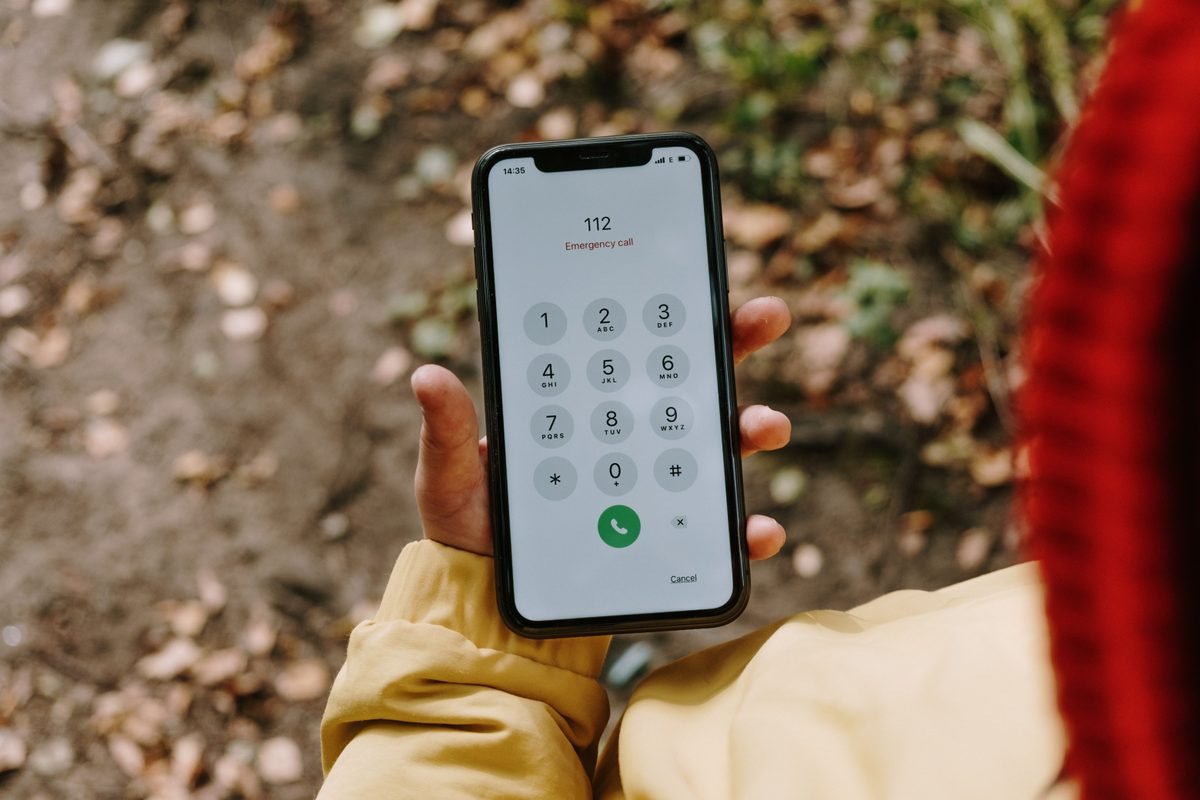
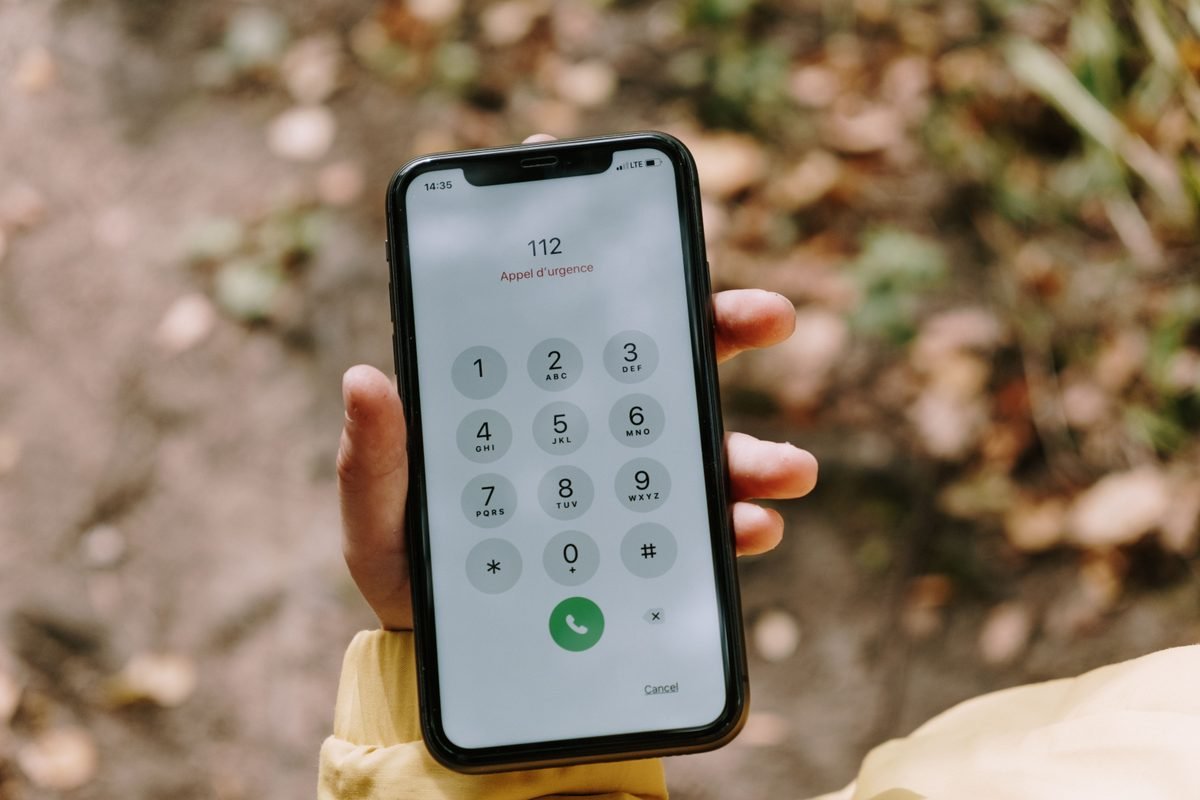
In South Korea, emergency services are split between two primary numbers: 112 and 119. You should dial 112 for the police. This is the number for reporting crimes, theft, or any situation where you feel unsafe or need law enforcement intervention. The police in Korea are generally approachable and can be found in small neighborhood stations called pachulso. If you are in a crowded area like Myeongdong or Hongdae, you will often see police officers patrolling on foot. Dialing 112 from any phone, including a foreign mobile with roaming, will connect you to a central dispatch center. You do not need a country code if you are already inside Korea.
For fire, rescue, and medical emergencies, you must dial 119. This is the equivalent of 911 in the US or 999 in the UK for health crises. In Korea, the 119 service operates both the fire department and the ambulance fleet. If someone collapses or is seriously injured, 119 is the fastest way to get a paramedic to your location. The response time in major cities is often under five minutes. When you call 119, the operator will ask for your location and the nature of the emergency. If you are calling for an ambulance, the service is generally free of charge for transport to the nearest hospital for emergency patients, though private ambulances (which are often white with green or blue markings) may charge a fee for non-emergency transfers.
It is important to remember that these two systems are interconnected. If you call 112 for a car accident and there are injuries, the police dispatcher will automatically alert 119. However, calling the correct number first saves precious seconds. Most dispatchers in Seoul and other major tourist hubs have basic English training, but for complex situations, they will use a three-way translation service to ensure they understand your needs perfectly. Stay on the line even if you cannot speak Korean; the technology can often pinpoint your location through your mobile signal.
Accessing English translation and interpretation services
One of the biggest worries for travelers is the language barrier during a crisis. If you dial 112 or 119 and the operator does not speak English, they will typically connect you to an interpretation service. This is often handled by the 1330 Korea Travel Helpline. This service is a lifesaver for independent travelers. It is run by the Korea Tourism Organization and provides 24/7 assistance in English, Japanese, and Chinese. You can call 1330 directly for any travel-related help, but they also act as a bridge for emergency calls. If you find yourself in a dispute or a confusing situation that isn’t a life-and-death emergency, call 1330 first. They can speak to a taxi driver, a shopkeeper, or a hotel clerk on your behalf.
Do not go looking for a separate medical advice line. The old 1339 Medical Emergency Information Center was folded into 119, and the number itself was retired in June 2013. If you are feeling unwell but are not sure whether you need a full emergency room visit, call 119 and ask for English: the dispatcher brings an interpreter onto the line and can tell you which hospitals near you have English-speaking staff on duty. The 1330 tourist line can give you the same hospital information. This is particularly helpful in the middle of the night when smaller clinics are closed. They can guide you to a 24-hour pharmacy or the nearest large university hospital.
I always suggest that visitors download the 1330 app, which allows you to make calls over Wi-Fi. This is useful if you do not have a local SIM card yet. The operators are incredibly patient and are used to helping tourists navigate everything from lost passports to food allergies. Having these numbers saved in your contacts—112, 119, 1330, and 1339—is the best way to ensure you are never truly stuck. The cost of calling these numbers is standard, and 1330 is free to use beyond the cost of the call itself. It is a level of support that makes South Korea a very friendly destination for solo travelers.
Tip: The 1330 Helpline
You can call 1330 from any phone to reach an English-speaking operator who can help with translations, bus schedules, or finding the nearest open pharmacy.
How to find your location for emergency responders
Finding your exact coordinates can be difficult in a city with dense alleys and complex addresses. If you need to report an emergency, your first tool should be your smartphone. While Google Maps is popular elsewhere, it is not the best choice here. To get accurate locations, you should use Naver Map vs Kakao Map for Tourists. These apps are the local standard and provide much more detail, including building entrances and specific shop names. If you are standing on a street corner, look for the blue street name signs or the small metal plates on buildings that show the road name and building number. These are part of the “Road Name Address” system introduced a few years ago to make navigation easier.
If you are in a park or on a hiking trail, look for yellow emergency location signs. These signs have unique numbers that tell rescuers exactly where you are on the mountain. On the Han River, the parks have numbered poles and delivery zones that serve the same purpose. If you are in a subway station, every pillar has a station name and a specific exit number nearby. Giving the operator the name of the nearest subway exit, such as “Hongik University Station Exit 9,” is one of the fastest ways to get help to your side. Most major stations are within a few minutes of each other, and the Seoul Public Transport Transfer Discount Rules make it easy to move between buses and trains if you need to reach a specific clinic.
In a worst-case scenario where you cannot find a sign, you can use the GPS coordinates from your map app. If you call from a local SIM, the 119 system can often triangulate your position automatically. If you are using a public payphone—which still exist near subway entrances and major intersections—the location is automatically transmitted to the dispatcher the moment you hit the red emergency button. It is also helpful to look for large landmarks like a specific “GS25” or “CU” convenience store, as there are thousands of them and they are all registered in the emergency dispatch databases.
Visiting clinics and hospitals for non-emergencies
Not every health issue requires a 119 call. If you have a cold, a minor stomach bug, or a small cut, you should look for a clinic (ui-won) rather than a large hospital. Clinics are everywhere in Korea, often located on the upper floors of commercial buildings near subway stations. They are usually specialized, so look for “Internal Medicine” (naegwa) for general illness or “Orthopedics” (jeonghyeong-oegwa) for sprains and bone issues. Most clinics are open from 09:00 to 18:00 or 19:00 on weekdays, and until 13:00 on Saturdays. They are generally closed on Sundays and public holidays.
When you enter a clinic, you will need to show your passport. As a tourist without Korean National Health Insurance, you will pay the full price, but this is still surprisingly affordable compared to many Western countries. A standard consultation often costs between ₩30,000 and ₩50,000 (about $23 to $38). The doctor will give you a paper prescription, which you then take to a nearby pharmacy (yak-guk). Pharmacies are almost always located in the same building or right next door to clinics. The pharmacist will prepare your medicine in small paper packets, usually divided by dose (morning, afternoon, and evening), which is very convenient for travelers on the go.
For more serious but non-life-threatening issues, go to a general hospital (byeong-won) or a university hospital. These have emergency rooms (ER) that are open 24/7. Be aware that ER costs are significantly higher than clinic visits. You might pay a base entry fee of ₩100,000 to ₩150,000 (about $75 to $113) just to be seen, plus the cost of tests and treatment. However, the quality of care is world-class. Many large hospitals in Seoul, such as Yonsei Severance or Seoul National University Hospital, have dedicated International Health Care Centers with staff who speak fluent English. This is a great comfort if you need complex care and want to ensure your Korea Travel Budget Per Day can handle the expense.
Finding pharmacies and buying basic medicine
Pharmacies in South Korea are easy to spot by the large sign that simply says “Yak” (약) in red or green. Unlike drugstores in the US or UK, Korean pharmacies are small and focused primarily on medicine. You cannot usually buy snacks or household goods there; for those, you go to a convenience store. However, pharmacies are the only place to get stronger over-the-counter medications, including many types of painkillers, cough syrups, and digestive aids. If you have a specific ailment, you can often just describe the symptoms to the pharmacist, and they will recommend a product. Many pharmacists in tourist areas speak enough English to help with basic needs.
If you need medicine late at night or on a Sunday when pharmacies are closed, head to a convenience store like GS25, CU, or 7-Eleven. Since 2012, these stores have been allowed to sell a limited selection of “Safe Over-the-Counter” medicines. You can find basic Tylenol, aspirin, digestive tablets, and medicated patches for muscle pain. These are usually located in a small display near the cashier. While the selection is small, it is enough to get you through the night until a proper pharmacy opens. Note that you must be 18 or older to buy these items, and you are usually limited to one pack per person.
If you are looking for traditional remedies, you can also visit the Seoul Traditional Korean Medicine Market Guide area in Jegi-dong. While not for acute emergencies, herbal medicine is a huge part of the culture here. For standard western medicine, though, the yak-guk is your best bet. If you are in a major city, there is usually at least one “late-night pharmacy” in each district that stays open until midnight or 01:00. You can use 1330 to find the one closest to you. Always keep your medicine in its original packaging when traveling, especially if you are carrying prescriptions from home, to avoid any issues at customs or during a medical consultation.
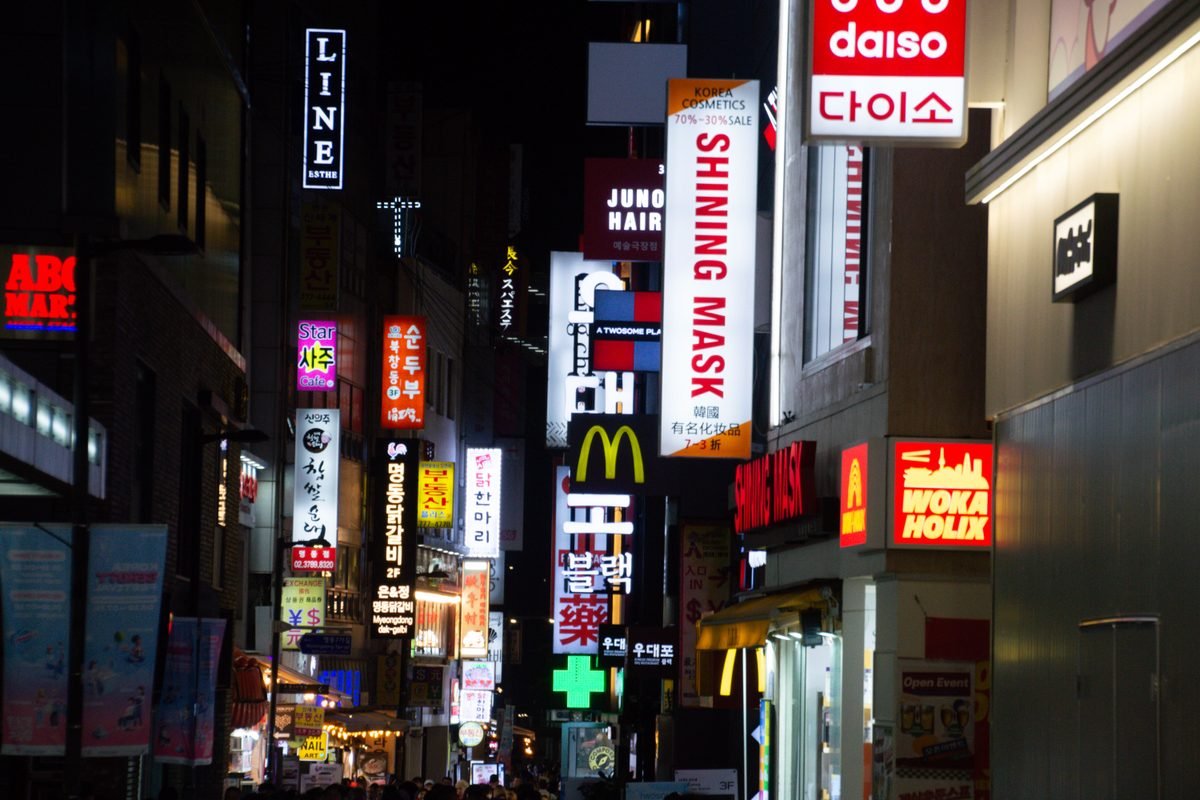
From a local: Look for the Red Sign
The character 약 (Yak) means medicine. If you see this sign, you have found a pharmacy. They are often tucked into the second or third floors of buildings.
Understanding emergency alerts and natural disasters
One thing that often startles visitors to Korea is the emergency alert system. Your phone will occasionally emit a loud, piercing siren sound followed by a text message in Korean. These are public safety alerts sent by the government. Most of the time, they are not cause for panic. They are frequently used for missing person reports, weather warnings like extreme heat or heavy snow, or reminders about fine dust levels. In the autumn, you might get alerts about wildfire risks. While the messages are in Korean, you can use a translation app like Google Lens or Papago to read the text. There is also an English-language app called “Emergency Ready” provided by the government that translates these alerts in real-time.
South Korea is generally safe from major natural disasters, but it does experience typhoons in the late summer and occasional minor seismic activity. If a serious emergency occurs, the 119 service is the lead agency for evacuations. In cities, subway stations are designated as civil defense shelters. You will see green signs with a person running toward a doorway marking these spots. These are reinforced structures designed to keep people safe. If you see people moving calmly toward a subway entrance during a drill or an alert, follow their lead. Civil defense drills happen a few times a year, and while they can be noisy, they usually only last about 15 to 20 minutes.
If you lose your belongings, such as a wallet or passport, this is considered a non-emergency police matter. You should visit the nearest police box or use the “LOST112” website, which is the national lost and found database. Koreans are famously honest, and many lost items end up at police stations within 24 hours. For a lost passport, you must get a police report (bunsil-jeungmyeongseo) to take to your embassy. The police will help you fill this out, and this is another situation where calling 1330 for a translator can make the process much smoother. Being prepared for these small hiccups makes the difference between a ruined trip and a minor detour in your itinerary.
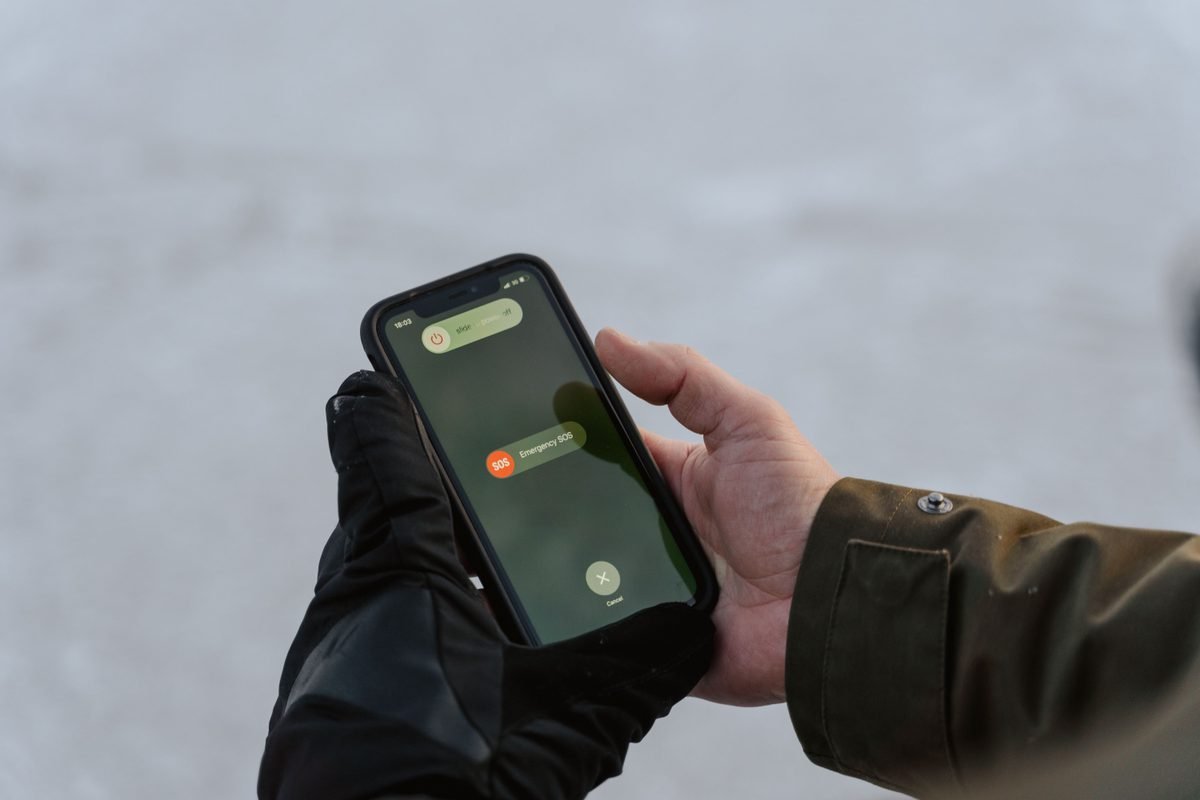
Heads up: Don't Panic at the Siren
The loud buzzing alerts on your phone are often just weather updates or missing person reports. Use a translation app to check the content before worrying.
What it costs in Seoul
| Item | Local price | USD |
|---|---|---|
| 119 Emergency Ambulance | Free | $0 |
| Clinic Consultation (Tourist) | ₩30,000 – ₩50,000 | $23 – $38 |
| Prescription Medicine (Standard) | ₩5,000 – ₩15,000 | $4 – $11 |
| ER Base Entry Fee | ₩100,000 – ₩150,000 | $75 – $113 |
| 1330 Translation Helpline | Free | $0 |
| Convenience Store Painkillers | ₩3,000 – ₩5,000 | $2 – $4 |
| Total for Minor Illness Visit | ₩45,000 | $34 |
Prices checked October 2026. Always confirm with the provider before you book.
Mistakes to avoid
- Calling 119 for a lost passport or stolen wallet; use 112 or visit a police box instead.
- Assuming all ambulances are free; private transfer ambulances charge a fee, while 119 emergency ones are generally free for crises.
- Waiting for the emergency room for a minor cold; local clinics are much faster and significantly cheaper.
- Ignoring the 1330 helpline when there is a language barrier; they are trained to handle three-way calls with emergency dispatchers.
- Trying to use Google Maps to find the nearest hospital; Naver Map or KakaoMap are much more accurate for Korean medical facilities.
FAQ
Is the 119 ambulance free for foreigners in South Korea?
Yes, the 119 emergency ambulance service is generally free for both locals and foreigners when used for genuine medical emergencies. However, you may be charged if you use a private ambulance for non-emergency transport between hospitals.
How can I get an English translator if I call the police?
When you call 112, you can ask for ‘English’ or ‘interpretation.’ The dispatcher will connect you to a service like 1330 or a dedicated police interpreter who will join the call as a third party to translate your conversation.
What should I do if I need a pharmacy on a Sunday?
Most pharmacies are closed on Sundays, but you can find basic medicines like Tylenol and digestive aids at convenience stores. For a full pharmacy, call 1330 to ask for the location of the nearest ‘late-night’ or ‘holiday’ pharmacy in your district.
How to use emergency numbers in South Korea if I don't have a local SIM card?
You can still dial 112 or 119 from a phone with a foreign SIM or even a phone with no SIM card at all, as long as there is a network signal. Most public payphones also have a red ‘Emergency’ button that connects you to these numbers for free.