Jeju Tangerine Picking Farm Experience Guide: Seogwipo Tips

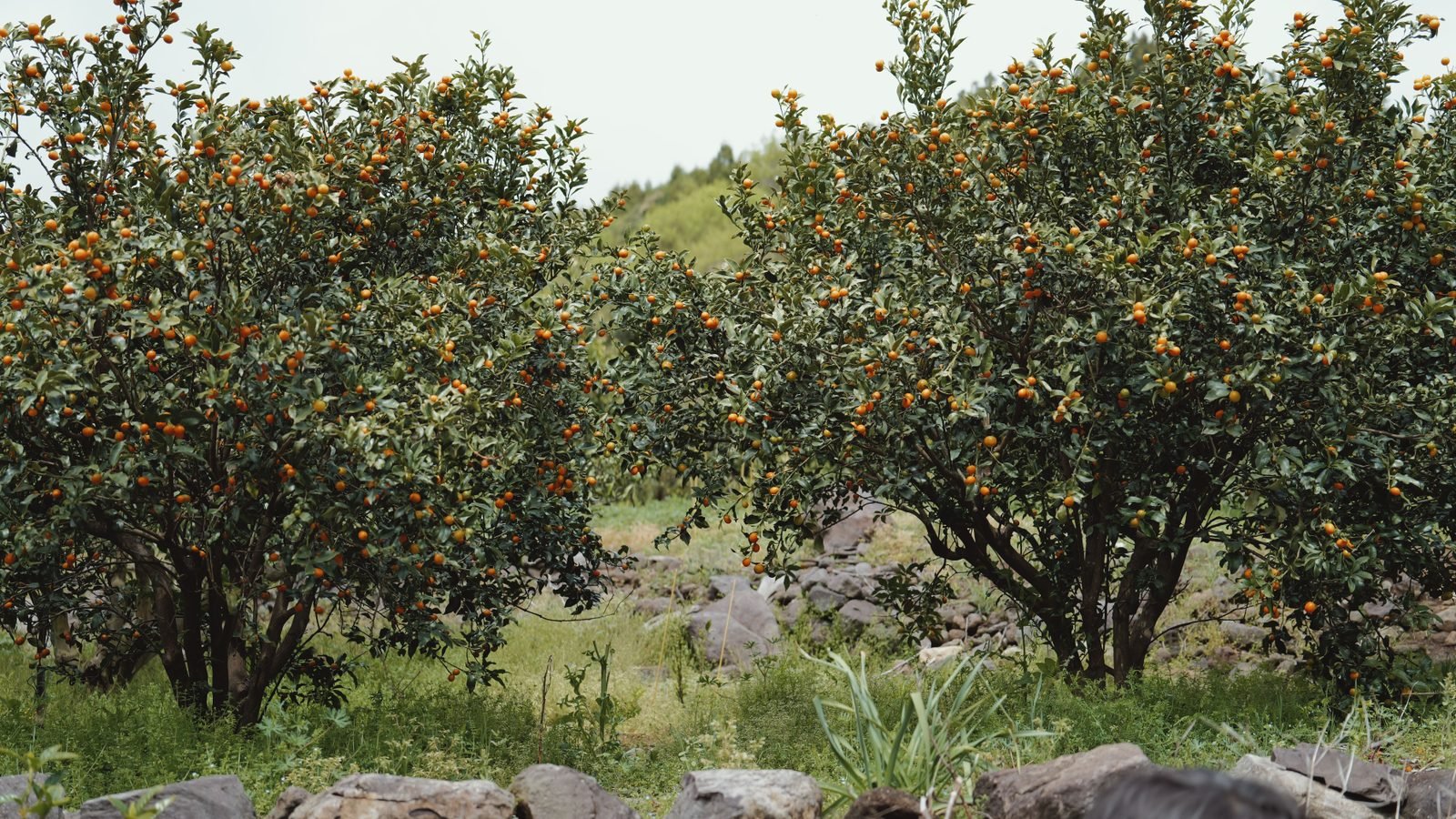
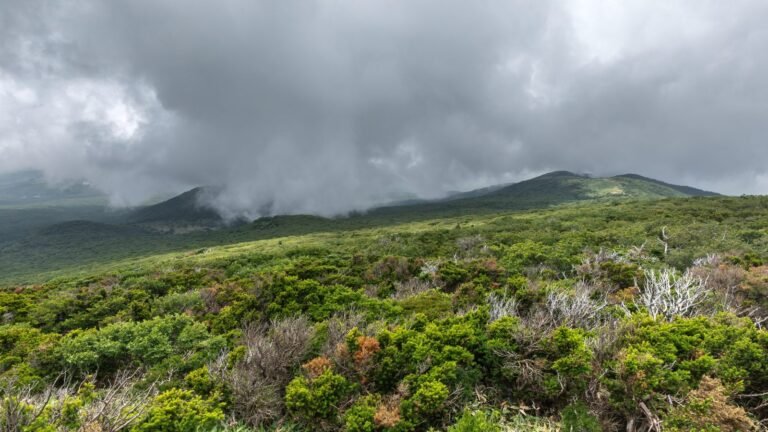
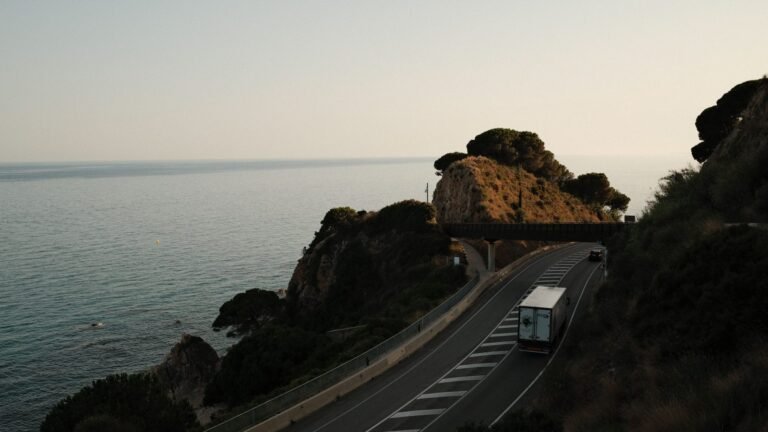
The sharp, sweet scent of citrus peel fills the air as soon as you step off the bus in Seogwipo. It is October 2026, and the southern slopes of Hallasan are turning from a deep forest green to a speckled, bright orange. For locals here in Korea, this transition marks the start of the most delicious season on the island. While Jeju offers volcanic trails and black sand beaches, nothing feels more like a local autumn tradition than standing in a sun-drenched orchard with a pair of clippers in hand.
This Jeju tangerine picking farm experience guide is designed for independent travelers who want to venture beyond the basic roadside stalls. We will cover the best windows for different citrus varieties, how to navigate the orchards around Seogwipo, and the practical etiquette of picking your own fruit. Whether you are looking for the perfect photograph or just the sweetest Hallabong of the season, this guide covers the logistics, costs, and transport tips you need for a successful harvest day.
How to choose a Jeju tangerine orchard
Finding the right farm depends heavily on what you want out of the day. Some orchards are designed for high-volume production, while others are small, family-run plots that cater specifically to visitors. In the Seogwipo area, you will find a high concentration of these farms because the southern climate is significantly warmer than the north side of the island. This extra warmth makes the fruit sweeter and the harvest season slightly longer. When you are searching for a location, look for the term ‘gyul-rim’ (귤림) or ‘nong-jang’ (농장) on your map app.
The difference between photo-focused and fruit-focused farms
In recent years, Jeju has seen a rise in ‘aesthetic’ farms. These places often charge a slightly higher entry fee, perhaps ₩10,000 (about $7.50), but they provide props like orange hats, vintage baskets, and benches placed under the heaviest branches. If you want social media photos, these are excellent. However, if your goal is to bring back the best-tasting fruit, look for the older, more rugged orchards. These often charge by the weight of what you pick, usually around ₩3,000 to ₩5,000 (about $2.25 to $3.75) per kilogram, and they allow you to sample as much as you like while you work. I usually recommend the Namwon-eup area for the highest quality fruit. It is a bit further east from Seogwipo City but the soil there is famous for producing the ‘sweetest’ tangerines on the island.
You do not always need to book weeks in advance. Many farms allow walk-ins, especially on weekdays. However, if you have a specific famous farm in mind, checking their status on Naver Map or KakaoMap is vital. Look for recent reviews from the last week to ensure the trees haven’t been picked clean. Some farms close for a few days to let the next batch of fruit ripen properly.
When to visit for the best harvest windows
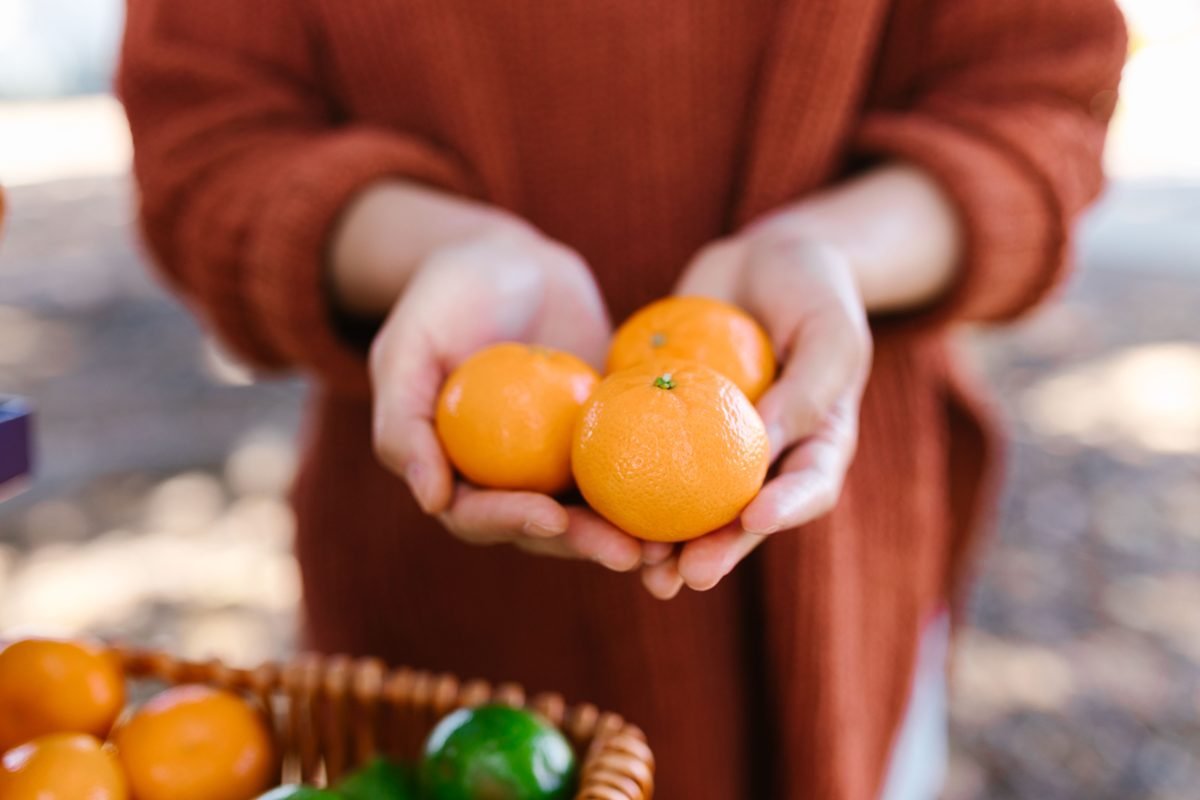
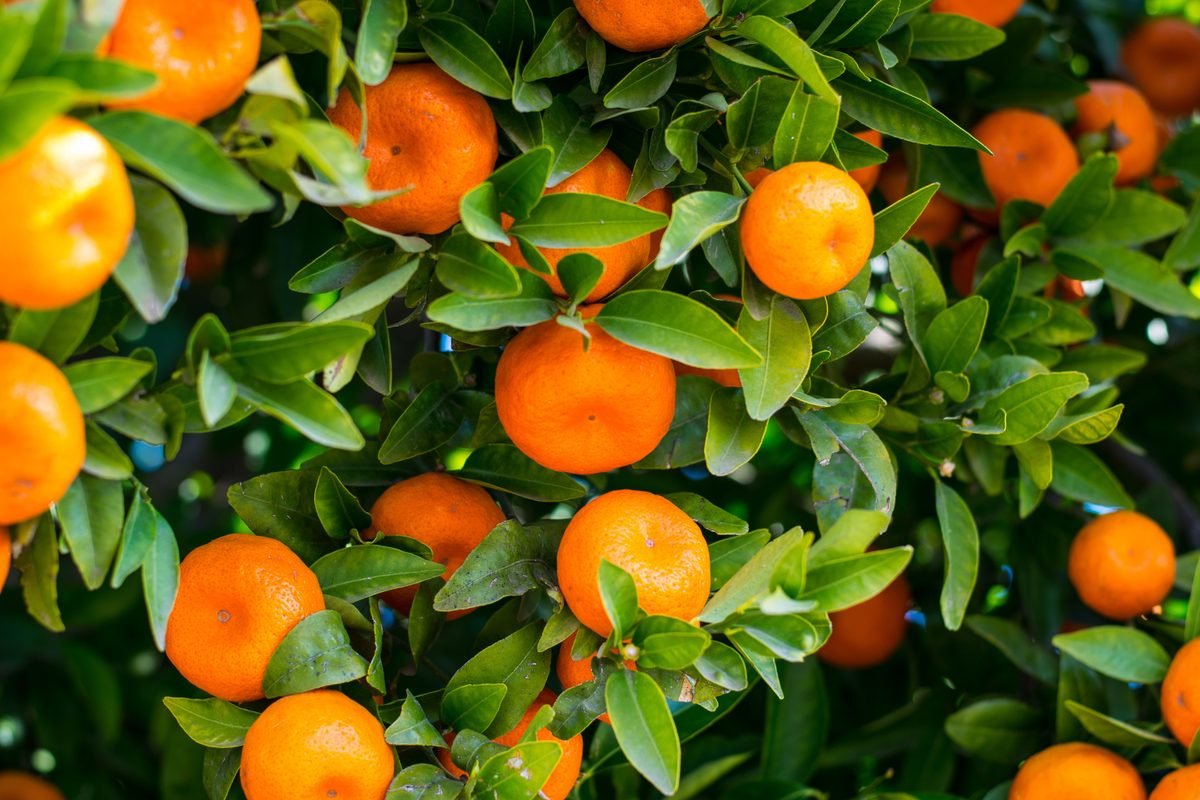
Timing is everything when it comes to Jeju citrus. The season is much longer than most travelers realize, stretching from late autumn all the way into early spring. The standard tangerine, known as gamgyul, starts its season in mid-October. At the start of the month, the fruit might still have a greenish tint, but do not let that fool you. These early-season fruits are often the most refreshing, with a sharp acidity that balances the sugar. By late November and throughout December, the fruit is at its peak orange color and maximum sweetness. This is the busiest time for picking experiences.
Winter varieties and premium citrus
Once the standard harvest ends in late December, the ‘premium’ varieties take over. These are often grown in greenhouses or carefully protected plots. From January to March, you can pick Hallabong, which are famous for the protruding bump near the stem that looks like the peak of Mount Halla. These are much larger and have a thicker, more aromatic skin. Following these are the Redhyang and Cheonhyehyang varieties. Redhyang is known for its deep reddish-orange flesh and very thin skin, making it a local favorite for gifting. If you visit in the spring, you might find Karahyang, a hybrid harvested from late March into May.
The fruit is very sweet. You should plan your visit according to these windows. If you arrive in October, focus on the open-air orchards. If you are here in the dead of winter, you will likely be picking inside large, clear vinyl greenhouses. The experience is different, but the fruit is often even more intense in flavor. Most farms operate from 09:00 to 17:00, but I suggest arriving before 11:00. The light is better for photos, and the morning air in Seogwipo is crisp and pleasant. By mid-afternoon, the most accessible low-hanging fruit may already be gone.
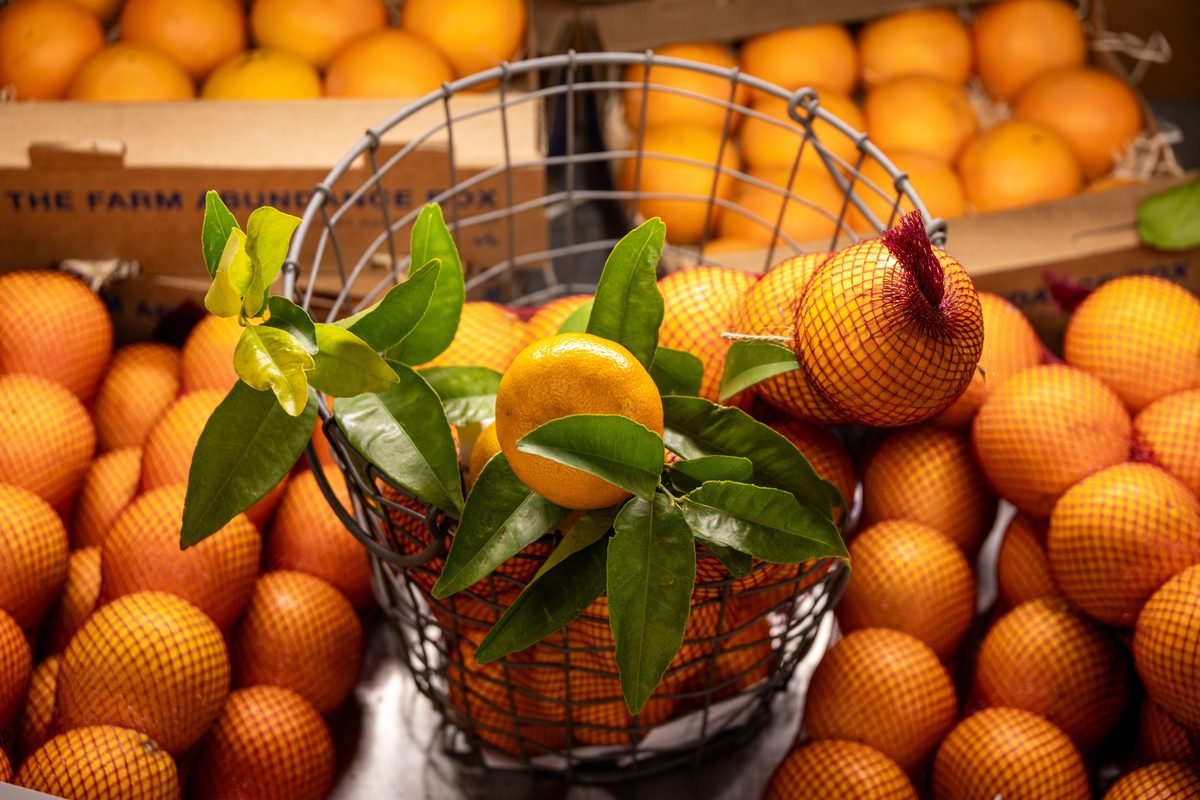
Tip: Check the Ripeness
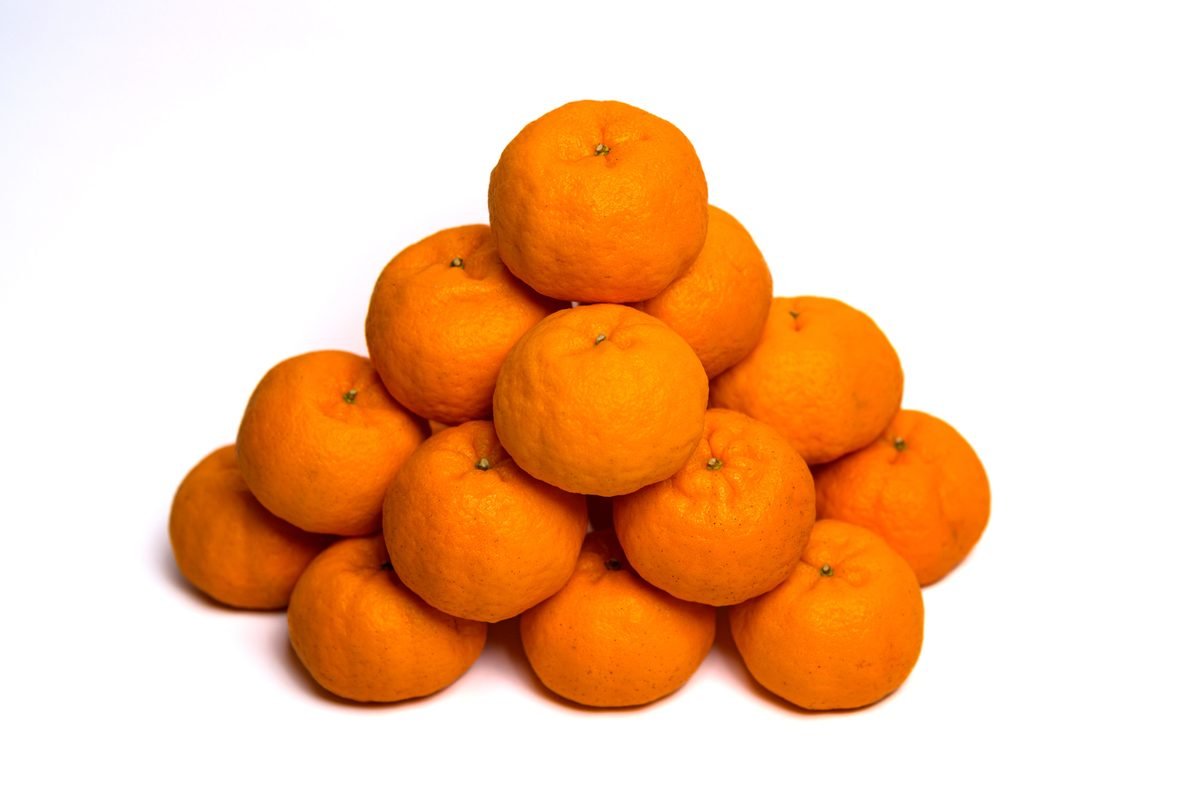
Look for fruit that feels heavy for its size and has a fine, pebbly skin texture. Avoid the very large, puffy-looking tangerines as they are often dry inside.
What to expect during the picking process
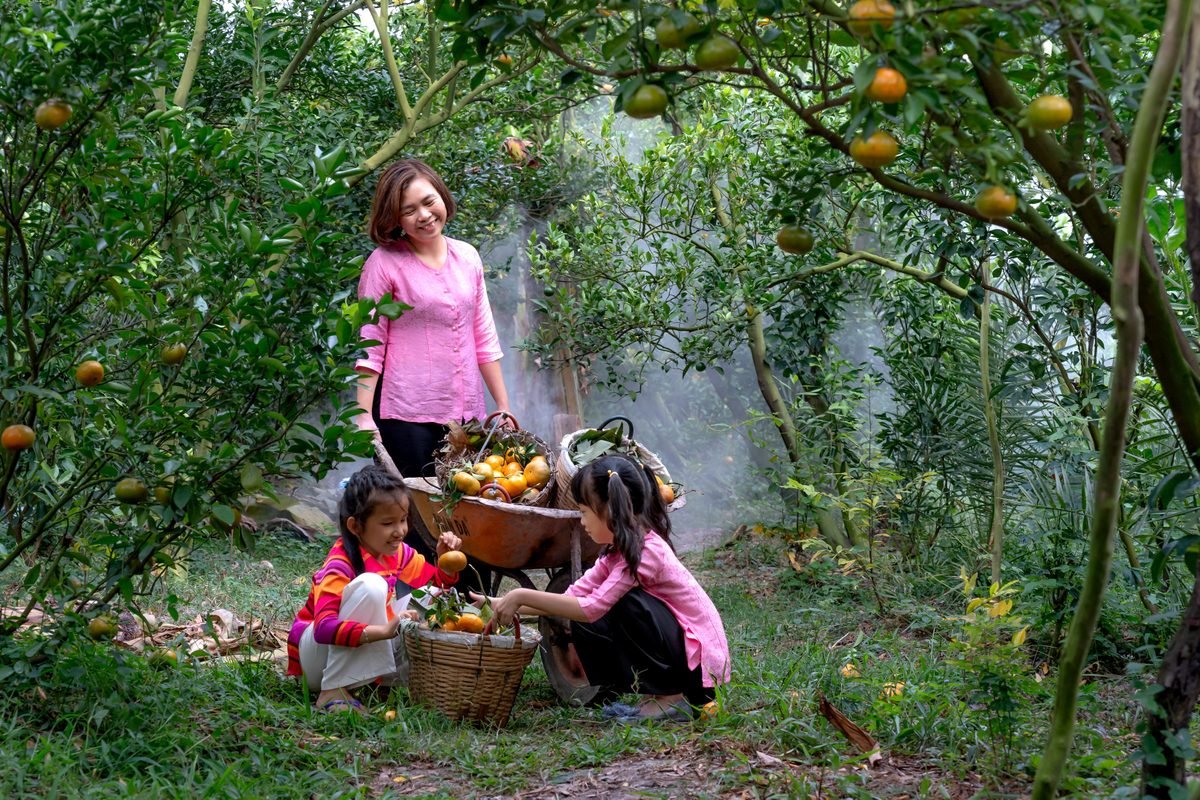
When you arrive at a farm, the process is usually straightforward. You will pay your entry fee at a small shed or cafe counter. The staff will give you a small pair of specialized clippers and a bucket or a plastic bag. Most farms have a ‘limit’ on what you can take home—usually 1kg or 2kg—but they often allow ‘unlimited’ eating while you are inside the orchard. This is the best part of the experience. You can walk through the rows, find a tree that looks promising, and sample a fruit right there. If it is sweet, stay at that tree. If it is too sour, move to the next row. The flavor can change surprisingly much from one tree to another based on how much sun it gets.
Tools and technique
Grab the small orange clippers. You must never pull the fruit off the branch with your hands. This can damage the delicate fruiting spurs, which prevents the tree from producing fruit the following year. Instead, hold the tangerine in one hand and snip the stem about a centimeter above the fruit. Once it is off the tree, make a second ‘flush cut’ to remove the remaining stem entirely. This prevents the sharp stem from poking and bruising other fruit in your basket. It is a meditative process. Most farms provide a basket for the experience. You will see locals and tourists alike carefully filling them, stopping every few minutes to peel and eat a particularly ripe specimen.
The juice is incredibly fresh. Be prepared for sticky fingers. Most farms have a washing station with soap near the exit, but carrying a small pack of wet wipes is a smart move. Also, keep in mind that the ground in an orchard can be uneven or muddy if it rained recently. I recommend wearing sturdy sneakers rather than sandals. If you are following a Jeju 3 day itinerary without a car, make sure the farm you choose is within walking distance of a main bus stop, as some are deep in rural lanes.
Photography rules and orchard etiquette
Jeju orchards are incredibly photogenic, and the farm owners know it. However, there are some unspoken rules to follow to keep the experience pleasant for everyone. First, do not cross into areas that are marked off with rope or tape. These are often sections where the trees are young or are being treated with organic fertilizers. Second, be mindful of the ‘no-waste’ policy. While you can eat as much as you want, do not leave half-eaten fruit or piles of peel on the ground in the middle of the paths. Most farms provide dedicated bins for peels. Leaving them under the trees can attract pests or lead to rot that affects the soil health.
Capturing the perfect shot
If you are at a farm that provides props, feel free to use them, but return them to the designated area when you are finished. The best photos are usually taken from a low angle, looking up through the branches to catch the sunlight filtering through the leaves. Avoid shaking the trees to get ‘falling leaf’ shots, as this can knock down unripe fruit that the farmer is counting on for later in the season. Most visitors spend about an hour in the orchard, split evenly between picking and taking photos. If the farm has a cafe attached, it is common courtesy to buy a drink or a snack after your picking session, especially if the entry fee was low.
Look for the bumpy skin. Some of the most ‘ugly’ fruits are actually the sweetest. Don’t just pick the perfectly round, smooth ones if you want the best flavor. Many farms also have small displays of antique farming tools or traditional Jeju stone statues (Dol Hareubang) dressed in orange scarves. These make for great contextual shots. Remember that these are working farms first and tourist attractions second. Respect the equipment and the trees. If you see the farmers working in the back rows with large crates, give them space to move their carts through the narrow paths.
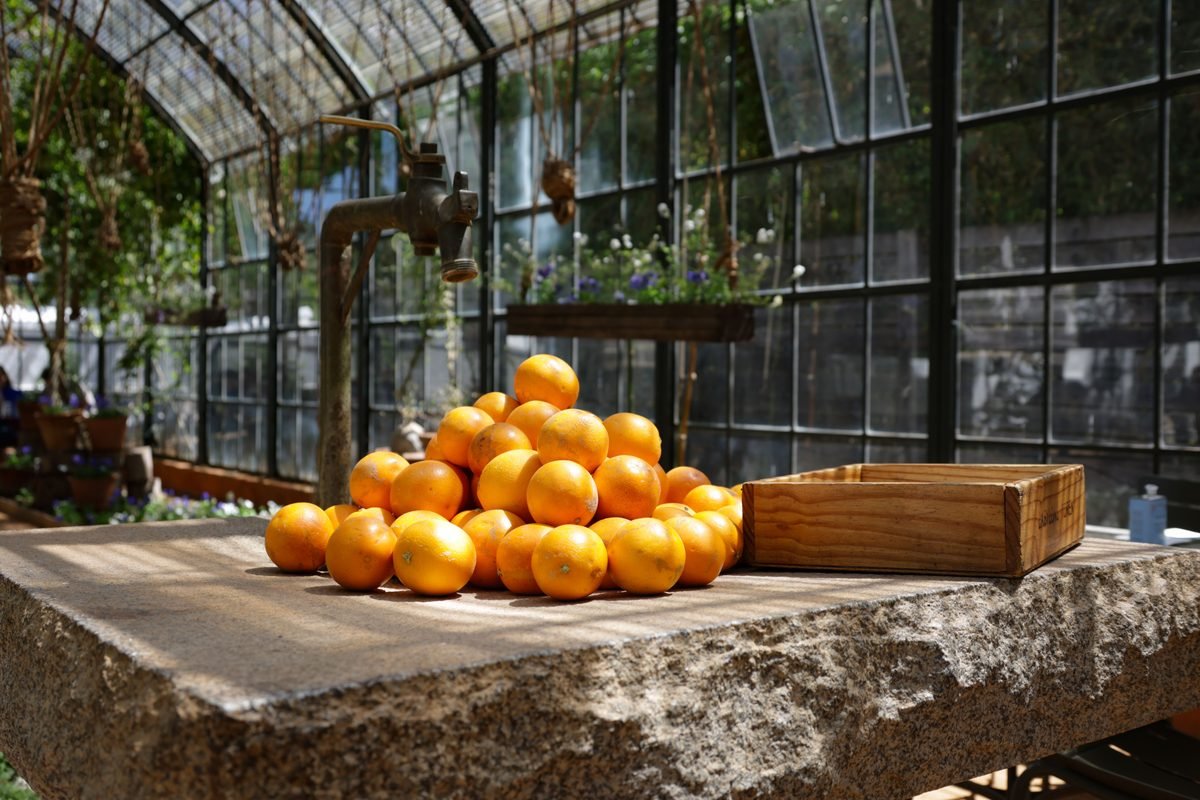
From a local: The Peel Secret
Locals sometimes collect the peels to dry them at home. Dried tangerine peel (jinpi) is used in traditional tea to help with digestion and winter colds.
Where to eat and what to buy nearby
After a morning of picking, you will likely be hungry for something more substantial than citrus. The Seogwipo area is the heart of Jeju’s food scene. Since you are already in the south, this is the perfect time to look for a place serving the island’s famous pork. You can find many excellent spots by checking a Jeju black pork barbecue local guide to see which restaurants are currently trending with locals. The salty, savory flavor of the grilled pork is a perfect contrast to the sweet fruit you have been snacking on all morning. Many restaurants in Seogwipo even offer a complimentary tangerine dessert during the harvest months.
Citrus-infused treats
Beyond the fresh fruit, the farm cafes offer an array of processed goods that make excellent souvenirs. Look for ‘Gyul-pan’ (dried tangerine slices coated in chocolate) or tangerine honey. One of my favorite things to buy is the local citrus vinegar, which is fantastic for salad dressings. If you are near the Seogwipo Olle Market, look for the stalls selling ‘omegi-tteok’—a chewy millet cake rolled in sweet red bean paste. The market is also the best place to compare prices if you want to ship a large box of Hallabong back to a friend in Seoul. Most stalls offer flat-rate shipping for around ₩5,000 (about $3.75) per box.
Don’t miss the citrus-flavored soft serve ice cream. Many farms have their own small soft-serve machines using juice from that morning’s harvest. It is bright, refreshing, and usually costs around ₩4,000 (about $3.00). If you are looking for a gift that lasts longer, look for the small candles shaped like tangerines. They are a staple of Jeju souvenir shops and actually smell like the orchards. Seogwipo’s cafes also specialize in ‘Ade’ (carbonated fruit drinks). A cold Hallabong Ade on a sunny October afternoon is one of the simple joys of an island trip.
Heads up: Customs Restrictions
If you are flying internationally after Jeju, remember that most countries strictly prohibit bringing fresh fruit across borders. Eat your haul before you leave Korea!
How to get to the Seogwipo orchards
Getting around Jeju is much easier than it used to be, but it still requires some planning if you aren’t driving. From Jeju City or the airport, the fastest way to reach the Seogwipo orchards is the 181 or 182 Express Bus. These buses cut straight across the center of the island and cost between ₩2,000 and ₩4,000 (about $1.50 to $3.00) depending on your distance. Once you are in Seogwipo, the 201 trunk bus runs along the coast and stops near many of the larger farms in the Namwon and Hyodon areas. The fare for these blue buses is ₩1,150 (about $0.86) when using a transit card like T-money.
Using taxis and local transport
If a farm is located deep in the countryside, the bus might only get you within a 15-minute walk. In these cases, taking a taxi from the nearest major bus stop is very affordable. The base fare for a medium taxi in Jeju is ₩4,300 (about $3.20) for the first 2 kilometers. Most drivers are very familiar with the popular picking farms and will know exactly where to go if you show them the name in Korean. If you are traveling in a group, this is often more efficient than waiting for a local branch bus, which may only run once an hour. Remember to tap your transit card when getting off the bus to get a free transfer to another bus within 40 minutes.
The coastal roads are very scenic. If you have the energy, you can combine a picking experience with a walk on the Jeju Olle Trail walking guide routes. Several of the trails, particularly Route 5 and Route 6, pass right by small orchards that offer ‘pay-by-the-bag’ picking for hikers. This is a great way to see the island at a slower pace. Just look for the hand-painted signs on the side of the trail. Most farms have plenty of parking if you do choose to rent a car, but be careful on the narrow stone-walled lanes that lead to the older orchards. They were built for tractors, not SUVs.
What it costs in Jeju
| Item | Local price | USD |
|---|---|---|
| Standard Entry + 1kg Fruit | ₩10,000 | $7.50 |
| Premium Hallabong Picking (per kg) | ₩15,000 | $11.25 |
| Seogwipo Express Bus Fare (from Airport) | ₩3,000 | $2.25 |
| Local Trunk Bus Fare | ₩1,150 | $0.86 |
| Tangerine Ade at a Farm Cafe | ₩4,000 | $3.00 |
| Small Box of Dried Citrus Snacks | ₩5,000 | $3.75 |
| Average Daily Total (per person) | ₩38,150 | $28.61 |
Prices checked October 2026. Always confirm with the provider before you book.
Where to stay in Jeju
Budget
Seogwipo City, near the Daily Olle Market
This area is perfect for solo travelers who want easy access to the main bus lines and cheap local eats. You can find clean guesthouses and business hotels for ₩45,000 to ₩65,000 per night.
Mid-range
Namwon-eup, for orchard-side pensions
Staying in the heart of the citrus district allows you to wake up surrounded by orange trees. Expect to pay ₩90,000 to ₩140,000 for a private studio with a view of the fields.
Splurge
Jungmun Tourist Complex
This is the luxury hub of the south, home to high-end resorts and private villas. It is a 20-minute drive from the best picking farms, with nightly rates ranging from ₩250,000 to ₩500,000.
Mistakes to avoid
- Pulling the fruit by hand instead of using the provided clippers, which damages the tree.
- Wearing white or expensive clothing that can be stained by citrus sap or orchard mud.
- Visiting an orchard in the late afternoon when the best fruit has already been picked by morning crowds.
- Assuming all farms are open every day; many close for ‘ripening breaks’ or on rainy days.
- Forgetting that fresh fruit cannot be taken on international flights due to agricultural quarantine rules.
FAQ
What is the best month to pick tangerines on Jeju?
November and December are the peak months for the classic orange tangerine. If you want the larger, premium Hallabong, plan your visit for late January or February.
Can I take the tangerines I pick back to Seoul?
Yes, domestic travel within South Korea has no restrictions on carrying fresh fruit. You can take them in your carry-on or checked luggage on the flight back to Gimpo or Incheon.
Do I need to speak Korean to visit these farms?
Not necessarily. Most farms have signs with prices and simple pictorial instructions for using the clippers. In Seogwipo, many farm owners are used to foreign tourists and can manage the transaction with basic English or translation apps.
Is the experience suitable for children?
It is one of the best family activities on the island. The trees are kept short so children can easily reach the fruit, and many farms have extra activities like goat feeding or small playgrounds.