Machu Picchu Travel Planning Guide: Trains, Trails & Permits

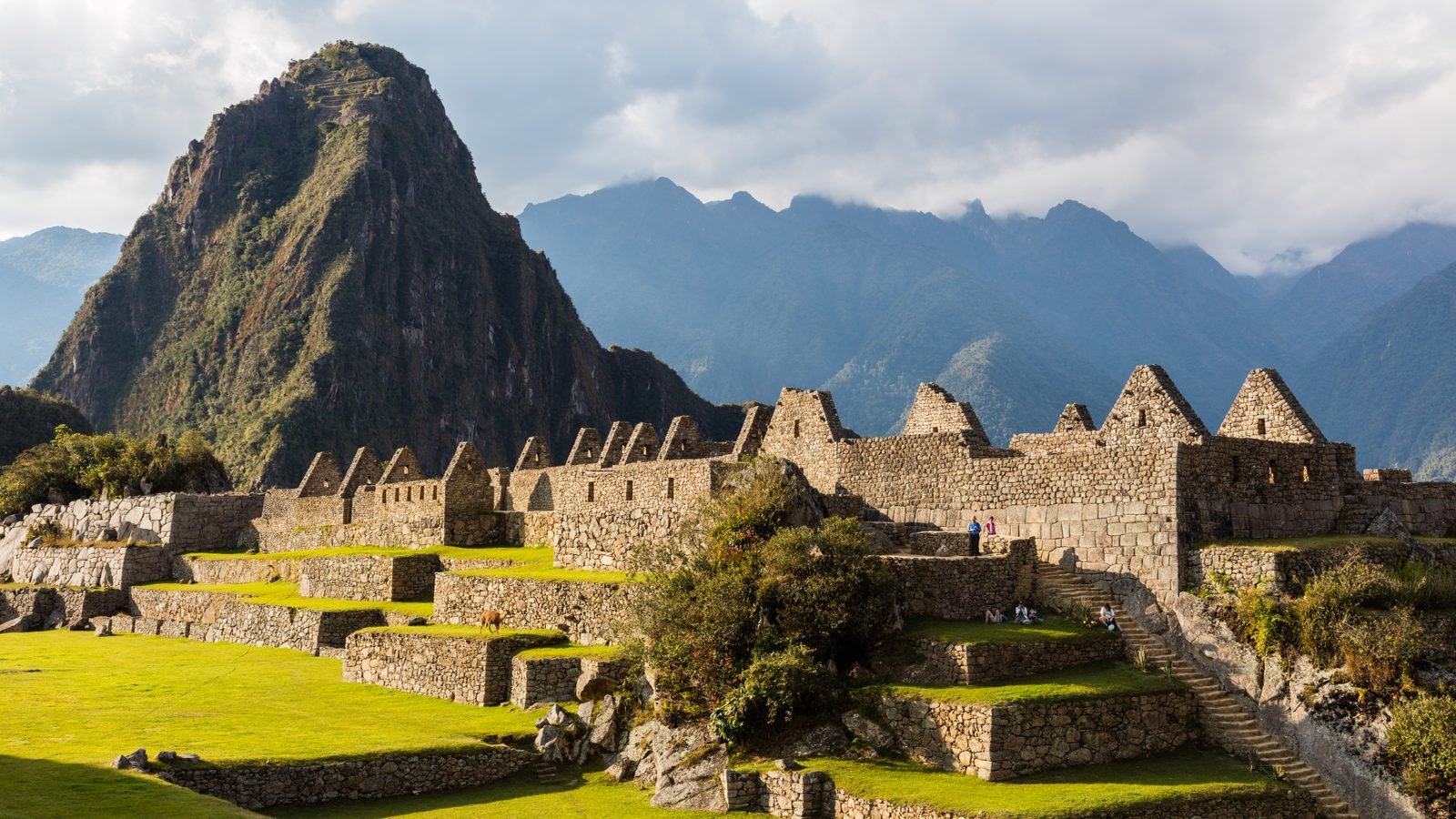
Standard adult entry to the Inca citadel costs S/152 (about $41), but securing that ticket is only one moving piece in a complex mountain puzzle. Between train schedules, high-elevation acclimatization, and strict circuit rules, arranging this trip requires methodical preparation months before you step foot in the Andes. A single timing mistake can derail your entry.
This Machu Picchu travel planning guide breaks down every step for independent travelers heading to the Peruvian cloud forest. You will find specific details on booking your Inca Trail permits, choosing between train routes from Cusco or Ollantaytambo, navigating the newest circuit system, and preventing debilitating altitude sickness.
How to Navigate the Machu Picchu Ticket Circuits
In mid-2024, Peru’s Ministry of Culture revamped the entire visitor flow at Machu Picchu to protect the fragile stonework. Visitors can no longer roam freely across the entire sanctuary on a single pass. Instead, you must purchase a ticket for a designated circuit, and park rangers enforce these one-way paths strictly. Tickets sell out months in advance for the peak dry season from May through October, so buying your entry is the foundational step of your trip.
The system is organized into three distinct circuits, subdivided into specific numbered routes:
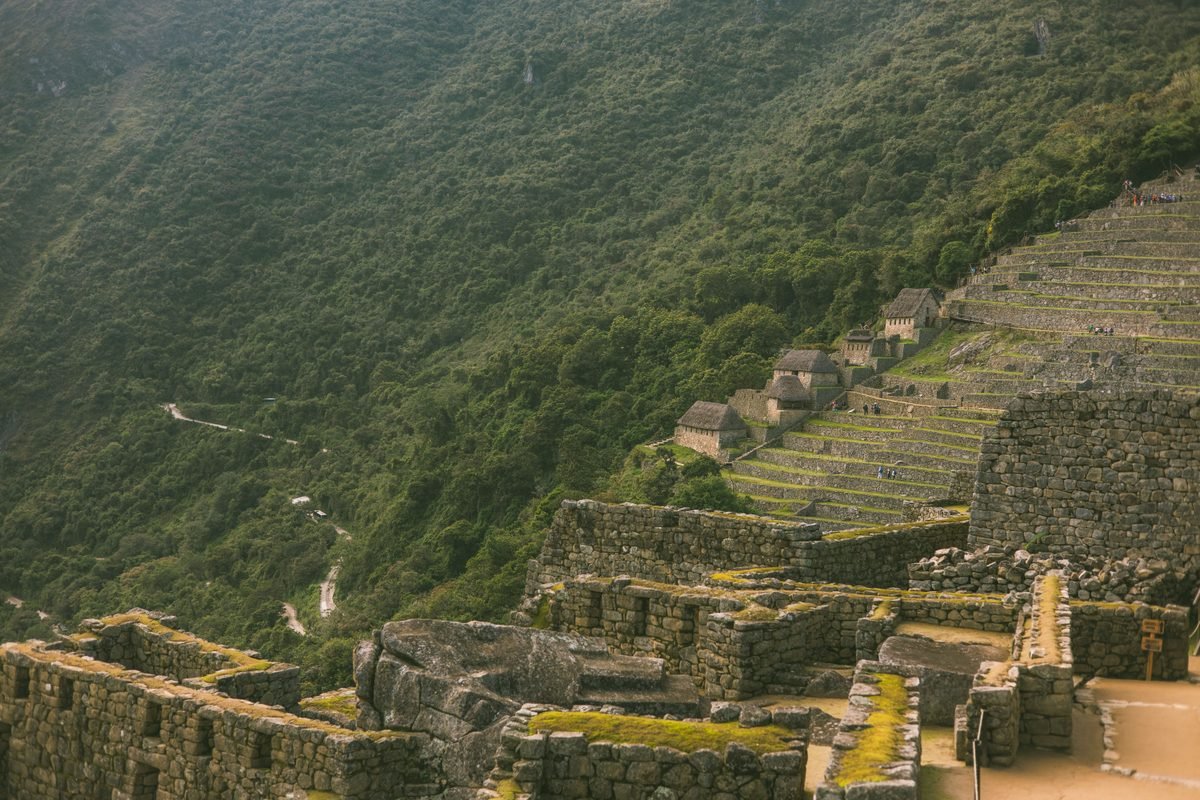
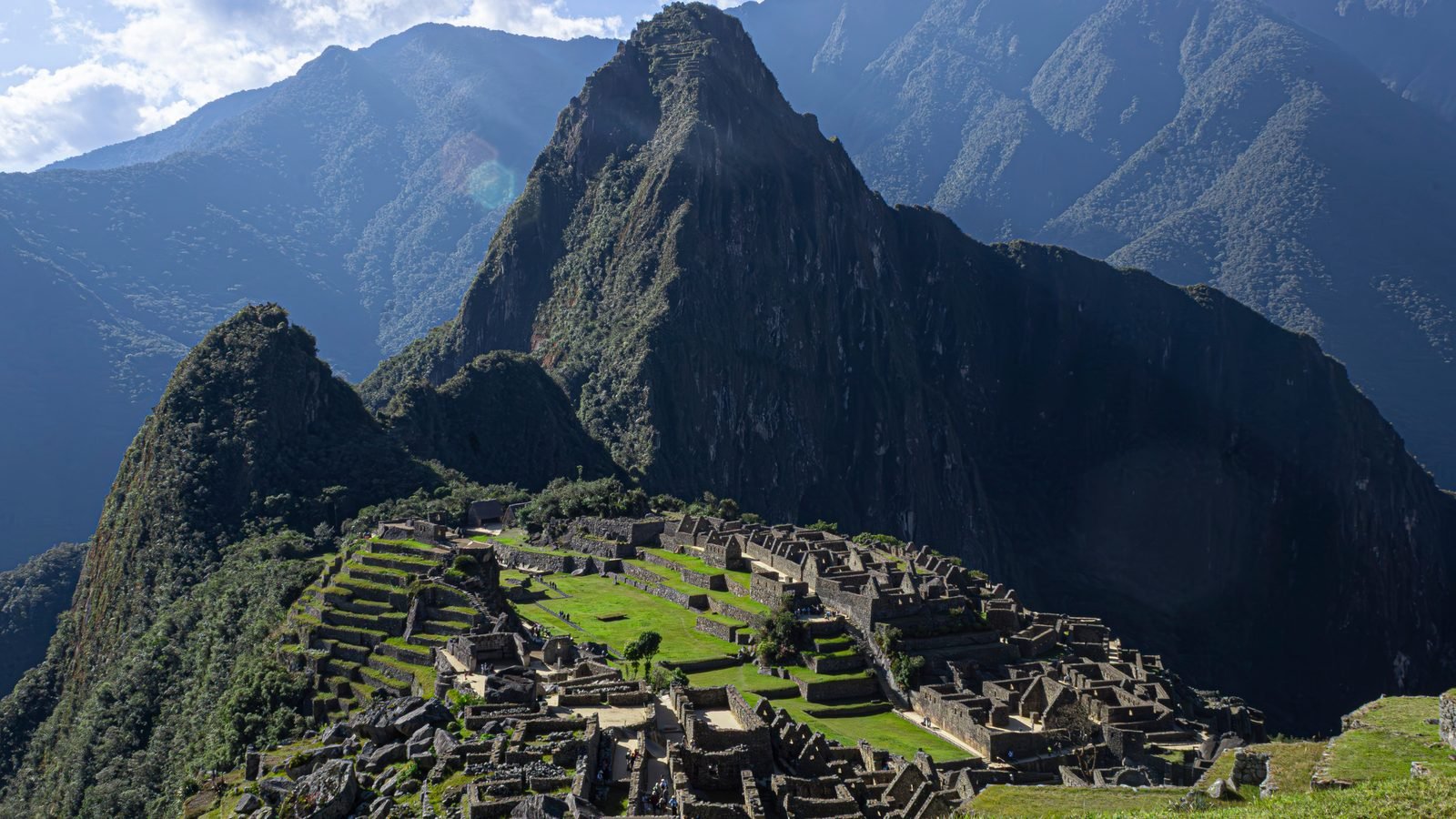
- Circuit 1 (Panoramic): This upper route leads to the classic viewpoint above the citadel near the Guardhouse. It offers the classic postcard panorama and access to the upper terraces. However, it does not allow you to walk among the residential ruins below. It also includes extensions for hiking Machu Picchu Mountain or the Sun Gate (Inti Punku).
- Circuit 2 (Classic Circuit): This remains the most complete option for first-time visitors. It includes the iconic upper terrace vantage point and descends directly into the heart of the stone complex. You will walk past the Temple of the Sun, the Sacred Rock, and the urban sectors. Tickets for Route 2-A and 2-B disappear the fastest.
- Circuit 3 (Royalty / Lower Circuit): This path enters only the lower agricultural and urban sectors, bypassing the high panoramic viewpoint entirely. While less strenuous, it includes access to the House of the Inka and routes climbing Huayna Picchu or Huchuy Picchu peaks.
Circuit 2 provides the balanced experience most people expect. If you want both the high-angle vista and a hike up Huayna Picchu, you will need to buy two separate tickets for different time slots or consecutive days. Standard adult entrance costs S/152 (about $41) for general circuits, while tickets paired with mountain hikes cost S/200 (about $54). Purchase tickets directly through the official government portal (tuboleto.cultura.pe). Never rely on unofficial third-party booking engines that inflate prices.
Book ahead: Reserve Official Tickets Early
Circuit 2 tickets routinely sell out three to four months in advance. Secure your entry on the official Ministry of Culture site before locking in non-refundable flights.
How to Book Inca Trail Permits and Meet Deadlines
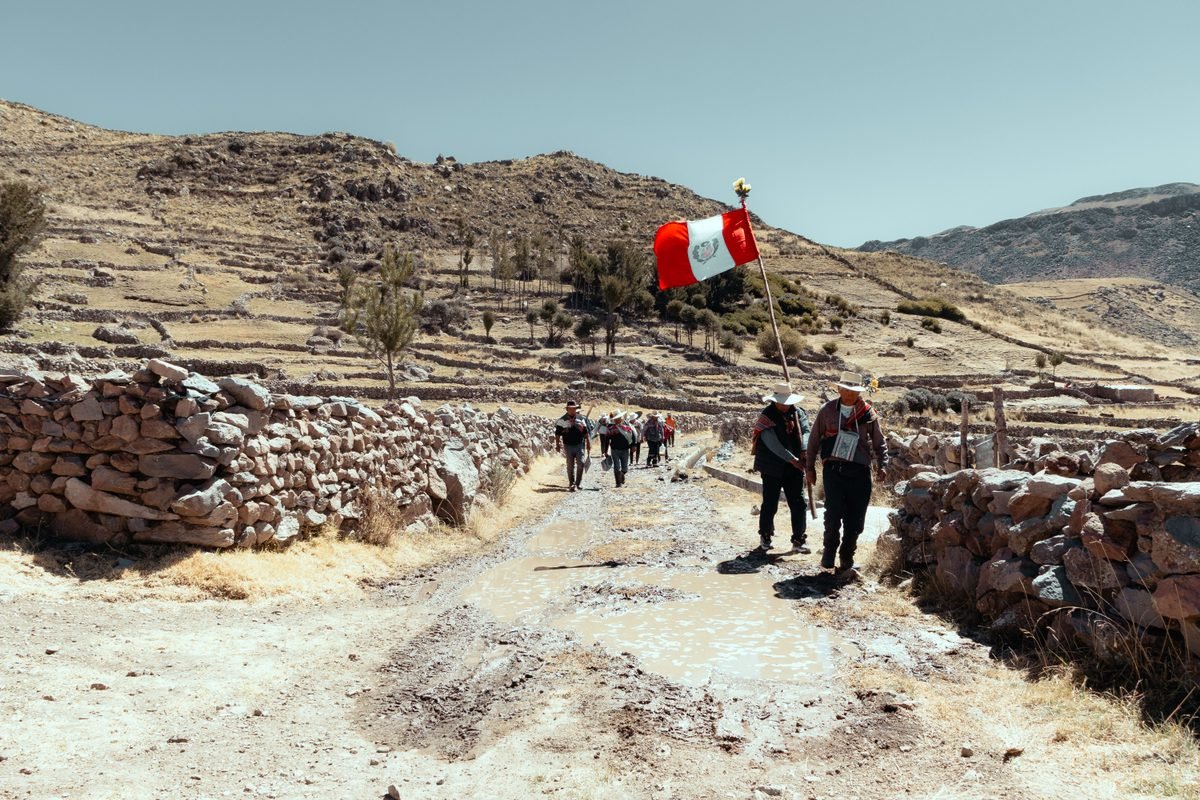
Hiking through the Sun Gate on your own two feet remains one of the world’s premier trekking experiences. However, independent hiking on the classic Inca Trail is strictly prohibited by Peruvian law. Every trekker must be accompanied by a licensed guide, porters, and a registered tour agency. The Peruvian government caps entries at 500 people per day, roughly 300 of whom are mandatory support staff like porters and cooks.
Permits operate on a strict booking calendar. Registration for the entire following calendar year typically opens between October and November. For prime trekking months such as June, July, and August, permits evaporate within hours of release. If you plan to hike during these months, you must contact a reputable local agency by September or October to get your passport details queued up for opening day. The trail closes completely every February for maintenance and conservation.
Expect to pay between $750 and $1,400 per person for a reputable 4-day, 3-night guided trek. This fee covers permits, transportation, camping gear, meals, porters, and return train tickets. Be wary of operators offering bargain rates under $650. Cheap outfits often cut corners on porter welfare and safety gear. The porters carry the heavy camp infrastructure over high mountain passes; choose an agency adhering strictly to the Porter Protection Law.
If classic permits are gone, consider alternatives. The 2-day short Inca Trail uses a separate permit pool that rarely sells out as quickly. Alternatively, the Salkantay Trek or the Lares Trek do not require government trail permits and terminate at the citadel via train from Hidroeléctrica or Ollantaytambo.
Heads up: Passport Details Must Match
Inca Trail permits are strictly non-transferable and non-refundable. Your name and passport number on the permit must match the document in your hand at checkpoint gates.
Train Options: Leaving from Cusco vs Ollantaytambo
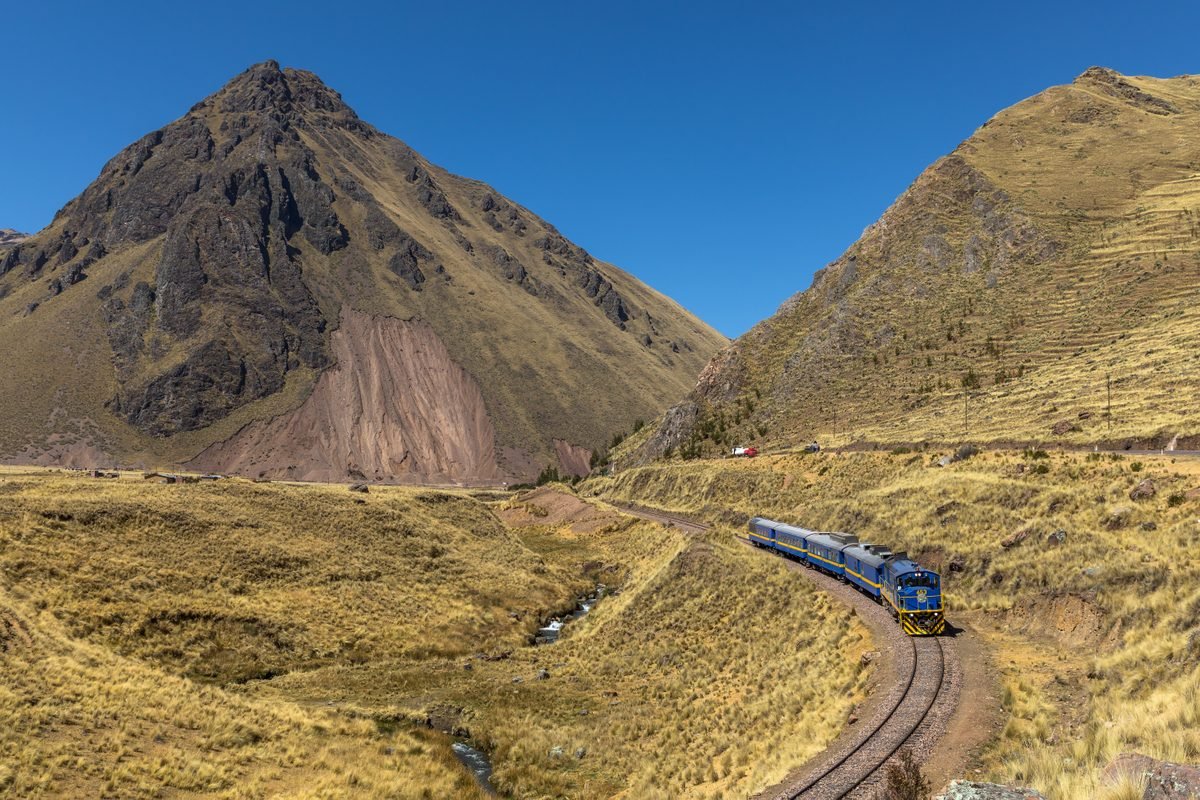
If you are not trekking, rail transport is the primary way to reach Aguas Calientes (also known as Machu Picchu Pueblo). Two main railway companies operate the route: PeruRail and Inca Rail. Both offer multiple service tiers, ranging from basic commuter carriages with overhead windows to luxury dining cars featuring live Andean music and observation decks.
A critical decision is your departure station. While you can take a direct train departing from Cusco (using Poroy or San Pedro stations), doing so is often inefficient. Cusco trains travel slowly across steep switchbacks out of the valley, taking over three and a half hours each way. These services are also frequently replaced by bimodal bus-and-train combinations during the rainy season between January and April.
Departing from Ollantaytambo in the Sacred Valley is far more practical. The train ride from Ollantaytambo takes just 1 hour and 30 minutes. It drops you right into the cloud forest canyon along the rushing Urubamba River. A private taxi or shared colectivo van from Cusco to Ollantaytambo takes about 1 hour and 45 minutes and costs roughly S/15 to S/25 (about $4 to $7) per person for a shared van, or S/120 (about $32) for a private car.
Booking your train ticket requires attention to prices and luggage restrictions. A standard PeruRail Expedition or Inca Rail Voyager ticket from Ollantaytambo costs roughly S/240 to S/350 (about $65 to $95) one way. Upgraded cars with wrap-around glass, such as the Vistadome, run from S/350 to S/480 (about $95 to $130) each way. Both companies impose a strict 5 kg (11 lb) carry-on baggage allowance per passenger. Leave your main roller suitcases at your hotel storage room in Cusco or Ollantaytambo. Bring only a compact daypack on the train.
Tip: Board on the Valley Side
When departing Ollantaytambo, sit on the left side of the train to enjoy unobstructed views of the roaring Urubamba River and ancient farming terraces.
How to Prevent Altitude Sickness in Cusco and the Andes
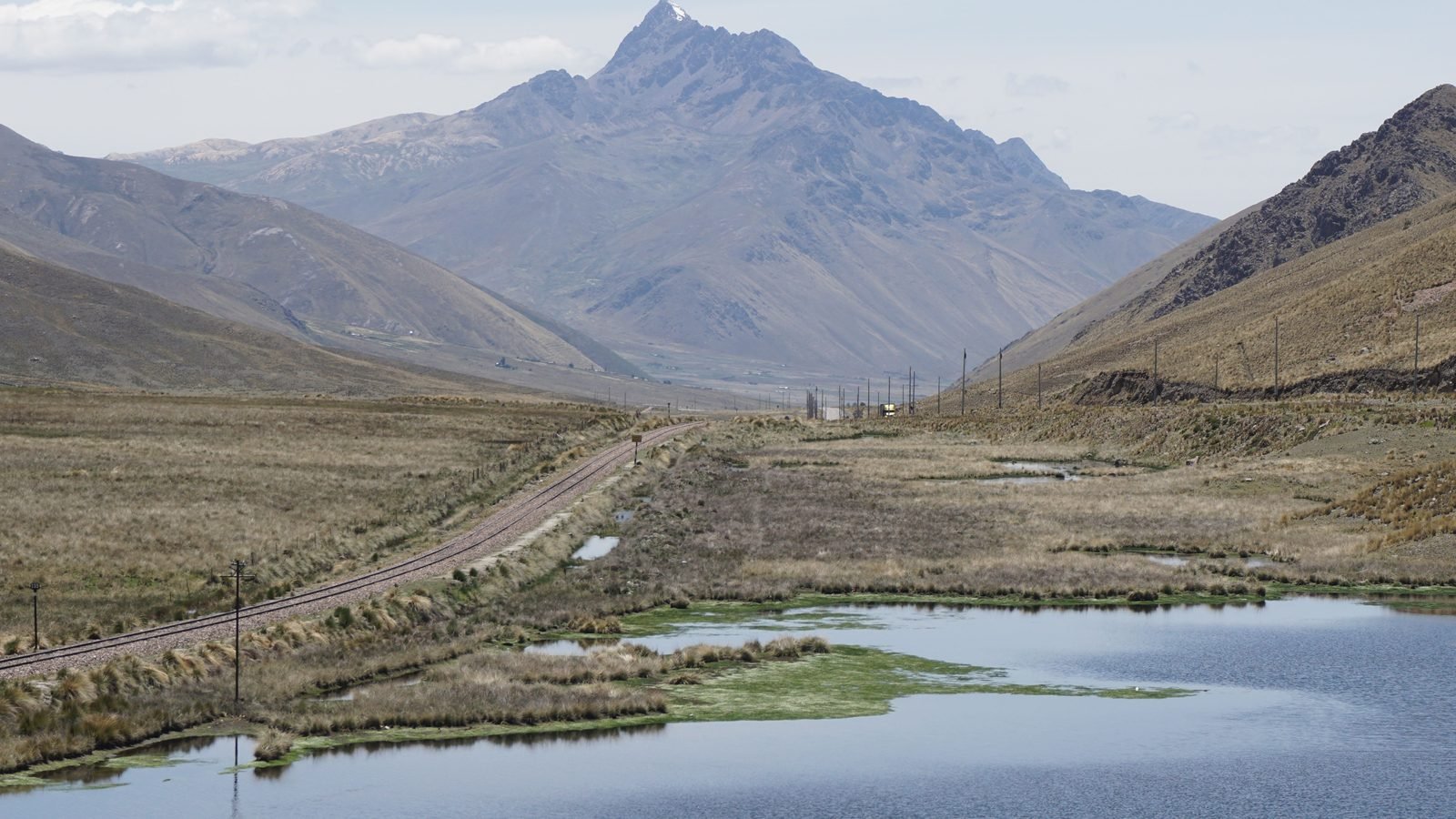
Altitude sickness, known locally as soroche, is the single greatest threat to your Peruvian itinerary. Cusco sits at an elevation of 3,399 meters (11,152 feet) above sea level. By comparison, Machu Picchu rests significantly lower in the cloud forest at 2,430 meters (7,972 feet). Landing at Cusco’s Alejandro Velasco Astete Airport directly from sea-level Lima thrusts your body into thin air without warning.
The smartest tactical decision you can make upon landing in Cusco is leaving immediately. Take a pre-booked taxi straight down into the Sacred Valley. Towns like Urubamba (2,870 meters) and Ollantaytambo (2,792 meters) sit hundreds of meters lower than Cusco. Spending your first two nights down in the valley lets your red blood cells adjust gradually. You will sleep better, digest food properly, and avoid pounding headaches. After touring the citadel, you can return up to Cusco to explore its cobblestone plazas with far greater resilience.
Hydration and pacing are critical. Thin mountain air wicks moisture from your lungs rapidly. Drink at least three liters of water daily. Avoid alcohol, heavy grilled meats, and strenuous uphill climbs during your first 48 hours. Coca tea (mate de coca) is ubiquitous in hotel lobbies; it provides mild relief from nausea, though you should avoid drinking it late in the evening due to its stimulant properties. If you take travel health precautions seriously, consult your physician before departing home regarding Acetazolamide (Diamox). Starting a course 24 hours before ascending significantly speeds acclimatization. In terms of essential gear, you will want a reliable daypack setup similar to what you would prepare when reviewing a South Korea temple stay packing list for long mountain walks.


Shuttle Buses and Logistics in Aguas Calientes
Aguas Calientes is the staging ground at the foot of the citadel. It is a dense, car-free town wedged tight between steep granite cliffs and raging rivers. Once you step off the train, you must navigate from the town center up to the sanctuary entrance. You have two options: ride the official Consettur shuttle bus or hike the steep vertical staircase.
Hiking takes roughly 90 minutes of punishing stair climbing directly through humid vegetation. It drains the energy you need for exploring the ruins. Almost all travelers opt for the Consettur bus. The fleet of green buses operates continuously along the winding Hiram Bingham highway. It climbs 400 vertical meters across twelve switchbacks in roughly 25 minutes. A return adult bus ticket costs $24 (about S/90), while a one-way ticket is $12 (about S/45). You can buy bus tickets online in advance or at the Consettur ticket booth in town using cash or card.
Timing your morning arrival demands precision. The Citadel opens at 06:00, and long queues for the buses form near the river station as early as 05:15. If your entrance ticket specifies an 08:00 entry slot, you are permitted to enter only within a 60-minute window of that printed time. Aim to board your bus in Aguas Calientes at least 45 to 60 minutes before your entry window opens. If you miss your entry window, park rangers will turn you away at the turnstiles without exception.
There are no public toilets inside the archaeological sanctuary. Use the paid restrooms located just outside the main gate before passing the turnstiles; entry costs S/2 (about $0.55). Keep small Peruvian coins handy. Large backpacks exceeding 40x35x20 cm must be stored in the luggage lockers outside the gate for S/5 (about $1.35).
From a local: Mind the Entry Time Window
Park turnstiles only permit entry up to 60 minutes after the timestamp on your ticket. Arrive outside the gates 20 minutes before your slot begins.
Where to Eat in Aguas Calientes and Ollantaytambo
Dining in transit towns near major world wonders can often feel overpriced and underwhelming. Aguas Calientes has its share of generic pizzerias, but solid regional cooking is easy to find if you step away from the main tourist strip along the train tracks. Ollantaytambo offers even better culinary options, leveraging fresh produce cultivated across the fertile Sacred Valley.
In Aguas Calientes, head up the hill away from the train station toward the central plaza. Indio Feliz is an established French-Peruvian bistro serving hearty three-course menus featuring roasted trout, red pepper soup, and ginger chicken for roughly S/95 (about $26). For a quick meal before boarding your train, Julian Restaurant serves exceptional alpaca steak, quinoa risotto, and ceviche in an unpretentious room with mains around S/45 to S/65 (about $12 to $18). Avoid the hawkers aggressively pushing laminated menus along Calle Pachacutec.
Ollantaytambo excels at farm-to-table Andean ingredients. El Albergue Restaurant, situated directly on the train station platform, sources vegetables, herbs, and coffee from its own organic farm. They operate a traditional pachamanca feast—meat and tubers cooked underground over hot river stones—that costs roughly S/120 (about $32) per person and requires advance reservations. In the village square, Chuncho celebrates native Sacred Valley crops, offering dishes with heirloom corn, native potatoes, and house-distilled spirits for S/40 to S/70 (about $11 to $19). If your travels take you across other global food capitals, comparing food logistics is part of the fun, much like working through an Osaka street food guide or tasting regional staples abroad.


Smart Travel Habits and Gear Essentials
Preparation dictates comfort in the high Andes. The cloud forest weather changes in minutes. Clear morning skies can morph into torrential downpours by noon, followed by intense, high-UV mountain sun. Dressing in versatile synthetic layers is non-negotiable. Avoid cotton clothing, which traps sweat and chills your body when the mountain winds pick up.
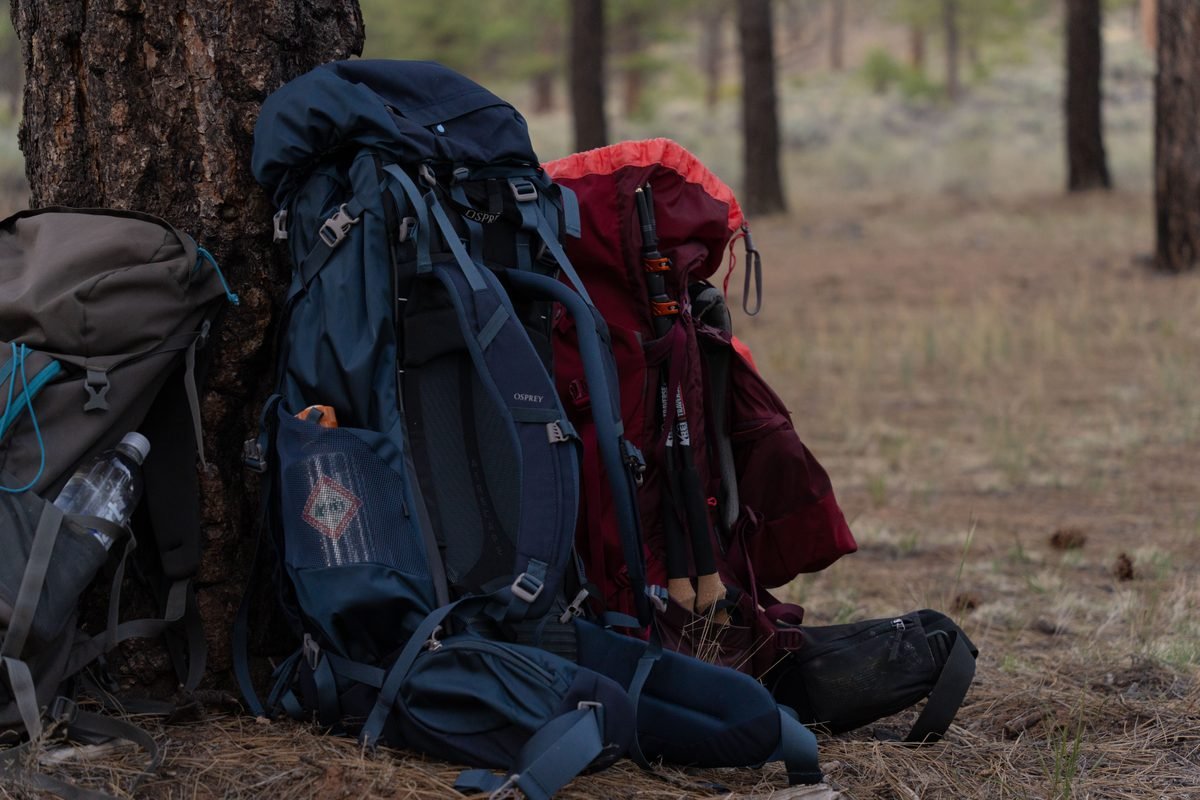
Pack the following essentials inside your daypack:
- Passports: You must present your original, physical passport alongside your printed entrance ticket at the sanctuary gate. Photocopies or phone screenshots are not accepted.
- Trekking Poles: Walking poles are permitted inside the ruins only for elderly or mobility-impaired visitors, and they must have protective rubber tips to prevent damage to stone walkways. Sharp metal tips are banned outright.
- Sun and Insect Protection: The high altitude amplifies UV radiation significantly. Bring SPF 50 sunscreen and a wide-brim hat. Aguas Calientes and the citadel are also notorious for biting sandflies (jejenes); bring insect repellent with high DEET concentration.
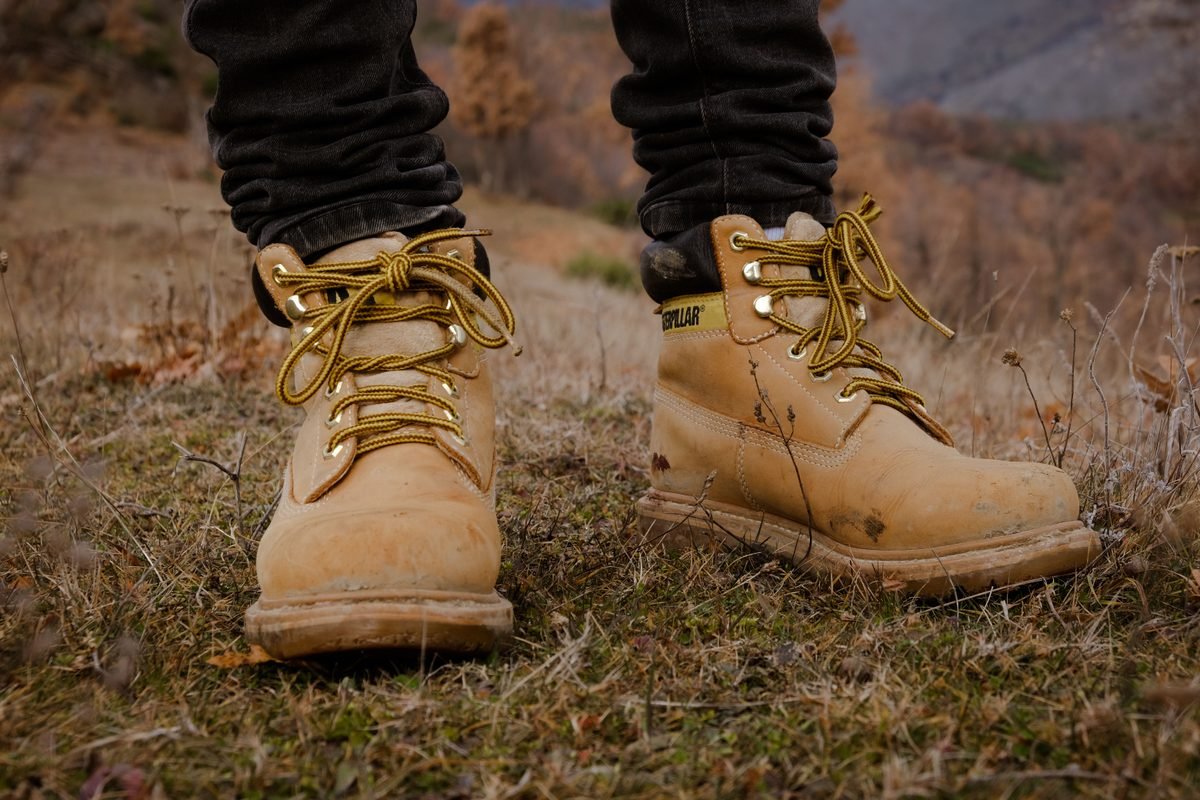
- Footwear: Sturdy trail running shoes or broken-in hiking boots with aggressive grip are essential. The ancient stone steps are uneven and become slick when wet.
Card payment terminals are common in hotels and sit-down restaurants, but connection drops happen constantly in the canyon. Always carry at least S/200 in cash, split into small bills (S/10 and S/20) for bus tips, restrooms, and market stalls. Before departing on an extended international trip involving remote regions, make sure your finances are structured properly by reviewing how to choose a travel credit card no foreign fees to dodge costly international transaction rates.
What it costs in Peru
| Item | Local price | USD |
|---|---|---|
| Citadel General Entry (Circuit 2) | S/152 | $41 |
| Return Train from Ollantaytambo (Expedition / Voyager) | S/520 | $140 |
| Shared Colectivo Van (Cusco to Ollantaytambo return) | S/40 | $11 |
| Consettur Shuttle Bus (Round trip) | S/90 | $24 |
| Mid-Range Hotel in Ollantaytambo (per night) | S/300 | $80 |
| Lunch and Dinner (Daily regional dining) | S/120 | $32 |
| Sanctuary Bathroom and Locker Fees | S/7 | $2 |
| Realistic Baseline Total (Independent 2-Day Excursion) | S/1,229 | $330 |
Prices checked October 2026. Always confirm with the provider before you book.
Where to stay in Peru
Budget
Ollantaytambo Village, for hostels near the Plaza de Armas
Staying around the historic Inca grid of Ollantaytambo lets you acclimatize comfortably at 2,790 meters while remaining within a ten-minute walk of the train station. Budget private rooms run between S/100 and S/160 ($27 to $43) per night.
Mid-range
Aguas Calientes, for riverside hotels near the train terminus
Basing yourself directly in town eliminates early-morning train stress so you can board the first morning buses to the gates. Expect comfortable rooms with hot showers for S/260 to S/420 ($70 to $112) per night.
Splurge
Sanctuary Lodge area, adjacent to the citadel entrance gates
This location sits directly outside the park turnstiles, avoiding the daily 25-minute bus commute up from town. Luxury accommodations in this exclusive zone command premium rates starting around S/3,800 to S/5,200 ($1,020 to $1,400) per night.
Mistakes to avoid
- Flying directly into Cusco from sea level and immediately attempting strenuous uphill walking without acclimatizing.
- Purchasing train tickets into Aguas Calientes that arrive after your designated citadel entrance ticket time window has already passed.
- Failing to print physical copies of your sanctuary tickets and relying on smartphone battery power or mobile signal in the mountains.
- Bringing full-sized luggage onto the train instead of storing primary suitcases at your hotel base in Cusco or Ollantaytambo.
- Packing trekking poles with bare metal spikes, which park rangers will confiscate at the entrance gates to preserve stonework.
FAQ
How many days should I spend in Cusco before visiting the citadel?
Spend at least two full days acclimatizing to the elevation before tackling strenuous hiking. Ideally, transfer directly to the lower Sacred Valley upon landing to adapt smoothly.
Can I explore the ruins without hiring an official tour guide?
While park regulations state that visitors should be accompanied by a licensed guide, individual ticket holders are routinely admitted through the turnstiles unguided. If you want historical context, licensed guides assemble outside the main gates for hire.
What is the best month of the year to visit?
The dry season runs from May through October, offering clear skies, crisp mountain air, and minimal rainfall. June and July bring the most reliable weather, though tickets and train seats sell out earliest.
Is it possible to visit as a single day trip from Cusco?
Yes, but it requires a punishing 16-hour day starting with a 04:00 transfer to Ollantaytambo. Staying overnight in Ollantaytambo or Aguas Calientes produces a significantly more relaxed experience.